智能化

Search documents
2025中国汽车工程学会年会暨创新技术展10月开幕
Zhong Guo Qi Che Bao Wang· 2025-10-09 02:50
Core Insights - The 32nd China Society of Automotive Engineers Annual Conference and Exhibition (SAECCE2025) will be held from October 22 to 24 in Chongqing, focusing on the release of the "Energy-saving and New Energy Vehicle Technology Roadmap 3.0" and addressing industry hot topics [1][6] Group 1: Major Systemic Transformations in the Automotive Industry - The automotive industry in China is undergoing a comprehensive transformation driven by low-carbon, electrification, and intelligence, marking a shift in five major systems: technology, innovation, product, industry, and market [2] - The technology system has evolved from a mechanical engineering focus to a new paradigm integrating low-carbon, electrification, and intelligence, with vehicles becoming super intelligent mobile terminals [2] - The innovation system has transitioned from linear "chain R&D" to a networked structure empowered by AI, enhancing efficiency across the entire process from demand insight to product definition [2] Group 2: Product and Market Dynamics - The product system is shifting from primarily fuel vehicles to new energy vehicles, with sales projected to reach 12.866 million units in 2024, and market penetration increasing from 0.3% in 2014 to 40.9% [3] - The market system is transitioning from reliance on domestic growth to global expansion, with exports reaching 4.292 million vehicles in the first eight months of 2025, a 13.7% increase year-on-year, and new energy vehicle exports growing by 87.3% [3] Group 3: Highlights of the Conference - The conference will feature over 130 activities focusing on six major technology areas, with participation expected to exceed 10,000 attendees, including representatives from 200 exhibiting companies [4] - The event will emphasize the integration of AI in automotive applications, showcasing its role in transforming vehicles into "embodied intelligent agents" [5] - An international committee will be established to enhance global collaboration, with multiple international forums planned to elevate the conference's international profile [5]
2025MID峰会洞见未来全球智能汽车发展
Zhong Guo Qi Che Bao Wang· 2025-10-09 02:34
Group 1 - The 2025 Mobility Intelligence Dialogue (MID Summit) focuses on the future development of smart vehicles, emphasizing the importance of collaboration in the automotive industry to address challenges and promote intelligent, connected, electric, and sustainable development [1][3] - The global automotive industry is at a critical stage characterized by both uncertainty and opportunity, with geopolitical fluctuations and trade policy adjustments posing challenges, while trends in electrification and connectivity continue to drive long-term growth [3][5] - By 2025, global automotive sales are projected to reach 90 million units, increasing to 95 million units by 2030, primarily driven by the penetration of new energy vehicles and the release of demand in emerging markets [3] Group 2 - China's automotive industry is highlighted as a key player in the global transition, with its export growth and leadership in new energy vehicles drawing significant attention [3][4] - Although China's new energy vehicle exports are growing, challenges remain due to the limited scale of emerging markets, necessitating further expansion into mature markets like Europe and North America [4] - The commercialization path of Software Defined Vehicles (SDVs) is a major focus, with global connected vehicle market size expected to grow from 56 million units in 2023 to 77 million units by 2030, with a penetration rate increasing from 68% to 85% [5][6] Group 3 - The shift from "selling cars" to "selling services" represents a key transformation in the business model for automotive companies, with software services becoming a significant source of high-margin, recurring revenue [6] - China is positioned to lead in the SDV market, with nearly one-third of new vehicles expected to reach L4 or L5 levels by 2037, supported by policy, technological advancements, and data accumulation [6] - China has established a comprehensive advantage in the power battery sector, with solid-state batteries expected to revolutionize range and reliability, potentially achieving vehicle validation next year [6]


走向智能化绿色化国际化!今年以来我国快递市场规模持续增长
Yang Shi Xin Wen· 2025-10-09 02:27
Core Insights - The express delivery market in China has shown continuous growth in 2023, with a focus on enhancing service levels and promoting smart, green, and international development to support online consumption [1][3] Group 1: Market Growth and Performance - From January to August 2023, the total express delivery volume reached 128.2 billion pieces, marking a year-on-year increase of 17.8% [1] - The average daily express delivery volume in January and February was approximately 620 million pieces, surpassing the expected daily volume for the 2024 "Double 11" shopping festival [1] - The express delivery sector has effectively met the demands of live-streaming sales, holiday economies, and the recycling of consumer goods, thereby continuously stimulating online consumption [3] Group 2: E-commerce Integration - Over 80% of express delivery volume is derived from e-commerce, which has significantly transformed production and consumption habits, as well as the logistics landscape in China [4] - The online retail sales in China have surged from 258.6 billion yuan in 2009 to 15.5 trillion yuan in 2024, representing a 59-fold increase over 15 years [4] Group 3: Regional Performance - The express delivery business in western regions of China has shown remarkable growth, with provinces like Shaanxi and Ningxia experiencing increases exceeding 40%, while Guizhou, Xinjiang, Inner Mongolia, and Qinghai saw growth rates above 30% [8] Group 4: Cross-border E-commerce Expansion - Chinese companies are accelerating their overseas expansion in cross-border e-commerce, with nearly 300 overseas distribution centers and warehouses established this year [12][18] - The integration of cross-border e-commerce and international logistics is crucial for transforming trade methods and building a resilient international logistics supply chain [16] Group 5: Market Recognition and Demand - Major Chinese e-commerce platforms like Alibaba, AliExpress, Pinduoduo's Temu, and Shein have gained significant market share and recognition among international consumers [14] - The demand for unique and innovative products from Chinese companies has led to increased orders and price hikes, indicating a robust market response [10]

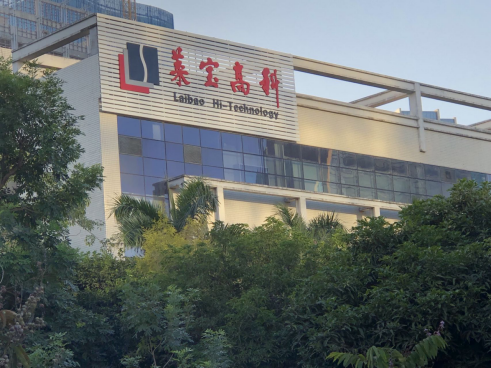
莱宝高科:车载触摸屏业务今年销售收入能否同比增长存不确定性
Ju Chao Zi Xun· 2025-10-09 02:21
Core Viewpoint - The company faces challenges in its automotive touch screen business due to ongoing price pressures and increasing competition from InCell integrated touch display technology, leading to uncertainty in achieving year-on-year sales growth in 2025 [2][3]. Group 1: Market Trends - The automotive industry is increasingly moving towards electrification, intelligence, and connectivity, which is driving the integration of traditional dashboard components into unified designs, resulting in a shift from single screens to dual and triple screen setups [2]. - There is a growing demand for customized designs and production of automotive cover glass in various shapes, including 3D, curved, and irregular forms, as product sizes expand [2]. Group 2: Sales and Production Outlook - The company reported a certain degree of growth in product production and sales in the first half of 2025 compared to the same period last year, as it actively works to meet customer delivery demands [3]. - The global market for automotive touch screens is expected to grow in line with the anticipated increase in global electric vehicle shipments, which will drive demand for larger and multi-screen touch displays [3]. Group 3: Strategic Initiatives - The company plans to enhance its development efforts with overseas Tier 1 automotive manufacturers, achieving positive progress in 2024, which is expected to lead to new product projects and increased demand for touch sensor panels in automotive touch screens [3]. - The company intends to expand its production capacity for automotive touch screens and cover glass in response to customer demand and will explore additional high-value product markets within the automotive touch screen segment [3]. Group 4: Overall Sales Projection - Overall, the company's automotive touch screen business is projected to continue experiencing year-on-year sales growth in 2025 [4].

鸣志电器股价跌5.27%,华夏基金旗下1只基金位居十大流通股东,持有374.75万股浮亏损失1671.36万元
Xin Lang Cai Jing· 2025-10-09 01:46
Core Insights - Mingzhi Electric experienced a decline of 5.27% on October 9, with a stock price of 80.18 CNY per share and a total market capitalization of 33.586 billion CNY [1] Company Overview - Mingzhi Electric, established on July 7, 1998, and listed on May 9, 2017, is located in Minhang District, Shanghai. The company focuses on research and development in motion control and intelligent power sectors, with a core business expanding in automation and intelligence [1] - The revenue composition of Mingzhi Electric is as follows: 83.60% from control motors and their drive systems, 8.39% from trade products, 6.90% from power and lighting system controls, 1.07% from equipment status management systems, and 0.03% from other sources [1] Shareholder Insights - Among the top circulating shareholders of Mingzhi Electric, Huaxia Fund's Huaxia CSI Robotics ETF (562500) increased its holdings by 678,100 shares in Q2, totaling 3.7475 million shares, which represents 0.89% of the circulating shares. The estimated floating loss today is approximately 16.7136 million CNY [2] - The Huaxia CSI Robotics ETF was established on December 17, 2021, with a current size of 14.471 billion CNY. Year-to-date returns are 40.61%, ranking 1266 out of 4221 in its category, while the one-year return is 51.95%, ranking 805 out of 3848 [2]

打破“枷锁” 看见未来
Qi Huo Ri Bao· 2025-10-09 00:46
Core Viewpoint - The Chinese glass industry, the largest in the world, is facing unprecedented structural pressures, necessitating a transformation from quantity accumulation to quality enhancement, and from being large to becoming strong [1] Group 1: Industry Challenges - The glass industry is deeply tied to the real estate sector, making it a cyclical industry with a sharp structural imbalance in demand despite high supply [1] - There is an oversupply of low-end float glass while high-end glass, such as ultra-thin electronic glass, remains heavily reliant on imports, leading to a "bottleneck" risk in advanced fields [1][2] - The glass manufacturing process is energy-intensive, with fuel costs accounting for 30% to 40% of total production costs, making companies sensitive to energy price fluctuations [2] Group 2: Environmental and Regulatory Pressures - The glass industry contributes approximately 2% of China's total industrial carbon emissions, facing increasing pressure from stricter environmental regulations and carbon trading markets [2] - The traditional high-energy, high-emission development model for construction glass is becoming unsustainable due to intense market competition and lack of pricing power [2] Group 3: Path to Transformation - High-end development is essential for the glass industry to break through, requiring a shift of resources from low-end to high-value sectors, such as electronic information display glass [3] - Green transformation is viewed as a future competitive necessity, focusing on energy revolution through methods like "coal-to-gas" conversions and exploring disruptive low-carbon technologies [3] - Smart manufacturing is crucial for enhancing competitiveness, involving the use of automation and AI to optimize production processes and reduce human error [4] Group 4: Service-oriented Approach - Transitioning from being mere suppliers of glass to providing comprehensive solutions for end-users is vital for overcoming product homogenization and enhancing value chains [4] - The future leaders in the glass industry will be those that integrate high-end materials, green technology, digital intelligence, and service solutions into their business models [4]
销量上涨 上市提速 科技加码 国庆不仅“武网热”还有岚图热
Chang Jiang Ri Bao· 2025-10-09 00:32
Core Viewpoint - The article highlights the growth and market presence of Lantu Motors during the National Day and Mid-Autumn Festival in Wuhan, showcasing its new vehicle launches and strong sales performance, while also emphasizing its strategic partnership with Huawei and plans for an IPO in Hong Kong. Group 1: Event and Brand Presence - The 2025 Dongfeng Lantu Motors Wuhan Tennis Open commenced on October 6, with Lantu as the exclusive title sponsor, enhancing its brand visibility on an international stage [2] - Lantu's flagship sedan, the Lantu Chasing Light L, features advanced technology such as an 800V mixed power system and a rapid charging capability, attracting significant attention from attendees [2] - The Lantu Han Yang full-service user center experienced a surge in foot traffic, with nearly 40 new cars sold during the holiday, particularly the new Lantu Zhiyin model [3] Group 2: Sales Performance - Lantu Motors reported a 30% year-on-year increase in sales during the National Day holiday, driven by the launch of four new models equipped with Huawei systems [3] - In September, Lantu delivered 15,224 vehicles, marking a 52% year-on-year increase, and cumulative deliveries for the first nine months exceeded 97,000 units, up 85% [4][5] Group 3: Market Data and Growth - Dongfeng Motor Group's data indicated that in September, total vehicle sales reached 231,000 units, a 6.2% increase year-on-year, with new energy vehicle sales at 103,000 units, up 20.4% [4] - Lantu's sales growth reflects a broader trend in the industry, with a compound annual growth rate of 103.2% from 2022 to 2024, and revenue increasing to 19.36 billion yuan [5] Group 4: Technological Advancements - Lantu Motors is advancing its technology and manufacturing capabilities, with significant growth in high-tech manufacturing in Wuhan, where Lantu's growth was noted at 108.4% [6] - The company is enhancing its technological framework through collaborations with major tech firms like Huawei and Tencent, focusing on AI and smart cockpit technologies [6] Group 5: Future Outlook - Lantu Motors has submitted its IPO application to the Hong Kong Stock Exchange, marking a significant step towards global expansion [5] - The company aims to establish itself as a leading high-end new energy brand, with plans to produce 200,000 vehicles by April 2025 [5][8]
探寻玻璃产业系统性重构阶段的转型之路
Qi Huo Ri Bao· 2025-10-08 23:40
Core Viewpoint - The glass industry in China is undergoing a significant transformation, shifting from a focus on quantity to quality, driven by government policies aimed at optimizing structure and eliminating outdated capacity [1][2][16]. Group 1: Industry Overview - The glass industry is a crucial pillar of the national economy, with an output value of nearly 7 trillion yuan, covering over 150 sectors [1]. - The glass sector is transitioning from a phase of merely controlling production to a comprehensive optimization of capacity, energy, and products [2][3]. - The industry faces structural challenges, including overcapacity in traditional sectors and a shortage of high-end products, necessitating a shift towards high-quality development [2][6][16]. Group 2: Policy and Governance - The Ministry of Industry and Information Technology has issued a plan focusing on "capacity optimization, energy upgrading, and product upgrading" to address structural overcapacity and high-end shortages [2][4]. - Strict measures are in place to prevent the addition of new flat glass capacity, requiring new projects to include capacity replacement plans [2][4]. - The policy emphasizes the importance of market mechanisms and encourages leading companies to establish green low-carbon transformation funds [2][4]. Group 3: Market Dynamics - The glass industry is experiencing a bifurcation, with traditional float glass facing declining demand while high-end sectors like photovoltaic and electronic glass are witnessing rapid growth [6][8]. - The demand for float glass has decreased due to a downturn in the real estate market, with production dropping by 4.5% year-on-year in the first eight months of 2025 [8]. - Conversely, the photovoltaic glass sector is struggling with excess low-end capacity despite a projected increase in global installations [8][9]. Group 4: Technological and Structural Challenges - The glass industry is characterized by a lack of high-end production capacity, with only 20% of electronic glass being produced domestically, leading to reliance on imports [9][18]. - The industry faces issues with product homogeneity and insufficient investment in research and development, which hampers innovation and responsiveness to market changes [6][10]. - The transition to high-end products is essential, as traditional low-end products are facing intense price competition and declining profitability [16][18]. Group 5: Future Outlook and Strategies - The industry is expected to see a shift in capacity from traditional float glass to high-end segments, with projections indicating that the share of float glass will decrease from 65% to 55% by 2026 [12][14]. - Companies are exploring various strategies, including technological upgrades, market empowerment, and optimizing layouts to navigate the current challenges [10][11]. - The integration of advanced technologies and a focus on high-end materials are seen as critical for the industry's future competitiveness and sustainability [18][19].

资本赋能产业升级 豫企军团提质焕新
Sou Hu Cai Jing· 2025-10-08 22:15
Core Viewpoint - The capital market in Henan province has played a crucial role in enhancing the quality and efficiency of local enterprises during the "14th Five-Year Plan" period, facilitating technological upgrades and strategic industry improvements [1][2]. Group 1: Capital Market Development - The number of A-share listed companies in Henan increased from 87 at the end of 2020 to 112, with 13 companies listed on the Beijing Stock Exchange, leading the central six provinces [2]. - Since 2021, Henan enterprises have consistently raised over 100 billion yuan in bond financing annually, with the total bond issuance reaching 4,958 billion yuan, doubling since 2021 [2]. - The average cost of bond issuance has decreased to 2.66%, down 212 basis points from its peak [2]. Group 2: Industry Upgrades and Innovations - Leading companies like Muyuan Foods have leveraged capital markets for significant growth, with revenues projected to rise from 56.3 billion yuan in 2020 to 137.9 billion yuan by 2024 [3]. - Muyuan Foods has invested in R&D for smart farming and disease prevention, supported by a 300 million yuan technology innovation bond issued in May [3]. - The company has filed a total of 2,276 patents, with 138 new patents granted in 2024 alone [3]. Group 3: Financial Performance and Returns - By August 2025, the number of A-share listed companies in Henan with a market value exceeding 10 billion yuan reached 35, doubling from the previous year [6]. - Nearly 80% of listed companies reported profits in the first half of the year, with total revenues exceeding 100 billion yuan for 13 companies, and a combined net profit of 447.95 billion yuan, up 39.83% year-on-year [6]. - Companies like Shuanghui Development and Muyuan Foods have significantly increased their dividend payouts, with Shuanghui distributing 22.52 billion yuan in cash dividends in 2025 [7]. Group 4: Financial Tools and Services - The Zhengzhou Commodity Exchange has listed 27 futures and 20 options, capturing 35.03% of the national futures market share [8]. - The exchange has attracted 2.2 trillion yuan in settlement funds and has introduced seven products for foreign traders [8]. - Over 700 enterprises have received risk management services from Henan's futures companies, with agricultural insurance and futures business covering goods worth 39.14 billion yuan [10]. Group 5: Policy Support and Future Directions - The Henan government has implemented policies to support mergers and acquisitions, aiming to enhance traditional industries and foster emerging sectors [11][12]. - The "14th Five-Year Plan" has seen the issuance of various REITs to support infrastructure and promote digital and green transformations [11]. - The province aims to deepen cooperation with major stock exchanges to facilitate more companies in listing and financing [12].
美力科技(300611):公司首次覆盖报告:深耕高壁垒弹簧赛道,国产替代与智能化双轮驱动成长
KAIYUAN SECURITIES· 2025-10-08 04:46
Investment Rating - The report assigns a "Buy" rating for the company, marking its first coverage [2][9]. Core Insights - The company is a leading player in the Chinese spring industry, focusing on high-barrier markets and leveraging both domestic substitution and smart technology as dual growth drivers [5][6]. - The company has established deep partnerships with major domestic electric vehicle manufacturers such as Geely, BYD, and Li Auto, as well as stable relationships with international Tier 1 suppliers like WABCO and ZF [5][6]. - The company is expected to see significant profit recovery, with projected net profits of 190 million, 270 million, and 320 million yuan for 2025, 2026, and 2027 respectively, corresponding to EPS of 0.92, 1.27, and 1.51 yuan [5][7]. Summary by Sections 1. Company Overview - The company has a strong history of growth and expansion, becoming the first listed company in the Chinese spring industry in 2017 [17]. - It has undergone multiple acquisitions to enhance its industrial layout, including significant acquisitions in 2021 and 2024 to expand its product lines and global competitiveness [17][18]. 2. Industry Dynamics - The spring industry has high barriers to entry due to technological, financial, and customer-related challenges, with foreign companies still dominating the high-end market [32][33]. - The rise of domestic electric vehicle manufacturers is driving demand for suspension systems, with the market for springs expected to reach 431.24 billion yuan by 2030 [35][41]. 3. Customer Base and Technology - The company has established strong customer relationships with leading domestic and international automotive manufacturers, creating a robust customer barrier [44]. - It has accumulated significant technological expertise, holding 111 patents and continuously investing in R&D, with a 32% increase in R&D spending in 2024 [47][50]. 4. Growth Drivers - The company is investing 660 million yuan in smart suspension systems, anticipating significant market growth in this area, with the air suspension market projected to exceed 80 billion yuan by 2030 [55][54]. - The humanoid robot market is also seen as a new growth avenue, with the global robotics market expected to surpass 100 billion USD by 2035 [56][59]. 5. Financial Projections - The company is expected to achieve rapid revenue growth, with projected revenues increasing from 1.37 billion yuan in 2023 to 3.14 billion yuan by 2027, reflecting a compound annual growth rate of 24.2% [7][30]. - Profit margins are also expected to improve, with gross margins projected to reach 24.8% by 2027 [7][30].