
创新驱动

Search documents
坚持创新驱动 加紧培育壮大新动能
Xin Lang Cai Jing· 2026-01-13 12:12
Core Viewpoint - The article emphasizes the importance of innovation-driven development as a strategic decision by the Chinese government to achieve high-quality economic growth and to foster new driving forces for modernization [2][14][15]. Group 1: Strategic Importance of Innovation - The central government has placed "innovation-driven development" at the forefront of economic work, recognizing it as a critical strategic decision with global and historical significance [2][14]. - High-quality development is identified as the primary task for building a modern socialist country, necessitating advancements in technology and new productive forces [2][14]. - The cultivation of new driving forces through technological, institutional, and model innovations is essential for transforming economic growth from resource consumption to technological progress [2][14]. Group 2: Global Technological Competition - The article highlights the fierce global competition in technology and industry, with major powers focusing on technological innovation capabilities [3][15]. - The need for China to pursue independent innovation is underscored, especially in strategic emerging industries like artificial intelligence and quantum technology, to maintain control over its development [3][15]. - The cultivation of new driving forces is seen as a way to reshape China's industrial structure and competitive advantages, providing sustainable development momentum [3][15]. Group 3: Modern Industrial System - Constructing a modern industrial system is a key strategic deployment by the central government, particularly during the 14th Five-Year Plan period [4][16]. - Strategic emerging industries are deemed essential for enhancing the resilience and security of supply chains, pushing the industrial structure towards higher-end development [4][16]. - The article stresses that fostering new driving forces is crucial for achieving the goals set out in the 14th Five-Year Plan and the long-term objectives for 2035 [4][16]. Group 4: Historical Achievements in Innovation - Since the 18th National Congress, China has made significant strides in technological innovation, positioning itself as an innovative nation [5][17]. - Major breakthroughs in key technologies have supported economic structural transformation, with advancements in artificial intelligence, big data, and cloud computing driving new business models [6][18]. - The successful operation of the C919 aircraft and the global service of the BeiDou satellite navigation system are highlighted as examples of enhanced competitiveness in the global industrial landscape [6][18]. Group 5: Pathways for Cultivating New Driving Forces - The article outlines the need for a systematic approach to promote new driving forces, emphasizing the importance of strengthening technological independence and innovation [8][19]. - It advocates for increased support for basic research and encourages enterprises to enhance their R&D investments, fostering collaboration between large and small companies [8][19]. - The development of strategic emerging industries and the empowerment of traditional industries through new technologies are essential for expanding the space for new driving forces [9][20]. Group 6: Reform and Ecosystem for Innovation - The article calls for deeper reforms to eliminate barriers to innovation and development, including improvements in the evaluation and transformation of scientific achievements [10][21]. - It emphasizes the integration of education, technology, and talent development to cultivate high-quality professionals [10][21]. - The need for a favorable business environment and the protection of various ownership rights is highlighted to stimulate entrepreneurial and innovative activities [10][21]. Group 7: Global Cooperation and Open Innovation - The article stresses the importance of open innovation and global cooperation in enhancing China's innovation capabilities [11][22]. - It advocates for optimizing the investment environment to attract top global research institutions and high-end talent [11][22]. - Active participation in global technology governance and addressing global challenges like climate change is seen as vital for fostering new driving forces [11][22].
杭州交投集团擘画“十五五”发展新蓝图
Xin Hua Wang· 2026-01-13 02:15
Core Viewpoint - Hangzhou Transportation Investment Group aims to transition from a scale of over 100 billion to an "innovation-driven" model, contributing to the development of an international comprehensive transportation hub city [1][2]. Group 1: Achievements and Developments - In recent years, the company has successfully developed key projects such as Hangzhou West Station, Huhang Railway, Hangwen High-speed Railway, and the second channel of the Grand Canal, marking a new phase of growth with assets exceeding 100 billion [1]. - The "14th Five-Year Plan" period was characterized by significant achievements in regional development, with multiple projects like Hangzhou Yuncheng and Qiantang High-speed Railway New City progressing simultaneously [1][2]. Group 2: Future Plans and Strategies - The company will focus on enhancing its four major business sectors: highway and water transport, railway hubs, regional development, and industrial investment, while expanding the transportation construction industry chain [3]. - A commitment to "innovation-driven" development will guide the company in adjusting its industrial layout and modernizing its governance system, aiming to establish itself as a benchmark in the comprehensive transportation investment sector [2][3].
新视野丨坚持创新驱动 加紧培育壮大新动能
Zhong Yang Ji Wei Guo Jia Jian Wei Wang Zhan· 2026-01-13 00:33
Group 1 - The core viewpoint emphasizes the importance of innovation-driven development as a strategic decision by the Chinese government to achieve high-quality economic growth and to foster new driving forces for modernization [3][4]. - The focus on cultivating new driving forces through technological innovation, institutional innovation, and model innovation is essential for transforming the economy from resource consumption to technological advancement [3][4][5]. - The current global technological competition necessitates a strong emphasis on self-innovation to maintain competitiveness in key core technologies [4][5]. Group 2 - Significant historical achievements in innovation have been made since the 18th National Congress, positioning China as an innovative nation with notable advancements in various high-tech fields [6][7]. - Breakthroughs in key core technologies, such as artificial intelligence and big data, have accelerated the application of emerging technologies, providing a robust engine for high-quality economic development [7][8]. - The establishment of a comprehensive innovation system has strengthened the foundation for development, with increased R&D investment and enhanced roles for enterprises in innovation [8][9]. Group 3 - The practical path to cultivating new driving forces involves a systematic approach to enhance technological self-reliance and support for foundational research [9][10]. - Developing a modern industrial system is crucial, focusing on strategic emerging industries and future industries to seize new opportunities in global industrial restructuring [10][11]. - Deepening reforms in key areas and creating a conducive environment for new driving forces is necessary to eliminate barriers to innovation and development [11][12].

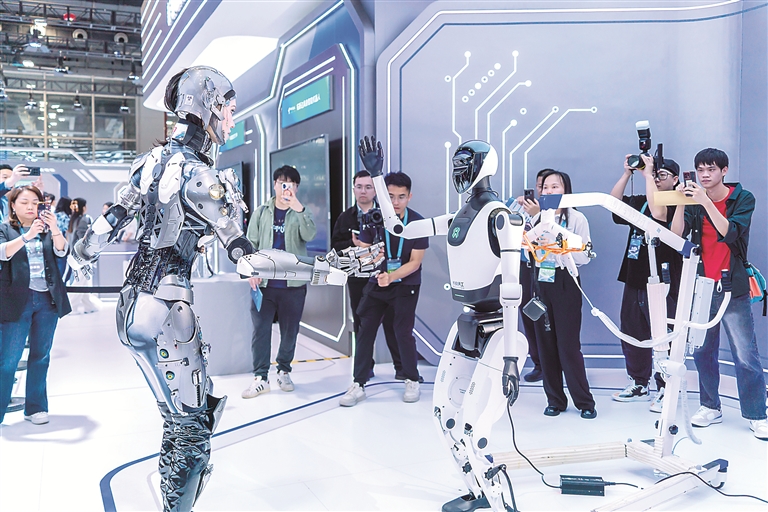
【回望2025】汇聚全球智慧,共筑安全未来:汽车指数国际化征程的“致远”篇章
Zhong Guo Qi Che Bao Wang· 2026-01-12 08:15
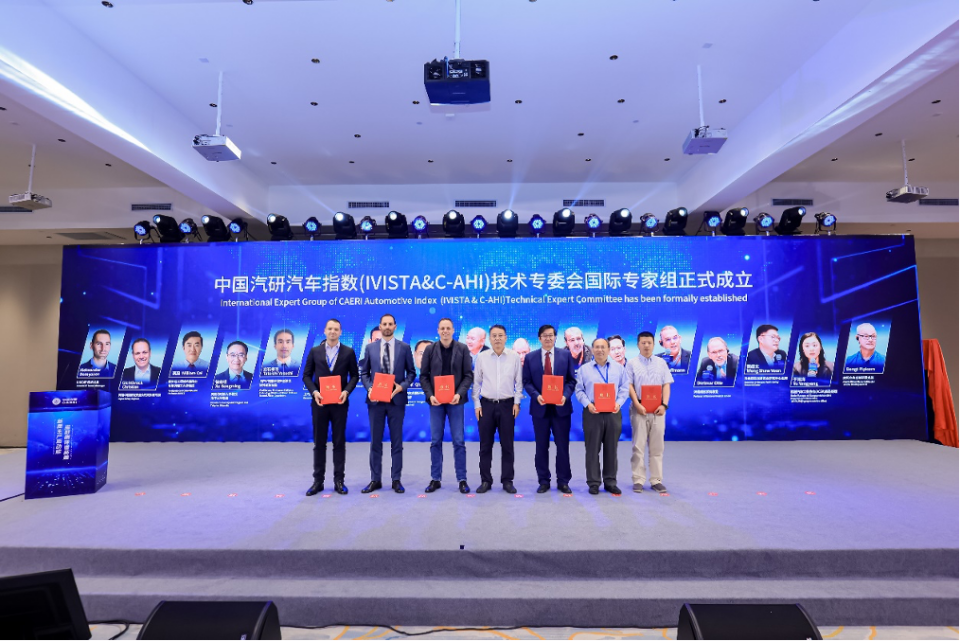
Core Viewpoint - The 2025 China Automotive Research Index emphasizes innovation as a key driver for high-quality development, aligning with national strategies and fostering international collaboration in the automotive industry [1]. Group 1: International Collaboration and Standards - The automotive index has established an international expert think tank, recruiting nearly 20 top experts from Europe, America, and Asia to enhance its global perspective and ensure alignment with international technological trends [2]. - The index has deepened its international strategy by actively participating in global governance and contributing constructively to the international standards ecosystem, including hosting influential conferences and workshops [4]. - Collaborations with organizations like Euro NCAP and Green NCAP aim to align Chinese automotive standards with international benchmarks, facilitating smoother exports to Europe and reducing trade barriers [6]. Group 2: Industry Recognition and Contributions - The automotive index has received significant international accolades, including the "ASEAN Safety Excellence Contribution Award" from the Malaysian Ministry of Transport for its contributions to road safety [9]. - The index's case study on enhancing Chinese automotive enterprises' global outreach was selected as a notable example for BRICS nations, showcasing a model for industrial cooperation in emerging markets [9]. - Research teams have presented cutting-edge studies at top academic conferences, highlighting advancements in automotive safety technology and reinforcing the index's global academic presence [10]. Group 3: Future Directions - The automotive index plans to host the "2026 Euro NCAP Model Technology Observation (China Station)" in Chongqing, further solidifying China's role in global automotive safety technology exchange and standard development [8]. - The index aims to continue contributing to the globalization of the Chinese automotive industry by deepening mutual learning and providing innovative solutions on the international stage [12].

理响中国·聚焦2026中国经济丨实现“十五五”良好开局 如何抓好八项“重点任务”
Yang Guang Wang· 2026-01-12 07:13
Group 1 - The Central Economic Work Conference held in Beijing at the end of 2025 summarized the economic work of 2025 and deployed tasks for 2026, focusing on ensuring a good start for the "14th Five-Year Plan" [1] - The total retail sales of social consumer goods reached 45.6 trillion yuan in 2025, with a growth of 4.0% from January to November [4] - A total of 5 billion yuan is allocated, with 3 billion yuan for supporting the replacement of consumer goods, an increase of 1.5 billion yuan from the previous year [6] Group 2 - The cumulative production and sales of automobiles reached 31.23 million and 31.12 million units, respectively, with year-on-year growth of 11.9% and 11.4% [7] - The express delivery business volume reached 199 billion pieces in 2025, showing a year-on-year growth of 13.7% [8] - The total import and export value of goods reached 4.12076 trillion yuan from January to November 2025, with a year-on-year growth of 3.6% [18] Group 3 - The economic output of China's top 100 counties and cities reached 13.7 trillion yuan, contributing over 10% of the national GDP with less than 2% of the country's land area [21] - The grain planting area reached 1.791 billion mu, an increase of 1.348 million mu from the previous year, maintaining growth for six consecutive years [22] - The grain output reached 1.42975 trillion jin, an increase of 16.75 billion jin from the previous year [23] Group 4 - The national recycling of renewable resources reached approximately 380 million tons in 2025, with a series of measures introduced to promote green consumption [28] - The comprehensive meteorological observation system has been established, improving the monitoring rate of hazardous weather to 83% [28] - The focus on "dual carbon" initiatives is seen as a strategic choice to foster new productive forces and shape new international competitive advantages [29] Group 5 - Policies aimed at improving people's livelihoods include measures to stabilize employment, promote consumption, and enhance social welfare [33] - By mid-September 2025, over 90% of hospital discharges were under a disease-based payment system, with 114 new drugs added to the list, totaling 3,253 [34] - The central government allocated 500 billion yuan from local government debt limits to support investment and debt reduction efforts [39]

如何展望新一年?我们问了19个行业154位企业家
Xin Jing Bao· 2026-01-12 03:57
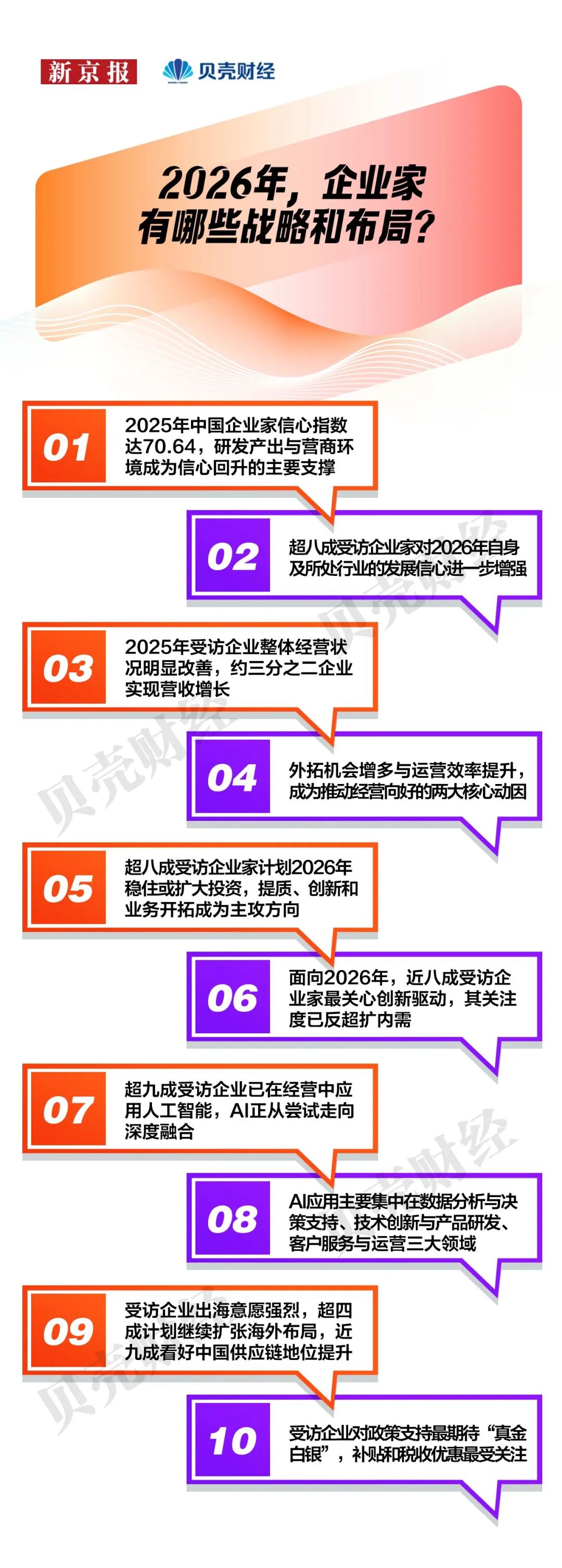
Core Insights - The central viewpoint of the article emphasizes the resilience of the Chinese economy despite external challenges, highlighting the importance of corporate confidence and strategic choices in driving economic growth [1][3]. Group 1: Business Confidence and Investment - The entrepreneur confidence index for 2025 is reported at 70.64, indicating a stable outlook compared to 2024, with over 82% of surveyed entrepreneurs planning to maintain or expand investments in 2026 [4][29]. - Nearly 80% of entrepreneurs prioritize innovation-driven strategies over domestic demand expansion, reflecting a shift towards quality and innovation in competitive strategies [3][29]. - The overall business environment is perceived to have improved, with a notable increase in confidence regarding revenue growth and profit margins [4][9]. Group 2: Challenges and Competition - A significant 82.5% of entrepreneurs acknowledge intensified competition within their industries, with the central economic work conference addressing the need to mitigate "involution" in competition [14][17]. - Concerns regarding external uncertainties have decreased, particularly regarding government regulatory changes, which fell from 64.1% to 48.7% [9][14]. - Profit growth remains a challenge, with 21.4% of entrepreneurs anticipating difficulties in achieving profit increases due to competitive pressures and cost challenges [17][21]. Group 3: Technological Innovation and AI - Over 90% of surveyed companies have integrated artificial intelligence (AI) into their operations, with applications primarily in data analysis, decision support, and product development [3][41]. - The application of AI is seen as a significant driver of new productive forces, with nearly 60% of companies increasing investments in AI implementation [37][40]. - Despite the positive outlook on AI, companies face challenges such as cost pressures and talent shortages, which hinder the effective deployment of AI technologies [50][51]. Group 4: International Expansion - More than 80% of entrepreneurs express intentions to expand their overseas operations, with nearly 90% optimistic about China's position in the global supply chain [54][57]. - The challenges of international expansion have shifted from financial and strategic issues to brand establishment and operational capabilities [61][67]. - Companies are increasingly focusing on emerging markets, with Southeast Asia being a preferred region for expansion [71][74]. Group 5: Policy Expectations - Entrepreneurs prioritize "innovation-driven" and "domestic demand-led" policies, with 79.2% and 70% respectively, reflecting a strong desire for government support in these areas [74][80]. - There is a significant demand for direct financial support, such as innovation subsidies and tax incentives, to alleviate cost pressures and enhance innovation capabilities [80][83]. - The focus on technological innovation and support for the private economy is expected to play a crucial role in stabilizing growth and fostering high-quality development [77][80].
乌江新品集群亮相,赋能渠道升级:2026涪陵榨菜经销商大会成功召开
Sou Hu Wang· 2026-01-12 01:48
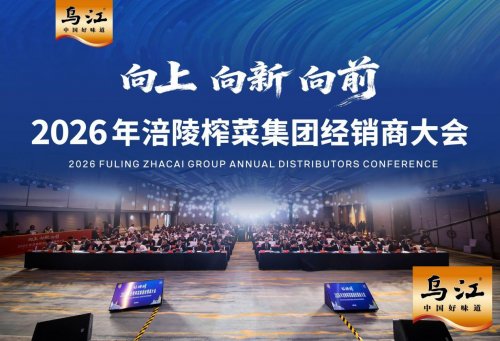
Core Insights - The 2026 Fuling Pickle Group dealer conference was successfully held in Chongqing, focusing on the theme "Upward, New, Forward," aiming to gather industry consensus and channel synergy for future opportunities [1] - The conference featured strategic planning for 2026, the launch of eight new products, and emphasized the importance of channel foundations for high-quality industry development [1] Strategic Planning and Consensus Building - The agenda included various segments such as trend analysis, case sharing, new product launches, and dealer recognition, effectively combining strategic deployment with emotional connection [3] - The 2026 business strategy presented by the Chairman and General Manager Gao Xiang received positive feedback from participating dealers [3] Market Performance and Growth - Fuling Pickle Group achieved counter-cyclical growth despite challenges in the 2025 consumer market, with core products remaining essential on national dining tables [6] - The international market grew by 14% despite trade wars and rising costs, while the restaurant sector successfully integrated products into well-known chain restaurants [8] Innovation and Product Development - Innovation is identified as the core driver for sustainable development, with the company securing two invention patents and launching 55 new products in 2025 [10] - New products like "light-salt pickles" and various sauces have gained popularity, with some topping sales charts shortly after launch [10] Category Expansion - The radish product line saw over 20% year-on-year growth, becoming a new growth point for 2025, with international collaborations enhancing market reach [13] - Eight new products were launched at the conference, focusing on health and convenience, reflecting the company's commitment to breaking category boundaries [13] Operational Excellence and Future Goals - The company has achieved significant milestones in 2025, including international business coverage in 86 countries and regions, and a 30% efficiency improvement in production through smart upgrades [15] - For 2026, the company aims to optimize organizational mechanisms and product development, fostering a collaborative ecosystem with dealers to lead the industry [17]

江宁区:打造发展新质生产力先行区
Xin Hua Ri Bao· 2026-01-11 20:42
Group 1 - The core viewpoint of the articles highlights Jiangning District's ambitious economic goals, aiming for a GDP exceeding 330 billion yuan and industrial output surpassing 500 billion yuan by 2025, both reflecting a growth rate of 5.9% [1] - Jiangning is focusing on innovation as a key driver, with significant increases in high-tech enterprises and patents during the 14th Five-Year Plan, where strategic emerging industries and high-tech industries accounted for 46% and 57.3% of industrial output respectively [1] - The district has established itself as a leader in the province with 154 national-level specialized "little giant" enterprises and 18 manufacturing champions, and plans to enhance its innovation-driven approach by developing a comprehensive 6G ecosystem [1] Group 2 - Major projects are identified as crucial for economic development, with Jiangning having built three industrial clusters worth over 200 billion yuan and three worth over 100 billion yuan in the past five years, maintaining a strong position among the top ten industrial districts in the country [2] - In the past year, Jiangning has attracted over 300 quality projects and aims to establish a "1234 leading industry cluster" while also developing five service industry clusters worth 50 billion yuan each [2] - Looking ahead to 2026, Jiangning is committed to becoming a leading area for new productive forces in Nanjing's development, contributing significantly to high-quality growth in the province and city [2]
兵团装备制造业增长动能持续强劲
Xin Lang Cai Jing· 2026-01-10 19:31
Group 1 - The core viewpoint is that the equipment manufacturing industry is a crucial foundation for the high-quality development of the industrial economy, with significant growth in value-added and investment since 2025 [1][2] - From January to November 2025, the value-added of the equipment manufacturing industry in the region increased by 21.1% year-on-year, achieving double-digit growth for 19 consecutive months, contributing 5.8% to industrial economic growth [1] - Innovation is key for the equipment manufacturing industry to ascend to the mid-to-high end of the value chain, with over 140 companies in the sector enhancing competitiveness and cluster development [1] Group 2 - The region is promoting deep integration of the digital economy and the real economy, with over a hundred small and medium-sized enterprises completing digital transformation as part of a comprehensive action plan for technological upgrades [2] - There is a strong emphasis on green development, accelerating the green transformation of the equipment manufacturing industry, and promoting upgrades in traditional industries to support low-carbon industrial growth [2] - The equipment manufacturing sector's role as a "ballast stone" is increasingly prominent, with the manufacturing and application levels of equipment such as cotton-picking machines and large drones ranking among the best in the country [2]
“加强主要海湾整体规划”的内涵与路径
Zhong Guo Zi Ran Zi Yuan Bao· 2026-01-10 02:18
Core Viewpoint - The 2025 Central Economic Work Conference emphasizes the need to strengthen the overall planning of major bays to promote high-quality development of the marine economy, integrating development and protection, openness and security for China's modernization and global marine governance [1]. Group 1: Significance of Overall Planning - Strengthening the overall planning of major bays is a key measure for enhancing marine power and aligns with the transition of the marine economy from expansion to quality improvement [3]. - The top-level design is shifting from fragmented approaches to systematic integration, aiming to eliminate barriers caused by administrative divisions and enhance resource allocation efficiency [3][4]. - The development path is innovating from scattered development to coordinated interaction, addressing structural contradictions in traditional development models [4]. Group 2: Governance and Cooperation - Governance methods are being upgraded from block-based management to cross-regional cooperation, focusing on the bay as a natural geographic unit for integrated development [4]. - The planning aims to establish a collaborative governance mechanism across administrative regions, promoting shared governance and win-win outcomes [4]. Group 3: Development Dynamics - The focus is shifting from factor-driven growth to innovation-driven development, creating an innovative ecosystem in major bays that fosters investment and talent aggregation [5]. - The planning emphasizes the need for a new industrial structure that supports high-quality marine economic development through the enhancement of traditional industries and the growth of emerging sectors [8]. Group 4: Ecological and Sustainable Development - The overall planning incorporates ecological civilization principles, aiming for a transition to a green and low-carbon marine economy [9]. - The goal is to unify industrial development, spatial development, and ecological safety into a cohesive target system, promoting a fundamental shift in the marine economy [9]. Group 5: Implementation Pathways - The Bohai Bay planning focuses on exploring collaborative governance and industrial transformation across administrative regions, addressing competition and environmental constraints [11]. - The Hangzhou Bay planning aims to build a technology-driven and digitally empowered development engine, enhancing the integration of digital technology with marine industries [12]. - The Guangdong-Hong Kong-Macao Greater Bay Area planning emphasizes enhancing urban cluster collaboration and high-level open cooperation, transforming institutional advantages into effective governance and resource allocation [13].