安倍经济学

Search documents
高市早苗顾问:日本央行10月加息为时过早,12月更合适
Hua Er Jie Jian Wen· 2025-10-06 19:57
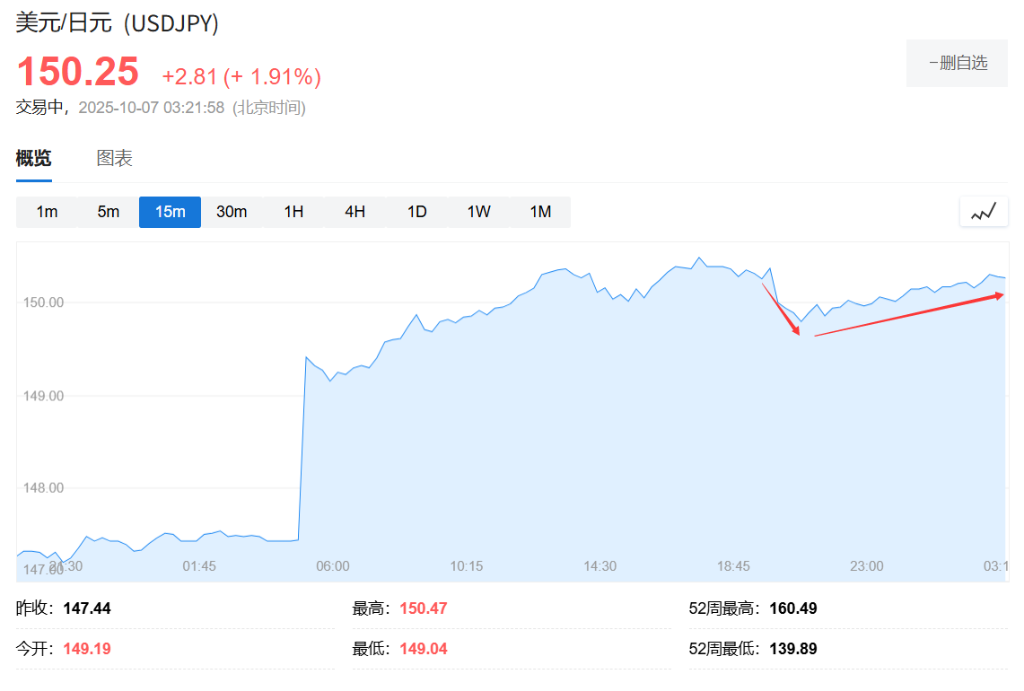
日本央行本月加息可能性大幅降低。 高市早苗的谨慎立场 作为前首相安倍晋三的门生,高市早苗的政策立场深受"安倍经济学"的影响。 10月6日,高市早苗的核心经济顾问本田悦郎(Etsuro Honda)表示,10月加息"可能很困难",建议12月加息时机更佳,届时加息25个基点不成 问题。 交易员对10月30日央行加息的押注大幅下降,从一周前的约68%降至周一的约25%。高市智敏希望日本央行在加息问题上保持谨慎态度,尽管她 尚未提及具体的加息时间表。 华尔街见闻此前提及,高市智敏在自民党总裁选举中获胜后,市场对央行政策预期发生重大转变。日经225指数周一创下历史新高,日元兑美元汇 率跌破150关键关口,反映投资者对更多刺激措施和更缓慢加息步伐的预期。 本田悦郎发出警告,认为日元过度贬值将推高通胀水平,并表示汇率突破150"有点过头"。受此言论影响,日元短暂反弹至149.90附近,但随后美 元兑日元继续走高,日内贬值1.91%。 经济数据与央行内部分歧 尽管市场预期转向,但支持加息的宏观经济背景依然存在。 日本的通胀率已经连续三年多保持在或高于日本央行2%的目标水平,同时,截至今年6月的第二季度,日本经济已实现连续五个 ...

日元重挫、日股大涨!市场开启“高市早苗交易”,应对“安倍经济学”回归
华尔街见闻· 2025-10-06 12:13
Core Viewpoint - The potential return of "Abenomics" is being priced into the Japanese financial markets following the election of Sanae Takaichi, a protégé of the late Prime Minister Shinzo Abe, as the new leader of the ruling party [1][12]. Market Reactions - The Nikkei 225 index surged over 4.7%, marking the largest single-day gain in months, while the Topix index rose by 3% [2]. - The Japanese yen weakened significantly against the US dollar by 1.9%, reaching the critical level of 150, and the yen also hit a historical low against the euro [4]. Bond Market Dynamics - The bond market experienced volatility, with long-term interest rates rising due to concerns over future fiscal expansion, as the yield on 40-year Japanese government bonds surged by 15 basis points to 3.54% [7]. Investor Sentiment - Investors are actively engaging in the "Takaichi trade," anticipating that Takaichi's policies will lead to fiscal expansion and a rightward political shift, which may further weaken the yen and boost the stock market [10]. - Analysts predict that Takaichi's victory could lead to a weaker yen and a steeper yield curve for Japanese government bonds [10]. Economic Policy Outlook - Takaichi's economic policy proposals are heavily influenced by "Abenomics," focusing on large-scale fiscal stimulus and ultra-loose monetary policy [12]. - She has committed to addressing inflation through measures such as increasing subsidies to local governments and potentially lowering consumption tax [12]. - Takaichi advocates for close coordination between the government and the Bank of Japan to achieve demand-driven economic growth [13]. Market Expectations - The market is preparing for potential fiscal expansion, with Takaichi's election seen as a surprise for investors who expected a more fiscally conservative candidate [15]. - A strategist from VanEck Australia noted that this could be a positive surprise for the stock market [16]. - However, there are concerns that increased fiscal spending may lead to a higher debt burden and potential bond market sell-offs if not managed with appropriate safeguards [19].
大摩谈“高市早苗交易”:政策立场已转向温和保守 财政不会搞MMT 加息预期或降温
智通财经网· 2025-10-06 12:10
Core Viewpoint - The election of Kishi Sanae as the leader of the Liberal Democratic Party (LDP) may lead to her becoming Japan's first female Prime Minister, with a shift towards a more moderate and conservative policy stance, alleviating investor concerns about extreme fiscal expansion and pressure on the Bank of Japan [1][2]. Policy Stance - Kishi Sanae's campaign reflected a pragmatic shift from her previous hardline positions, avoiding past statements on cutting consumption tax or opposing interest rate hikes, which helped her gain more support within the LDP [2][3]. - The concept of "Responsible Expansionary Fiscal Policy" proposed by Kishi emphasizes strategic fiscal mobilization to address social issues, aiming for job and income growth, and a gradual reduction of government net debt-to-GDP ratio, contrasting with modern monetary theory (MMT) [2][3]. Economic Policy Influences - Kishi's economic policies are influenced by former advisor Honda Yoshihiro, incorporating traditional measures such as refundable tax credits and the elimination of temporary gasoline taxes [3]. - She has indicated that cutting consumption tax is not a priority and the likelihood of increasing financial income tax in the short term is low, despite previous proposals to raise the tax rate on financial income over 500,000 yen [3]. Monetary Policy Alignment - Kishi respects the independence of the Bank of Japan, aligning her economic judgments with the cautious stance of Bank Governor Ueda Kazuo, which may lead to a cooling of market expectations for imminent interest rate hikes [5]. - If economic recovery is clear and wage growth stabilizes inflation at 2%, Kishi's government would not oppose interest rate increases, indicating a flexible approach to monetary policy [5]. Key Policy Focus Areas - Kishi's administration will prioritize national security, domestic investment, and structural reforms, with a strong emphasis on "economic security" [6]. - Plans include increasing defense spending to 2% of GDP by FY2027, promoting investment in critical sectors like AI, semiconductors, and biotechnology through tax incentives, and establishing a Foreign Investment Review Committee [6]. - Additional reforms aim to address rising prices, enhance energy security, and ensure food safety through agricultural structural reforms [6].
日股新高!
Shang Hai Zheng Quan Bao· 2025-10-06 08:38
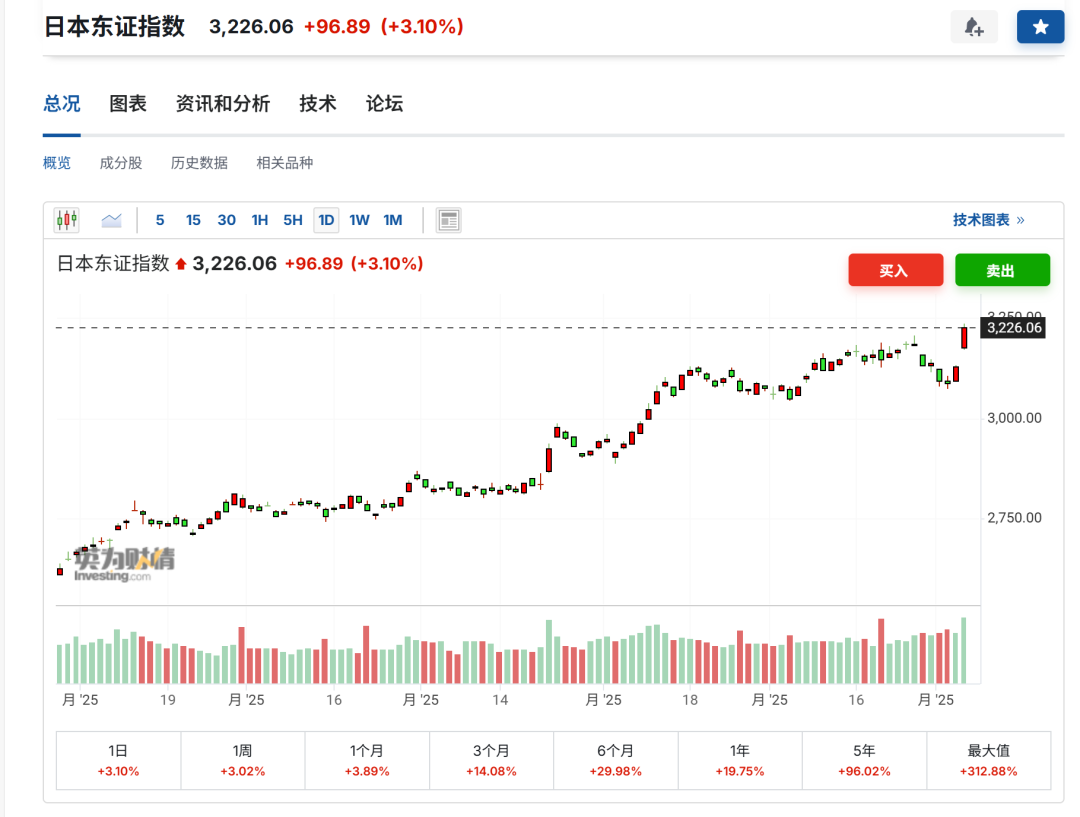
Market Performance - On October 6, Japanese stocks surged, with the Nikkei 225 and the Tokyo Stock Exchange indices reaching historical closing highs. The Nikkei 225 index rose by 4.75% to close at 47,944.76 points, while the Tokyo Stock Exchange index increased by 3.1% to 3,226.06 points [1]. Economic Policy Implications - Former Economic Security Minister Sanae Takaichi won the ruling Liberal Democratic Party's presidential election and is poised to become Japan's first female Prime Minister. Japan's economy faces challenges such as fiscal and monetary policy dilemmas, sluggish growth, and insufficient international competitiveness [2]. - Takaichi's stance on fiscal expansion contrasts sharply with that of former Prime Minister Shigeru Ishiba, who criticized "Abenomics" for overemphasizing monetary easing, leading to asset price inflation and widening wealth gaps. Takaichi, viewed as a proponent of Abenomics, advocates for expansionary fiscal policies aimed at doubling Japan's economic size within ten years through tax cuts, economic stimulus, and government investment [3]. Fiscal Concerns - Market participants express concerns over Japan's debt exceeding 250% of GDP, one of the highest globally. Continued fiscal expansion or increased issuance of government bonds could pose financial risks [4]. - Chief Economist Tomohisa Ishikawa from the Japan Research Institute emphasizes the need for Takaichi's expansionary fiscal policy to balance economic growth with fiscal health, highlighting the risks associated with fiscal expansion [5]. Monetary Policy Outlook - Takaichi's avoidance of clear monetary policy stances during the election contrasts with other candidates advocating gradual interest rate hikes. She previously opposed interest rate increases and emphasized the need for collaboration between the government and the Bank of Japan to achieve demand-driven growth supported by rising wages and corporate profits [7]. - Market analysts suggest that Takaichi's preference for loose monetary policy may impact the Bank of Japan's decisions regarding interest rate hikes, potentially leading to a delay in such actions until the new government's policies are clearer [8][9]. Trade Relations with the U.S. - Takaichi stated that she would not immediately alter the existing U.S.-Japan trade agreement but would address any issues that do not align with Japan's interests through diplomatic channels. The agreement includes a 15% tariff on nearly all Japanese exports to the U.S. and a commitment from Japan to invest $550 billion in the U.S. [14]. - Analysts believe that despite the agreement's enactment, uncertainties remain regarding its implementation and the realization of U.S. investments, which will be a significant economic challenge for Takaichi if she assumes office [16].
高市早苗面临“安倍经济学的魔咒”
日经中文网· 2025-10-06 08:12
Core Viewpoint - The article discusses the potential economic policies of Japan's new Prime Minister, Kishi Sanae, who is expected to adopt a fiscal approach similar to Abenomics, emphasizing the need for active fiscal measures to address rising prices and inflation risks [2][4]. Group 1: Economic Policy Stance - Kishi Sanae identifies herself as a successor to Abenomics, advocating for active fiscal policies and monetary easing, while expressing caution regarding the Bank of Japan's interest rate hikes [2][6]. - She has proposed a "responsible active fiscal" approach, suggesting that issuing deficit bonds may be acceptable if necessary, which distinguishes her from other candidates [5][6]. - Kishi's fiscal target is based on "net debt balance," which is calculated by deducting financial assets from the total debt of the national and local governments, with a current ratio of 136% relative to GDP as of 2023 [5][6]. Group 2: Inflation and Economic Conditions - The Japanese government's debt-to-GDP ratio is reported to be as high as 240%, indicating significant room for increased fiscal spending under Kishi's proposed framework [6]. - Kishi has previously advocated for temporarily freezing the goal of achieving a primary balance surplus, prioritizing flexible fiscal spending in response to the economic downturn caused by the COVID-19 pandemic [6]. - The article highlights concerns regarding the potential for rising prices if demand is stimulated without fiscal reform, as Japan faces a new inflationary environment [8]. Group 3: Monetary Policy Perspective - Kishi is viewed as a monetary policy "dove," emphasizing that both fiscal and monetary responsibilities lie with the government, and she has criticized the idea of raising interest rates at this time [7][8]. - She has previously stated that raising interest rates would be detrimental to personal consumption and corporate investment, expressing concerns about a return to long-term deflation [7]. - The rising interest rates in Japan, with the 10-year government bond yield reaching 1.67%, are expected to increase the financial burden on households, particularly in terms of housing loans [8].
高市早苗重拾“安倍经济学”,中日“政冷经热”难维系?
Sou Hu Cai Jing· 2025-10-06 07:47
Core Viewpoint - The election of Sanae Takaichi as the first female president of Japan's ruling Liberal Democratic Party (LDP) marks a significant political shift, with implications for Japan-China relations and the potential return of "Abenomics" policies [1][4]. Group 1: Political Background - Sanae Takaichi, a close ally of the late former Prime Minister Shinzo Abe, inherits his economic, diplomatic, and defense policies, positioning herself as a representative of the conservative faction within the LDP [3]. - Takaichi has previously expressed strong nationalist sentiments, including multiple visits to the Yasukuni Shrine, which is often viewed as a controversial act in Japan-China relations [3]. Group 2: Economic Policies - Takaichi's economic agenda is characterized by "Abenomics," focusing on monetary easing and fiscal expansion, which includes raising the minimum income tax threshold and significantly lowering consumption tax [4][5]. - Concerns arise regarding the sustainability of Japan's fiscal health, as the country's debt exceeds 250% of its GDP, raising fears of potential financial risks if fiscal expansion continues [4][6]. Group 3: Market Reactions - Following Takaichi's election victory, the Tokyo financial market reacted positively, with the Nikkei 225 index surging over 4%, while the yen weakened against the dollar, nearing the critical level of 150 [4]. - The bond market experienced volatility, with long-term interest rates rising due to concerns over future fiscal expansion [4]. Group 4: Japan-China Relations - Takaichi's proposed policies, including increasing defense spending to over 2% of GDP and tightening technology export controls, could significantly impact the trade relationship between Japan and China, which currently exceeds $300 billion annually [6][7]. - The potential implementation of these policies may lead to a deterioration of Japan-China economic ties, reversing the recent growth in bilateral trade [7]. Group 5: Geopolitical Implications - Takaichi advocates for deeper military collaboration with the United States and a more aggressive stance towards China, which could escalate tensions in the Asia-Pacific region [8]. - Her strong position on Taiwan, asserting that "Taiwan's issues are Japan's issues," reflects a commitment to a hardline approach, although she has also expressed a desire for open dialogue with China [8]. Group 6: Political Challenges - Despite her clear policy positions, Takaichi faces significant political challenges, including a lack of majority support in both houses of the Diet, which may hinder her ability to implement her agenda [9]. - There is a possibility of internal opposition from moderate factions within the LDP and public sentiment against involvement in regional conflicts, which could lead to a more pragmatic approach in her policies [9][10]. Group 7: Future Outlook - Analysts suggest that Takaichi may adopt a strategy of "surface toughness with practical adjustments," maintaining a hardline stance in historical and Taiwan-related issues while potentially moderating her economic policies [10]. - The contrasting reactions in financial markets highlight the uncertainty surrounding Takaichi's leadership and the potential for either revitalizing Japan's economy or facing a short-lived premiership [10].

“高市早苗交易”引爆市场!日股狂飙、日元重挫!
Ge Long Hui· 2025-10-06 07:23
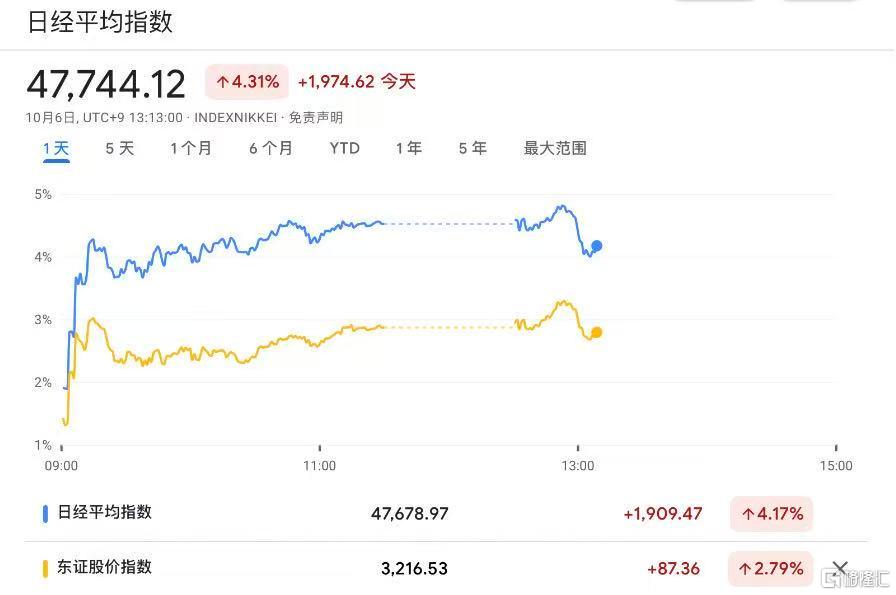
Core Viewpoint - The election of Sanae Takaichi as Japan's first female Prime Minister is expected to bring significant changes to the economic landscape, with a potential return to "Abenomics" and a focus on inflation management [5][6]. Market Reactions - The Nikkei 225 index surged over 4%, surpassing the 47,800 mark, reaching a historical high, while the Tokyo Stock Exchange index rose approximately 3%, breaking the 3,220 points barrier [1]. - The Japanese yen is under significant pressure, with the USD/JPY exchange rate exceeding 150 [2]. Economic Policies - Takaichi's administration is anticipated to prioritize inflation issues, potentially increasing subsidies to local governments and considering a reduction in consumption tax [6][7]. - She has emphasized the need for close coordination between the government and the Bank of Japan (BOJ) regarding economic policies, criticizing the BOJ's interest rate hikes as "foolish" [8]. Market Expectations - Takaichi's stance has reinforced market expectations that the BOJ will maintain its accommodative monetary policy, leading investors to reassess their strategies regarding interest rate hikes [9]. - Barclays economists predict a decreased likelihood of the BOJ raising interest rates within 2025, suggesting that Takaichi's dovish tone may strengthen in the future [11][12]. Financial Market Dynamics - The Japanese financial market is entering a phase of rapid repricing, with expectations of a positive market response to Takaichi's fiscal policies [10][13]. - Analysts believe that her proactive fiscal stance could boost market confidence, leading to a rotation towards growth stocks in the domestic market [13].
高市早苗意外胜选,风险资产许你耀眼
Guotai Junan Securities· 2025-10-06 07:12
Market Reaction - The victory of Sanae Takaichi in the LDP presidential election is interpreted as a signal for the potential return of "Abenomics," leading to a rapid market revaluation[4] - The Nikkei 225 index surged over 4%, marking the largest single-day increase in months[5] - The Japanese yen depreciated by 1.5% against the US dollar, approaching the psychological level of 150, and hit a historical low against the euro[5] Bond Market Impact - The yield on Japan's 40-year government bonds soared by 14 basis points to 3.52%, reflecting expectations of increased fiscal spending[5] - The bond market faces pressure due to anticipated government debt issuance, which could lead to a sell-off if not managed with a safety net[10] Economic Policy Outlook - Takaichi emphasized prioritizing inflation control, proposing increased subsidies to local governments and potentially lowering consumption tax[5] - Her stance against interest rate hikes by the Bank of Japan reinforces market expectations for continued accommodative monetary policy[4] Global Market Dynamics - The interplay between Japanese and US monetary policies is injecting new momentum into global risk assets, benefiting equities and emerging markets[10] - The US dollar's trajectory is complicated; while the yen's weakness supports the dollar, rising global risk appetite diminishes the dollar's appeal as a safe haven[10] Investment Strategy - Investors are adjusting positions in anticipation of fiscal stimulus, favoring high-dividend and high-yield assets while navigating a complex selection of options[11]
突然飙升!单日暴涨2000点
Ge Long Hui· 2025-10-06 04:30
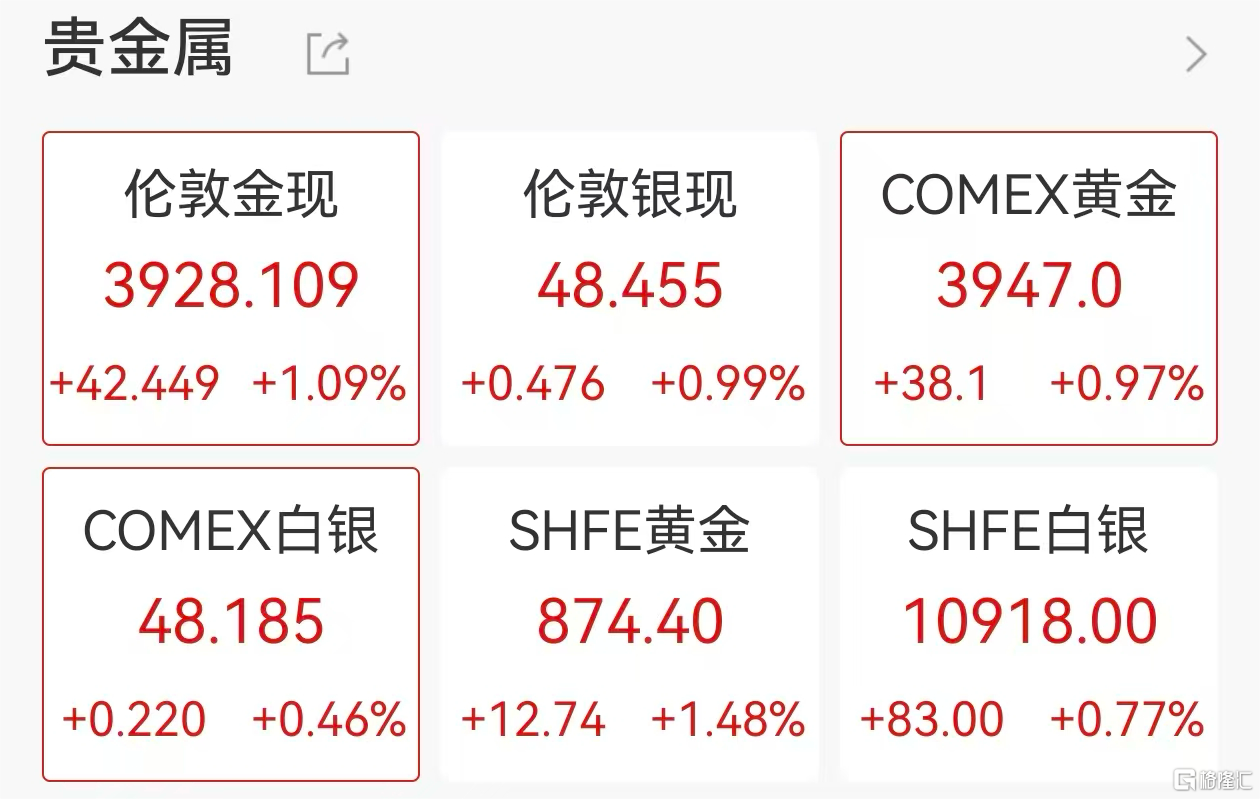
Group 1 - The core viewpoint of the articles highlights the contrasting market reactions to the U.S. government shutdown and employment data delays, with risk assets like U.S. stocks and Bitcoin reaching historical highs, while safe-haven assets like gold also surged, breaking the $3900 per ounce mark [1][3][4] - Gold prices have increased nearly 50% this year, driven by geopolitical risks, anticipated interest rate cuts by the Federal Reserve, a weakening dollar, and ongoing global central bank purchases of gold [3][4] - The U.S. government shutdown has entered its fifth day, delaying the release of significant economic data, including the September non-farm payroll report, which has contributed to market optimism despite the lack of concrete economic indicators [4][5] Group 2 - The Japanese stock market experienced a significant surge, with the Nikkei 225 index rising over 4% in a single day, gaining more than 2000 points and reaching a historical high above 47800 [5][7] - The bond and currency markets in Japan also showed volatility, with the 40-year Japanese government bond yield rising by 14 basis points to 3.52%, and the yen depreciating by 1.7% against the dollar, reaching a critical level of 150 [7][11] - The market's reaction is linked to the election of Sanae Takaichi as the new president of the ruling Liberal Democratic Party, who is expected to become Japan's first female prime minister, with her economic policies seen as a continuation of "Abenomics" but with a focus on fiscal expansion [11][12][13] Group 3 - Takaichi's economic policies include significant tax cuts and subsidies, as well as a shift away from strict fiscal discipline, allowing for increased government borrowing to stimulate the economy [13][14] - Analysts predict that Takaichi's fiscal stance will boost market confidence and positively impact the stock market, although there are concerns about the sustainability of this "Takaichi trade" and the need for clarity on policy specifics [14][15]
日股飙升日元重挫!“高市早苗交易”搅动日本经济
Di Yi Cai Jing· 2025-10-06 03:44
Market Reaction - The Japanese capital market experienced significant volatility following the election of high-profile candidate Takashi Hayashi, with the Nikkei 225 index rising by 2063.93 points, a 4.51% increase, reaching a historic high of 47833.43 points [1][4] - The market's reaction aligns with expectations, as Hayashi's policies are seen as a continuation of Abenomics, favoring aggressive fiscal policies that drive capital into the stock market [1][4] Currency and Bond Market Impact - Following Hayashi's victory, the Japanese yen weakened significantly, dropping 1.5% against the US dollar and nearing the critical level of 150, while the yen also hit a historical low against the euro [4] - Analysts predict that the yen may depreciate to the range of 150-160 against the dollar, and the Bank of Japan's interest rate hikes will likely slow down [4][5] - The bond market also reacted sharply, with the yield on Japan's 40-year government bonds rising by 14 basis points to 3.52%, driven by concerns over future fiscal expansion [4][5] Economic Challenges Ahead - Hayashi's administration is expected to face significant economic challenges, including persistent inflation affecting the living standards of Japanese citizens and increasing policy uncertainty [5][6] - There is skepticism regarding Hayashi's ability to effectively address high prices and economic strategies, as candidates did not present compelling economic policies during the election [6][7] US-Japan Relations - Hayashi's approach to US relations remains unclear, raising concerns about how she will navigate trade agreements and political risks associated with the US [7] - The existing US-Japan trade agreement, which reduces tariffs on Japanese imports, poses challenges for Japanese companies to maintain profitability amidst high tariffs [7]