去美元化

Search documents
国际金融市场早知道:12月29日
Xin Hua Cai Jing· 2025-12-29 00:48
Group 1 - The People's Bank of China has revised the rules for the Cross-Border Interbank Payment System (CIPS), effective from February 1, 2026, requiring direct participants to maintain zero balances in their accounts and prohibiting overdrafts [1] - The Hong Kong government aims to enhance offshore RMB liquidity, improve financial infrastructure, and diversify investment products and risk management tools to promote the internationalization of the RMB [1] - Japan's cabinet has approved a preliminary budget for fiscal year 2026 totaling 122.31 trillion yen, with expectations of achieving a primary fiscal surplus for the first time in 28 years [1] Group 2 - The Central Bank of Uruguay has implemented measures to boost confidence in its currency, including increasing capital requirements for dollar loans and eliminating certain peso deposit reserve requirements [1] - Syria will initiate a currency replacement process starting January 1, 2026, with a 90-day transition period during which the old and new Syrian pounds will circulate concurrently at a conversion rate of 1:100 [1] Group 3 - The Bank of Thailand plans to strengthen scrutiny of capital inflows exceeding $200,000, citing concerns that overheated gold trading could destabilize the economy [2] - The Central Bank of Russia intends to sell foreign currency worth 102.2 billion rubles daily to maintain exchange rate stability, in addition to separate interventions by the Ministry of Finance [2] Group 4 - Tokyo's core CPI increased by 2.3% year-on-year in December, a decrease of 0.5 percentage points from the previous month, indicating a relief in inflationary pressures [3] - Japan's industrial output fell by 2.6% month-on-month in November, exceeding the expected decline of 2%, reflecting challenges in economic growth [4] - Japan's retail sales rose by 1% year-on-year in November, slightly above expectations, demonstrating resilience in the consumer market [5] Group 5 - In 2025, U.S. companies raised nearly $1.7 trillion through the issuance of investment-grade bonds, driven primarily by a surge in AI infrastructure investments, although this has raised concerns about potential bubbles [5] Group 6 - The Dow Jones Industrial Average decreased by 0.04% to 4870.97 points, the S&P 500 fell by 0.03% to 6929.94 points, and the Nasdaq Composite dropped by 0.09% to 23593.1 points [6] Group 7 - COMEX gold futures rose by 1.31% to $4562.00 per ounce, while COMEX silver futures increased by 11.15% to $79.68 per ounce [7] Group 8 - The main contract for U.S. oil fell by 2.43% to $56.93 per barrel, and the main contract for Brent crude oil decreased by 2.15% [8] Group 9 - The 2-year U.S. Treasury yield decreased by 2.65 basis points to 3.479%, the 3-year yield fell by 2.81 basis points to 3.530%, the 5-year yield dropped by 2.24 basis points to 3.696%, the 10-year yield declined by 0.78 basis points to 4.128%, while the 30-year yield increased by 2.12 basis points to 4.816% [9] - The U.S. dollar index rose by 0.12% to 98.03, with the euro and pound both declining against the dollar [9]
继上周五之后,今日白银再暴涨
Sou Hu Cai Jing· 2025-12-29 00:41
Group 1: Silver Market Performance - Silver prices have surged significantly, with spot silver rising over 5% and futures increasing by more than 7% on December 29 [1] - On December 26, COMEX silver futures experienced a spike of over 11%, while spot silver rose by more than 10% [3] - Other precious metals, including gold, platinum, and palladium, also saw varying degrees of increase [2] Group 2: Market Analysis and Factors - Analysts attribute the rise in precious metal prices to escalating geopolitical tensions, a weakening dollar, and low market liquidity [3] - Concerns have been raised about the sustainability of current precious metal prices, with some analysts suggesting they are at levels difficult to justify based on fundamentals [4] - The global silver market has been in a structural deficit for five consecutive years, with physical inventories rapidly depleting [6] Group 3: Industrial Demand and Supply Issues - Silver's price is influenced by both industrial and investment demand, with a ratio of approximately 6:4 favoring industrial use [5] - The demand for silver in the photovoltaic sector has significantly increased, contributing to recent price surges [5] - Current data indicates a supply gap of 100 million to 250 million ounces by 2025, highlighting a critical supply shortage in the silver market [6]

刚刚!白银再暴涨
Zheng Quan Shi Bao Wang· 2025-12-29 00:34
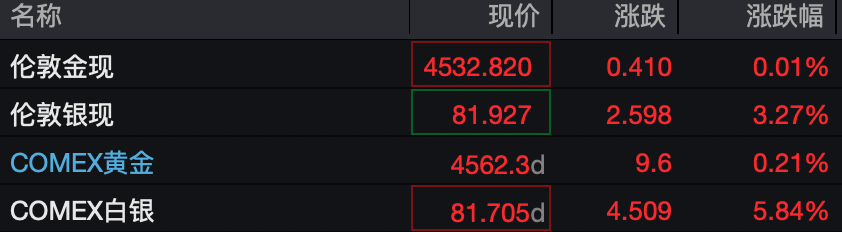
Core Viewpoint - The silver market is experiencing significant price increases driven by both industrial and investment demand, but analysts warn of potential risks and a structural supply deficit [1][4][6]. Group 1: Price Movements - On December 29, silver prices surged again, with spot silver rising over 5% and futures increasing by more than 7% [1]. - As of the latest report, London silver is up 3.27% and COMEX silver has risen by 5.84% [2]. - Last week, on December 26, precious metals saw a broad rally, with COMEX silver futures soaring over 11% and spot silver increasing by more than 10% [3]. Group 2: Supply and Demand Dynamics - The silver market has been in a structural deficit for five consecutive years, with physical inventories rapidly depleting [6]. - Current demand for silver is projected to reach 1.24 billion ounces by 2025, while supply is only expected to be 1.01 billion ounces, resulting in a supply gap of 100 million to 250 million ounces [6]. - The industrial demand for silver is approximately 60%, with significant applications in electronics, photovoltaics, and other sectors [5]. Group 3: Market Analysis and Risks - Analysts suggest that the recent surge in precious metal prices may not be sustainable, as they have reached levels difficult to justify by fundamentals [4]. - Concerns have been raised about the liquidity in the market, which could lead to rapid price corrections [4]. - The current market conditions are characterized by high speculative sentiment, which poses potential risks to stable market operations [4].
刚刚!白银再暴涨
证券时报· 2025-12-29 00:22
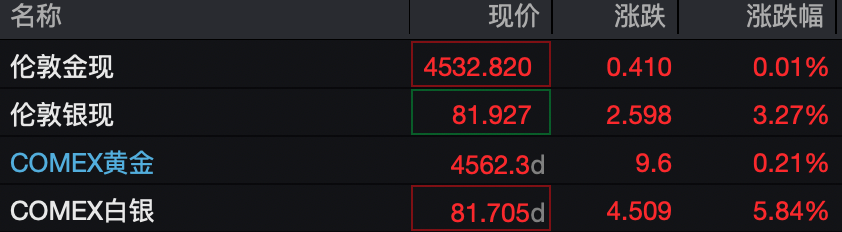
Core Viewpoint - Silver prices have surged significantly, with recent increases attributed to geopolitical tensions, a weakening dollar, and low market liquidity [1][3][4]. Group 1: Price Movements - On December 29, silver prices rose sharply, with spot silver increasing over 5% and futures rising over 7% [1]. - As of the latest data, London silver was priced at $81.927, reflecting a 3.27% increase, while COMEX silver reached $81.705, up 5.84% [2]. - Last week, on December 26, precious metals experienced a broad rally, with COMEX silver futures soaring over 11% and spot silver rising over 10% [3]. Group 2: Market Analysis - Analysts warn that precious metal prices are at unsustainable levels, with potential for a significant correction as speculative trading increases [4]. - UBS highlighted that the rapid price increase is largely due to insufficient market liquidity, raising short-term risks for precious metals trading [4]. - The current market dynamics suggest that while long-term factors like "de-dollarization" may support prices, the recent rapid increases are overly speculative [4]. Group 3: Supply and Demand Dynamics - Silver is facing supply pressures due to a structural deficit, with industrial demand and investment demand split approximately 60% to 40% [5]. - The silver market has been in a structural deficit for five consecutive years, with physical inventories rapidly depleting [6]. - Projections indicate a significant supply gap, with demand expected to reach 1.24 billion ounces by 2025, while supply is only anticipated at 1.01 billion ounces, resulting in a shortfall of 100 million to 250 million ounces [6].

黄金白银,史诗级暴涨,最新解读来了
3 6 Ke· 2025-12-28 23:57
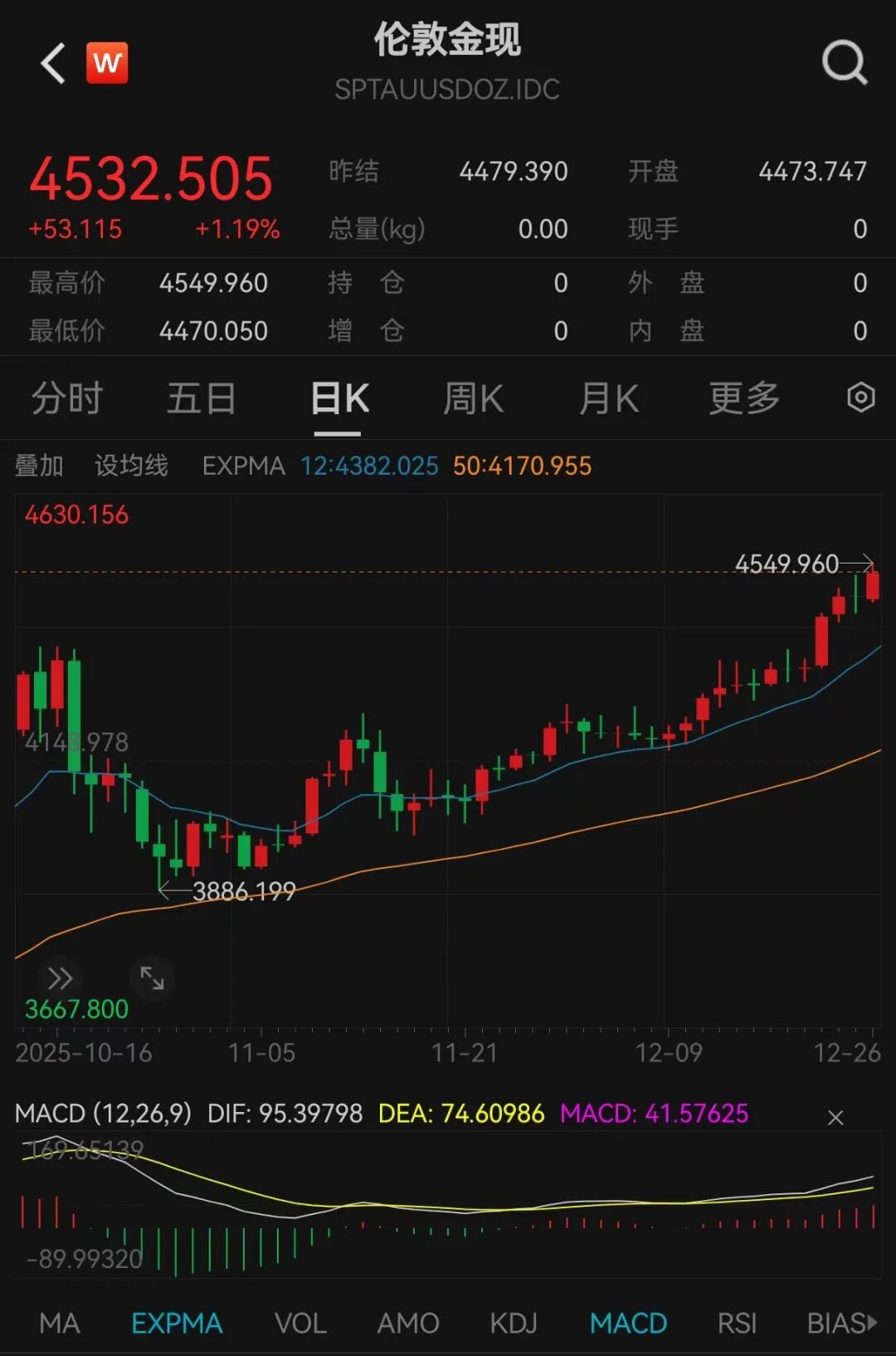
近期,国际金银市场迎来"史诗级狂欢"。 | OC (00 0 0 | | --- | 在本轮金银牛市行情中,主要驱动因素有哪些?短期因素与长期逻辑如何共振?经历整年上涨行情后,后市空间如何?普通投资者如何合理配置贵金属资 产? 为此,中国基金报记者采访了: 博时黄金ETF基金经理 王祥 截至12月24日,伦敦现货黄金价格首次突破4500美元/盎司关口,最高触及4531美元;现货白银价格更是强势冲高至75.5美元/盎司,年内涨幅分别超70% 和近150%,大幅跑赢全球多数资产类别。其中,2025年的伦敦金价累计涨幅已创下1990年以来的最佳年度表现。 汇添富黄金及贵金属基金经理 过蓓蓓 中信保诚中证800有色指数基金经理 黄稚 受访基金经理认为,本轮贵金属行情是"短期催化"与"长期逻辑"共振的结果。黄金价格持续攀升并刷新历史纪录,核心推手为美联储降息周期的持续推 进,以及全球避险情绪的升温;白银的行情则来自"贵金属属性"与"工业属性+战略储备"的叙事得到市场认可。 不过,这些基金经理普遍认为,本轮行情虽然有基本面支撑,但短期快速上涨后,市场波动可能加剧,需要警惕回调风险。中长期来看,黄金仍受到美元 信用弱化、央 ...
金属价格创新高!交易所出台多轮措施引导理性参与
Qi Huo Ri Bao· 2025-12-28 23:14
近期,贵金属及有色金属板块连续大涨,市场参与热情较高。期货日报记者注意到,为了防范市场风险,12月26日上期所发布通知,提示市场做好风险控 制。通知显示,近期国际形势复杂多变,有色金属和贵金属品种波动较大,请各有关单位采取相应措施,提示投资者做好风险防范工作,理性投资,共同 维护市场平稳运行。 元旦假期临近,上期所同日发布《关于2026年元旦期间有关工作安排的通知》,对黄金、白银相关期货合约的涨跌停板幅度及交易保证金比例做出调整。 此外,2026年1月5日(星期一)交易后,自第一个未出现单边市的交易日收盘结算时,涨跌停板幅度和交易保证金比例调整如下:黄金期货AU2601、 AU2602、AU2603、AU2604合约,白银期货AG2601、AG2602、AG2603、AG2604合约维持涨跌停板幅度和交易保证金比例不变;其他期货合约的涨跌 停板幅度和交易保证金比例恢复至原有水平。 记者注意到,自12月以来,上期所针对贵金属市场行情多次发布风险提示和风控举措,引导市场理性参与:12月8日,发布针对贵金属市场的风险提示; 12月10日,调整白银期货相关合约交易保证金比例和涨跌停板幅度;12月22日,调整白银期货相 ...

美联储现在巴不得中国能早点抛售美债?为啥他们一直不降息,因为他们很清楚,中国迟早会卖掉手里那7800亿美元的美债
Sou Hu Cai Jing· 2025-12-28 18:12
Group 1 - The core argument is that the Federal Reserve is maintaining high interest rates despite signs of a weakening U.S. economy, indicating a strategic gamble regarding the sale of U.S. Treasury bonds by China [1][3] - The total U.S. national debt has surpassed $36 trillion, increasing by approximately $1 trillion every 100 days, with annual interest payments exceeding $1 trillion, which is now greater than the defense budget [5][7] - The Federal Reserve is strategically waiting for a market panic to buy back U.S. debt at lower prices, while currently keeping interest rates high to prevent a favorable selling price for large holders like China [7][9] Group 2 - China has reduced its holdings of U.S. Treasury bonds to around $770 billion, the lowest level since 2009, but the reduction is gradual rather than panic-driven [9][11] - Other countries, including Canada and India, are also quietly reducing their U.S. bond holdings, while Japan and the UK have increased theirs, but not enough to counter the global trend of de-dollarization [11][13] - The Federal Reserve is in a difficult position, as it aims to force a crisis while facing its own banking sector challenges and rising interest payments, which could lead to a situation where it must print money without a crisis as justification [13][14]
南美刮起去美元化浪潮,这国打响第一枪,IMF:美元占比跌破六成
Sou Hu Cai Jing· 2025-12-28 17:44
Core Viewpoint - The Uruguayan Central Bank's president, Guillermo Tolosa, has declared that the country needs to "wean off" the US dollar, describing it as a "pacifier" for the economy, and stated that investing in dollars is akin to gambling in a casino. He highlighted that the real purchasing power of dollar accounts in Uruguay has halved over the past 20 years [1][5]. Group 1: Economic Measures and Policies - The Uruguayan Central Bank announced measures to increase the use of the national currency, the peso, including raising capital requirements for dollar loans and removing some reserve requirements for peso deposits [3]. - The Central Bank's unexpected decision to cut interest rates by 50 basis points was influenced by a lower-than-expected inflation rate of 4.1% in November, below the official target of 4.5% [5]. - The Central Bank's de-dollarization efforts reflect a broader international discussion about the future status of the dollar, as its share in global foreign exchange reserves has decreased from approximately 71% at the beginning of the century to around 59% last year [5]. Group 2: Global Currency Dynamics - The dollar's dominance is being challenged by various factors, including increased competition from other currencies, geopolitical tensions, and the growing US fiscal deficit, which has weakened the dollar's appeal [7]. - As of mid-2025, the dollar's share in global foreign exchange reserves fell to 56.32%, marking the 11th consecutive quarter below 60% [7]. - The role of gold in global reserves has increased, with its share rising to 30%, while the dollar's share has decreased from 43% to 40% [9]. Group 3: Regional Responses and Trends - In Latin America, Uruguay's de-dollarization efforts contrast sharply with Argentina, where President Milei is promoting labor reforms that allow workers to choose their salary currency, including the possibility of fully adopting the dollar [9][10]. - Brazil's President Lula has called for trade settlements in a common currency between Brazil and Argentina, aiming to reduce reliance on the dollar [10][12]. - The use of local currencies in international trade is increasing, with countries like India and Argentina adopting their currencies for trade settlements, indicating a shift away from the dollar [12]. Group 4: Challenges in Changing Currency Habits - Changing the long-standing habit of dollar usage among the Uruguayan population is a significant challenge, as trust in currency takes time to build but can be destroyed quickly [13]. - The Central Bank emphasizes that policy guidance and sustained economic stability are essential for altering public reliance on the dollar [13]. Group 5: Future Outlook - The dollar index is expected to continue its downward trend, with predictions indicating a potential decline of about 3% by the end of 2026 [15]. - Analysts suggest that the risks facing the dollar currently outweigh the factors supporting its strength, indicating that the long-standing bull market for the dollar may be nearing its end [15].
美国为什么不宣布38万亿美债全部作废?只要美国真宣布作废,不仅美元霸权会垮掉,整个美国经济也会直接陷入崩溃
Sou Hu Cai Jing· 2025-12-28 16:57
我问你个问题,你最近上网冲浪的时候,有没有发现一种特别解气的说法,很多人都在传美国早晚会把那几十万亿的美债直接赖掉,两手一 摊宣布作废。 这话听着确实痛快,甚至有点大仇得报的爽感,毕竟咱们辛苦赚的外汇换成美债,要是真被赖了确实憋屈,但转念一想,美国要是真敢这么 干,它自己那个霸权体系也就彻底完了。 但我这几天闲着没事,特意去翻了翻美国财政部和几家华尔街机构的最新报表,看完之后我反倒冷静了。我也在想,这事儿真有那么简单 吗,美国人是不是傻,不知道赖账的好处。结果数据摆在那,我才发现这哪里是赖账,这简直就是对着自己的大动脉动刀子。 如果这块石头碎了,美元这张网也就破了。美联储的官员自己在公开场合都承认,债务规模逼近临界点,一旦出现违约风险,10年期美债收 益率会直接飙升。这可不是闹着玩的,收益率飙升意味着全社会的借贷成本爆炸,房贷、车贷、企业债利息全部翻倍,股市估计得跌得惨不 忍睹,这对于靠金融吃饭的美国经济来说,就是要了亲命。 我也查了下咱们这边的情况,心里其实挺踏实的。央行副行长邹澜之前就明确说过,我国的外汇储备配置是分散化的,单一资产的变动影响 非常有限。这话不是随便说说的,是有实打实的操作在支撑。看看美国 ...
银价看涨100美元!别再迷信比特币,黄金白银才是最后的诺亚方舟
Sou Hu Cai Jing· 2025-12-28 14:18
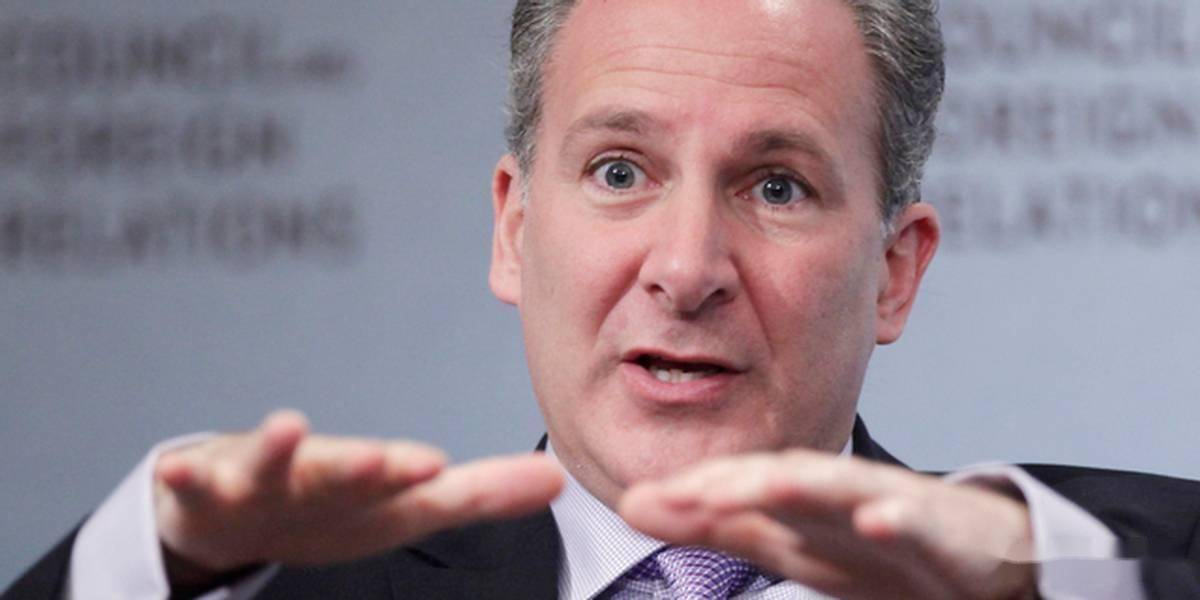
Group 1 - The core argument presented is that the Federal Reserve's recent actions, described as "technical liquidity operations," are essentially a form of debt monetization, which is a source of inflation [1][5][7] - Peter Schiff predicts a complete collapse of investor confidence by 2026, leading to a historic sell-off of the US dollar [3][19] - The Federal Reserve's monthly purchase of approximately $40 billion in short-term government bonds is seen as a significant policy shift, raising concerns about the implications for the economy [3][10] Group 2 - Schiff argues that the Federal Reserve's reluctance to openly acknowledge its quantitative easing (QE) actions stems from a crisis of credibility, as admitting to QE would indicate a dependency on "monetary drugs" to sustain the economy [8][10] - The Fed's balance sheet could exceed $10 trillion by 2026, a stark increase from less than $1 trillion before the 2008 financial crisis [10][12] - The current debt expansion is viewed as a precursor to a larger crisis, with each intervention by the Fed potentially setting the stage for future economic turmoil [12][13] Group 3 - Schiff highlights the fragility of the banking sector, particularly due to "unrealized losses" on US Treasury holdings, which could lead to bank failures if a liquidity crisis occurs [15][17] - The risk of a "failed auction" of US Treasury bonds is emphasized, which could force the Fed to intervene more aggressively, further eroding confidence in the dollar [17][19] - The ongoing trend of "de-dollarization" globally is expected to exacerbate inflationary pressures within the US economy [21][19] Group 4 - Schiff advocates for silver as a key investment, predicting that a breakthrough above $50 per ounce could lead to significant price increases due to industrial demand and its status as a "poor man's gold" [22][24] - The demand for silver is expected to surge due to its industrial applications in green energy technologies, while its current price relative to gold suggests it is undervalued [25][26] - The shift from speculative assets to tangible assets is noted, with a focus on the importance of holding physical commodities like gold and silver in times of economic instability [30][32]