新能源汽车

Search documents
杰锋动力闯关北交所IPO收入依赖大客户
Zhong Guo Zheng Quan Bao· 2025-12-28 21:08
Core Viewpoint - Jiefeng Automotive Power System Co., Ltd. has submitted its prospectus for an initial public offering (IPO) on the Beijing Stock Exchange, indicating a strong reliance on major clients for revenue generation [1][2]. Group 1: Company Overview - The main business of Jiefeng Power involves the research, design, production, and sales of core components in automotive exhaust systems and power systems, primarily supplying directly to vehicle manufacturers [1]. - The company has received acceptance from the Anhui Securities Regulatory Bureau for its IPO guidance and has disclosed its prospectus on the Beijing Stock Exchange [1]. Group 2: Financial Performance - The company's revenue for the years 2022, 2023, 2024, and the first three quarters of 2025 were reported as 1.063 billion, 1.707 billion, 2.1 billion, and 1.666 billion yuan respectively, with total comprehensive income attributable to the parent company being 55.87 million, 131 million, 145 million, and 87.48 million yuan [2]. - The sales revenue from the top five clients accounted for 93.70%, 94.85%, 96.26%, and 95.81% of total revenue for the same periods, indicating a high customer concentration [2]. Group 3: Client Dependency - The first major client, Chery Automobile, represented a significant portion of sales, with percentages of 59.87%, 71.65%, 71.83%, and 69.59% over the same periods [2]. - The company faces risks associated with high customer concentration, particularly if the performance of major clients like Chery declines or if product quality and supply capabilities do not meet expectations [2][3]. Group 4: Market Conditions - The company's products are closely tied to the overall development of the automotive industry, and a downturn in the industry could lead to reduced order volumes from clients [3]. - The rise of electric vehicles may impact the market share of the company's current product offerings, which include fuel and hybrid vehicles [3]. Group 5: Regulatory Matters - During its listing period, the company has not faced administrative penalties from the China Securities Regulatory Commission but has been subject to regulatory measures due to accounting errors [4][5]. - A warning letter was issued by the Anhui Securities Regulatory Bureau to the company and its executives for these accounting discrepancies [4].
零跑D19开启盲订、零跑D99亮相!极氪完成退市回归吉利!魏牌蓝山进阶版、极石ADAMAS上市!丨一周大事件
电动车公社· 2025-12-28 17:52
Core Viewpoint - The article highlights the recent developments in the electric vehicle (EV) industry, focusing on new car launches, company dynamics, and regulatory changes that are shaping the market landscape. Group 1: New Car Launches - The Weipai Lanshan Intelligent Advanced Edition has been launched with a limited-time price range of 275,800 to 302,800 yuan, featuring three models and advanced smart driving capabilities [2][4][6] - The Jishi ADAMAS has been introduced at a limited-time price of 334,900 to 344,900 yuan, positioned as a luxury version of the Jishi 01, with enhanced interior and exterior features [11][13][19] - The Leap D19 has opened for blind orders, while the Leap D99 has been unveiled, both showcasing advanced technology and flexible seating arrangements [20][22][23] Group 2: Company Dynamics - Geely has completed the privatization and merger of Zeekr, making it a wholly-owned subsidiary, which is expected to streamline operations and enhance market competitiveness [24][25][29] - Harman International is entering the advanced driver assistance systems (ADAS) market by acquiring ZF's ADAS business for 1.5 billion euros, aiming to leverage existing technologies for growth [30][31][33] - Leap Motor has set an ambitious target of achieving annual sales of 4 million vehicles, reflecting its growth trajectory and commitment to self-research and development [27] Group 3: Industry Trends and Regulations - Toyota's global sales fell by 2% in November, with a significant 12% drop in China, indicating challenges in maintaining growth amid increasing competition in the EV sector [47][48] - Dongfeng Motor has surpassed 1 million units in annual sales of new energy vehicles, marking its entry into the "million club" and showcasing its successful transition to electric mobility [49][51] - New regulations for electric vehicles, including mandatory energy consumption limits and safety standards, will take effect in 2026, pushing manufacturers towards technological upgrades [62][66][69]






350亿,又一家新势力宣布破产
虎嗅APP· 2025-12-28 14:40
Core Viewpoint - The demise of Qoros Auto serves as a warning for the Chinese automotive industry, highlighting the challenges of transitioning from product development to market success in the rapidly evolving new energy vehicle sector [4][10]. Group 1: Qoros Auto's Decline - Qoros Auto has officially entered bankruptcy proceedings, marking the end of a brand once seen as a benchmark for high-end domestic vehicles in China [6]. - The bankruptcy was initiated by a supplier due to Qoros's long-standing debt issues, with over 1,000 enforcement actions and a total frozen equity amount exceeding 35 billion yuan [6][7]. - The company struggled with high R&D costs and an aggressive pricing strategy that did not resonate with consumers, leading to cumulative losses exceeding 6 billion yuan from 2014 to 2016 [7][8]. Group 2: Industry Implications - Qoros's failure reflects broader systemic issues within the automotive industry, including brand building, market positioning, and technological pathways [10][14]. - The case illustrates that product quality alone is insufficient; establishing brand recognition and consumer trust is a long-term process [10][11]. - Successful brands like Lynk & Co and NIO have differentiated themselves through precise positioning and innovative service models, contrasting with Qoros's approach [11]. Group 3: Strategic Lessons - The trajectory of Qoros emphasizes the importance of strategic consistency and market timing, particularly in a rapidly changing automotive landscape [12]. - The company failed to adapt to the shift towards electric and intelligent vehicles, missing critical opportunities for transformation [12][14]. - Qoros's isolated operational model hindered its ability to leverage supply chain efficiencies and scale, which are crucial in a competitive market [13]. Group 4: Future Industry Trends - The new energy vehicle sector is entering a critical phase where the focus will shift from mere production to delivering value and user experience [16]. - Future differentiation will rely on understanding real-life scenarios and providing tailored solutions rather than just technical specifications [17]. - The industry is moving towards software-defined vehicles, where the value will increasingly come from software capabilities rather than hardware [18]. - Building long-term relationships with customers will become essential, transforming the sales process into a continuous engagement model [19]. - Global expansion will be vital for new players, as domestic markets become saturated, with emerging markets presenting new opportunities [20]. - Sustainable practices are shifting from being optional to essential, as regulatory frameworks increasingly demand low-carbon solutions across the automotive supply chain [20].
加速全球化布局!长安汽车官宣
Xin Lang Cai Jing· 2025-12-28 13:21
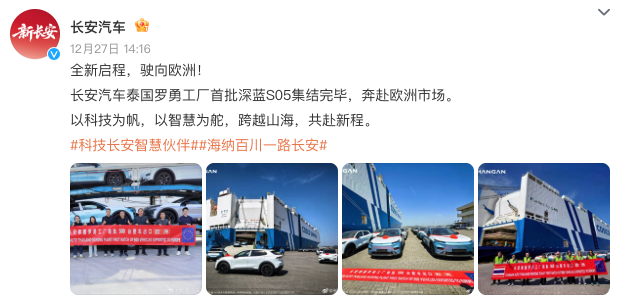
Core Viewpoint - Changan Automobile is accelerating its global expansion with the launch of the first batch of Deep Blue S05 vehicles from its Rayong factory in Thailand, marking a significant step in its "Haina Baichuan" globalization strategy [1][12]. Group 1: Factory and Production - The Rayong factory is a key production base for Changan's overseas strategy and is the company's first overseas new energy vehicle manufacturing facility, with a total investment of approximately 1.9 billion RMB [4][15]. - Construction of the factory began in November 2023, with an initial annual production capacity of 100,000 units, which is expected to double to 200,000 units in the future [4][15]. - The factory's official production ceremony took place in May 2023, coinciding with the milestone of Changan's cumulative production reaching 28.59 million vehicles [4][15]. Group 2: Deep Blue Automotive - Deep Blue Automotive, a subsidiary of Changan, focuses on electric, range-extended, and hydrogen energy technologies, with the Deep Blue S05 being a compact SUV and the fifth model in its lineup [6][17]. - The Deep Blue S05 is set to launch in October 2024, offering four pure electric models and two range-extended models, with prices ranging from 119,900 to 145,900 RMB for the domestic market and 38,990 to 44,990 Euros (approximately 326,000 to 376,000 RMB) for the European market [6][17]. Group 3: Sales and Market Strategy - Changan is implementing its "Haina Baichuan" plan to enhance global competitiveness, aiming to cover at least 10 European regional markets by the end of 2025 and establish a solid business framework across Europe by 2028 [9][19]. - As of November 2025, Changan's cumulative sales reached 2.658 million units, a year-on-year increase of 9.25%, with new energy vehicle sales growing by 54.66% to 994,891 units [9][19]. - The company has set a sales target of 3 million units for 2025, including 1 million new energy vehicles and 1 million units in overseas markets [9][19].

一场比AI还疯的金属狂潮正在上演!
Xin Lang Cai Jing· 2025-12-28 12:13
Core Viewpoint - Silver is emerging as a strong contender for the best asset of 2025, with a remarkable price increase of over 170% this year, significantly outperforming gold, which has risen by approximately 70% [1][3]. Supply and Demand Dynamics - Industrial demand has become the primary driver of silver pricing, with its share of total demand rising from about 40% a few years ago to 60%-62% currently, indicating a shift towards its commodity attributes over financial and decorative uses [3]. - The global silver market is facing a severe structural deficit, with a projected demand of 34,700 tons in 2025 against a supply of only 31,800 tons, resulting in a supply gap of nearly 3,000 tons [3]. - Over the past five years, the cumulative deficit in the global silver market has reached approximately 800 million ounces, equivalent to nearly a full year’s production from global mines [3]. Inventory and Market Conditions - Silver inventories at major exchanges have been rapidly depleting, with the New York Stock Exchange's inventory down by 70% and London vaults down by 40% since 2020 [3]. - Current consumption rates suggest that available silver inventories in some regions can only sustain demand for 30 to 45 days, with the Shanghai Futures Exchange's inventory falling below the critical threshold of 519 tons [4]. Emerging Industries Driving Demand - The photovoltaic industry is a major consumer of silver, with its share of global silver demand rising from 8% in 2019 to 17% in 2024, driven by a surge in solar panel installations [5]. - The demand for silver in AI and electric vehicles is also increasing, with AI server chip packaging requiring significantly more silver and electric vehicles using 25-50 grams of silver, which is seven times more than traditional gasoline vehicles [6]. - Silver is becoming integral to the modern economy, transitioning from a precious metal to a strategic industrial metal, reflecting the urgent demand for key materials in the global shift towards clean energy [6].

朱江明:零跑过去十年九死一生,很多人都不看好,现在也才过温饱线没有任何喘息机会
Xin Lang Cai Jing· 2025-12-28 11:53
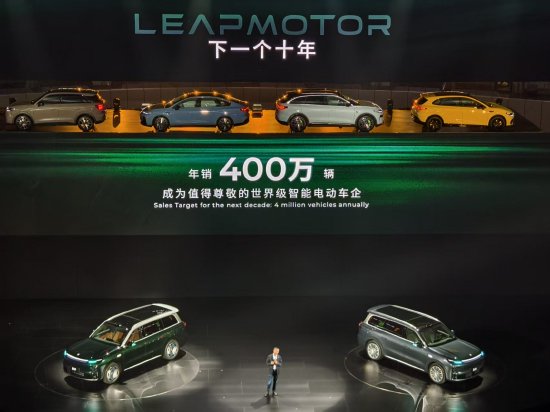
Core Insights - The company aims to achieve an annual sales target of 4 million vehicles in the next decade and aspires to become a respected global smart electric vehicle enterprise [1][3]. Group 1: International Expansion - The company has effectively utilized Stellantis' sales channel service system and localized manufacturing to enter global markets, particularly Europe, with minimal investment [1][3]. - In its first complete year in the international market, the company has secured over 70,000 overseas user orders and exported more than 60,000 vehicles, becoming the top seller among new car manufacturers in overseas markets [1][3]. Group 2: Challenges and Future Outlook - The CEO highlighted the difficulties faced in the past decade, describing it as a challenging journey, and noted that the company has only recently reached a break-even point [4]. - The CEO emphasized the urgency for the company to capitalize on the remaining window of opportunity in the electric vehicle market, as its market share in both China and globally remains relatively small [4].
铝周报:全球供应偏紧,中长期保持强势-20251228
Hua Lian Qi Huo· 2025-12-28 11:26
Report Industry Investment Rating - No relevant information provided in the report Core Viewpoints of the Report - The report anticipates that the global electrolytic aluminum supply will remain tight next year and that aluminum prices are expected to stay strong in the medium to long term due to supply constraints and growing demand from emerging industries [7]. - The recommended strategy is to continue holding medium - term long positions and engage in short - term rolling long positions, with the reference support range for SHFE Aluminum 2603 at 21,600 - 21,700 yuan/ton [7]. Summary by Directory 1. Weekly Views and Strategies - **Macro**: The US economy shows resilience, with a 4.3% growth in real GDP in Q3 2025. There are expectations of a more accommodative monetary policy after a potential change in the Fed Chair [7]. - **Supply**: China's electrolytic aluminum capacity expansion is restricted. Indonesia's planned new capacity is large but limited in actual increase in 2025. European production declined due to the energy crisis, and US output dropped for five consecutive years. Global supply is expected to be tight in the coming year [7]. - **Demand**: The domestic real - estate market is sluggish, but its impact on aluminum demand is reduced. New energy vehicles, energy storage, AI, and power grid construction in China and abroad are driving aluminum demand [7]. - **Inventory**: China's social aluminum inventory slightly increased due to rising prices and the end - of - year off - season [7]. - **View**: Medium - to long - term aluminum prices are expected to remain strong [7]. - **Strategy**: Hold medium - term long positions and do short - term rolling long positions, with SHFE Aluminum 2603 supported at 21,600 - 21,700 yuan/ton [7]. 2. Futures and Spot Markets - The report includes charts of domestic aluminum futures and spot prices, A00 aluminum ingot spot premiums/discounts, LME aluminum prices, and the Shanghai - London aluminum ratio, but no specific data analysis is provided [11][16] 3. Supply and Inventory - **Bauxite**: In November 2025, China imported 15.11 million tons of bauxite, a 22.5% year - on - year increase. From January to November 2025, cumulative imports were 187 million tons, a 29.61% increase. Guinea and Australia are major sources. Guinea's new production projects are expected to increase output [23][25][26]. - **Alumina**: In November 2025, China's alumina production was 8.138 million tons, an 8.4% year - on - year increase for January - November. There was a net export of 1.373 million tons from January to November. New domestic and overseas capacities are expected in 2025 and 2026 [39][43]. - **Electrolytic Aluminum**: In November 2025, the cost of electrolytic aluminum increased, while profits grew. The built - in capacity was 45.158 million tons, and the operating rate was 96.28%. Global and domestic production increased slightly in 2025. Import and export data showed changes in 2025. LME and domestic social inventories were reported as of December 2025 [53][59][60] 4. Primary Processing and Terminal Markets - **Aluminum Alloys**: In November 2025, China's aluminum alloy production was 1.739 million tons, with a 15.8% increase from January to November [79]. - **Aluminum Products**: In November 2025, China's aluminum product production was 5.931 million tons, a slight decrease. Import and export volumes of unforged aluminum and aluminum products changed in 2025 [86][92]. - **Downstream Demand**: The demand structure of electrolytic aluminum in China is changing. The real - estate sector's demand is decreasing, while transportation, power, and other sectors are growing. Forecasts for transportation, power, and energy storage show an upward trend in aluminum demand [100][105][106] 5. Supply - Demand Balance Sheet and Industrial Chain Structure - **Supply - Demand Forecast**: In 2026, China's electrolytic aluminum is expected to be in a tight balance, and the global market is also expected to be in a tight balance. After 2027, the global supply - demand gap may widen [110]. - **Industrial Chain Structure**: No specific content provided in the report
三花智控(002050):25年业绩预告点评:25Q4业绩表现亮眼,机器人业务放量在即
Shenwan Hongyuan Securities· 2025-12-28 10:13
Investment Rating - The report maintains an "Outperform" investment rating for the company [2][7]. Core Insights - The company is expected to achieve a net profit attributable to shareholders of between 3.874 billion and 4.649 billion yuan in 2025, representing a year-on-year growth of 25% to 50%. The fourth quarter of 2025 is projected to yield a net profit of 632 million to 1.406 billion yuan, with a year-on-year change of -20.8% to +76.4% [7]. - The company is expected to continue solidifying its leading position in the refrigeration and air conditioning components sector while leveraging its advanced technology and production scale to drive growth. Additionally, the company is expanding its automotive components business through its established market presence in the global electric vehicle thermal management sector [7]. - The report indicates an upward revision of profit forecasts, with expected net profits for 2025-2027 being 4.253 billion, 4.650 billion, and 5.099 billion yuan respectively, reflecting a year-on-year growth of 37%, 9%, and 10% [7]. Financial Data and Profit Forecast - Total revenue for 2025 is projected at 31.913 billion yuan, with a year-on-year growth rate of 14.2%. The net profit attributable to shareholders is expected to be 4.253 billion yuan, with a growth rate of 37.2% [6]. - The company’s gross margin is forecasted to improve slightly from 28.1% in 2024 to 28.6% in 2027, while the return on equity (ROE) is expected to stabilize around 12.9% to 13.3% over the same period [6]. - The company’s earnings per share (EPS) is projected to increase from 0.84 yuan in 2024 to 1.21 yuan in 2027 [6].

350亿,又一家新势力宣布破产
商业洞察· 2025-12-28 09:28
Core Viewpoint - The demise of Qoros Auto serves as a warning for the Chinese automotive industry, highlighting the challenges of transitioning from product development to market success in the rapidly evolving landscape of new energy vehicles [3][5]. Group 1: Qoros Auto's Exit - Qoros Auto has officially entered bankruptcy proceedings, marking the end of a brand once seen as a benchmark for high-end domestic vehicles in China [7]. - The bankruptcy was initiated by a long-time supplier due to Qoros's inability to repay debts, reflecting years of accumulated issues [8]. - By the end of 2025, Qoros had over 1,000 enforcement actions against it, with frozen equity exceeding 35 billion yuan and over 3,000 associated risk notifications [8]. Group 2: Industry Implications - The bankruptcy of Qoros Auto is a significant event in the transformation of the Chinese automotive industry, providing a case study for reflection on brand building, market positioning, and technological pathways [13]. - The case illustrates that while product quality is crucial, establishing brand recognition and consumer trust is a long-term process that cannot be overlooked [13]. - Qoros's experience emphasizes the importance of strategic consistency and market timing, as the company failed to adapt to the rapid changes in consumer preferences and technological advancements [14][15]. Group 3: Future of the Industry - The new energy vehicle sector is entering a critical phase where the focus will shift from merely having vehicles to ensuring they are user-friendly and worth long-term investment [18][19]. - Companies must evolve from being "car manufacturers" to "smart mobility technology enterprises," requiring a comprehensive restructuring of organizational capabilities and business models [19]. - The differentiation in products will increasingly depend on understanding and addressing real-life scenarios rather than just technical specifications [20]. Group 4: Globalization and Sustainability - Global expansion will be essential for new players to break through domestic market saturation, with emerging markets showing strong demand for Chinese supply chains and smart solutions [23]. - Sustainable development is becoming a business necessity, with regulations impacting product entry and cost structures, pushing companies to build low-carbon systems across the entire supply chain [25]. - The future competition will hinge on the ability to create sustainable competitive advantages through technology realization, user engagement, ecosystem collaboration, and global outreach [26].

特斯拉将在华布局自动驾驶?记者求证
Zheng Quan Shi Bao· 2025-12-28 09:04
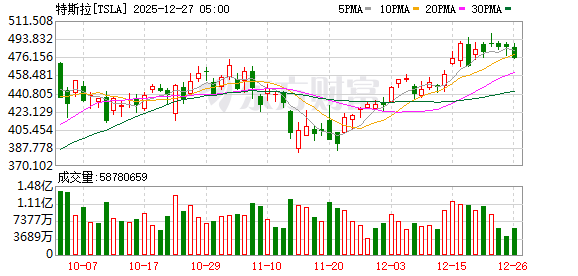
Group 1 - Tesla is reportedly preparing to launch its Robotaxi service in China, as indicated by a recent job posting related to the Robotaxi project [2] - The job listing is for a low-voltage electrical engineer at Tesla's Shanghai R&D center, which is responsible for designing circuit boards that control hundreds of devices in the Robotaxi vehicles [8] - The Robotaxi service is currently operational in Austin, Texas, with over 400,000 kilometers driven as of early November, and plans to expand to 8-10 urban areas by the end of 2025 [9] Group 2 - Tesla's Shanghai Gigafactory has achieved a significant milestone with the production of its 4 millionth vehicle, contributing nearly half of Tesla's global electric vehicle deliveries [8][10] - In November, the Shanghai Gigafactory delivered 86,700 Model 3 and Model Y vehicles, marking a 10% year-over-year increase and a 40% month-over-month increase [10] - The factory has a local supply chain integration rate of 95% and is part of a complete electric vehicle ecosystem in the Yangtze River Delta region [10]