绿色低碳

Search documents
建好绿色低碳美丽城市
Zhong Guo Neng Yuan Wang· 2025-07-21 01:31
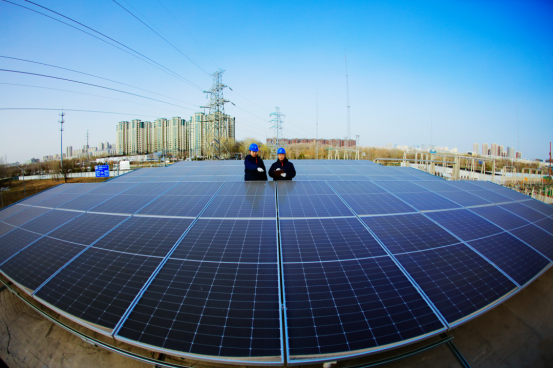
▲国网北京电力员工在北京环球度假区供电服务中心"光储直柔"零碳营业厅巡视光伏设 备,助力实现全绿电运营。张强/摄 7月14日至15日,中央城市工作会议(以下简称"会议")举行,习近平总书记出席会议 并发表重要讲话,总结新时代以来我国城市发展成就,分析城市工作面临的形势,明确做好 城市工作的总体要求、重要原则、重点任务,为做好新时代新征程的城市工作提供了根本遵 循。 党的十八大以来,党中央深刻把握新形势下我国城市发展规律,坚持党对城市工作的全 面领导,坚持人民城市人民建、人民城市为人民,坚持把城市作为有机生命体系统谋划,推 动城市发展取得历史性成就,我国新型城镇化水平和城市发展能级、规划建设治理水平、宜 业宜居水平、历史文化保护传承水平、生态环境质量大幅提升。 当前,一条中国特色城市发展道路日渐清晰。在北京,新能源公交车全面覆盖;在上 海,零碳园区建设正在推进;在深圳,绿色建筑与智慧电网发展迅速;在成都,城市森林与 生态廊道交相辉映;在雄安新区,可再生能源供电、绿色交通体系正在加速构建……当 PM2.5浓度持续下降曲线与智慧政务覆盖率上升曲线交汇,当生物多样性指数与科技创新指 数同步跃升,一幅以绿色为底色、科技 ...

趋势研判!2025年中国纳米金属材料行业生产方式、相关政策、产业链、发展现状及未来前景展望:纳米金属材料应用前景广阔,行业规模超700亿元[图]
Chan Ye Xin Xi Wang· 2025-07-21 01:21
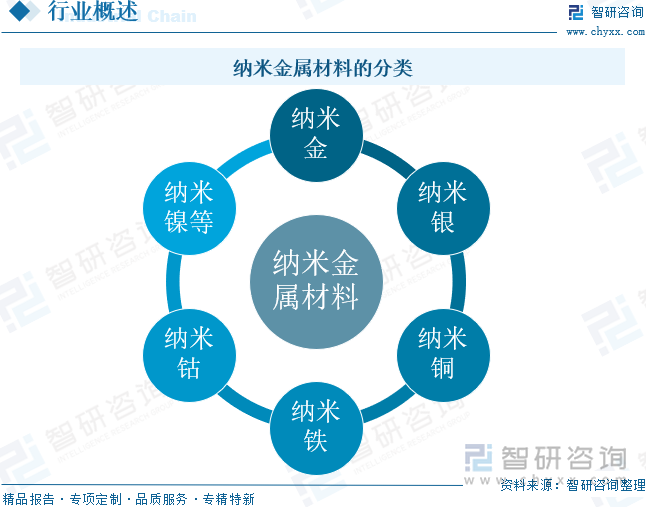
Core Insights - The article highlights the rapid growth and strategic importance of the nano-metal materials industry in China, driven by technological advancements and increasing market demand [1][14]. Industry Overview - Nano-metal materials, characterized by grain sizes between 1-100 nanometers, exhibit superior properties such as ultra-high strength, excellent thermal stability, and unique electromagnetic characteristics [1][14]. - The market size for nano-metal materials in China is projected to grow from 28.98 billion yuan in 2018 to 74.451 billion yuan in 2024, with a compound annual growth rate (CAGR) of 17.03% [1][14]. - Key applications of nano-metal materials include electronics, new energy development, biomedicine, and aerospace [1][14]. Production Methods - The production methods for nano-metal materials are categorized into physical and chemical methods, including evaporation-condensation, high-energy ball milling, and chemical reduction [5]. Policy Support - The Chinese government has identified nano-materials as a key area for development, with various policies aimed at promoting innovation and industrial upgrades [7]. Industry Chain - The upstream of the nano-metal materials industry includes raw material supply and manufacturing equipment, while the downstream encompasses applications in biomedical, aerospace, construction, automotive, and electronics sectors [9]. Key Companies - Notable companies in the nano-metal materials sector include Jiangsu Boqian New Materials Co., Ltd., Jiangxi Baohong Nano Technology Co., Ltd., and Shandong Changxin Nano Technology Co., Ltd., which are involved in the R&D and production of high-performance nano-metal materials [17][19][21]. Development Trends - The industry is moving towards high-performance and multifunctional materials, with innovations in atomic-level structure design and surface modification technologies [25]. - There is a shift towards green and low-carbon production methods, emphasizing sustainable practices in the manufacturing of nano-metal materials [26][27]. - Cross-disciplinary integration is expanding the application boundaries of nano-metal materials, particularly in biomedicine and information technology [28].




【新思想引领新征程】加快培育绿色生产力 塑造产业发展新优势
Yang Shi Wang· 2025-07-20 11:55
Group 1 - The core focus is on promoting green transformation and upgrading of industries, with an emphasis on developing green low-carbon industries and technologies to enhance economic sustainability and potential [1][2] - In the first half of the year, over 50% of cars sold in China were new energy vehicles, indicating a significant shift towards green consumption [1] - More than 140 steel companies have completed ultra-low emission transformations, covering crude steel production capacity of approximately 591 million tons, showcasing accelerated green production [1][3] Group 2 - The government has invested over 100 billion yuan in environmental infrastructure over the past decade to support the industrial green transformation [2] - Green consumption products are increasingly becoming the preferred choice, with over 90% of old-for-new appliance orders being first-class energy efficiency products [2] - The proportion of newly built green buildings in China has exceeded 91%, with over 30 billion square meters of energy-efficient buildings constructed, driving the growth of the green building materials industry [2] Group 3 - Chinese shipbuilding companies have secured over 78% of global green ship orders, indicating a strong shift towards green technologies in the maritime industry [3] - More than 6,400 national-level green factories have been established, covering various sectors such as food, automotive, and new materials, contributing to over 20% of the total manufacturing output [3][4] Group 4 - The construction of the world's largest compressed gas energy storage station is underway in Xinjiang, representing a breakthrough in new energy storage technology [4] - Wind power construction has accelerated, with wind turbine product output increasing by 72% year-on-year, reinforcing China's position in the renewable energy sector [4] - The country has established the largest and most complete new energy industry chain for research, design, and manufacturing, laying a solid foundation for green development [4]
链博会向“绿”而行:绿色、零碳工厂风潮已来,先进制造企业抢先一步
Hua Xia Shi Bao· 2025-07-20 11:26
Core Insights - The third China International Supply Chain Promotion Expo showcased advancements in automation and sustainability within the supply chain industry, emphasizing the importance of green and low-carbon practices in manufacturing [1][3][4] Group 1: Event Overview - The expo took place from July 16 to 20 in Beijing, focusing on the theme "Linking the World, Creating the Future" [1] - Over 650 enterprises and organizations participated, representing 75 countries and regions, with more than 65% being Fortune Global 500 companies [3] Group 2: Industry Trends - Automation and green practices are becoming essential features in advanced manufacturing, with many companies prioritizing the establishment of green supply chains [1][3] - Schneider Electric reported a 15.9% reduction in overall energy consumption in its supply chain since 2019, while improving production efficiency by nearly 10% [2] Group 3: Company Initiatives - APP (China) is focusing on building a green circular industry chain, implementing energy-saving upgrades, and establishing five "national-level green factories" [3] - CITIC Group showcased its innovations in various sectors, including the creation of the world's first "lighthouse factory" for aluminum wheels, achieving a weight reduction of 33.4% [4] Group 4: Carbon Market Developments - The national carbon market has expanded to include steel, cement, and aluminum industries, with an estimated 3,700 key emission units expected to participate, covering approximately 8 billion tons of emissions [5][6] - Companies like Zhejiang Xizi Aviation Manufacturing have implemented renewable energy technologies to achieve "zero carbon" status for their facilities [6] Group 5: Policy Support - The National Development and Reform Commission has initiated support for zero-carbon park construction, encouraging enterprises to adopt energy-efficient practices and reduce carbon emissions [7]
首次突破5000亿元 上半年四川进出口规模创历史同期新高 代表绿色低碳的“新三样”出口同比翻番
Si Chuan Ri Bao· 2025-07-20 01:59
Group 1 - The core viewpoint of the articles highlights the significant growth in Sichuan's foreign trade, with total imports and exports reaching 5190.9 billion yuan in the first half of the year, marking a 6.3% year-on-year increase [1] - Exports from Sichuan amounted to 3156.2 billion yuan, reflecting an 8.2% increase, while imports were 2034.7 billion yuan, up by 3.4% [1] - Chengdu's performance was particularly notable, with its imports and exports totaling 4274.7 billion yuan, a 9.4% increase, accounting for 82.3% of the province's total foreign trade [1] Group 2 - The structure of Sichuan's export goods is improving, with high-end equipment, new materials, and biomedicine exports growing by 77.3%, 119.1%, and 34.9% respectively [2] - Exports of "new three samples" products, which represent green and low-carbon initiatives, reached 141.5 billion yuan, a remarkable 102.2% increase, with solar products and lithium-ion batteries seeing growth rates of 284.9% and 1306.4% respectively [2] - The number of enterprises engaged in foreign trade in Sichuan increased by 8.8%, with private enterprises growing by 9.4%, making up 89.8% of the total [2] Group 3 - Sichuan's foreign trade network expanded, with trade relations established with 229 countries and regions, an increase of 5 from the previous year [3] - The trade volume with countries involved in the Belt and Road Initiative reached 2348.6 billion yuan, a 2% increase year-on-year [3] - Trade with other members of the RCEP saw a 4.1% increase, totaling 1741.2 billion yuan [3]
顶压力展活力 四川外贸站上新高点
Sou Hu Cai Jing· 2025-07-20 01:16
Core Insights - Sichuan's foreign trade reached 500 billion yuan in the first half of 2023, marking a historical high and demonstrating resilience against global trade challenges [1][2][3] Trade Performance - Chengdu's import and export value was 427.47 billion yuan, a year-on-year increase of 9.4%, contributing 82.3% to the province's total foreign trade [1] - Mianyang's import and export value was 18.21 billion yuan, with a year-on-year growth of 23.5% [1] - Yibin and Luzhou both exceeded 10 billion yuan in import and export scale [1] - Several cities, including Neijiang, Zigong, and Liangshan, achieved over 20% year-on-year growth [1] Export Growth Areas - Exports related to new productive forces, such as high-end equipment, new materials, biomedicine, and medical instruments, grew by 77.3%, 119.1%, and 34.9% respectively [4] - Exports of "new three samples" products, representing green and low-carbon initiatives, reached 14.15 billion yuan, a year-on-year increase of 102.2% [4] - Solar products and lithium-ion batteries saw exports grow by 284.9% and 1306.4% respectively [4] Private Sector Dynamics - The number of enterprises engaged in import and export increased by 8.8% year-on-year, with private enterprises accounting for 89.8% of the total [1] - Private enterprises collectively achieved 183.72 billion yuan in import and export, while state-owned enterprises reached 30.53 billion yuan [1] - Foreign-invested enterprises experienced a year-on-year growth of 24.3% in import and export [1] Policy Support - Sichuan introduced significant policies to stabilize foreign trade, including the "New 8 Measures" and "9 Measures" aimed at enhancing the business environment and supporting enterprises [1][3] - The provincial government has expanded credit limits for foreign trade from 50 billion yuan to 80 billion yuan to support export-oriented industries [3] Innovation and Market Expansion - Companies like Sichuan Yixing Times Power Technology Co., Ltd. have ramped up production and innovation, achieving 450 million yuan in motorcycle exports, surpassing last year's total [4][5] - Technological innovation is driving companies to expand their international market presence, with significant orders secured from overseas clients [5] Future Outlook - Despite positive performance, the second half of 2023 presents challenges due to fluctuating international tariff policies and potential order shortages for small and medium-sized enterprises [6][7] - Sichuan's foreign trade service teams are set to enhance support for businesses, focusing on emerging markets and specific product categories [6][7]
一杯咖啡的绿色密码:星巴克在华加码投入,直面“范围三”减排难题|聚焦链博会
Hua Xia Shi Bao· 2025-07-19 13:19
Core Viewpoint - The third China International Supply Chain Promotion Expo highlights the emphasis on green supply chains, with Starbucks China showcasing its sustainable practices and announcing a strategic partnership with Envision Technology Group to enhance its green coffee strategy [1][2]. Group 1: Starbucks' Green Initiatives - Starbucks China has achieved a high level of localization, with 98% of its products manufactured locally, and aims to create a more sustainable supply chain in collaboration with suppliers [2]. - The Starbucks China Coffee Innovation Industrial Park, with a total investment of 1.5 billion yuan, is the largest strategic investment by Starbucks outside the U.S. and is designed to be the greenest production base globally, utilizing 100% green electricity and reducing carbon emissions equivalent to 800,000 coffee trees annually [2][3]. - Currently, 2,100 Starbucks stores in China have received green store certification, all using green-certified electricity, and over 7,500 stores are connected to an intelligent IoT system for real-time data tracking and optimization of energy efficiency [3]. Group 2: Addressing Scope 3 Emissions - Approximately 70% of Starbucks' total carbon emissions come from its supply chain, and the company is actively working on reducing Scope 3 emissions, which are indirect emissions from suppliers and customers [4]. - Starbucks plans to implement a digital carbon management system to measure the carbon footprint of thousands of products and develop tailored reduction strategies, focusing on key suppliers [5]. - The carbon footprint of a latte is significantly influenced by milk production, which accounts for 80% of its emissions, prompting Starbucks to prioritize sustainable practices in dairy sourcing [5][6]. Group 3: Collaboration with Supply Chain Partners - Supply chain partners are responding positively to Starbucks' sustainability initiatives, with commitments to reduce carbon emissions in milk production by 28% by 2030 [6]. - The logistics sector is also involved in carbon reduction efforts, with plans to electrify delivery vehicles and optimize transportation efficiency in collaboration with Starbucks and Envision [6].

织就高效寄递网,托起消费大市场
Zhong Guo Chan Ye Jing Ji Xin Xi Wang· 2025-07-19 01:58
Group 1: Industry Growth and Economic Impact - The express delivery industry in China has reached a significant milestone, with the volume of express deliveries surpassing 100 billion items in 2025, 35 days earlier than in 2024, highlighting the industry's role in supporting consumption and economic growth [1] - The continuous high-quality development of China's economy has provided strong momentum for the rapid growth of the express delivery sector, supported by policies aimed at expanding domestic demand and promoting consumption [1][2] - The express delivery volume has exceeded 100 billion items for five consecutive years, indicating an expanding consumer market and increasing e-commerce penetration [1] Group 2: Rural Logistics and Integration - The construction of rural delivery logistics systems has effectively promoted the flow of resources between urban and rural areas, reducing the gap in consumption patterns and service experiences [2] - The integration of manufacturing and express delivery services has expanded the service range and development space of the express delivery industry, with over 1,600 key projects generating more than 1 million yuan in revenue [2] Group 3: Technological Advancements and Sustainability - The application of technologies such as 5G, IoT, and AI is accelerating the intelligent upgrade of the express delivery industry, enhancing operational efficiency and service responsiveness [3] - The industry is adopting energy-saving and carbon-reduction technologies to improve packaging standards and promote green logistics solutions, contributing to a low-carbon operation across the supply chain [3] - Policies from the government are creating a favorable environment for the development of express delivery companies, facilitating efficient circulation of resources across various economic sectors [3]
链博会绿色农业链展区有何看点?记者带你一探究竟!
2 1 Shi Ji Jing Ji Bao Dao· 2025-07-19 00:47
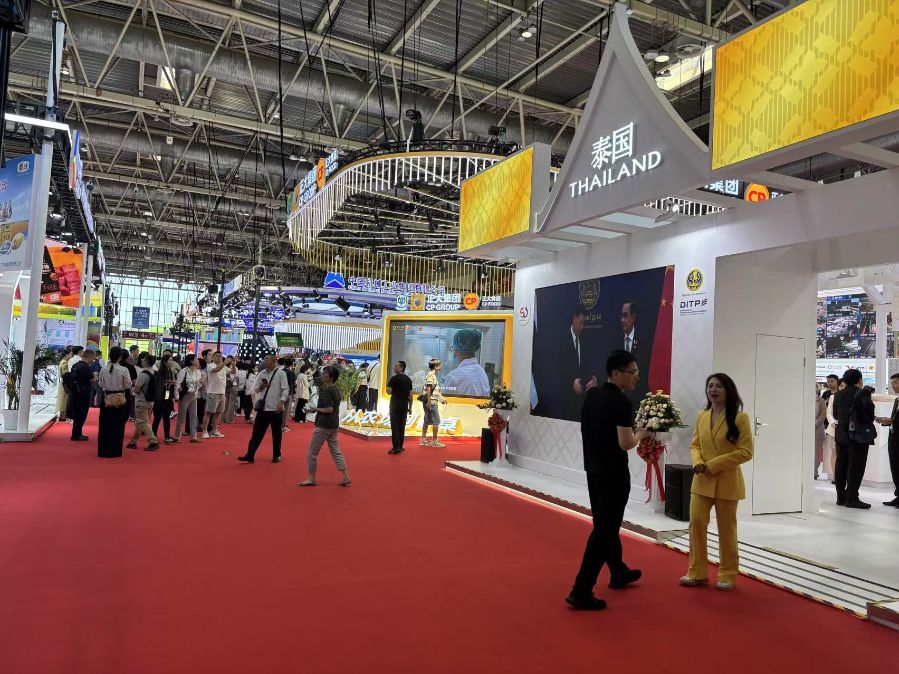
Core Insights - The third China International Supply Chain Promotion Expo was held from July 16 to 20, focusing on global industrial and supply chain cooperation [1] - The expo featured six major chains including advanced manufacturing, smart automotive, and green agriculture, showcasing the latest achievements and experiences in supply chain collaboration [1] Group 1: Green Agriculture Chain - Over 70 agricultural enterprises participated in the green agriculture chain exhibition, demonstrating the full agricultural supply chain from "field to table," covering production, processing, and distribution [4] - Syngenta Group highlighted its full supply chain advantages in agriculture, emphasizing the need for a high-efficiency, stable, and green agricultural supply chain amid a global food system transformation [5] - The "Green Star List" was launched by Panda Guide, focusing on sustainable practices and rural revitalization, with five companies recognized for their contributions to eco-friendly agriculture [6] Group 2: International Grain Merchants - Cargill showcased its commitment to supply chain resilience and food sustainability, featuring the "Pyxis Ocean," the world's first cargo ship equipped with WindWings to reduce fuel consumption and carbon emissions [7] - Cargill's maritime president stated the company's responsibility to lead in carbon reduction efforts within the shipping industry [7] - Louis Dreyfus Company presented its theme of building a safe and sustainable agricultural supply chain, utilizing interactive technology to engage visitors with its global asset layout [9]
链博会上的“舌尖革命”:科技重构田间到餐桌价值链
证券时报· 2025-07-19 00:34
Core Viewpoint - The article emphasizes the importance of technological advancements in transforming agriculture into a more sustainable and resilient industry, focusing on the entire agricultural supply chain from production to consumption [1][2]. Group 1: Technological Empowerment - The global agricultural sector faces challenges from resource constraints and environmental pressures, leading to a consensus on the need for green, low-carbon, and sustainable agricultural practices. Biopesticides, derived from natural sources like Norwegian seaweed, are highlighted as a significant market opportunity [3]. - Syngenta Group has developed a series of biopesticides that enhance crop photosynthesis, balance internal hormone levels, and promote flowering and fruiting, resulting in increased crop yield and quality. These products have been promoted on over 12 million acres in China [3]. - The lightweight packaging in the food and beverage industry is crucial for achieving carbon reduction goals. For instance, switching to lightweight beer bottles can reduce CO2 emissions by approximately 54,600 tons annually if fully adopted [3]. Group 2: Supply Chain Resilience - Recent geopolitical conflicts, extreme weather events, and rising protectionism have exposed vulnerabilities in global food supply chains, making it essential to ensure the stability and self-sufficiency of key agricultural product supply chains. The 2025 Central Document No. 1 emphasizes enhancing the supply guarantee capabilities for important agricultural products [5]. - China relies heavily on imports for barley, a key ingredient in beer production, with over 90% of its beer barley sourced from abroad. This dependency poses risks amid global trade disputes [5]. - The Chinese government is implementing policies to strengthen food security, with a focus on technological empowerment in agriculture, including the establishment of smart farms and enhancing domestic grain production capabilities [5][6]. Group 3: Open Cooperation - Agricultural trade is a vital component of China's foreign trade, with the country being the world's largest importer and the fifth-largest exporter of agricultural products. China engages in agricultural trade with over 220 countries and has signed cooperation agreements with 125 nations [8]. - McDonald's China showcased 11 supply chain partners at the expo, highlighting the collaboration between local and international companies to enhance agricultural trade. The integration of local firms into global supply chains is emphasized as a growth opportunity [8]. - The Chinese government is focused on creating a robust framework for food security, which will provide new opportunities for international agricultural trade cooperation. Recommendations include building inclusive trade rules and fostering deep integration of technology and agriculture [8].