一人食

Search documents
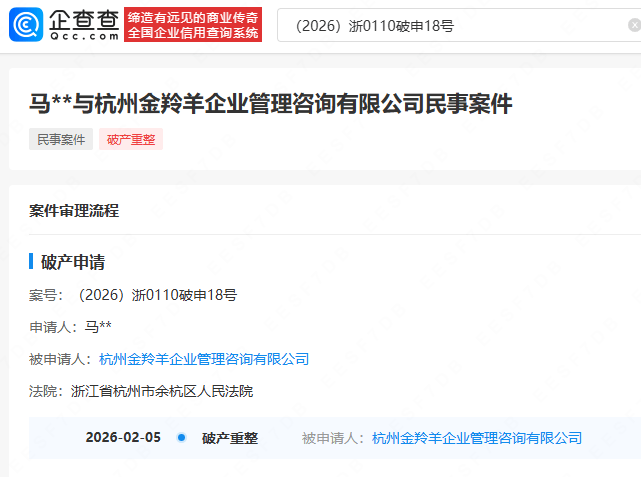
估值70亿到被申请破产审查,自嗨锅的“速热神话”为何戛然而止?
Sou Hu Cai Jing· 2026-02-06 12:37
Core Viewpoint - The rise and fall of the self-heating hotpot brand "Zihai Guo" reflects the fragility of the influencer-driven fast food industry and the significant shift in consumer behavior from enthusiasm to rationality [6][9][10] Company Overview - Zihai Guo, once a leading brand in the self-heating hotpot sector, is undergoing bankruptcy review as of February 2026, initiated by an individual named Ma [1] - The company has accumulated over 140 million yuan in total execution amounts across multiple cases, indicating a severe financial crisis [3][4] Growth Journey - Zihai Guo's rise was fueled by the convenience of self-heating food products, aligning with the "lazy economy" trend, and aggressive marketing strategies, including celebrity endorsements and significant advertising investments [5][6] - The brand achieved a peak valuation of 7 billion yuan and recorded sales nearing 1 billion yuan in 2021, with a notable sales record of 5 million units sold in just ten minutes during the Double Eleven shopping festival [5][6] Decline Factors - Since 2022, Zihai Guo has experienced a nearly 20% decline in sales, dropping to 820 million yuan, with market share shrinking from 1.84% in 2022 to 1% in 2023 [6][7] - The company faced a debt crisis, with failed acquisition attempts and multiple enforcement actions due to unpaid debts, leading to its classification as a dishonest executor [6][7] Product and Market Challenges - Zihai Guo's reliance on marketing over product quality has been detrimental, with high pricing and poor product performance leading to consumer dissatisfaction [7][8] - The competitive landscape has intensified, with major food brands entering the self-heating market, resulting in price wars and reduced profit margins for Zihai Guo [8] Industry Insights - Despite Zihai Guo's struggles, the outdoor self-heating food market is projected to grow, with sales expected to exceed 18 billion yuan by 2025 and reach 35 billion yuan by 2030 [9] - The industry's growth is shifting from a "traffic-driven" model to a "quality-driven" approach, emphasizing the need for companies to focus on product development and consumer needs [9][10]

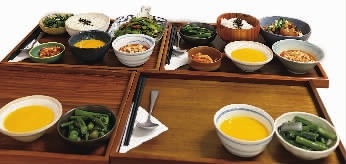
“一人食”也精致,这个小馆圈粉年轻人
Xin Lang Cai Jing· 2026-01-26 20:02
Core Insights - The rise of the "one-person meal" trend among young consumers emphasizes the desire for dining freedom, rejection of social obligations, and the enjoyment of solitary meals [2][3] Group 1: Market Demand - Young consumers are increasingly seeking "one-person meals" that provide a sense of quality and self-satisfaction, moving away from pre-packaged meals and towards home-cooked flavors [3][4] - The demand for healthy, home-style cooking is evident, as many young diners express a preference for meals that feel personal and comforting [4][5] Group 2: Business Model - The small restaurant operates without delivery services, relying solely on the quality of its home-style dishes to attract customers, who are willing to travel significant distances for the experience [3][4] - The owner sources high-quality ingredients from reputable supermarkets, ensuring that the meals meet the health-conscious expectations of young diners [4] Group 3: Customer Experience - The restaurant's ambiance is designed to evoke a "home dining" feel, catering to the need for a comfortable and non-awkward solo dining experience [5] - Customer feedback indicates a strong preference for personalized meal options, with many young patrons actively participating in menu suggestions and modifications [5]
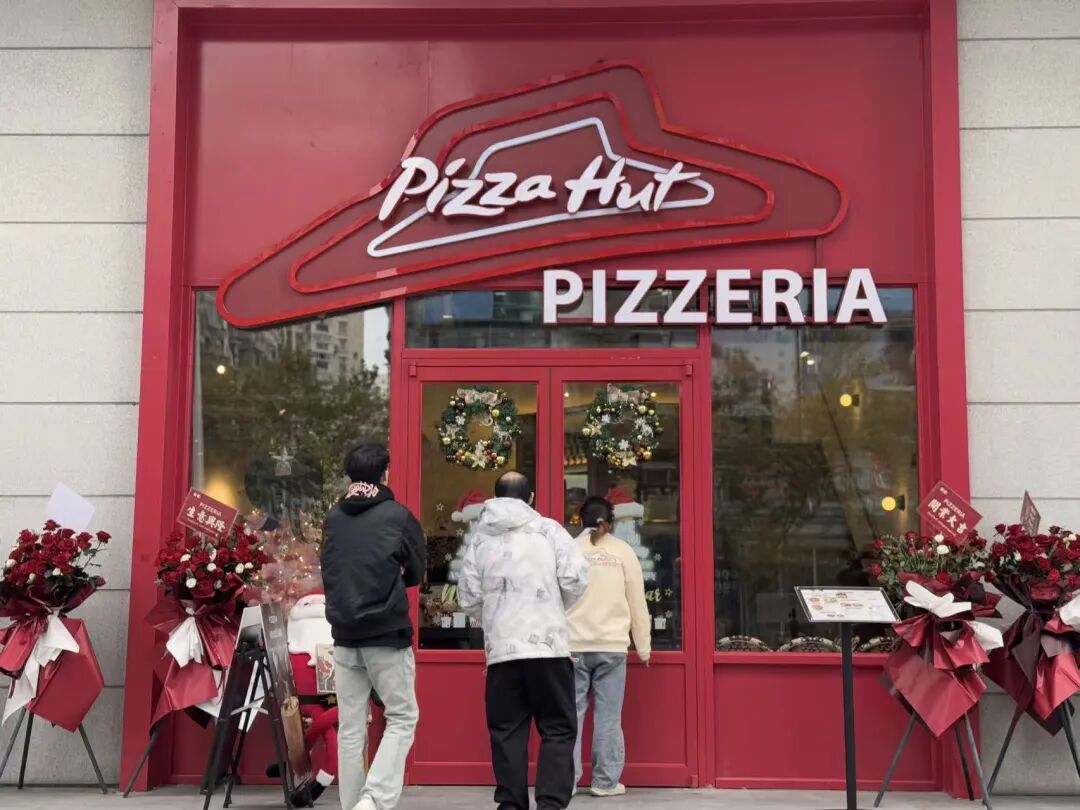
客单价40元,必胜客试水汉堡店
Guo Ji Jin Rong Bao· 2025-12-31 14:35
Core Insights - Pizza Hut is expanding its hamburger segment with the launch of "Pizza Hut Burger" in Shenzhen, marking a strategic move towards diversification in the fast-food market [1][3] Company Strategy - The introduction of "Pizza Hut Burger" aligns with the growing demand for single-serving meals, showcasing the brand's focus on innovation within the hamburger category [3] - The company plans to open over 600 new stores annually for the next three years, aiming to exceed 6,000 stores by 2028, with a goal to double operating profit by 2029 compared to 2024 [4] Market Position - The hamburger market is highly competitive, dominated by major players like McDonald's and KFC, while local brands such as Wallace and Tastin are also performing strongly [3] - The launch of "Pizza Hut Burger" indicates internal competition within Yum China, as both Pizza Hut and KFC operate under the same umbrella [3] Store Expansion - In the first nine months of 2025, Pizza Hut added 298 new stores, bringing the total to 4,022, with a significant increase in franchise stores expected to rise from 20%-30% to 40%-50% by 2028 [6] - The company is currently in a phase of "price for volume" adjustment, with a 4% year-on-year increase in system sales and a 1% increase in same-store sales for Q3 2025, despite a 13% decrease in average transaction value [6] Sales Performance - The reliance on delivery services is increasing, with a 27% year-on-year growth in delivery sales, accounting for 48% of total restaurant revenue, up from approximately 39% in 2024 [6]

呷哺呷哺集团开拓业务新版图 “呷哺牧场” 高质价比自选小火锅抢占新消费阵地
Zheng Quan Ri Bao Zhi Sheng· 2025-12-30 10:44
Core Insights - The hot pot market is entering a new phase characterized by high quality and affordability, with the launch of a new self-service hot pot brand "Xiabuxiabu Ranch" by Xiabuxiabu Catering Management (China) Holdings Co., Ltd. [1][3] - The brand targets young consumers and emphasizes a "natural selection, enjoy food time" philosophy, aiming to provide a high-quality yet affordable dining experience [1][3]. Pricing Strategy - "Xiabuxiabu Ranch" offers a pricing strategy that includes dishes priced at 2.91 yuan, 5.91 yuan, and 8.91 yuan, with meat starting at 9.91 yuan, allowing for a single-person dining experience as low as 29.82 yuan, which includes a choice of broth, all condiments, and over thirty types of vegetables [4] - The brand also features unlimited drinks at 5.91 yuan and complimentary appetizers, ensuring a value-driven dining experience [4]. Quality Assurance - The brand leverages Xiabuxiabu's strong supply chain and quality control systems, utilizing organic lamb resources from a 161,000-acre ranch in Inner Mongolia, ensuring high-quality ingredients [4] - The company guarantees stable food quality through centralized procurement of premium beef, seafood, and fresh vegetables delivered daily [4]. Innovation in Model and Scenarios - The self-service hot pot model allows customers to choose from various ingredients in just 3-5 minutes, catering to diverse dining scenarios such as office lunches, student gatherings, and family meals [5] - The store layout includes both mall and community locations, with the first store accommodating up to 60 diners, enhancing customer experience and market adaptability through a high table turnover rate [5].
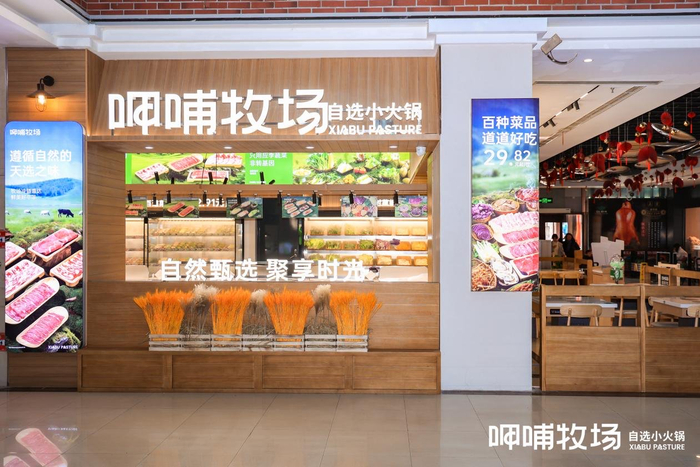
呷哺呷哺集团开拓业务新版图 切入自选小火锅细分赛道
Zheng Quan Shi Bao Wang· 2025-12-30 09:29
Core Insights - The company, Xiaobai Xiaobai Group, is launching a new self-service hot pot brand called "Xiaobai Ranch," with the first store set to open on December 31, 2025, in Shanghai Wealth Plaza [1] - The brand targets young consumers by offering a high-quality yet affordable social dining experience, aligning with the growing demand for healthy and cost-effective food options [1][2] - The introduction of "Xiaobai Ranch" is a strategic move to enhance the company's brand portfolio and meet the needs of young professionals seeking convenient and quality dining options [1] Pricing and Product Offering - "Xiaobai Ranch" features a competitive pricing strategy with dishes priced at 2.91 yuan, 5.91 yuan, and 8.91 yuan, and meat starting at 9.91 yuan, with single-person dining costs as low as 29.82 yuan [2] - The brand also offers unlimited drinks for 5.91 yuan, emphasizing affordability while maintaining quality [2] Market Strategy and Expansion - The self-service hot pot model includes individual pots for each diner, catering to the trend of solo dining and light social interactions [2] - The first store can accommodate up to 60 diners, and the company plans to open additional locations in Shanghai, including two more stores before the Lunar New Year in 2026 [2] - Shanghai is identified as a key market for the company's national expansion strategy, leveraging the group's strong supply chain and resources for future growth [2]
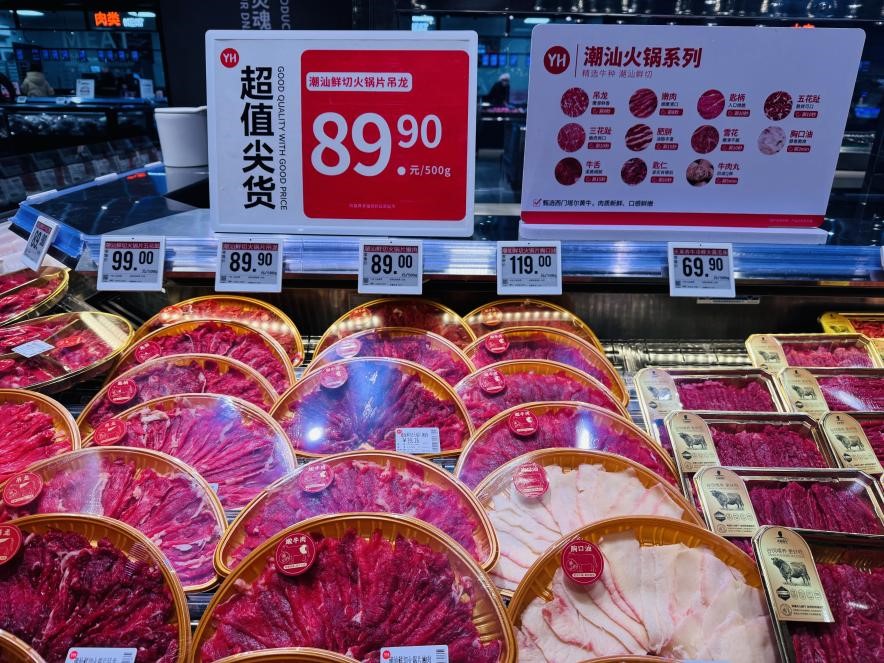
鲜切、山野、一人食成关键词,多家电商、超市开启“火锅季”
Bei Ke Cai Jing· 2025-11-28 12:13
Group 1 - The core theme of the articles highlights the increasing popularity of hot pot as temperatures drop, leading to a significant rise in sales of various hot pot ingredients across multiple platforms [1][2][3] - Yonghui Supermarket has launched a nationwide "Hot Pot Ingredients" campaign, expecting to drive sales of core hot pot categories to exceed 300 million yuan, with beef and lamb products showing over 50% year-on-year sales growth in October [1] - Dingdong Maicai reports a notable increase in sales of fresh hot pot items, including sliced meats and seafood, driven by consumer demand for freshness, with nearly 30 new fresh meat products introduced for the hot pot season [2] Group 2 - The trend of "mountain-style" hot pot has gained traction, with home consumption becoming popular; Hema has introduced a single-serving hot pot cup for convenient use in various settings [3] - Hema's data indicates that over 70% of hot pot orders are placed online, reflecting a shift in consumer purchasing behavior towards digital platforms [3] - The demand for "freshly sliced" ingredients has emerged as a key consumer preference in the hot pot market, indicating a shift towards higher quality and convenience in food preparation [4]
呷哺呷哺举步维艰,海底捞 、杨国福为何纷纷入局小火锅赛道? | 声动早咖啡
声动活泼· 2025-11-03 09:03
Core Viewpoint - The rise of "one-person dining" is reshaping the restaurant industry, prompting major players like Haidilao and Yang Guofu to enter the small hot pot market, which caters to the growing demand for individual dining experiences [4][6][12]. Group 1: Market Trends - The trend of "one-person dining" has gained significant traction, with related content on platforms like Douyin and Xiaohongshu receiving billions of views, indicating a strong consumer interest [6]. - The small hot pot format, characterized by individual pots, aligns well with the preferences of consumers seeking convenience and independence in their dining experiences [6][12]. Group 2: Competitive Landscape - Haidilao's new brand "Jugaogao" and Yang Guofu's small hot pot offerings are both priced under 60 yuan, aiming to attract a broad consumer base by emphasizing value for money [4][7]. - Despite the entry of established brands, the small hot pot market faces challenges due to high competition and a significant number of existing players, with over 50,000 small hot pot restaurants in China [12]. Group 3: Business Strategies - Haidilao has adopted a strategy of rapid brand expansion through its "Pomegranate Plan," launching multiple new brands and focusing on low-cost, high-turnover small hot pot outlets [8][9]. - Yang Guofu is also diversifying its offerings by introducing new brands and product lines, aiming to capture a wider audience and increase revenue [9][10]. Group 4: Consumer Behavior - Consumers are increasingly value-conscious, seeking affordable dining options, which has led to a shift in preferences from higher-priced offerings to more budget-friendly alternatives [7][12]. - The average consumer is now gravitating towards small hot pot options priced between 20 to 60 yuan, with a notable increase in the 20 to 40 yuan segment [12].

在韩国独自吃饭,到底有多难?
虎嗅APP· 2025-10-10 09:44
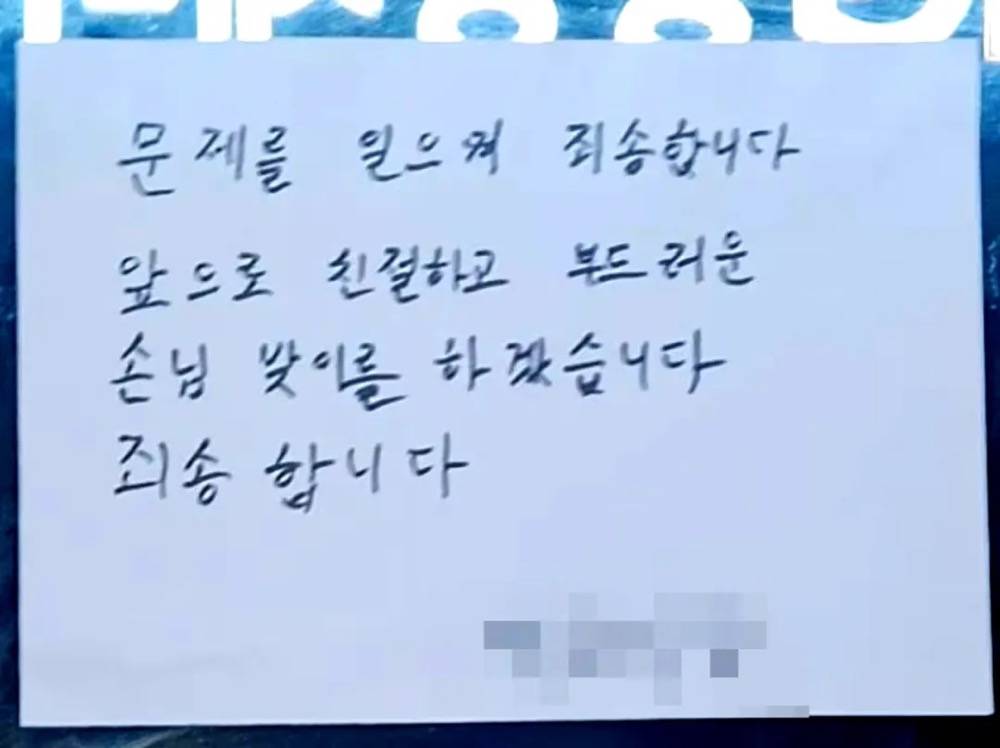
Core Viewpoint - The article discusses the rising trend of "solitary dining" in South Korea, highlighting the cultural stigma associated with eating alone and the emerging market opportunities within the "lonely economy" [4][5][6]. Group 1: Incident Overview - A recent incident in South Korea involved a woman being mistreated at a restaurant for dining alone, despite ordering food for two, which sparked public outrage and led to administrative intervention [5][6]. - The restaurant faced backlash on social media, resulting in an apology and a commitment to improve customer service [7][9]. Group 2: Cultural Context - In South Korea, communal dining is deeply ingrained in the culture, often seen as essential for social bonding, making solitary dining a challenge and sometimes a source of social stigma [12][13]. - The portrayal of solitary dining in popular media, such as the character in the drama "Let's Eat," reflects societal discomfort with eating alone, often associating it with loneliness and social failure [12][13]. Group 3: Market Trends - The number of single-person households in South Korea has surpassed 10 million, accounting for 42% of households, indicating a significant shift towards solitary living and dining [15]. - The demand for single-serving meals is growing, with restaurants offering single-person meal options increasing to 10.4% as of March this year, and a dedicated category for single meals launched on a popular delivery platform [15][15]. Group 4: Consumer Behavior - Young consumers are increasingly favoring solitary dining as a way to avoid the social pressures and emotional costs associated with group dining, reflecting a shift in social attitudes [15][16]. - The concept of "freedom" in solitary dining is highlighted as a form of self-care, allowing individuals to enjoy meals without societal constraints [16][18].

2025年还歧视一人食?韩国网友忍不了了
Hu Xiu· 2025-10-07 02:50
Core Insights - The article discusses the rise of the "loneliness economy" in South Korea, highlighting the increasing demand for personalized and individual dining experiences as loneliness becomes more prevalent in society [2][20]. Group 1: Market Trends - The concept of "one-person dining" is gaining traction, with a significant market potential as more young consumers prefer individual dining experiences over group meals [22][20]. - As of March 2023, restaurants offering single-person meal options have increased to 10.4% in South Korea, indicating a growing acceptance of this dining style [21]. - The number of single-person households in South Korea has surpassed 10 million, accounting for 42% of households, reflecting a broader societal shift towards individual living [20]. Group 2: Consumer Behavior - Young consumers are increasingly viewing dining as a personal experience rather than a social obligation, leading to a decline in the stigma associated with eating alone [22][20]. - The COVID-19 pandemic has heightened awareness of hygiene in dining, making one-person meals more appealing to health-conscious consumers [20]. - The emotional and psychological aspects of dining alone are being recognized, with many individuals seeking the freedom and comfort that comes with solitary meals [23][22]. Group 3: Cultural Context - South Korean dining culture traditionally emphasizes communal eating, which can create social pressure for individuals who prefer to dine alone [15][17]. - The stigma surrounding one-person dining is still prevalent, with some establishments refusing service to solo diners, reflecting a cultural bias against individual eating [17][15]. - Popular media, such as the drama "Together We Eat," portrays the struggles of individuals who feel embarrassed about dining alone, further illustrating the societal challenges faced by solo diners [14][15].
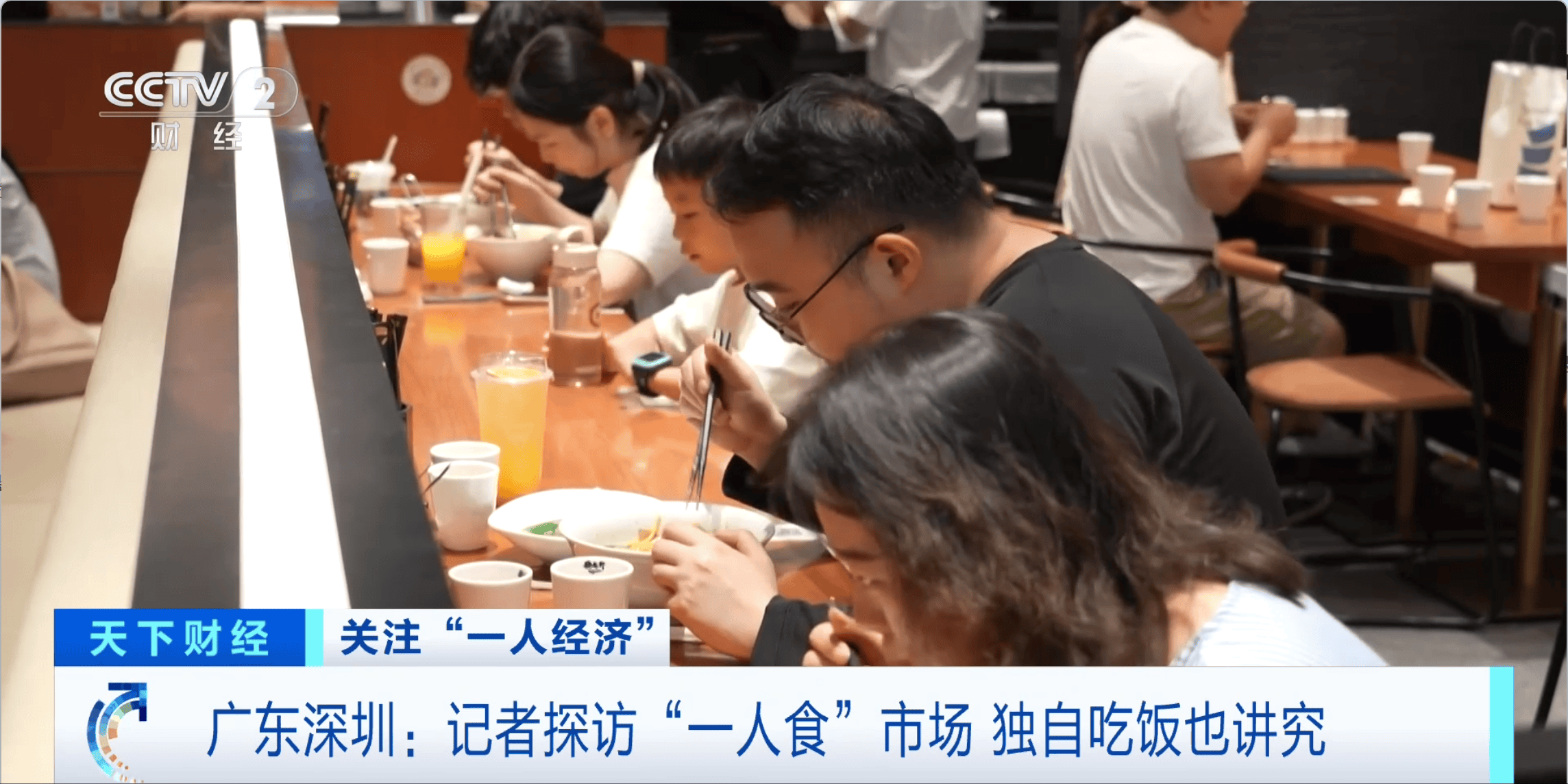
满满的仪式感!“一人食”风潮带来新消费体验,独自吃饭也讲究
Sou Hu Cai Jing· 2025-10-01 14:57
Group 1 - The number of single-person households in China has exceeded 125 million, leading to a shift in the dining market towards "one-person meals" that emphasize personalized service and a sense of ritual in the dining experience [1] - In Shenzhen, a chain ramen restaurant has seen high demand during dinner hours, with a highlighted "single-person set meal" that includes a main dish, a drink, and a bowl of soup at an affordable price [3] - A barbecue restaurant in Shenzhen features individual seating with privacy partitions, equipped with mobile phone holders and call buttons, catering to the growing trend of solo dining [5] Group 2 - The manager of a barbecue restaurant noted that their design aims to protect customer privacy and enhance the dining experience, with approximately 200 solo diners per week, especially during peak dinner hours [7] - A fast-food restaurant manager reported that around 50% of their orders last month were for single-person meals, with a 10% month-over-month increase in this segment [9] - The "one-person meal" market in China is projected to reach 800 billion yuan in 2024 and exceed 1 trillion yuan by 2025, with a compound annual growth rate of approximately 22% [9]