二代接班

Search documents
康师傅二代接班第一课:在“外卖大战”中抢人
Xin Lang Cai Jing· 2025-12-23 12:55
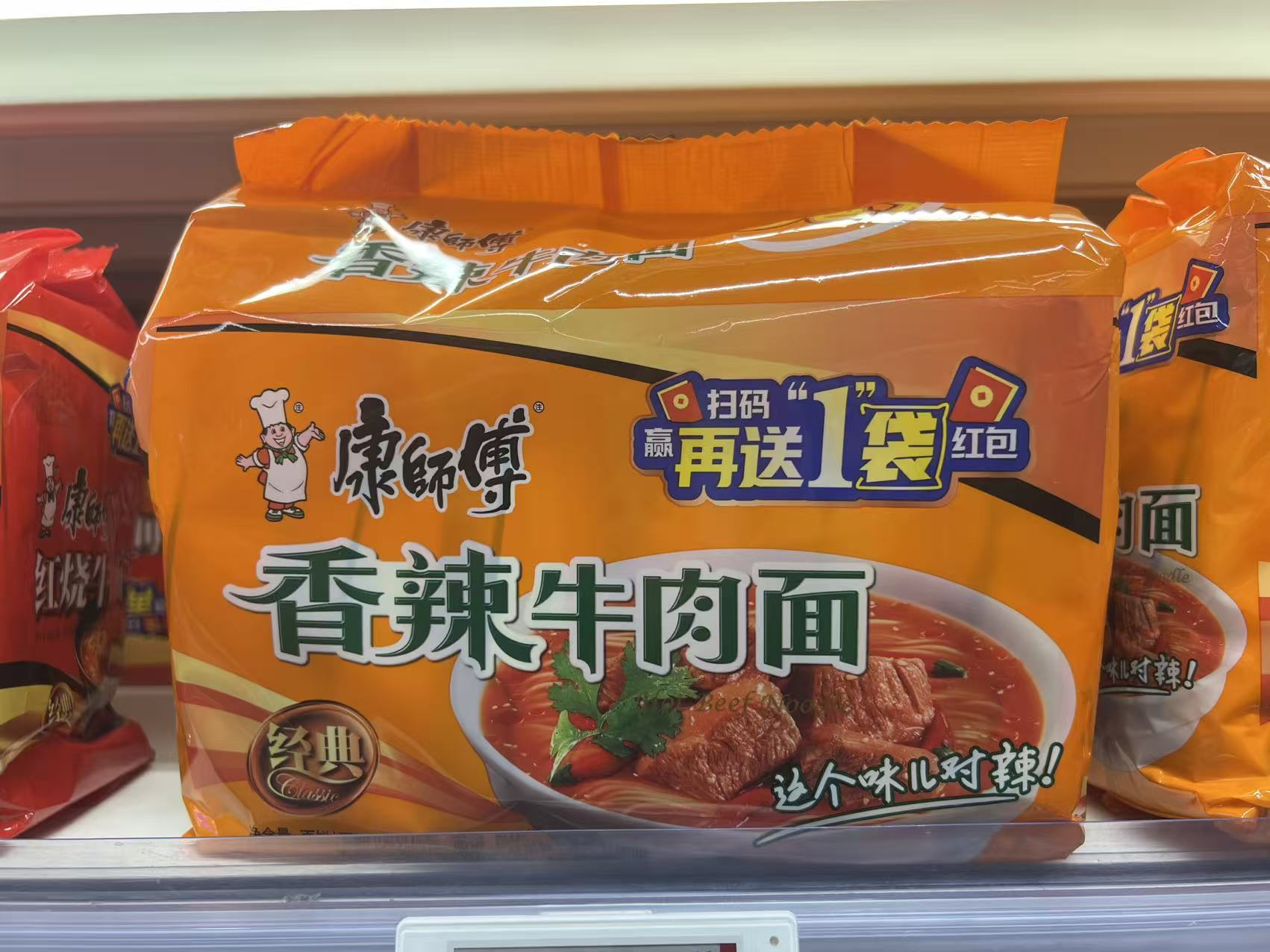
Core Viewpoint - The leadership transition at Master Kong, with CEO Chen Yingrang retiring in 2025 and being succeeded by Wei Hongcheng, marks a return to family control, which may impact the company's strategic direction and innovation efforts [1] Group 1: Leadership Transition - Chen Yingrang, the current CEO of Master Kong, will retire on December 31, 2025, after his contract ends [1] - Wei Hongcheng, the son of founder Wei Yingzhou, will take over as CEO, establishing a "brotherly co-management" structure with current Chairman Wei Hongming [1] - This transition signifies a shift from professional management back to family leadership [1] Group 2: Market Challenges - Master Kong, a leader in the instant noodle market, faces significant competition from emerging food delivery services and pre-prepared meals, which are impacting its traditional product lines [2] - The company's instant noodle revenue peaked at 29.51 billion yuan in 2020 but has since declined, with a projected revenue of 28.41 billion yuan in 2024, reflecting a compound annual growth rate of -0.94% [4] - The proportion of instant noodles in Master Kong's overall revenue has decreased from 43.64% in 2020 to 35.2% in 2024 [4] Group 3: Beverage Segment Performance - Master Kong's beverage revenue has become increasingly important, rising from 55.13% of total revenue in 2020 to 64.0% in 2024, making it the largest revenue source for the company [6] - However, the beverage segment has also faced challenges, with a 2.6% year-on-year decline in revenue for the first half of 2025, equating to a loss of approximately 706 million yuan [5] - The beverage market is experiencing a downturn, with a 9% decline in sales growth in September 2023, attributed to competition from new channels and the impact of food delivery services [5] Group 4: Product Innovation and Market Position - Despite launching various new products, including sugar-free teas and sparkling water, Master Kong has struggled to create standout hits in the beverage market [9] - The company's market share in the sugar-free tea segment is declining, with major competitors like Nongfu Spring dominating the market with over 86% share during peak seasons [11] - Master Kong's traditional products, such as its beef noodle soup and iced red tea, still hold significant market presence, but the company must adapt to changing consumer preferences and distribution channels [13]


净利三年复合增长超48%,浙江香料大王再冲IPO,83岁创始人移权
Xin Lang Cai Jing· 2025-12-04 03:19
Core Viewpoint - The company, Green Biological, is making its third attempt to go public on the Shenzhen Stock Exchange's Growth Enterprise Market, demonstrating a strong determination to list after previous unsuccessful attempts in 2020 and 2023 [2][12]. Financial Performance - Over the past three years, Green Biological has achieved a compound annual growth rate (CAGR) of over 48% in net profit, providing a solid foundation for its IPO ambitions [3]. - The company reported revenues of 631 million yuan, 735 million yuan, 961 million yuan, and 548 million yuan from 2022 to the first half of 2025, with net profits of 68.14 million yuan, 92.92 million yuan, 150 million yuan, and 94.58 million yuan respectively, indicating a revenue CAGR of 23.35% and a net profit CAGR of 48.59% [3][4]. Industry Context - The flavor and fragrance industry in China is expanding, with the market size expected to grow from 43.9 billion yuan in 2023 to over 50 billion yuan by 2026 [3]. - Green Biological's main products include turpentine, cedar oil, and synthetic fragrances, which are primarily used in daily chemical and food flavoring applications [3]. Challenges Faced - The company has faced significant challenges in its IPO journey, including insufficient patent numbers and concerns over production capacity utilization [4]. - Previous attempts to go public were hindered by issues such as failure to disclose fines and discrepancies in profit expectations due to rising raw material costs [4]. - As of November 2023, Green Biological holds 35 valid patents, with 24 being invention patents, which is still below the industry average [4][5]. Production and Sales - The production and sales rates of the company's three main product lines have shown fluctuations but remain high, with rates of 84.29%, 98.52%, and 99.65% for turpentine, cedar oil, and synthetic fragrances respectively in the first half of 2025 [5]. - Despite the growth in sales, the company has experienced low capacity utilization rates, with figures of 76.15%, 67.51%, 73.79%, and 53.87% from 2022 to the first half of 2025 [8][19]. Management Transition - The company is undergoing a management transition, with the founder, Lu Wencong, transferring shares to his daughter, Lu Wei, marking the beginning of a generational shift in leadership [18][19]. - Lu Wei has taken on roles within the company, indicating a gradual transition of control [18]. IPO Plans - Green Biological plans to issue up to 33.33 million shares, aiming to raise approximately 690 million yuan for projects including a new high-end fragrance production line and facility upgrades [19]. - The company is focusing on expanding production capacity and enhancing research and development to meet growing market demands [19][21]. Market Dependency - The company has a high reliance on overseas markets, with export revenues accounting for approximately 86% of its main business from 2022 to the first half of 2025, which poses risks related to international trade and currency fluctuations [20][21].
搭上山姆,重庆凤爪大王狂卖12亿,37岁侄子接班、女儿持股
21世纪经济报道· 2025-12-04 00:33
Core Viewpoint - Youyou Food has shown significant recovery in revenue and profit in 2025, attributed to the expansion of new channels and the successful introduction of products in high-potential markets [3][4]. Group 1: Company Performance - In the first three quarters of 2025, Youyou Food reported revenue of 1.24 billion yuan, a year-on-year increase of 40.4%, and a net profit attributable to shareholders of 170 million yuan, up 43.3% [3]. - The company experienced a turnaround after two years of declining revenue, with 2024 showing a revenue of 1.18 billion yuan, a year-on-year growth of 22.37% [3][4]. - The growth in revenue is primarily driven by the expansion of emerging channels and the optimization of traditional channels [4]. Group 2: Channel Expansion - Youyou Food successfully entered the Sam's Club system in July 2024, with its boneless duck feet product quickly becoming a bestseller [4]. - In the third quarter of 2025, offline channel revenue reached 450 million yuan, a year-on-year increase of 33.6%, while online channel revenue was 30 million yuan, up 17.7% [4]. - The Southeast region saw a remarkable revenue increase of 59.6%, attributed to the rapid growth of new channel expansions [4]. Group 3: Management Transition - The recent board restructuring indicates a clear succession plan, with founder Lu Youzhong stepping down as general manager and his nephew Lu You taking over [6][7]. - Lu You, born in 1988, has a strong educational background in food science and has been with Youyou Food for several years, indicating a well-prepared leadership transition [7]. - The current controlling shareholders, including Lu Youzhong and his family, hold approximately 65% of the company's shares, valued at around 3.5 billion yuan [7].


搭上山姆“快车”后,有友食品营收回升、二代接班
2 1 Shi Ji Jing Ji Bao Dao· 2025-12-03 12:12
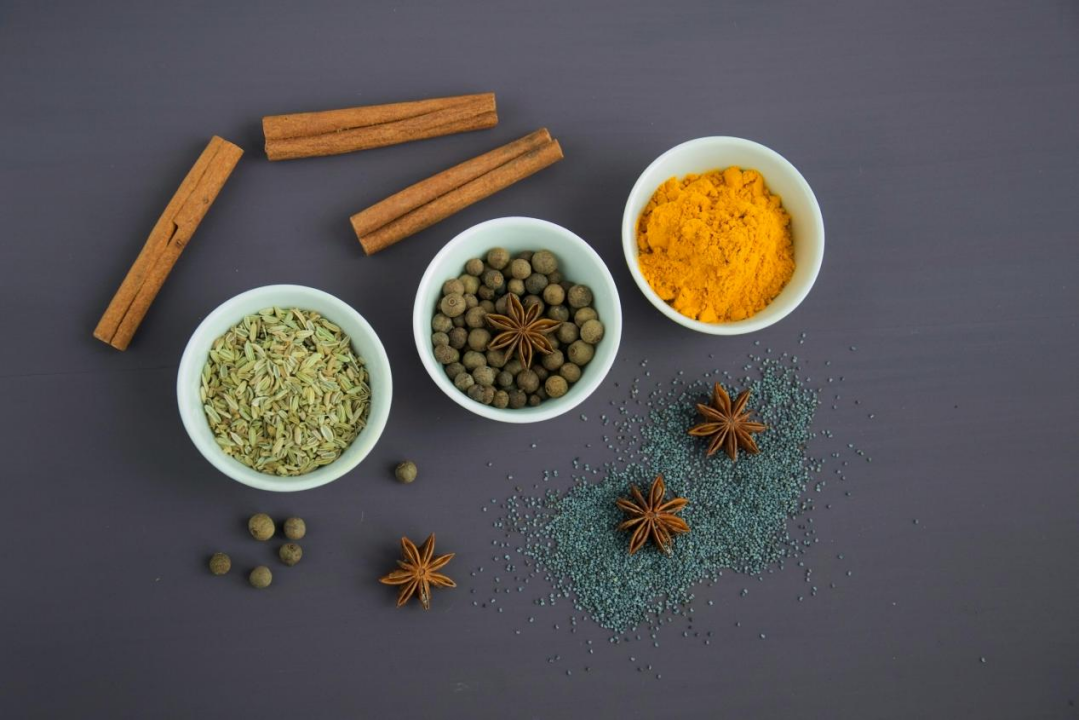
Core Viewpoint - Youyou Food has shown significant recovery in its financial performance, with a notable increase in revenue and profit in the first three quarters of 2025, attributed to the expansion of new sales channels and the successful introduction of popular products [2][3]. Financial Performance - In the first three quarters of 2025, Youyou Food reported revenue of 1.24 billion yuan, a year-on-year increase of 40.4%, and a net profit attributable to shareholders of 170 million yuan, up 43.3% [2]. - The company had previously experienced a decline in revenue for two consecutive years, dropping from 1.22 billion yuan in 2021 to 966 million yuan in 2023, with net profit decreasing from 260 million yuan in 2020 to 116 million yuan in 2023 [2]. - The recovery began in 2024, with revenue reaching 1.18 billion yuan and net profit of 157 million yuan, representing year-on-year growth of 22.37% and 35.44%, respectively [2]. Channel Expansion - The growth in revenue is significantly driven by the expansion into new sales channels, including successful entry into the Sam's Club system, where the new product "deboned duck feet" quickly became a bestseller [3]. - In the third quarter of 2025, offline channel revenue reached 450 million yuan, a year-on-year increase of 33.6%, while online channel revenue was 30 million yuan, up 17.7% [3]. - The Southeast region saw a remarkable revenue increase of 59.6%, primarily due to the rapid growth of new sales channels [3]. Management Transition - The recent board restructuring at Youyou Food has signaled a generational transition, with founder Lu Youzhong stepping down as general manager and his nephew Lu You taking over the role [5]. - Lu You, born in 1988 and with a strong educational background in food science, has been with the company for several years and aims to continue the company's strategic direction while focusing on product innovation and channel expansion [5]. Market Position - As of December 3, the stock price of Youyou Food was 12.98 yuan per share, with a total market capitalization of 5.543 billion yuan [6].
搭上山姆“快车”后,有友食品营收回升、二代接班|直击业绩会
2 1 Shi Ji Jing Ji Bao Dao· 2025-12-03 12:08
Core Viewpoint - Youyou Foods has shown significant recovery in its financial performance, with a notable increase in revenue and profit, attributed to the expansion of new sales channels and the successful introduction of popular products [2][3]. Financial Performance - In the first three quarters of 2025, Youyou Foods reported revenue of 1.24 billion yuan, a year-on-year increase of 40.4%, and a net profit attributable to shareholders of 170 million yuan, up 43.3% [2]. - The company experienced a decline in revenue for two consecutive years prior to 2024, with revenue dropping from 1.22 billion yuan in 2021 to 966 million yuan in 2023 [2]. - In 2024, Youyou Foods' revenue rebounded to 1.182 billion yuan, with a net profit of 157 million yuan, reflecting year-on-year growth of 22.37% and 35.44%, respectively [2]. Channel Expansion - The growth in revenue is significantly driven by the expansion into new sales channels, including successful entry into the Sam's Club system, where a new product, deboned duck feet, quickly became a bestseller [3]. - In the third quarter of 2025, offline channel revenue reached 450 million yuan, a year-on-year increase of 33.6%, while online channel revenue was 30 million yuan, up 17.7% [3]. - The Southeast region saw a remarkable revenue increase of 59.6%, primarily due to the rapid growth of new sales channels [3]. Accounts Receivable - The company's accounts receivable increased from 90.73 million yuan in the third quarter of 2024 to 155 million yuan in the third quarter of 2025, attributed to the growth in sales scale [4]. Leadership Transition - The recent board restructuring at Youyou Foods marks a significant leadership transition, with founder Lu Youzhong stepping down as general manager and his nephew, Lu You, taking over the role [5]. - Lu You, born in 1988, has a background in food science and has been with the company for several years, indicating a strategic continuity in leadership [5]. - The ownership structure remains concentrated, with Lu Youzhong and his family holding approximately 65% of the shares, valued at around 3.5 billion yuan [5].
搭上山姆“快车”后 有友食品营收回升、二代接班|直击业绩会
2 1 Shi Ji Jing Ji Bao Dao· 2025-12-03 12:07
Core Viewpoint - Youyou Foods has shown significant revenue and profit growth in 2025, marking a recovery from previous years of decline, attributed to successful channel expansion and product innovation [3][4][5]. Group 1: Company Performance - In the first three quarters of 2025, Youyou Foods reported revenue of 1.24 billion yuan, a year-on-year increase of 40.4%, and a net profit of 170 million yuan, up 43.3% [3]. - The company experienced a decline in revenue for two consecutive years prior to 2024, with revenue dropping from 1.22 billion yuan in 2021 to 966 million yuan in 2023 [3]. - The recovery in 2024 saw revenue rise to 1.182 billion yuan, with a net profit of 157 million yuan, reflecting year-on-year growth of 22.37% and 35.44% respectively [3]. Group 2: Channel Expansion - The growth in performance is largely attributed to the successful penetration of new channels, particularly the partnership with Sam's Club, where a new product, deboned duck feet, became a top seller [4][5]. - In the third quarter of 2025, offline channel revenue reached 450 million yuan, a 33.6% increase, while online channel revenue was 30 million yuan, up 17.7% [4]. - The Southeast region showed significant growth, with revenue increasing by 59.6%, driven by the rapid expansion of new channels [4]. Group 3: Management Transition - The recent board restructuring indicates a clear succession plan, with founder Lu Youzhong stepping down as general manager and his nephew Lu You taking over [5][6]. - Lu You, born in 1988, has a strong educational background in food science and has been with the company for several years, indicating a continuity in leadership and strategy [6]. - Lu You emphasized the commitment to the company's strategic direction, focusing on product innovation and channel expansion to drive long-term growth [6]. Group 4: Market Position - As of December 3, 2023, Youyou Foods' stock closed at 12.98 yuan per share, with a total market capitalization of 5.543 billion yuan [7].
福建前首富交棒“80后”女儿,达利食品完成二代接班
Sou Hu Cai Jing· 2025-11-17 04:02
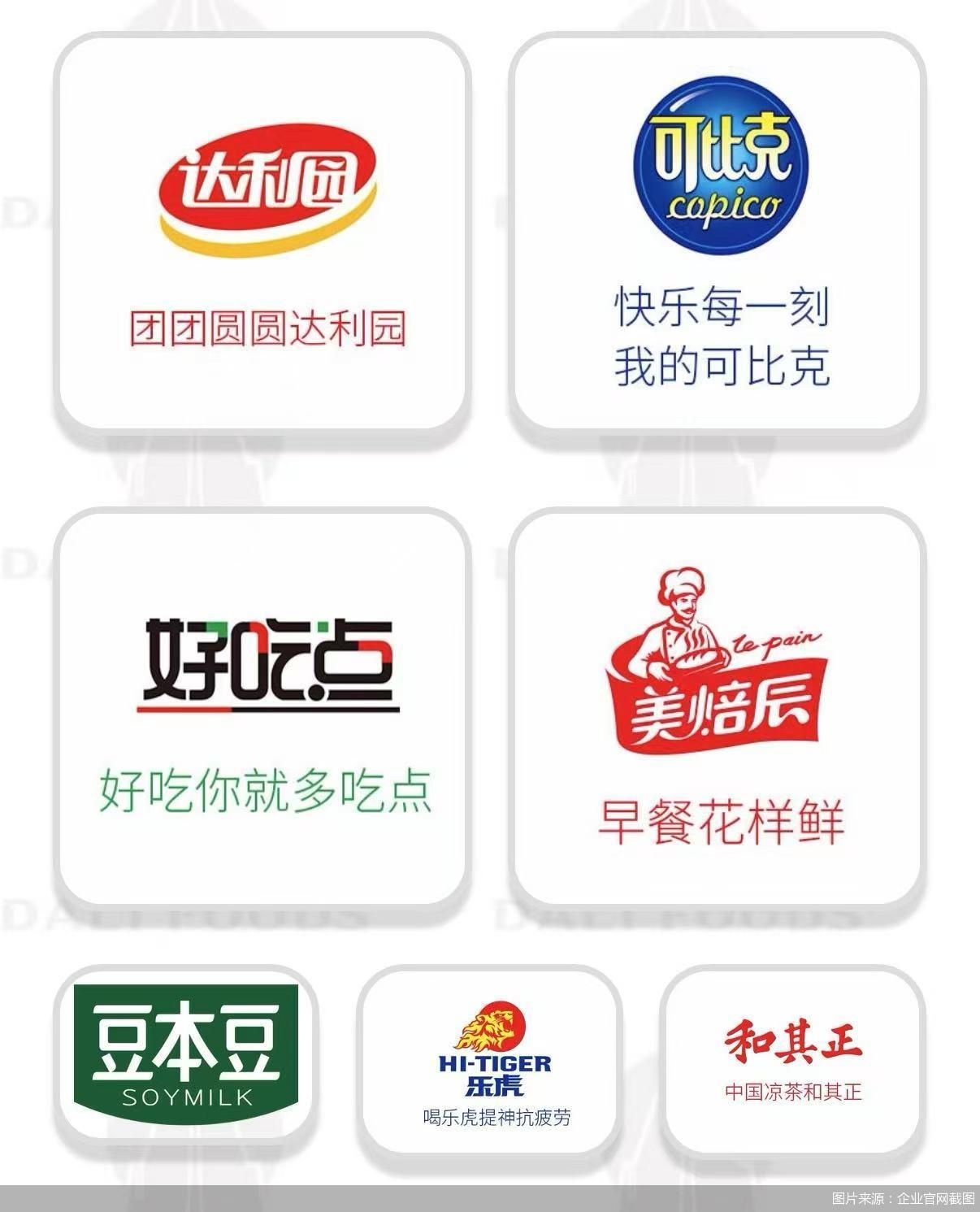
Group 1 - The core point of the article is the succession of Xu Yangyang as the new president of Dali Foods Group, marking the transition to the second generation of leadership after over 30 years of establishment [1] - Xu Shihui's family wealth is reported to be 53 billion yuan, making them the richest family in Fujian for four consecutive years, with Xu Yangyang and her mother holding a combined wealth of approximately 26 billion yuan, positioning Xu Yangyang as the richest woman in Fujian [1] - Dali Foods, founded by Xu Shihui in 1989, owns several well-known brands such as Dali Garden, Haochidian, and Kebi Ke, and operates in multiple sectors including cakes, biscuits, chips, herbal tea, and functional beverages [1] Group 2 - In recent years, Dali Foods has faced declining performance, with revenue and profit both decreasing from 2022 to 2024, falling below 20 billion yuan [3] - In 2022, the company's revenue was 19.957 billion yuan, a decline of 10.5%, and net profit was 2.990 billion yuan, down 19.7%, with a simultaneous contraction in gross margin [3] - The company announced plans for privatization due to long-term stock price underperformance, with shares dropping nearly 50% from the initial listing price, leading to its delisting from the Hong Kong Stock Exchange in September 2023 [3]

达利食品二代接班
Bei Jing Shang Bao· 2025-11-16 15:52
Core Viewpoint - Dali Foods Group has officially transitioned leadership to Xu Yangyang, daughter of founder Xu Shihui, marking a significant generational change after 36 years of operation [1] Company Background - Dali Foods was founded in 1989 by Xu Shihui in Quanzhou, Fujian, initially as Huian Meili Food Factory [3] - The company became a leading player in the domestic food and beverage industry by imitating successful products and adopting a low-price strategy to reach a broader consumer base [3] Leadership Transition - Xu Yangyang has 17 years of experience within Dali Foods, having held various key positions and participated in significant company developments [3] - She led the company to a successful IPO on the Hong Kong Stock Exchange in 2015, which was the largest IPO in the global consumer goods sector that year [3] - In 2023, Xu Yangyang was tasked with executing a global expansion strategy, focusing on Southeast Asia with production bases in Indonesia, Thailand, Vietnam, and Saudi Arabia [3] Financial Performance - Dali Foods experienced a decline in revenue after reaching a peak of 22.294 billion yuan in 2021, with projected revenues of 19.957 billion yuan in 2022, 18.86 billion yuan in 2023, and 18.07 billion yuan in 2024 [4] - The company has faced challenges with its stock price and trading volume, leading to its delisting from the Hong Kong Stock Exchange on September 1, 2023 [4] Product Innovation and Market Challenges - Xu Yangyang has introduced innovative brands such as "Dou Ben Dou" and "Mei Bei Chen," which were seen as potential turning points for the company [4] - However, the revenue growth for these brands has slowed significantly, with the family consumption segment growing only 1.9% to 3.705 billion yuan in 2022, compared to a 22.7% growth in 2021 [4] - The snack food segment saw a 9.2% decline in revenue to 9.03 billion yuan, while the ready-to-drink beverage segment experienced a 22.3% drop to 5.123 billion yuan [4] New Product Launches - Dali Foods has followed industry trends by launching new health-oriented products, including "Chao Ye" sugar-free tea and "Yi Ji Shui" wellness water [5] - Despite these efforts, the new products have not yet demonstrated significant market success, with sales of these items remaining below 1,000 units in the past 30 days [5] Strategic Insights - Industry analysts suggest that Xu Yangyang's leadership comes at a critical juncture for Dali Foods, as the company needs to better understand and meet the core demands of new-generation consumers [6] - Experts recommend that Dali Foods should shift its strategy to enhance R&D investment, develop unique core products, strengthen brand identity, and optimize market positioning to cater to diverse consumer needs [6]

许阳阳接任总裁,达利食品下一步怎么走
Bei Jing Shang Bao· 2025-11-16 12:09
Core Viewpoint - Dali Food Group has officially transitioned leadership to Xu Yangyang, daughter of founder Xu Shihui, marking a significant generational change after 36 years of operation [1] Group 1: Company Background - Dali Food was founded in 1989 by Xu Shihui in Quanzhou, Fujian, initially as Huian Meili Food Factory [3] - The company became a leading player in the domestic food and beverage industry by imitating successful products and adopting a low-price strategy to reach a broader consumer base [3] - Xu Yangyang has 17 years of experience within Dali Food, having held various key positions and contributing to significant company milestones [3] Group 2: Leadership Transition - Xu Yangyang, born in 1983 and a graduate of Xiamen University, returned to China in 2008 after studying in the UK and started from grassroots positions [3] - Under her leadership, Dali Food successfully completed its IPO on the Hong Kong Stock Exchange in 2015, achieving the largest IPO in the global consumer goods sector that year [3] - In 2017, she identified the potential in the plant-based market, launching the "Dou Ben Dou" soy milk brand and repositioning Dali Food towards innovation and industry leadership [3] Group 3: Current Challenges - Dali Food has faced declining revenues since reaching a peak of 22.294 billion yuan in 2021, with projected revenues of 19.957 billion yuan in 2022, 18.86 billion yuan in 2023, and 18.07 billion yuan in 2024 [4] - The company delisted from the Hong Kong Stock Exchange on September 1, 2023, due to low stock prices and trading volumes that did not reflect its true value [4] - Despite launching innovative products like "Dou Ben Dou" and "Mei Bei Chen," revenue growth in the family consumption segment has slowed significantly, with a 1.9% increase to 3.705 billion yuan in 2022 compared to a 22.7% growth in 2021 [4] Group 4: Strategic Outlook - Dali Food is pursuing a health-oriented strategy, introducing new products such as "Chao Ye" sugar-free tea and "Ni Ji Shui" wellness water, but these have yet to achieve significant sales [5] - Analysts suggest that Xu Yangyang's leadership comes at a critical juncture, as the company needs to better understand and meet the core demands of younger consumers [5] - Experts recommend that Dali Food should shift its strategy to enhance R&D investment, develop unique core products, strengthen brand identity, and optimize market positioning to cater to diverse consumer needs [5]
前福建首富交棒80后女儿,宗馥莉该羡慕了
3 6 Ke· 2025-11-14 03:57
Core Insights - Dali Food Group has successfully transitioned leadership to the second generation, with Xu Yangyang, daughter of founder Xu Shihui, officially taking over as president [1][7] - The company, founded in 1989, has established itself as a major player in the Chinese snack food industry, with annual revenues exceeding 20 billion yuan from 2018 to 2021 [1][6] - Xu Yangyang's leadership journey mirrors that of other second-generation heirs in the industry, particularly in her gradual rise through various roles within the company [7][8] Company Background - Dali Food Group originated from Xu Shihui's establishment of Meili Food Factory in 1989, focusing on high-quality packaged biscuits during a time of limited snack options [2][4] - The company gained significant market share by launching competitive products, such as Dali Garden's egg yolk pie, which was priced lower than its Korean competitor [4][5] - By 2012, Dali Food had entered the 10 billion yuan revenue club, with a notable market share in various snack categories [5][6] Financial Performance - From 2016 to 2019, Dali Food's revenue grew from 17.84 billion yuan to 21.37 billion yuan, with the Xu family being recognized as the richest in Fujian province during this period [6] - However, the company faced challenges post-2020, with revenues declining to 19.96 billion yuan in 2022 due to reliance on offline distribution and brand aging [6][9] - In June 2023, Dali Food announced plans for privatization after a significant drop in stock price, leading to its delisting from the Hong Kong Stock Exchange [6][9] Leadership Transition - Xu Yangyang, born in 1983, has been with Dali Food since 2008, working her way up through various positions before becoming president [1][7] - Her leadership style and approach to business development are seen as more stable compared to other industry counterparts, such as Zong Fuli of Wahaha [8][9] - Under Xu Yangyang's guidance, Dali Food is expected to focus on international expansion and revitalizing its core brands to address market challenges [9]