互利共赢

Search documents
统一是台湾走向光明的不二法门
Xin Lang Cai Jing· 2026-01-24 16:30
Group 1 - TikTok has established a data security joint venture in the US, with major investors including Oracle, Silver Lake, and MGX, while ByteDance retains a 19.9% stake as the largest single shareholder [1] - The US-Taiwan investment cooperation memorandum reduces tariffs on Taiwanese products from 20% to 15%, requiring Taiwan to invest $250 billion in the US, particularly in the semiconductor sector [1] - The establishment of TSMC's factories in the US is seen as a significant loss for Taiwan, with concerns that 40% of Taiwan's semiconductor capacity may be relocated, impacting local talent and investment [3] Group 2 - The partnership between the US and Taiwan is characterized as a systematic disassembly of Taiwan's economic backbone, trading a 5% tariff reduction for the loss of entire industries [3] - The narrative surrounding Taiwan's cooperation with the US is criticized as a form of economic colonization, where Taiwan's future is tied to US political cycles, rather than genuine support [3] - China's approach is highlighted as one of self-reliance and innovation, contrasting with the US's coercive tactics, emphasizing the importance of maintaining core technologies and market resilience [2][3]

马克龙喊中国投资欧洲,中方硬气回应:愿做世界市场促共赢
Sou Hu Cai Jing· 2026-01-24 10:19
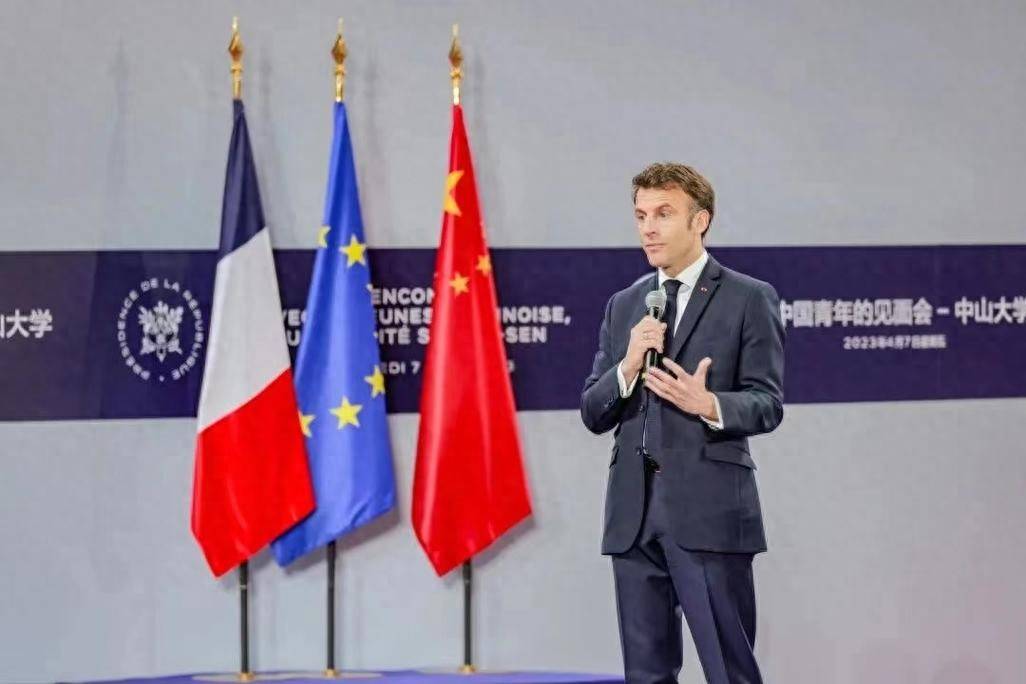
Group 1 - Macron's call for increased Chinese investment in Europe highlights the contrasting approaches of Europe and the US, with Europe seeking collaboration to alleviate economic pressures from US tariffs [1][2] - The urgency of Macron's request stems from the multiple pressures Europe is currently facing, particularly the threat of high tariffs from the Trump administration [2][3] - Trump's tariff threats specifically target key European industries, such as France's wine sector, which is crucial to its economy, thereby increasing tensions within Europe [5][7] Group 2 - The post-pandemic economic recovery in Europe is fraught with uncertainty, necessitating significant capital for industrial upgrades and technological advancements, which Europe currently lacks [9] - Macron's focus on Chinese investment is a logical response to Europe's internal capital flow challenges, as Chinese companies are increasingly globalizing and have the capacity to invest [9] - China's response emphasizes a mutually beneficial partnership, advocating for a fair and transparent market environment for Chinese enterprises in Europe [11][13] Group 3 - The potential for cooperation between China and Europe is significant, with China seeking to transition from being the "world's factory" to a global market player, presenting opportunities for European products and technologies [16][18] - For successful investment, Europe must dismantle invisible barriers and provide equal treatment for Chinese companies, fostering a stable and transparent investment climate [17][18] - The future of China-Europe economic cooperation hinges on mutual respect and the establishment of a fair market environment, which is essential for both parties to benefit from each other's strengths [18]

中加关系转圜,双边经贸合作开启互利共赢新篇章
Zhong Guo Xin Wen Wang· 2026-01-19 12:59
Group 1 - Recent progress in China-Canada economic and trade relations has been marked by the signing of the "China-Canada Economic and Trade Cooperation Roadmap," which is the first high-level cooperation document in the history of bilateral economic relations [1] - Breakthroughs in cooperation on electric vehicles have been achieved, with Canada allowing up to 49,000 Chinese electric vehicles to enter its market at a 6.1% most-favored-nation tax rate, indicating a shift towards collaboration and recognition of China's advantages in the electric vehicle sector [1] - The Canadian government acknowledges the need for collaboration with China to build a competitive domestic electric vehicle industry, aiming to stimulate local market demand through the introduction of affordable Chinese electric vehicles [1] Group 2 - In the agricultural sector, a preliminary agreement has been reached to lower the comprehensive import tax rate on Canadian canola seeds to approximately 15%, while also canceling anti-dumping and countervailing measures on various Canadian agricultural products [2] - The recent round of China-Canada economic and trade negotiations has resulted in the signing of eight cooperation documents covering various areas, enhancing the stability and predictability of bilateral relations [2] - The outcomes of the negotiations demonstrate that mutual respect and equal benefit can effectively address differences and achieve win-win results, setting a positive example for international cooperation [3]
100%关税变6.1%,卡尼给了中方最想要的,还指出中国对美国的强项
Sou Hu Cai Jing· 2026-01-18 08:06
Group 1 - Canadian Prime Minister Carney's visit to China resulted in a significant reduction of the electric vehicle tariff from 100% to 6.1%, along with an import quota of 49,000 vehicles [1][3] - The new tariff policy aims to improve trade relations between Canada and China, which had been strained due to high tariffs on Chinese electric vehicles [3][5] - Despite the reduction, the quota remains limited, and industry experts believe it may not meet market demand, even with a promise to increase the quota to 70,000 vehicles within five years [5] Group 2 - In response to Canada's concessions, China announced a reduction of the comprehensive tariff on canola seeds to 15%, benefiting approximately 40,000 Canadian farmers and over 200,000 related workers [7] - The canola seed industry is crucial for Canada's agricultural economy, with its impact on employment surpassing that of the steel and automotive sectors [7] - Carney's remarks highlighted China's stability and predictability compared to the U.S., indicating a shift in international perceptions regarding trade relationships [9][11] Group 3 - The U.S. response to the Canada-China agreement has been mixed, with some officials expressing dissatisfaction over Canada's easing of electric vehicle import policies [13] - Trump's administration's previous protectionist policies have led to growing discontent among U.S. allies, while China's approach of mutual benefit is gaining favor [11][13] - The increasing number of Western leaders planning visits to China suggests a recognition of the importance of maintaining stable trade relations with China [11]
访华第三天,中加发表联合声明,卡尼对华许下的承诺,美国不爱听
Sou Hu Cai Jing· 2026-01-17 22:22
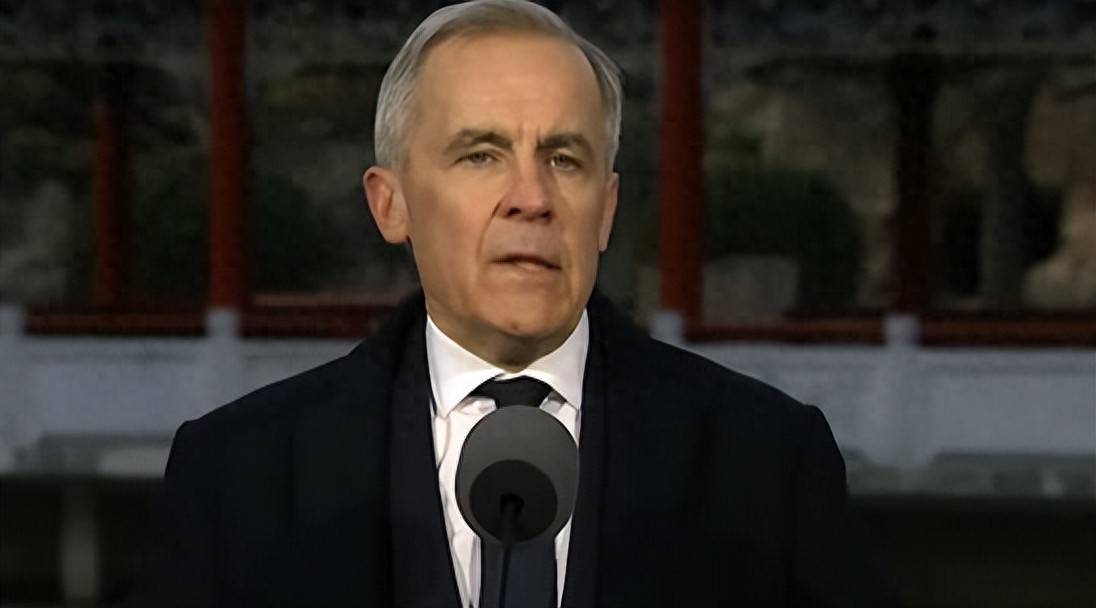
Core Viewpoint - The joint statement between China and Canada, announced during Carney's visit, signifies a major shift in Canada's economic policy, particularly regarding tariffs on Chinese electric vehicles, which have been reduced from 100% to 6.1% [3][4][6]. Economic Agreements - Eight cooperation agreements were signed, including a significant reduction in tariffs on Canadian canola exports to China from 75.8% to 15% [6][8]. - The agreements are expected to provide substantial economic benefits, with Canadian farmers having suffered significant losses in recent months, and Chinese automakers gaining access to 49,000 entry quotas, potentially generating at least CAD 2 billion in market revenue [8][12]. Strategic Implications - Carney's visit and the resulting agreements are seen as a strong signal to Washington, indicating Canada's intention to assert its economic sovereignty and explore new development paths [4][11][36]. - The agreements also reflect a broader strategy to diversify Canada's economic partnerships, reducing reliance on the U.S. market, which currently accounts for 70% of Canadian exports [26][28]. Energy and Mineral Cooperation - Canada and China agreed to enhance cooperation in energy, finance, public safety, and cultural exchanges, with a focus on traditional and clean energy sectors [12][14]. - The collaboration in key minerals is particularly noteworthy, as Canadian mining companies have seen a significant increase in investments from Chinese investors, rising from CAD 62 million in 2022 to CAD 2.2 billion in 2023 [16][18]. Political Context - The timing of the agreements is critical, coming shortly after the U.S. imposed tariffs on Canadian lumber and aluminum, suggesting a strategic pivot by Canada in response to U.S. trade policies [11][21]. - Carney's statements during the visit indicate a desire to build a new relationship that adapts to the changing global landscape, potentially forming alliances with like-minded countries to bypass U.S. dominance in certain areas [22][24][36]. Domestic Reactions - There are mixed reactions within Canada regarding the shift in trade policy, with concerns about potential backlash from the U.S. affecting local manufacturing jobs [24][34]. - The Canadian government appears to be weighing the benefits of deepening ties with China against the risks of straining relations with the U.S. [34][36].
中加经贸合作成果为双边关系注入新动力|专家热评
Di Yi Cai Jing· 2026-01-17 10:00
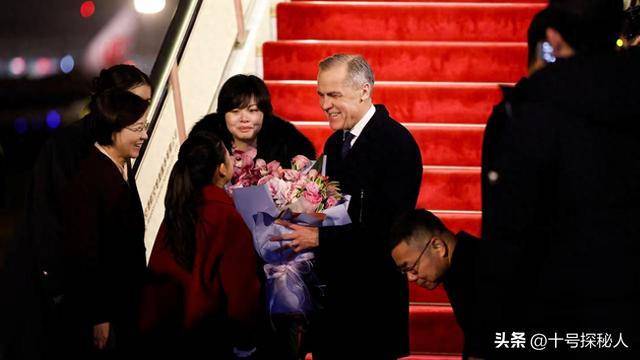
Group 1 - The core viewpoint emphasizes that open cooperation and mutual benefit remain the mainstream of international economic and trade relations, as demonstrated by the recent agreements between China and Canada [1][3] - During the visit of Canadian Prime Minister Carney to China, a broad consensus on deepening economic and trade cooperation was reached, resulting in the signing of the "China-Canada Economic and Trade Cooperation Roadmap" [1] - The agreement reflects the complementary nature of the two economies and serves as a positive example for the healthy development of bilateral economic and trade relations in the current international environment [1] Group 2 - China will further open its agricultural product market to Canada, including adjustments to trade measures for Canadian canola, driven by the upgrading of domestic consumption demand [2] - This move aims to provide Chinese consumers with more high-quality agricultural product options and stabilize agricultural trade between the two countries, benefiting both sides [2] - The elevation of the China-Canada Economic and Trade Joint Committee from a vice-ministerial to a ministerial level is a significant highlight, facilitating regular communication and addressing trade disputes [2] Group 3 - The mutual opening of agricultural imports from China and the optimization of electric vehicle market access by Canada are expected to bring tangible benefits to businesses and consumers in both countries [3] - There remains vast cooperation potential in areas such as green economy, digital economy, and technological innovation between China and Canada [3] - The outcomes of the recent discussions inject new momentum into bilateral relations and send a positive signal to the international community regarding the mainstream of open cooperation and mutual benefit in economic and trade relations [3]

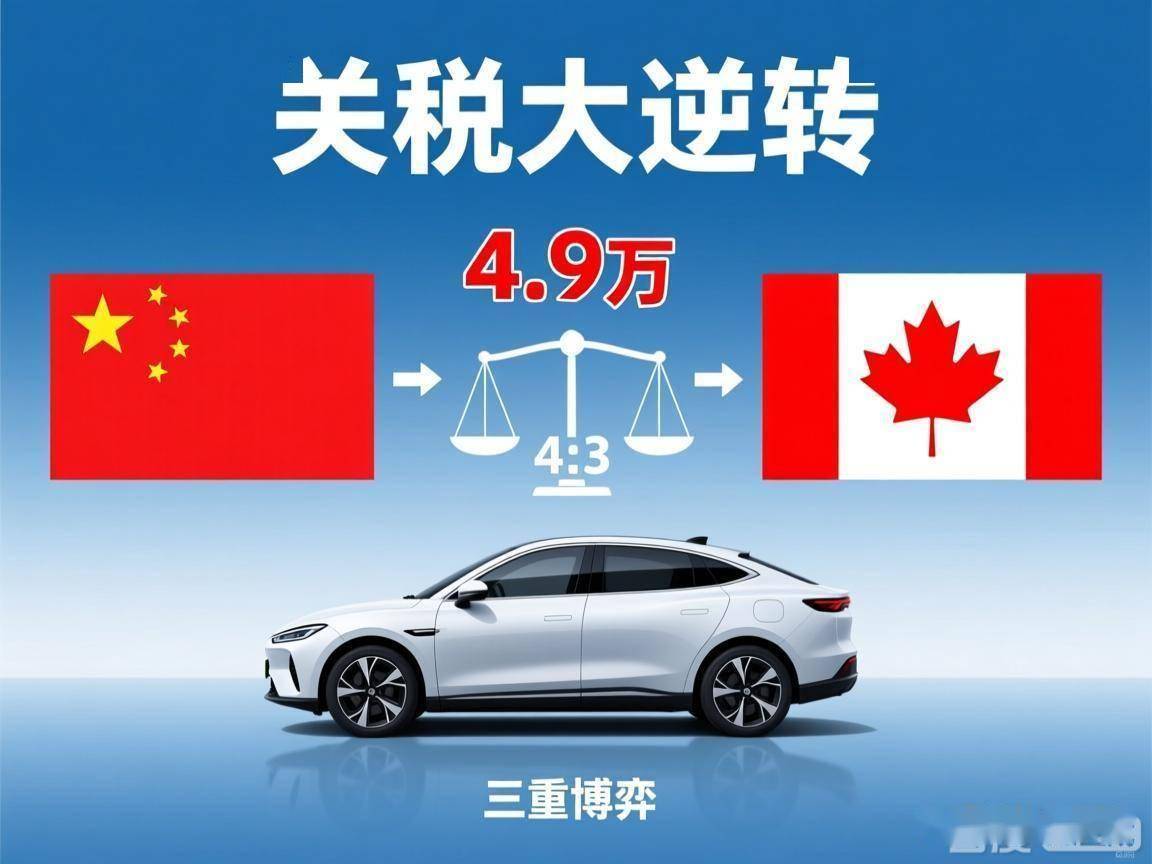
关税大逆转!加拿大突然对中国电动车低头,4.9万辆配额背后藏着三重博弈
Sou Hu Cai Jing· 2026-01-16 15:47
Group 1 - Canada has agreed to allow up to 49,000 Chinese electric vehicles to enter its market, applying a 6.1% Most Favored Nation tariff rate, reverting to pre-trade friction levels [1][6] - The decision comes after a significant drop in electric vehicle registrations in Canada, with a 39.2% decline in Q2 2025, and a drastic price increase for certain models due to previous tariffs [3][4] - The Canadian government initially imposed a 100% tariff on Chinese electric vehicles to protect local industries, but this led to a 40% drop in orders for auto parts in Manitoba, highlighting the negative impact on local employment [4][6] Group 2 - The agreement includes a commitment for China to lower tariffs on Canadian canola seeds to approximately 15% from the current 85%, indicating a mutual benefit [7][12] - The Canadian electric vehicle market is relatively small, with the 49,000 vehicles representing about 3% of the new car market, but the significance lies in the precedent it sets for future trade relations [7][8] - The shift in policy reflects a broader trend away from protectionism, as Canada recognizes that tariffs do not effectively protect local industries and can lead to economic challenges [12][13] Group 3 - The agreement is expected to provide Canadian consumers with more affordable electric vehicle options, with over half of the imported Chinese electric vehicles projected to be priced below CAD 35,000 within five years [9] - For Chinese automotive companies, this agreement opens a critical entry point into the North American market, allowing for potential joint ventures and reduced tariff risks [10] - Investors should focus on companies involved in canola trade with Canada and Chinese electric vehicle manufacturers, as the market gradually opens up, presenting new growth opportunities [10]
柬埔寨皇家科学院学者撰文:和中国的友谊是力量与乐观源泉
Xin Lang Cai Jing· 2026-01-12 23:10
Core Viewpoint - China is portrayed as a model of peace and development in Asia and beyond, emphasizing mutual benefit and global stability rather than conquest [1] Group 1: China's Role in Regional Stability - China has maintained a commitment to peace, avoiding wars and territorial expansion for over 70 years, focusing instead on internal development and cultural exchange [1] - The country has played a crucial role in promoting regional stability, exemplified by facilitating dialogue between Cambodia and Thailand to reinforce ceasefire agreements [2] Group 2: Benefits to ASEAN - China's peaceful development has brought significant benefits to ASEAN, establishing it as a reliable partner in trade, infrastructure, and cultural exchanges over the past 20 years [2] - Initiatives like the "China-ASEAN Year of Cultural Exchange" in 2024 highlight the deepening ties and mutual respect between China and ASEAN countries [2] Group 3: Support for Cambodia - Cambodia has expressed gratitude for China's unwavering support, which has been transformative, including the construction of key infrastructure projects like highways and power plants [2][3] - The partnership is characterized by a strong bond, with China viewed as a brotherly ally that significantly contributes to Cambodia's sustainable development [3]
美国对委行动:短视的强权,代价高昂的未来|国际识局
Zhong Guo Xin Wen Wang· 2026-01-07 05:32
Core Viewpoint - The recent U.S. military intervention in Venezuela represents a significant and direct violation of international law and sovereignty, reminiscent of past interventions in Latin America, and is unlikely to result in long-term stability [1][2][5]. Group 1: Tactical Outcomes - The U.S. action achieved immediate tactical goals, creating a narrative of decisiveness and success domestically, but such unilateral military actions historically fail to maintain stability [1][2]. - The intervention reflects a shift in U.S. strategy from pressure tactics to outright destruction, indicating a depletion of diplomatic options and raising geopolitical costs [2]. Group 2: Economic and Resource Considerations - The intervention is driven by practical economic interests, particularly in Venezuela's vast oil reserves, which have been underutilized due to sanctions and mismanagement [2]. - The U.S. aims to facilitate its energy companies' entry into Venezuela to restore oil production, which raises concerns about sovereignty and equitable resource management [2]. Group 3: Domestic Political Implications - The military action aligns with U.S. domestic political logic, where demonstrating a strong foreign policy can bolster political capital and support among voters [3]. - This approach, while temporarily effective in rallying domestic support, risks undermining long-term diplomatic strategies and responsibilities for regional stability [3]. Group 4: Geopolitical Repercussions - The intervention revives the "Monroe Doctrine" mindset, suggesting that the U.S. views Latin America as a region for unilateral intervention, which could lead to increased regional tensions and a reevaluation of security and development strategies among Latin American countries [5]. - The U.S. risks further damaging its international credibility by violating its own principles of a rules-based international order, which could have long-lasting effects on its global standing [5][6]. Group 5: Structural Consequences - The intervention may accelerate the restructuring of geopolitical and economic alliances, as countries seek to reduce reliance on the U.S. and explore alternative partnerships and financial systems [6]. - The reliance on military intervention reflects a dangerous mindset that undermines international law and the principles of mutual respect and cooperation necessary for global stability [7].
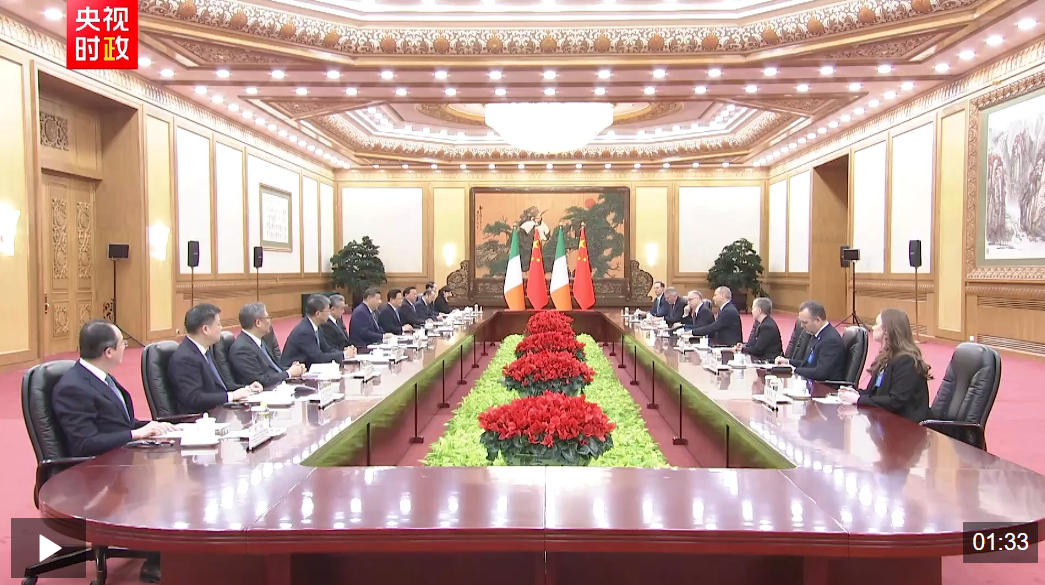
习近平:相互尊重、平等相待、互利共赢是中爱关系长期稳定发展的宝贵经验
Yang Shi Xin Wen Ke Hu Duan· 2026-01-05 08:18
Core Viewpoint - The meeting between Chinese President Xi Jinping and Irish Prime Minister Martin highlights the strong and friendly relations between China and Ireland, emphasizing mutual respect, equality, and win-win cooperation as key to the long-term stability of their relationship [2] Group 1: Bilateral Relations - Both countries value peace, openness, inclusivity, and self-reliance, having achieved national independence and modernization through struggle [2] - The visit of Prime Minister Martin marks him as the first European leader to visit China in the year, reflecting the deep-rooted friendship between the two nations [2] - The leaders expressed a commitment to continue developing and strengthening the China-Ireland relationship in the future [2] Group 2: Global Role of China - Prime Minister Martin acknowledged China's indispensable role in the world today and its significant contributions to the United Nations, particularly in peacekeeping [2] - The interdependence and mutual needs between China and Ireland were recognized, indicating a shared vision for future collaboration [2]