全球多极化

Search documents
报应来了,中方恢复安世对欧供货,但开一个条件,欧洲要掉一层皮
Sou Hu Cai Jing· 2025-11-10 10:18
Core Viewpoint - The Dutch government's forceful acquisition of ASML has led to significant turmoil in the global semiconductor supply chain, with unexpected and strong reactions from China and a lack of support from the U.S. [1][6] Group 1: Impact on Global Semiconductor Supply Chain - The acquisition has caused widespread disruption in the semiconductor supply chain, affecting not only China but also many European countries, leading to economic losses, factory shutdowns, and job losses [6][8] - The EU is urgently communicating with China to restore semiconductor supplies, with China announcing on November 1 that it would resume exports of ASML chips under certain conditions [6][8] Group 2: Netherlands' Position and Responsibilities - The Netherlands is now seen as a "public enemy" in Europe due to its actions, and it must take responsibility for the fallout, including potential compensation for affected companies [6][8] - China has set conditions for resuming semiconductor supplies, which include the Netherlands reversing its acquisition decision and restoring the previous CEO of ASML [8] Group 3: Broader Implications for Europe - China's swift response serves as a warning to Europe about the consequences of antagonizing it, especially in the context of U.S.-led international rules [9][11] - The incident highlights Europe's alignment with U.S. interests, suggesting that Europe must navigate its relationship with China more carefully to avoid similar repercussions in the future [9][11]

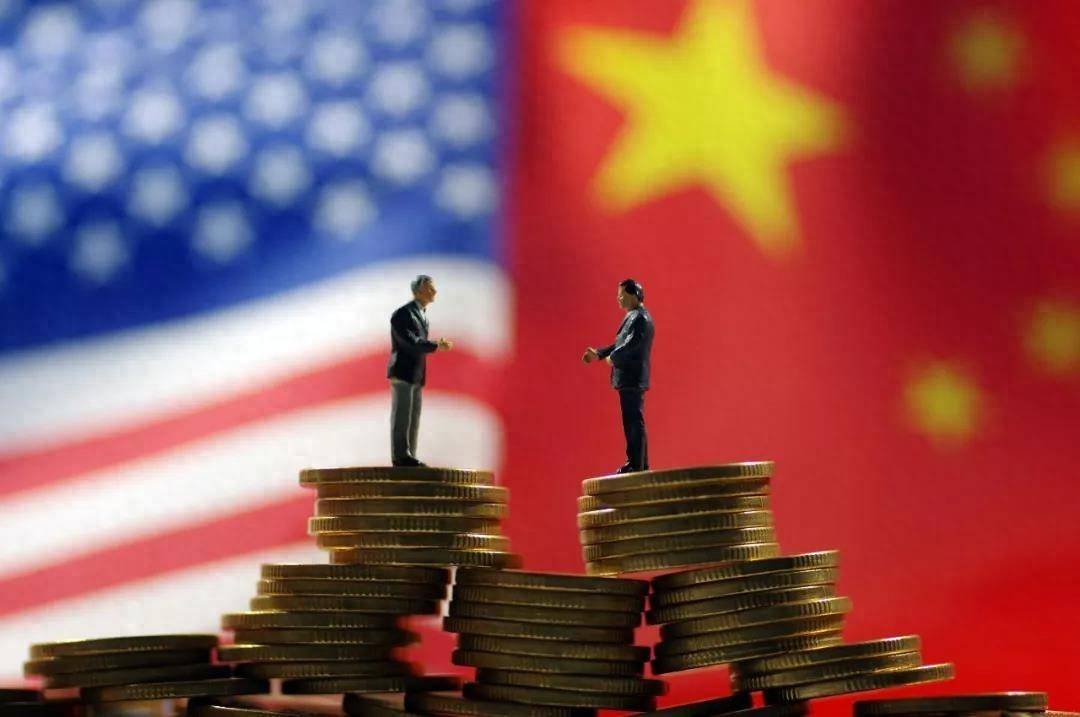
7500万宣传片反杀美国,加拿大突围,盟友关系改写北美格局
Sou Hu Cai Jing· 2025-11-06 09:18
Group 1 - The core viewpoint of the article highlights the deterioration of US-Canada relations following the imposition of tariffs by the Trump administration, marking the beginning of a "de-Americanization" process among Western nations [1][16] - The conflict was ignited by the US imposing tariffs on Canadian goods, with plans to escalate these tariffs by the end of 2024, targeting various sectors including automobiles and dairy products [2][5] - Canada responded assertively by producing a $7.5 million promotional video that critiques US tariff policies, emphasizing the long-term damage to US interests [4][5] Group 2 - The promotional video utilized a speech by former President Reagan, arguing that while tariffs may have short-term effectiveness, they ultimately harm the US economy [4] - In response to the video, Trump accused Canada of attempting to interfere with US court decisions and announced the termination of trade negotiations, further escalating tensions [5][9] - The underlying tensions between the US and Canada have historical roots, with Canada feeling disrespected by Trump's actions and rhetoric, which undermined their long-standing alliance [7][16] Group 3 - Following the breakdown in relations, Canada initiated a "de-Americanization" strategy, seeking to strengthen ties with Asian economies and reduce reliance on the US market [11][14] - Canada signed a free trade agreement with Indonesia and established preliminary cooperation agreements with the UAE, EU, and Germany in various sectors [13] - The Canadian government aims to double its exports to non-US markets over the next decade, indicating a strategic shift in trade policy [14] Group 4 - The article suggests that the root cause of the rift is the US's trade protectionism and hegemonic mindset, which has strained relationships with allies [16] - While Canada is attempting to reduce its dependence on the US, challenges remain, particularly in military security, where reliance on the US is deeply entrenched [17] - Canada's assertive stance against the US may influence the foreign policies of other Western nations, highlighting the need for diversified international partnerships [18]
拖住中国,吃掉欧盟!经贸大战背后,特朗普正在悄悄包围欧洲
Sou Hu Cai Jing· 2025-11-05 13:58
Core Viewpoint - The article discusses Trump's ongoing tariff policies aimed at China and the EU, highlighting the strategic objectives behind these measures and their implications for global trade dynamics [2][5][16]. Group 1: Tariff Policies and Objectives - Trump's tariffs on China are designed to create uncertainty and slow down China's industrial upgrades, with tariffs on high-tech products set to rise from 25% to 47% by January 2025 [2][3]. - The tariffs cover critical sectors such as semiconductors, electric vehicles, and industrial robots, while China has responded with a historic 84% tariff on all imports from the U.S. [3][5]. - The U.S. has also pressured companies like Apple and Tesla to relocate production from China to Southeast Asia or North America to maintain tariff benefits [3][5]. Group 2: Impact on the EU - Trump's approach to the EU involves targeted economic pressure, compelling the EU to eliminate tariffs on U.S. industrial goods while the U.S. maintains punitive tariffs on key EU products [7][10]. - A framework agreement was established where the EU agreed to purchase $750 billion in U.S. energy products and $40 billion in AI chips by 2028, indicating a significant economic concession [9][10]. - The U.S. has strategically divided the EU by offering concessions to Eastern European countries, thereby weakening the EU's collective response to U.S. policies [10][15]. Group 3: Broader Strategic Implications - The U.S. is not only applying economic pressure but also planning military withdrawals from Europe, which could further destabilize the region and increase reliance on U.S. security guarantees [12][13]. - Trump's actions have led to a growing awareness within the EU of the need for defense autonomy, as highlighted by the EU Commission President's remarks on strategic anxiety [15][16]. - The article concludes that while Trump's policies may disrupt global trade in the short term, they are unlikely to reverse the trend towards a multipolar world [16].
喜世润投资关歆:黄金的定价逻辑已重构,百年变局是本轮黄金牛市的根本原因
Sou Hu Cai Jing· 2025-11-05 10:12
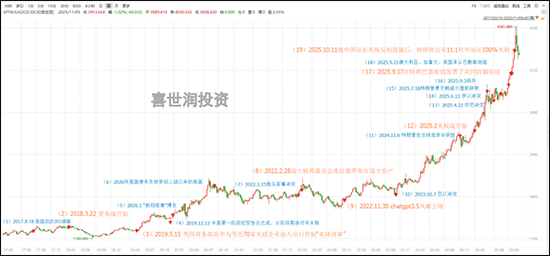
Core Viewpoint - The ongoing "century-long changes" in the global political and economic landscape are the fundamental drivers behind the sustained rise in gold prices, with significant historical parallels drawn to the 1970s gold bull market [6][29]. Group 1: Factors Influencing Gold Prices - The shift in global asset allocation towards "safety first" strategies by central banks, particularly in non-Western countries, has increased the focus on gold as a valuable asset [2][11]. - Historical events and geopolitical changes have historically driven gold prices more than economic and financial variables alone [2][14]. - The current geopolitical tensions, including the Russia-Ukraine conflict and U.S.-China trade relations, have created an environment conducive to rising gold prices [9][11]. Group 2: Market Mechanisms and Trends - Gold prices may have entered a new "reflexive" cycle, where increased investment in gold by institutions and individuals leads to lower volatility and a gradual upward trend in prices [3][33]. - The historical inverse relationship between U.S. stock markets and gold prices suggests that a significant correction in U.S. equities could trigger a new surge in gold prices due to increased demand for safe-haven assets [34][36]. - The unique physical and chemical properties of gold, along with its limited annual production compared to total stock, reinforce its scarcity and monetary attributes [5][11]. Group 3: Historical Context and Comparisons - The gold bull market of the 21st century is seen as a result of the re-emergence of a multipolar world, similar to the dynamics observed in the 1970s [20][27]. - Key historical events, such as the introduction of the euro and China's accession to the WTO, have significantly influenced global economic structures and, consequently, gold demand [21][22]. - The current trajectory of gold prices mirrors the patterns observed in the 1970s, suggesting potential for substantial future increases if historical trends continue [29][39]. Group 4: Future Outlook - The ongoing "century-long changes" are expected to continue influencing gold prices, with projections suggesting that gold could rise above $8,000 per ounce if current trends persist [39]. - The digitalization of gold and the rise of gold-backed cryptocurrencies may lower investment barriers and support gold prices from the demand side [33][39]. - The geopolitical landscape, particularly the U.S.-China rivalry, is anticipated to be a critical factor in shaping the future of gold prices [38][39].
宏观策略周报:四季度A股开门红,商务部加强稀土出口管制-20251010
Yuan Da Xin Xi· 2025-10-10 11:32
Key Points - The A-share market experienced a strong opening in the fourth quarter, with the Shanghai Composite Index rising over 50 points to surpass 3900, marking a new high in over 10 years [1][11] - The Ministry of Commerce announced export controls on certain rare earth items, requiring specific exporters to obtain licenses before exporting to countries outside China, particularly for military end-users [1][12][13] - The National Development and Reform Commission and the State Administration for Market Regulation issued a notice to combat price disorder and maintain a fair market environment [1][16][17] Market Overview - The domestic securities market showed mixed performance, with the Shanghai Composite Index gaining 0.37% while other indices like the Shenzhen Component Index and ChiNext Index saw declines [2][23] - The non-ferrous metals sector led the gains with a rise of 4.44%, driven by increased international gold prices and strong demand in the AI sector [2][25] - The trading volume surged to over 2.67 trillion yuan on October 9, reflecting heightened market activity post-holiday [11][23] Investment Recommendations - Focus on technology sectors such as artificial intelligence, semiconductor chips, and robotics, which are expected to yield excess returns under current policies [3][30] - Non-bank financials, particularly brokerage firms, may benefit from a slow bull market, while insurance companies could see capital returns improve [3][31] - The demand for gold as a safe-haven asset is anticipated to grow amid geopolitical tensions and economic uncertainties, with copper supply under pressure and demand increasing [3][31][21] - The storage sector is expected to thrive due to policy support, while machinery sectors like engineering machinery and heavy trucks may benefit from recovering manufacturing activities [3][32]
普京大手一挥,给中方送上一份“大礼”,俄方用了史无前例来形容
Sou Hu Cai Jing· 2025-10-07 06:06
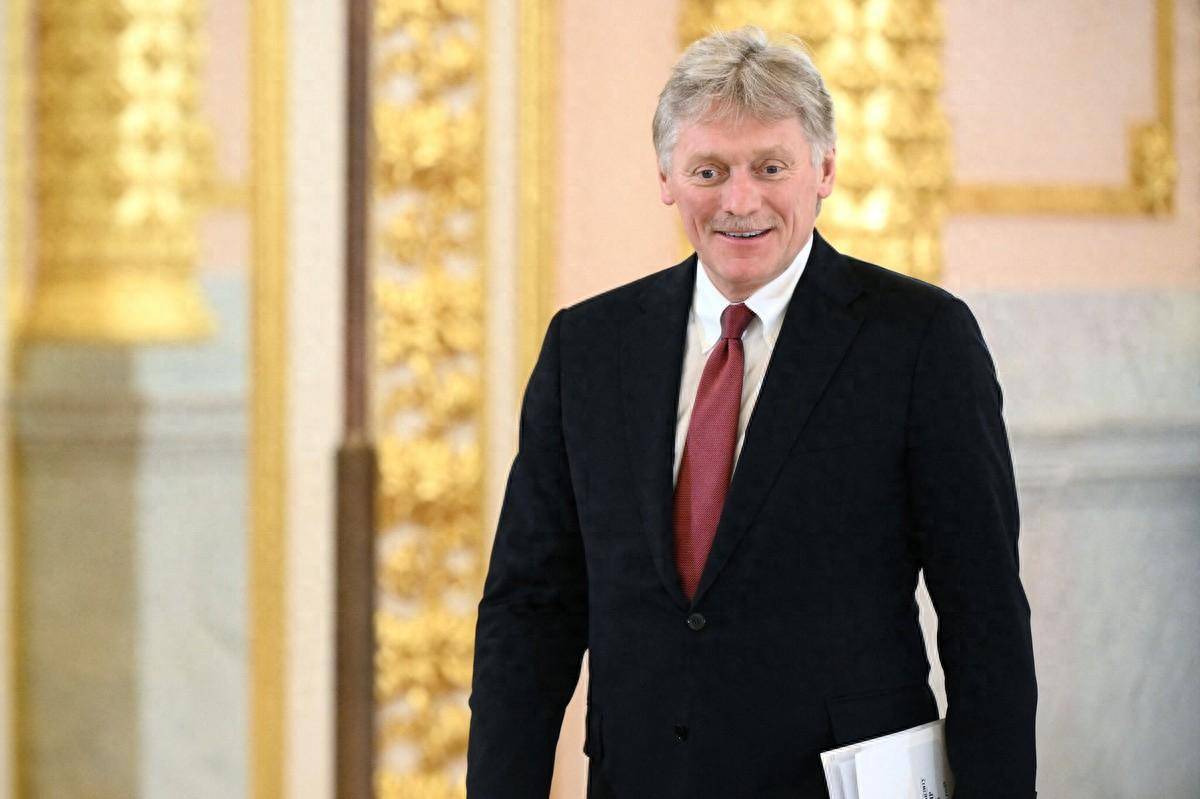
Core Insights - The recent energy cooperation between China and Russia is described as "unprecedented" by Kremlin spokesperson Peskov, highlighting its potential to reshape the Eurasian energy landscape [1] - The agreement signifies Russia's strategic pivot towards the East as the EU reduces its energy dependence on Russia, making collaboration with China a crucial avenue for Russia [1] - China’s significant position in the global energy market has compelled Russia to make price concessions, resulting in a mutually beneficial arrangement [1] Group 1: Agreement Details - In September, Russia's Gazprom and China's CNPC signed four agreements to expand cooperation, including the "Power of Siberia 2" project and the new "Eastern Alliance" pipeline through Mongolia [2] - The gas supply volume for the "Power of Siberia" project will increase from 38 billion cubic meters to 44 billion cubic meters, and the "Far East" pipeline from 10 billion cubic meters to 12 billion cubic meters [2] - The gradual increase in supply volume reflects a strategic approach to ensure long-term and stable supply-demand balance, adapting to future demand changes [2] Group 2: Strategic Implications - The new agreements indicate a shift from single project cooperation to a systematic layout involving multiple pipelines and regions, effectively reducing geopolitical uncertainties and enhancing supply stability [2] - Experts predict that the increased gas supply will be realized between 2027 and 2028, coinciding with the EU's goal to eliminate reliance on Russian energy [4] - Potential joint ventures between Gazprom and CNPC for pipeline projects could deepen energy cooperation, moving beyond mere transactions to involve capital and technology integration [4] Group 3: Broader Cooperation - The cooperation between China and Russia extends beyond energy, encompassing finance, security, and regional integration, contributing to a tighter strategic network [6] - This partnership aims to create a supply chain independent of Western influence and explore paths for de-dollarization in finance [6] - Future collaborations may include innovative areas such as renewable energy technology, Arctic development, digital economy, and artificial intelligence, potentially altering global rules [8]
美国商务部长称:印度会在一两个月内就关税问题向美国道歉
Sou Hu Cai Jing· 2025-09-10 10:49
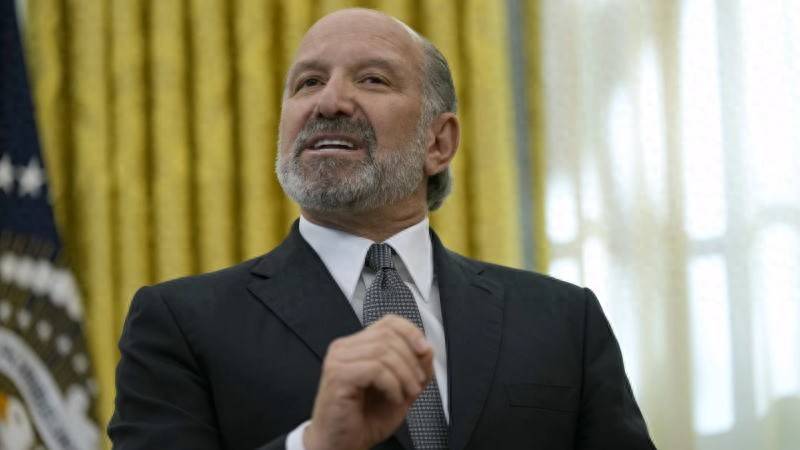
Core Viewpoint - The U.S. is exerting significant pressure on India, demanding it withdraw from BRICS and cease purchasing Russian oil, threatening a 50% tariff if it does not comply [1][5][15] Group 1: U.S. Pressure on India - U.S. Commerce Secretary Lighthizer has labeled India as a "vowel between Russia and China," demanding India stop acting as a bridge between the two nations [3] - The Trump administration has implemented a 50% punitive tariff on India, specifically targeting its purchases of Russian oil, which has put immense pressure on Indian exporters [5] - The U.S. Treasury Secretary has indicated that the issue extends beyond Russian oil, describing it as a "complex relationship" [5] Group 2: India's Response - In response to U.S. pressure, Modi has canceled plans to attend the UN General Assembly, opting for the Foreign Minister to represent India instead, signaling a firm stance against external pressure [8] - India's Finance Minister has publicly stated that the country will continue purchasing Russian oil due to its economic benefits, indicating that India will not sacrifice its economic interests to appease the U.S. [11] - Modi's recent attendance at the Shanghai Cooperation Organization summit and friendly exchanges with Chinese and Russian leaders suggest a shift in India's diplomatic posture towards a more multilateral approach [13] Group 3: Strategic Implications - India's oil purchases from Russia have surged from less than 2% pre-conflict to 40%, reflecting a strategic adjustment in response to global energy market fluctuations [9] - The tension in U.S.-India relations may inadvertently push India closer to BRICS and the Shanghai Cooperation Organization, potentially accelerating the process of global multipolarity [15] - India's approach reflects a desire to maintain strategic autonomy and balance between major powers, indicating a complex and evolving international relationship landscape [17][19]
莫迪访华,双普会面,欧洲没资格上桌,百年之未有大变局真要来了
Sou Hu Cai Jing· 2025-08-14 04:08
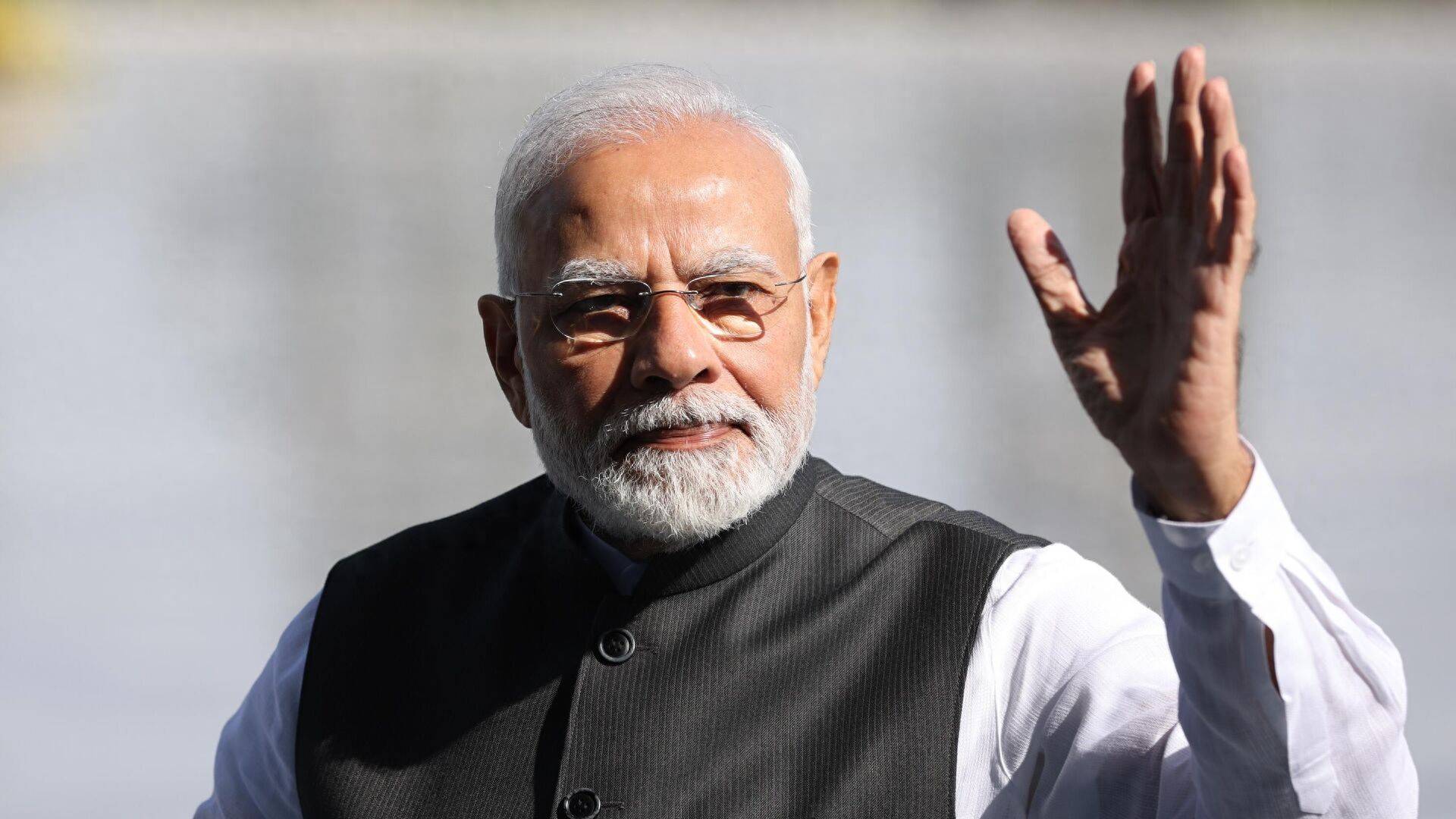
Core Viewpoint - The geopolitical landscape is undergoing significant changes, marked by the breakdown of the US-India alliance and the thawing of US-Russia relations, indicating a potential shift in global power dynamics [1][9]. Group 1: US-India Relations - Trump signed an executive order imposing a 25% tariff on Indian imports, signaling a deterioration in US-India relations [1]. - Modi's visit to China, after seven years, is seen as an attempt to pressure the US regarding tariff negotiations, highlighting the unraveling of the US-led Indo-Pacific strategy [3]. - The initial optimism for a trade agreement between the US and India has dissipated due to harsh tariff conditions imposed by the US, leading to a breakdown in negotiations [3]. Group 2: US-Europe Relations - The US has sidelined Europe in the ongoing Russia-Ukraine ceasefire negotiations, with the US and Russia planning a bilateral meeting without European involvement [5]. - Trump's administration has expressed dissatisfaction with European military spending and trade deficits, viewing European contributions as inadequate [7]. - The EU's trade surplus with the US amounted to €198.2 billion last year, which contradicts Trump's "America First" policy [7]. Group 3: Global Geopolitical Shifts - The rise of populism and extreme right-wing movements in Western societies, along with increasing unilateralism, is contributing to a fragmented international order [9]. - Trump's tariffs and withdrawal from international agreements are exacerbating global tensions and signaling a potential shift towards a multipolar world [9][11]. - The outcome of these geopolitical changes presents both challenges and opportunities for China, as the US may seek to consolidate its alliances against China while also facing potential discontent from its allies [11].
印度被逼墙角,一不做二不休供出美国,特朗普丢脸丢到“姥姥家”
Sou Hu Cai Jing· 2025-08-11 02:57
Core Viewpoint - Trump's imposition of high tariffs on Indian goods aimed to pressure India into compliance but instead provoked a strong backlash, revealing the hypocrisy of the U.S. in its dealings with Russia and potentially straining alliances among countries [1][3][4]. Group 1: Tariff Imposition and Reactions - The Trump administration increased tariffs on Indian exports to the U.S. by 25%, raising the total tariff on Indian goods to 50% [3]. - India responded strongly, with Commerce Minister Piyush Goyal challenging the U.S. and highlighting the contradiction of U.S. sanctions while relying on Russian uranium supplies [3][4]. - The backlash included widespread domestic protests in India, with opposition leader Rahul Gandhi labeling the tariffs as "imperialist bullying" [3]. Group 2: International Implications - The tariff dispute has exposed the complex relationship between the U.S. and Russia, with predictions indicating that India's exports to the U.S. could decrease by nearly half [4]. - India's government has suspended a $3 billion arms purchase from the U.S. and is considering additional tariffs on U.S. products like almonds and apples [4]. - The situation has sparked criticism of Western hypocrisy, particularly regarding the EU's simultaneous sanctions on Russia while continuing to import Russian gas [4][5]. Group 3: Global Reactions and Consequences - The incident has led to increased support for India's stance on social media, with users criticizing Western nations for their double standards in trade with Russia [5]. - Other countries, such as Brazil, are beginning to echo India's criticisms of U.S. trade policies, potentially forming a coalition against such tariffs [7]. - The global trade landscape may face a loss of $200 billion due to the fallout from Trump's tariff policies, accelerating the shift towards a multipolar world where emerging economies seek independent partnerships [7][8].
“敌视”行动延续,两国关系急剧恶化,美财长缺席南非G20会议
Huan Qiu Shi Bao· 2025-07-17 22:32
Group 1 - The G20 finance ministers meeting in Durban, South Africa, is overshadowed by the absence of US Treasury Secretary Becerra, reflecting deteriorating US-South Africa relations under Trump's administration [1][3] - Trump's administration has threatened to impose high tariffs on South Africa, which has raised concerns about the future of G20 cooperation and the potential impact on global governance [3][4] - The absence of high-level US representation at the G20 raises questions about the long-term viability of the G20 as a platform for international cooperation [3] Group 2 - Since Trump's return to the White House, US-South Africa relations have sharply declined, with accusations of racial discrimination and economic sanctions from the US [4] - South Africa's economy could face severe repercussions, with estimates of up to 100,000 job losses in agriculture and automotive sectors due to US tariff policies [4] - South Africa's exports of automobiles to the US have plummeted by 80% since the imposition of tariffs in April [4]