品牌力

Search documents
岚图汽车卢放:必须啃下豪华轿车市场这块“硬骨头”
Jing Ji Guan Cha Wang· 2025-12-14 09:32
Core Insights - The launch of the Lantu Zhi Guang L at a price range of 279,900 to 309,900 yuan marks a strategic entry into the luxury sedan market, aiming to challenge the dominance of traditional German and Japanese brands [2] - Lantu's chairman emphasizes the need for Chinese electric vehicles to disrupt the luxury market, which has been historically dominated by foreign brands due to their established technology and brand strength [2][3] - The shift in consumer mindset towards electric vehicles is evident, with increasing interest from traditional luxury car owners in considering new energy vehicles [3] Market Dynamics - The luxury sedan market, previously monopolized by foreign brands like BBA (Benz, BMW, Audi), is experiencing a transformation with the emergence of Chinese electric vehicles such as BYD Han and Zeekr 001 [3] - During the 14th Five-Year Plan period, while Chinese brands excelled in the SUV and MPV segments, they have struggled to gain a foothold in the luxury sedan market [3] Strategic Approach - Lantu aims to leverage its technological advancements, such as the 800V high-voltage platform and intelligent four-wheel drive system, to differentiate its products in a competitive market [4] - The company is focused on enhancing brand and user experience, with 40% of its users coming from existing BBA customers, indicating a positive trend in brand perception [4] - Lantu acknowledges that while technological superiority can be achieved quickly, building brand equity takes time, and the company is committed to long-term strategies to overcome consumer biases [4] Industry Collaboration - The chairman calls for a collective effort among Chinese brands to penetrate the luxury sedan market, with the Lantu Zhi Guang L serving as a catalyst for this movement [5]


网红韩国潮牌,只有一年保鲜期?
3 6 Ke· 2025-12-12 03:43
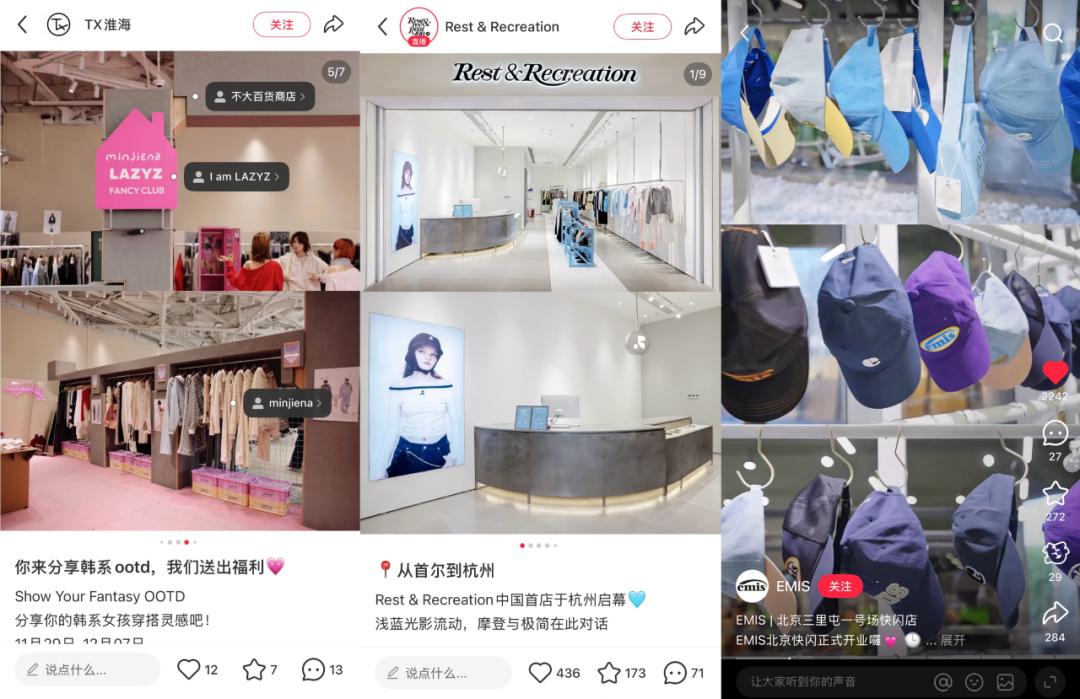
Core Viewpoint - A new wave of Korean fashion brands is emerging in China, characterized by rapid expansion and a short lifecycle, often referred to as "disposable brands" due to their quick rise and fall in popularity [6][29]. Group 1: Market Entry and Expansion - Three new Korean fashion brands, minjiena, lazyz, and fancy club, launched a pop-up event in Shanghai, marking their entry into the Chinese market [1]. - Rest & Recreation opened its first store in mainland China in April and has since expanded to major cities like Beijing and Shanghai [1]. - Emis has successfully entered online platforms like Xiaohongshu and Tmall, followed by physical store openings in key shopping districts [1][19]. Group 2: Decline of Established Brands - Several previously popular Korean brands, such as Mardi Mercredi and NERDY, are rapidly declining or exiting the Chinese market due to various challenges [3][30]. - Mardi Mercredi announced the closure of all its offline stores in China, while NERDY exited the market due to disputes with its Chinese distributor [3][30]. Group 3: Consumer Behavior and Brand Dynamics - The rapid rise and fall of these brands are linked to low brand loyalty and consumer attachment, with many young consumers seeking unique, niche products [6][17]. - The influence of K-pop culture and celebrity endorsements significantly boosts brand visibility and sales, as seen with brands like emis and Mardi [7][13]. - Young consumers are increasingly drawn to unique designs and small labels, often preferring them over established brands [17]. Group 4: Marketing Strategies - Korean fashion brands are leveraging social media influencers and KOLs to enhance brand visibility and attract consumers [19][22]. - The use of pop-up stores and engaging store designs creates a buzz and draws crowds, contributing to the brands' initial success [19][22]. Group 5: Challenges and Risks - The rapid expansion of these brands often leads to a dilution of their unique appeal, resulting in a perception of being "overexposed" or "common" among consumers [30][36]. - Many new brands lack a solid brand foundation and face quality issues, which can deter consumers from repeat purchases [31][33]. - The reliance on local distributors for rapid growth can lead to conflicts and mismanagement, as seen in the case of NERDY [41]. Group 6: Future Outlook - The long-term success of these Korean fashion brands in China will depend on their ability to build brand resilience and adapt to the complexities of the market [46].

Z世代消费新趋势:每月至少一次情绪消费
Jing Ji Guan Cha Wang· 2025-12-08 10:49
Core Insights - The report from Zhimeng Consulting highlights that over 80% of consumers engage in "emotional consumption" at least once a month, with 77.8% pursuing "less but better" consumption and 74.4% expecting personal growth from their purchases [1] - Generation Z, defined as those born between 1995 and 2009, is identified as the main consumer group, comprising approximately 300 million individuals, or 20% of the total population, yet contributing to 40% of total consumption [1] - The report predicts ten key consumption trends for 2026, including concepts like "quality calculation" and "AI scenario power" [1] Company Insights - Haier accelerated the development of a new washing machine model after a user-generated design gained significant attention, leading to a product launch in less than two months [2] - The "Lazy Three-Tub Washing Machine" achieved over 10,000 units sold on JD.com within 48 minutes of its launch, with total sales exceeding 1.5 billion yuan [2] - Haier plans to expand its product line based on user feedback, introducing additional products like a standard size version and a shoe washing machine [2] Industry Insights - Xiaohongshu has conducted research linking user emotions to purchasing behavior, identifying 35 major emotional categories and 95 subcategories to inform brand marketing strategies [2] - The platform aims to connect users with brands through a decentralized marketing approach, leveraging its 350 million monthly active users to address consumer needs [3] - Despite the recognition of the importance of understanding consumer needs, translating these insights into actual sales growth remains a challenge for consumer goods companies [4] - Zhimeng Consulting's CEO emphasizes the need for brands to build emotional memory points rather than relying solely on data-driven marketing, suggesting a budget restructuring to prioritize brand building over immediate sales effects [4]

新闻有观点·行业洞察丨贵羽绒服就是好羽绒服吗?
Yang Guang Wang· 2025-12-08 05:02
Core Insights - The rising prices of down jackets are attributed to various factors including supply-demand issues, environmental regulations, and climate change impacts [2][3] - The new national standard for down jackets has shifted focus from "down content" to "down fiber content," which has led to market changes and brand dynamics [3][4] - The down jacket industry is evolving to meet diverse consumer needs, transitioning from a mere warming tool to a lifestyle product that combines fashion and functionality [6][7] Price Trends - The price of down jackets has been increasing, with factory prices typically ranging from 150 to 300 yuan, while retail prices often exceed 1,000 yuan [2] - Factors contributing to price increases include a decline in duck and goose farming, stricter environmental policies, and rising international demand [2] - Predictions suggest that down prices may stabilize or decrease in the next three to five years due to increased investment in breeding and the introduction of alternative materials [3] Industry Standards - The new national standard implemented in 2022 has led to a clearer distinction between "down content" and "down fiber content," impacting market dynamics [3] - The market penetration of down jackets with over 85% down fiber content remains low at 30%, indicating significant opportunities for larger brands [3] Consumer Guidance - Consumers are advised to look for the "Anxin Down" standard, check for clear labeling of down fiber content, and assess the tactile quality of the fabric when purchasing down jackets [4] - The presence of unpleasant odors can also be a red flag for product quality [4] Market Segmentation - The down jacket market is segmented into three main categories: functional, fashion, and experiential, catering to different consumer demographics [6] - Companies are focusing on balancing warmth and style, with a significant portion of their products designed to be both functional and trendy [6] Brand Development - Chinese down jacket brands are gaining recognition domestically but still face challenges in international markets [7] - The quality of Chinese products is competitive with international brands, with stricter domestic standards in some areas [7] - Strategies for enhancing brand power include improving brand recognition through marketing, cultural integration, and leveraging e-commerce platforms [7]
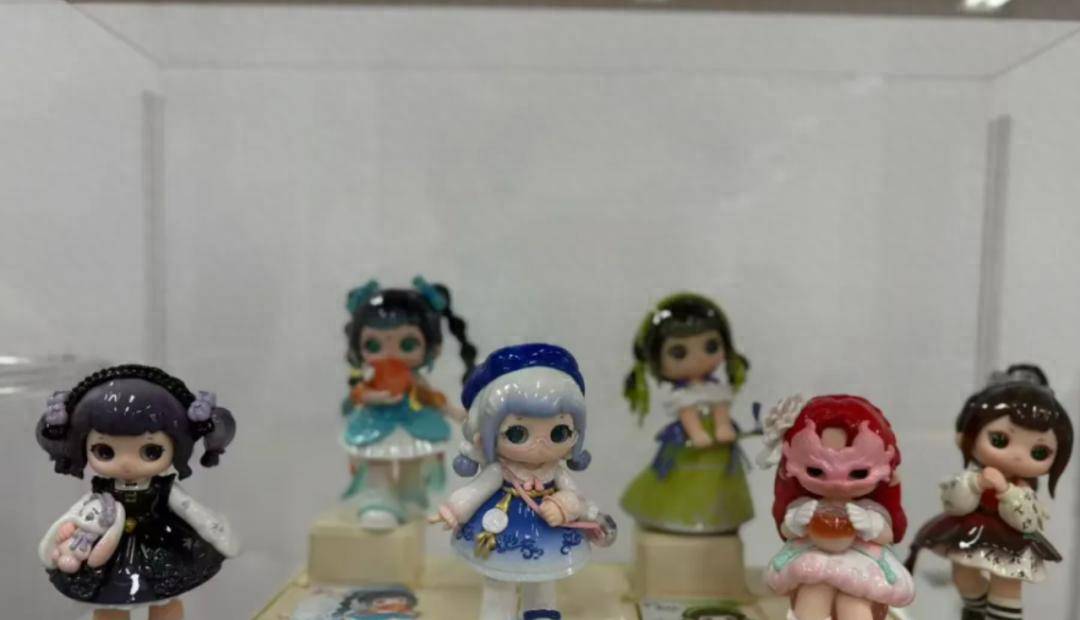
申万宏源:维持泡泡玛特“买入”评级 跨区域+扩IP支撑长线运营
Zhi Tong Cai Jing· 2025-12-01 01:27
Group 1 - The core viewpoint is that Pop Mart (09992) maintains a "buy" rating due to its rich IP matrix and mature operational capabilities, which continue to activate overseas markets and expand offline channels, leading to sales surges during holiday seasons [1][2] - The company has successfully expanded its global presence, with a total of 171 overseas retail stores as of October 30, including 62 in North America, 28 in Europe, and 44 in Southeast Asia, indicating significant growth potential in new regions [2] - The popularity of the Labubu IP and other new products is expected to drive social engagement and revenue growth during the upcoming holiday season, particularly around Halloween and year-end festivities [2][3] Group 2 - The company has demonstrated its long-term IP operation capabilities, with successful product innovation maintaining fan engagement, while the overall brand strength has significantly improved due to the global success of Labubu and other leading IPs [3][4] - The business model is viewed as having strong competitive barriers, with the ability to realize long-term value from IP through effective operations, as evidenced by the healthy supply-demand ecosystem for its products [4]


昆明邦泰·悦九章,以卓越交付力印证品牌引领力
Xin Lang Cai Jing· 2025-11-26 10:36
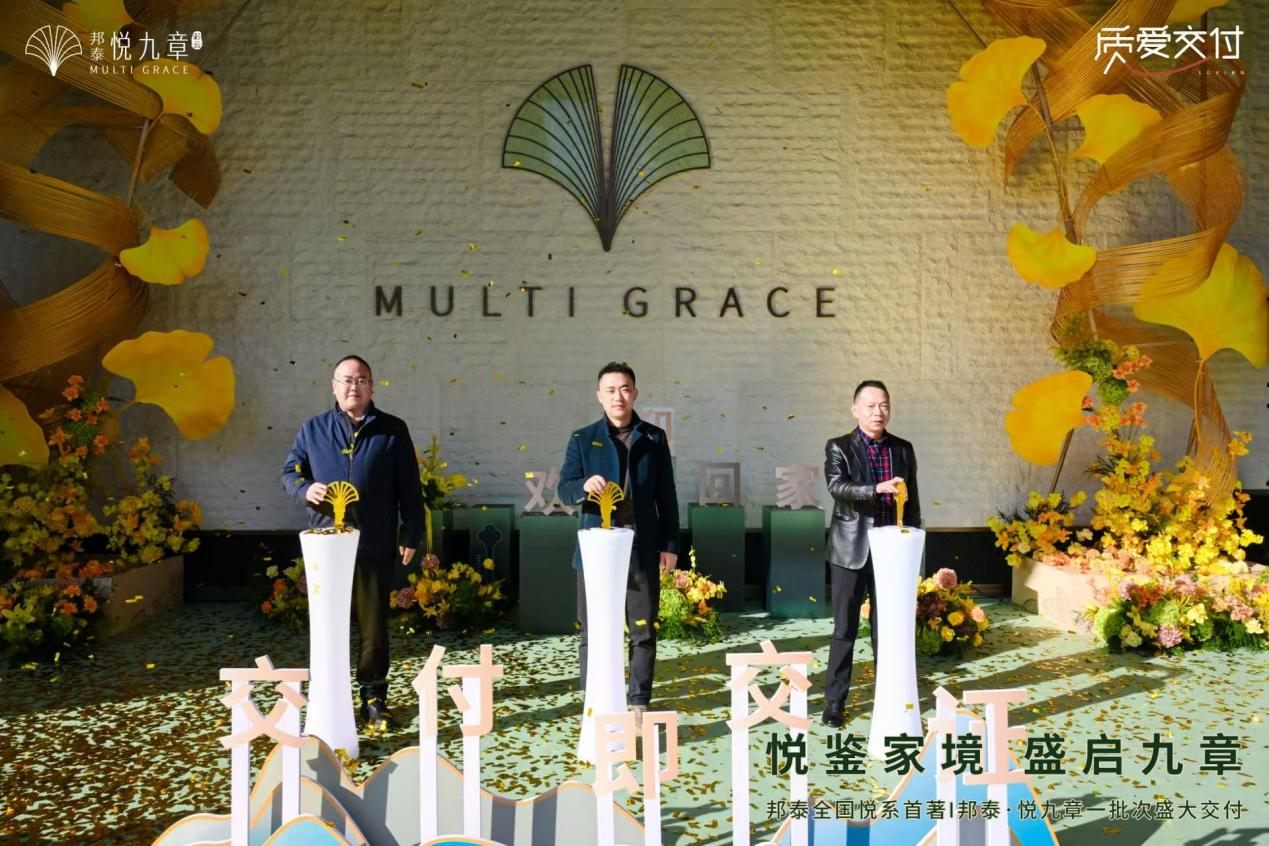
Core Viewpoint - The successful delivery of the first "Yue" series project, Kunming Bangtai·Yue Jiu Zhang, marks a significant milestone for Bangtai Group in its commitment to quality and community development in Kunming [1][3][15]. Group 1: Project Delivery and Quality - The delivery event included over 600 households, showcasing Bangtai's commitment to quality and efficient service with features like "immediate delivery of property rights certificates" [3][10]. - The project emphasizes high standards in both hardware and software aspects, with meticulous attention to detail in construction and community design, setting a new benchmark for quality in the Kunming market [5][15]. - Residents expressed satisfaction with the quality exceeding expectations, highlighting the effectiveness of the "immediate delivery of certificates" service as a solid commitment from Bangtai [13][10]. Group 2: Community and Educational Support - The project includes the timely establishment of a quality educational resource, Shida Fuxiao (Chenglong Primary School), enhancing the community's value and supporting future living standards [9][15]. - Bangtai's approach integrates community operations and sustainable living, aiming to create a vibrant community ecosystem through various initiatives and activities [22][26]. Group 3: Market Performance and Brand Strength - Bangtai has demonstrated exceptional delivery efficiency, achieving rapid project completions and maintaining a strong market presence, with sales exceeding 3.8 billion in Kunming by the third quarter of 2025 [16][27]. - The company's strong delivery capabilities translate into market confidence and brand reputation, reinforcing the idea that delivery strength equates to brand strength [27][28]. - Bangtai's commitment to quality and timely delivery positions it as a leader in the Kunming real estate market, setting a standard for product and delivery excellence [28][30].
百胜中国(09987.HK):门店高速增长 利润率持续提升
Ge Long Hui· 2025-11-18 05:33
Core Insights - The company reported total revenue of $3.2 billion in Q3 2025, a 4% year-over-year increase excluding foreign currency effects, while adjusted net profit was $282 million, reflecting a 5% decline year-over-year due to investment income drag [1] Store Expansion - The company experienced rapid store growth, adding 536 new stores in Q3 2025, with franchises accounting for 32% of the new openings [1] - By brand, KFC added 402 new stores, marking a historical high for Q3, with franchises making up 41% of these additions; Pizza Hut added 158 new stores, with franchises at 28% [1] - As of the end of Q3, the total number of stores reached 17,514, including 12,640 KFC stores, 4,022 Pizza Hut stores, and over 1,800 KPRO coffee shops [1] Sales Performance - System sales increased by 4% year-over-year, driven by a 4% increase in new store openings and a 1% rise in same-store sales [2] - KFC's system sales grew by 5%, with same-store sales up by 2%, primarily due to a 3% increase in same-store transaction volume, despite a 1% decline in average ticket size [2] - Pizza Hut's system sales rose by 4%, with same-store sales increasing by 1%, supported by a 17% rise in same-store transaction volume, while average ticket size fell by 13% due to strategic adjustments for better value [2] - Overall, delivery sales for both KFC and Pizza Hut saw significant growth, increasing by 33% and 27% respectively, with delivery now accounting for 51% of restaurant revenue [2] Profitability - Profit margins for both KFC and Pizza Hut improved in Q3, with KFC's operating profit margin rising to 16% and restaurant profit margin to 18.5% [3] - For Pizza Hut, operating profit margin reached 8.9% and restaurant profit margin 13.4%, benefiting from improved operational efficiency and lower raw material costs, although increased delivery costs and a focus on value products partially offset these gains [3] - The company's overall operating profit margin and restaurant profit margin increased by 0.4 and 0.3 percentage points to 12.5% and 17.3% respectively [3] Future Outlook - The company is expected to maintain a high store opening pace, projecting 1,600 to 1,800 new stores in 2025, which is anticipated to drive continued revenue growth [4] - Forecasted net profits for 2025-2027 are $928 million, $1.012 billion, and $1.088 billion respectively, with corresponding price-to-earnings ratios of 18, 17, and 15 times [4]
百胜中国(09987):港股研究|公司点评|百胜中国(09987.HK):百胜中国(09987):2025年第三季度业绩点评:门店高速增长,利润率持续提升
Changjiang Securities· 2025-11-16 08:14
Investment Rating - The investment rating for the company is "Buy" and is maintained [8]. Core Insights - In Q3 2025, the company reported total revenue of $3.2 billion, a year-on-year increase of 4% excluding foreign exchange effects, while adjusted net profit was $282 million, a year-on-year decrease of 5% excluding foreign exchange effects. The decline in profit was mainly due to investment income drag [2][6]. - The company is expected to add 1,600 to 1,800 new stores in 2025, maintaining a high store opening pace, which is anticipated to drive continued revenue growth [2][10]. Summary by Sections Revenue and Profitability - The company experienced revenue growth and an increase in profit margins during the reporting period, although profit declined primarily due to investment income [2][6]. - The system sales increased by 4% year-on-year, driven by a 4% increase in net new stores and a 1% increase in same-store sales [10]. Store Expansion - In Q3 2025, the company added 536 new stores, with franchises accounting for 32% of the new openings. By the end of Q3, the total number of stores reached 17,514, including 12,640 KFC stores and 4,022 Pizza Hut stores [10]. - KFC achieved a record high of 402 new stores in Q3, with franchises making up 41% of the new openings [10]. Sales Performance - Both KFC and Pizza Hut saw year-on-year growth in same-store sales, with KFC's same-store sales increasing by 2% and Pizza Hut's by 1%. The overall transaction volume for the company increased by 4% year-on-year [10]. - The company’s overall takeaway sales accounted for 51% of restaurant revenue, with significant growth in takeaway sales for both KFC and Pizza Hut [10]. Profit Margins - The profit margins for both KFC and Pizza Hut improved, with KFC's operating profit margin increasing to 16% and Pizza Hut's to 8.9% [10]. - The overall operating profit margin for the company increased by 0.4 percentage points to 12.5% year-on-year [10]. Future Outlook - The company’s core competitive advantages in digitalization, backend operations, localization, and brand strength are expected to ensure stable performance for its mature brands [10]. - The projected net profits for 2025-2027 are $928 million, $1.012 billion, and $1.088 billion, respectively, corresponding to price-to-earnings ratios of 18, 17, and 15 times [10].
地素时尚(603587):三季度利润恢复增长,线上及直营渠道增势良好
Shenwan Hongyuan Securities· 2025-11-04 11:57
Investment Rating - The report maintains an "Outperform" rating for the company [2][7]. Core Insights - The company reported a recovery in profit growth in Q3 2025, with a slight decline in revenue and a notable increase in net profit for the quarter [7]. - Online sales showed strong growth, while offline channels are still undergoing adjustments [7]. - The company has a strong brand presence in the mid-to-high-end women's clothing sector, with improved gross margins and cash flow [7]. Financial Data and Profit Forecast - Total revenue for the first three quarters of 2025 decreased by 4.2% year-on-year to 1.545 billion yuan, while net profit attributable to the parent company fell by 15.4% to 236 million yuan [6][7]. - Q3 2025 revenue decreased by 1.1% year-on-year to 480 million yuan, but net profit increased by 16.6% to 70 million yuan [7]. - The gross margin for Q3 2025 improved to 75.5%, with a net profit margin of 15.3% [7][10]. - The company expects net profits for 2025-2027 to be 302 million, 322 million, and 354 million yuan respectively, with corresponding PE ratios of 20, 19, and 17 times [7][6].

量子之歌CEO李鹏谈收购Letsvan:创始人最需要的不是钱,而是舞台
Sou Hu Cai Jing· 2025-09-29 07:30
Core Insights - Quantum Song is accelerating its transformation into the trendy toy sector, primarily through its full acquisition of Letsvan, which has rebranded from "Yiqi Culture" to "Qimeng Island" [2] - The WAKUKU trendy toy IP has achieved sales exceeding 400 million yuan within a single quarter [2] - The trendy toy market is expected to explode in 2025, with companies like Pop Mart seeing significant revenue and market value increases, positioning Quantum Song advantageously by acquiring Letsvan before the market surge [2] Group 1: Product Strength - Letsvan's team has successfully designed and launched popular IPs such as WAKUKU and Youli [3] - The merger has resulted in a quarterly revenue exceeding 600 million yuan for the trendy toy business, showcasing the combined strength of product, brand, and sales capabilities [2][4] Group 2: Brand Strength - Post-merger, Quantum Song has amplified its brand presence through cross-industry collaborations, such as the China Open Tennis and Fashion Week, leading to increased visibility and celebrity endorsements [3] Group 3: Sales Strength - Quantum Song's team possesses experience managing businesses at a scale of 4 billion, facilitating market entry for products [4] - The merger has transformed Letsvan from merely surviving to thriving, achieving significant growth [4] Group 4: Team Retention - Quantum Song ensures the retention of Letsvan's founding team by providing a platform for them to excel, focusing on their strengths in product development while addressing brand and sales gaps [5] - The mutual goals and trust between the companies foster a sense of achievement for both parties [5]