品牌老化

Search documents
新秀丽“卖不动”,中产、年轻人为什么都不买单?
Xi Niu Cai Jing· 2025-12-01 02:01
Core Insights - Samsonite's dominance in the high-end luggage market is fading, with a significant decline in brand perception and consumer preference [3][4] - The company faces challenges in appealing to both business professionals and younger consumers, as its product design and quality have come under scrutiny [4][5] Sales Performance - In the first half of the year, Samsonite reported net sales of $1.662 billion, a decrease of 6% year-over-year [5][7] - Operating profit fell to $238 million, down 24.2% compared to the previous year [5][7] - Profit attributable to equity holders decreased by 30.2% to $118 million [5][7] Consumer Perception - There are numerous complaints regarding the quality of Samsonite products, with consumers noting issues such as wheel breakage and overall durability [3][4] - The brand's initial appeal was based on its lightweight, durable, and practical design, which is now being questioned by consumers [3][4] Market Positioning - Samsonite's high-end positioning is becoming less distinct, with its designs perceived as ordinary and lacking in luxury appeal [4] - The shift of retail locations from high-end malls to outlet stores may dilute the brand's premium image [4] Target Demographics - Younger consumers, particularly Gen Z, prioritize aesthetics and fashion over durability, which poses a challenge for Samsonite's traditional product offerings [4] - Despite attempts to introduce more colorful and trendy designs, the overall impact on brand perception has been minimal [4]


红火一时的老牌烘焙为啥不“香”了
Qi Lu Wan Bao· 2025-11-30 21:59
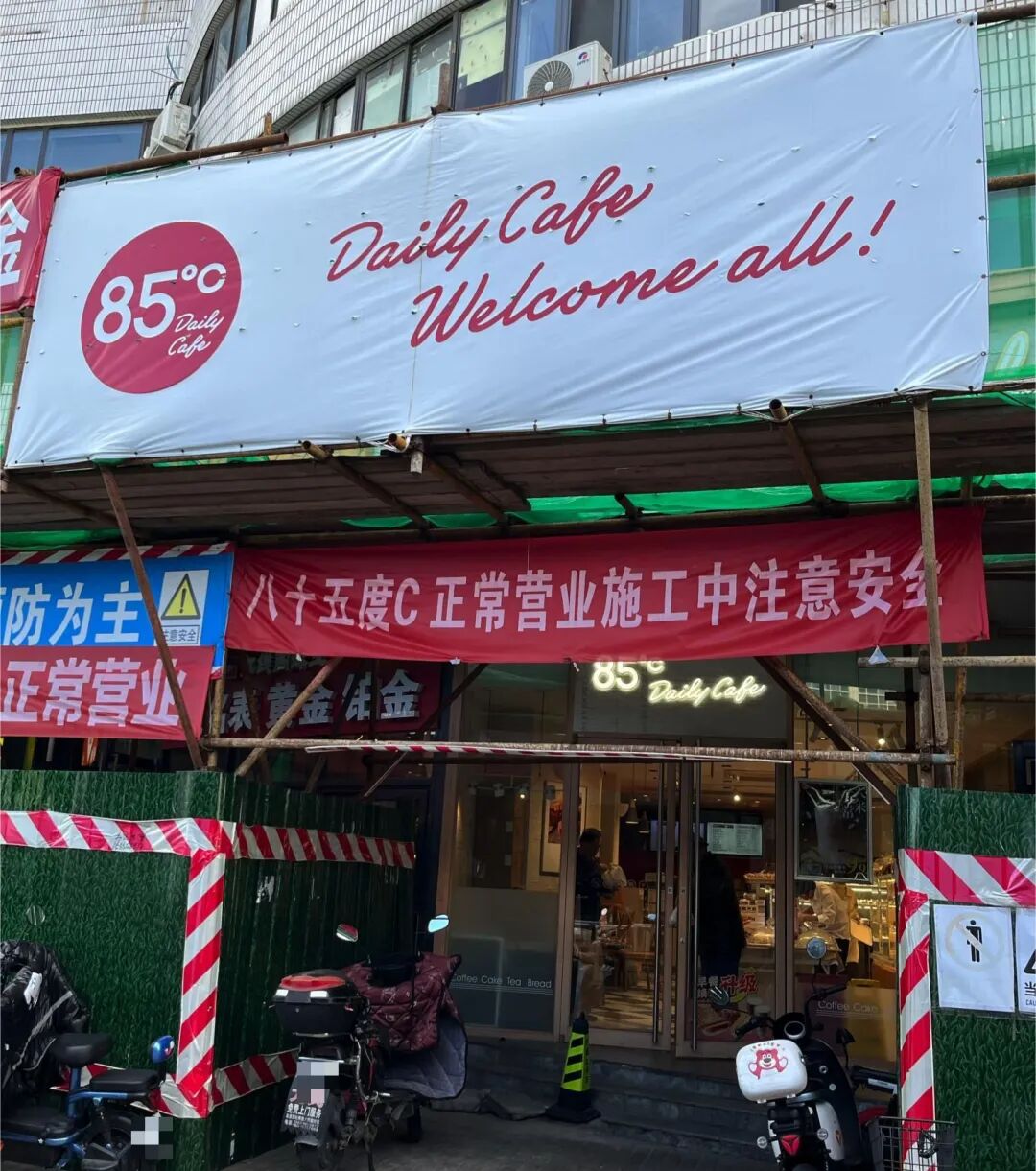
Core Viewpoint - The closure of 85°C stores in Jinan reflects a broader trend of established bakery brands facing challenges, including rising costs, brand aging, and increased competition from new entrants in the market [2][4][5]. Group 1: Company-Specific Developments - 85°C has announced the closure of its store on Shanshi East Road in Jinan, leaving only one remaining store in the city [2]. - The closure is attributed to high rent and insufficient profits, despite the store having operated for 13 years and having a loyal customer base [2][3]. - In the second half of 2023, multiple 85°C locations in Jinan closed, indicating a trend of store closures due to declining customer traffic and performance [3]. Group 2: Market Trends and Challenges - The bakery industry is experiencing a wave of closures among established brands like 85°C, Bread618, and others, primarily due to intense competition and market saturation [5]. - Factors contributing to the struggles of these brands include rising rental and labor costs, product innovation stagnation, and a shift in consumer preferences towards healthier options [4][5]. - New brands such as UH Youhe and Stone Mr. Oven are gaining popularity among younger consumers by focusing on product innovation and quality [5]. Group 3: Future Outlook - The domestic bakery market is projected to grow, with an expected increase of 5.2% in 2024, reaching a market size of 1,105 billion yuan [5]. - Experts suggest that the bakery industry must adapt by lowering costs and making products more accessible to sustain growth and meet changing consumer demands [6].
旺旺杀入AD钙奶赛道,要和娃哈哈抢生意
Xin Lang Cai Jing· 2025-11-28 07:15
Core Viewpoint - The performance of China Wangwang Holdings Limited shows stagnation despite the evolving snack food industry, with a slight revenue increase but declines in profit margins and net income [1][2]. Financial Performance - For the first half of the fiscal year 2025, Wangwang reported revenue of 11.108 billion yuan, a year-on-year increase of 2.1%, but experienced declines in gross profit, operating profit, and net profit attributable to shareholders, which fell by 0.2%, 11%, and 7.8% respectively [1][2]. - The operating profit decreased to 2.261 billion yuan, while gross profit and net profit attributable to shareholders were 5.132 billion yuan and 1.717 billion yuan respectively [1]. Business Segmentation - The dairy and beverage segment accounted for approximately 53% of total revenue, while rice snacks and leisure food contributed about 46% [2]. - Revenue from the dairy and beverage segment was 5.941 billion yuan, down 1.1%, while revenue from rice snacks grew by 3.5% to 2.130 billion yuan, and leisure food revenue increased by 7.7% to 2.940 billion yuan [2]. Market Position and Challenges - Wangwang's flagship product, Wangzai Milk, has seen a decline in revenue, reflecting challenges in attracting younger consumers as the brand struggles with competition from healthier alternatives offered by major players like Yili and Mengniu [7][8]. - The company is attempting to innovate and expand into new markets, including launching low-GI snacks and entering the AD calcium milk segment, targeting younger demographics and children [7][8]. Management and Future Strategies - The next generation of Wangwang's leadership, including the founder's three sons, is actively involved in exploring new growth avenues and engaging with younger consumers through social media [4][9]. - Wangwang is also investing in new ventures, such as a themed hotel and a coffee brand, aiming to diversify its offerings and enhance brand appeal [10].

济南这家13年老店闭店!知名品牌多家门店停业,曾经“挤都挤不进去”
Qi Lu Wan Bao· 2025-11-21 07:03
Core Insights - The closure of the 85°C store on Shanshi East Road in Jinan marks a significant reduction in the brand's presence, leaving only one store in the city [2] - The closure is attributed to high rent and insufficient profits, despite the store's long-standing customer base [2][3] - The brand is facing challenges from increased competition and a lack of innovation, leading to a broader trend of closures among established bakery brands [4][7] Company Summary - The 85°C store in Jinan has been operational for 13 years and will close on November 30, 2023, due to high rent and low profitability [2] - The brand initially entered the Jinan market in 2011 and expanded rapidly, but has since faced a decline in customer traffic and sales [2][3] - Other stores in Jinan have also closed recently, indicating a trend of contraction for the brand [2][4] Industry Summary - The bakery industry is experiencing significant challenges, with many established brands like Duolezhiri, Bread618, and Royal Meifu also closing stores [7] - Factors contributing to this trend include high operational costs, market saturation, and a shift in consumer preferences towards healthier options [4][7] - Newer brands are gaining popularity by focusing on product innovation and quality, while the overall bakery market is projected to grow, reaching 1,160 billion yuan by 2025 [7][8]
前福建首富交棒80后女儿,宗馥莉该羡慕了
3 6 Ke· 2025-11-14 03:57
Core Insights - Dali Food Group has successfully transitioned leadership to the second generation, with Xu Yangyang, daughter of founder Xu Shihui, officially taking over as president [1][7] - The company, founded in 1989, has established itself as a major player in the Chinese snack food industry, with annual revenues exceeding 20 billion yuan from 2018 to 2021 [1][6] - Xu Yangyang's leadership journey mirrors that of other second-generation heirs in the industry, particularly in her gradual rise through various roles within the company [7][8] Company Background - Dali Food Group originated from Xu Shihui's establishment of Meili Food Factory in 1989, focusing on high-quality packaged biscuits during a time of limited snack options [2][4] - The company gained significant market share by launching competitive products, such as Dali Garden's egg yolk pie, which was priced lower than its Korean competitor [4][5] - By 2012, Dali Food had entered the 10 billion yuan revenue club, with a notable market share in various snack categories [5][6] Financial Performance - From 2016 to 2019, Dali Food's revenue grew from 17.84 billion yuan to 21.37 billion yuan, with the Xu family being recognized as the richest in Fujian province during this period [6] - However, the company faced challenges post-2020, with revenues declining to 19.96 billion yuan in 2022 due to reliance on offline distribution and brand aging [6][9] - In June 2023, Dali Food announced plans for privatization after a significant drop in stock price, leading to its delisting from the Hong Kong Stock Exchange [6][9] Leadership Transition - Xu Yangyang, born in 1983, has been with Dali Food since 2008, working her way up through various positions before becoming president [1][7] - Her leadership style and approach to business development are seen as more stable compared to other industry counterparts, such as Zong Fuli of Wahaha [8][9] - Under Xu Yangyang's guidance, Dali Food is expected to focus on international expansion and revitalizing its core brands to address market challenges [9]

前福建首富许世辉交棒,80后女儿成新“零食大王”,宗馥莉该羡慕了
Sou Hu Cai Jing· 2025-11-13 23:53
Core Viewpoint - Dali Food Group has successfully transitioned leadership to the second generation, with Xu Yangyang, daughter of founder Xu Shihui, officially taking over as president, marking a significant milestone for the company established over 30 years ago [1] Company Overview - Dali Food Group was founded in 1989 by Xu Shihui in Quanzhou, Fujian, and has developed into a major player in the food and beverage industry with brands like "Dali Garden," "Haochidian," "Kebike," "Hezheng," "Lehu," and "Douben Dou" [1][3] - The company achieved annual revenues exceeding 20 billion yuan from 2018 to 2021, and the Xu family was recognized as the richest in Fujian from 2016 to 2019 [1][5] Leadership Transition - Xu Yangyang, born in 1983, has been with Dali Food since 2008, starting from the production line and working her way up through various roles, including executive director and vice president [1][6] - The leadership transition is compared to that of Zong Fuli of Wahaha, highlighting the similarities in their paths as second-generation leaders in their respective companies [1][6][7] Business Strategy and Growth - Dali Food's growth strategy involved launching competitive products at lower prices than established brands, which helped the company capture significant market share [3][4] - The company entered the 100 billion yuan revenue club in 2012, with revenues of 108.12 billion yuan, 128.27 billion yuan, and 148.94 billion yuan from 2012 to 2014, alongside increasing net profit margins [4] Recent Challenges - From 2020 to 2022, Dali Food faced declining revenues and profits due to reliance on offline distribution channels and signs of brand aging, with revenues of 209.62 billion yuan, 222.94 billion yuan, and 199.57 billion yuan during these years [5] - In June 2023, the company announced plans for privatization due to long-term stock price underperformance, leading to its delisting from the Hong Kong Stock Exchange in September 2023 [5] Future Directions - Xu Yangyang is expected to focus on revitalizing aging brands and exploring overseas markets as part of the company's growth strategy moving forward [8]

「咖啡启蒙者」光环褪色,雀巢咖啡要赢得中国年轻消费者有多难? | 声动早咖啡
声动活泼· 2025-11-12 10:05
Core Viewpoint - Nestlé, once a leader in the instant coffee market in China, is now facing challenges in attracting young consumers, necessitating a strategy to rejuvenate its brand and appeal to this demographic [2][8]. Company Overview - Nestlé, a Swiss food and beverage giant, has a diverse portfolio that includes coffee, dairy products, confectionery, beverages, and pet food, with over 2,000 brands operating in more than 100 countries [4]. - The company originated from a baby food product developed in the 1860s by pharmacist Henri Nestlé, which aimed to reduce infant mortality rates in Switzerland [4]. Coffee Business Development - Nestlé's instant coffee, Nescafé, was created in 1930 using spray-drying technology to address surplus coffee production in Brazil, becoming a staple for U.S. troops during WWII and gaining popularity post-war [5]. - The coffee segment has become a core part of Nestlé's business, with Nescafé generating approximately $10 billion in annual sales, accounting for 36% of the company's coffee business revenue [5][9]. - In 2018, Nescafé held over 70% market share in China's instant coffee market, significantly outpacing its closest competitor, Maxwell [5]. Market Trends and Challenges - The instant coffee market in China is currently valued at approximately 78 billion yuan, representing nearly half of the national coffee market, but has seen a slight decline of 1.5% year-on-year [9]. - The rise of fresh coffee consumption and changing health perceptions among consumers have led to a preference for low-sugar, no-cream instant black coffee, impacting traditional instant coffee sales [9]. - Competitors like Luckin Coffee and Starbucks have become more prominent in the minds of young consumers, overshadowing Nestlé's historical presence in the market [7][9]. Product Innovation and Strategy - In response to market changes, Nestlé has introduced new products, including upgraded classic series, zero-sugar options, and beverages like sparkling Americano, while also diversifying into various formats such as drip coffee and ready-to-drink products [9][10]. - Despite these innovations, Nestlé faces challenges in reshaping consumer perceptions, as many still associate the brand primarily with sugary instant coffee [10]. Distribution and Sales Dynamics - Nestlé has traditionally employed a "deep distribution" model, requiring distributors to purchase in bulk, which has led to inventory issues and financial pressures amid slowing consumer demand [11][12]. - Recent shifts in strategy aim to transition from a distribution-driven model to one focused on actual consumer sales, indicating a need for better engagement with end consumers [12].

昔日“炊具大王”苏泊尔,为何跌落神坛?
凤凰网财经· 2025-10-24 09:10
Core Viewpoint - Supor, once a leading small appliance brand in A-shares, is experiencing a significant slowdown in growth, as evidenced by its recent financial performance and various operational challenges [1][2][3]. Financial Performance - In Q3, Supor reported a revenue of 5.42 billion yuan, a year-on-year decrease of 2.30%, and a net profit of 426 million yuan, down 13.42% year-on-year. For the first three quarters, net profit fell to 1.37 billion yuan, a decline of 4.66% [1][11]. - The company's net profit growth rate has been declining from 6.36% in 2022 to 2.97% in 2024, indicating a long-term trend of weakening profitability [12]. Management Actions - Following the distribution of dividends in May, three senior executives sold shares worth approximately 5.43 million yuan, raising concerns about the company's future [2][16]. Brand and Market Challenges - Supor is facing issues such as brand aging, frequent product quality problems, and declining market reputation, which are contributing to its current struggles [3][20]. - The company’s domestic sales growth has stagnated, with a significant drop from 10.8% in 2021 to -1.21% in 2024, while external sales heavily depend on SEB Group, which accounted for 31.42% of total revenue in 2024 [20][22]. Product and Innovation Issues - Supor's R&D investment is low, with only 4.70 billion yuan allocated in 2024, representing just 2.09% of revenue, while the company spent 22.39 billion yuan on dividends, indicating a lack of focus on innovation [36][38]. - The company has been slow to adapt to online sales channels, with only 50% of sales occurring online, compared to industry averages of 80% [38]. Consumer Complaints - There have been over 8,000 complaints regarding Supor products on consumer platforms, highlighting safety issues and poor customer service [25][30]. Market Position - As of October 24, Supor's stock price fell by 1.57% to 47.06 yuan per share, with a market capitalization of 37.71 billion yuan, reflecting a 5% decline year-to-date [19].


曾红极一时的“85度C”,今年将关40多家店,半年亏损约4600万
Mei Ri Jing Ji Xin Wen· 2025-10-20 22:34
Core Insights - The well-known bakery coffee brand "85°C" is experiencing a significant number of store closures, indicating a strategic contraction in the Chinese mainland market [3][10] - The parent company, "Meishi-KY," reported a sales decline of over 20% in the mainland market, leading to the decision to close more than 40 stores this year, marking the largest operational adjustment in five years [3][10] Company Overview - 85°C is a renowned chain brand originating from Taiwan, specializing in coffee, cakes, and baked goods, founded in 2003 [3] - The brand's name reflects the ideal brewing temperature for coffee, emphasizing a combination of "five-star quality" and "affordable prices" [3] Market Challenges - The closures are not isolated incidents but part of a broader trend, with reports of store shutdowns in cities like Hangzhou, Shanghai, and Nanjing [8] - The company is facing deep-rooted challenges such as brand aging and insufficient innovation, which are critical factors contributing to its declining market presence [4][11] Financial Performance - The sales revenue for 85°C in the Chinese mainland is projected to shrink to approximately 8.053 billion New Taiwan Dollars (around 1.88 billion RMB) in 2024, a decline of over 20% from the previous year [10] - The contribution of the mainland market to the company's overall sales has decreased from 51% to 42% [10] Strategic Adjustments - The company is implementing a strategy of "elimination and selection" to optimize its store operations, with plans to open new franchise stores by the end of the year [3][8] - Industry experts suggest that the current store closures are a necessary decision to mitigate losses, as existing stores are unable to reverse the financial downturn [10][11]
曾红极一时的咖啡品牌,北京仅剩1家店!今年将关掉40多家门店,上半年大陆市场亏损约4600万元
Mei Ri Jing Ji Xin Wen· 2025-10-20 15:49
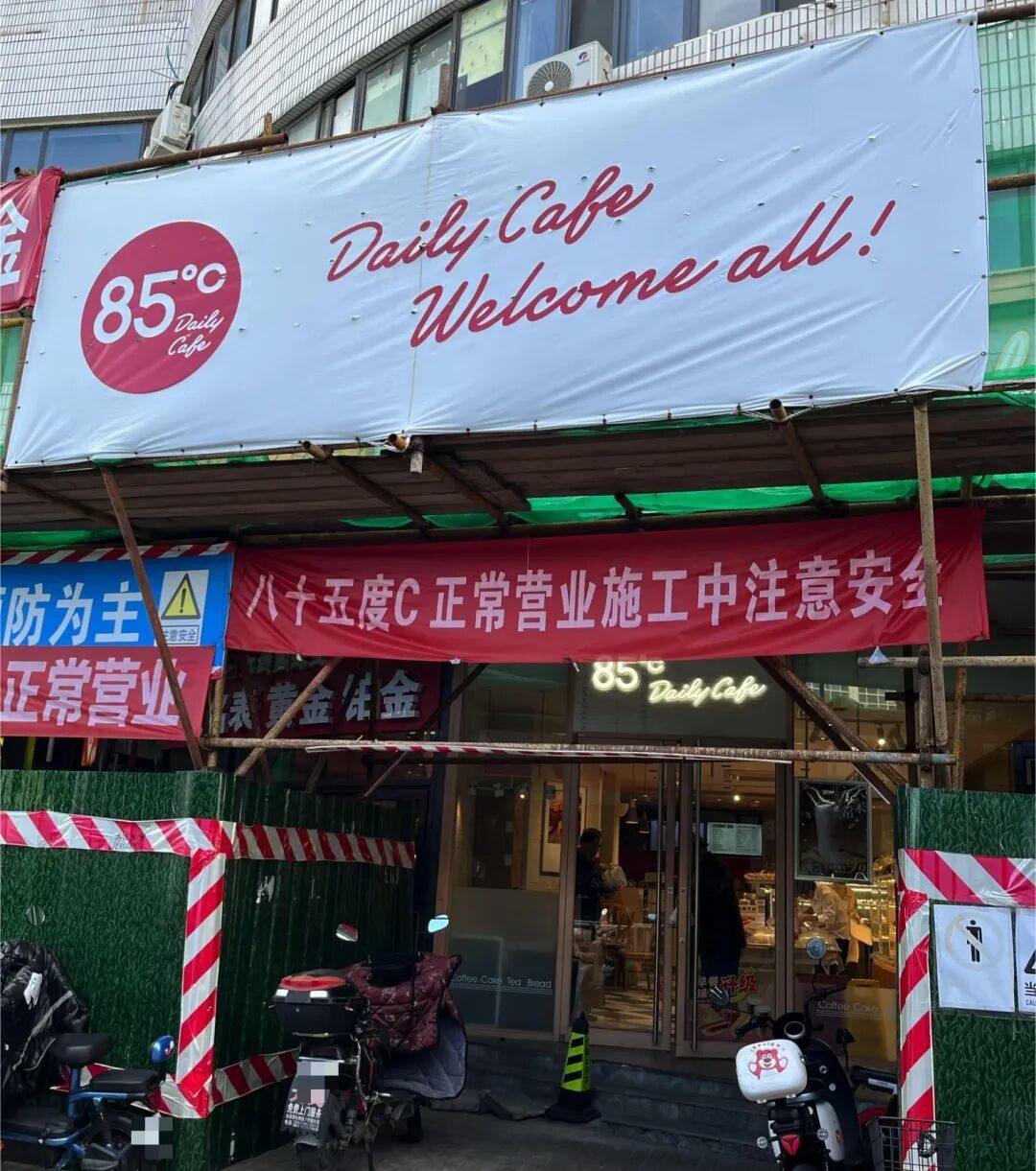
Core Insights - The well-known bakery coffee brand "85°C" is experiencing a significant number of store closures, indicating a strategic contraction in the Chinese mainland market [3][10] - The parent company, "Meishi-KY," reported a sales decline of over 20% in the mainland market, leading to the decision to close more than 40 stores this year, marking the largest operational adjustment in five years [3][10] Company Overview - 85°C is a popular chain brand originating from Taiwan, specializing in coffee, cakes, and baked goods, founded in 2003 [3][10] - The brand's name reflects the ideal brewing temperature for coffee, emphasizing a combination of "five-star quality" and "affordable prices" [3] Market Challenges - The closures are not isolated incidents but part of a broader trend, with reports of store shutdowns in cities like Hangzhou, Shanghai, and Nanjing [8][10] - The company is facing deep-rooted challenges such as brand aging and insufficient innovation, which are critical factors contributing to its declining market presence [4][11] Financial Performance - The sales revenue for 85°C in the mainland market is projected to shrink to approximately 8.053 billion New Taiwan Dollars (around 1.88 billion RMB) in 2024, a decline of over 20% from the previous year [10] - The contribution of the mainland market to the company's overall sales has decreased from 51% to 42% [10] Strategic Adjustments - The company is implementing a "淘汰择优" (eliminate the inferior and retain the superior) strategy, indicating a focus on optimizing store performance [8][10] - Despite the closures, the company plans to open new franchise stores and continue innovating its product offerings [3][9] Industry Context - The bakery market is becoming increasingly competitive, with new brands emerging and capturing market share, which poses a challenge for established brands like 85°C [11] - The industry faces systemic issues, including complex supply chains and high product standardization difficulties, leading to regional brand dominance and price wars [11]