多极化趋势

Search documents
特朗普神助攻!欧洲终于做出选择,马克龙之后,又有欧洲政要访华
Sou Hu Cai Jing· 2025-12-12 05:32
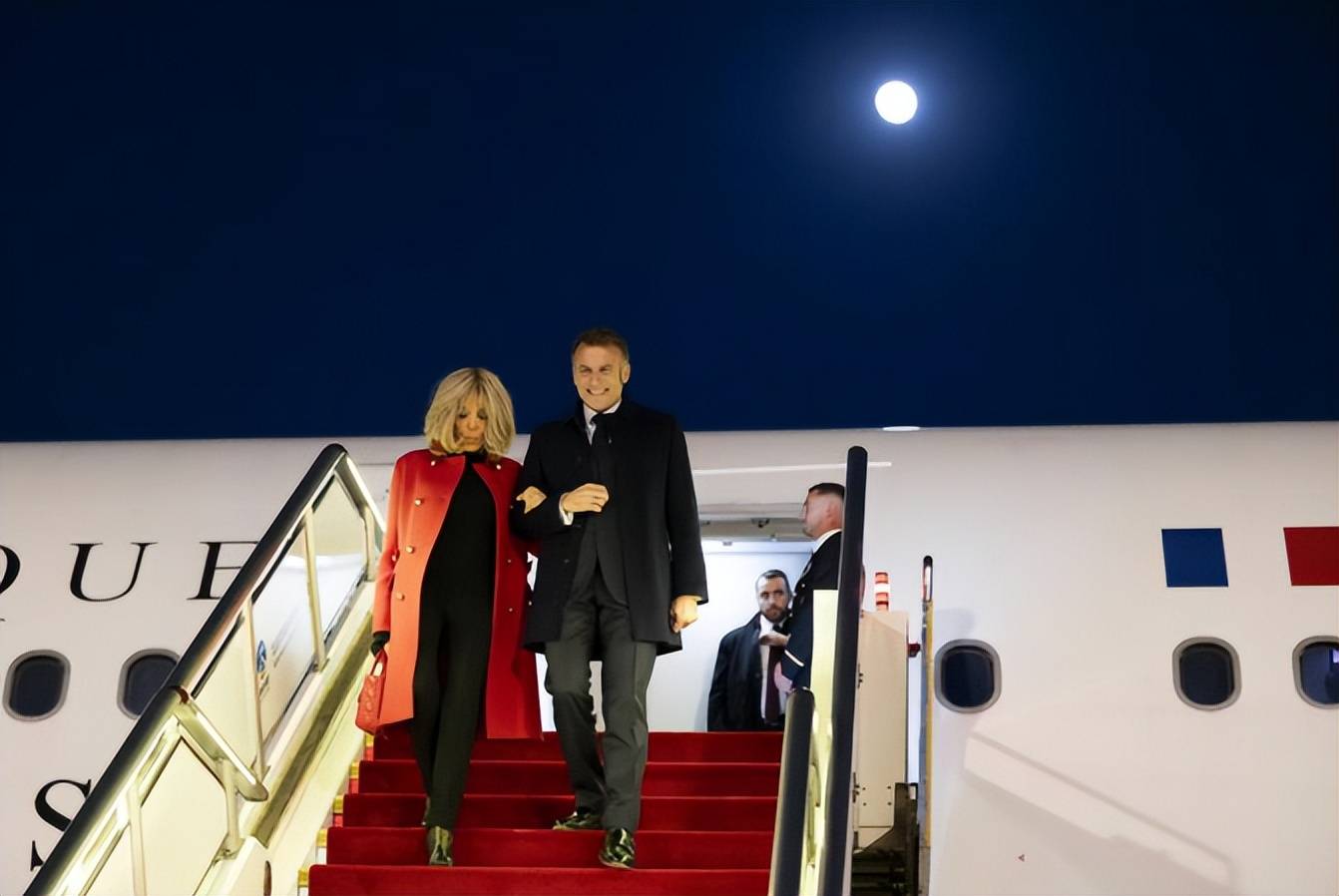
Group 1 - The recent U.S. national security strategy document sharply criticizes Europe, stating that the continent faces a more severe threat of "civilizational decline" rather than just economic recession, which is unacceptable to traditional European powers [3] - The U.S. has been applying pressure on Europe through tariffs, compelling European nations to seek closer ties with China, as evidenced by recent high-level visits from French President Macron and German Foreign Minister Baerbock [5][12] - The EU's economic report indicates that the U.S. tariffs will negatively impact the Eurozone's growth, particularly in the automotive and chemical sectors, potentially reducing growth by 0.5 percentage points [8] Group 2 - The trade relationship between China and Germany has strengthened, with Germany's trade volume with China reaching €185.9 billion, making China Germany's largest trading partner [8] - French and Chinese companies have engaged in significant collaborations, including joint aircraft development and energy projects, with bilateral trade increasing by 4.1% year-on-year [10] - The shift in European focus towards China is characterized by a desire for equal dialogue and mutual benefits, contrasting with the U.S. approach of threats and sanctions [14]

美军后院集结,中美货币脱钩,美国收缩是假,全球格局悄然翻盘
Sou Hu Cai Jing· 2025-12-10 11:55
Group 1 - The core viewpoint is that the U.S. is undergoing a strategic shift due to financial constraints, leading to a reduction in global military presence and a focus on cost-effective measures [1] - The U.S. national debt is approaching $37 trillion, with rigid interest payments straining the fiscal budget, compounded by military expenditures and delays in naval construction [1] - The U.S. is adjusting its global military strategy from expansive deployments to a more calculated approach, reflecting the necessity to manage financial pressures [1] Group 2 - In Latin America, the U.S. is maintaining military presence and influence, with significant troop deployments and military upgrades in Puerto Rico, while simultaneously pressuring Venezuela and engaging with Argentina [3] - The U.S. is pushing allies like Japan and South Korea to increase their military spending and take on more defense responsibilities, effectively shifting the burden of regional security onto them [4] - European nations are compelled to enhance their defense capabilities in response to reduced U.S. military presence, yet they remain dependent on American military support for weaponry [6] Group 3 - The U.S. continues to leverage its financial power through mechanisms like dollar-denominated transactions and sanctions, despite a growing trend among BRICS nations to use local currencies [9] - The current U.S. strategy involves offloading defense costs to allies while attempting to maintain financial dominance, but this approach faces increasing resistance from both allies and emerging economies [11] - The global landscape is shifting towards a multipolar world, challenging the effectiveness of U.S. dominance through singular methods [11]
特朗普神助攻!欧洲终于做出选择,马克龙之后,又有欧洲政要访华,美欧同盟名存实亡?
Sou Hu Cai Jing· 2025-12-09 08:26
Core Viewpoint - European countries are collectively shifting their focus towards China, driven by dissatisfaction with the United States' recent policies and actions, particularly under the Trump administration [1][3][10]. Group 1: European Shift Towards China - The recent visits by European leaders to China, including French President Macron and German Foreign Minister Baerbock, signify a strategic pivot towards China as a response to perceived neglect and hostility from the U.S. [1][7] - The U.S. has imposed tariffs on European goods, including a 25% tariff on EU steel and aluminum products and a 32% punitive tariff on Italian leather goods, which has strained trade relations [3][4]. - The economic outlook for the EU is bleak, with projected GDP growth of only 1.4% by 2025, exacerbated by U.S. tariffs affecting key industries like automotive and chemicals [4]. Group 2: Strengthening Sino-European Relations - During Macron's visit, significant cooperation agreements were signed, including joint development of wide-body aircraft and operational contracts for nuclear power, indicating a deepening economic relationship [5][7]. - Germany's focus has shifted from market access to supply chain security, highlighting the importance of Chinese technology and support for European industries [7]. - The EU's desire for "strategic autonomy" reflects a collective sentiment to avoid being subservient to U.S. interests, with leaders emphasizing the need for equal partnerships [7][10]. Group 3: Future Implications - The ongoing cooperation between China and Europe is expected to expand beyond trade to include digital economy and green transition initiatives, as evidenced by the resumption of the EU-China investment agreement negotiations [8]. - The shift towards China is not a rejection of the U.S. but rather a rational choice in a multipolar world, as European leaders seek to balance their interests amid U.S. protectionism [10].
俄罗斯军事专家:有了特朗普总统,美国霸权要早崩10年
Sou Hu Cai Jing· 2025-11-26 04:39
Core Viewpoint - The article discusses the potential decline of U.S. hegemony accelerated by Trump's policies, drawing parallels to the collapse of the Soviet Union under Gorbachev's reforms [1][3][6]. Group 1: Institutional Foundations - Trump's criticism of the education system and media has undermined the trust and recognition that form the basis of U.S. hegemony, similar to Gorbachev's actions that led to the collapse of Soviet beliefs [3][4]. - The social unrest in the U.S. during the first half of the year reflects the severe division within the country, indicating a loss of confidence in American values [3][6]. Group 2: Alliances - Trump's demands for NATO allies to increase military spending and threats to reduce U.S. troop presence have weakened alliances, potentially pushing European nations towards Russia [4][6]. - The internal divisions within NATO and the discussions among France and Germany about EU self-defense highlight the diminishing influence of the U.S. in Europe [4][6]. Group 3: Trade Foundations - Trump's imposition of tariffs and restrictions on international students has disrupted supply chains and led to economic stagnation, reminiscent of the Soviet Union's closed economy [6][7]. - The protectionist policies have resulted in a decline in economic growth and increased national debt, raising concerns about a potential financial crisis [6][7]. Group 4: Political Developments - Trump's victory in the 2024 election and subsequent policies have been characterized by a focus on "America First," which may further isolate the U.S. internationally [7]. - The rapid implementation of policies, including immigration and trade reforms, has led to significant internal conflict and a decline in national cohesion [7].
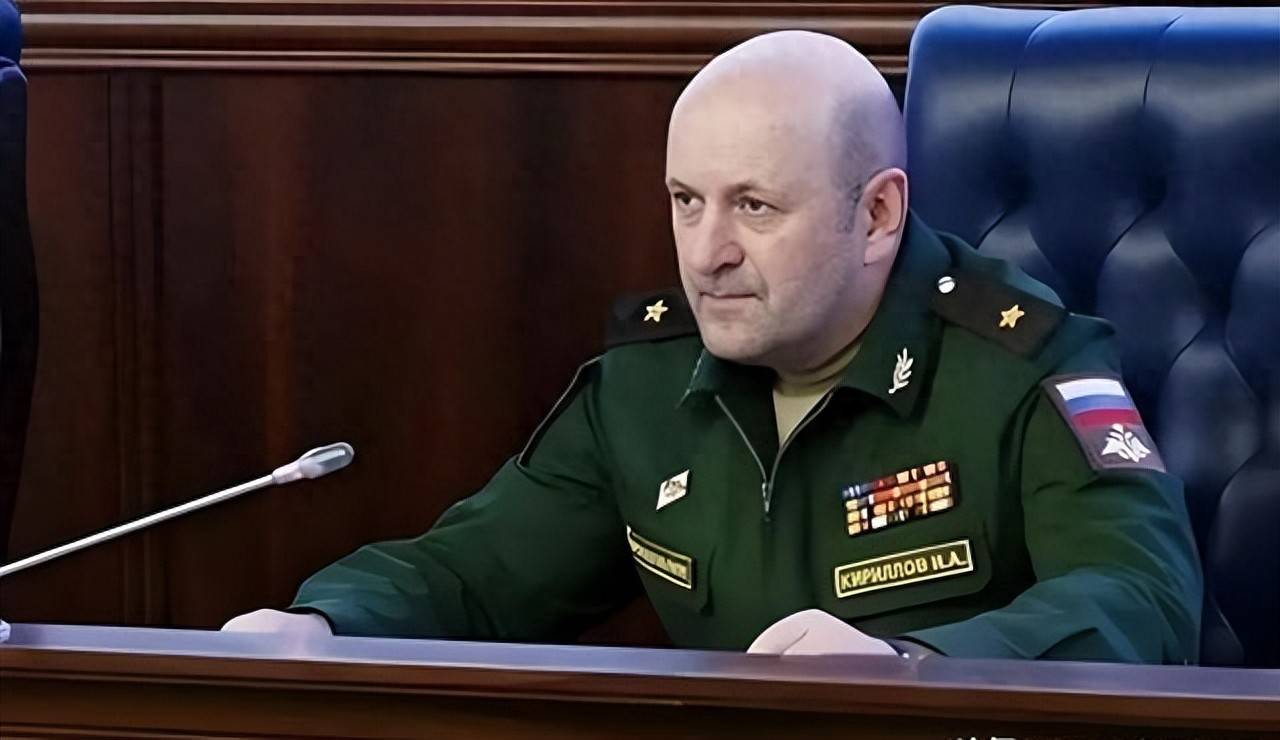
普京三周后访印度见莫迪?要谈能源合作,特朗普“压不动”新德里
Sou Hu Cai Jing· 2025-11-15 00:21
Core Viewpoint - The upcoming meeting between Russian President Putin and Indian Prime Minister Modi is set to reshape global energy dynamics and geopolitical relations, focusing on energy cooperation as a key agenda item [2][4]. Group 1: Energy Cooperation - Energy cooperation is the central theme of the upcoming talks, with discussions on nuclear localization, technology transfer, and small nuclear power projects expected to yield multiple agreements during Putin's visit [4]. - India's import of Russian oil aligns with its energy security needs and plays a positive role in stabilizing international oil prices, becoming a crucial pillar of the bilateral relationship despite external pressures [5]. Group 2: Geopolitical Context - The U.S. has imposed heavy tariffs on Indian goods, reaching a total tax rate of 50%, in response to India's oil imports from Russia, which has led to significant challenges for Indian exporters [7]. - The Modi government has shown resilience against U.S. pressure, emphasizing the protection of farmers and small businesses while implementing measures like fiscal support and tax reforms [7][10]. Group 3: Long-term Relations - The longstanding Russia-India relationship transcends mere trade, encompassing comprehensive cooperation in energy, military, and cultural sectors, which is expected to be reinforced during the upcoming visit [10]. - The meeting is anticipated to not only enhance energy collaboration but also establish mechanisms for Indian labor in various sectors in Russia, further solidifying bilateral ties [10]. Group 4: International Implications - India's Foreign Minister has criticized U.S. actions as unreasonable and unjust, asserting that India's energy import decisions are based solely on national interests, unaffected by external pressures [12]. - The deepening Russia-India cooperation is likely to influence global energy market dynamics and geopolitical balance, warranting ongoing observation from various stakeholders [12].
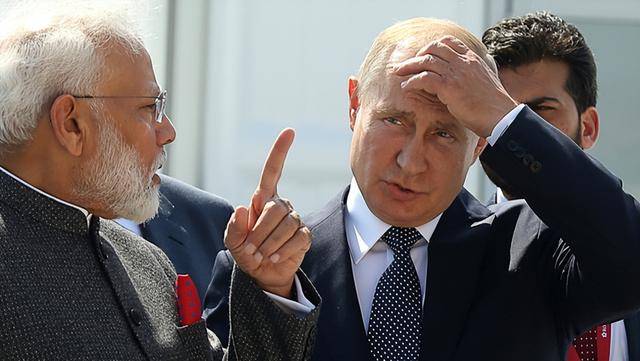
特朗普紧急发文表示输不起,他想不通,中国为何能威胁到美国
Sou Hu Cai Jing· 2025-11-06 08:39
Group 1 - The core argument is that Trump's recognition of China's strength marks a significant shift in the geopolitical landscape, acknowledging that China has rapidly risen to challenge the U.S. [1] - Trump expresses concern over the potential cancellation of tariffs, emphasizing their importance as leverage in negotiations with China and other countries [3] - The U.S. has implemented various measures, including chip export controls and trade investigations under Section 301, to counter China's economic and technological advancements [5] Group 2 - Despite external pressures, China continues to advance in innovation and has increased its global influence, with a net favorability rating of 8.8 compared to the U.S.'s -1.5 [7] - The U.S. faces challenges in forming anti-China coalitions, as countries like Saudi Arabia and South Africa resist aligning against China, indicating a shift in global dynamics [9] - The U.S. is grappling with a significant national debt of $38 trillion and internal political strife, which has led to a government shutdown affecting over 42 million people [9][10] Group 3 - Trump's focus on tariffs as a solution for revitalizing U.S. manufacturing overlooks deeper systemic issues within the American economy [10] - The global landscape is evolving towards multipolarity, with emerging economies gaining prominence and diverse governance models becoming more accepted [10][12] - China's rise is attributed to its institutional resilience and strategic stability, suggesting that the U.S. must adapt to these fundamental changes to maintain its global leadership [12]
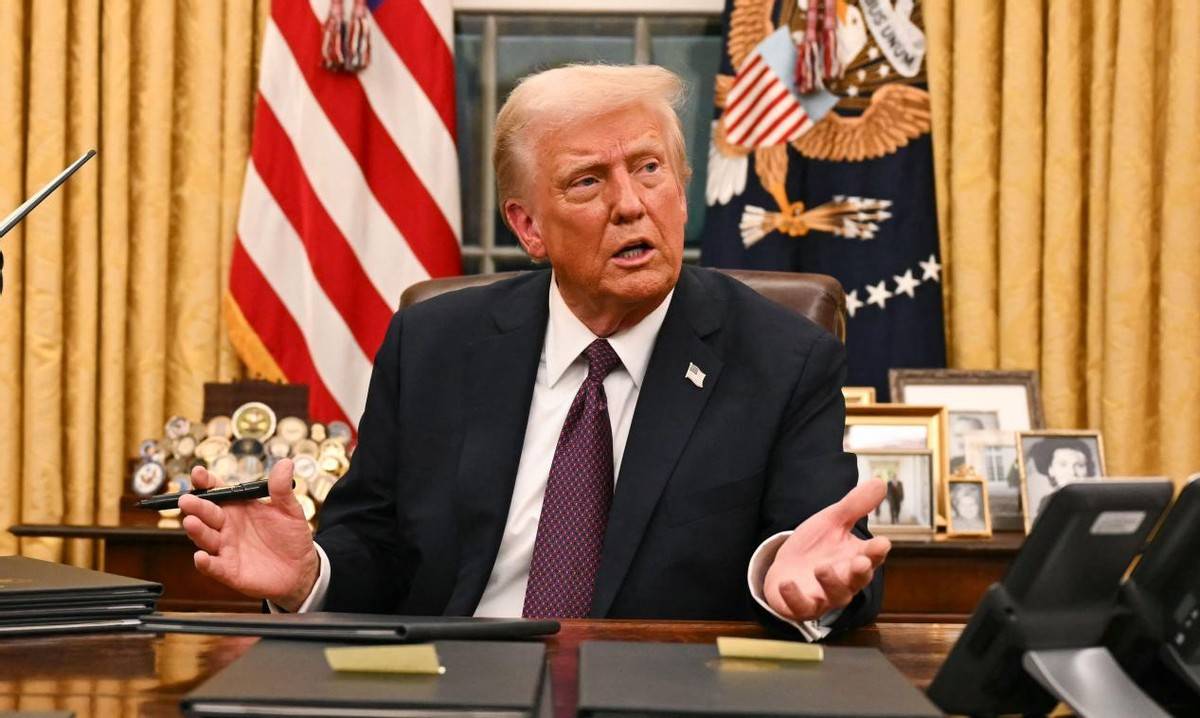
莫迪决心已下,大幅买俄油,还通告全球,绝不将中国稀土卖给美国
Sou Hu Cai Jing· 2025-10-21 10:52
Core Viewpoint - The article highlights India's defiance against U.S. pressure regarding oil purchases from Russia and its strategic alignment with China, indicating a shift in India's foreign policy amidst U.S.-India tensions [1][3][5]. Group 1: U.S.-India Relations - Recent U.S. tariffs on Indian products have strained relations, with tariffs reaching up to 50%, aimed at forcing India to open its agricultural market and reduce its trade surplus with the U.S. [3] - Despite U.S. pressure, India has increased its daily imports of Russian oil to approximately 1.8 million barrels in early October 2023 [3][5]. - India has committed to not exporting rare earth materials sourced from China to the U.S., reflecting a strategic pivot towards China [3][5]. Group 2: Economic Considerations - India benefits economically from purchasing discounted Russian oil, saving approximately $89 per ton, and is processing this oil into refined products for sale to Europe and the U.S. [5][7]. - The country relies heavily on China for rare earth materials, with imports expected to reach around 870 tons valued at over 3 billion rupees in the 2024-2025 fiscal year [5][7]. Group 3: Geopolitical Strategy - India's traditional policy of strategic autonomy prevents it from fully aligning with any single power, complicating U.S. efforts to have India counterbalance China [7][9]. - The U.S. demands for India to cease Russian oil purchases conflict with India's domestic agricultural interests, particularly concerning the livelihoods of millions of farmers [7][9]. - The article suggests that while there may be limited easing of tensions between the U.S. and India, fundamental disagreements on key issues like agricultural market access and Russian oil procurement will persist [9].

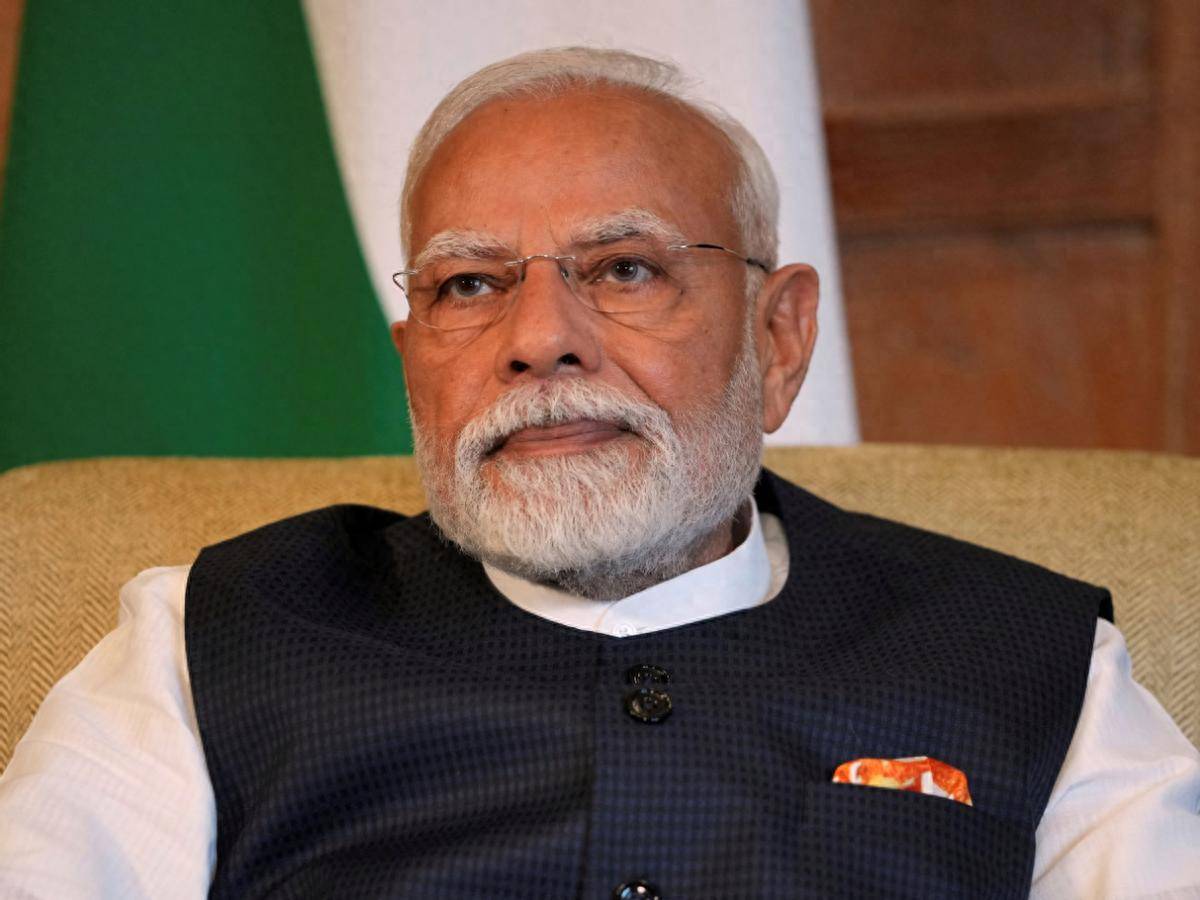
美国威胁50%关税逼迫印度,莫迪却取消联合国大会,谁会妥协
Sou Hu Cai Jing· 2025-09-10 13:48
Core Points - The article discusses the escalating diplomatic tensions between the United States and India, particularly following U.S. Commerce Secretary Gina Raimondo's threats of imposing a 50% tariff on Indian goods unless India supports the dollar [1][2][4]. - India's Prime Minister Modi's strong response included canceling his attendance at the UN General Assembly and refusing to meet with President Trump, signaling India's commitment to maintaining its diplomatic independence [6][8]. Group 1: U.S. Threats and India's Response - U.S. Commerce Secretary Raimondo's ultimatum to India included a demand for full support of the dollar or face severe tariffs, which was perceived as a direct challenge to India's sovereignty [2][10]. - Modi's immediate cancellation of his UN trip and refusal to meet Trump demonstrated India's rejection of U.S. pressure tactics [6][8]. - The U.S. underestimated India's resolve, believing that economic pressure would compel compliance [10][13]. Group 2: Trade Dynamics and Strategic Interests - The U.S. is concerned about the trade imbalance with India, which saw a trade surplus of approximately $35 billion for India in 2024, amidst a total trade volume exceeding $119 billion [10][11]. - India's significant purchases of Russian oil, especially post the Russia-Ukraine conflict, have raised alarms in Washington, as it undermines Western sanctions against Russia [10][13]. - The rise of the BRICS nations and their push for de-dollarization is viewed as a direct challenge to U.S. financial dominance, with BRICS currency settlements increasing to 23% in 2024 [11][17]. Group 3: Global Power Dynamics - The conflict between the U.S. and India reflects broader shifts in global power structures, highlighting the tension between unilateral dominance and a multipolar world [15][21]. - The expansion of BRICS from 5 to 11 member countries, representing half of the global population and GDP comparable to the G7, signifies a growing challenge to U.S. hegemony [17][19]. - India's diplomatic stance is seen as part of a larger trend where middle powers seek to assert their autonomy and influence in international relations, moving away from being mere followers of major powers [19][25]. Group 4: Implications for Future Relations - Experts predict that U.S.-India relations may enter a phase of managing differences rather than returning to a cooperative state, which could lead India to strengthen ties with BRICS partners [25][27]. - Modi's actions are viewed as a potential model for other emerging nations facing similar dilemmas between great power influence and national sovereignty [27][29]. - The article concludes that the current geopolitical landscape is shifting towards a multipolar order, where countries must choose between subservience and independence [29].
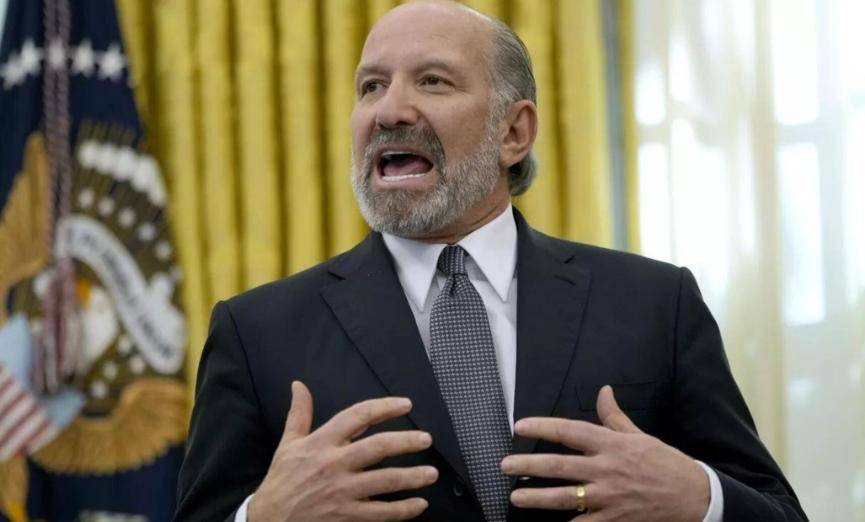
莫迪上合峰会强调战略自主,刚回国就受到坏消息,美国50%关税精准打击印度制造业
Sou Hu Cai Jing· 2025-09-04 17:23
Group 1 - The core issue is the significant increase in tariffs imposed by the US on Indian goods, raising from 25% to 50%, which has led to a 30% decrease in Indian exports to the US within five days [1][3][13] - The trade deficit between the US and India reached $45.7 billion in 2024, with high tariffs and non-tariff barriers from India causing frustration for US businesses [5][16] - India's reliance on the US market is highlighted, as exports to the US account for a significant portion of its trade, despite a decrease from 16.9% in 2018 to 11.3% in 2024 [16][18] Group 2 - The geopolitical implications of the tariff increase suggest that the US is pressuring India to choose sides between the US and China, with Trump aiming for a clear strategic alignment from India [7][9] - India's response to the tariff increase has been passive, with a lack of strong countermeasures, indicating a sense of vulnerability and uncertainty in its diplomatic stance [9][20] - The ongoing trade tensions and the potential for a downgrade in India's sovereign credit rating due to a widening trade deficit pose significant risks to India's economic strategy [18][40] Group 3 - The relationship between India and China is evolving, with India seeking to diversify its trade partnerships, but facing challenges in quickly mitigating losses from the US market [22][30] - China's approach to the US-India tensions has been characterized by restraint, indicating a strategic patience and a focus on maintaining its own interests without rushing to align with India [24][28] - The broader context of global multipolarity is emphasized, with India's situation reflecting the challenges faced by middle powers in navigating great power competition [34][46]
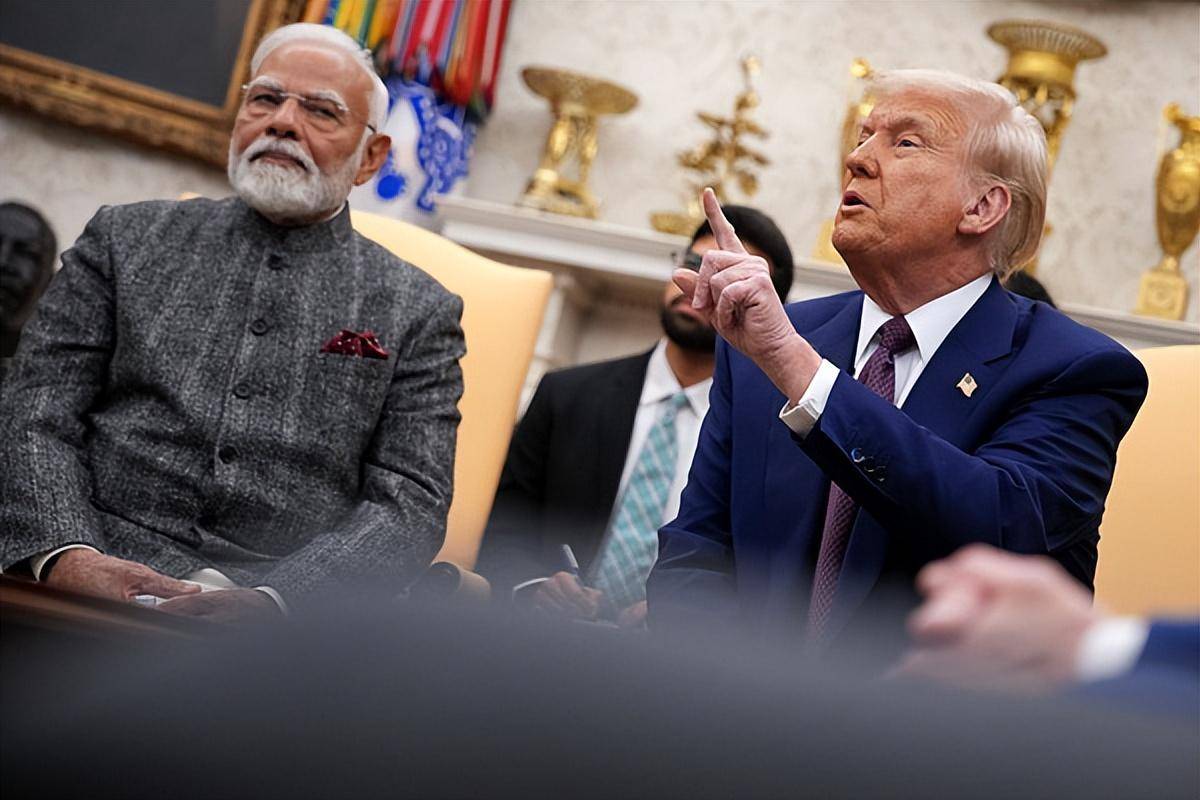
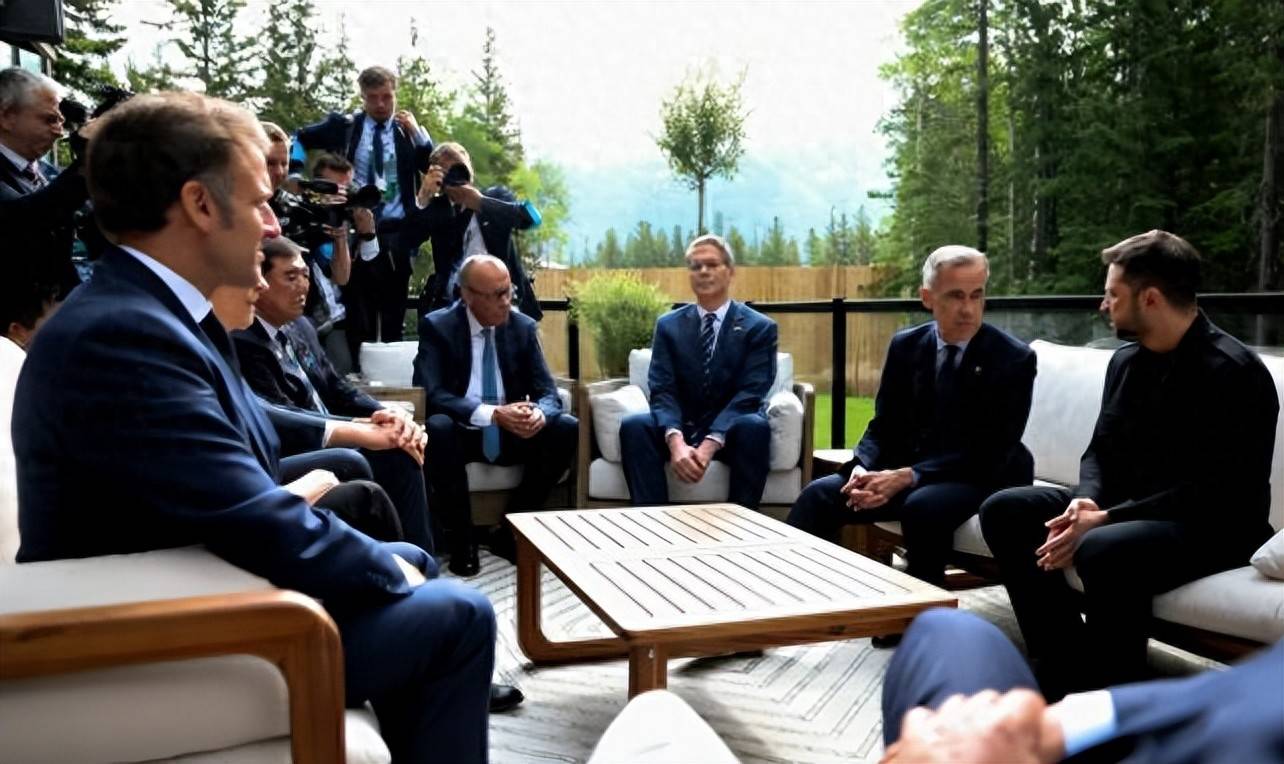
一听到要跟中国打关税战,欧洲各国领导人低头沉默了
Sou Hu Cai Jing· 2025-08-16 20:03
Group 1 - The G7 summit in June 2025 highlighted the economic tensions between the US and Europe, particularly regarding the proposed 200% tariffs on Chinese goods linked to Russian energy purchases, which left European leaders in silence due to their economic dependencies [1][3][5] - Europe’s economic reliance on China is significant, with trade volumes reaching $785.8 billion in 2024, making China a crucial market for major European economies like Germany, France, and Italy [3][5] - The proposed tariffs would severely impact European industries, particularly the German automotive sector, which relies heavily on Chinese sales, and the French luxury goods market, which is significantly dependent on Chinese consumers [5][11] Group 2 - The US has a history of exerting economic pressure on Europe, as seen in the 2025 tariff negotiations that resulted in a $1.3 trillion investment commitment from the EU and a $750 billion purchase of US energy, leading to a decline in trust among European nations [7][9] - European leaders are increasingly cautious of US unilateralism, with France and Germany expressing the need for Europe to maintain its independence and not become a pawn in US strategies [9][11] - In response to US pressures, Europe is strengthening ties with China, exemplified by a significant agreement on electric vehicle tariffs and ongoing high-level visits to enhance bilateral cooperation in various sectors [11][13] Group 3 - The silence from European leaders at the G7 summit signifies a rejection of US unilateralism and reflects a shift in the global economic landscape, where emerging economies are also moving towards a more multipolar approach [13][15] - The challenge for Europe lies in balancing its security reliance on the US with its economic ties to China, as any aggressive tariff actions from the US could provoke substantial retaliatory measures from Europe targeting key US industries [15]