宠物友好

Search documents
北交所消费服务产业跟踪第四十五期(20251228):宠物市场规模持续扩张,关注北交所路斯股份自主品牌发展和出口情况
Hua Yuan Zheng Quan· 2025-12-29 02:08
Investment Rating - The report indicates a focus on the pet market's continuous expansion and highlights the development of self-owned brands and export situations of the company listed on the Beijing Stock Exchange [1] Core Insights - The pet market in China is experiencing significant growth, with consumers shifting from "exquisite pet care" to a more advanced "scientific pet care" approach. The overall terminal sales in the pet market reached 108.5 billion yuan in the first three quarters of 2025, reflecting a year-on-year growth of 4.5% [2][7] - The report emphasizes the importance of online retail channels, which dominate pet product sales, accounting for 59% of the market share in 2025, while offline retail is recovering and contributing 41% [24] - The company listed on the Beijing Stock Exchange, Lusi Co., has launched a new brand "Miaoguan" focusing on high cost-performance products, while its main brand "Lusi" is innovating to upgrade to high-value-added product series [35] Summary by Sections Pet Market Expansion - The pet market is growing, with significant sales on platforms like Taobao and Douyin, where pet transaction volumes during the Double 11 shopping festival accounted for 64% of mainstream e-commerce [2][5] - The demographic of pet owners is shifting, with a notable increase in younger consumers aged 26-30, who now represent 32.7% of pet owners [17] Financial Overview - The median stock price change for consumer service stocks on the Beijing Stock Exchange was -2.97% during the week of December 22 to December 26, 2025, with 24% of companies experiencing an increase [37] - The median price-to-earnings ratio (P/E) for the consumer service sector decreased from 51.8X to 46.8X, indicating a shift in market valuation [39][41] Industry Valuation - The median TTM P/E ratio for the broader consumer sector is reported at 51.3X, down from 53.1X, reflecting a general decline in market valuations [47] - The food and beverage sector's median P/E ratio has also decreased from 53.4X to 49.7X, indicating a trend across various consumer industries [49] Company Announcements - Lusi Co. is focusing on enhancing its brand presence and product offerings, with a notable increase in export revenue by 19.25% year-on-year in the first half of 2025 [35] - Jinbo Biological announced a capital increase of 165 million yuan to support its subsidiary, indicating strategic growth initiatives within the company [55][57]
一群人一群狗一起玩:带宠物旅行,成了一门生意
Zhong Guo Qing Nian Bao· 2025-11-27 00:33
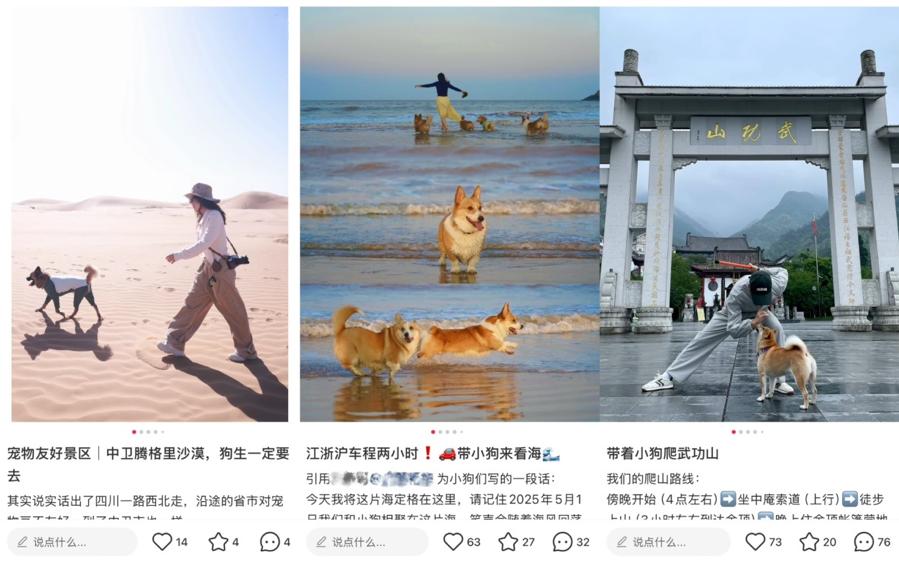
Core Insights - The pet travel market in China is experiencing significant growth, with a projected market size exceeding 300 billion yuan by 2024, driven by an increasing number of pet owners and their willingness to travel with pets [1][2][10] - Entrepreneurs are capitalizing on the demand for pet-friendly travel experiences, leading to the emergence of specialized travel agencies and services catering to pet owners [3][5][11] Market Overview - A report indicates that by 2024, over 18.7% of pet owners will spend on pet travel, highlighting a robust growth trend in the pet tourism sector [2] - The number of urban pets in China is expected to surpass 120 million by 2024, contributing to the expanding pet consumption market [1] Entrepreneurial Initiatives - Entrepreneurs like Meng Jin and Li Songtao have established businesses focused on organizing pet-friendly travel experiences, with Meng Jin founding "Aipet Travel" and Li Songtao starting "Shichong Ji" [1][3] - The concept of pet travel has evolved from niche to mainstream, with various travel agencies now offering tailored services for pet owners, including pet-friendly accommodations and activities [6][10] Service Development - The pet travel industry is developing specialized services, such as pet-friendly hotels and transportation options, to meet the unique needs of pet owners [5][6] - Companies are focusing on creating a comprehensive travel experience for pets, including safety measures, health monitoring, and specialized care during trips [8][10] Consumer Behavior - Pet owners prioritize their pets' happiness and safety over their own travel experiences, often choosing destinations and activities based on their pets' needs [7][10] - The willingness of pet owners to invest in travel experiences for their pets is driven by emotional value, leading to a demand for services that enhance the pet travel experience [7][11] Industry Challenges - As the pet travel market grows, it faces challenges such as managing pet-related disputes in tourism and ensuring adequate services for pets in various travel settings [11][12] - The industry is also adapting to the need for trained professionals who understand both pet care and customer service to enhance the travel experience [8][10]
年订单破10万、加价千元仍爆满,年轻人带“毛孩子”出游成风口
3 6 Ke· 2025-10-08 23:58
Core Insights - The article highlights the growing trend of pet-friendly accommodations and services in the hospitality industry, driven by the increasing number of pet owners who consider their pets as family members [6][12][30] Group 1: Pet-Friendly Accommodation Trends - The search volume for pet-friendly accommodations increased by approximately 60% in Q1 2024 compared to Q4 2023, with a 40% year-on-year growth in bookings for pet-friendly listings [3][4] - During the May Day holiday, searches for pet-friendly hotels surged by 150%, with bookings increasing by 30% [4] - In Moganshan, over 50% of the 800+ homestays have adopted pet-friendly policies, indicating a structural shift in the accommodation market [7][8] Group 2: Economic Impact of Pet-Friendly Services - The pet economy is expanding, with the market expected to reach 4.5 trillion yuan by 2025, reflecting a shift from basic needs to emotional consumption [22][30] - High-end hotel groups like Mandarin Oriental and W Hotels have been early adopters of pet-friendly services, enhancing their offerings to attract pet owners [8][10] - The rise of pet-friendly services is seen as a key strategy for hotels to differentiate themselves in a competitive market [14][21] Group 3: Consumer Demographics and Preferences - Young pet owners, particularly those born in the 90s and 00s, are becoming the primary consumers in the pet industry, showing a willingness to spend on quality and personalized services for their pets [11][12] - Female guests aged 25-35 are the dominant demographic among pet-friendly hotel customers, often being urban professionals willing to invest in their pets [10][12] Group 4: Additional Services and Costs - Pet-friendly accommodations incur additional costs related to cleaning, supplies, and facilities, which can be offset by the willingness of pet owners to pay for enhanced services [16][21] - Hotels often charge extra fees for pet stays, with some high-end hotels charging up to 816.2 yuan per pet per stay, reflecting the premium nature of these services [20][21] Group 5: Emerging Pet-Related Industries - The pet industry is diversifying, with growth in sectors such as pet photography, grooming, and even pet funerals, indicating a comprehensive service ecosystem around pet ownership [24][29] - The demand for pet social events and experiences is rising, with organized activities becoming popular among pet owners [29][30]

金店退租,商场欲引入宠物摄影店 一只猫卖5万8,毛孩子成了商场新流量密码?
Mei Ri Jing Ji Xin Wen· 2025-10-03 01:07
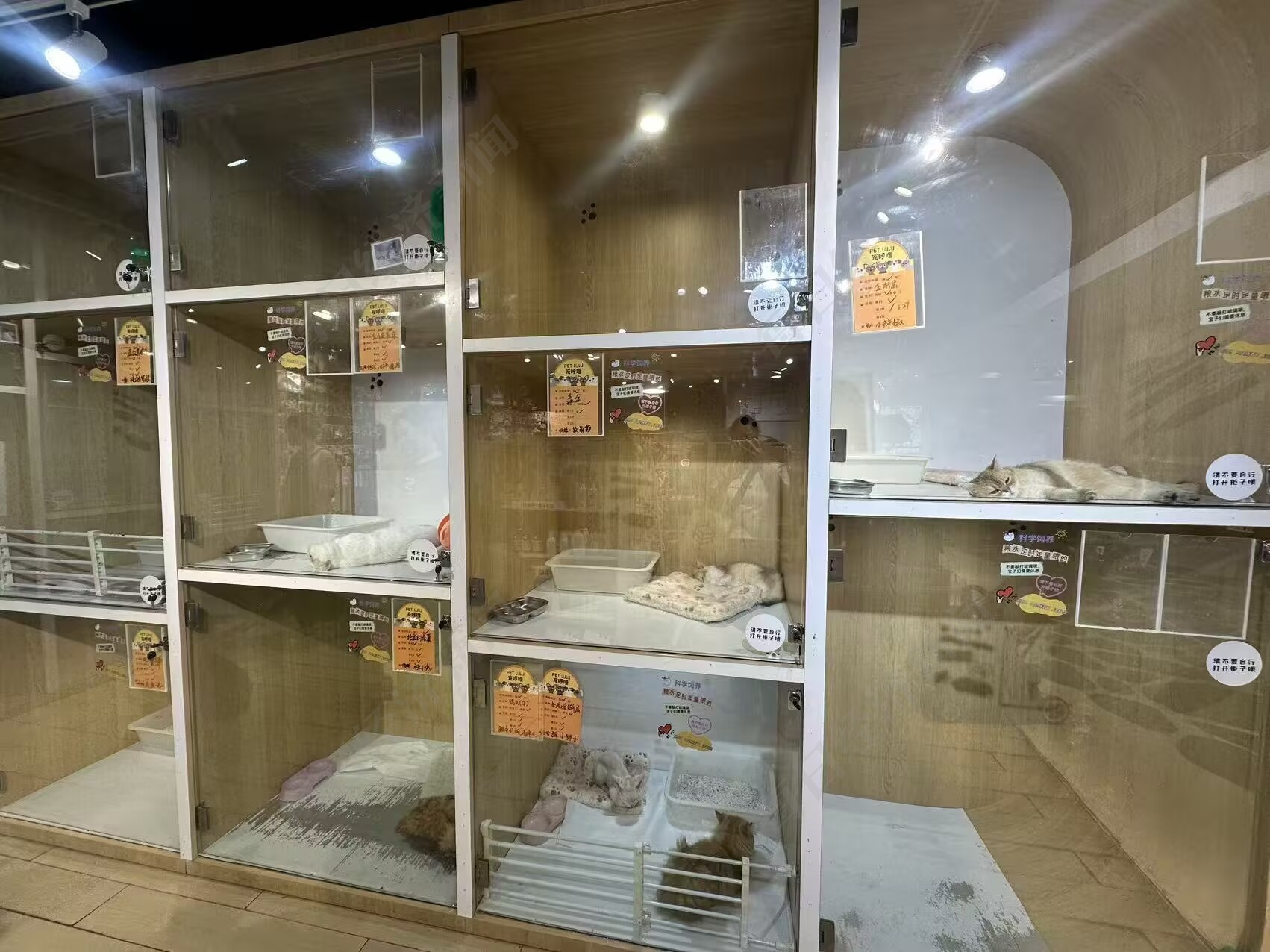
Core Insights - The pet industry is increasingly becoming a focal point for shopping malls in China, with a notable shift in attitude from passive acceptance to active integration of pet-related businesses into commercial planning [3][6][10] Industry Trends - The urban pet consumption market in China is projected to exceed 300 billion yuan in 2024 and is expected to surpass 400 billion yuan by 2027, with a growing proportion of young pet owners [3][4] - Shopping malls are actively seeking to attract consumers through pet-related offerings, which serve as a significant draw for both young and middle-aged demographics [3][4] Business Models - Pet stores that focus on live sales and services are finding more profitability compared to traditional retail models, with live sales being particularly lucrative due to higher profit margins [7][8] - The service segment of the pet industry is expected to grow, with a projected revenue of 154.38 billion yuan in 2024, reflecting a 6.59% increase year-on-year [7] Operational Challenges - The success of pet stores in malls is heavily dependent on location, foot traffic, and the operational capabilities of the mall itself, with some stores struggling to achieve profitability despite the influx of customers [5][9] - There is a need for effective planning and execution of mall events to genuinely attract foot traffic, as many current initiatives are perceived as ineffective [9] Consumer Behavior - Consumers are increasingly willing to spend on pet services, with grooming and care services often priced higher than pet products, indicating a shift in spending patterns [8][9] - The presence of pets in shopping environments is becoming more accepted, but there are still regulatory adjustments needed to fully accommodate pet owners in various commercial settings [10][11]
金店退租,商场欲引入宠物摄影店 一只猫卖5万8,毛孩子成了商场新流量密码?丨宠物经济④
Mei Ri Jing Ji Xin Wen· 2025-10-03 00:22
Core Insights - The pet industry is experiencing significant growth in China, with the urban pet consumption market expected to exceed 300 billion yuan in 2024 and surpass 400 billion yuan by 2027, driven by a growing young pet owner demographic [4][6][10] Group 1: Market Trends - Shopping malls are increasingly welcoming pet stores, with many actively seeking to incorporate pet-friendly spaces to attract younger and middle-aged consumers [4][6] - The shift in attitude from shopping malls towards pet businesses has become particularly evident in the last two years, with a notable increase in invitations for pet-related businesses to enter malls [4][6] - Pet stores are becoming a key strategy for shopping centers to drive foot traffic, similar to the appeal of the "二次元" (anime) culture [4][11] Group 2: Business Models - The pet retail landscape is evolving, with a focus on services rather than just product sales; the service sector is projected to grow, while product sales are declining [10][11] - Active sales of live pets are identified as a lucrative business model, with some stores achieving monthly sales of around 600,000 yuan [8][10] - Pet grooming and care services are becoming increasingly popular, often commanding higher prices than pet products, indicating a shift towards service-oriented revenue streams [10][11] Group 3: Operational Challenges - The success of pet stores in malls heavily relies on location, foot traffic, and the operational capabilities of the shopping centers [11][13] - Some pet store owners report challenges in profitability despite the influx of customers, highlighting the need for effective marketing and event planning by mall operators [11][13] - The balance between accommodating pet-friendly environments and maintaining consumer satisfaction is crucial for the sustainable growth of the pet-friendly concept in commercial spaces [13]
又一商场开业!打造差异化优势,广州商圈正从单核迈向多核
Nan Fang Du Shi Bao· 2025-10-01 14:53
Core Insights - The article discusses the recent developments in Guangzhou's commercial landscape, highlighting the opening of new shopping centers and the shift from a "single-core" to a "multi-core" commercial system [1][4][7] - The Guangzhou government has introduced policies aimed at enhancing the quality and infrastructure of commercial areas, with a target of increasing commercial space by over 1 million square meters by 2025 [2][4] - New shopping centers like K11 and the upcoming Tianhuan Guangzhou South are part of a broader strategy to diversify commercial offerings and attract international brands [1][2][7] Current Situation - The Guangzhou commercial sector is experiencing rapid development, with multiple shopping districts being revitalized and new projects underway [1][2] - The "5+2+4" commercial system aims to create a balanced and functional network of shopping areas by 2035, indicating a strategic shift in urban planning [2][4] - Existing commercial spaces are undergoing upgrades to enhance their appeal, with a focus on community-centric designs and the introduction of new brands [2][4] Policy Support - Government policies are playing a crucial role in guiding the development of commercial projects, with a focus on enhancing the overall commercial environment [4][5] - The average timeline for project completion has been reduced from 4-5 years to 2-3 years, reflecting the effectiveness of these policies [4] - The emphasis on smart upgrades and the introduction of flagship stores is reshaping the commercial landscape in Guangzhou [4][5] Challenges and Opportunities - Despite the positive trends, the dominance of the Tianhe Road commercial area continues to impact the growth of emerging districts, as many international brands still prefer this location [7][10] - The supply of high-quality commercial spaces in Guangzhou is still lagging behind other major cities, indicating significant room for growth [7][10] - New commercial areas must address challenges such as transportation connectivity, brand introduction, and the integration of diverse business models to attract consumers [10][12] Differentiation Strategies - Emerging shopping centers are focusing on unique concepts such as pet-friendly environments and experiential retail to differentiate themselves from established areas [10][12] - The future of commercial competition is expected to revolve around emotional value and customer experience rather than just product offerings [12][13] - A multi-faceted approach that includes digitalization, community engagement, and sustainability is essential for new commercial areas to thrive [13]

国庆假期,它去哪儿?
3 6 Ke· 2025-09-30 10:13
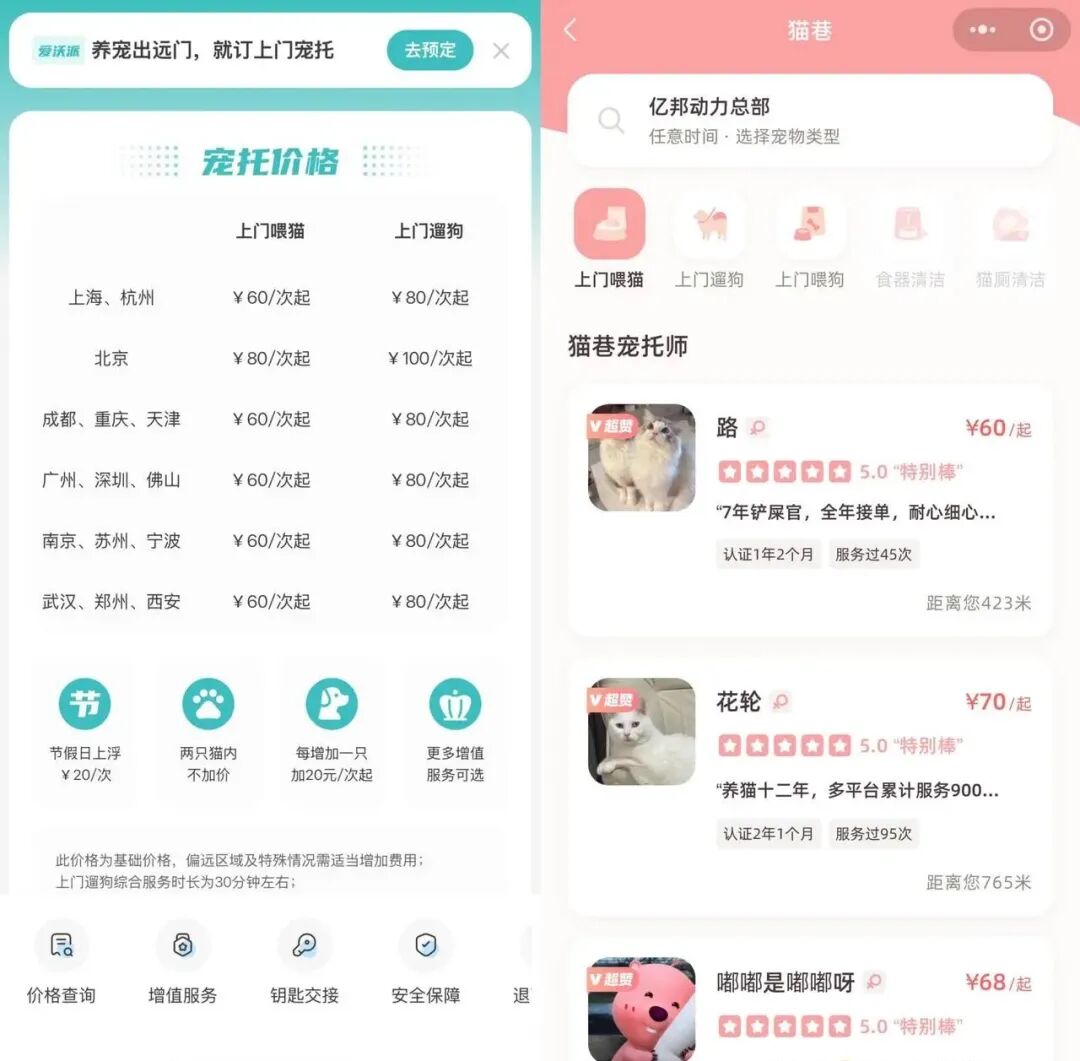
Core Insights - The traditional pet boarding model is being challenged as pet owners increasingly view their pets as family members, leading to a demand for higher-quality pet care services [1][3][4] - The rise of on-demand pet care services, such as home feeding and pet-friendly travel options, reflects a shift in consumer preferences towards personalized and quality services [1][5][8] Pet Care Services - Many pet owners are opting for home feeding services instead of traditional boarding due to concerns about the quality of care and the environment in boarding facilities [3][4] - The market for home pet care services is growing, with platforms like Aiwopai and Cat Alley offering various packages during peak seasons like National Day [5][7] - The pricing for home feeding services varies, with costs ranging from 40 to 100 yuan per visit depending on the service and location [5] Pet-Friendly Trends - The concept of "pet-friendly" is becoming a new consumer trend, with more businesses catering to pet owners by allowing pets in their establishments [8][9] - Pet-friendly hotels are increasingly popular, with a nearly 20% year-on-year increase in the number of such hotels listed on major booking platforms [8][9] - Travel agencies are also creating pet-friendly travel packages, allowing pet owners to travel with their pets while ensuring their care and safety [11] Market Growth and Dynamics - The Chinese pet industry is experiencing rapid growth, with the number of pet-related businesses increasing from 380,000 in 2019 to nearly 4 million in 2025 [14] - The market for pet products and services is projected to exceed 400 billion yuan by 2027, with pet food accounting for over 40% of the market share [14] - The demand for quality and personalized pet care is driving innovation and competition within the industry, leading to a diversification of services offered [14][17] Challenges and Issues - The pet care industry faces challenges such as product standardization, quality control, and consumer trust due to issues like misleading marketing and inconsistent product quality [17][19] - There is a growing need for regulatory frameworks and quality standards to address these challenges and rebuild consumer confidence in pet products and services [19]
海底捞允许宠物上桌 “它经济”真的来了?
3 6 Ke· 2025-09-30 01:39
Core Viewpoint - The opening of the first pet-friendly themed restaurant by Haidilao in Shenzhen marks a significant shift in the dining experience for pet owners, reflecting a growing market trend towards accommodating pets in various service sectors [1][3]. Group 1: Pet-Friendly Restaurant Features - The restaurant is divided into large pet areas, small pet areas, and regular customer areas, with additional facilities for pet grooming and photography [1]. - A dedicated pet menu is offered, featuring snacks, cakes, and various dishes priced around 20 to 30 yuan, without increasing the prices of regular menu items [2]. - Staff training includes knowledge about pet dietary restrictions, enhancing customer satisfaction through attentive service [1][2]. Group 2: Market Trends and Growth - The pet-related business market in China has grown from 97.8 billion yuan in 2015 to 592.8 billion yuan in 2023, with projections of reaching 811.4 billion yuan by 2025, driven by young consumers who view pets as family [3]. - The rise of "pet-friendly" dining options is part of a broader trend where pet ownership is increasingly integrated into lifestyle choices, leading to diverse service demands [3]. Group 3: Competitive Landscape - Other brands, such as Starbucks and Manner, have also launched pet-friendly locations, indicating a competitive trend in the food and beverage industry [4]. - Haidilao's strategy includes diversifying its offerings with themed restaurants, such as night snack venues and family-friendly dining, to differentiate itself in a challenging market [4]. Group 4: Financial Performance - In the first half of 2025, Haidilao reported revenues of 20.703 billion yuan, a decrease of 3.7% year-on-year, and a net profit of 1.755 billion yuan, down 13.7%, attributed to initial adjustments in service models [4]. - However, revenue from "other restaurant operations" surged from 182 million yuan to 597 million yuan, reflecting the success of new brands and themed restaurants [4]. Group 5: Consumer Sentiment and Feedback - Consumers generally view the pet-friendly restaurant concept positively, with many prioritizing pet accommodation over taste and price when choosing dining options [5][6]. - Some concerns have been raised regarding cleanliness and service during peak hours, suggesting a need for better management of pet areas and clearer communication about pet menu items [5][6]. Group 6: Future Outlook - Haidilao plans to continue expanding its themed restaurant offerings, recognizing that while these may not drive immediate profits, they enhance brand visibility and differentiation in a saturated market [6].

携宠出行的甜蜜与烦恼
Ren Min Ri Bao Hai Wai Ban· 2025-08-03 22:46
Core Viewpoint - The increasing trend of pet-friendly travel reflects a growing societal demand for emotional connections with pets, transforming them into family members rather than mere animals [10]. Group 1: Industry Developments - Starting from April 8, 2023, the railway department initiated a pilot program for pet transportation services on certain high-speed trains, which was expanded on June 20, 2023 [6][8]. - The pet travel service market has surpassed 32 billion yuan in 2024, with an annual compound growth rate of approximately 10% [10]. - Various airlines, including Hainan Airlines and Capital Airlines, have introduced pet cabin services, catering to the needs of pet owners [8]. Group 2: Consumer Experience - Pet owners have reported positive experiences with the new pet transportation services, highlighting the convenience and clarity of the process [7]. - However, there are complaints regarding misleading "pet-friendly" designations in accommodations and restaurants, leading to unexpected restrictions and additional fees [11][12]. - The demand for pet-friendly accommodations has surged, with a reported 80% increase in bookings for pet-friendly listings during the May Day holiday [9]. Group 3: Regulatory and Social Challenges - The current lack of unified regulations and clear responsibilities among local authorities complicates the management of pet-friendly spaces [12][13]. - There is a need for improved legal frameworks to define the rights and responsibilities of pet owners and businesses, ensuring a balanced approach to pet-friendly services [13][14]. - The industry calls for a more transparent certification system for pet-friendly services, which would clarify conditions, service offerings, and associated costs [13].

“宠物友好”如何让人宠两安
Bei Jing Wan Bao· 2025-08-01 08:45
Core Viewpoint - The rise of pet-friendly establishments in urban areas reflects a growing trend where pets are considered family members, leading to the development of various social spaces that accommodate both pet owners and non-pet owners [12][15]. Group 1: Hotels - The Citic Jinling Hotel in Pinggu has established a "pet-friendly" feature, allowing guests to bring their pets for a fee, which includes a pet care package [10][12]. - The hotel offers 24 pet-friendly rooms located on a dedicated floor, equipped with pet amenities such as food bowls and sleeping mats, and features a separate pet elevator [12][14]. - The hotel has implemented a standardized service process for pet owners, ensuring a seamless experience from check-in to check-out [14]. Group 2: Shopping Malls - Wanda Plaza in Dongba has become popular among pet owners since its opening two years ago, providing amenities like pet strollers and designated pet areas [15][16]. - The mall has established a "Pet-Friendly Agreement" outlining rules for pet owners, including age restrictions and health requirements for pets [15][16]. - Approximately 10% of the 200 dining establishments in the mall are pet-friendly, allowing pets to dine with their owners [16]. Group 3: Restaurants - Pet-friendly restaurants vary in their policies, with some allowing pets to sit at tables while others require them to remain in strollers [17][18]. - One restaurant has introduced disposable pet dining ware and conducts thorough cleaning after pets leave to maintain hygiene [18]. - The trend of pet-friendly dining is growing, with establishments like cinemas and boats offering special services for pets [18].