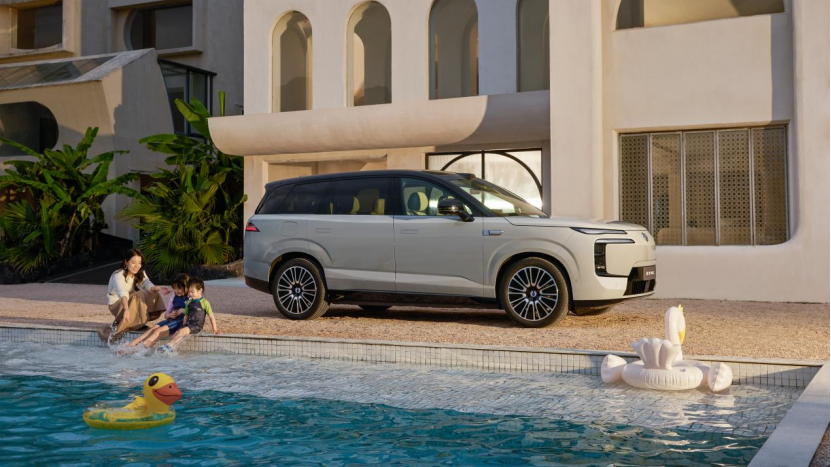
新能源汽车安全

Search documents
中国汽研汽车安全技术中心标准质量负责人任洪涛:安全驾驶是规避风险最有效手段
Xin Hua Cai Jing· 2025-12-29 12:13
Core Viewpoint - The future of electric vehicle safety will achieve a full-chain upgrade through "pre-prediction + in-process intervention + post-tracing," utilizing solid-state batteries and intelligent driving technology to create a collaborative safety system involving "vehicle-road-cloud-people" [1][2] Group 1: Safety Technology Development - Recent advancements in automotive safety technology include self-healing solid-state batteries and the integration of active and passive intelligent driving systems, which enhance road safety [1] - The increasing adoption of intelligent door systems, particularly fully concealed door handles, is projected to exceed 10 million vehicles equipped with such features by the end of 2024 [1] Group 2: Safety Standards and Regulations - The "Automotive Door Handle Safety Technical Requirements" aims to promote rapid yet stable technological advancements while mitigating potential risks, emphasizing the need for thorough testing of electronic unlocking systems [2] - A complete safety standard chain has been established, covering "occupant survival - rapid escape - external rescue - risk isolation," providing systematic protection for road vehicles [2] - The core framework for new energy vehicle safety standards includes requirements for collision safety, overall vehicle safety, and battery safety, serving as a crucial basis for industry technological upgrades and consumer safety [2] Group 3: Future Safety Initiatives - Future initiatives will focus on four areas: basic general standards, collision safety and occupant protection, accident analysis and rescue, and safety foresight, aiming to enhance the national standard system in the collision field during the 14th Five-Year Plan period [2] - Innovations in power batteries, such as solid-state batteries and self-healing technologies, will significantly improve risks related to thermal runaway, charging safety, and collision damage [2] - Redundant architectures and collaborative defense strategies in intelligent driving will greatly enhance assisted driving capabilities, effectively reducing collision risks and lowering accident speeds [2]

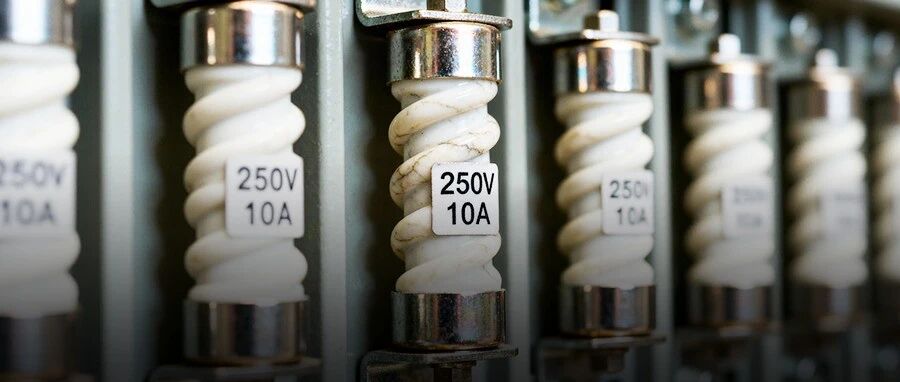
一颗激励熔断器,成就“全球唯二”
市值风云· 2025-12-05 10:04
Core Viewpoint - The article highlights the significant growth in profits for the company in the first three quarters, indicating a doubling of profits, which reflects strong performance in the electric vehicle sector [1]. Group 1 - The electric vehicle industry is characterized by advanced safety features, with high-end electric cars containing numerous safety components that play a crucial role in preventing catastrophic failures [3]. - Fuses are identified as essential safety devices within the electrical systems of electric vehicles, acting as a protective measure by sacrificing themselves to cut off the circuit during abnormal current situations [3].

【行业政策】一周要闻回顾(2025年11月17日-11月23日)
乘联分会· 2025-11-24 12:50
Group 1: Electric Vehicle Battery Management System Standards - The National Technical Committee for Automotive Standardization has released a draft for the recommended national standard on "Functional Safety Requirements and Testing Methods for Battery Management Systems in Electric Vehicles" [3][4][5] - The draft includes sections on scope, normative references, terminology, general requirements, hazard analysis, risk assessment, functional safety requirements, and testing methods [4][5] - This standard aims to enhance the safety and technological advancement of battery management systems in electric vehicles, particularly lithium-ion systems [5] Group 2: Automotive Cable Standards - The National Technical Committee for Automotive Standardization has published drafts for two recommended national standards regarding automotive cables, focusing on coaxial RF cables and unshielded twisted pair cables [9][10][12] - The standards are designed to meet the increasing demand for high-frequency signal transmission in modern vehicles, which is essential for advanced driver assistance systems and in-car entertainment [11][14] - The transition of international standards (ISO 19642-11 and ISO 19642-12) into national standards will facilitate compliance with international market requirements and enhance the competitiveness of domestic automotive cable products [11][14] Group 3: Natural Gas Vehicle Fuel Consumption Testing Standards - A draft for the recommended national standard on "Testing Methods for Fuel Consumption of Natural Gas Vehicles" has been released, covering various types of natural gas vehicles [16][17] - The new standard aims to address the evolving market structure, including the rise of liquefied natural gas (LNG) vehicles, and to update testing methods in line with recent standards [17][18] - This initiative is expected to promote the development and production of natural gas vehicles, supporting sustainable automotive industry growth and contributing to national carbon reduction goals [18]
深蓝汽车邓承浩:年轻人第一台车“安全比速度更重要”
Zhong Guo Jing Ying Bao· 2025-11-19 05:42
Group 1 - The core viewpoint of the news is the launch of the new model Deep Blue L06 by Deep Blue Automotive, emphasizing its features in chassis, intelligent driving, and power systems [1][2] - The Deep Blue L06 is priced between 134,900 and 156,900 yuan, offering four configurations [1] - The vehicle features a magnetic suspension system similar to that used in supercars, enhancing stability and comfort across various road conditions [1] Group 2 - The intelligent cockpit of the L06 is powered by the MediaTek Dimensity S1 Ultra chip, which utilizes a 3nm process for improved computing power and system fluidity [1] - The new model is equipped with the latest generation of LiDAR and two Horizon J6M chips, providing a total computing power of 256 TOPS, supporting 90 driving assistance functions [1] - The L06 offers a single motor rear-wheel drive electric solution with two lithium iron phosphate battery options, providing CLTC ranges of 560 km and 670 km [1] Group 3 - Deep Blue Automotive's chairman emphasized the importance of safety for young consumers, stating that safety is more important than speed for their first car [2] - The emphasis on safety is seen as a response to recent industry safety controversies, reflecting a shift in focus from performance to safety in the narrative of automotive companies [2] - The launch of the L06 and the chairman's statements address public concerns regarding the safety of new energy vehicles [2]
腾讯三季度营收增长15%,瑞幸咖啡筹备重启美股上市 | 财经日日评
吴晓波频道· 2025-11-14 00:29
Group 1 - The article discusses the new national standard for vehicle safety, which includes a requirement for passenger cars to have a default acceleration time of no less than 5 seconds per 100 kilometers after ignition [2][3] - The standard aims to enhance safety measures in the rapidly evolving electric vehicle market, reflecting a shift from reactive to proactive regulation [3] - The implementation of this standard is expected to take place six months after the public consultation period ends, replacing the current GB 7258 standard [2] Group 2 - Seventeen major automotive brands have introduced tax subsidy plans to cover the vehicle purchase tax for consumers who place orders before the end of the year, as the full exemption on purchase tax for new energy vehicles will end in 2025 [4][5] - The government has announced that from January 1, 2024, to December 31, 2025, new energy vehicles will continue to be exempt from purchase tax, with a maximum exemption of 30,000 yuan per vehicle [4] - As the purchase tax incentives decline, automotive companies are under pressure to maintain sales, leading to a more rational competitive environment in the industry [5] Group 3 - A city commercial bank in Shenzhen has reduced its mortgage loan interest rate to a record low of 2.22%, which is currently the lowest in the Shenzhen market [6] - The competitive landscape among banks in Shenzhen has intensified, with various institutions offering lower rates to attract more loan customers [6][7] - The overall demand for loans has decreased due to slow recovery in manufacturing profits and consumer spending, leading to a decline in new loan growth [7] Group 4 - Tencent reported a 15% year-on-year increase in revenue for Q3, reaching 192.87 billion yuan, with significant contributions from its gaming and financial technology sectors [8] - The company’s R&D expenditure hit a record high of 22.82 billion yuan, reflecting its commitment to innovation, particularly in AI [8] - Tencent's performance exceeded market expectations, driven by strong growth in its core gaming business and an uptick in demand for financial technology services [8] Group 5 - Luckin Coffee is preparing to relaunch its listing in the U.S., aiming to enhance its brand influence and market competitiveness [9] - The company has surpassed Starbucks to become the largest coffee retailer in China and is expanding its presence in the U.S. market [9] - Despite past financial scandals, Luckin has focused on profitability and operational efficiency under new management [9] Group 6 - OpenAI has released GPT-5.1, which includes two versions aimed at improving user interaction through more natural communication and enhanced task handling capabilities [10][11] - The update addresses previous user feedback regarding the emotional tone of responses, aiming to balance intelligence and user satisfaction [10][11] - The introduction of a commercial world model by AI expert Fei-Fei Li is expected to revolutionize 3D content creation across various industries [12][13] Group 7 - The stock market experienced a rally, with the Shanghai Composite Index reaching a ten-year high, driven by strong performance in the lithium battery and consumer sectors [14][15] - The market's overall trading volume increased significantly, indicating heightened investor activity [14] - Despite the index's rise, the article suggests that structural market dynamics may remain unchanged, with a trend towards index-based investing becoming more prevalent [15]


新能源汽车起火事故,为何常被置于“放大镜”下审视?
Jing Ji Ri Bao· 2025-11-01 10:05
Core Viewpoint - Recent incidents of electric vehicle fires have heightened public concerns regarding the safety of new energy vehicles, despite data indicating that the fire probability is comparable to traditional fuel vehicles [1][3]. Group 1: Current Situation of New Energy Vehicles - New energy vehicles are a key direction for the global automotive industry's transformation and green development, contributing significantly to high-quality economic growth in China [3]. - The safety incidents of new energy vehicles primarily occur during charging, driving, collisions, immersion, and parking, with battery thermal runaway being the root cause [3][4]. Group 2: Battery Management and Quality Control - Effective management of battery thermal runaway is crucial, necessitating enhanced quality awareness across the supply chain, including vehicle manufacturers and battery producers [4]. - The current national standards for new energy vehicle batteries are outdated, with the last version released in 2020, which does not adequately address safety concerns under extreme conditions [5]. Group 3: Regulatory and Safety Standards - The Ministry of Industry and Information Technology has revised mandatory standards for electric vehicle batteries, introducing new testing requirements to improve safety levels [5]. - Safety regulation should encompass not only product quality but also ongoing monitoring and public education regarding safe usage and maintenance of electric vehicles [6].
【忠阳车评】给新能源汽车系上安全带
Jing Ji Ri Bao· 2025-10-31 22:36
Core Insights - Recent incidents of electric vehicle fires in China have heightened public concerns regarding the safety of new energy vehicles (NEVs) [1] - The probability of fire in NEVs is comparable to traditional fuel vehicles, but NEVs receive more scrutiny due to their rapid fire spread and higher intensity [1] - The development of NEVs is crucial for the global automotive industry's transformation and China's high-quality economic growth [1] Group 1: Safety Incidents and Causes - Major scenarios for NEV fire incidents include charging, driving, collision, submersion, and parking [2] - The root cause of these incidents is often thermal runaway in the battery, which can occur due to factors like battery membrane rupture from collisions or overcharging [2] - Effective management of battery thermal runaway is essential for improving NEV safety [2] Group 2: Standards and Regulations - Current national standards for NEV batteries are outdated, with the last version released in 2020, which inadequately addresses safety in extreme conditions [3] - The revised mandatory standard GB38031-2025 introduces stricter requirements for battery safety, including new testing scenarios and improved thermal runaway response [3] - The new standards will compel manufacturers to enhance their technology and safety measures across the entire production process [3] Group 3: Regulatory Oversight and Education - NEV safety encompasses not only product quality and standards but also regulatory oversight during usage [4] - Government agencies need to implement regular safety checks on existing NEVs and enhance public knowledge about safety [4] - Comprehensive training for maintenance personnel is also necessary to ensure safety in the NEV sector [4]
给新能源汽车系上安全带
Jing Ji Ri Bao· 2025-10-31 22:09
Core Viewpoint - Recent incidents of electric vehicle fires have heightened public concerns regarding the safety of new energy vehicles, despite data indicating that the fire probability is comparable to traditional fuel vehicles [1][2] Group 1: Current Safety Concerns - The main scenarios for electric vehicle fire incidents include charging self-ignition, driving self-ignition, collision self-ignition, immersion self-ignition, and parking self-ignition [2] - The root cause of these safety incidents is often thermal runaway of the power battery, which can occur due to battery membrane rupture from collisions or overcharging/over-discharging [2] Group 2: Quality and Standards - The current national standards for power batteries in new energy vehicles are outdated, having last been updated in 2020, and do not adequately address safety under extreme conditions [3] - The revised mandatory standard GB38031-2025 introduces new testing requirements, including bottom impact tests and safety assessments after fast charging, which will compel companies to enhance their technology and safety measures [3] Group 3: Regulatory and Training Aspects - Safety in the new energy vehicle sector also involves regulatory oversight during the usage phase, requiring government agencies to implement regular safety checks on vehicles already on the market [4] - There is a need for public education on safety and professional training for maintenance personnel to ensure comprehensive safety management in the industry [4]
连滚带爬逃生,汽车安全底线检验营销成色
Di Yi Cai Jing· 2025-10-30 14:08
Core Viewpoint - The recent incident involving the Ideal MEGA electric vehicle, which caught fire within ten seconds while driving, raises significant concerns about the safety and accountability of electric vehicles, particularly those marketed as having the highest safety standards [1][3]. Group 1: Incident Details - A fire occurred in a moving Ideal MEGA vehicle in Shanghai, resulting in the car being completely consumed by flames within ten seconds, despite claims of superior safety features [1]. - The vehicle did not experience a collision prior to the fire, which has led to heightened public scrutiny regarding the cause and whether any warning systems were in place [1]. - The driver and passengers managed to escape without injury, but the incident has caused panic among other MEGA owners, prompting them to test escape routes [1]. Group 2: Company Response and Public Perception - Ideal Automotive's response to the incident has focused on the successful escape of passengers and cooperation with investigations, but has not addressed the underlying safety concerns raised by the public [1][3]. - The lack of timely and transparent communication from the company has contributed to a growing trust crisis among consumers [1][3]. Group 3: Safety Standards and Regulations - Current national standards require electric vehicle batteries to provide a warning signal five minutes before a thermal runaway occurs, with new regulations set to take effect in July 2026 that mandate a two-hour observation period without fire or explosion [2]. - Ideal MEGA, which is priced over 500,000 yuan, was marketed with claims of exceeding national safety standards and featuring the newly developed Kirin 5C battery, which underwent extensive safety testing [2]. Group 4: Industry Implications - The incident highlights the need for the automotive industry to prioritize safety over competitive features such as range and charging speed, as repeated accidents signal a critical need for improved safety measures [3]. - Regulatory bodies are emphasizing the importance of enhancing oversight and accountability within the electric vehicle sector, urging companies to embed safety principles throughout their development processes [4].

腾势N8L以29.98万元起上市 多车企在大六座SUV30万价格带激烈竞逐
Zheng Quan Shi Bao Wang· 2025-10-29 01:31
Core Insights - The Tengshi N8L, a luxury six-seater SUV, has been officially launched with a price range of 299,800 to 329,800 yuan, intensifying competition in the 300,000 yuan price segment [1][3] - The vehicle is positioned as a strategic model within the Tengshi brand's luxury product matrix, featuring six core technologies aimed at redefining luxury standards in family vehicles [1][3] Product Features - The Tengshi N8L boasts dimensions of 5200mm in length, 1999mm in width, and 1820mm in height, making it the largest in the "new energy 8 series luxury SUV" category, with a spacious interior area of 6.11 square meters [3][4] - It is equipped with a dedicated hybrid blade battery, offering a pure electric range of 230 km and a comprehensive range of 1300 km, ensuring a robust driving experience regardless of battery status [4] - The vehicle features advanced safety measures, including high-speed maneuverability tests and a comprehensive monitoring system, positioning it as a "safety king" in the new energy vehicle sector [4] Market Dynamics - The demand for large three-row vehicles is increasing due to changing family structures, with projected sales of over 511,000 units for "5326" SUVs in 2024, reflecting a year-on-year growth of 34.2% [5] - The market is characterized by a dominance of domestic brands, with their market share rising from 29.1% to 80.1%, indicating a shift towards a competitive landscape featuring multiple technological routes [5]