楼市政策调整

Search documents
深圳楼市新政显效!上周末二手房新房成交双涨,罗湖宝安热度飙升
Sou Hu Cai Jing· 2025-09-10 11:09
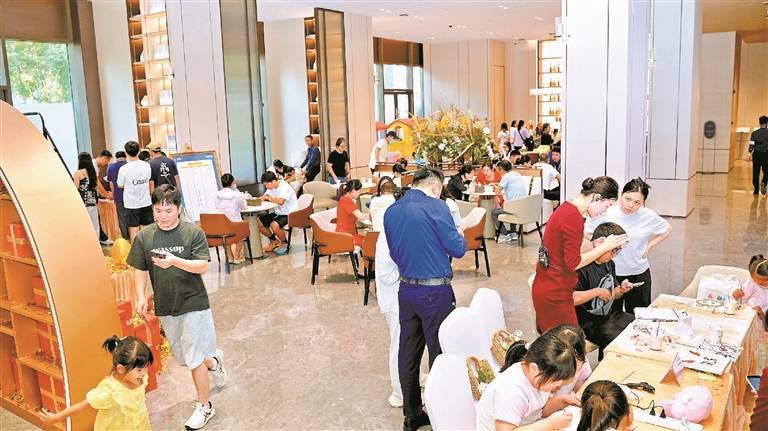
Core Insights - Shenzhen's real estate market has responded positively and swiftly to the new policy, with significant increases in both second-hand and new home transaction volumes during the first weekend after implementation [1][3]. Group 1: Second-hand Market Performance - During the first weekend post-policy, the signing volume at Beike's partner stores for second-hand homes increased by 33% compared to August and by 60% compared to July [3]. - The policy has encouraged previously hesitant buyers to make purchasing decisions, leading to a rapid increase in transaction volumes [3]. - The viewing volume for second-hand homes at Le You Jia's stores rose by 12%, with the highest increase in the Luohu district at 43% [4]. Group 2: New Home Market Activity - New home purchases at Beike's partner stores saw a 40% increase compared to the average for the weekend in August and a 50% increase compared to July [3]. - The rise in new home market activity is attributed to both policy stimulation and developers increasing their sales efforts and promotional strategies [3]. Group 3: Regional Transaction Data - Luohu and Bao'an districts emerged as the main transaction areas following the new policy, with Luohu's second-hand home signing volume doubling (100% increase) compared to the previous weekend, and Bao'an showing a 69% increase [3]. - Luohu's appeal is driven by its established commercial infrastructure and quality educational resources, while Bao'an attracts younger buyers due to its industrial concentration and transportation convenience [3]. Group 4: Market Confidence and Demand - The new policy effectively addresses market demand by relaxing purchase restrictions and optimizing credit, thereby lowering entry barriers for new citizens and young buyers [4]. - The restoration of market confidence has led to a concentrated release of existing demand, resulting in a balanced supply and demand situation [4]. - The ongoing effects of the policy are expected to maintain a phase of active engagement in Shenzhen's real estate market [4].


内房股早集体走高 深圳出台楼市新政提振需求 机构称政策力度大于北京上海
Zhi Tong Cai Jing· 2025-09-08 02:17
Group 1 - The core point of the article highlights a significant rise in the stock prices of Chinese real estate companies following the announcement of new housing policies in Shenzhen, which are more lenient compared to previous policies in Beijing and Shanghai [1] - Country Garden (碧桂园) saw a stock increase of 10.42%, trading at HKD 0.53, while other companies like CIFI Holdings (旭辉控股) and Vanke (万科企业) also experienced notable gains [1] - The new policy in Shenzhen, effective from September 5, includes a substantial relaxation of purchase restrictions in non-core areas and eliminates the differentiation in mortgage rates between first and second homes [1] Group 2 - According to CITIC Securities, the new housing policy in Shenzhen is expected to stimulate demand for multiple home purchases in peripheral areas, indicating a broader trend among major cities to enhance real estate market activity [1] - The adjustments in Shenzhen's housing policies are seen as more extensive than those implemented in Beijing and Shanghai in August, suggesting a proactive approach to revitalize the real estate market [1] - Overall improvement in real estate sales performance is anticipated, contingent upon the effective implementation of policies related to inventory housing acquisition and urban village renovations, which could enhance supply-demand dynamics [1]


一线城市相继调整楼市政策,折射行业新基调和市场新趋势
Nan Fang Du Shi Bao· 2025-09-06 23:07
Core Viewpoint - Major cities like Beijing, Shanghai, and Shenzhen have adjusted housing market policies since August, primarily by relaxing purchase restrictions for local residents and non-residents, aiming to stabilize the housing market and attract more buyers [1][2][3] Policy Adjustments - Shenzhen has significantly narrowed the scope of purchase restrictions, allowing local residents to buy unlimited properties in non-restricted areas and easing conditions for non-residents who have paid social insurance or taxes for over a year [1][2] - The new policy in Shenzhen also removes restrictions on single individuals, allowing them to purchase properties under the same conditions as families, which marks a historic relaxation of previous rules [1][2] Market Conditions - The housing market in Shenzhen has faced a prolonged decline, with prices dropping approximately 40%-50% from peak levels over the past four years, and a recent 0.9% decrease noted in July [2][3] - The city has not ranked among the top 20 in land sales this year, indicating a significant drop in land supply and investment compared to other major cities [2] Economic Implications - The policy changes are expected to attract more external buyers, enhancing population concentration and economic stability in Shenzhen, which is crucial for the city's role in the Greater Bay Area [3] - The adjustments aim to stabilize the core cities' housing markets, which are vital for the overall economic cycle and resource exchange within urban areas [3]
深圳出台楼市新政
财联社· 2025-09-05 15:40
Core Viewpoint - The Shenzhen government has announced new policies to optimize and adjust real estate regulations to better meet residents' housing needs and promote a stable and healthy real estate market. Group 1: Residential Purchase Policy Adjustments - Residents eligible to purchase commercial housing in specified districts (including local and certain non-local residents) can buy an unlimited number of properties in designated areas [1] - Non-local residents who cannot provide proof of continuous social insurance or income tax payments for at least one year are limited to purchasing two properties in the specified districts [1] - There will be no qualification review for purchasing commercial housing in Yantian District and Dapeng New District [2] - Single adults will be subject to the same purchasing limits as resident families [3] Group 2: Corporate Purchase Policy Adjustments - Enterprises can purchase commercial housing within the city to address employee housing needs, with specific conditions for purchases in certain districts [4] - In districts like Futian, Nanshan, and Bao'an (Xin'an Street), companies must meet criteria such as being established for over one year, having paid at least 1 million RMB in taxes, and employing at least 10 staff members [4] - No qualification review is required for purchasing in other areas of the city [4] Group 3: Personal Housing Credit Policy Optimization - Financial institutions will no longer differentiate between first and second home loans in terms of interest rate pricing, allowing for more flexible loan terms based on market conditions and individual risk profiles [5] Implementation Date - The new policies will take effect on September 6, 2025 [6]

2025年9月楼市政策巨变:首付利率双降,购房良机真的来了吗?
Sou Hu Cai Jing· 2025-09-03 09:20
Core Insights - The recent policy changes in the real estate market, including reductions in down payment ratios and loan interest rates, aim to stimulate market recovery and boost buyer confidence [1][2][3]. Policy Adjustments - Down payment ratios have been significantly lowered: the first-time homebuyer down payment requirement has decreased from at least 20% to 15%, while the second home down payment has dropped from 25% to 20% [2]. - Loan interest rates have been reduced, with the LPR cut from 3.50% to 3.35%, marking a historic low [3]. Impact on Homebuyers - The new policies substantially reduce the financial burden on homebuyers. For example, in Beijing, the down payment for a 6 million yuan property has decreased from 1.2 million yuan to 900,000 yuan, easing the financial pressure by 300,000 yuan [4]. - Monthly repayments for a 5 million yuan loan over 30 years will decrease by approximately 600 yuan, leading to a total interest savings of about 216,000 yuan over the loan term [4]. Market Response - Following the announcement of the new policies, the transaction volume of new homes in 50 key cities increased by 14.7%, with first-tier cities seeing a rise of 23.6% [5][7]. Systematic Approach - The policy adjustments are characterized by their systematic and coordinated nature, including measures such as shortening the loan interest rate repricing period to three months, increasing public housing loan limits, and relaxing purchase restrictions [8][10]. Macroeconomic Context - The real estate policy changes are part of a broader economic strategy aimed at stabilizing the market, which is crucial for overall economic recovery. The real estate sector contributes approximately 17% to GDP and supports over 40 million jobs [12]. Market Outlook - The real estate market is expected to stabilize and improve, with continued monetary policy easing anticipated. However, significant regional disparities are likely to persist, with first-tier cities recovering faster than third and fourth-tier cities [19]. Decision-Making Guidance - Different types of homebuyers are advised to consider their unique circumstances. First-time buyers benefit from lower entry barriers, while those looking to upgrade can take advantage of favorable conditions in specific markets [15][17]. - Investors are cautioned that reliance on rental income may not be as advantageous, and they should focus on regional opportunities driven by urban renewal and industrial upgrades [17][18].

上海楼市动了!新政“触发”20%新房看房 交易中心排起了长队
Bei Ke Cai Jing· 2025-09-01 10:51
Core Insights - The new policy implemented in Shanghai aims to stimulate the real estate market by relaxing housing purchase restrictions and adjusting mortgage rates, leading to a significant increase in buyer activity and market confidence [1][10]. Policy Adjustments - The Shanghai government announced six key adjustments to real estate policies, including changes to housing purchase limits, public housing funds, housing loans, and tax measures, which took effect on August 26 [1]. - The new policy allows families to purchase unlimited properties in outer ring areas and treats single individuals as families for purchasing purposes [4]. Market Response - Following the policy changes, there was a notable surge in property viewings and inquiries, with some new developments reporting a 20% increase in viewings attributed to the new policy [2][5]. - In the first weekend after the policy was enacted, new home sales in areas like Qingpu saw rapid activity, with many units sold out quickly [2][9]. Mortgage Rate Adjustments - The mortgage rate for existing loans was adjusted, with rates for second homes being converted to first-home rates, resulting in a decrease from 3.45% to 3.36%, a reduction of 9 basis points [1]. - Banks such as China Construction Bank and Beijing Bank have begun processes to adjust existing mortgage rates for clients [1]. Buyer Demographics - The new policy has particularly benefited non-local families who can now purchase homes after one year of social security contributions, as well as local residents who previously faced purchase restrictions [4]. - Buyers reported significant reductions in down payment pressures, with one buyer noting a decrease of nearly 200,000 yuan in upfront costs due to the ability to use public housing funds [4]. Market Trends - The second-hand housing market also experienced increased activity, with agents reporting a 20% rise in viewing numbers and a shift in seller attitudes, leading to price adjustments to attract buyers [6][7]. - The overall sentiment in the market is cautiously optimistic, with expectations that the policy will lead to a more sustained recovery in the coming months [8][10].
苏州取消新房2年限售有望释放改善性需求
Zheng Quan Ri Bao· 2025-08-27 16:16
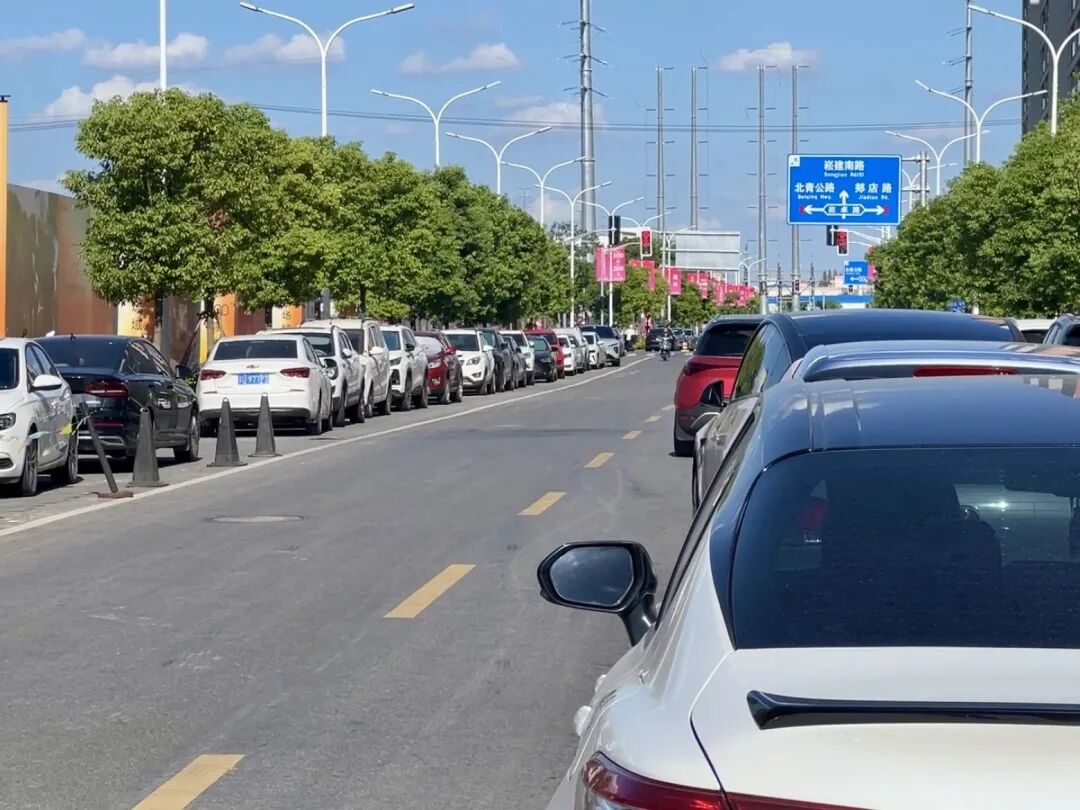
Group 1 - The core policy adjustment in Suzhou is the cancellation of the restriction that new residential properties cannot be transferred until two years after obtaining the property rights certificate, aimed at stimulating housing demand and improving market liquidity [1] - The real estate market in Suzhou has been under pressure, with a 10% year-on-year decline in the transaction area of new residential properties from January to July 2025, totaling 1.781 million square meters, while the average transaction price remained stable at 26,060 yuan per square meter [1] - The second-hand housing market is characterized by high listings and low transactions, with over 200,000 units currently listed, indicating intense competition [1] Group 2 - The policy aims to break the "institutional bottleneck" in the trading of improved housing, facilitating a smoother transition from second-hand to new housing purchases, thereby enhancing supply-demand matching efficiency [2] - The unlocking of housing supply is expected to increase the availability of second-hand homes, potentially leading to price reductions as some investors may sell at lower prices, intensifying competition in the new housing market [2] - Real estate companies are advised to focus on cash flow management and adopt prudent strategies to avoid overexpansion in response to short-term market improvements [2] Group 3 - The policy may lead to an increase in loan demand as replacement needs are released, presenting new business opportunities for financial institutions, but there are concerns about potential risks of bad loans due to market overheating [3] - Buyers are advised to make rational decisions despite the increased availability of second-hand homes and improved bargaining power, considering various factors such as price, transaction taxes, and personal housing needs [3] - The policy adjustment in Suzhou is expected to have a strong demonstration effect, prompting other cities to implement targeted measures to stabilize market expectations and promote a healthy real estate cycle [3]
炉料价格重心上移,一线楼市新政再加码
Sou Hu Cai Jing· 2025-08-27 01:00
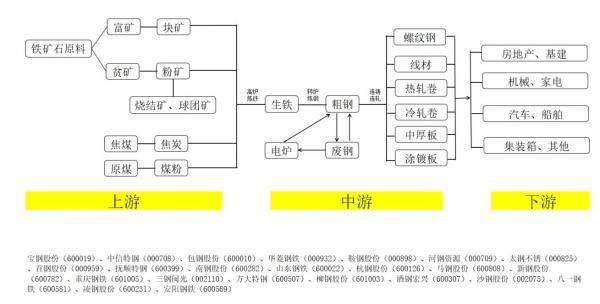
Group 1: Economic Indicators - Federal Reserve Chairman Powell indicated that despite ongoing inflation risks, the Fed may lower interest rates in the coming months, leading to market speculation of a rate cut in September [1][3] - The capital market has been positively impacted by these indications from the Fed [1] Group 2: Real Estate Policy Changes - Shanghai has announced the "Six Measures" to optimize and adjust real estate policies, effective from August 26, 2025, which includes reducing purchase restrictions, optimizing housing provident fund policies, and improving personal housing property tax [2][4] - The adjustments aim to better meet residents' housing needs and promote a stable and healthy real estate market [2] Group 3: Steel and Coal Market Updates - Steel and coal markets are experiencing price adjustments, with the eighth round of price increases for coke starting on August 26, with specific price hikes for different types of coke [2] - The total inventory of construction steel in cities has reached 4.6419 million tons, an increase of 216,000 tons (4.88%) from the previous week, marking the tenth consecutive week of inventory growth [3][4] - Iron ore prices are strengthening, and steel raw material prices are expected to rise, with short-term rebar prices likely to remain strong [1][4]
单身视同家庭、外环外不限套数!上海楼市新政→
第一财经· 2025-08-25 05:26
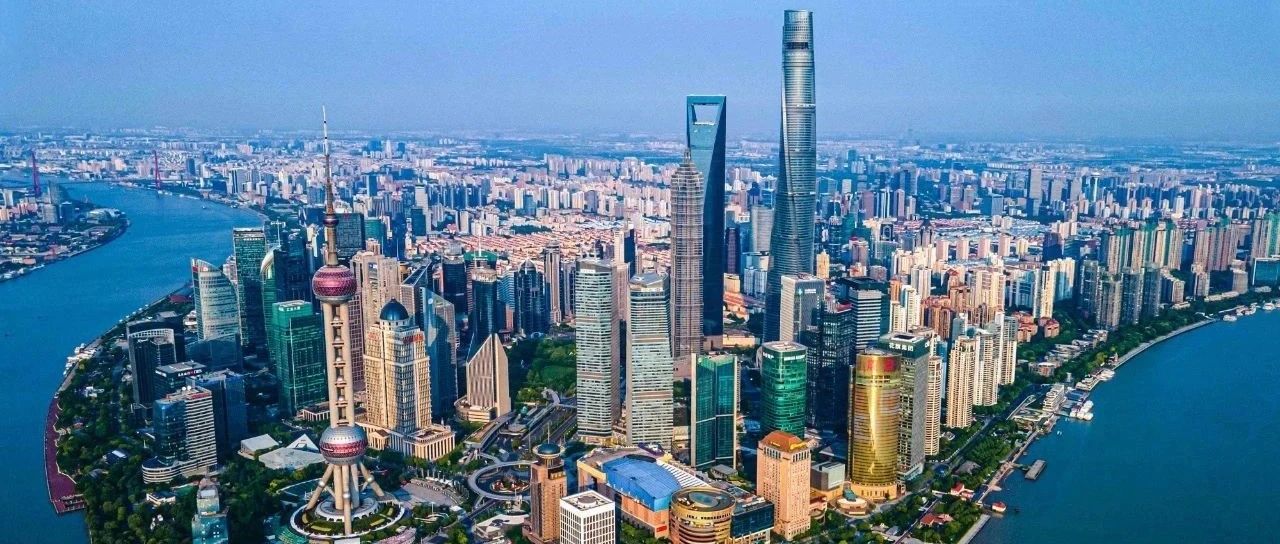
Core Viewpoint - The recent policy adjustments in Shanghai's real estate market aim to stabilize and promote growth, responding to market expectations and enhancing buyer confidence, particularly in the upcoming traditional sales season of "Golden September and Silver October" [3][11]. Group 1: Housing Purchase Policies - The new policy allows single individuals to have the same housing purchase qualifications as families, enabling them to buy homes without restrictions in areas outside the outer ring of Shanghai [5]. - Residents with Shanghai household registration and those who have paid social insurance or income tax for over a year can purchase unlimited homes outside the outer ring, while those within the outer ring are limited to two homes [5]. - Non-Shanghai residents can also purchase homes outside the outer ring without limits if they have paid social insurance or income tax for over a year, and are limited to one home within the outer ring if they have paid for over three years [5]. Group 2: Housing Fund and Loan Policies - The policy increases the maximum housing fund loan limit for first-time buyers of green buildings by 15%, raising the limit from 1.6 million to 1.84 million yuan, and for families with multiple children from 1.92 million to 2.16 million yuan [6]. - The policy supports the withdrawal of housing funds for down payments without affecting the loan limit calculation [6]. - The adjustment of commercial housing loan interest rates will no longer differentiate between first and second homes, which is expected to lower monthly payments significantly for second homes [9][10]. Group 3: Market Impact and Expectations - Analysts believe the new policies will alleviate market anxiety and stimulate demand, benefiting both first-time and upgrading buyers [9][11]. - The removal of interest rate differentiation for first and second homes is anticipated to release more demand for improved housing options, with significant reductions in monthly payments for second homes [9][10]. - The overall sentiment in the Shanghai real estate market is expected to improve, with new and second-hand homes seeing increased activity due to the favorable policies [11].
刚刚!上海发布楼市新政
Wind万得· 2025-08-25 04:30
Core Points - The article discusses the recent adjustments to Shanghai's real estate policies aimed at optimizing housing purchase conditions and supporting housing consumption [2][5]. Group 1: Policy Adjustments - The notification issued by six departments in Shanghai includes a reduction in housing purchase restrictions, optimization of housing provident fund policies, and improvements to personal housing loan and property tax regulations [2][5]. - From August 26, 2025, non-local residents purchasing their first home will be exempt from property tax, while for second homes, a tax exemption of 60 square meters per person will apply after calculating the total housing area [2][5]. Group 2: Housing Provident Fund Enhancements - The maximum loan amount for housing provident fund has been increased, with first-time buyers now eligible for up to 1.84 million yuan, and families with multiple children can receive up to 2.16 million yuan [2][3]. - The policy allows for the withdrawal of housing provident fund to pay for the down payment of new homes, and this withdrawal does not affect the calculation of the loan amount [3].