Workflow
第一性原理
icon
Search documents
中国商业航天迈入爆发期
21世纪经济报道· 2025-12-19 06:10
Core Viewpoint - 2025 is projected to be a pivotal year for China's commercial space industry, transitioning from technological accumulation to explosive growth, with multiple private aerospace companies completing rocket launch tests and accelerating satellite internet deployment [1] Group 1: Industry Developments - The Chinese government is providing strong support for commercial space through policies, including the "14th Five-Year Plan" emphasizing the construction of a "space power" and the establishment of a dedicated Commercial Space Administration [1] - Despite a promising outlook, the industry faces significant supply chain challenges, particularly in upstream infrastructure, with a consensus that the bottleneck is not in downstream applications but in launch capacity and costs [1] - The recent successful launch of the Zhuque-3 rocket and the upcoming maiden flight of the Long March 12甲 rocket are seen as significant milestones for China's commercial space sector, potentially reshaping market dynamics [3][4] Group 2: Technological Innovations - The Zhuque-3 rocket, developed by Blue Arrow Aerospace, is a new generation of low-cost, high-capacity, reusable rocket, utilizing a self-developed liquid oxygen-methane engine [3][7] - The Long March 12甲 rocket, developed by China Aerospace Science and Technology Corporation, emphasizes a stable supply chain by using a liquid oxygen-kerosene engine, reflecting a dual risk approach in China's aerospace strategy [8] - The ultimate goal of reusable rocket technology is to significantly reduce launch costs, with the Zhuque-3 aiming to lower the cost per kilogram to below 20,000 RMB, enhancing China's competitive edge in the global market [9][10] Group 3: Market Dynamics and Future Outlook - Predictions indicate that within three years, launch prices in China could approach those of SpaceX, with the potential to undercut SpaceX's Falcon 9 prices in about five years [11] - The competitive focus in the coming years will center on cost control, reliability, fulfillment capabilities, and service responsiveness, as companies strive to meet the growing demand for satellite deployment [11] - The challenges faced by Chinese rocket companies include not only technological hurdles but also the need for systematic engineering and industrialization to catch up with established players like SpaceX [11]
特斯拉发布人形机器人年度报告:Optimus已学会功夫与家务
Feng Huang Wang· 2025-12-19 02:52
Group 1 - Tesla released a video report detailing the technological evolution of its humanoid robot, Optimus, over the past year, showcasing its rapid development from basic motion control to complex scene interaction [1] - By May 2025, Optimus demonstrated initial coordination abilities, mastering dance moves while learning to perform daily human tasks such as organizing clothes and handling trash, indicating its algorithm's potential for general task adaptation [1] - In September, Optimus's design became more streamlined, and it began practical service tests at Tesla Diner, successfully making popcorn and interacting with children, validating its safety in human-robot interaction environments [1] Group 2 - Elon Musk reiterated the company's research approach based on "first principles," emphasizing the three major challenges in humanoid robot manufacturing: creating dexterous hands, developing an AI brain that understands the real world, and achieving large-scale production capabilities [2] - Musk claimed that Tesla is currently the only company capable of addressing all three challenges simultaneously [2] - The video concluded with a vision of a "sustainable prosperous era" through the integration of AI and robotics, suggesting that the product has the potential to fundamentally eliminate poverty, with expectations for significant technological advancements in 2026 [2]
中国可回收火箭蓄力突围
Core Insights - 2025 is projected to be a pivotal year for China's commercial space industry, transitioning from technological accumulation to explosive growth, with multiple private aerospace companies completing rocket launch tests and accelerating satellite internet deployment [1][11] - Policy support is intensifying, with the "14th Five-Year Plan" emphasizing the construction of a "space power," and the establishment of a dedicated Commercial Space Administration by the National Space Administration [1][11] - Despite a promising outlook, supply chain weaknesses remain evident, particularly in upstream infrastructure, which is seen as a critical bottleneck for the industry [1][11] Industry Developments - December marked significant advancements in China's reusable rocket technology, highlighted by the launch of the Zhuque-3 rocket, which, despite a recovery failure, provided valuable experience for future developments [2][12] - The Zhuque-3 rocket, developed by Blue Arrow Aerospace, is a new generation of low-cost, high-capacity, reusable liquid oxygen-methane rocket, showcasing advanced features such as a reaction control system and landing legs [2][12] - Following Zhuque-3, the Long March 12甲 rocket, developed by China Aerospace Science and Technology Corporation, is set for its maiden flight, indicating a rapid progression in China's commercial space capabilities [2][12][13] Market Dynamics - Currently, only the United States has mastered reusable rocket technology, with SpaceX leading the way, having completed over 500 launches and capturing 86% of the global orbital payload market in 2023 [3][13] - In contrast, China's commercial launch capacity remains limited, with a market share in commercial payloads only in the single digits, insufficient to support the ambitious deployment of satellite constellations [3][14] - The urgency for breakthroughs in reusable rocket technology is underscored by the need to address the significant launch capacity gap in the market [4][15] Technological Innovations - The Zhuque-3 rocket's development process emphasized a unique engineering approach, integrating market demand insights and innovative materials like stainless steel to reduce production cycles [6][16] - The Long March 12甲 rocket adopts a different strategy, focusing on stable supply chains and leveraging domestic resources to ensure reliable operations [7][17] - The Tianlong-3 rocket, set for its first flight, aims for high reliability and low-cost delivery, utilizing advanced materials and 3D printing technology [7][17] Cost Reduction Strategies - The ultimate goal of reusable rocket technology is to significantly lower launch costs, with a focus on recovering the first stage of rockets, which constitutes the highest cost component [8][19] - The Zhuque-3 is designed for 20 reuses, with operational costs expected to decrease by approximately 45% after five uses, reflecting a model of high initial investment followed by diminishing marginal costs [8][19] - The target cost for launching per kilogram is set below 20,000 RMB, which would enhance China's competitive edge in the global market [20] Competitive Landscape - The future competition in the rocket market will center on cost control, reliability, fulfillment capabilities, and service responsiveness [10][20] - Chinese companies face significant challenges in catching up with established players like SpaceX, which has spent over a decade refining its technology [10][21] - The ongoing developments in China's commercial space sector indicate a gradual resolution of previously deemed insurmountable challenges, as companies continue to innovate and validate their technologies [21]
SpaceX很可能明年夏天上市!马斯克“投资知己”巴伦的最新对话,谈如何押注那些成功概率更高的“一把手”
Xin Lang Cai Jing· 2025-12-18 07:25
Core Insights - Ron Baron, founder of Baron Capital, discussed the potential IPO of SpaceX and its valuation during a CNBC interview, highlighting his long-term investment strategy in companies led by Elon Musk [3][59] - Baron has invested approximately $4 billion in Tesla from 2014 to 2016, yielding about $8 billion in returns, and believes Tesla could generate several times that amount in the next decade [3][59][69] - Baron started investing in SpaceX in 2017, with a total investment of around $1.5 billion, now valued at nearly $10 billion, making it his largest single holding [4][60][76] Investment in SpaceX - Baron predicts a high likelihood of SpaceX going public in summer 2024, possibly on June 28, coinciding with Musk's birthday [5][61][75] - Current valuation of SpaceX is approximately $800 billion, with media speculation suggesting it could double by the time of the IPO [13][76] - Baron holds a $10 billion position in SpaceX and a $5 billion position in Tesla, with Tesla's stock price currently between $460 and $480 [24][77] Management Philosophy - Baron emphasizes that Musk's companies have evolved from being "one-man shows" to organizations with a culture that fosters exponential growth [6][73] - Musk's management style involves empowering talented individuals and allowing for failure in pursuit of better solutions, which contributes to a replicable organizational culture [20][73] - Baron believes understanding a company's culture is crucial for investment decisions, focusing on the values instilled in employees [18][73] Investment Strategy - Baron Capital aims for a diversified portfolio, recognizing the current market focus on AI and technology while also identifying undervalued small-cap companies [82][83] - The firm has launched a small-cap growth portfolio, emphasizing the attractiveness of these companies in a declining interest rate environment [83] - Baron highlights two companies, Guidewire and Idexx, as examples of firms that are beginning to realize their potential after investing in their future [32][84] Future Outlook - Baron anticipates that Baron Capital could generate $250 billion in profits over the next decade, significantly increasing from the $57 billion generated in the past 40 years [90][91] - The firm maintains a portion of its portfolio in high-growth, high-risk companies (30-40%), alongside stable, double-digit growth companies (50-55%), and those with suppressed short-term profits (10-15%) [114][116] - Baron expresses excitement about the numerous overlooked companies in the market, indicating a strong belief in their potential for growth [92][113]
SpaceX很可能明年夏天上市!马斯克“投资知己”巴伦的最新对话,谈如何押注那些成功概率更高的“一把手”
聪明投资者· 2025-12-18 07:17
Core Viewpoint - The article discusses Ron Baron's insights on SpaceX's potential IPO and its valuation, emphasizing the long-term investment strategies and cultural aspects of companies led by Elon Musk [5][7][20]. Group 1: Investment in Tesla - Ron Baron invested approximately $400 million in Tesla between 2014 and 2016, yielding about $8 billion in returns to date [17]. - Baron Capital still holds a position in Tesla valued at around $5 billion, with expectations of potentially multiplying returns over the next decade [6]. Group 2: Investment in SpaceX - Baron Capital began investing in SpaceX in 2017, with a total investment of about $1.5 billion, now valued close to $10 billion, making it the largest single holding [7][20]. - There is a high likelihood that SpaceX will go public in the summer of next year, with media speculation suggesting a valuation could reach $1.5 trillion, up from the current $800 billion [20][34]. Group 3: Management Philosophy - The article highlights Musk's management style, which fosters a culture of innovation and accountability, allowing talented individuals to take responsibility and challenge existing ideas [28][30]. - Baron emphasizes the importance of understanding a company's culture and values when making investment decisions, noting that the risk associated with investing in Musk's companies has decreased as they have grown [24][26]. Group 4: Investment Strategy - Baron Capital is diversifying its portfolio, focusing on small-cap growth companies that are often overlooked by the market, especially in a declining interest rate environment [40][41]. - The firm is particularly interested in companies that are investing in their future growth, despite short-term profit pressures, as these present attractive investment opportunities [40][44]. Group 5: Specific Investment Cases - Two companies mentioned are Guidewire, which is transitioning clients to cloud-based solutions, and Idexx, which is expanding its pet diagnostic systems, both showing promising growth [42]. - Baron also discusses FactSet, which has a new CEO with a strong background, indicating potential for significant growth despite recent stock price declines [61][70].
25 岁,他想做 AI 时代的微信丨100 个 AI 创业者
晚点LatePost· 2025-12-17 14:39
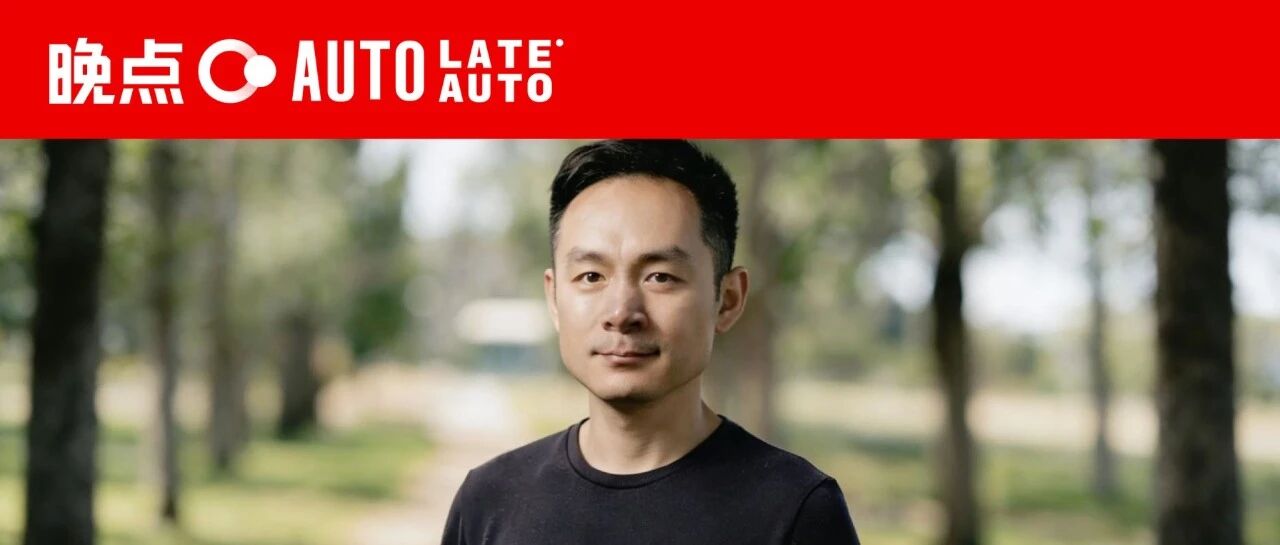
Core Insights - The article discusses the journey of Chen Chunyu, a young entrepreneur aiming to create a next-generation communication tool, highlighting his resilience and innovative approach in addressing communication challenges, particularly in cross-language interactions [4][5][12]. Group 1: Entrepreneurial Journey - Chen Chunyu, a 25-year-old dropout from Tsinghua University, has faced numerous failures in his entrepreneurial endeavors but has garnered support from top investors due to his vision [4][5]. - His initial product, Riffo, unexpectedly gained traction, achieving 200,000 uses in a month and securing over 50 B2B client intentions, which helped restore his team's confidence [5][6]. - Despite the success of Riffo, Chen chose to pivot back to his original goal of developing a communication tool, focusing on integrating AI features into a messaging platform [5][9]. Group 2: Product Development Focus - The newly launched product, Intent, aims to address the inadequacies of existing translation tools within messaging apps, particularly for underrepresented languages and dialects [8][9]. - Chen identified a significant market gap, noting that existing giants like WeChat and WhatsApp overlook the needs of millions of immigrants and cross-cultural relationships [8][9]. - Intent's first version prioritized translation functionality, discarding unnecessary features to ensure a streamlined user experience [9][10]. Group 3: Unique Approach to Product Management - Chen adopts a non-traditional approach to product management, emphasizing the importance of understanding user behavior and needs over conventional metrics like A/B testing [10][11]. - He employs immersive user research methods, including living with users to observe their communication habits, which informs the product's development [11][12]. - Chen believes that being a CEO is a means to an end, allowing him to mobilize resources and talent to enhance product development, with the ultimate goal of improving human communication [10][12][14]. Group 4: Market Opportunity and Vision - The article highlights the structural opportunity in the communication software market, which has seen little innovation over the past decade, despite the growing demand for improved tools [12][14]. - Chen's vision extends beyond mere messaging; he aims to create a comprehensive information converter that enhances communication across various contexts [9][10]. - The article concludes with Chen's belief that the lack of competition in the messaging space presents a unique opportunity for innovation, positioning Intent as a potential game-changer in the industry [15].
昂瑞微钱永学:以射频“芯”力,筑数字时代连接之基
Core Viewpoint - The company, Angrui Micro, aims to become a world-class chip manufacturer in the RF and analog fields, focusing on technological innovation and long-term growth strategies as it prepares for its IPO on the STAR Market in December 2025 [2][9]. Group 1: Company Background and Development - Angrui Micro was founded in 2012 and is positioned in the RF front-end chip market, which is crucial for precise communication in smart devices [2]. - The company has evolved from facing intense competition in the 2G market to becoming a key player in the 5G high-integration module supply chain [3][4]. - The founder, Qian Yongxue, emphasizes the importance of patience and strategic determination in achieving technological breakthroughs [3]. Group 2: Technological Innovations - The company achieved a significant technological breakthrough by using an innovative CMOS architecture, allowing a single chip to perform the functions of three to four traditional chips, which helped reduce costs for Chinese smartphone manufacturers [3]. - Angrui Micro has developed a 5G high-integration module, L-PAMiD, which has been mass-produced and integrated into flagship devices of major brands [4]. Group 3: Market Opportunities and Growth Strategies - The company is expanding into new growth areas such as satellite communication and vehicle networking, leveraging its core RF technology [6]. - Angrui Micro has developed satellite communication solutions applicable to various devices and has entered the supply chain of major automotive brands with its vehicle-grade RF chips [6][7]. - The company is also exploring opportunities in AI and Bluetooth technology, aiming to meet the high demands of low power consumption and high integration in emerging markets [7]. Group 4: IPO and Future Plans - The company plans to raise approximately 2 billion yuan through its IPO, focusing on R&D and industrial upgrades for 5G RF front-end chips and SoC development [8]. - Angrui Micro aims to enhance its product offerings in response to market demands for satellite communication and the trend towards thinner mobile devices [8]. - The company is committed to a long-term strategy, focusing on solid technological foundations and prudent acquisition strategies to expand its business boundaries [9].
Space X的护城河
美股IPO· 2025-12-15 00:24
Core Insights - The core argument of the article is that SpaceX's competitive advantage is not based on a single technological breakthrough but rather on a deep integration of cost, manufacturing, and customer relationships, creating a self-reinforcing business model [1][4][19]. Cost Barrier - SpaceX's primary competitive edge lies in its unparalleled rocket reusability, which has transformed space launch from a "custom craft" to an "industrial standard" [5][7]. - The marginal launch cost of SpaceX's Falcon 9 has been reduced to approximately $15 million, compared to NASA's Space Shuttle cost of about $54,500 per kilogram, representing a nearly 20-fold decrease [7][12]. - The report highlights that the manufacturing cost of a new Falcon 9 rocket is around $50 million, with the first stage being recoverable, while the marginal cost of reusing a rocket drops significantly [12][14]. Manufacturing Barrier - SpaceX employs a vertical integration strategy, achieving an 80% self-manufacturing rate, which allows for high iteration speed and cost control [14][16]. - The decision to use 304L stainless steel for the Starship project, instead of expensive carbon fiber, significantly reduces material costs and enhances manufacturing efficiency [16][17]. Customer Barrier - SpaceX has established a deep strategic symbiosis with the U.S. government, particularly NASA and the Department of Defense (DoD), which provides substantial funding for its core R&D [19][20]. - The relationship with NASA has evolved into a dependency, with SpaceX being the sole provider for certain missions, such as transporting astronauts to the International Space Station [19][21]. - SpaceX's role has expanded from a launch service provider to a core contractor for national security, with significant contracts for military satellite launches and intelligence operations [20][23].
Space X的护城河
Hua Er Jie Jian Wen· 2025-12-14 10:57
Core Insights - The report from Guojin Securities reveals that SpaceX has transformed from a traditional aerospace manufacturer into a "monopolist in space logistics and infrastructure" by applying first principles to its operations [1] Cost Barriers: Unmatched Reusability Economics - SpaceX's core competitive advantage lies in its unique rocket reusability technology, which has ended the "cost-plus era" in the aerospace industry [5] - The report highlights that before SpaceX's rise, the global launch market was dominated by state-owned enterprises following a "cost-plus" contract model, which lacked cost control incentives [5] - NASA's Space Shuttle had a cost of approximately $54,500 per kilogram to low Earth orbit, while SpaceX's Falcon 9 has reduced this to about $2,720 per kilogram, representing a nearly 20-fold decrease [5] Business Model: Self-Reinforcing Commercial Loop - SpaceX has built a powerful "self-reinforcing commercial loop" by leveraging the unmatched launch cost advantage of Falcon 9 to create the world's largest space communication network, Starlink [2] - The cash flow generated from Falcon 9 and Starlink supports the ambitious Starship project, presenting investors with a unique combination of "cash flow + high growth + high optionality" [2] Manufacturing Barriers: Vertical Integration in the Assembly Line Era - SpaceX achieves a high self-manufacturing rate of 80%, producing most components in-house, which contrasts sharply with traditional aerospace contractors who primarily focus on system integration [14] - This vertical integration strategy, while initially costly, leads to high iteration speed and cost control, transitioning rocket manufacturing from a "workshop" to an "assembly line" model [14] Material Innovation: Disruptive Decisions - The report emphasizes SpaceX's decision to use 304L stainless steel for Starship instead of expensive carbon fiber, which significantly reduces material costs and allows for rapid iteration in manufacturing [16] - Stainless steel costs about $4 per kilogram compared to carbon fiber's $135 per kilogram, making it a more economical choice with excellent thermal properties [17] Customer Barriers: Strategic Symbiosis with the U.S. Government - SpaceX has developed a deep strategic symbiosis with the U.S. government, particularly NASA and the Department of Defense (DoD), which are not only major customers but also early funders of its technology [19] - This relationship has created a strong barrier, with long-term, high-value contracts providing substantial subsidies for SpaceX's core R&D, especially for Starship [19] - SpaceX's role has evolved from a launch service provider to a core contractor for national security, with the military transitioning to distributed low Earth orbit satellite constellations that only SpaceX can deploy efficiently [20] Financial Contracts: Key Milestones - The report outlines significant contracts that have shaped SpaceX's financial landscape, including: - COTS (Commercial Orbital Transportation Services) contract worth $278 million, which was crucial for SpaceX's survival [21] - CRS-1 (Commercial Resupply Services) contract valued at $1.6 billion, establishing a stable cash flow source [21] - CCtCap (Commercial Crew Transportation) contract worth $2.6 billion, marking a significant profit source [21] - HLS (Human Landing System) contract valued at $2.9 billion, funding Starship's development for lunar missions [21]
一度“濒死”的SpaceX,何以剑指史上最大IPO?
财联社· 2025-12-13 08:38
Core Viewpoint - SpaceX is planning to go public in mid-2026, aiming to raise over $30 billion, with a target valuation of $1.5 trillion, potentially making it the largest IPO in history [2][3]. Group 1: Financial Health and IPO Plans - SpaceX has maintained positive cash flow for years and conducts regular stock buybacks to provide liquidity to employees and investors [3]. - The anticipated fundraising will exceed Saudi Aramco's previous record of $29 billion, indicating strong investor confidence [3]. Group 2: Vision and Technological Innovation - Elon Musk's vision of Mars colonization drives SpaceX's operations, requiring significant resources and innovative technologies [6][7]. - The estimated cost to establish a Mars settlement is around $1 trillion, necessitating approximately 10,000 Starship launches [6]. Group 3: Cost Reduction and Competitive Advantage - SpaceX has significantly reduced rocket manufacturing costs through innovations like reusable rocket technology, achieving a marginal launch cost of nearly $15 million [9]. - The company has created a self-reinforcing business model, leveraging its low launch costs to build the largest satellite communication network, Starlink, which generates substantial cash flow for further projects [9].