
老字号焕新

Search documents
益民集团:老字号焕新与数字化战略双轨并进
Quan Jing Wang· 2025-09-25 01:53
Core Viewpoint - Yimin Group maintains stable rental rates and occupancy levels in key commercial areas, while focusing on brand rejuvenation and digital transformation to enhance competitiveness in the face of online retail challenges [1] Group 1: Property Performance - The rental rates and occupancy levels of the company's properties are stable and show no significant changes compared to last year [1] Group 2: Business Transformation - The company aims to seize market opportunities by enhancing brand youthfulness and diversity, and increasing consumer experience [1] - A strategic goal has been established to rejuvenate time-honored brands and enhance core market competitiveness [1] - The company will implement tailored strategies for each brand to promote brand culture and enhance market competitiveness [1] Group 3: Digital Economy Strategy - The company plans to leverage major online platforms to reshape its commercial competitive advantage [1] - Brands under the company, such as Gujin Clothing, Tianbao Longfeng, and Xingguang Photography, will utilize various mainstream platforms to release product content and engage consumers [1]

老字号焕新,点亮多地消费市场
Sou Hu Cai Jing· 2025-09-20 15:54
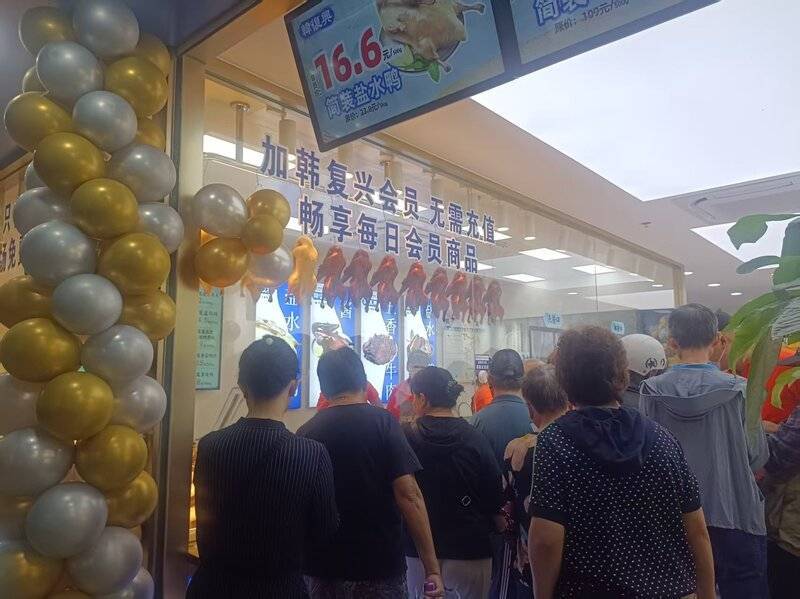
Core Insights - The article highlights the revitalization and expansion of traditional brands in Jiangsu, focusing on their efforts to modernize while maintaining quality and cultural heritage [1][3][4] Group 1: Brand Revitalization - The reopening of the Han Fuxing restaurant in Nanjing on September 20 attracted a large crowd, indicating strong local interest in traditional cuisine [1][3] - The restaurant's renovation included a modernized storefront and a more accessible layout for customers, aiming to blend traditional flavors with contemporary consumer preferences [3] - Other traditional brands in Jiangsu are also expanding their presence in new cities, bringing local flavors and cultural elements to a broader audience [3][4] Group 2: New Store Openings - The opening of the Taizhou Yan·Liufang Tea House in Suzhou features a 320 square meter space that combines dining with cultural experiences, targeting urban consumers [4] - The "Yancheng Eight Dishes" restaurant opened its first location in Shanghai, showcasing local culinary traditions and aiming to attract both locals and visitors [6] - The Aozhaoguan restaurant in Suzhou continues to blend traditional and modern culinary practices, with a focus on high-quality ingredients and local flavors [10] Group 3: Brand Heritage and Innovation - The revival of the "Yuezhonggui" beauty brand, originally established in 1851, reflects a trend of reintroducing historical brands with modern adaptations to attract contemporary consumers [11] - The new offerings from "Yuezhonggui" include skincare and fragrance products that leverage traditional techniques while incorporating modern technology for improved quality [11]

在上海,这些“老字号”突变排队爆款
Guo Ji Jin Rong Bao· 2025-09-19 12:29
Core Insights - The 19th China Time-Honored Brand Expo is being held in Shanghai from September 19 to 21, showcasing over 200 time-honored brands and 170 new products, with a theme of "Inheritance and Innovation" [1][9] - The expo highlights the integration of traditional craftsmanship with modern consumer demands, leading to a surge in national trend consumption [1][8] Group 1: Product Innovation - The food and beverage sector is leveraging cross-industry collaborations, such as the "Nong Hao Shanghai" gift box that combines traditional pastries with modern design elements [2][3] - 72% of new food products feature low-sugar and zero-additive recipes, while 65% are packaged in smaller, portable formats to appeal to younger consumers [3][8] - New product offerings include innovative items like the "搭饭" series from Shanghai Meilin, which provides convenient meal options for fast-paced lifestyles [6] Group 2: Technological Advancements - The expo showcases technological innovations, such as the Ice Spring Cotton T-shirt that offers a cooling effect exceeding industry standards by 1.6 times [4] - The eyewear industry is also innovating with a collaboration that integrates art and technology, featuring a seven-in-one automatic eye examination device [4] Group 3: Cultural Integration - The event emphasizes the cultural significance of products, with brands like Dragon and Phoenix embracing modern aesthetics while preserving traditional techniques [5][8] - The integration of traditional brands with contemporary culture is evident, as seen in the collaboration between Wu Liangcai glasses and Dunhuang Museum [8] Group 4: Market Trends - The expo reflects a shift in consumer preferences, with 78% of families seeking comprehensive health solutions, leading to the creation of all-age health spaces [7] - The event also features immersive experiences that blend nostalgia with modern technology, attracting significant consumer engagement [7][8]


如何成为一座受年轻人欢迎的城市
21世纪经济报道· 2025-09-18 13:18
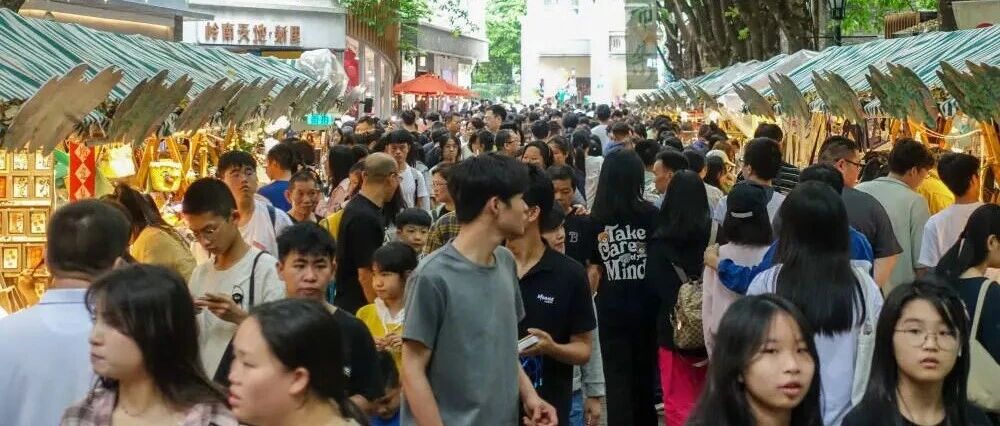
Core Viewpoint - The article emphasizes that cities aiming to attract and retain the younger generation, particularly Generation Z, should leverage their culinary offerings as a key component of their "soft power" alongside industrial development [1]. Group 1: Importance of Culinary Culture - Culinary offerings are crucial for cities to appeal to Generation Z, who prioritize emotional value and social experiences over traditional consumption patterns [1]. - The Michelin Guide's Bib Gourmand list highlights affordable yet delicious dining options, aligning with Generation Z's desire for high emotional value at lower costs [3][5]. Group 2: City Rankings and Culinary Diversity - As of August 2025, Guangzhou leads with 45 Bib Gourmand restaurants, followed by Shanghai with 30, and Hangzhou and Xiamen with 26 each [4]. - Guangzhou's culinary scene is diverse, featuring various cuisines such as Cantonese, Teochew, and Southeast Asian, with 34 out of 45 Bib Gourmand restaurants having an average cost of under 100 yuan [5][4]. Group 3: Regional Culinary Developments - Hangzhou has improved its culinary reputation, now ranking among the top cities for Bib Gourmand selections, showcasing local Zhejiang cuisine [7]. - Nanjing is recognized for its duck dishes and has 16 Bib Gourmand restaurants, reflecting a rich culinary diversity [7]. Group 4: Challenges and Opportunities for Traditional Brands - Traditional brands, or "laozihao," are essential for showcasing a city's culinary culture and attracting Generation Z talent, but they face challenges in modernization [9]. - As of August 2025, there are 216 traditional dining brands across various cities, with Beijing and Shanghai having the most [10]. Group 5: Policy Support for Culinary Innovation - Cities are implementing policies to revitalize traditional dining brands, focusing on innovation and cultural integration to enhance their appeal to younger consumers [11]. - The shift in policy focus aims to improve the "self-sustaining" capabilities of traditional brands, making them more competitive in the modern market [11]. Group 6: Emotional and Cultural Value of Food - Food serves as a social connector for Generation Z, who engage with culinary experiences through social media, enhancing their connection to the city [14]. - Culinary experiences provide emotional comfort and cultural understanding, fostering a sense of belonging among young people [14]. Group 7: Future Implications for Urban Development - The article suggests that cities can enhance their attractiveness to global young talent by developing diverse and culturally rich culinary industries, which may significantly influence urban growth [15].
如何成为一座受年轻人欢迎的城市?
2 1 Shi Ji Jing Ji Bao Dao· 2025-09-18 08:38
Group 1 - The article discusses how cities can attract young people, particularly Generation Z, through food, emphasizing the importance of culinary culture in urban development [1][8] - Generation Z, characterized by their unique employment and consumption perspectives, seeks emotional value and self-fulfillment rather than adhering to traditional norms [1][8] - The presence of Michelin-starred and Bib Gourmand restaurants in a city reflects its culinary competitiveness and ability to attract young talent [2][3] Group 2 - As of August 2025, 11 cities in China have made it to the Michelin list, with a total of 228 restaurants included in the Bib Gourmand category, showcasing a diverse culinary landscape [3][4] - Guangzhou leads with 45 Bib Gourmand restaurants, where 34 of them have an average cost of under 100 yuan, highlighting the city's reputation for affordable yet delicious dining options [4][3] - Cities like Hangzhou and Nanjing have improved their culinary offerings, with Hangzhou breaking the stereotype of being a "food desert" and Nanjing showcasing its diverse duck dishes [4][5] Group 3 - The article highlights the significance of traditional brands and cultural heritage in attracting Generation Z, with 216 Chinese time-honored brands identified in the restaurant sector as of August 2025 [6][7] - Major cities like Beijing and Shanghai have the highest number of these traditional brands, but challenges remain in modernizing and revitalizing them to appeal to younger consumers [6][7] - Policies across various cities are focusing on revitalizing traditional dining brands, aiming to enhance their market presence and cultural relevance [7][8] Group 4 - Food is seen as having three key attributes for Generation Z: social, emotional, and cultural, which can enhance their connection to a city [8][9] - The article suggests that cities should not only focus on the quantity of restaurants but also on the quality and diversity of culinary experiences to attract young talent [8][9] - Cities like Guangzhou, Shanghai, and Beijing are noted for their ability to attract global young talent through their culinary offerings, while other cities can enhance their livability through affordable dining options [9][10]
增长&突破,东阿阿胶“半年考”拿高分了吗?
Chang Jiang Shang Bao· 2025-08-27 02:07
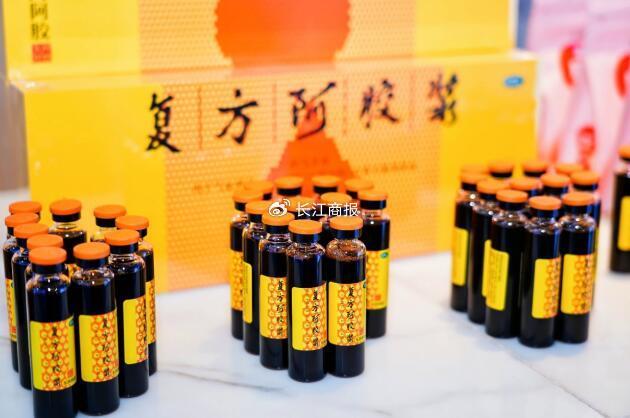
Core Viewpoint - Dong'e Ejiao has implemented the "1238" strategy focusing on "growth and breakthrough" for 2025, aiming to enhance quality and achieve high-quality development through five key dimensions [1][6]. Financial Performance - In the first half of 2025, Dong'e Ejiao reported revenue of 3.051 billion yuan, a year-on-year increase of 11.02%, and a net profit of 818 million yuan, up 10.74% [3][5]. - The company has achieved double-digit growth in revenue, net profit, and net profit excluding non-recurring gains for two and a half consecutive years, showcasing strong resilience in a competitive market [3][4]. - The projected full-year revenue for 2025 is expected to exceed 6 billion yuan, marking two consecutive years of 1 billion yuan growth [4]. Financial Structure - As of June 30, 2025, Dong'e Ejiao's debt-to-asset ratio was 19.17%, indicating a low financial risk profile [5]. - The company had cash reserves of 6.629 billion yuan, providing solid financial support for strategic initiatives and business expansion [5]. Innovation and Brand Development - Dong'e Ejiao is transitioning to a dual-driven model of "pharmaceuticals + health consumer products," focusing on building a comprehensive industry chain [6][9]. - In the first half of 2025, revenue from Ejiao and related products reached 2.845 billion yuan, a growth of 11.50%, while other pharmaceuticals and health products generated 142 million yuan, up 7.06% [6]. - Research and development expenses increased by 23.29% to 79.92 million yuan, outpacing revenue and profit growth [6]. Investor Relations and Shareholder Returns - Dong'e Ejiao has been recognized for its governance practices, winning awards for its annual report performance and board office practices [10][11]. - The company announced a cash dividend of 12.69 yuan per 10 shares, totaling approximately 817 million yuan, which represents 99.94% of the net profit for 2025 [12]. - Cumulatively, the company has distributed over 9.287 billion yuan in dividends since 1999, with the latest plan pushing total dividends to exceed 10 billion yuan [12].

「雪糕刺客」走了,2元「汽水鼻祖」杀回市场,被年轻人买爆了
36氪· 2025-08-06 09:50
Core Viewpoint - The article discusses the challenges and opportunities faced by the traditional "salt soda" beverage industry in China, highlighting the need for innovation and market expansion to attract younger consumers and compete with larger beverage brands [2][7][22]. Group 1: Historical Context and Market Position - Salt soda originated in the 1950s as an electrolyte drink for laborers in hot environments, quickly becoming popular among the general public in the Shanghai region [4][5]. - The main brands in the salt soda category include "Yanzhong," "Zhengguanghe," and "Xuefeili," with Yanzhong being the market leader, selling 150 million bottles in Shanghai in 2021 [6][13]. - The sales of salt soda are highly seasonal, peaking during the summer months, and are primarily concentrated in the Yangtze River Delta region [15][19]. Group 2: Challenges Faced by the Industry - Salt soda brands face significant challenges in expanding beyond their traditional markets due to a lack of consumer awareness in other regions [17][18]. - The industry is heavily reliant on offline sales channels, with online sales accounting for less than 20% of total sales for leading brands like Yanzhong [19]. - The competition from major beverage brands and the evolving consumer preferences pose a threat to the traditional salt soda market, which is struggling to adapt [22][25]. Group 3: Opportunities for Growth - There is potential for salt soda brands to expand their market presence by leveraging regional brands that have already established a foothold in other heavy industrial cities [24]. - The low price point of around 2 yuan per bottle and the low-calorie content make salt soda appealing to cost-conscious consumers [25]. - Innovations such as new flavors and smaller packaging sizes are being introduced to attract younger consumers and adapt to current market trends [22][25].


北京丰台多举措齐发 优化消费营商环境生态
Zhong Guo Jing Ying Bao· 2025-04-17 22:38
提振消费正在成为各地经济工作的重要任务。各地政府从"给补贴"转向"造生态",从"促交易"升级 为"育品牌"。 近日,《中国经营报》记者从北京市丰台区方面了解到,该区已发布首个网络消费维权指南,推出含32 个服务事项的"集成服务包",加速落地特色消费场景,消费营商环境进一步升级。 通过制度创新、平台赋能和数字化升级等举措,丰台区正在促使更多全市"首创"消费营商环境改革举措 落地,消费潜力不断释放。 生活服务业升级 "生活服务业是提升居民获得感和幸福感最直接的服务行业。"据丰台区商务局副局长张会利介绍,近年 来,丰台区累计完成63个"一刻钟便民生活圈"建设,布局社区商业业态超1万个,并通过智慧化改造提 升服务效率。 2025年,利民菜市场完成升级,引入AI智能称重、聚合支付等技术,居民可通过"一键式"地图快速搜 索、导航,实现"放心购"。 在国际美食之都建设方面,丰台区加速引入首店经济与老字号焕新。2024年,西雅俄式餐厅等44家餐饮 首店品牌落地,福建菜馆成为全区首家入选米其林指南的餐厅,首批34家"丰台老店"集中亮相,方庄餐 饮美食街区则以"烟火气"吸引食客。张会利表示:"我们通过消夏丰味美食节、金秋丰味美食 ...