AI消费

Search documents
千问的1000万杯奶茶:阿里大发赛博鸡蛋始末
36氪未来消费· 2026-02-07 13:28
Core Viewpoint - The article discusses a recent surge in AI-driven marketing campaigns, particularly focusing on the "free tea" promotion by Qianwen, which led to overwhelming demand and system failures, highlighting the challenges and strategies in the competitive landscape of AI and consumer engagement [4][9][21]. Group 1: Event Overview - On February 6, a significant spike in orders for Qianwen's tea promotion resulted in over 2 million orders within a short time frame, leading to system crashes and operational chaos in stores [5][6]. - The promotion was characterized by a lack of preparation and communication among merchants, resulting in confusion and operational strain as they scrambled to manage the influx of orders [7][8]. - Despite the initial chaos, the promotion was deemed successful, with Qianwen reporting over 10 million orders by the afternoon of the same day, and some tea brands experiencing a daily order increase of over 200% [8][10]. Group 2: Competitive Landscape - The article notes that Alibaba's Qianwen aims to integrate various services (like Taobao, Hema, and Fliggy) into a comprehensive ecosystem, positioning itself as a super entry point for consumer needs [9][10]. - The marketing strategy employed by Qianwen, including substantial subsidies and promotions, reflects a broader trend in the industry where companies are racing to capture consumer attention amid fierce competition [15][16]. - The urgency of the campaign was partly a response to Tencent's earlier announcements of significant cash incentives, indicating a competitive pressure to attract users quickly [15][16]. Group 3: Marketing and Consumer Behavior - The promotion's success relied heavily on immediate incentives rather than organic consumer demand, raising questions about the sustainability of such marketing tactics [22][23]. - Qianwen's approach contrasts with competitors by emphasizing intelligence and reliability, aiming to shift consumer perception from merely chatting with AI to using it for practical tasks [22][23]. - The article highlights the ongoing challenge for AI models to truly understand consumer preferences, suggesting that while immediate engagement can be achieved, long-term user retention may depend on the AI's ability to adapt and learn from individual user behaviors [23][24]. Group 4: Future Implications - The article suggests that while Qianwen's promotional tactics may yield short-term gains, the long-term success will depend on the ability to foster genuine consumer habits and preferences towards AI shopping [22][24]. - There is a recognition that the current AI capabilities may not fully meet the nuanced demands of consumers, indicating a potential gap that needs to be addressed for sustained engagement [23][24]. - The competitive landscape is shifting towards marketing strategies as companies prioritize user acquisition over product perfection, reflecting a broader trend in the industry [18][19][20].


21特写|春节消费新三样:国潮非遗AI游,科技过年成主流
2 1 Shi Ji Jing Ji Bao Dao· 2026-02-05 05:16
Group 1 - The Ministry of Commerce and nine other departments have launched the "2026 'Buy New Year' Special Activity Plan" to boost consumption during the Spring Festival, focusing on various sectors including food, accommodation, transportation, tourism, shopping, and entertainment [1][7] - In Shenzhen, the policy has translated into vibrant consumer scenes, with technology products becoming popular among residents, particularly during the Spring Festival shopping season [1][3] - The "New Year Consumption Activity" in Huaqiangbei has attracted significant foot traffic, with consumers primarily seeking technology gifts such as drones and AI glasses, indicating a shift towards tech-oriented purchases [3][5] Group 2 - Consumer preferences are shifting from traditional shopping to cultural and spiritual enjoyment, with a notable increase in demand for cultural consumption during the Spring Festival, driven by the rise of "Guochao" (national trend) and the popularity of intangible cultural heritage [2] - The average daily foot traffic in Huaqiangbei is around 750,000, with a 10%-15% increase in traffic due to promotional activities, and sales of technology products have risen by approximately 30% compared to regular days [5][6] - The local economy is benefiting from the consumption boom, with related industries such as dining and logistics seeing an 8% increase in revenue [6] Group 3 - Shenzhen's local brands, including Huawei and DJI, are performing well in global markets, enhancing the city's appeal as a consumer destination through innovative technology and unique shopping experiences [6] - The city plans to focus on international consumption, AI consumption, and various cultural events throughout 2026 to enhance its global consumer appeal [7] - Upcoming events, such as the AI toy promotion in Longgang District, will feature over 30 companies and 200 new products, further stimulating consumer interest [8] Group 4 - Traditional cultural activities, such as flower markets, are also gaining popularity, with the upcoming flower market in Futian expected to attract significant attention and participation from both local and external consumers [9][11] - The flower market will feature a variety of themes and activities, including collaborations with major brands, enhancing the festive atmosphere and consumer engagement [11][13] - Non-material cultural heritage activities are becoming increasingly popular, with various malls in Shenzhen hosting events that showcase traditional crafts and foods, providing immersive experiences for consumers [16] Group 5 - The automotive sector is a key driver of consumption, with local initiatives promoting trade-in subsidies and extended financing options to encourage vehicle purchases [16] - Major car manufacturers are offering "7-year low-interest" financing plans, which significantly reduce monthly payment burdens for consumers, thereby increasing purchase intentions [16] - The interconnectedness of the Greater Bay Area is being leveraged for cross-city consumption initiatives, enhancing the convenience of purchasing goods across regions [17] Group 6 - The diverse consumption activities in Shenzhen are revitalizing the local economy, combining technology and tradition to create unique consumer experiences [18] - The emphasis on localized and differentiated IP development is crucial for enhancing consumer engagement and sustaining economic growth [18]
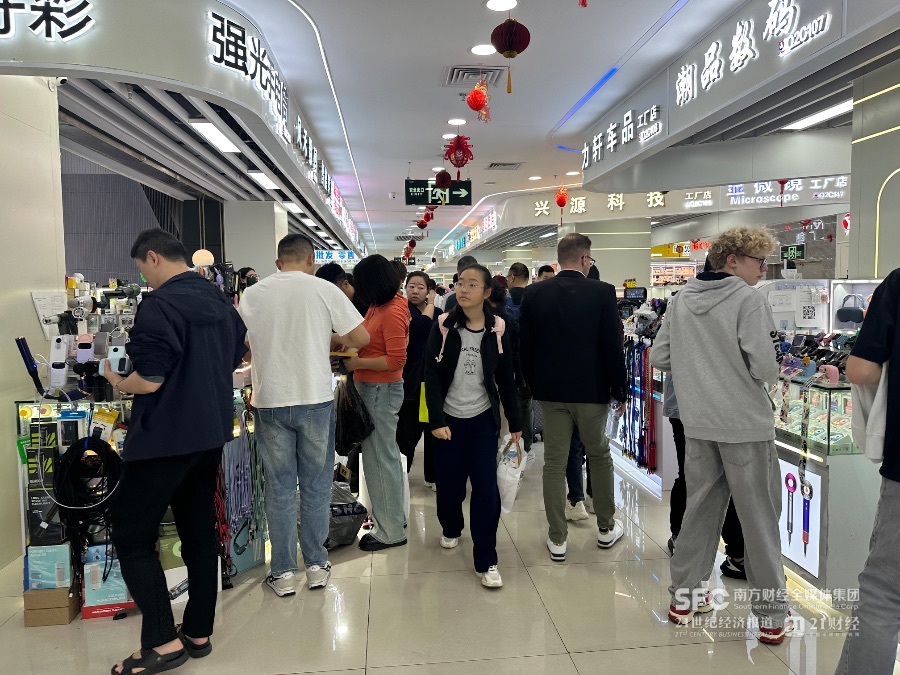
港股概念追踪 | 财政部明年继续大力提振消费 机构看好相关产业发展机遇(附概念股)
智通财经网· 2025-12-28 23:14
Group 1 - The Chinese government is focusing on boosting consumption as a key driver of economic growth, with plans to implement special actions and increase funding for consumer goods replacement programs [1][2] - In the first 11 months of the year, China's retail sales of consumer goods grew by 4% year-on-year, indicating a stronger performance compared to the previous year [1] - The government plans to allocate 300 billion yuan for consumer goods replacement programs, an increase of 150 billion yuan from the previous year, and 200 billion yuan for equipment upgrades, an increase of 500 billion yuan [1] Group 2 - The "Consumption Upgrade" phase is characterized by consumers seeking value for money while being willing to pay a premium for innovative products that provide emotional value [4] - The market for home appliances has seen significant growth, with over 128 million units replaced under the old-for-new program, generating sales exceeding 2.5 trillion yuan [2] - The AI consumer spending is projected to grow from $225 billion in 2023 to $699 billion by 2030, with a compound annual growth rate (CAGR) of 21% [3] Group 3 - Companies like Xiaomi are leveraging AI technology to enhance their product offerings across various sectors, including IoT and automotive [6] - Midea Group is expected to achieve a sales growth of approximately 10% year-on-year by 2025, maintaining its position as a preferred stock in the Chinese consumer sector [6] - BYD is projected to have a compound annual growth rate of 30% in profits from 2025 to 2028, with increasing contributions from overseas markets [7]
长城基金龙宇飞:传统赛道拥抱科技或提升估值 AI应用看好消费与医疗
Zheng Quan Shi Bao Wang· 2025-12-08 06:48
Core Viewpoint - The focus of future investments will shift towards AI application sectors, particularly in AI healthcare and AI consumer segments, with optimistic expectations for AI applications [1] Group 1: Market Expectations - Initial market expectations for AI applications were overly optimistic, but have now returned to a more rational level following a phase of adjustment [1] - Current low market expectations in the AI application field suggest potential for valuation recovery in the future [1] Group 2: Infrastructure and Application Development - Hardware and infrastructure for AI have reached a certain scale, enabling gradual implementation of AI applications across various sectors, especially in B-end and vertical scenarios [1]
九号电动车成为“00后”大学生智能消费“五大件”之一
Qi Lu Wan Bao· 2025-09-13 07:41
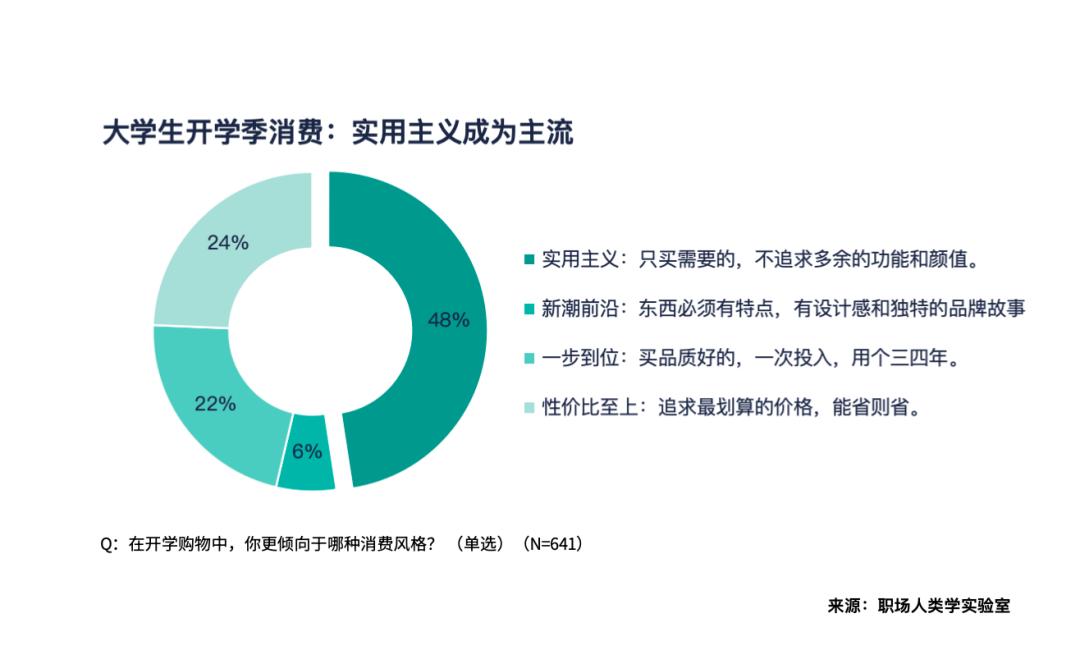
Group 1 - The core viewpoint of the article highlights the shift in college students' consumption patterns, moving from a focus on impulsive buying to a more practical and value-driven approach, with an emphasis on smart products and experiences [1][3][36] - The survey indicates that nearly half (48%) of college students prioritize practicality in their purchases, while 24% focus on cost-effectiveness, showing a significant preference for essential items over luxury or trendy products [6][9] - Regional differences in consumption styles are evident, with students in first-tier cities like Shanghai and Beijing leaning towards trendy and innovative products, while those in central and western provinces prioritize practicality [8][9] Group 2 - The "smart consumption five essentials" for college students now include smartphones, laptops, tablets, smartwatches, and electric bicycles, reflecting a shift in necessary items for academic and daily life [15][19] - Electric bicycles have become a mainstream choice for campus transportation, with 74% of students opting for them, surpassing traditional bicycles and cars, driven by the need for convenience in larger campus environments [20][23] - In the digital realm, knowledge consumption is emerging as a necessity, with 71% of students paying for software memberships and 54% investing in knowledge courses, indicating a strong willingness to pay for personal growth and learning tools [34][36]
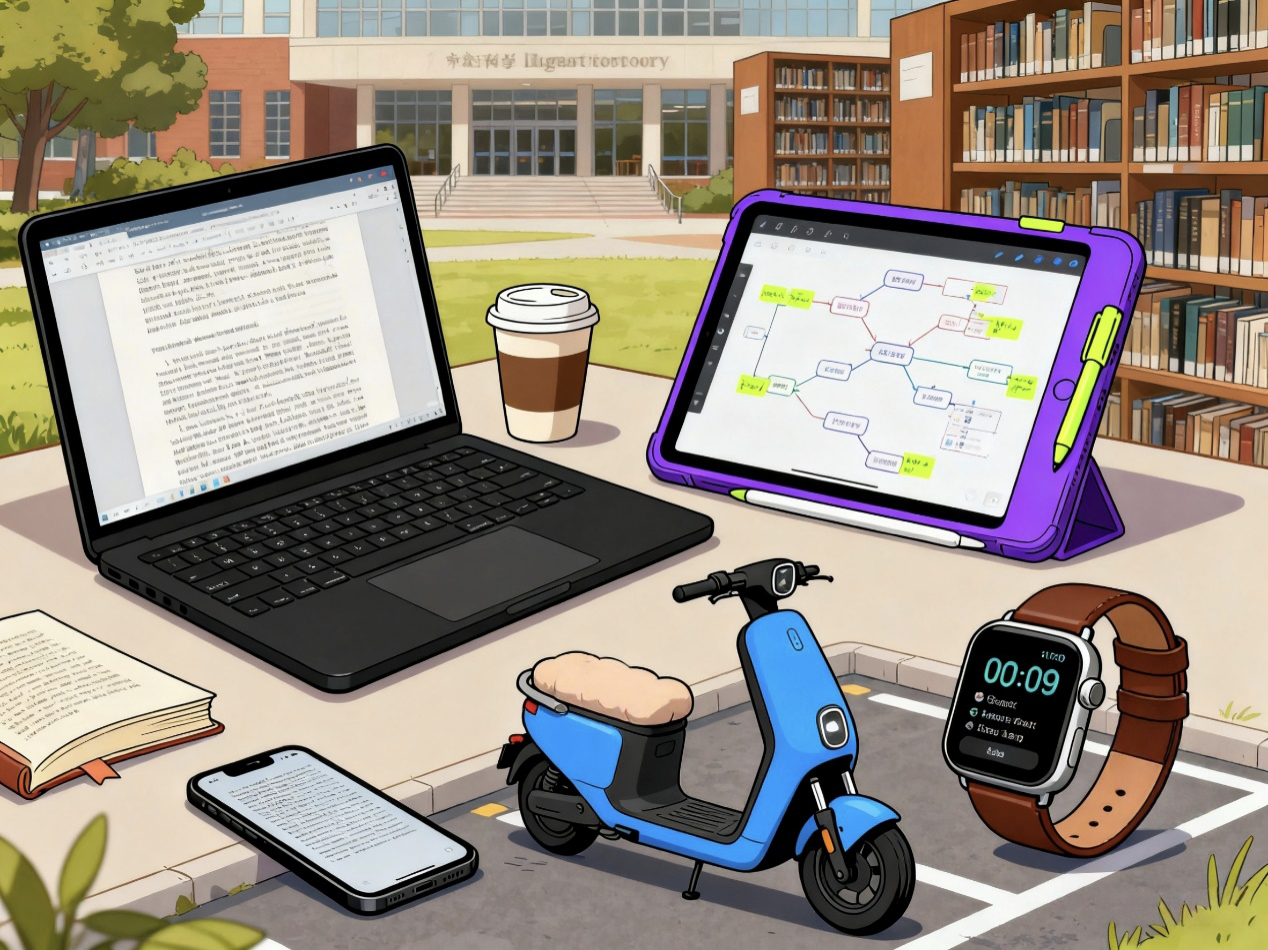
00后大学生清醒消费:实用为先,体验世界,电动车上位,愿为AI付费
3 6 Ke· 2025-09-12 00:00
Core Insights - The article highlights the evolving consumption patterns of university students, particularly the 00s generation, who prioritize practicality and value for money in their purchases while also seeking emotional experiences through travel and other activities [1][2][3] Consumption Behavior - University students exhibit a dual approach to consumption: they seek cost-effectiveness for necessary purchases and prioritize experiential value for emotional spending, while also considering long-term returns for future investments [2][3] - A significant portion of students (approximately 48%) identify as practical consumers, focusing on essential needs without unnecessary features, while 25% prioritize the best price [2][3] Regional Differences - Consumption preferences vary by region, with students in first-tier cities like Shanghai and Beijing leaning towards trendy products, while those in central and western provinces like Hubei and Henan favor practicality [6] Financial Insights - The majority of university students (about 58%) have a monthly living expense between 1,000 and 3,000 yuan, indicating a moderate financial capacity for discretionary spending [9] Emotional Spending - A large majority (approximately 84%) of students are willing to spend on travel experiences, reflecting a strong desire for emotional value in their consumption [13] Attitudes Towards Relationships - The majority of students (55%) adopt a relaxed attitude towards dating, indicating a shift towards a more pragmatic approach to relationships [15][19] - When selecting partners, students prioritize character and compatibility, with 83% valuing personal qualities over physical appearance [23] Spending in Relationships - In terms of relationship expenses, 54% of students believe a budget of 501-1,000 yuan per month is necessary, indicating that dating can be a significant financial commitment [28] Smart Consumption Trends - The essential items for the 00s generation have become increasingly "smart," with wearable devices and electric bicycles emerging as key products for university students [31][34] - Electric bicycles are preferred for campus mobility, with 74% of students purchasing them over traditional bicycles [34][40] Digital and AI Spending - A notable 71% of students are willing to pay for software memberships, and 25% have already invested in paid AI tools, indicating a growing trend towards digital consumption [45] Conclusion - The article encapsulates the complex interplay of practicality, emotional value, and digital engagement in the consumption habits of contemporary university students, reflecting a generation that balances rational spending with a desire for meaningful experiences [48]
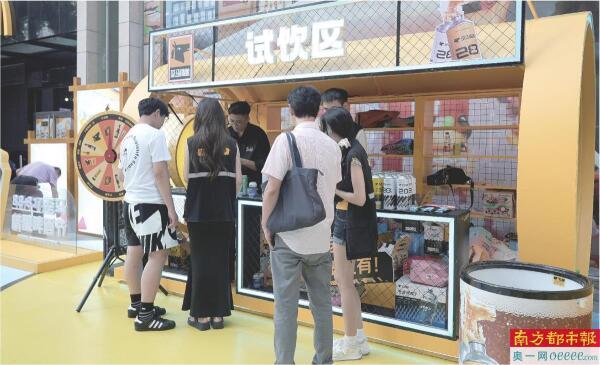
“一区一活动”聚焦AI消费与低空消费
Nan Fang Du Shi Bao· 2025-08-10 23:22
Group 1 - The "2025 Shenzhen Shopping Season" has officially launched, featuring over 670 events from August to October, aimed at boosting consumer enthusiasm [2] - The shopping season is structured around a comprehensive framework that includes a consumption map, three monthly themes, and various key activities [2] - The first major event of the shopping season is the "Tipsy Music Festival," running from August 8 to 17, focusing on dining and cultural tourism integration [3] Group 2 - Shenzhen's first city duty-free store is set to open in late August, featuring a diverse product matrix including beauty, high-end liquor, and technology [4] - The duty-free store aims to attract outbound travelers and promote domestic consumption, with various promotional activities planned for the opening [4] - Shenzhen has seen significant growth in its departure tax refund business, becoming the city with the most departure tax refund points in China [5] Group 3 - The introduction of AI translation devices in "Little Yellow Hat" taxis allows for real-time translation in over 140 languages, enhancing communication for foreign passengers [7] - The city is leveraging technology to convert tourist traffic into sustained visitor engagement, with over 8 million inbound tourists recorded in the first quarter [7] - The Shenzhen catering industry is promoting quality dining experiences through various events and competitions, enhancing the local food scene [7] Group 4 - The Link membership product by China Mobile Hong Kong offers discounts across various consumer scenarios in key shopping areas, enhancing the shopping experience for visitors [6] - Multiple electronic wallet platforms are being integrated to facilitate payments for visitors from Hong Kong and other regions, promoting digital service capabilities [6]
半年揽超1800万境外游客,深圳瞄准全球钱包
2 1 Shi Ji Jing Ji Bao Dao· 2025-08-09 03:22
Group 1 - The core idea is that Shenzhen is leveraging technology to convert foreign tourist traffic into consumption growth, with significant increases in inbound tourist numbers and foreign personnel crossing borders [1][2] - In the first half of the year, Shenzhen received 18.39 million inbound tourists, a year-on-year increase of 31.9% on top of a high base from last year, and 3.432 million foreign personnel crossed the borders, up 39.2% [1] - The "Shopping Season 2025 in Shenzhen" has been launched, focusing on international consumption, with over 1,000 tax refund stores and the first city duty-free shop expected to open by the end of August [1][2] Group 2 - China Mobile Hong Kong, WeChat Pay HK, and Ant Group will introduce promotional measures for foreign tourists during the 2025 Shenzhen Shopping Season, including discounts worth over 600 yuan [2] - The shopping season will feature three monthly themes: "August Joyful Shopping," "September Fashion Shopping," and "October Brand Shopping," alongside major city events focusing on various consumption hotspots [2] - The Shenzhen Municipal Bureau of Commerce plans to organize 12 district-specific events and 36 city-level key activities, with over 670 sub-activities involving various market entities [2]
惠及超1100万人次!深圳消费品”以旧换新”加力扩围显成效
Sou Hu Cai Jing· 2025-07-02 16:22
Group 1 - Shenzhen's "old for new" consumption policy has benefited over 11 million people and facilitated the replacement of 78,000 vehicles as of June 30 this year [1] - The "old for new" initiative has generated sales of 36.7 billion yuan in automotive, home appliances, and digital products by mid-June [1] - Various districts in Shenzhen are supporting consumption in sectors like dining, retail, and health through initiatives such as CityGo and electronic consumption vouchers [1] Group 2 - Shenzhen prioritizes boosting consumption and has actively developed "new consumption" with a vibrant market and diverse consumption scenarios [2] - The "2025 Shenzhen New Consumption Season" features over 450 events aimed at unlocking new urban experiences and enhancing consumer engagement [2] - The ongoing "2025 Shenzhen Summer Consumption Season" focuses on integrating AI technology with cultural trends to create immersive shopping experiences [4]