文商旅融合

Search documents
北京消费结构与趋势|北京商业经济学会会长王成荣:消费结构动态变化,需多措并举增强消费动力
Bei Jing Shang Bao· 2025-07-14 06:25
Group 1 - The core viewpoint emphasizes the need for systematic policies and precise actions to create a favorable consumption environment in China [1][3] - China's consumption structure has undergone significant changes, evolving from a single to a diversified model and from basic to high-quality consumption [3][4] - The initial major adjustment in consumption structure was marked by an optimization of the internal composition of goods, with a notable decline in food expenditure and an increase in clothing and home appliance spending [3] Group 2 - The transformation of consumption structure is characterized by a shift from material consumption to service-oriented consumption, with a notable increase in service and cultural consumption outpacing traditional goods consumption [3][4] - To stimulate consumer demand and market vitality, it is crucial to create a more attractive consumption environment through innovative measures across multiple dimensions [3] - The integration of culture, commerce, and tourism has become a vital path for driving consumption, enhancing the consumer experience and providing new momentum for service consumption growth [4]

首发经济火热文商旅加速融合 上海重回全国消费第一城
Zhong Guo Jing Ying Bao· 2025-07-10 12:16
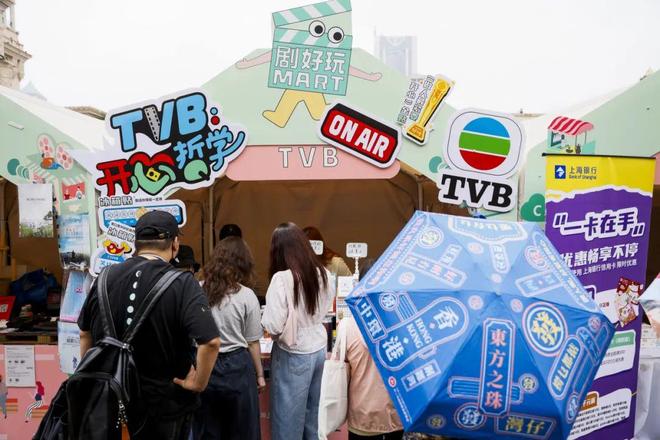
Group 1 - Shanghai's cultural and commercial tourism market is accelerating, with a reported retail sales total of 687.21 billion yuan from January to May, marking a 1.4% year-on-year increase, reaffirming its status as the top consumer city in China [1] - The opening of the Shanghai LEGO Land on July 5 attracted 7,500 visitors within the first hour, highlighting the growing interest in immersive consumer experiences [1] - The integration of cultural and commercial tourism is being emphasized, with notable shopping districts aiming to become "global top retail destinations" [1][6] Group 2 - The Shanghai International Film Festival and Shanghai Television Festival introduced immersive experiences and emotional value consumption, showcasing a new trend in the consumer market [2] - The "Louis" giant ship, a collaboration between LV and Xinyi Taikoo Hui, has become a significant attraction, featuring a unique design inspired by the brand's history and integrating various retail and cultural experiences [4][5] - The ongoing transformation of historical districts like Zhangyuan is reshaping the commercial landscape, combining cultural landmarks with high-end retail [5] Group 3 - Shanghai's commercial sector is stabilizing in core areas while experience-driven businesses are rapidly emerging in non-core areas, indicating a shift towards differentiated and upgraded commercial offerings [6] - The introduction of consumer stimulus measures, such as shopping vouchers and themed shopping festivals, has effectively revitalized the market, leading to increased foot traffic and retail sales [6] - Future developments in the Nanjing West Road area include the expansion of existing shopping centers and the introduction of new high-end brands, enhancing the area's appeal as a global consumer hotspot [7]
南京浦口火车站文商旅融合焕新发展活力
Xin Hua Ri Bao· 2025-07-08 23:19
Core Insights - The Nanjing Pukou Railway Station Cultural Tourism Area is undergoing a transformation that integrates culture, commerce, and tourism, marking a significant urban renewal initiative [1] - The historical station, built in 1914, is being revitalized through innovative practices that blend old architecture with modern cultural elements, creating a vibrant space for urban cultural display [1][2] Group 1: Cultural Integration - The cultural tourism area features numerous photo spots, with the station's historical architecture complemented by contemporary cultural IP installations like Bubble Mart, attracting a younger audience [2] - The integration of modern cultural symbols into the historical context allows the old station to evolve from a mere historical symbol to a tangible living space for the youth [2] Group 2: Emotional Engagement - A photography exhibition titled "The Weight of the Back Shadow, The Temperature of the Spine" was held, showcasing 30 works that reflect the significance of "back shadows" in various emotional contexts [3] - The exhibition, located near a statue of Zhu Ziqing, connects literary themes with contemporary imagery, facilitating emotional resonance among visitors [3] Group 3: Economic Activation - The area is exploring a sustainable development model through a "cultural experience + consumption conversion" approach, with businesses offering cultural benefits during events like Father's Day [4] - The combination of cultural experiences with commercial activities has led to a notable increase in local creative and dining consumption [4] - The transformation of the Pukou Railway Station into a cultural, commercial, and tourism hub exemplifies urban renewal, aiming to create a symbiotic ecosystem that enhances both social and economic benefits [4]
2025年北京文化消费狂欢攻略“出炉”
Zhong Guo Zhi Liang Xin Wen Wang· 2025-07-08 07:14
Group 1 - Beijing's cultural consumption strategy aims to enhance the city's fashion appeal and stimulate economic growth through various initiatives [1][2] - The "Beijing Fashion Consumption Special Action Plan" includes 21 measures across five key actions to unlock the potential of fashion consumption [1] - The city is leveraging technological innovation and cultural heritage to improve the quality of cultural consumption and showcase its unique style [1][4] Group 2 - Recent policies have been implemented to promote cultural consumption, including financial support for large-scale performances and innovative cultural spaces [2] - New immersive performance experiences and the revitalization of traditional venues are creating trendy cultural consumption opportunities [3] - Diverse cultural spaces cater to various demographics, enhancing consumer engagement and cultural identity while driving economic activity [4]

老电厂变身文旅新地标,淮北夔牛天街正式运营
Ren Min Wang· 2025-07-07 06:44
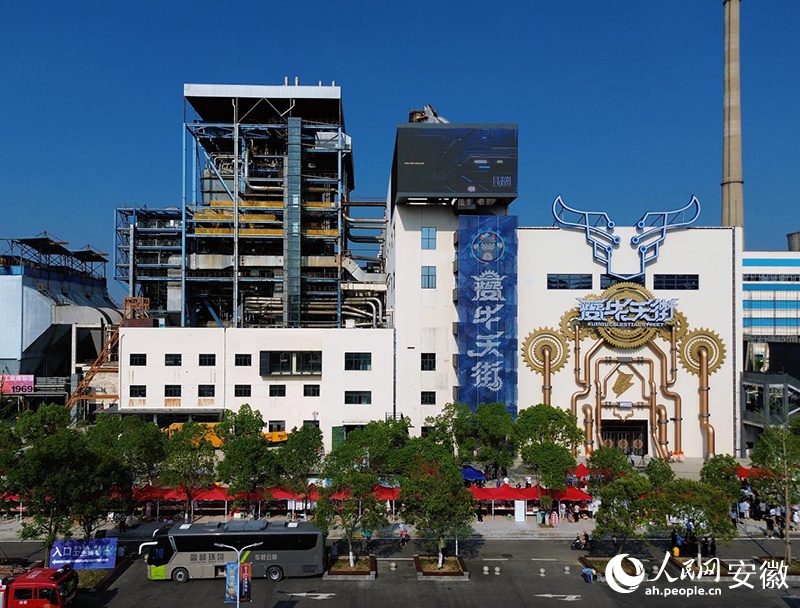
Core Viewpoint - The transformation of the old power plant in Huai Bei into a cultural and tourism complex, known as the Kui Niu Tian Street project, represents a successful model of industrial heritage preservation and urban renewal, integrating industrial culture with modern tourism experiences [1][2][6]. Group 1: Project Overview - The Kui Niu Tian Street project is located at the intersection of Suixi Road and Huili Road in Huai Bei, on the site of the former Datang Power Plant, which served for half a century before its closure in 2018 due to energy structure adjustments and environmental regulations [2][5]. - The project covers a total construction area of over 10,000 square meters and is part of a broader initiative to promote the protection and utilization of industrial heritage in old industrial cities [2][6]. Group 2: Design and Features - The complex features a 10-meter tall mechanical Kui Niu named "Leilei," symbolizing resilience and innovation, and serves as a modern interpretation of ancient mythology while honoring industrial spirit [3][5]. - The project employs a "protection first, functional reconstruction" principle, preserving key industrial elements such as red brick buildings and steam pipes, while creatively revitalizing them [5]. Group 3: Visitor Experience and Economic Impact - The complex is designed with a four-level layout catering to diverse audiences, including entertainment, cultural education, family activities, and creative retail, enhancing the overall visitor experience [5]. - The project has led to a 15% increase in the rental rates of surrounding commercial properties, demonstrating significant economic spillover effects [6]. Group 4: Future Prospects - The success of the Kui Niu Tian Street project is expected to serve as a model for further industrial heritage revitalization in Huai Bei, promoting a shift from single attractions to comprehensive tourism experiences [6].
中指研究院发布2025中国商业地产发展白皮书 文旅商业等有望迎发展新机遇
Zheng Quan Shi Bao Wang· 2025-07-04 10:42
Core Insights - The "2025 China Commercial Real Estate Development White Paper" indicates a continued decline in the supply of commercial office space and a significant reduction in newly opened retail projects since 2025, with a focus on community and cultural tourism commercial sectors as new growth opportunities for physical retail [1][3] Group 1: Market Trends - From January to May 2025, the total investment in commercial office space development across the country decreased by 10.9% year-on-year, with new construction area down by 24.9% [1] - The commercial land market has seen a decline, with a year-on-year drop of approximately 25% in the area of pure commercial land launched in 300 cities in the first half of 2025, and a nearly 20% decrease in transaction area [1] Group 2: Retail Sector Performance - In the first five months of 2025, 89 retail projects over 30,000 square meters were newly opened, a decrease of 9 projects compared to the same period last year [2] - As of May 2025, there were over 6,700 retail projects over 30,000 square meters in operation nationwide, covering approximately 5.9 million square meters, with major city clusters accounting for about 60% [2] Group 3: Rental Market Dynamics - Average rental prices for street shops and office buildings have shown a narrowing decline, with street shop rents at 24.16 yuan per square meter per day, down 0.35% from the previous month, and office rents at 4.57 yuan per square meter per day, down 0.34% [2] - The rental decline for retail spaces has slowed compared to the second half of 2024, indicating a potential stabilization in the rental market [2] Group 4: Strategic Responses - Leading companies are focusing on optimizing existing assets through strategies such as creating benchmarks, adjusting leasing strategies, and innovating space usage to maintain stable occupancy rates [3] - The white paper suggests that retail will continue to evolve towards enhanced experiences and diversified formats, with community and cultural tourism commercial sectors poised for growth due to supportive policies and changing consumer spending patterns [3]
中指研究院:1-5月全国商办用房新开工面积同比下降24.9%
智通财经网· 2025-07-04 06:42
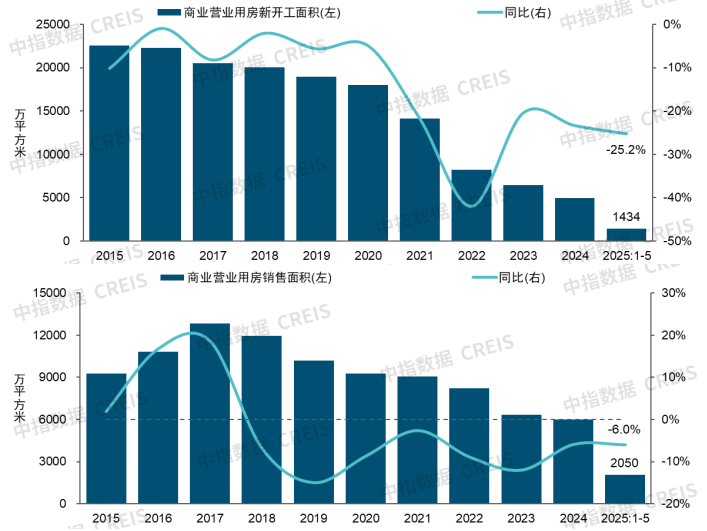
Core Viewpoint - The commercial real estate market in China continues to face challenges, with declines in investment, new construction, and sales in the first five months of 2025, although the rate of decline has shown some signs of narrowing compared to 2024. Group 1: Investment and Construction Trends - Total investment in commercial properties reached 398.5 billion yuan, a year-on-year decrease of 10.9%, with the decline rate narrowing by 1.2 percentage points compared to the entire year of 2024 [1] - New construction area totaled 20.49 million square meters, down 24.9% year-on-year, with the decline rate widening by 0.3 percentage points compared to 2024 [1] - Sales area amounted to 28.6 million square meters, reflecting a year-on-year decrease of 6.4%, with the decline rate narrowing by 1.2 percentage points compared to 2024 [1] Group 2: Commercial Property Market Performance - In the commercial property sector, investment decreased by 7.6%, new construction area fell by 25.2%, and sales area dropped by 6.0% in the first five months of 2025 [2] - For office buildings, investment declined by 16.3%, new construction area decreased by 24.1%, and sales area fell by 7.4% [3][5] - The land market for commercial properties saw a significant drop, with a 24.6% decrease in new land supply and a 17.1% decrease in transaction area across 300 cities in the first half of 2025 [6][10] Group 3: Retail and Leasing Market Dynamics - The number of new retail commercial projects opened in the first five months of 2025 was 89, with a total construction area of approximately 7 million square meters, representing a 17% decrease in area compared to the same period in 2024 [12] - The average rent for major shopping streets in key cities fell by 0.35%, while the average rent for shopping centers decreased by 0.12%, indicating a narrowing decline compared to the previous year [15][18] - The rental market for office buildings remains weak, with an average rent decline of 1.06% in key cities during the first half of 2025 [20] Group 4: Market Activity and Transaction Trends - The large transaction market remained active, with 83 transactions recorded in the first five months of 2025, maintaining a similar level to the previous year [23] - The total transaction amount reached 93.3 billion yuan, a significant increase of 85% year-on-year, driven by several large transactions [24] - Retail commercial properties and office buildings were the most favored types in transactions, with retail transactions accounting for 60% of the total transaction amount [27] Group 5: Corporate Strategies and Performance - Leading companies are focusing on enhancing operational capabilities and stabilizing occupancy rates through innovative strategies and improved service quality [28][30] - The average occupancy rate for operational shopping centers among leading companies remained above 90%, with some companies reporting significant year-on-year growth in sales [31] - In contrast, the office rental performance of major real estate companies showed weaker growth, with occupancy rates around 80% [31] Group 6: Financing and Investment Trends - The issuance of CMBS/CMBN and REITs products remained low, with a total issuance of 38.2 billion yuan in the first five months of 2025, reflecting a slight year-on-year increase [39] - The market for consumption REITs has seen a steady increase, with nine products issued, totaling over 22 billion yuan, indicating a growing interest in this financing avenue [40][42] Group 7: Future Trends and Opportunities - Community commercial projects are expected to play a crucial role in enhancing service consumption and meeting local needs, supported by government policies [43][47] - The integration of culture, tourism, and commerce is emerging as a significant direction for commercial upgrades, with various supportive policies being implemented [50][52]
活态传承激发新活力(现场评论) ——写好人文经济学的大文章③
Ren Min Ri Bao· 2025-07-03 00:18
Group 1 - The Beijing Central Axis serves as both a physical and cultural axis, promoting economic and cultural symbiosis, showcasing a vibrant era of mutual growth [1][2] - Cultural heritage development contains potential for economic growth, with unique cultural products acting as keys to integrate ancient culture into modern life, thus providing economic momentum [1][2] - The integration of culture with modern economy can unleash endless potential, as evidenced by the success of cultural products like the refrigerator magnet inspired by historical artifacts [1][2] Group 2 - The Central Axis has transformed into a tangible cultural space, with initiatives like immersive dining experiences and escape rooms that blend history with modern entertainment [2][3] - Cultural tourism projects around the Central Axis have stimulated surrounding businesses, creating a comprehensive consumption ecosystem driven by culture [2][3] - The coexistence of daily life and cultural elements in the hutongs illustrates the vibrant cultural atmosphere, enhancing the quality of life and urban development [3] Group 3 - The practice of humanistic economics along the Central Axis demonstrates the vitality of cultural heritage, emphasizing the need for innovative approaches to protect and utilize cultural assets [3] - Innovative strategies not only enhance the preservation and transmission of cultural heritage but also inject new vitality and charm into urban development [3]
第四届中国-中东欧国家文化艺术嘉年华圆满举办
Bei Jing Ri Bao Ke Hu Duan· 2025-06-22 13:12
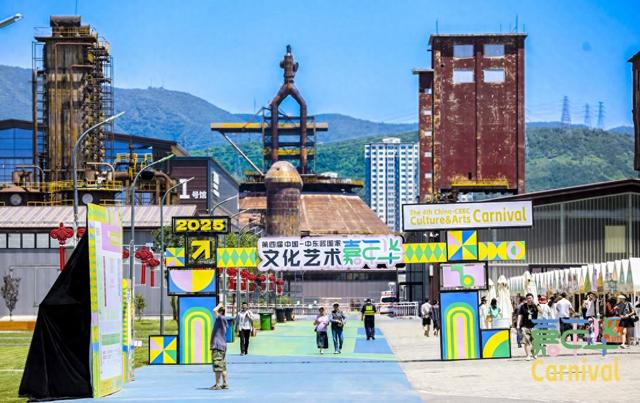
Core Viewpoint - The "China-Central and Eastern European Countries Cultural and Arts Carnival" aims to enhance cultural exchanges between China and Central and Eastern European countries, promoting high-quality development of inbound tourism in Beijing and the city's international consumption center [1][10]. Group 1: Event Overview - The event took place from June 20 to 22 at the Shougang International Exhibition Center in Beijing, attracting nearly 30,000 participants, including local citizens and foreign friends [3]. - It featured performances from 8 artistic groups from 11 countries, including Romania, Bulgaria, Greece, and Slovenia, alongside 5 local Beijing art groups, presenting nearly 20 unique cultural performances [3][5]. Group 2: Economic Impact - The carnival gathered 50 domestic and international intangible cultural heritage, cultural creative, and food brands, achieving revenue exceeding 500,000 yuan [3][7]. - The creative market showcased 50 booths, including food shops and high-end hotels, promoting local cultural products and generating significant sales [7][8]. Group 3: Cultural Exchange and Experience - The event emphasized immersive experiences of intangible cultural heritage, allowing international guests to engage with traditional Chinese culture through various activities, including AI consultations in traditional Chinese medicine [7][10]. - The carnival serves as a platform for deep cultural exchange and emotional connection between China and other countries, aiming to present a credible and charming image of China and Beijing to the world [10].
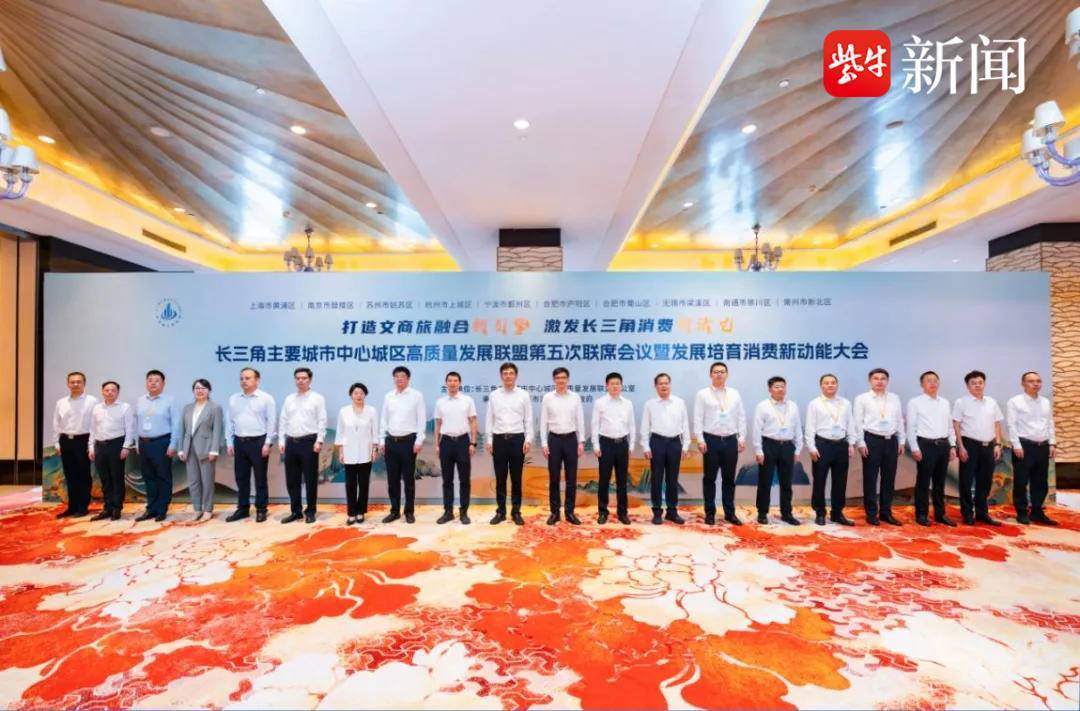
文商旅融合激发消费新活力!镇江润州区参加长三角C9+联盟第五次联席会议
Sou Hu Cai Jing· 2025-06-18 05:25
Core Insights - The fifth joint meeting of the High-Quality Development Alliance of Major Urban Centers in the Yangtze River Delta was held in Wuxi, focusing on "creating a new engine for the integration of culture, commerce, and tourism to stimulate new consumption vitality in the Yangtze River Delta" [2] Group 1 - The meeting reviewed the achievements of the alliance in 2024 and launched the C9+ first-store check-in map project along with the top ten innovative cultural tourism consumption scenarios in the Yangtze River Delta [2] - A cross-city cultural tourism co-creation IP plan titled "One Water Links Cities, Ten Thousand Changes" was introduced, emphasizing the importance of IP development and cultural tourism consumption in the region [2] - The alliance aims to implement actions centered on "city heart linkage, brand co-construction, and consumption integration" [2] Group 2 - The meeting included a closed-door session where the Runzhou District government expressed its commitment to collaboration with member cities, highlighting the shared ecological, cultural, and consumption community among the urban centers [3] - Runzhou aims to actively participate in the cultural and economic development of the Yangtze River Delta, promoting joint development of cultural tourism products and enhancing consumer integration [3] - The conference also released the "2024 White Paper on High-Quality Development of Major Urban Centers in the Yangtze River Delta" and the "C9+ Alliance Economic High-Quality Development Assessment Report," along with the unveiling of the Yangtze River Delta Cultural Tourism Consumption Innovation Center [3]