
社会融资规模

Search documents
11月金融统计数据出炉!M2同比增长8% 前11个月人民币贷款增加15.36万亿元
Jin Rong Jie· 2025-12-12 10:03
Group 1: Financial Statistics Overview - The total social financing scale increased by 33.39 trillion yuan in the first eleven months of 2025, which is 3.99 trillion yuan more than the same period last year [4] - As of the end of November, the broad money supply (M2) reached 336.99 trillion yuan, reflecting an 8% year-on-year growth [4] - The narrow money supply (M1) stood at 112.89 trillion yuan, with a year-on-year increase of 4.9% [4] - The cash in circulation (M0) was 13.74 trillion yuan, showing a 10.6% year-on-year growth [4] Group 2: Loan and Deposit Statistics - By the end of November, the balance of RMB loans to the real economy was 267.42 trillion yuan, up 6.3% year-on-year [2] - The total RMB loans increased by 15.36 trillion yuan in the first eleven months, with household loans rising by 5.333 trillion yuan [6][5] - The total deposits in RMB increased by 24.73 trillion yuan in the first eleven months, with household deposits growing by 12.06 trillion yuan [5] Group 3: Currency and Interest Rates - The average weighted interest rate for interbank RMB market lending in November was 1.42%, which is 0.03 percentage points higher than the previous month [7] - The average weighted interest rate for pledged bond repos was 1.44%, up 0.04 percentage points from the previous month [7] Group 4: Cross-Border Transactions - In November, the cross-border RMB settlement amount under the current account was 1.49 trillion yuan, with goods trade accounting for 1.19 trillion yuan [8]
央行最新数据发布!
Jin Rong Shi Bao· 2025-12-12 10:02
Core Insights - The latest financial statistics from the central bank indicate a moderately loose monetary policy environment, supporting high-quality economic development [2][3] Monetary Supply - As of November 2025, the broad money supply (M2) reached 336.99 trillion yuan, growing by 8.0% year-on-year, which is 0.9 percentage points higher than the previous year [1] - The narrow money supply (M1) stood at 112.89 trillion yuan, with a year-on-year increase of 4.9% [1] - The currency in circulation (M0) amounted to 13.74 trillion yuan, reflecting a growth of 10.6% year-on-year [1] Social Financing - The total social financing stock was 440.07 trillion yuan, marking an 8.5% year-on-year increase, which is 0.7 percentage points higher than the previous year [1] - From January to November, the incremental social financing was 33.39 trillion yuan, which is 3.99 trillion yuan more than the same period last year [1] Government Debt and Fiscal Policy - The total new government debt this year reached 11.86 trillion yuan, an increase of 2.9 trillion yuan compared to last year, with significant contributions from various types of government bonds [3] - The issuance of government bonds has been accelerated, with 1.3 trillion yuan of ultra-long-term special bonds fully issued, and 2 trillion yuan allocated for refinancing existing hidden debts [3] - Government bond financing is expected to exceed 12 trillion yuan this year, accounting for 40% of the incremental social financing [3] Credit Growth and Quality - By the end of November, the RMB loan balance was 271 trillion yuan, with a year-on-year growth of 6.4% [7] - The average interest rate for newly issued corporate loans was approximately 3.1%, down about 30 basis points from the previous year [7] - Inclusive small and micro loans reached 35.88 trillion yuan, growing by 11.4%, while medium to long-term loans for the manufacturing sector increased by 7.7% [7] Structural Changes in Financing - The shift in credit structure reflects the transition of economic growth drivers from traditional sectors to emerging fields such as technology innovation and green development [7][8] - The central bank has been enhancing its monetary policy tools to better align financial products and services with the needs of economic transformation [8] - Banks are optimizing their internal governance to effectively transmit central bank policy incentives, leading to a reasonable growth in credit volume and continuous improvement in quality [8]
适度宽松货币政策持续显效,前11个月我国社融规模增量超去年全年
Sou Hu Cai Jing· 2025-12-12 09:54
记者 辛圆 11月末,广义货币(M2)余额336.99万亿元,同比增长8%,涨幅较上月回落0.2个百分点。狭义货币(M1)余额112.89万亿元,同比增长4.9%,涨幅较上月回落 1.3个百分点。 据新华社消息,12月10日至11日,中央经济工作会议在北京举行。在部署明年货币政策时,会议称,要继续实施适度宽松的货币政策,并提出"灵活高效运 用降准降息等多种政策工具"。 分析师表示,总体来看,货币政策延续了"适度宽松"基调,降准降息仍然可期,但会更加注重"相机抉择"以提高实施质效。 中国人民银行周五发布2025年1-11月金融统计数据报告。数据显示,前11个月社会融资规模增量累计为33.39万亿元,超过去年全年水平。 从企业和居民需求看,前11个月人民币贷款增加15.36万亿元。分部门看,住户贷款增加5333亿元,其中,短期贷款减少7328亿元,中长期贷款增加1.27万亿 元;企(事)业单位贷款增加14.4万亿元,其中,短期贷款增加4.44万亿元,中长期贷款增加8.49万亿元,票据融资增加1.31万亿元;非银行业金融机构贷款 减少332亿元。 另外,前11个月人民币存款增加24.73万亿元。其中,住户存款增加1 ...

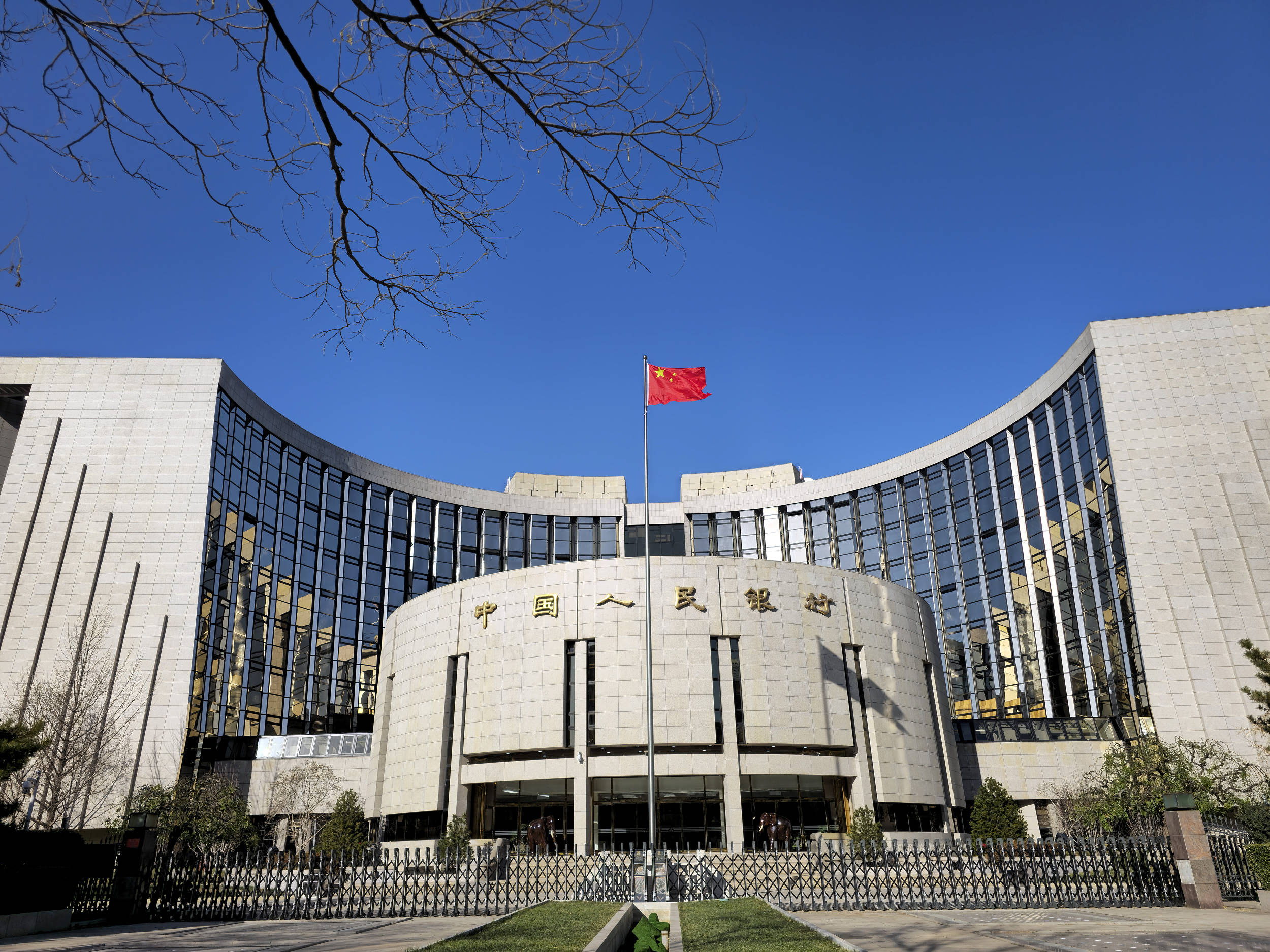
刚刚!社融存量突破440万亿
Wind万得· 2025-12-12 09:34
Key Points - The total social financing scale reached 440.07 trillion yuan by the end of November 2025, showing a year-on-year growth of 8.5% [1] - The balance of RMB loans to the real economy was 267.42 trillion yuan, increasing by 6.3% year-on-year [1] - The balance of foreign currency loans to the real economy, converted to RMB, was 1.13 trillion yuan, a decrease of 16.5% year-on-year [1] - The balance of corporate bonds was 34.08 trillion yuan, with a year-on-year increase of 5.6% [1] - Government bonds saw a significant increase, with a balance of 94.24 trillion yuan, up 18.8% year-on-year [1] Financing Structure - By the end of November, RMB loans accounted for 60.8% of the total social financing scale, down 1.3 percentage points year-on-year [2] - The proportion of corporate bonds was 7.7%, down 0.3 percentage points year-on-year [2] - Government bonds' share increased to 21.4%, up 1.8 percentage points year-on-year [2] Financing Increment - The cumulative increase in social financing for the first eleven months of 2025 was 33.39 trillion yuan, which is 3.99 trillion yuan more than the same period last year [3] - RMB loans increased by 14.93 trillion yuan, which is a decrease of 1.28 trillion yuan compared to the previous year [3] - Government bonds net financing reached 13.15 trillion yuan, an increase of 3.61 trillion yuan year-on-year [3] Money Supply - The broad money supply (M2) was 336.99 trillion yuan, growing by 8% year-on-year [4] - The narrow money supply (M1) was 112.89 trillion yuan, with a year-on-year growth of 4.9% [4] - Cash in circulation (M0) reached 13.74 trillion yuan, increasing by 10.6% year-on-year [4] Deposits - By the end of November, the total deposits in both domestic and foreign currencies were 334.46 trillion yuan, up 8% year-on-year [5] - RMB deposits increased by 24.73 trillion yuan in the first eleven months, with household deposits rising by 12.06 trillion yuan [5] - Foreign currency deposits reached 1.06 trillion USD, showing a year-on-year increase of 28.3% [5] Loans - The total balance of loans in both domestic and foreign currencies was 274.84 trillion yuan, with RMB loans at 271 trillion yuan, reflecting a year-on-year growth of 6.4% [6] - Household loans increased by 533.3 billion yuan, while corporate loans rose by 14.4 trillion yuan [6] - Foreign currency loans decreased by 1.6% year-on-year, with a balance of 542.9 billion USD [6] Interbank Market - The weighted average interest rate for interbank RMB market lending was 1.42%, up 0.03 percentage points from the previous month [7] - The total transaction volume in the interbank market was 187.7 trillion yuan, with a daily average of 9.38 trillion yuan [7] Cross-Border Transactions - In November, the cross-border RMB settlement amount for current accounts was 1.49 trillion yuan, with direct investment settlements at 0.71 trillion yuan [8]
前11个月新增社融33.39万亿元,11月末M2同比增长8%
Sou Hu Cai Jing· 2025-12-12 09:27
Core Insights - The People's Bank of China reported that the social financing scale reached 440.07 trillion yuan by the end of November, marking an 8.5% year-on-year increase [1] - The total increment of social financing for the first eleven months was 33.39 trillion yuan, which is 3.99 trillion yuan more than the same period last year [3] Monetary Supply - The broad money supply (M2) stood at 336.99 trillion yuan at the end of November, reflecting an 8% year-on-year growth [1] - The narrow money supply (M1) was 112.89 trillion yuan, with a year-on-year increase of 4.9% [3] - The cash in circulation (M0) reached 13.74 trillion yuan, showing a 10.6% year-on-year growth [3] Deposits and Loans - The total deposits in both domestic and foreign currencies amounted to 334.46 trillion yuan, with a year-on-year increase of 8% [4] - The balance of RMB loans to the real economy was 267.42 trillion yuan, up 6.3% year-on-year [2] - The total RMB loans increased by 15.36 trillion yuan in the first eleven months, with household loans rising by 533.3 billion yuan [5] Foreign Currency Loans - The balance of foreign currency loans was 542.9 billion USD, which represents a year-on-year decline of 1.6% [6] - The total increment of foreign currency loans for the first eleven months was 800 million USD [6] Financial Market Activity - The average weighted interest rate for interbank RMB market lending in November was 1.42%, which is 0.03 percentage points higher than the previous month [7] - The total transaction volume in the interbank RMB market reached 187.7 trillion yuan in November, with a daily average of 9.38 trillion yuan [7] Cross-Border Transactions - The cross-border RMB settlement amount under the current account was 1.49 trillion yuan in November, with 1.19 trillion yuan from goods trade [8] - The direct investment cross-border RMB settlement amounted to 0.71 trillion yuan, with 0.26 trillion yuan for outward direct investment and 0.45 trillion yuan for foreign direct investment [8]
央行:前十一个月人民币存款增加24.73万亿元
21世纪经济报道· 2025-12-12 09:22
Core Viewpoint - The People's Bank of China reported that as of November 2025, the total social financing stock increased by 8.5% year-on-year, indicating a stable growth in the financial support for the real economy [4]. Group 1: Social Financing Scale - As of November 2025, the total social financing stock was 440.07 trillion yuan, with a year-on-year growth of 8.5% [4]. - The balance of RMB loans to the real economy was 267.42 trillion yuan, growing by 6.3% year-on-year [4]. - The balance of foreign currency loans to the real economy, converted to RMB, was 1.13 trillion yuan, showing a decline of 16.5% year-on-year [4]. - The balance of entrusted loans was 11.32 trillion yuan, increasing by 1% year-on-year [4]. - The balance of trust loans was 4.6 trillion yuan, with a year-on-year growth of 7.4% [4]. - The balance of corporate bonds was 34.08 trillion yuan, up by 5.6% year-on-year [4]. - The balance of government bonds reached 94.24 trillion yuan, marking an 18.8% increase year-on-year [4]. - The balance of non-financial corporate domestic stocks was 12.14 trillion yuan, growing by 4% year-on-year [4]. Group 2: Financing Structure - By the end of November, RMB loans accounted for 60.8% of the total social financing stock, down by 1.3 percentage points year-on-year [5]. - The proportion of foreign currency loans was 0.3%, unchanged year-on-year [5]. - Entrusted loans made up 2.6% of the total, down by 0.2 percentage points year-on-year [5]. - Trust loans represented 1% of the total, down by 0.1 percentage points year-on-year [5]. - The share of corporate bonds was 7.7%, down by 0.3 percentage points year-on-year [5]. - Government bonds accounted for 21.4%, up by 1.8 percentage points year-on-year [5]. - Non-financial corporate domestic stocks made up 2.8%, down by 0.1 percentage points year-on-year [5]. Group 3: Monetary Supply - By the end of November, the broad money supply (M2) was 336.99 trillion yuan, with an 8% year-on-year growth [7]. - The narrow money supply (M1) was 112.89 trillion yuan, increasing by 4.9% year-on-year [7]. - The currency in circulation (M0) was 13.74 trillion yuan, showing a 10.6% year-on-year growth [7]. Group 4: Deposits and Loans - By the end of November, the total deposits in RMB and foreign currencies reached 334.46 trillion yuan, growing by 8% year-on-year [8]. - The RMB deposit balance was 326.96 trillion yuan, with a year-on-year increase of 7.7% [8]. - In the first eleven months, RMB loans increased by 15.36 trillion yuan, with a year-on-year growth of 6.4% [9]. - The balance of foreign currency loans was 542.9 billion USD, showing a decline of 1.6% year-on-year [9]. Group 5: Interbank Market - In November, the weighted average interest rate for interbank RMB market lending was 1.42%, up by 0.03 percentage points from the previous month [10]. - The weighted average interest rate for pledged bond repos was 1.44%, also up by 0.04 percentage points from the previous month [10]. Group 6: Cross-Border Transactions - In November, the cross-border RMB settlement amount under the current account was 1.49 trillion yuan [11]. - The direct investment cross-border RMB settlement amount was 0.71 trillion yuan [11].
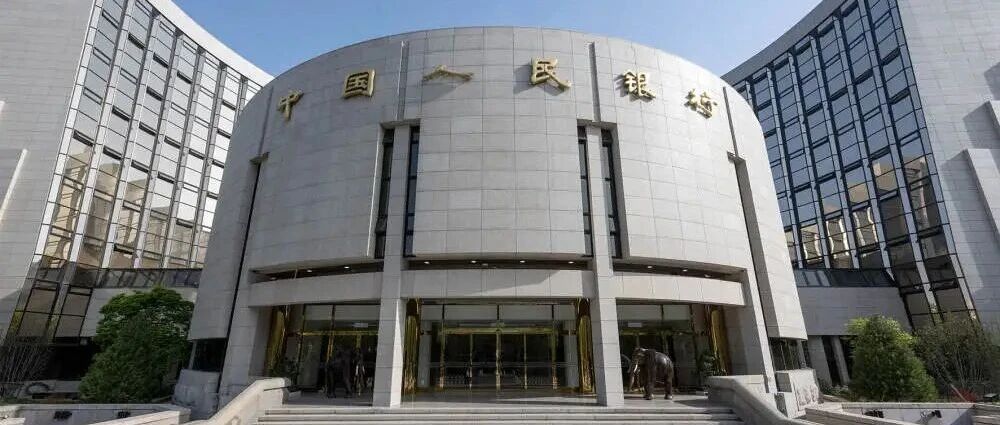
央行:前11个月社会融资规模增量累计为33.39万亿元,比上年同期多3.99万亿元
Sou Hu Cai Jing· 2025-12-12 09:21
格隆汇12月12日|央行:初步统计,2025年前11个月社会融资规模增量累计为33.39万亿元,比上年同 期多3.99万亿元。 【免责声明】本文仅代表作者本人观点,与和讯网无关。和讯网站对文中陈述、观点判断保持中立,不 对所包含内容的准确性、可靠性或完整性提供任何明示或暗示的保证。请读者仅作参考,并请自行承担 全部责任。邮箱:news_center@staff.hexun.com ...
央行:11月末广义货币(M2)余额336.99万亿元,同比增长8%
Sou Hu Cai Jing· 2025-12-12 09:21
Group 1 - The total social financing scale reached 440.07 trillion yuan by the end of November 2025, showing a year-on-year growth of 8.5% [1] - The balance of RMB loans to the real economy was 267.42 trillion yuan, with a year-on-year increase of 6.3% [1] - The balance of foreign currency loans to the real economy, converted to RMB, was 1.13 trillion yuan, reflecting a year-on-year decrease of 16.5% [1] Group 2 - The cumulative increase in social financing for the first eleven months of 2025 was 33.39 trillion yuan, which is 3.99 trillion yuan more than the same period last year [3] - The net financing from corporate bonds was 2.24 trillion yuan, an increase of 3.125 trillion yuan year-on-year [3] - Government bond net financing reached 13.15 trillion yuan, which is 3.61 trillion yuan more than the previous year [3] Group 3 - The broad money supply (M2) was 336.99 trillion yuan at the end of November, with a year-on-year growth of 8% [4] - The narrow money supply (M1) was 112.89 trillion yuan, showing a year-on-year increase of 4.9% [4] - The cash in circulation (M0) was 13.74 trillion yuan, reflecting a year-on-year growth of 10.6% [4] Group 4 - The total RMB deposits increased by 24.73 trillion yuan in the first eleven months, with household deposits rising by 12.06 trillion yuan [5] - The balance of foreign currency deposits was 1.06 trillion USD, showing a year-on-year increase of 28.3% [5] - The total balance of deposits in both domestic and foreign currencies was 334.46 trillion yuan, with a year-on-year growth of 8% [5] Group 5 - The total RMB loans increased by 15.36 trillion yuan in the first eleven months, with household loans rising by 533.3 billion yuan [6] - The balance of foreign currency loans was 542.9 billion USD, reflecting a year-on-year decrease of 1.6% [6] - The balance of total loans (both RMB and foreign currency) was 274.84 trillion yuan, with a year-on-year growth of 6.3% [6] Group 6 - The weighted average interest rate for interbank RMB market lending in November was 1.42%, which is 0.03 percentage points higher than the previous month [7] - The total transaction volume in the interbank RMB market was 187.7 trillion yuan, with an average daily transaction of 9.38 trillion yuan [7] - The average interest rate for pledged bond repos was 1.44%, which is 0.04 percentage points higher than the previous month [7] Group 7 - The cross-border RMB settlement amount under the current account in November was 1.49 trillion yuan, with goods trade accounting for 1.19 trillion yuan [8] - The direct investment cross-border RMB settlement amount was 0.71 trillion yuan, with foreign direct investment contributing 0.45 trillion yuan [8] - The settlement amounts indicate a robust engagement in cross-border transactions, reflecting the growing use of RMB in international trade [8]
央行发布11月金融数据
Sou Hu Cai Jing· 2025-12-12 09:21
Group 1: Social Financing Scale - The total social financing scale reached 440.07 trillion yuan by the end of November 2025, showing a year-on-year growth of 8.5% [2] - The balance of RMB loans to the real economy was 267.42 trillion yuan, increasing by 6.3% year-on-year, while foreign currency loans decreased by 16.5% [2] - The cumulative increase in social financing for the first eleven months of 2025 was 33.39 trillion yuan, which is 3.99 trillion yuan more than the same period last year [4] Group 2: Monetary Supply - The broad money supply (M2) stood at 336.99 trillion yuan at the end of November, reflecting an 8% year-on-year increase [5] - The narrow money supply (M1) was 112.89 trillion yuan, with a year-on-year growth of 4.9% [5] - The cash in circulation (M0) reached 13.74 trillion yuan, marking a 10.6% increase year-on-year [5] Group 3: Deposits and Loans - The total deposits in both domestic and foreign currencies amounted to 334.46 trillion yuan, with RMB deposits at 326.96 trillion yuan, showing a year-on-year increase of 7.7% [6] - RMB loans increased by 15.36 trillion yuan in the first eleven months, with household loans rising by 5.33 trillion yuan [7] - Foreign currency loans totaled 542.9 billion USD, experiencing a year-on-year decline of 1.6% [7] Group 4: Interbank Market - The weighted average interest rate for interbank RMB market lending was 1.42% in November, up by 0.03 percentage points from the previous month [8] - The total transaction volume in the interbank RMB market reached 187.7 trillion yuan, with a daily average transaction of 9.38 trillion yuan [8] Group 5: Cross-Border RMB Settlement - The cross-border RMB settlement amount under the current account was 1.49 trillion yuan in November, with goods trade accounting for 1.19 trillion yuan [9] - Direct investment cross-border RMB settlement amounted to 0.71 trillion yuan, with foreign direct investment at 0.45 trillion yuan [9]
央行:2025年11月末社会融资规模存量为440.07万亿元,同比增长8.5%
Xin Lang Cai Jing· 2025-12-12 09:08
Core Insights - The People's Bank of China released the financial statistics report for November, indicating a total social financing scale of 440.07 trillion yuan as of the end of November 2025, representing a year-on-year growth of 8.5% [1][2]. Summary by Category Loans to the Real Economy - The balance of RMB loans issued to the real economy reached 267.42 trillion yuan, with a year-on-year increase of 6.3% [1][2]. - The balance of foreign currency loans to the real economy, converted to RMB, was 1.13 trillion yuan, showing a year-on-year decline of 16.5% [1][2]. Other Financing Instruments - The balance of entrusted loans was 11.32 trillion yuan, reflecting a year-on-year growth of 1% [1][2]. - The balance of trust loans stood at 4.6 trillion yuan, with a year-on-year increase of 7.4% [1][2]. - The balance of undiscussed bank acceptance bills was 2.3 trillion yuan, showing a year-on-year growth of 0.4% [1][2]. Bonds and Stocks - The balance of corporate bonds was 34.08 trillion yuan, with a year-on-year increase of 5.6% [1][2]. - The balance of government bonds reached 94.24 trillion yuan, reflecting a significant year-on-year growth of 18.8% [1][2]. - The balance of domestic stocks held by non-financial enterprises was 12.14 trillion yuan, with a year-on-year increase of 4% [1][2].