人民币国际化

Search documents
金价飙至5200美元!美元贬值给中国送机遇,为何却暗藏陷阱?
Sou Hu Cai Jing· 2026-02-02 03:23
先看美元怎么自毁长城。特朗普的"美国优先"玩成了"美国孤立",关税大棒挥向32国,连加拿大这种铁 杆盟友都挨了20%钢铁税。更绝的是他公开鼓吹"弱美元有利贸易",财政部长贝森特只能跟在后头擦屁 股——上周达沃斯论坛上,贝森特刚说"维护美元稳定是首要任务",转头特朗普就推特发文"美元贬值 太棒了",直接让美元指数单日跌0.8%。这种精分现场,搞得对冲基金都懵圈:做多美元怕总统拆台, 做空又怕美联储加息。结果就是黄金成了避险首选,今年白银都跟着疯涨50%,活像加密货币附体。 国际货币市场美元跌跌不休,金价蹭蹭暴涨,中国突然被推到了聚光灯下。特朗普政府这几年一通操作 猛如虎,美元指数从2021年的93跌到现在的78,黄金却飙到每盎司5200美元的历史天价。外媒现在齐刷 刷喊"人民币崛起时机到",但机遇是真,陷阱也是真。 务实路径其实很清晰。短期巩固大宗商品人民币结算,中东油、澳洲矿、俄国气三线并进;中期搞"数 字货币走廊",在东盟试点跨境扫码支付;长期必须啃硬骨头——国企预算硬约束、全国社保统筹、注 册制全面落地。特别是房企债务,该破产的破产,该接盘的接盘,拖得越久通缩越难治。至于资本开 放,学日本搞"合格境外有限 ...

排队来中国,欧洲何所图?
吴晓波频道· 2026-02-02 00:30
在中国的最后一天,斯塔默在上海 C ity W alk ,逛了逛豫园的花灯展,在上海街头买了一盒蝴蝶酥,还颇有兴致地观赏上海大学生设计的花灯。 他非常喜欢其中一只马头灯饰,纹样是英国标志性的苏格兰红绿格纹。他曾向陪同的中国官员询问 "马年"的寓意,对方解释:"马在中国文化中象 征着幸运与成功,寓意'马到成功、一马当先'。" 点击按钮▲立即收听 " 欧洲国家们从二战后持续 80 多年的、繁荣而优雅的梦境里醒了过来,开始审视自身的困境,并重新规划路线。 " 文 /巴九灵(微信公众号:吴晓波频道) 英国首相斯塔默结束了为期 4 天的访华行程。 这是英国首相时隔 8 年再次访华。路透社报道称,英国与中国将寻求重启 21 世纪初的两国关系,那时被称为中英关系的"黄金时代"。 英国商贸大臣凯尔则对中国媒体表示: "我认为我们已超越'黄金时代'的模式。我们曾陷于走走停停的误区,而如今中国与英国进入了以长远战略 视角推进双边关系的新阶段。" 中欧 "破冰"不止于此。这是多年未见的一幕:不到三个月的时间里,欧洲各国轮番出动,带着浩浩荡荡的代表团来到中国。 去年 11 月,西班牙国王费利佩六世携王后来华,这是西班牙国王时隔 18 ...


渣打中国行长鲁静:金融功能持续完善 人民币为国际货币体系提供新选择
Shang Hai Zheng Quan Bao· 2026-02-01 18:14
在鲁静看来,上述两种工具已经成为人民币国际化的重要基石:一方面,点心债是"走出去"的离岸人民 币融资工具,由国际投资机构协助中国企业在海外业务扩张提供资金;另一方面,熊猫债是"引进来"的 境外发行人募集在岸人民币资金,境外机构能够高效地获取中国境内庞大的资本池,并将这些人民币资 金留在境内支持业务发展或以人民币形式汇出境外部署。 鲁静 ◎记者 陈佳怡 "迈入2026年,中国'十五五'规划迎来开局,制度型开放纵深推进,一整套政策工具持续发力,让我们 持续看到中国经济的确定性和可预期性。"近日,渣打银行(中国)有限公司行长兼副董事长鲁静在接 受上海证券报记者专访时表示。 作为深耕中国近170年、总部位于上海的国际金融机构,渣打银行持续发挥中国与全球市场"超级连接 器"的作用,全方位支持中国金融的持续对外开放。对于金融高水平开放、上海国际金融中心建设等话 题,鲁静有着切身体会和深入观察。她向记者谈到,人民币国际化正在迈入2.0窗口期,从贸易结算货 币向兼具可对冲、可投资、可融资等金融功能转变,其国际地位也将显著提升,为国际货币体系带来一 个更加多元、稳定的可行选项。 "熊猫债-点心债"生态体系平稳发展 2026年伊 ...

欧美想逼人民币升值打压中国,反被中三步绝杀,如今彻底陷入两难
Sou Hu Cai Jing· 2026-01-31 20:30
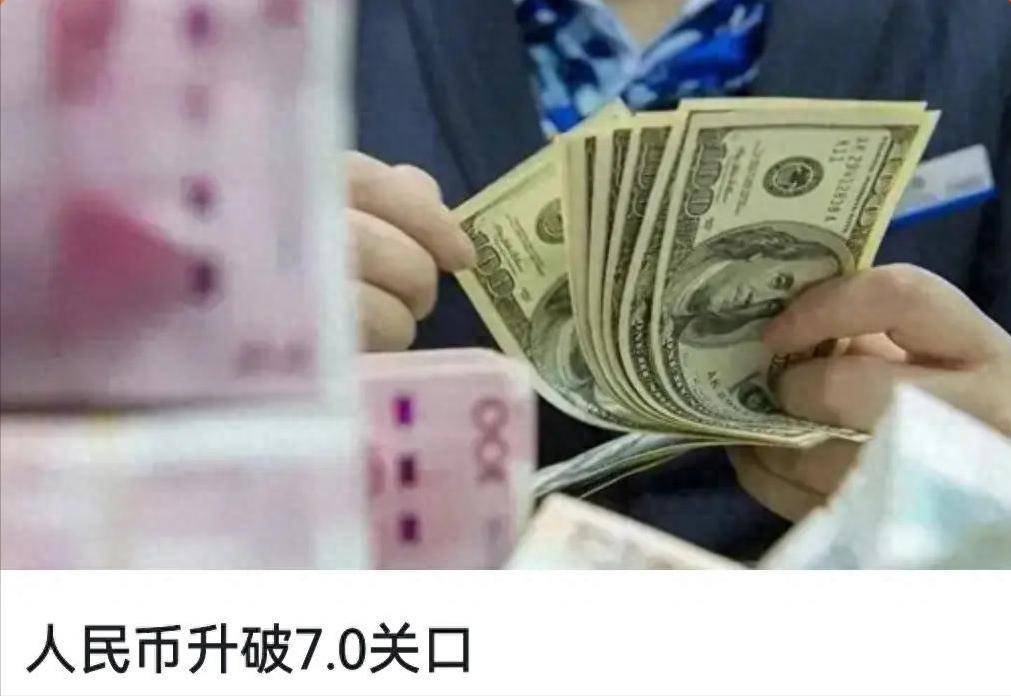
Group 1 - The recent strategy by Western countries aims to force the appreciation of the Renminbi, making Chinese exports more expensive and encouraging consumers to buy from other countries [1][3] - This approach is reminiscent of the "Plaza Accord" from the 1980s, which successfully impacted Japanese manufacturing [3] - However, China has countered this strategy with a three-step response, effectively turning the situation to its advantage [3][20] Group 2 - The Renminbi has appreciated against the US dollar, surpassing the psychological threshold of 7.0, but not uniformly against all currencies [6][8] - While the Renminbi strengthens against the dollar, it has depreciated against the euro, allowing Chinese exports to Europe to remain competitive [8] - Export companies have shifted their focus from the US to Europe and ASEAN markets, stabilizing overall export performance [8] Group 3 - The Chinese government has initiated a "de-involution" campaign to encourage companies to raise prices instead of engaging in price wars, thus preserving profit margins despite currency appreciation [9] - For instance, a product that previously sold for $10 may now be priced at $12, allowing companies to maintain or even increase profit margins [9] Group 4 - Contrary to expectations, China's trade surplus is projected to exceed $1 trillion by 2025, as many critical supply chains remain reliant on Chinese manufacturing [11] - Key sectors such as renewable energy and infrastructure development are heavily dependent on Chinese products, making it difficult for Western countries to reduce reliance on China [11][18] Group 5 - Western retailers are still seeking to source from China despite tariffs, indicating a paradox where they are willing to absorb some costs to maintain supply [14] - The situation has led to increased stockpiling of raw materials in the US, further boosting China's export figures [14] Group 6 - The ongoing strategy has placed Western countries in a challenging position, as further appreciation of the Renminbi could lead to increased costs for consumers, exacerbating inflation [16] - Conversely, allowing the Renminbi to depreciate would restore China's price advantage, undermining the competitiveness of local manufacturing [16] Group 7 - China's strong industrial base, substantial foreign exchange reserves exceeding $3 trillion, and the accelerated internationalization of the Renminbi are key factors in its economic resilience [18] - This situation illustrates the interconnectedness of the global economy, where attempts to suppress China's growth may backfire on Western economies [18][20] Group 8 - Through this strategic response, China not only withstands external pressures but also drives industrial upgrades, showcasing a shift from being perceived as a "cheap" manufacturer to an "irreplaceable" one [20]
美债被集中抛售,美联储宣布暂停降息!特朗普决定换人,56岁高管将上任!
Sou Hu Cai Jing· 2026-01-31 08:35
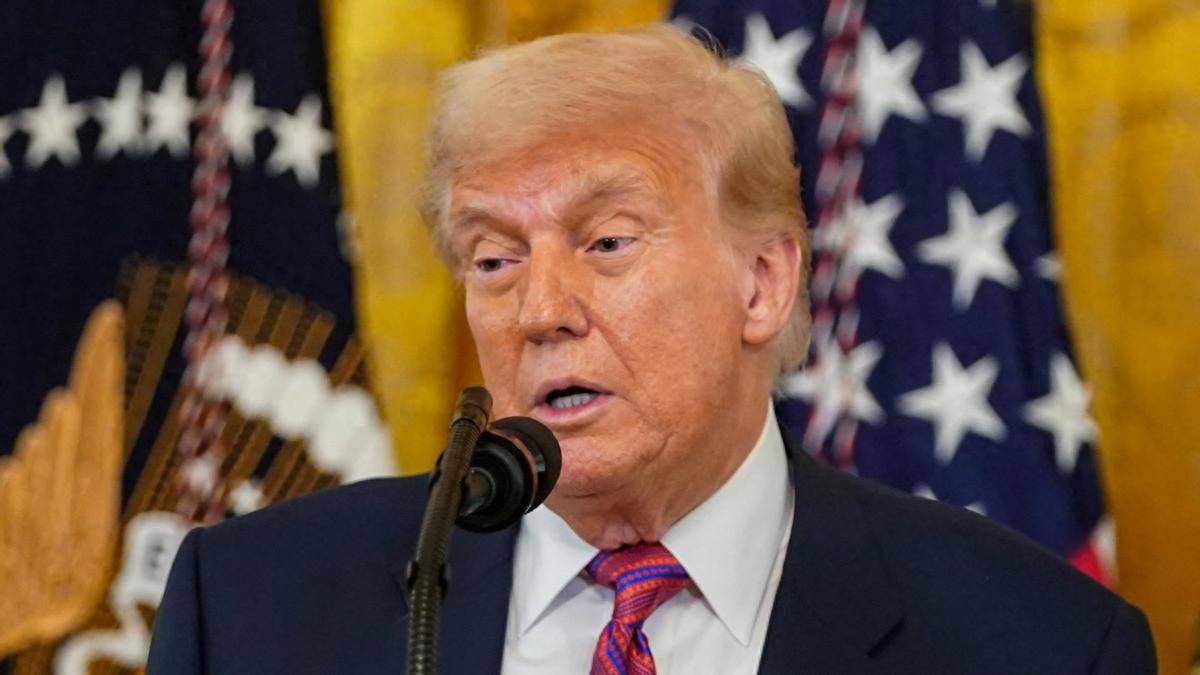
1月30日,特朗普正式宣布,提名前美联储理事凯文·沃什出任新一任美联储主席。标志着美国货币政策将进入一个前所未有的政治化阶段。此举不仅引发了 对美联储未来走向的巨大猜测,更在全球金融体系中引发了一场大地震。 让我们回顾一下背景。在特朗普重返白宫的路途中,他早已将"高利率"视为美国经济一切问题的替罪羊。过去几年,美联储实施了一系列加息措施,以应对 通胀和经济过热,但这些政策显然并没有取得预期的效果。相反,由于激进加息,很多企业和消费者都面临了巨大的财务压力,民众对经济的信心也大幅下 降。于是特朗普决定从根本上改变游戏规则,将目光投向了美联储的领导层。 我们必须警惕的是这一局势对全球市场的深远影响。在美联储换帅的消息传出后,全球市场的反应可谓迅速且剧烈。在美债市场,我们看到长期国债遭遇了 抛售潮,收益率短时间内快速上升,反映了市场对政策不确定性的强烈担忧。投资者们开始意识到,美联储不再是那位具有"最后买家"角色的守护者,未来 的融资环境可能出现剧变。尤其是那些依赖低成本融资、放大杠杆参与美债交易的对冲基金,恐怕将面临前所未有的风险,随时可能被迫撤资。 沃什的提名并非偶然。他是特朗普多年密友,意见一致的鹰派经济学家 ...
美联储新任主席已被内定?中国的这个新对手会很难缠
Sou Hu Cai Jing· 2026-01-31 07:23
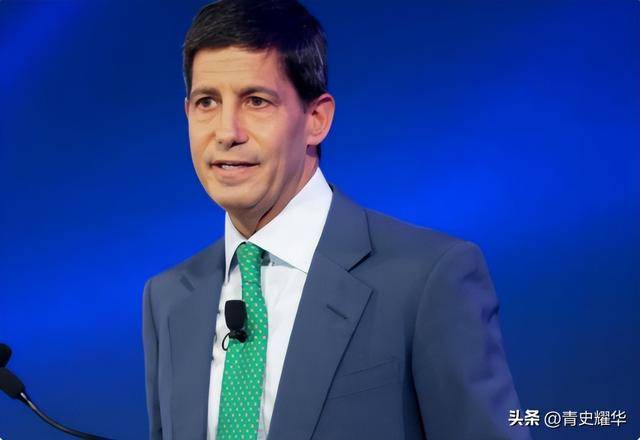
下一任美联储主席基本没有悬念,7年前预言"中美冷战长达20年"。对于中国而言,他将是个极为难缠 的对手。 多家美媒的最新报道称,特朗普计划提名前美联储理事凯文·沃什担任新一届美联储主席。一位知情人 士透露,沃什周四在白宫与特朗普会面期间,给后者留下了"深刻印象" 与此同时,预测市场最新的数据显示,沃什被提名为美联储新主席的概率已经飙升至95%,而排名第二 的候选人只有3%。 凯文・沃什并不是金融领域的新人,他有着完整的华尔街从业经历,还在 2006 年到 2011 年担任过美联 储理事,当年 35 岁的他是美联储历史上最年轻的理事之一,经历过 2008 年全球金融危机,熟悉美联储 的政策制定流程、全球资本流动规则,也清楚怎么用货币政策影响全球经济走向,同时他还和美国白 宫、共和党核心圈层联系紧密,既懂金融专业操作,又懂政治层面的利益博弈,这样的背景让他能完美 配合白宫的对外经济策略,这也是特朗普选中他的核心原因。 他还会针对人民币国际化发力,通过操控全球美元流向、联合美国盟友调整金融政策,干扰人民币在跨 境贸易、投资中的使用,试图守住美元在全球支付、结算中的垄断地位。 除此之外,他还会配合美国现有的贸易限制、 ...
唤醒上亿“钱包” 数字人民币跃入2.0时代
2 1 Shi Ji Jing Ji Bao Dao· 2026-01-31 00:26
Core Insights - The digital renminbi has transitioned into its 2.0 version, introducing interest-bearing features and a "carbon inclusive" mini-program, enhancing its utility beyond mere cash transactions [1][2] - This evolution marks a significant shift from the previous 1.0 version, which was limited to non-interest-bearing electronic cash, to a more comprehensive financial asset aimed at changing personal finance habits and establishing a unique path for digital currency development in China [1][2] Group 1: Development and Features - The digital renminbi is a central bank-issued legal digital currency, developed through a decade of research and testing, with a dual-layer operational structure [2] - As of November 2025, the digital renminbi has processed 3.48 billion transactions, amounting to 16.7 trillion yuan, with 230 million personal wallets opened [3] - The 2.0 version allows users to earn interest on their digital renminbi balances, aligning them with commercial bank liabilities and enhancing its financial attributes [6][7] Group 2: Market Position and Challenges - Despite the growth in user wallets, the digital renminbi still faces challenges in user adoption compared to established payment platforms like Alipay and WeChat Pay, which dominate the market [4][5] - The digital renminbi's market share remains low, with a circulation balance of only 16.5 billion yuan, representing about 0.16% of the total cash in circulation (M0) [4] - The transition to 2.0 aims to address these challenges by enhancing user engagement and promoting long-term usage through interest incentives [5][11] Group 3: Future Implications - The introduction of interest-bearing features positions the digital renminbi as a competitive alternative to traditional bank deposits, potentially reshaping the financial landscape [8][9] - The digital renminbi's capabilities extend to cross-border payments, which could facilitate the internationalization of the renminbi and enhance China's position in global trade [10][13] - The digital renminbi's development is expected to address macroeconomic stability and financial security, integrating it into the broader monetary policy framework [9][10]

【财经分析】人民币债券长期引力增强 2026年外资配置浪潮延续
Xin Lang Cai Jing· 2026-01-30 23:52
Core Insights - The Chinese bond market has seen a deepening of its opening process in 2025, with policy benefits continuously providing more convenience for foreign capital to enter the market [2][3] - Despite short-term fluctuations in foreign investment due to various factors, the long-term trend of foreign capital allocation in RMB bonds remains unchanged [5][6] Policy and Market Developments - In 2025, significant breakthroughs were achieved in the mechanisms and scope of China's bond market opening, providing better institutional guarantees for foreign participation [3] - Policies have been implemented to lower entry barriers for foreign investors and enhance operational convenience, including support for foreign institutions to engage in bond repurchase transactions [3] - The issuance mechanism for green panda bonds has been optimized, and the scope of the Bond Connect "southbound" channel has been expanded, further facilitating foreign access to the market [3] Foreign Investment Trends - In 2025, the Bond Connect "northbound" channel recorded a total transaction volume of 9.7 trillion RMB, with policy financial bonds and government bonds being the most actively traded [4] - As of December 2025, foreign institutions held 3.46 trillion RMB in the interbank bond market, accounting for 2.0% of the total custody volume [4] - The number of foreign institutional participants reached 1,189, with various channels being utilized for market entry [4] Market Dynamics and Challenges - Foreign investment in RMB bonds has shown short-term volatility due to factors such as the China-US interest rate differential and exchange rate fluctuations [5] - The deep inversion of the China-US interest rate spread has weakened the relative attractiveness of RMB bonds, particularly affecting foreign investment in government bonds [5] - The performance of the domestic equity market has attracted some foreign capital away from the bond market, leading to a temporary decrease in demand for RMB bonds [5] Long-term Outlook - Industry experts believe that the fluctuations in foreign investment are primarily due to short-term arbitrage rather than a systemic withdrawal, indicating the long-term attractiveness of the Chinese bond market [6] - As the US enters a rate-cutting cycle and the demand for diversified asset allocation increases, the attractiveness of Chinese bonds is expected to rise [7] - The trend of foreign capital steadily increasing its allocation to RMB bonds is supported by the low correlation of the Chinese bond market with major global fixed-income assets [7][8] Future Projections - The trend of foreign capital increasing its holdings of RMB bonds is expected to continue into 2026, with a shift towards diversified products such as credit bonds and asset-backed securities (ABS) [9] - The core strategy for foreign investment in 2026 will likely focus on long-duration government bonds, with expectations of improved yield attractiveness as the interest rate differential normalizes [10] - Overall, the continued improvement of the bond market's opening mechanisms is anticipated to lower entry barriers for foreign capital, with projections indicating that foreign bond holdings may exceed 4 trillion RMB by 2026 [10]


香港正在争夺全球黄金定价权
2 1 Shi Ji Jing Ji Bao Dao· 2026-01-30 16:40
Core Viewpoint - The establishment of a central clearing system for gold in Hong Kong is set to enhance its position as an international financial center and improve the efficiency and security of gold transactions, addressing long-standing market bottlenecks [2][4][6]. Group 1: Market Context - Gold prices have reached historical highs, with spot prices hitting $5,598 per ounce on January 29, 2026, and domestic prices in Shanghai rising to 1,243.40 yuan per gram [2]. - The global geopolitical climate, increased central bank gold purchases, and the acceleration of the internationalization of the renminbi are driving factors behind the rising gold prices [2][4]. - In 2025, global central banks purchased a net total of 634 tons of gold, with expectations for total purchases to reach between 750 tons and 900 tons for the year [5][6]. Group 2: Central Clearing System - Hong Kong has lacked a unified central clearing mechanism for gold trading, relying on a bilateral clearing model that has led to high costs and risks [4][5]. - The new central clearing system aims to integrate clearing, storage, and trading, enhancing operational efficiency and reducing transaction costs [8][9]. - The system is designed to facilitate cooperation between Hong Kong and the Shanghai Gold Exchange, allowing for efficient connections between renminbi-denominated gold products [6][10]. Group 3: Infrastructure and Governance - The Hong Kong government has established a wholly-owned company to govern the central clearing system, ensuring collaboration between government, financial regulators, and major banks [6][8]. - The system will enhance the safety and public nature of gold transactions while integrating with existing market institutions [9][10]. - Plans are in place to increase gold storage capacity at Hong Kong International Airport to over 2,000 tons within three years [8]. Group 4: Product Innovation - The central clearing system will support the diversification of gold financial products, including traditional ETFs and digital innovations [13][14]. - The launch of the Hang Seng Gold ETF, which allows for physical gold redemption, marks a significant step in product innovation within the Hong Kong market [14]. - The development of tokenized gold products is being explored, with a focus on establishing a regulatory framework to ensure asset security and integrity [15]. Group 5: Regional Cooperation - The collaboration between Hong Kong and Shenzhen in gold refining and trading is expected to enhance Hong Kong's capabilities and attract more international gold enterprises [16][17]. - The integration of the central clearing system with the Shanghai Gold Exchange's offshore delivery warehouse will facilitate a dual-currency pricing system for gold [17][18]. - The establishment of a "Shanghai-Hong Kong dual hub" is anticipated to strengthen China's influence in the global gold market [10][11].
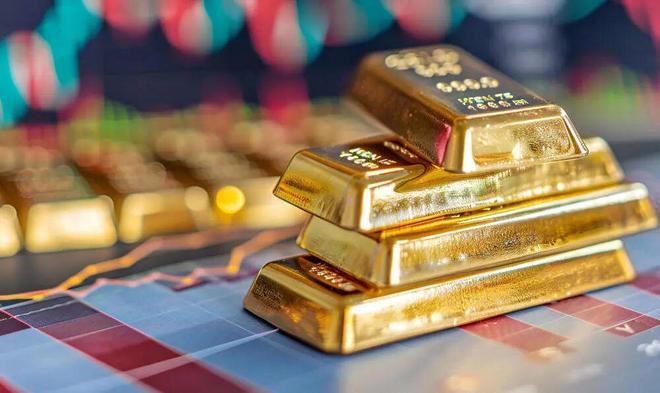
香港正在争夺全球黄金定价权
21世纪经济报道· 2026-01-30 16:00
Core Viewpoint - The article discusses the significant rise in gold prices and the establishment of a central clearing system for gold in Hong Kong, which is expected to enhance the region's position as an international financial center and improve the efficiency of gold trading and settlement [1][6][7]. Group 1: Gold Price Surge - As of January 29, 2026, the spot price of gold in London reached a historic high of $5,598 per ounce, with domestic prices in China also rising, as evidenced by the Shanghai Gold Exchange's T+D price reaching 1,243.40 yuan per gram [1]. - The global geopolitical tensions and increased gold purchases by central banks have contributed to this price surge, with the World Gold Council reporting that central banks bought a net total of 634 tons of gold from January to September 2025, with annual purchases expected to be between 750 tons and 900 tons [6][12]. Group 2: Central Clearing System - Hong Kong has lacked a unified central clearing mechanism for gold trading, relying on a bilateral clearing model that has led to high costs and risks [3][5]. - The newly announced central clearing system aims to address these issues by integrating clearing, storage, and trading, thereby enhancing operational efficiency and reducing transaction costs [9][10]. - The system is designed to be government-led with market participation, ensuring a collaborative approach to governance and rule-making [9][10]. Group 3: Market Infrastructure and Collaboration - The Hong Kong government is actively supporting the development of the gold market, including the establishment of storage facilities and the promotion of interconnectivity with the Shanghai Gold Exchange [6][10]. - The collaboration between Hong Kong and Shanghai is expected to create a dual hub for gold trading, enhancing China's influence in the global gold market and facilitating the pricing of gold in renminbi [12][17]. - The central clearing system will also enable the seamless integration of various market functions, addressing the current fragmentation in gold trading processes [10][11]. Group 4: Product Diversification and Innovation - The establishment of the central clearing system provides a solid foundation for the innovation of gold financial products in Hong Kong, including the introduction of gold ETFs and tokenized gold products [14][15]. - The total assets under management for gold ETFs in Hong Kong grew by 45% year-on-year to 15 billion HKD in the first three quarters of 2025, indicating a significant increase in market activity [14]. - The article highlights the potential for developing a regulatory framework for tokenized gold products, ensuring that physical gold reserves back these digital assets [15]. Group 5: Regional Cooperation and Future Outlook - The Hong Kong government is enhancing regional cooperation with mainland China to streamline the supply chain for gold, which could lead to cost advantages and meet global demand [16]. - The integration of the central clearing system with existing market institutions is expected to improve the efficiency of gold trading and settlement processes, thereby attracting more international investors [17]. - The article concludes that the establishment of the central clearing system and the innovation in gold products represent a strategic move for Hong Kong to solidify its role as a global gold trading center and support the internationalization of the renminbi [18].