
去美元化

Search documents
现货黄金大涨!多家品牌酝酿新一轮涨价 后市行情有无支撑?
Sou Hu Cai Jing· 2026-02-28 00:13
Group 1 - The core viewpoint of the articles highlights the strong performance of gold prices, with spot gold reaching $5200 per ounce, reflecting a significant increase of over 3% since before the Spring Festival [1][2] - Gold stocks have shown a strong upward trend, with notable gains in companies such as Hunan Gold and Huayu Mining, indicating increased market activity and investor interest in gold as a safe-haven asset [2][3] - The rising gold prices are impacting the retail sector, with major domestic gold jewelry brands planning price increases, suggesting a transmission of market trends from financial markets to physical consumption [2] Group 2 - The scale of leading gold ETFs continues to grow, with significant increases in assets under management, indicating sustained investor interest despite price fluctuations [3] - Structural factors supporting gold prices remain unchanged, with central bank gold purchases and weakening dollar credit being key long-term drivers, as evidenced by China's central bank increasing its gold reserves for 15 consecutive months [4][5] - The recent ruling against U.S. tariffs may alleviate inflation concerns and create space for potential interest rate cuts by the Federal Reserve, which could further benefit gold prices [4]
中美博弈升级:美元难换货,中国出口难题谁能先破
Sou Hu Cai Jing· 2026-02-27 22:52
Group 1 - The current global economic situation reflects a paradox where the U.S. holds vast amounts of dollars but struggles with rising prices for basic goods, while China, despite having a complete industrial chain, faces challenges in selling its products at fair prices in international markets [1][9][10] - The U.S. has relied on a "dollar for goods" model, which has fostered a sense of entitlement, but this approach is becoming unsustainable as geopolitical tensions rise and supply chains are disrupted [3][6][16] - The U.S. attempts to shift supply chains to Southeast Asia and Latin America have proven ineffective, as these regions lack the necessary infrastructure to replace China's manufacturing capabilities [5][14] Group 2 - Inflation in the U.S. is a significant concern, with the Federal Reserve caught in a dilemma between raising interest rates to combat inflation and lowering them to avoid financial instability [8][19] - China is experiencing internal challenges with excess production capacity and external market barriers, leading to a misalignment of supply and demand [12][13] - The competitive pricing of Chinese products in sectors like renewable energy is squeezing out alternative manufacturing countries, highlighting China's industrial strength [13][14] Group 3 - The U.S. is facing a potential crisis as its dollar hegemony is threatened by China's strategic moves to reduce U.S. debt holdings and accumulate gold and other strategic resources [18][19] - The U.S. national debt, which stands at $35 trillion, is becoming increasingly burdensome, with interest payments nearing military spending levels, raising concerns about fiscal sustainability [20][21] - The ongoing geopolitical competition is characterized by a contrast in strategic patience, with the U.S. seeking quick resolutions while China adopts a long-term approach [25][26] Group 4 - The current global economic landscape is shifting towards a new order where the ability to produce value will determine future success, rather than mere political posturing [28][29] - The historical context suggests that true power lies in the ability to create and deliver goods, rather than in the loudest rhetoric [29]

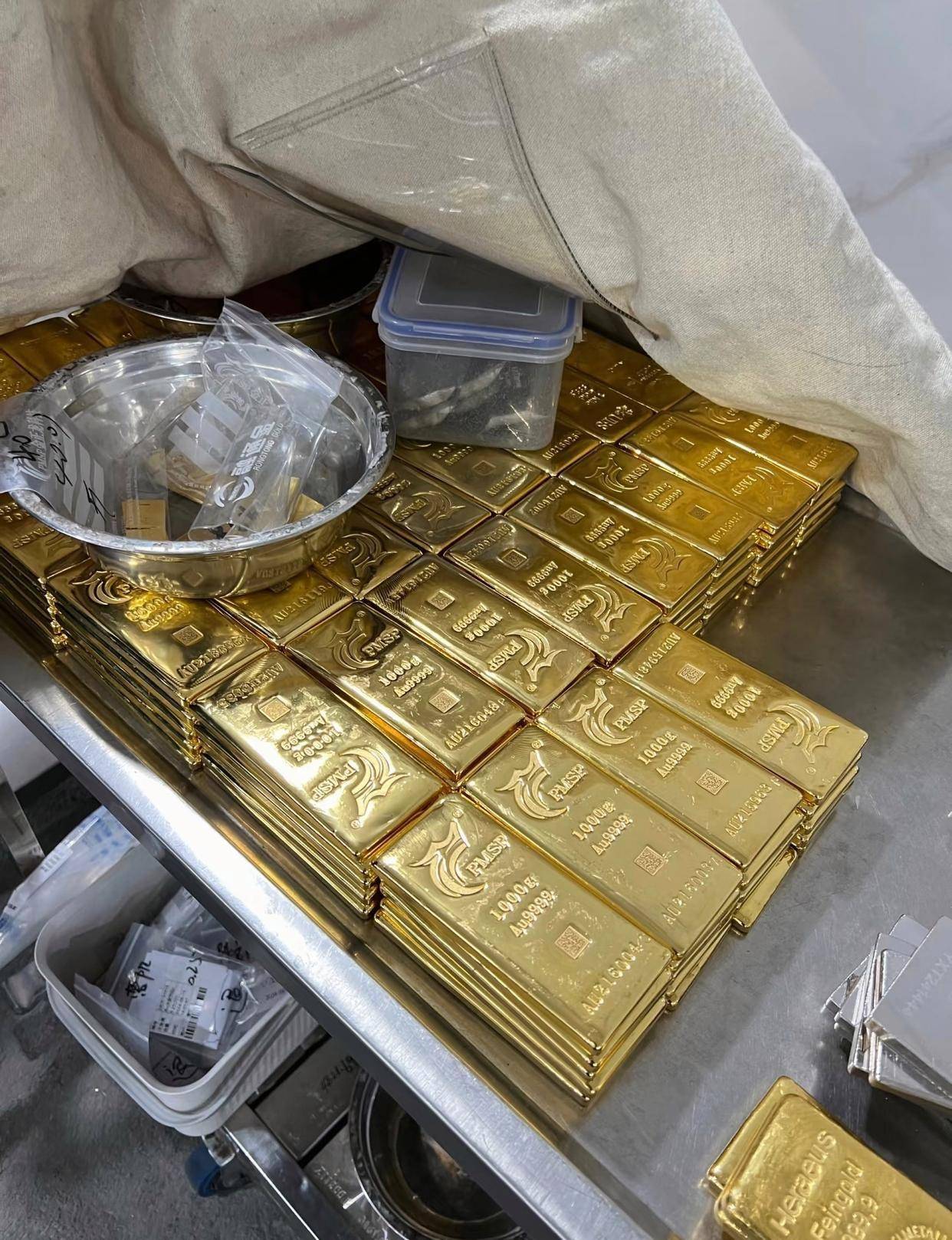
金价一夜跌破1130!我的血压跟着K线图一起跳水,这到底是“黄金坑”还是“大逃杀”?
Sou Hu Cai Jing· 2026-02-27 15:37
第二拳,来自地缘政治局势的"反复横跳"。前几天,美伊在日内瓦的谈判好像有点进展,伊朗外长说"部分领域已接近达成共识"。市场一听,哎?中东火药 桶的引信是不是要拆了?避险情绪"唰"一下就凉了半截。资金从黄金这类避险资产里流出来,价格肯定撑不住。虽然谈判还没最终落定,美国在中东的军事 部署也没撤,但这种不确定性稍微缓解一点,就足够让敏感的金融市场抖三抖。 第三拳,是市场自身的技术性调整和获利了结。咱们得承认,黄金从去年到今年初,涨得确实有点猛。2025年累计涨幅超过60%,技术指标早就进入"超 买"区域了。涨多了,自然就有大量获利盘想着"落袋为安"。尤其是当价格跌破一些关键的心理关口(比如5200美元、1150元人民币)时,会触发很多程序 化交易的止损单,形成"下跌→触发止损→更多人卖出→继续下跌"的连锁反应,短时间内就把跌幅给放大了。这就像一群人挤在一条船上,本来都坐着好好 的,突然有几个人站起来说"船好像有点晃,我先下",结果所有人都跟着慌,一起往船边挤,船反而更不稳了。 200 14 (2) 20 Spission unist 4 1 86p 15 Alland P Lassess 44 e distric ...
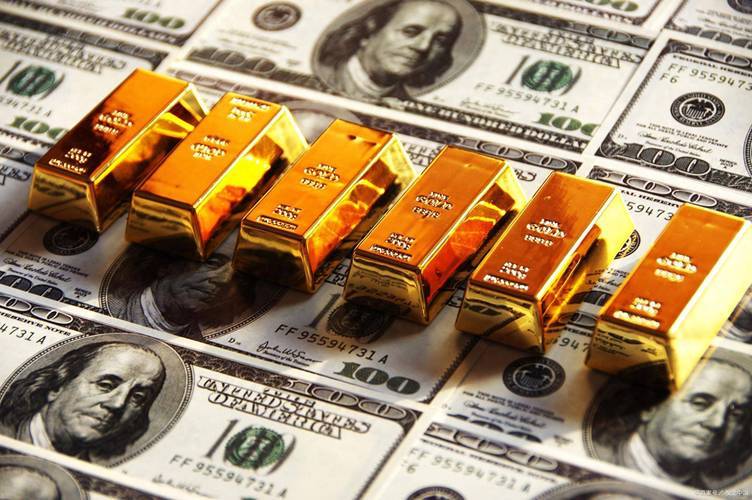
美元霸权将终结,全球货币革命正在上演,人民币迎来黄金时代
Sou Hu Cai Jing· 2026-02-27 15:11
Core Viewpoint - The article discusses the significant shift in global currency dynamics, highlighting the decline of the US dollar's dominance and the rise of alternative currencies, particularly the Chinese yuan, as countries seek to reduce their dependence on the dollar [1][3]. Group 1: Historical Context of the Dollar - The US dollar became the dominant global currency post-World War II due to the Bretton Woods system, which linked the dollar to gold and established it as the reserve currency [3]. - The dollar's status was further solidified by its connection to oil, as global oil transactions were mandated to be conducted in dollars, creating a "petrodollar" system [5]. Group 2: Recent Developments and Challenges - Since 2020, the US has printed trillions of dollars, leading to inflation and a devaluation of the dollar, which has negatively impacted other countries holding dollar reserves [7]. - The US has also weaponized the dollar through sanctions, causing countries to reconsider their reliance on the dollar for international trade [9]. Group 3: Shift Towards De-dollarization - Many countries are now opting to conduct trade in their own currencies, reducing reliance on the dollar. For instance, China and Russia have begun trading in their respective currencies [11]. - By 2025, over 30% of global trade is expected to be settled in national currencies, with the dollar's share of global reserves dropping below 50% [13]. Group 4: Rise of the Yuan - The yuan is gaining traction internationally, with significant growth in cross-border transactions. In 2025, Shanghai's cross-border yuan transactions reached 32.4 trillion yuan, a 9% increase from the previous year [15]. - The Belt and Road Initiative has facilitated the yuan's internationalization, as more countries engage in trade using the yuan instead of the dollar [17]. Group 5: Infrastructure for Yuan Transactions - The establishment and enhancement of the Cross-Border Interbank Payment System (CIPS) have made it easier and safer for countries to conduct transactions in yuan [21]. - The rapid development of digital yuan is also expanding its usability beyond China, with trials in various countries [21]. Group 6: Future of Currency Dynamics - The rise of the yuan is not aimed at replacing the dollar but rather at creating a more equitable and diverse global currency system, emphasizing cooperation and mutual benefits among nations [29]. - China's strong economic and industrial capabilities support the yuan's growing acceptance, contrasting with the dollar's reliance on military power and sanctions [27].
36万亿美债还不起,特朗普决定“弄死”大债主,为此不惜自曝家丑!
Sou Hu Cai Jing· 2026-02-27 13:16
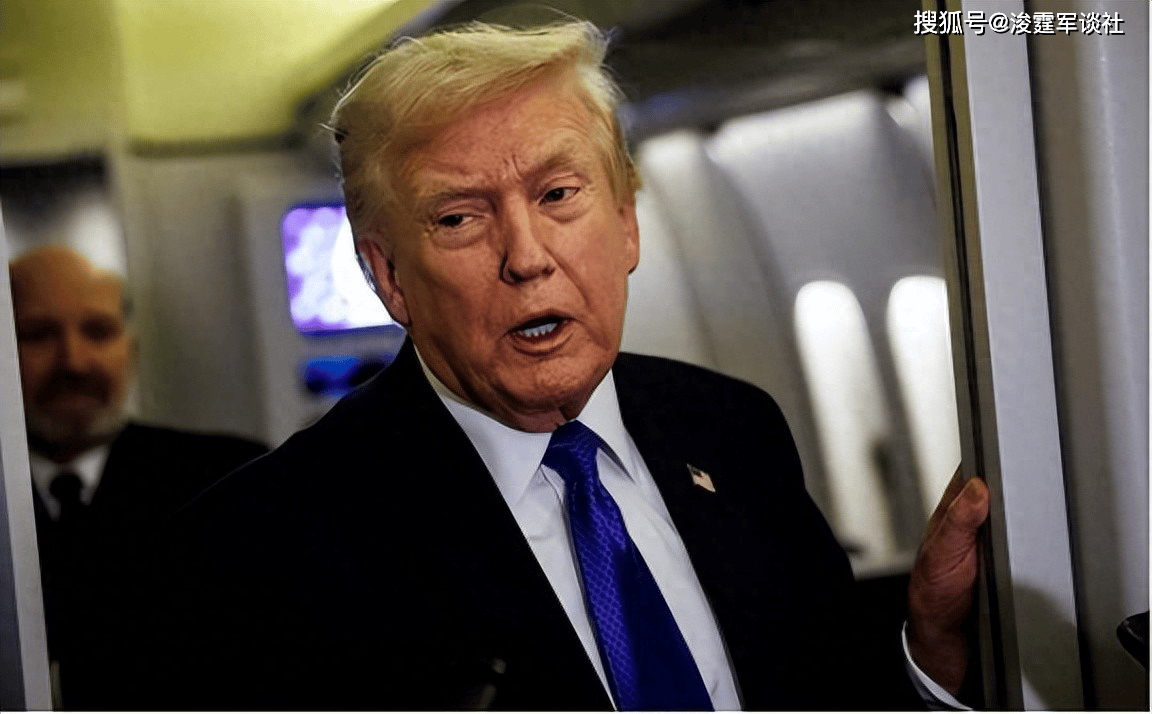
Group 1 - The core issue is that Trump's focus on addressing the U.S. debt crisis is misdirected, as the primary creditor is the Federal Reserve, not foreign holders like China and Japan [2][4] - Trump's strategy involves pressuring the Federal Reserve to lower interest rates to alleviate the burden of the $36 trillion national debt, but this has led to a public confrontation with Fed Chairman Jerome Powell [2][4] - The actions taken by Trump, including exposing internal issues within the Federal Reserve and pushing for increased tariffs, are aimed at undermining the Fed's independence and forcing a compromise on interest rates [4][6] Group 2 - Trump's approach is characterized as a short-term fix that sacrifices the financial credibility of the U.S., risking a loss of global investor confidence in U.S. debt [6][8] - The U.S. has seen a downgrade in its sovereign credit rating from Moody's, reflecting a broader concern about the sustainability of its debt levels and financial stability [6][8] - The underlying problem is identified as a systemic failure within the U.S. political framework, where both parties are engaged in political maneuvering rather than addressing necessary fiscal reforms [8]
黄金未来会成为各国主要货币的锚吗?
Jin Rong Jie· 2026-02-27 09:24
Core Viewpoint - Central banks worldwide are increasingly selling dollars and buying gold as reserves, raising the question of whether gold could become the anchor for major currencies in the future [1]. Group 1: Historical Context of Gold Standard - The classical gold standard dominated the global monetary system from the 19th century to the early 20th century, linking currency issuance to gold reserves, which provided stability [2]. - The Great Depression (1929-1933) exposed the gold standard's inability to adapt to modern economic needs, leading to rigid monetary supply constraints and a lack of crisis response capabilities [2]. - The Bretton Woods system established a dollar-gold exchange standard but ultimately failed due to the Triffin dilemma, leading to the end of the gold standard in 1971 [2][3]. Group 2: Transition of Gold's Monetary Role - The Jamaica Agreement in 1976 marked a significant shift, abolishing the official price of gold and ending its role as a currency standard, initiating the process of gold's de-monetization [3]. - Gold has transitioned from a daily currency anchor to a strategic reserve asset, recognized for its unique properties as a non-sovereign credit risk [3]. Group 3: Rise of Global Gold Reserves - As of the end of 2025, global central bank gold reserves reached 36,700 tons, nearing the historical peak of 38,000 tons in 1965, with a total market value of approximately $4.2 trillion [4]. - Central banks have been net buyers of gold for three consecutive years (2022-2024), with 95% of surveyed central banks planning to continue increasing their gold holdings in 2026 [5]. Group 4: Weakening of Dollar Credit - The U.S. national debt exceeded $38.4 trillion by the end of 2025, raising concerns about fiscal sustainability and leading to a decline in trust in dollar assets [6]. - The weaponization of the dollar during geopolitical conflicts has prompted central banks to view gold as a hedge against sanctions, with 81% of surveyed banks citing this as a key reason for increasing gold reserves [6]. - The dollar's share in global foreign exchange reserves fell to 56.92% by the third quarter of 2025, marking a significant decline [6]. Group 5: Limitations of Gold as a Currency Anchor - The supply constraints of gold, with a total mined amount of approximately 216,300 tons and a production growth rate of only 1-2%, make it impractical to support modern economic scales [8]. - Gold's price volatility and high transaction costs hinder its ability to serve as a stable value measure in the modern economy [9][10]. - The lack of global consensus and the entrenched dollar system present significant barriers to re-establishing a gold standard [11]. Group 6: Future Role of Gold in the Monetary System - In the next 10-20 years, the global monetary system is expected to evolve into a multi-currency framework, with gold serving as a critical credit anchor rather than a primary currency standard [12]. - Gold's role will focus on hedging sovereign credit risks and stabilizing reserve structures, rather than functioning as a daily transactional currency [12].
铝及氧化铝2月月报:铝价波动率降低,氧化铝拖累仍在-20260227
Yin He Qi Huo· 2026-02-27 08:22
Report Industry Investment Rating - Not provided in the report Core Viewpoints - The volatility of aluminum prices has decreased, and the drag on alumina remains. The alumina market is expected to fluctuate weakly, while aluminum prices are expected to oscillate at a high level. The global aluminum supply-demand shortage pattern remains unchanged, and attention should be paid to the verification of consumption and supply-demand expectations [5][6][7] Summary by Directory 1. Preface Summary - **Alumina**: Supply-side production cuts in January and February narrowed the market surplus but did not reverse it. The cost and inventory pressure still drag down prices, and the overall market is expected to fluctuate weakly [5] - **Electrolytic Aluminum**: The global trend of "de-dollarization" continues, and the volatility of aluminum prices is decreasing. The global aluminum supply-demand shortage pattern remains unchanged, and attention should be paid to macro guidance and the verification of consumption and supply-demand expectations [6] - **Strategy Recommendations**: For alumina futures, expect weak oscillations; for aluminum prices, expect high-level oscillations, and be vigilant of increased price volatility in late March. Consider arbitrage strategies such as buying physical aluminum for delivery and shorting futures, and going long on LME aluminum and shorting Shanghai aluminum. For options, adopt a wait-and-see approach [7] 2. Alumina Surplus Narrowed but Cost and Inventory Drag Remain - **Raw Material End** - **Domestic Ore**: In January 2026, domestic bauxite production was 5.34 million tons. In February, production was expected to decline seasonally, and prices remained stable [10] - **Imported Ore**: In February, the price of imported bauxite continued to fall. Guinea's bauxite supply is expected to increase significantly in 2026, and the price may continue to be under pressure [12] - **Alumina Supply**: In February, the alumina supply-side operating rate continued to decline. The shutdown of a production line in the north affected the market, and the overall inventory increased. The import window was mostly closed, and the net export volume was about 80,000 - 90,000 tons. Future production capacity changes include the resumption of overseas production and the delayed commissioning of domestic new capacity [23][27] - **Cost**: In January 2026, the national weighted average full cost of alumina was 2,667 yuan/ton. In February, the cost was expected to continue to decline [33] 3. Aluminum Price Volatility Decreased, Focus on Demand Expectation Fulfillment in Fundamentals - **Triple Attributes Driving Aluminum Prices**: From late January to early February, aluminum prices fluctuated significantly due to financial and capital factors. In the future, the financial and strategic attributes of aluminum will still drive prices, but the influence of the commodity attribute may increase in March [38] - **Electrolytic Aluminum Supply**: Overseas, new projects are being launched, and some plants are resuming or reducing production. In China, new projects are progressing, and the supply elasticity is low in the medium term. The cost of electrolytic aluminum production decreased in January, and the profit was high, but it is expected to shrink in February. The import loss may suppress the net import volume [45][53][54] - **Post-Festival Aluminum Inventory**: At the end of February, the total social inventory of aluminum ingots and bars increased significantly, and the apparent consumption decreased year-on-year. The overseas market had a different inventory situation, and changes in the US 232 aluminum tariff may have a limited impact on the global aluminum price [58][61] - **Domestic Terminal Consumption** - **New Energy Demand**: In the first quarter, there may be a rush to export photovoltaic components. The demand for aluminum in transportation is expected to increase year-on-year, and the demand for aluminum in the power sector is also growing, with significant potential for energy storage [69][72][81] - **Traditional Industries**: The demand for aluminum in the real estate market remains weak, and the production schedule of home appliances decreased year-on-year. However, the export of aluminum products is expected to increase [86][94][98] 4. Future Outlook and Strategy Recommendations - **Alumina**: The supply-side has marginal reduction, but the surplus pattern and cost and inventory pressure will still drag down prices. The market is expected to fluctuate weakly [102] - **Electrolytic Aluminum**: The influence of macro and capital sentiment has weakened, and the global supply-demand shortage pattern remains unchanged. Aluminum prices are expected to oscillate in March, and the domestic and foreign supply-demand differentiation may widen the price gap [104]
中国曝光美国暗箱操作,特朗普推虚拟货币绑定美元,全是算计?
Sou Hu Cai Jing· 2026-02-27 07:04
Core Viewpoint - The report from China's National Computer Virus Emergency Response Center reveals that from 2022 to 2025, the United States has exploited its technological dominance to seize over $30 billion in global cryptocurrency assets, with a significant portion not returned to victims [1][3]. Group 1: U.S. Actions and Impact - The U.S. confiscated $15 billion worth of assets in the Chen Zhi case alone, which accounts for half of the total seized amount [1][3]. - The U.S. has profited nearly $20 billion from the Chen Zhi and Zhao Changpeng cases, representing a substantial portion of the total seized assets [3][5]. - U.S. government-backed hacker groups have attacked over 20 major cryptocurrency exchanges globally, employing malicious tactics such as backdoor implantation and phishing scams [3][5]. Group 2: Political Context and Strategy - Since the Trump administration, the U.S. has promoted cryptocurrencies, linking them to American credit and aiming to solidify the dollar's dominance [5][8]. - The global cryptocurrency market has reached a total market value of $2.73 trillion, with the U.S. controlling over 90% of the on-chain traceability market [5][8]. - The U.S. strategy involves forcing global cryptocurrency transactions to be settled in dollars, countering the trend of de-dollarization [5][8]. Group 3: China's Response - China's report serves as a direct challenge to U.S. actions, aiming to expose the hypocrisy of the U.S. as a self-proclaimed guardian of global economic order while engaging in predatory practices [8]. - The report emphasizes the need for global awareness regarding U.S. digital hegemony and advocates for a more equitable global digital financial order [8].

人民币汇率创近3年新高 企业集中结汇助推
Zhong Guo Jing Ying Bao· 2026-02-27 06:58
从结售汇数据看,企业结汇需求的集中释放也被视为本轮升值的重要推力。国家外汇管理局数据显示, 2025年12月和2026年1月银行代客结售汇顺差分别达999.3亿美元、887.6亿美元,位列历史单月顺差第1 位和第3位。业界普遍认为,这反映出企业结汇需求加速释放。 管涛认为,总体上,人民币对美元汇率延续了自2025年4月中旬以来的"补涨"行情。 2026年春节假期后,人民币汇率迎来"三连涨",成为全球汇市关注的亮点。2月26日,人民币对美元汇 率再度走强,在岸、离岸人民币均升破6.84,创出2023年4月14日以来新高。 回顾此前走势:2月24日,在岸人民币对美元收盘大涨265点,报6.8849,升破6.89关口,刷新2023年4月 以来新高;2月25日涨势延续,在岸及离岸人民币对美元双双升破6.87关口,再次刷新阶段高点。 公开数据显示,自2025年12月底人民币汇率升破7.0整数关口以来,截至2026年2月,中间价累计升值近 300个基点;在岸、离岸人民币升值幅度均超过1%。 中银证券全球首席经济学家管涛在接受《中国经营报》记者采访时表示,近期人民币升值加速主要有以 下支撑因素:一是1月中旬以来美元指数冲高 ...
全球最大黄金ETF连续4日增持,黄金ETF华夏(518850)近20日吸金超28亿元
Mei Ri Jing Ji Xin Wen· 2026-02-27 06:53
Group 1 - The core viewpoint of the article highlights the recent strength in gold prices, with current trading around $5,212, and a notable performance of gold-related ETFs [1] - As of February 26, the SPDR Gold Trust has increased its holdings by 19.15 tons over four consecutive days, bringing the total to 1,097.90 tons [1] - The ZFX Shan Hai Securities report indicates that despite increased market volatility, investor enthusiasm for the metals and mining sector remains strong, with gold and copper being favored commodities for investment this year [1] Group 2 - In the past 20 trading days, the Huaxia Gold ETF (518850) has seen net inflows for 17 days, totaling 2.813 billion yuan [1] - The article attributes the strong demand for precious metals to multiple favorable factors, including growth momentum in emerging markets, a macro backdrop of globalization reversal, and an intensifying trend of de-dollarization [1] - Structural factors are providing robust support for gold prices, allowing for quick recovery and establishment of solid support levels after technical pullbacks [1]