风险管理

Search documents
金价银价飙升,国内金饰卖出1413元,买入也超千元,投资者该怎么选?
Sou Hu Cai Jing· 2025-12-28 18:11
Core Viewpoint - The recent surge in gold and silver prices has created a tense atmosphere in the market, with gold surpassing $4,526 per ounce and silver reaching $75 per ounce, leading to rapid re-evaluation of positions by traders [1][3]. Market Dynamics - The price increase is driven by multiple factors including geopolitical uncertainties, a temporary weakening of the dollar, and expectations of declining real interest rates, which have disrupted traditional asset allocation models [5]. - The demand for silver from industrial sectors such as photovoltaics and electronics is increasing, raising concerns about supply chain bottlenecks and inventory adjustments [5][9]. Regulatory Environment - Exchanges and public funds are facing dual constraints: physical limits on positions imposed by exchanges and prohibitions on high leverage by public funds, creating a complex situation where relaxing purchase limits could lead to default risks [3][5]. - Notifications from exchanges urging members to strengthen risk management highlight the regulatory focus on position limits and compliance issues [3]. Investor Behavior - Ordinary investors exhibit polarized views, with some seeing gold as a safe haven while others fear a potential bubble, reflecting broader anxieties about household finances [5][9]. - Experts advise investors to focus on asset allocation and risk management, emphasizing the importance of understanding personal investment experience and financial needs [7]. Supply Chain Implications - Businesses are considering delaying inventory replenishment or switching to alternative materials due to compressed profit margins, which could amplify changes in the entire supply chain and impact gold and silver prices [7][9]. - The logistics capabilities of major banks are being expanded to capture profit opportunities from liquidity and settlement capabilities, indicating a shift in market participant risk preferences [7].


芝商所出手,上调金属品种履约保证金
Qi Huo Ri Bao· 2025-12-28 14:53
Group 1 - The core viewpoint of the articles indicates that major exchanges, including CME Group, are raising margin requirements for various metal futures due to increased market volatility and concerns over price fluctuations in the precious metals market [2][5][7] - CME Group announced on December 26 that it will increase the margin requirements for gold, silver, lithium, and other metal futures after market close on December 29, reflecting deep concerns about abnormal volatility in the precious metals market [2][5] - The margin adjustments are based on the CME SPAN system, which objectively calculates the maximum potential loss of investment portfolios under adverse conditions, leading to differentiated margin standards for various products [5][6] Group 2 - The margin for COMEX 100-ounce gold futures will increase from $20,000 and $22,000 to $22,000 and $24,200, representing a 10% increase, while the margin for COMEX 5000-ounce silver futures will see an increase of over 13% [7] - Palladium futures, which have the lowest liquidity, will experience the highest margin increase of 20%, attributed to significant supply gaps and poor liquidity [7] - The adjustments reflect a broader trend in the market, with domestic futures exchanges also raising margin requirements for silver, gold, lithium carbonate, platinum, and palladium ahead of the New Year holiday [8][9]


出海经验分享
Sou Hu Cai Jing· 2025-12-28 08:15
Group 1 - The core viewpoint emphasizes the increasing interest of companies, especially SMEs, in exploring overseas markets, while highlighting the challenges associated with cross-border operations due to varying market environments, regulations, and processes [1] Group 2 - Thorough preparation and market research are crucial before entering an overseas market, which includes understanding local consumer preferences, business culture, legal regulations, industry standards, competitive landscape, and potential partners [3] - Engaging in professional international exhibitions can provide direct access to potential customers and partners, as well as insights into industry dynamics and market demands [3] Group 3 - Understanding and effectively utilizing cross-border financial service tools is essential, as traditional payment methods may pose challenges such as long transaction times and high fees [4] - Financial technology platforms, like "Yunqiao Cross-border," offer optimized solutions for SMEs, integrating various functions to support businesses throughout their international operations [4][5] - New payment tools, such as digital RMB, can enhance transaction speed and reduce costs, improving cash flow management for enterprises [4] Group 4 - Establishing localized operations and risk management systems is vital for successful overseas expansion, requiring not just language translation but also product adaptation, marketing strategies, customer service, and team management [6] - A systematic risk management framework is necessary to address diverse risks such as currency fluctuations, payment defaults, legal disputes, cultural conflicts, and logistics delays [8] - Companies should proactively identify risk points and develop corresponding strategies, such as purchasing credit insurance and seeking legal advice to protect their interests [8] Group 5 - Key takeaways for companies looking to expand internationally include the importance of in-depth market research and preparation, mastery of modern cross-border financial tools, and the establishment of a robust risk management framework [8]
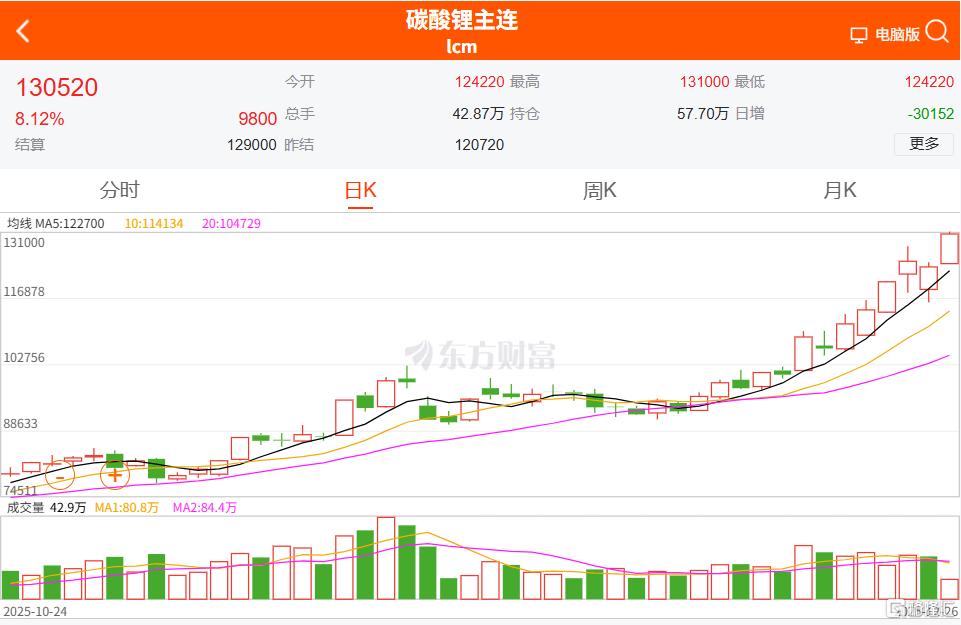
套保变套牢!碳酸锂持续狂飙,江特电机25天亏超千万
Ge Long Hui· 2025-12-28 02:47
Core Insights - The company Jiangte Electric has faced significant losses due to its futures hedging activities, with confirmed and floating losses exceeding 10 million RMB within 25 days as lithium carbonate futures prices surged past 130,000 RMB per ton [1][4]. Group 1: Financial Performance - Jiangte Electric reported a net profit loss of 397 million RMB in 2023 and 319 million RMB in 2024, continuing a trend of losses for two consecutive years [6]. - In the first three quarters of the current year, the company generated revenue of 1.432 billion RMB, a year-on-year increase of 14.62%, but the net profit loss expanded by 37.31% to 113 million RMB compared to the same period last year [6]. - The core lithium salt segment experienced a significant increase in production and sales volume by 115.91% in the first half of the year, yet the gross margin fell to -16.27% due to a surge in asset impairment losses [6]. Group 2: Market Conditions - As of December 26, the main contract for lithium carbonate closed up 8.12%, reaching a new high since November 2023, with a year-to-date increase of 68.72% [2]. - The company's hedging strategy aimed to mitigate operational risks from price fluctuations in raw materials and products, but the recent rise in lithium carbonate prices led to substantial losses in its futures accounts [4]. Group 3: Risk Management - Jiangte Electric's situation serves as a cautionary tale for other companies engaged in derivatives markets for risk management, emphasizing the need for precise assessment of spot risk exposure and the establishment of opposing futures positions [7].

20年蝶变!从首家到头部,从500亿到23000亿!徽商银行跃居全球银行101位
券商中国· 2025-12-27 23:25
Core Viewpoint - Huishang Bank has celebrated its 20th anniversary, highlighting its commitment to serving the local economy and society while achieving significant growth and transformation in the banking sector [1] Group 1: Service and Development - Established in December 2005, Huishang Bank emerged as the first bank formed by the merger of urban commercial banks and rural credit cooperatives in China, aimed at supporting the economic development of Anhui province [2] - The bank has provided over 3 trillion yuan in financial support to Anhui during the 14th Five-Year Plan period, with total assets reaching 2.3 trillion yuan, and loans exceeding 1 trillion yuan [4] - Huishang Bank has focused on supporting technological innovation, with a loan balance for technology exceeding 210 billion yuan, and has actively engaged in financing for the manufacturing sector, providing over 160 billion yuan in loans [3] Group 2: Financial Performance and Risk Management - The bank's asset scale has increased over 45 times, with deposits and loans growing by 28 times and 35 times respectively, while maintaining a non-performing loan ratio below 1% [5] - Core Tier 1 capital adequacy ratio stands at 9.62%, with a provision coverage ratio significantly improved to 289.9%, indicating enhanced risk resilience [5] Group 3: Innovation and Digital Transformation - Huishang Bank is advancing its digital transformation, with technology investments exceeding 4% of revenue and a total of 3.65 billion yuan invested over three years [7] - The bank has successfully launched a new core system, positioning itself among the leading urban commercial banks in China [7] Group 4: Governance and Corporate Culture - The bank emphasizes high-quality governance, integrating party leadership into its operational framework to ensure compliance and accountability [10] - Huishang Bank promotes a corporate culture that combines traditional values with modern financial practices, enhancing employee engagement and organizational cohesion [11] Group 5: Commitment to Mission - The bank aims to be a trusted financial partner, focusing on customer needs and providing comprehensive financial solutions across various sectors [12] - It is committed to supporting Anhui's development goals, particularly in technology innovation and green industries, aligning its services with national strategic priorities [12]

THPX信号源:如何利用AI量化模型优化XAGBTC交易信号
Sou Hu Cai Jing· 2025-12-27 18:03
Core Insights - THPX signal source leverages advanced AI quantitative models to enhance decision-making for investors in the digital market, particularly focusing on the XAGBTC combination (silver and Bitcoin value correlation) [1][8] - The integration of AI significantly improves signal quality and efficiency, providing more reliable operational guidance in volatile markets [1][6] Group 1: AI Integration and Functionality - THPX signal source aims to assist users in navigating complex market environments by generating real-time signals based on data-driven analysis [2] - Traditional methods often rely on manual rules, which can lead to signal inaccuracies; the introduction of AI models marks a qualitative leap by processing vast historical data to identify hidden patterns and key triggers [2][4] - AI employs advanced pattern recognition techniques to analyze real-time information flows, enhancing the reliability of signals by identifying previously overlooked nonlinear relationships [4] Group 2: Risk Management and Efficiency - The AI model incorporates risk control mechanisms that automatically assess potential volatility ranges for each signal, helping users identify weaknesses and avoid anomalies [4] - The processing efficiency of AI reduces uncertainties caused by data delays, enabling the system to generate updates in milliseconds, ensuring timely access to cutting-edge guidance [4] Group 3: User Benefits and Market Adaptation - Post-AI optimization, the accuracy of signals from THPX has significantly increased, translating to improved decision-making efficiency for users in rapidly changing environments [6] - The self-learning capability of the AI model allows it to continuously improve from new data, keeping the signal system at the forefront of technology [6] - Users report enhanced stability and market adaptability, particularly in the volatile XAGBTC combination, with feedback indicating reduced pressure and optimized decision-making [6][8] Group 4: Future Prospects - The integration of AI quantitative models in THPX signal source represents a significant advancement in market analysis tools, showcasing broad application prospects [8] - Future developments may include the incorporation of natural language processing to handle more complex social media or news data, further deepening the inclusivity and forward-looking value of signals [8] - The ongoing evolution driven by AI technology is expected to expand the optimization boundaries of THPX, aiding users in navigating the evolving market landscape for sustained value growth [8]

80亿拿下南美优质铜金矿!江铜四季度套保操作遇挫,亏损或抵半矿估值
Sou Hu Cai Jing· 2025-12-27 17:40
Core Viewpoint - Copper prices have surged significantly, leading to a major acquisition by Jiangxi Copper, which purchased a world-class copper-gold mine in Ecuador for approximately 8 billion RMB, potentially doubling its copper production in the future [1][10] Group 1: Acquisition Details - Jiangxi Copper acquired the Cascabel mine in Ecuador, which has over 10 million tons of copper reserves and several million ounces of gold, marking a strategic move to enhance its resource base [1][10] - The acquisition price was set at 28 pence per share, with Jiangxi Copper making three price increases before the formal offer on December 24 [1] Group 2: Financial Risks - Simultaneously, Jiangxi Copper faced significant losses in the domestic futures market, estimated at nearly 4 billion RMB, which is equivalent to half the value of the mine it just acquired [3][5] - The company held an average net short position of about 40,000 contracts in the copper futures market during the fourth quarter, leading to substantial floating losses as copper prices soared [5][6] Group 3: Operational Challenges - Jiangxi Copper's self-produced copper is only about 200,000 tons annually, which is insufficient for its refining capacity, forcing it to rely heavily on purchasing copper concentrate [3][10] - The company's gross profit margin from copper sales has been low, often between 3% and 4%, indicating a reliance on processing fees rather than resource ownership [3][10] Group 4: Market Dynamics - The copper market is experiencing a "super bull market" due to supply-demand imbalances, with major copper-producing countries facing production issues while new industries like electric vehicles and solar energy are increasing copper demand [6][12] - The traditional hedging strategy of holding net short positions in futures may not be effective in such a volatile market, raising concerns about the adequacy of Jiangxi Copper's risk management practices [6][12] Group 5: Strategic Implications - The acquisition of the Cascabel mine represents a critical strategic move for Jiangxi Copper to transition from a processing-focused company to a resource-owning entity, which is essential for improving its profitability [10] - However, the financial burden from the acquisition and potential futures market losses raises questions about the company's ability to manage cash flow and financial stability [10][12]

海仲集团应收账款融资服务的风险控制
Sou Hu Cai Jing· 2025-12-27 02:35
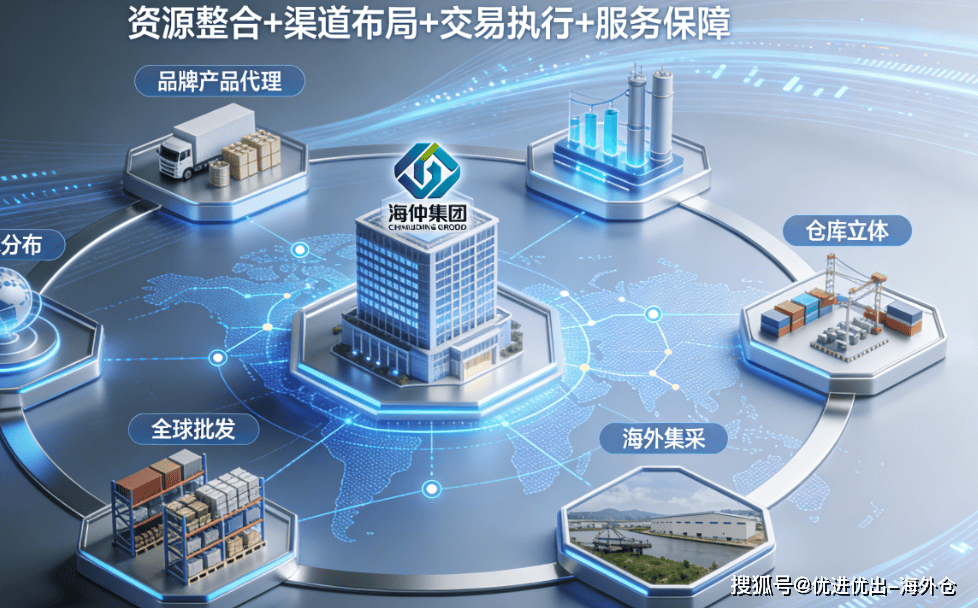
Core Insights - The article discusses the successful case studies and future development of Haizhong Group's accounts receivable financing services, emphasizing risk management and innovative service models [1][2]. Group 1: Risk Management - Credit risk control is a priority for Haizhong Group, which conducts comprehensive assessments of both enterprises and their clients' credit status before providing financing [3]. - Legal risk is managed by ensuring compliance with laws and regulations during the financing contract process, including the legality of accounts receivable transfers [3]. - Market risk is addressed by closely monitoring market dynamics and adjusting financing strategies accordingly to mitigate impacts on receivables recovery [3]. Group 2: Successful Case Studies - Case Study 1: A technology company faced funding difficulties due to long payment cycles from large clients. Haizhong Group facilitated the transfer of receivables to financial institutions, enabling the company to secure funding, enhance R&D, and increase market share [3]. - Case Study 2: A trading company struggled with cash flow due to dispersed clients. Haizhong Group provided financing services and established a receivables management system, improving collection efficiency and enabling business expansion [3]. Group 3: Future Development - Haizhong Group plans to innovate its accounts receivable financing service models by leveraging blockchain technology for digital management and enhanced transparency [3]. - The company aims to expand its service offerings to include financing for large and multinational enterprises, particularly in emerging industries like renewable energy and artificial intelligence [3]. - Strengthening risk management is a key focus for Haizhong Group as it expands its services, ensuring robust monitoring and control of credit, legal, and market risks [3].
Perimeter Solutions Stock Up 111% but One Fund Trimmed Its $35 Million Stake
The Motley Fool· 2025-12-26 23:01
Company Overview - Perimeter Solutions, Inc. is a specialty chemicals company focused on fire safety and lubricant additives, operating globally with a diverse customer base [6] - The company generates revenue primarily through its Fire Safety and Oil Additives segments, supplying products and services to industrial and government clients [9] - As of the latest report, Perimeter Solutions has a market capitalization of $4.15 billion, with trailing twelve-month (TTM) revenue of $636.34 million and net income of $78.03 million [4] Financial Performance - In the third quarter, Perimeter Solutions reported a 9% year-over-year revenue increase to $315.4 million, with adjusted EBITDA also rising 9% to $186.3 million, driven by strong performance in Fire Safety products [11] - Year-to-date adjusted EBITDA is up 20%, and adjusted earnings per share (EPS) for the quarter increased to $0.82 from $0.75 a year earlier [11] Investment Activity - East Coast Asset Management reduced its stake in Perimeter Solutions by 497,847 shares, amounting to an estimated $6.40 million, as per a November 14 SEC filing [1][2] - Post-reduction, the remaining stake in Perimeter Solutions is approximately 1.6 million shares valued at $35.24 million, representing 11.04% of the fund's 13F assets and ranking as its second-largest holding [2][3] - The fund's decision to trim its position is viewed as a risk management strategy rather than a retreat, maintaining significant exposure to the company [10][12]


加密货币合约交易入门指南:3个关键点带你安全“避坑”以太比特币圈社群交流群
Sou Hu Cai Jing· 2025-12-26 12:40
Core Insights - The article emphasizes the complexities and risks associated with contract trading in the cryptocurrency market, particularly for beginners [1] Group 1: Understanding Core Mechanisms - Understanding the core mechanisms of contract trading is essential, as it involves concepts like leverage, margin, and liquidation prices, which differ from simple spot trading [2] - Leverage can amplify potential gains but also significantly increases risks, making it crucial for traders to grasp these rules before engaging in trading [2] - Beginners are advised to use simulation accounts or minimal funds to fully understand the differences between perpetual contracts and futures contracts [2] Group 2: Risk Management - Effective risk management is vital, with experienced traders never investing all their funds in a single trade [2] - Adhering to the principle of using only idle funds and setting clear stop-loss levels for each trade is key to avoiding emotional decision-making and catastrophic losses [2] - Traders should avoid frequently modifying or canceling stop-loss orders due to market fluctuations [2] Group 3: Continuous Learning and Community Engagement - Continuous learning and engagement with a community are crucial for navigating the rapidly changing market [2] - Joining a high-quality learning community allows traders to discuss market logic, share trading experiences, and stay updated on industry trends, facilitating faster growth and reducing mistakes [2] - The article invites interested individuals to join a community for systematic learning about cryptocurrency and contract trading, emphasizing that discussions are based on knowledge sharing and do not constitute investment advice [2]