单边主义

Search documents
金观平:坚定推进高水平对外开放
Jing Ji Ri Bao· 2025-11-11 05:24
Core Viewpoint - The article emphasizes that openness is a distinctive feature and a necessary requirement of Chinese-style modernization, highlighting the importance of expanding high-level openness to promote reform and development [1] Group 1: Economic Performance - Since the 14th Five-Year Plan, China has implemented a more proactive opening strategy, leading to a new pattern of high-level openness, evidenced by the total goods trade remaining the world's largest for several consecutive years and service trade exceeding $1 trillion for the first time, ranking second globally [1] - China's export share in the world has stabilized at over 14%, while the import share has increased from 9.7% in 2012 to 10.5% in 2024 [1] Group 2: Institutional Opening - The quality of bilateral investment has steadily improved, with a continuous reduction in the negative list for foreign investment access, and the removal of restrictions in the manufacturing sector [1] - The first batch of pilot measures for free trade zones has been fully implemented, showcasing China's commitment to embracing the world with an open stance [1] Group 3: Challenges and Opportunities - The article acknowledges the challenges posed by rising anti-globalization sentiments and increasing instability in global economic growth, emphasizing the need to expand high-level openness to counter these uncertainties [1][2] - It highlights the importance of actively engaging with international high-standard economic and trade rules, particularly in the service sector, and participating in the formulation of rules in emerging fields like digital trade and artificial intelligence [2] Group 4: Reform and Mechanism Improvement - There is a need to eliminate systemic barriers and promote mutual reinforcement between reform and opening, as deep reforms in domestic service industries and cross-regional openings face bottlenecks [3] - Issues such as "invisible barriers" faced by private and foreign enterprises, inadequate regulatory frameworks for new business models, and low standards for intellectual property protection need to be addressed to create a favorable market environment for innovation and investment [3] Group 5: Confidence in Openness - The confidence in advancing high-level openness stems from China's strong economic foundation, resilient potential, and advantages such as a complete industrial system, a vast market, and abundant talent resources [3] - The goal is to establish a new pattern of openness that is broader, deeper, and more extensive, injecting "open momentum" into Chinese-style modernization [3]
中国取得意外收获,美国各州独立自主,绕开特朗普和中国打交道
Sou Hu Cai Jing· 2025-11-10 12:14
Core Viewpoint - The article discusses the internal divisions within the U.S. as states like California and Washington take independent actions to strengthen ties with China, contrasting with the federal government's confrontational stance under Trump [1][3][10]. Group 1: Federal vs. State Policies - Trump's tariff policies, intended to pressure China, have inadvertently harmed U.S. states reliant on trade, creating confusion and instability [3][5]. - States are increasingly taking matters into their own hands, with officials openly criticizing federal policies and seeking direct engagement with China [10][12]. - The disconnect between federal and state approaches has led to a "self-rescue" movement among states, as they prioritize economic stability over federal directives [10][18]. Group 2: Economic Implications - Trump's tariffs are projected to result in a loss of 2 million jobs in the U.S., with families facing an average annual cost increase of $5,000 [5][21]. - Despite the challenges posed by tariffs, states like California still see significant trade with China, with exports to China accounting for 20% of California's total exports [20][29]. - Local businesses are finding ways to circumvent tariffs, indicating a resilience and adaptability in state-level economies [27][29]. Group 3: The Emergence of a "Second Track" - The article highlights the emergence of a dual-track U.S.-China relationship, where federal policies are characterized by uncertainty while state-level interactions are driven by mutual economic interests [18][20]. - This "second track" serves as a stabilizing force in U.S.-China relations, providing a buffer against the volatility of federal policies [21][23]. - The growing cooperation at the state level is seen as a response to the unpredictability of federal actions, with states offering a more reliable partnership for China [25][31]. Group 4: Future Outlook - The article suggests that the true winners in this scenario are those who can provide certainty and predictability, as these qualities become increasingly valuable in international relations [25][32]. - As states continue to forge their own paths, the potential for a more stable and interconnected U.S.-China relationship emerges, despite federal tensions [29][31]. - The ongoing internal divisions within the U.S. may lead to a "de facto decoupling," where states operate independently of federal policies, creating new opportunities for collaboration with China [31][32].

美国高层无奈感叹,对全球加关税,中国是唯一敢于反击的国家!
Sou Hu Cai Jing· 2025-11-10 08:48
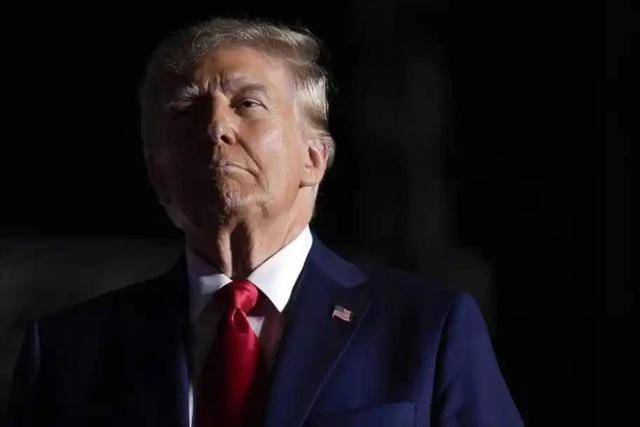
在这场关税博弈中,中国的反击从未偏离过捍卫合法权益、维护多边秩序的初衷。当单边主义仍在扰乱 全球经济时,中国坚定的立场,不仅保护了自身的利益,也为世界提供了应对贸易保护主义的有力范 本,这正是美国高层感叹背后的深层含义。 中国之所以能够引起美国高层的感叹,原因在于中国的回应不仅有力度,更具有可持续的战略支持。当 美国威胁要加征关税时,中国则通过在稀土等关键领域的反制措施,让美国意识到其供应链的脆弱性, 迫使美国改变态度,甚至承认"未必需要加征关税"。 中国的反制一直都不是简单的情绪反应,而是基于规则的正当防卫。例如,针对美国PVH集团等公司的 歧视性做法,中国依法将其列入不可靠实体清单,以此来保护国内企业的合法权益。这种"打蛇打七 寸"的精准反制,使得美国企业遭受实质性损失,从而对美国政府形成压力。如同美国经济学家拉弗莉 所说,"中国已经学会了如何打贸易战",美国的关税威胁正在失去效力。 特朗普政府的关税政策已经显现出反噬效应。当中国对美大豆加征关税时,美国的大豆出口几乎停滞, 直到美国释放出下调"芬太尼关税"的信号,中国才恢复了少量采购。哥伦比亚大学教授萨克斯的批评非 常到位:美国将自己贸易逆差的问题归咎于 ...
中美签字前,美国又变脸了,连出2招逼中国认栽,中方寸步不让
Sou Hu Cai Jing· 2025-11-07 05:46
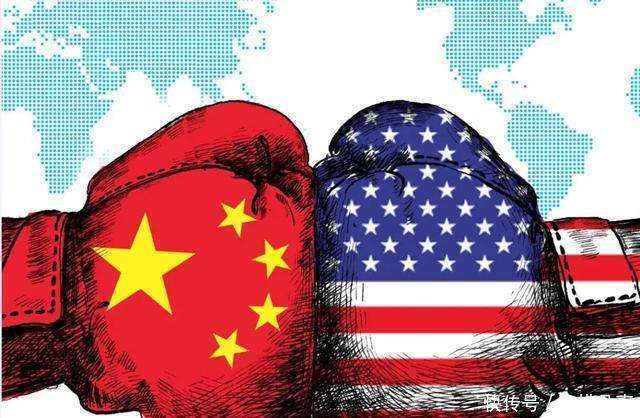
Group 1 - Recent negotiations between China and the US in the economic and trade sector have shown both sides' willingness to make adjustments, with the US suspending the export control rule for one year and China announcing a similar suspension [1] - The US has set a benchmark for tariffs on Chinese goods, expressing surprise if other countries do not follow suit, as many have already imposed tariffs on Chinese exports [3] - Despite initial optimism about a potential trade agreement, no formal agreement was reached during the recent talks, and the US Treasury Secretary indicated that an agreement could be signed soon, which was later contradicted by further US actions [4][6] Group 2 - The US has initiated an investigation into whether China has complied with the trade agreement from the Trump administration, with plans to gather public comments and hold hearings [6][8] - The investigation is based on the claim that China failed to meet a target of purchasing an additional $200 billion worth of US goods, a situation complicated by the global pandemic and logistics challenges [8] - The US appears to be attempting to establish its tariff standards as global norms, with other countries like the EU and Australia already imposing tariffs on Chinese products, suggesting a coordinated effort influenced by the US [9] Group 3 - The timing of the US investigation suggests an attempt to shift blame onto China while the US itself has violated agreement terms through various export controls, disrupting normal trade and investment [11] - Following a meeting between the leaders of China and the US, there was no indication from the US of pausing the investigation, highlighting a unilateral approach that prioritizes US interests over bilateral agreements [13] - The investigation and related actions may serve as a political strategy for the Trump administration to manage domestic pressures while using these issues as leverage in future negotiations with China [15][17] Group 4 - The US's approach to trade negotiations, characterized by creating uncertainty, aims to keep China in a reactive position, potentially using these investigations as bargaining chips for concessions in other areas [17] - The unilateral actions by the US could hinder the recovery of US-China trade relations and disrupt the global economic landscape, affecting companies reliant on stable US-China trade [17] - The maintenance of international economic order requires collective efforts, and the US's unilateralism may lead to a decline in its credibility in the global economic arena [19]

期指:关注今日进出口数据-20251107
Guo Tai Jun An Qi Huo· 2025-11-07 03:01
1. Report Industry Investment Rating - No relevant content provided 2. Core Viewpoints - On November 6, all four stock index futures contracts for the current month rose. IF rose 1.39%, IH rose 1.06%, IC rose 1.65%, and IM rose 1.07% [1] - On the trading day, the total trading volume of stock index futures declined, indicating a cooling of investors' trading enthusiasm. Specifically, the total trading volume of IF decreased by 5,203 lots, IH by 1,639 lots, IC by 13,675 lots, and IM by 35,254 lots. In terms of positions, the total positions of IF decreased by 5,389 lots, IH by 744 lots, IC by 6,940 lots, and IM by 16,927 lots [1][2] - The trend strength of IF and IH is 1, and that of IC and IM is also 1. The trend strength value ranges from -2 to 2, with -2 being the most bearish and 2 being the most bullish [6] 3. Summary by Related Catalogs 3.1期指期现数据跟踪 - **IF Contracts**: The closing prices of IF2511, IF2512, IF2603, and IF2606 were 4,683.8, 4,670.8, 4,638, and 4,598.8 respectively, with increases of 1.39%, 1.39%, 1.34%, and 1.40%. The trading volumes were 25,490, 71,116, 11,664, and 3,143 respectively, with changes of -2,275, -2,100, +258, and -1,086. The positions were 41,334, 154,733, 56,466, and 12,118 respectively, with changes of -2,507, -1,516, -1,020, and -346 [1] - **IH Contracts**: The closing prices of IH2511, IH2512, IH2603, and IH2606 were 3,043, 3,041.4, 3,038, and 3,032.8 respectively, with increases of 1.06%, 1.04%, 0.91%, and 0.87%. The trading volumes were 10,774, 34,423, 4,594, and 1,690 respectively, with changes of -418, -458, -607, and -156. The positions were 14,300, 61,694, 16,259, and 3,981 respectively, with changes of -862, -181, +156, and +143 [1] - **IC Contracts**: The closing prices of IC2511, IC2512, IC2603, and IC2606 were 7,304.6, 7,246.4, 7,078, and 6,893 respectively, with increases of 1.65%, 1.69%, 1.66%, and 1.76%. The trading volumes were 26,211, 85,816, 16,081, and 5,380 respectively, with changes of -3,023, -7,348, -2,002, and -1,302. The positions were 46,862, 134,122, 51,320, and 17,191 respectively, with changes of -1,474, -2,634, -2,243, and -589 [1] - **IM Contracts**: The closing prices of IM2511, IM2512, IM2603, and IM2606 were 7,487.8, 7,405, 7,186.8, and 6,974.6 respectively, with increases of 1.07%, 1.03%, 1.01%, and 1.05%. The trading volumes were 34,963, 138,409, 21,128, and 8,930 respectively, with changes of -6,787, -21,508, -5,090, and -1,869. The positions were 63,769, 176,903, 77,197, and 31,987 respectively, with changes of -3,317, +40,147, -1,355, and +413 [1] 3.2期指前20大会员持仓增减 - **IF Contracts**: For IF2511, long positions decreased by 1,794 and net long positions decreased by 4,433; short positions decreased by 1,129 and net short positions decreased by 3,098. For IF2512, long positions decreased by 1,767 and short positions decreased by 765. For IF2603, long positions decreased by 549 and short positions decreased by 800. For IF2606, long positions decreased by 323 and short positions decreased by 404 [5] - **IH Contracts**: For IH2511, long positions decreased by 662 and net long positions increased by 607; short positions decreased by 626. For IH2512, long positions increased by 939 and short positions increased by 436, with net short positions decreasing by 80. For IH2603, long positions increased by 330 and short positions increased by 110. The data for IH2606 was not announced [5] - **IC Contracts**: For IC2511, long positions decreased by 1,193 and net long positions decreased by 6,594; short positions decreased by 799. For IC2512, long positions decreased by 2,600 and short positions decreased by 923, with net short positions decreasing by 3,963. For IC2603, long positions decreased by 2,289 and short positions decreased by 1,583. For IC2606, long positions decreased by 512 and short positions decreased by 658 [5] - **IM Contracts**: For IM2511, long positions decreased by 2,930 and short positions decreased by 2,555. For IM2512, long positions decreased by 9,323 and net long positions decreased by 13,143; short positions decreased by 10,151 and net short positions decreased by 13,738. For IM2603, long positions decreased by 890 and short positions decreased by 1,032. The data for IM2606 was not announced [5] 3.3重要驱动 - During the 8th China International Import Expo, China will firmly promote high - level opening - up, expand market access in the service sector, and create a first - class business environment [6] - The EU is actively signing free trade agreements to diversify export markets. China is promoting high - level opening - up, and both sides are willing to deepen cooperation and discuss various economic and trade agreements [6] - The number of US layoffs reached a 20 - year high, Mag7 stocks tumbled, US bonds soared, and cryptocurrencies and gold fell. The Shanghai Composite Index rose 0.97% to 4,007.76 points, the Shenzhen Component Index rose 1.73%, and the ChiNext Index rose 1.84%. A - share trading volume reached 2.08 trillion yuan [6]
中国入世首席谈判代表龙永图:中国应争取涉碳国际经贸规则话语权
2 1 Shi Ji Jing Ji Bao Dao· 2025-11-06 13:57
Core Viewpoint - The focus of the 8th China International Import Expo is on establishing a new global green trade order that is open, stable, and inclusive, emphasizing the importance of global governance in green trade and its connection to sustainable development and climate change actions [1][2]. Group 1: Global Governance and Trade - The need for active participation in global governance of green trade is highlighted, linking it to the 17 Sustainable Development Goals established by the UN in 2015 [1]. - Trade protectionism is seen as a barrier to green trade liberalization, with a call to oppose unilateralism and protect the interests of traditional fossil fuels [2][3]. Group 2: Investment Trends - Since 2018, global investments in clean energy have surpassed those in fossil fuels, with projections indicating that by the end of 2024, global offshore wind power capacity will reach 83.2 GW, with China accounting for 50% [3]. - The U.S. has significantly reduced its investment in green energy, contrasting with non-oil-producing countries in Latin America, Africa, and South Asia, where two-thirds have surpassed the U.S. in solar power generation [3]. Group 3: Green Products and Standards - The production of green products is identified as the cornerstone of green trade, necessitating a broader focus on industrial and energy transitions to facilitate this [4]. - Fragmentation in policy and standards for green trade is a significant challenge, with the EU's carbon border adjustment mechanism posing new barriers for product exports [4]. Group 4: Consumer Awareness and Standards - Growing consumer awareness of green and low-carbon products is influencing market dynamics, with examples of transparency in product carbon emissions in New Zealand [5]. - There is a call for establishing a green low-carbon product technical service standard system aligned with international standards to enhance domestic competitiveness [5]. Group 5: International Collaboration - The importance of engaging in discussions within international frameworks such as the UN and G20 to assert China's voice in carbon-related trade rules is emphasized [5]. - China's advancements in green and industrial transformation provide a strong foundation for participating in global green trade governance and promoting trade liberalization [5].
中美吉隆坡贸易谈判,美国终于让步了,中国获得全面胜利!
Sou Hu Cai Jing· 2025-11-06 11:03
这场胜利的底气,源于中国强大的经济实力和战略定力。美国之所以选择让步,根本原因在于其深刻意 识到"贸易战没有赢家"的现实。根据数据显示,自2018年以来,对华加征的关税让美国普通家庭每年增 加了近千美元的支出,而2024年中美贸易额依然高达近6883亿美元,中国供应链的不可替代性更加凸 显。在面对美国的出口管制和关税威胁时,中国不仅采取反制措施捍卫了自身权益,还持续扩大开放, 这种"刚柔并济"的策略让美国认识到,单纯的打压和遏制并不是解决问题的出路,平等对话才是唯一正 确的方向。正如英国广播公司所指出的,与中国展开贸易战不仅会对中美两国造成毁灭性影响,也会波 及全球经济,而这一认识正是推动美国政策转向的关键因素。 这场胜利还改变了大国经贸博弈的规则。在吉隆坡的谈判中,中国始终坚持多边主义立场,通过"建设 性讨论"突破僵局,既不回避存在的分歧,也不放弃任何合作的机会。中国的这种"斗而不破、以谈促 和"的智慧,不仅推动双方就关税暂停期延长等问题达成了初步共识,也为即将召开的亚太经济合作组 织(APEC)会议前夕,全球经贸秩序的稳定注入了积极的能量。美国从最初的"极限施压"到最终的"认 可框架协议",标志着单边主义 ...
拖住中国,吃掉欧盟!经贸大战背后,特朗普正在悄悄包围欧洲
Sou Hu Cai Jing· 2025-11-05 13:58
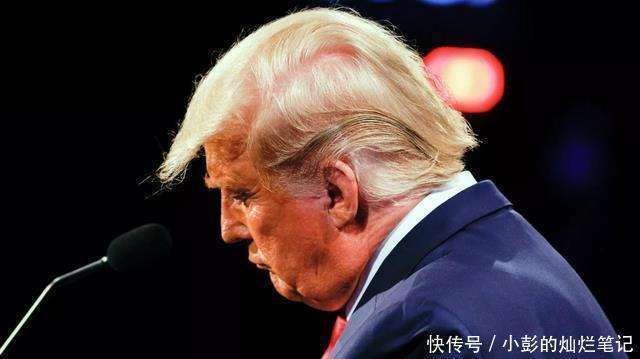
Core Viewpoint - The article discusses Trump's ongoing tariff policies aimed at China and the EU, highlighting the strategic objectives behind these measures and their implications for global trade dynamics [2][5][16]. Group 1: Tariff Policies and Objectives - Trump's tariffs on China are designed to create uncertainty and slow down China's industrial upgrades, with tariffs on high-tech products set to rise from 25% to 47% by January 2025 [2][3]. - The tariffs cover critical sectors such as semiconductors, electric vehicles, and industrial robots, while China has responded with a historic 84% tariff on all imports from the U.S. [3][5]. - The U.S. has also pressured companies like Apple and Tesla to relocate production from China to Southeast Asia or North America to maintain tariff benefits [3][5]. Group 2: Impact on the EU - Trump's approach to the EU involves targeted economic pressure, compelling the EU to eliminate tariffs on U.S. industrial goods while the U.S. maintains punitive tariffs on key EU products [7][10]. - A framework agreement was established where the EU agreed to purchase $750 billion in U.S. energy products and $40 billion in AI chips by 2028, indicating a significant economic concession [9][10]. - The U.S. has strategically divided the EU by offering concessions to Eastern European countries, thereby weakening the EU's collective response to U.S. policies [10][15]. Group 3: Broader Strategic Implications - The U.S. is not only applying economic pressure but also planning military withdrawals from Europe, which could further destabilize the region and increase reliance on U.S. security guarantees [12][13]. - Trump's actions have led to a growing awareness within the EU of the need for defense autonomy, as highlighted by the EU Commission President's remarks on strategic anxiety [15][16]. - The article concludes that while Trump's policies may disrupt global trade in the short term, they are unlikely to reverse the trend towards a multipolar world [16].
中方刚下单4船美豆,美财长就放话威胁加税:不许在稀土上“出尔反尔”
Sou Hu Cai Jing· 2025-11-03 11:42
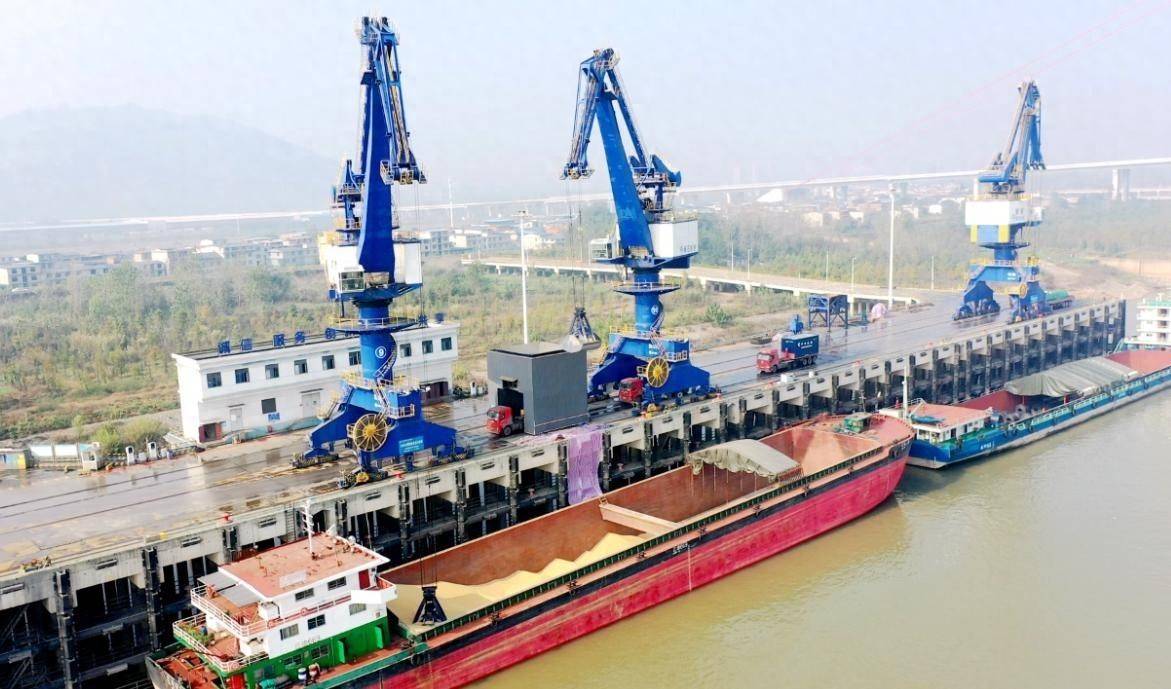
Core Insights - The recent U.S.-China trade negotiations have highlighted a complex "trade game," with the U.S. government relieved by China's agreement to purchase 12 million tons of U.S. soybeans and to suspend rare earth export controls, indicating a slight thaw in relations [1][3] - However, underlying tensions remain, as U.S. Treasury Secretary Yellen's contradictory statements reveal a struggle between maintaining a tough stance and acknowledging rising economic costs [1][5] Group 1: U.S.-China Trade Dynamics - China has shown a willingness to cooperate by suspending new rare earth export controls and increasing agricultural purchases, indicating a desire for a win-win situation [3][10] - The U.S. response has been to overlook these gestures of goodwill, opting instead for threats and sanctions, which reflects deeper anxieties regarding rare earth supply chains [3][5] - The U.S. has not significantly improved its dependence on rare earths, despite claims of building a domestic industry within two years, revealing a gap in mining and processing technology [3][5] Group 2: Internal U.S. Conflicts - U.S. Secretary Yellen's dual role as a farmer and decision-maker complicates his position, as he must balance agricultural interests with national strategy, especially ahead of the 2026 midterm elections [5][7] - The U.S. government appears confused in its international strategy, attempting to form a "rare earth alliance" while simultaneously benefiting from globalization, which may lead to increased isolation [7][8] Group 3: Future Outlook - The U.S.-China relationship has evolved into a stalemate, with both sides unable to fully "decouple" due to economic interdependence, suggesting that unilateral actions may lead to mutual losses [8][10] - Long-term consensus on trade issues can only be achieved through honest and equal cooperation, as threats and sanctions provide only temporary economic benefits without addressing structural problems [10]
果然不出所料,美国重启对华301调查,贝森特:不卖稀土就加税
Sou Hu Cai Jing· 2025-11-03 05:43
Core Points - The U.S. has officially restarted the Section 301 investigation, focusing on issues such as technology transfer policies, intellectual property protection, and foreign investment access rules, which were previously highlighted in the 2019-2020 trade discussions [3][5][7] - The investigation is expected to last 90 days, during which the U.S. Trade Representative's office will gather written opinions from businesses and industry associations, potentially leading to tariff reviews [5][12] - The recent statements from U.S. officials indicate a shift towards using strategic resources, particularly rare earths, as a policy tool, reflecting concerns over supply chain vulnerabilities [14][20] Group 1 - The Section 301 investigation was announced on October 24, 2025, marking a return to a process that had been dormant for five years [3][7] - The investigation's focus aligns with previous U.S. concerns, suggesting a retrospective examination rather than a reconfiguration of issues [5][8] - The legal framework for the investigation remains intact, allowing for potential tariff imposition without the need for Congressional approval if violations are found [30][31] Group 2 - U.S. Treasury Secretary's comments on rare earths signal a potential policy shift, emphasizing the systemic risks posed by certain countries controlling rare earth supplies [14][20] - The U.S. mining and manufacturing sectors are responding to these developments, with calls for expedited domestic rare earth projects and maintaining market stability [18][20] - The investigation and related discussions are extending beyond tariffs to include broader policy implications, such as resource transparency and supply chain management [22][24] Group 3 - The investigation's initiation is seen as a strategic move rather than a mere procedural action, with implications for future trade relations and potential tariffs [28][33] - The focus on rare earths highlights the strategic importance of these materials in high-tech manufacturing and the need for a robust domestic supply chain [20][30] - The interconnectedness of trade policy and resource management is becoming increasingly evident, with various U.S. departments coordinating responses to potential supply chain disruptions [26][30]