新型消费

Search documents
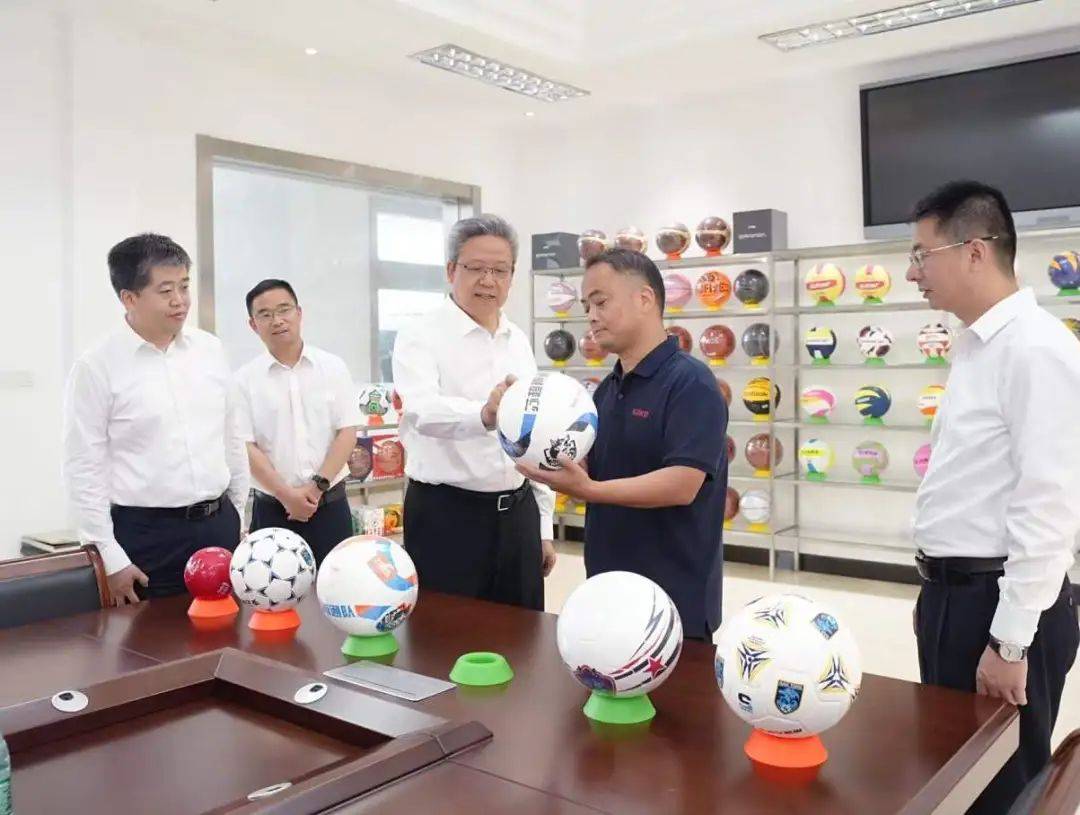
吴新明在海门区走访调研企业
Sou Hu Cai Jing· 2025-08-01 04:37
Group 1 - The municipal government emphasizes the need to implement the central government's economic policies for the second half of the year, focusing on innovation and optimizing the business environment to enhance service efficiency and stimulate corporate innovation [1][4] - Jiangsu Koman Set Shock Absorber Co., Ltd. specializes in the research and production of nitrogen shock absorbers for off-road vehicles, with a focus on seizing market opportunities in rapidly growing new consumption sectors such as RV camping and racing events [3] - Cocoa Linna is one of the largest professional chocolate manufacturers in China, developing a customized chocolate platform to meet diverse consumer needs, which has been positively acknowledged by local government officials [3] Group 2 - Nantong Xiake Sports Goods Co., Ltd. is the only FIFA-certified football manufacturer in the Nantong area, encouraged to leverage the "Su Chao" event traffic and enhance technological innovation and product development to increase product value and brand influence [3] - During the visit, the municipal leader engaged in discussions with business representatives to understand the challenges they face, emphasizing the importance of providing efficient and precise services to help companies address issues such as talent acquisition and technological innovation [4]

沪市消费类上市公司“花式出招” 打造多元服务消费体验
Zheng Quan Ri Bao Zhi Sheng· 2025-07-31 12:37
Core Viewpoint - The meeting of the Central Political Bureau emphasized the need to effectively release domestic demand potential, leading to a focus on long-term consumption potential by consumer-listed companies [1] Group 1: Consumer Companies' Strategies - A number of consumer companies in the Shanghai market are planning to leverage policy support and the trend of consumption recovery to create diverse and integrated service consumption experiences [1] - Zhejiang Xiangyuan Cultural Tourism Co., Ltd. aims to drive service consumption growth through a combination of cultural IP, tourism, and technology, projecting a net profit of 90 million to 97 million yuan for the first half of the year, representing a year-on-year increase of 51.44% to 63.22% [3] - Huangshan Tourism Development Co., Ltd. plans to establish a wholly-owned subsidiary and participate in bidding for state-owned land use rights to enhance its tourism product offerings, focusing on new market exploration and project development [3] Group 2: Innovation in Consumption Scenarios - Dongpeng Beverage Group reported a revenue of 10.737 billion yuan for the first half of the year, a year-on-year increase of 36.37%, and a net profit of 2.375 billion yuan, up 37.22% [4] - The company has implemented various innovative measures to expand new consumption scenarios, including sponsoring major sports events to diversify its market reach [4] - Shanghai Bailian Group's collaboration with Bilibili for a themed event significantly boosted foot traffic and sales, with a 31% increase in sales during the event period [5]
中经评论:把握消费提质升级新趋势
Zhong Guo Jing Ji Wang· 2025-07-31 08:17
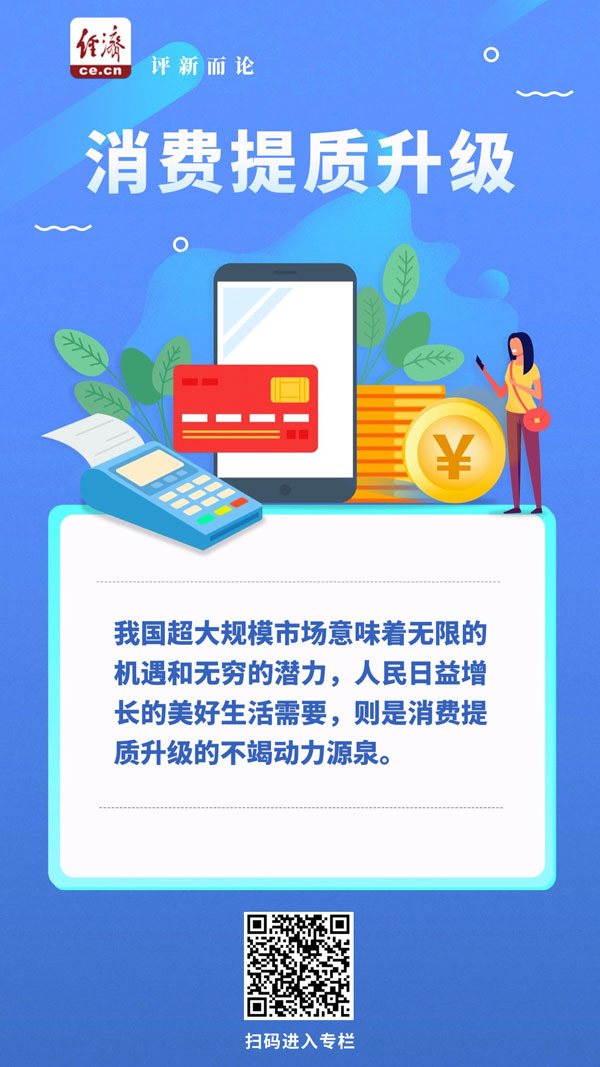
Core Insights - China's super-large market presents unlimited opportunities and immense potential, driven by the growing demand for a better life among its people, which fuels the upgrade of consumption quality [3][6] - The Ministry of Commerce's report on consumption during the 14th Five-Year Plan highlights four key themes: expansion, quality improvement, renewal, and openness [6][7] - The average annual growth rate of total retail sales of consumer goods reached 5.5% over the past four years, with expectations to exceed 50 trillion yuan this year [6] - The average annual growth rate of residents' service consumption expenditure was 9.6%, with its share of total consumption expenditure increasing by 3.5 percentage points to 46.1% [6] - New consumption patterns are emerging, with a shift from "whether" to "how good" in consumer demand, indicating a clear trend towards quality consumption upgrades [6][7] Consumption as Economic Driver - Consumption is identified as the "main engine" and "stabilizer" of economic growth, as well as a "barometer" of public well-being [7] - Various policies have been implemented to promote consumption and enhance people's livelihoods, indicating a strong governmental push towards consumption quality upgrades [7][8] - The per capita disposable income and per capita consumption expenditure of residents increased from 32,000 yuan and 21,000 yuan to 41,000 yuan and 28,000 yuan, respectively, over the past four years [7] Future Consumption Trends - The transition towards service consumption will be a major development direction during the 15th Five-Year Plan, driven by technological advancements and a shift in consumer preferences [8] - Improving the consumption environment is essential for enhancing consumer willingness, which involves infrastructure development, market regulation, and consumer rights protection [8] - The evolving consumption landscape presents both challenges and opportunities for businesses, emphasizing the need to adapt to new consumer demands and enhance service offerings [8]
菏泽上半年消费增速领跑全省
Qi Lu Wan Bao· 2025-07-30 21:12
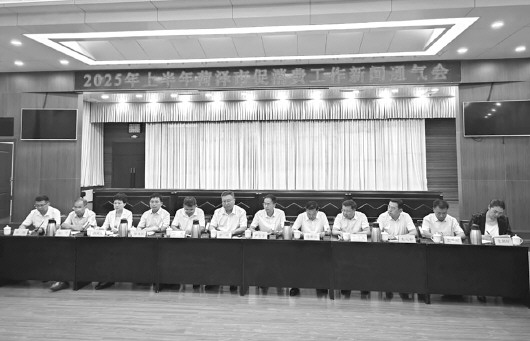
Core Viewpoint - The government of Heze City is actively implementing measures to boost consumption, resulting in a significant increase in retail sales and economic growth [2][6]. Group 1: Consumption Growth - In the first half of the year, Heze's total retail sales of consumer goods reached 125.49 billion, with a year-on-year growth of 7.6%, ranking first in the province [2]. - Urban retail sales amounted to 102.89 billion, growing by 7.7%, while rural retail sales reached 22.6 billion, with a growth of 7.6%, indicating a balanced growth between urban and rural areas [3]. Group 2: Policy and Structural Support - The city has established a "1+N" policy framework to enhance consumption, implementing ten major actions to create a clear and responsible work mechanism [3]. - A special fund of 3 million was set up to support consumption activities, leading to a sales boost of 11.86 million from a lottery event [3]. Group 3: New Consumption Trends - The city is focusing on integrating commerce with culture, tourism, and sports, hosting over 400 events in the first half of the year, which stimulated related sectors like accommodation and dining [5]. - New types of consumption are on the rise, with a focus on e-commerce and unique local offerings, contributing significantly to overall consumption growth [5]. Group 4: Consumer Confidence and Market Potential - The consumption market in Heze shows strong resilience and potential, with retail sales growth rates leading the province and emerging trends in senior and domestic consumption [6]. - The collaborative efforts of policies, departmental coordination, and active market participation have laid a solid foundation for sustained consumption growth throughout the year [6].
释放毕业季消费潜能
Jing Ji Ri Bao· 2025-07-27 22:15
Group 1 - The core viewpoint is that the youth consumption market is shifting towards "new" trends, particularly during the graduation season, with significant increases in sales of digital products and outdoor equipment, reflecting new demands from the youth demographic [1] - The growth in graduation season consumption is driven by multiple factors, including government subsidies for digital products, financial institutions promoting consumption, and a focus on emotional and experiential aspects of purchases [1][2] - The rise of e-commerce, AI personalized recommendations, and AR technologies has expanded the choices available for youth consumers during the graduation season [1] Group 2 - The shift towards "new" consumption patterns can unlock potential for market growth and create new opportunities, emphasizing the need for a sustainable and rational consumption approach among graduates [2] - There is a call to increase quality supply by developing products that resonate emotionally with youth, incorporating elements of traditional culture into modern aesthetics, and offering discounts for graduates at tourist attractions [2] - Innovation in business models is encouraged, with a focus on creating new consumption venues such as themed hotels and creative markets, while enhancing the integration of online and offline experiences for youth [2][3] Group 3 - Improving the consumption environment is essential, which includes establishing a collaborative regulatory mechanism, enhancing consumer rights protection, and ensuring transparency in the consumption process [3] - Strengthening industry self-regulation and platform accountability is necessary to ensure quality and transparency in graduation season consumption [3] - There is a need for increased data security measures to protect against issues like information leakage and algorithmic discrimination, ensuring a safe digital consumption environment for youth [3]
经济日报金观平:下大力气激发消费融资潜能
Jing Ji Ri Bao· 2025-07-27 21:56
Group 1 - The narrow growth gap between M1 and M2 indicates a significant increase in the liquidity of the economy, with M1 growing by 4.6% year-on-year as of June, a notable rise of 2.3 percentage points from May [1] - The acceleration in M1 growth reflects enhanced economic activity, driven by recent financial policies that have restored market confidence and stimulated effective demand [1] - The ongoing transformation of the domestic economy necessitates a focus on expanding effective domestic demand, particularly in consumption [1] Group 2 - China's multi-tiered consumer finance service system has developed significantly, with credit support playing a crucial role in stabilizing the consumer market [2] - Structural contradictions in the consumption sector remain prominent, particularly in high-quality service areas such as tourism, healthcare, and elder care, indicating a need for improved financial products and services [2] - Recent initiatives by the People's Bank of China aim to enhance service consumption supply, which is a key direction for future macroeconomic policies to promote consumption [2] Group 3 - Increasing residents' income levels is essential for stimulating consumption potential, with estimates suggesting that a 1% increase in the income share of low- and middle-income groups could generate an additional 250 billion yuan in consumption [3] - Future efforts should focus on improving disposable income and enhancing social security levels in areas such as healthcare and education to boost consumer capacity and willingness [3] - Strengthening the macroeconomic foundation and improving employment and income levels are critical for enhancing consumption efficiency and environment [3]
国际消费中心城市培育建设4年来取得积极成效
Sou Hu Cai Jing· 2025-07-24 12:52
Core Insights - The cultivation and construction of international consumption center cities in China has achieved positive results over the past four years, with significant contributions to the national economy [1][2] Group 1: Economic Impact - The five cities (Shanghai, Beijing, Guangzhou, Tianjin, Chongqing) account for over one-eighth of the national total retail sales [1] - National-level demonstration pedestrian streets represent one-quarter of the total in the country [1] - The number of "Chinese Time-honored Brands" in these cities constitutes about one-third of the national total [1] - The import of consumer goods from these cities accounts for over half of the national total [1] - The sales amount from tax refunds for outbound tourists represents around 70% of the national total [1] Group 2: Policy and Growth - The implementation of optimized tax refund policies has led to a 94.6% increase in national sales from tax refunds in the first half of the year [1] - The five cities have introduced 12,000 first stores of domestic and international brands, enhancing their consumption leadership [1] Group 3: Urban Development - The cities are enhancing their commercial space planning to create internationally influential shopping districts [2] - There is a focus on daily consumer needs, particularly for the elderly and children, to develop convenient living circles [2] - Future plans include deepening the cultivation of international consumption center cities, expanding quality consumption supply, and innovating diverse consumption scenarios [2]
国际消费中心城市培育建设满4周年 成效如何?商务部回应
Yang Shi Wang· 2025-07-24 08:21
Core Insights - The Ministry of Commerce reported significant progress in the cultivation of international consumption center cities over the past four years, highlighting key data points and achievements in various dimensions [1][2]. Dimension 1: International - The international consumption environment has become more favorable, with five cities enhancing payment convenience and optimizing tax refund services, leading to a 94.6% increase in national tax refund sales in the first half of the year [1]. Dimension 2: Consumption - There has been a comprehensive enhancement in consumption leadership, with the introduction of 12,000 domestic and international brand flagship stores over four years, and the organization of various high-profile events to promote new consumption patterns [2]. Dimension 3: Center - The demonstration and driving role of these cities has strengthened, with the selection of 16 innovative measures and 12 exemplary practices aimed at expanding quality supply and optimizing the consumption environment [2]. Dimension 4: City - Urban functions have improved, focusing on international commercial space planning and enhancing daily consumer needs, particularly for the elderly and children, to create a more vibrant and accessible urban consumption landscape [2]. Future Directions - The Ministry of Commerce plans to continue deepening the cultivation of international consumption center cities, aiming to create an internationalized consumption environment and expand quality consumption supply [2].
“十四五”时期中国消费市场亮点纷呈
Xiao Fei Ri Bao Wang· 2025-07-23 02:29
Group 1 - The core viewpoint of the article highlights the achievements in high-quality development during the "14th Five-Year Plan" period, particularly in consumption and foreign trade, showcasing China's robust market potential and innovative policies [1][2][5] Group 2 - The total retail sales of consumer goods (社零) in China is expected to exceed 50 trillion yuan this year, with an annual growth rate of 5.5% from 2020's 39.1 trillion yuan to a projected 48.3 trillion yuan in 2024 [2] - Approximately 400 million people have benefited from the "old-for-new" subsidy policy, which has stimulated consumption and improved living standards, leading to a retail sales increase of 2.9 trillion yuan [3] - The penetration rate of new energy vehicles has surpassed 50% in the first half of this year, with a projected growth of 5.4 times in ownership by 2024 compared to 2020 [3] Group 3 - The "China Tour" is being transformed into "China Purchase," with a significant increase in inbound tourist spending projected to reach 94.2 billion USD in 2024, reflecting a growth of 77.8% [4] - The retail innovation initiative is enhancing traditional business models, promoting the development of new consumption formats, and fostering the integration of digital consumption and quality e-commerce [4] Group 4 - Looking ahead to the "15th Five-Year Plan," the fundamentals of China's economy remain strong, with a focus on converting successful policies from the "14th Five-Year Plan" into long-term strategies to stimulate consumer spending [5]
新型消费火热、科技成果涌现……划重点!透过亮点感受中国经济蓬勃“脉动”
Yang Shi Wang· 2025-07-22 03:03
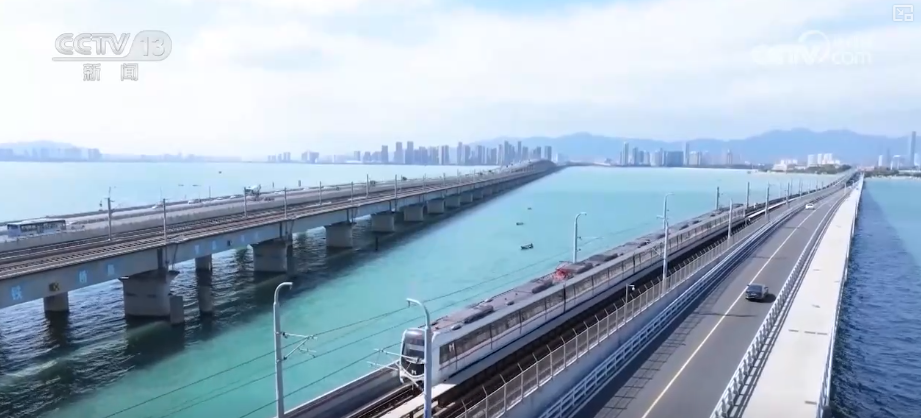
Transportation Industry Achievements - During the "14th Five-Year Plan" period, China's high-speed rail operating mileage reached 48,000 kilometers, accounting for over 70% of the world's total high-speed rail mileage [3] - The total length of expressways reached 191,000 kilometers, maintaining the world's largest port capacity for many years [3][4] - The comprehensive transportation system has made breakthrough progress, with the national comprehensive three-dimensional transportation network framework achieving over 90% completion [4] Technological Advancements - Advanced technological equipment has been developed, with the Shenzhen-Zhongshan Bridge setting multiple world records and significant engineering achievements emerging from projects like the Pinglu Canal [6] - The CR450 train set was launched, the first domestically produced large cruise ship began operations, and the C919 large passenger aircraft entered regular commercial operations [6] Global Connectivity - The construction of a global transportation connectivity pattern has accelerated, with the China-Europe Railway Express reaching 229 cities in Europe and over 100 cities in Asia [8] - The "Air Silk Road" has expanded, connecting to 83 countries, and the international shipping route network has spread globally, maintaining the world's highest maritime connectivity for 19 consecutive years [8]