
L4级自动驾驶

Search documents
小马智行(PONY):深度报告:全球无人驾驶领先企业,Robotaxi商业化落地加速
Guoxin Securities· 2025-06-28 11:55
Investment Rating - The report assigns an "Outperform" rating to the company for the first time [4][6]. Core Viewpoints - The company is a global leader in autonomous driving, focusing on Robotaxi and Robotruck services, with a significant potential for revenue growth as it expands its fleet [4][15]. - The global market for Robotaxi is projected to be worth trillions, with a substantial opportunity for market penetration in both domestic and international markets [2][4]. - The company has developed a comprehensive ecosystem that integrates advanced driving technology, vehicle-grade products, and a diverse range of partners, which is expected to create a profitable business model [3][4]. Company Overview - The company, Pony.ai, was founded in 2016 and has rapidly developed its Robotaxi and Robotruck businesses, achieving significant milestones in autonomous vehicle testing and commercialization [15][16]. - The main business segments include Robotaxi autonomous ride-hailing services (9.7% of revenue), Robotruck autonomous trucking services (53.8%), and licensing and application services (36.5%) [24][30]. Financial Analysis - The company is expected to generate revenues of $75.03 million in 2024, with a projected growth rate of 4% year-over-year, and a net loss of $274 million [4][5]. - Revenue forecasts for 2025-2027 are $80 million, $93 million, and $195 million, respectively, with corresponding growth rates of 7%, 15.4%, and 110.3% [4][5]. Industry Insights - The Robo-X industry is characterized by a long growth trajectory and significant market potential, driven by technological advancements, cost reductions, and supportive policies [2][4]. - The competitive landscape includes major players like Tesla and Xpeng in the Robotaxi space, while Pony.ai, along with other companies, is making strides in the Robotruck sector [2][4].
张亚勤:未来电车品牌可能出现整合,2030年将有10%新车具备 L4 级自动驾驶能力
Sou Hu Cai Jing· 2025-06-26 10:04
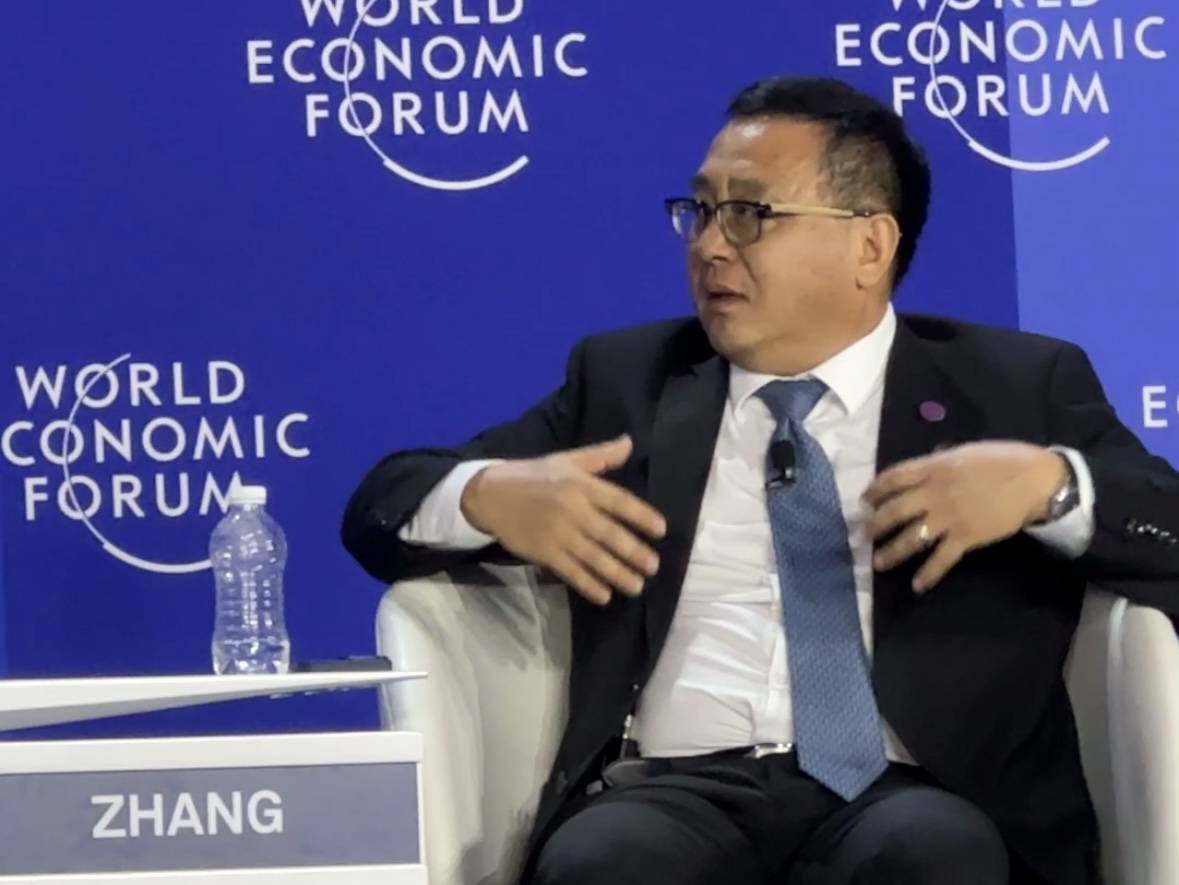
Group 1 - The 16th Davos Forum (New Champions Annual Meeting) will be held in Tianjin from June 24 to 26, 2025, with Zhang Yaqin, a foreign academician of the Chinese Academy of Engineering and the director of Tsinghua University's Intelligent Industry Research Institute, attending and sharing insights [2] - Zhang Yaqin predicts that the autonomous driving sector is approaching a "DeepSeek moment," highlighting significant advancements in robotaxi technology, which has seen substantial progress and commercialization in cities like San Francisco, Los Angeles, Austin, Tokyo, and Tesla's location [2] - In China, Baidu's Apollo Go system has been operational for the longest time, successfully covering Wuhan with over 1,000 vehicles, indicating a new phase in the industry, alongside efforts from companies like WeRide [2] Group 2 - Zhang Yaqin emphasizes two core goals for safety and economic efficiency: significantly improving safety to be ten times safer than human drivers, aiming to reduce 90% of accidents caused by human error, and transforming vehicle economics by eliminating driver costs, potentially doubling operational efficiency [3] - The development of generative AI and large language models is helping to address two major challenges in autonomous driving: processing and understanding vast amounts of data, and enabling end-to-end training of decision models, which simplifies the system while maintaining safety boundaries [3] - Zhang Yaqin forecasts that by 2030, 10% of new vehicle shipments will possess L4 autonomous driving capabilities, catering to both robotaxi and consumer markets, while also noting the need for improved charging infrastructure and competitive regulations in the electric vehicle ecosystem [4]

活力中国调研行|“车路云网图”一体化,北京探索自动驾驶“加速度”
Bei Jing Shang Bao· 2025-06-22 10:53
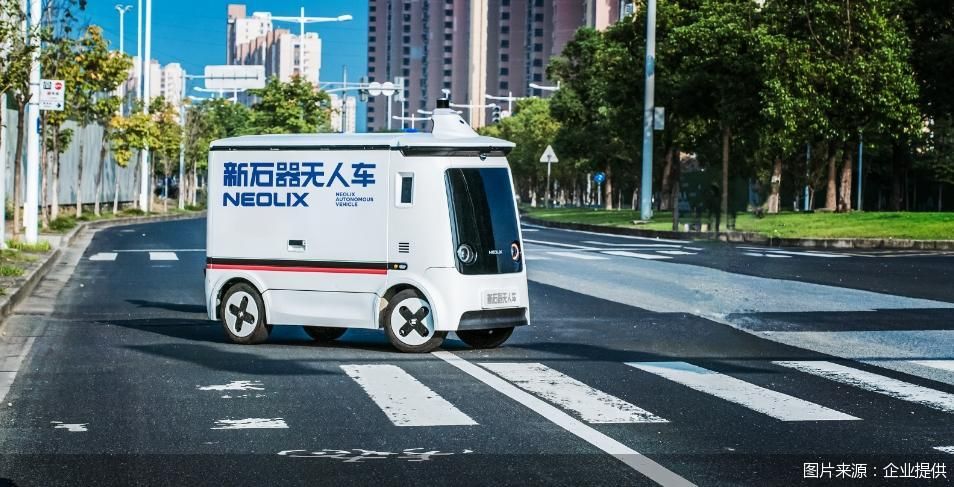
近日,北京商报记者跟随"活力中国调研行"北京市主题采访团走进位于亦庄的北京市高级别自动驾驶示范区,零距离感受"聪明的 车""智慧的路""可靠的网"展现出的科技活力。"目前已实现全市600平方公里路侧基础设施智能化部署,首次在全国建成涵盖'车、路、 云、网、图'五大体系的城市级工程试验平台,助力企业自动驾驶相关技术快速迭代更新。"北京市经济和信息化局汽车处相关负责人介 绍,北京持续推进智能网联汽车国家级创新中心建设,在车联网、人工智能、大数据等关键技术和系统研发方面形成领先优势,形成上 中下游产品种类齐全的智能网联汽车产业链条。 单日分拣10万件快递 走在北京亦庄的街头,身边经常会经过一辆辆外形小巧、造型呆萌的新石器无人配送车,沿着规划的路线匀速行驶。它们没有驾驶舱, 也无方向盘,却能自主避障、识别红绿灯,精准抵达每一个投递点。这样的场景,在亦庄已成日常。 顺着这辆无人车的日常路线,不远处便是新石器无人车公司(以下简称"新石器无人车")设立于亦庄的共配中心,这也是全球首个以无 人车为核心的智慧共配中心。北京商报记者走进去看到,一层整齐排列着形态功能各异的无人车,专为最后10公里配送场景设计的轻量 级无人配送车的 ...
50亿亏损下的豪赌:曹操出行IPO能解困局吗?
Sou Hu Cai Jing· 2025-06-19 09:22
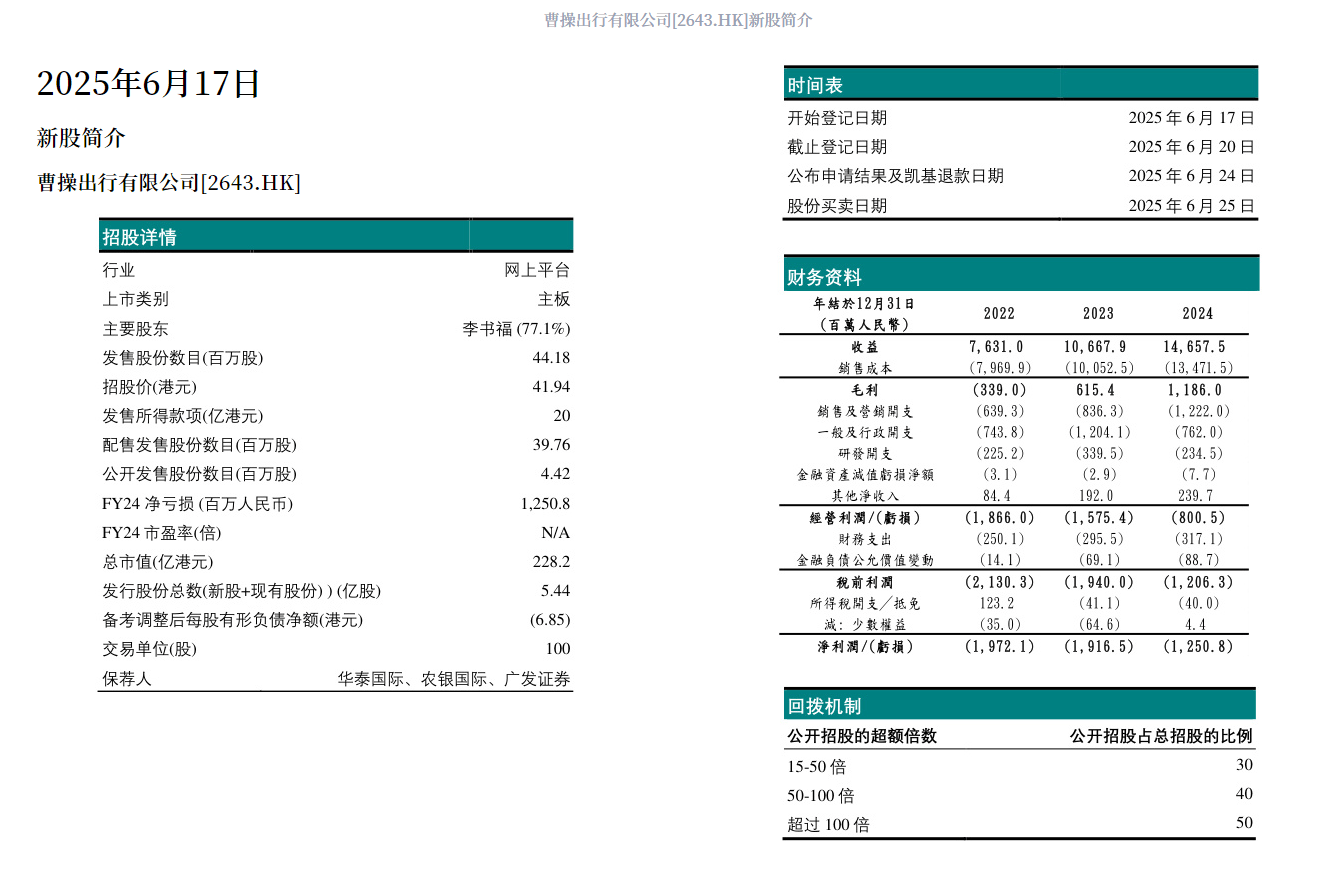
Summary of Key Points Core Viewpoint - The company is preparing for an IPO in the online platform industry, but its financial disclosures reveal significant losses and high debt levels, raising concerns about its long-term viability and reliance on external funding sources [4][6]. Group 1: IPO Details - The company is planning to issue 44.18 million shares at a price of HKD 41.94, aiming to raise HKD 2 billion [2]. - Major shareholder is Li Shufu, holding 77.1% of the shares [2]. - The total market capitalization is estimated at HKD 22.82 billion [2]. Group 2: Financial Performance - The company reported a net loss of RMB 1,250.8 million for FY24, with cumulative net losses of RMB 5.04 billion from 2022 to 2024 [2][4]. - The asset-liability ratio stands at 87.6%, indicating a high level of debt [4]. - Revenue for 2022 was RMB 7.63 billion, with projected revenue growth to RMB 14.66 billion by 2024 [5]. Group 3: Business Model and Market Position - The company holds a 5.4% market share, heavily reliant on third-party platforms like Didi and Baidu for 73% of its orders [5][6]. - The commission fees for orders range from 20% to 30%, with self-app orders dropping to 27% [6]. - The company faces challenges in maintaining profitability due to high driver incentives and customer subsidies [6]. Group 4: Use of Proceeds - 34% of the raised funds will be used to launch customized vehicles and expand the network, while 20% will go towards improving vehicle service solutions [7]. - 20% of the funds will be allocated to repay bank loans, and 17% will be invested in autonomous driving technology [7]. - The remaining funds after debt repayment will only cover approximately 24 months of operations, given the projected monthly losses [8]. Group 5: Strategic Challenges - The reliance on third-party platforms has led to a hollowing out of brand value, with ongoing commission expenses eroding profit margins [8]. - Despite attracting strategic investors like Mercedes-Benz, the cautious capital response highlights concerns about the company's business model [8].
新动作!佑驾创新(2431.HK)调整业务,聚焦单车智能
Ge Long Hui· 2025-06-15 10:03
Core Insights - The company announced the sale of a 51% stake in its subsidiary focused on V2X business, aiming to concentrate resources on core areas such as intelligent driving and smart cockpit exploration [1] - This strategic adjustment reflects a commitment to the "single vehicle intelligence" future, emphasizing a shift towards more profitable and mature business segments [1][2] - In 2024, the company reported revenue of 654 million yuan, a 37.4% year-on-year increase, with intelligent driving solutions contributing 484 million yuan, accounting for 73.9% of total revenue [1] Business Strategy - The company is in a critical phase of expanding market share, reallocating resources to the more mature and clearer business model of "single vehicle intelligence" [2] - It has established L1-L4 level intelligent driving capabilities and has delivered products to 35 automakers, including major brands like Changan Automobile [2] - The L4 autonomous driving business is entering a commercialization phase, with successful project deliveries such as the first unmanned bus in Suzhou [2] Market Potential - The company aims to support the scalable development of unmanned vehicles in logistics and other fields, capitalizing on the growing market potential of unmanned logistics vehicles [3] - The unmanned logistics vehicle market in China is projected to exceed 20 billion yuan by 2025, presenting significant opportunities for solution providers [3] - The company possesses a mature unmanned minibus solution, allowing for a seamless transition from passenger to cargo applications, leveraging existing technology [3] Market Reaction - The company's stock price has increased by over 50% this year, with a market capitalization surpassing 10 billion yuan, receiving "buy" and "hold" ratings from major securities firms [4] - The market recognizes the company's clear commercialization path and expected market expansion capabilities, driven by strong core business performance and rapid L4 production scaling [4] - The strategic focus on the more certain and clearer return path of "single vehicle intelligence" is seen as a wise move for long-term sustainability [4]
无人驾驶深度之一:无人物流专题:万事具备,爆发元年
Soochow Securities· 2025-06-10 15:14
Investment Rating - The report indicates a strong investment outlook for the unmanned logistics industry, highlighting a significant growth potential in the coming years [4]. Core Insights - The unmanned logistics sector is poised for explosive growth in 2025, driven by favorable policies, technological advancements, and economic viability. The market is expected to see sales surpassing 30,000 units in 2025, with a penetration rate exceeding 1.2% [4][41]. - The industry is characterized by a dual revenue model of vehicle sales and operational services, with a projected market size of 245 billion yuan for vehicle sales and 413.4 billion yuan for operational services by 2030 [4]. - Key players in the market include Jiushi and New Stone, which together hold over 80% market share and are expanding their operations both domestically and internationally [4]. Summary by Sections Part 1: Market Readiness - The unmanned logistics market is ready for a breakthrough, with applications primarily in short-distance transportation (3-100 km) within urban areas, potentially replacing 2.1 million light commercial vehicles [4]. - The report emphasizes that the combination of policy support, mature L4 autonomous driving technology, and reduced costs makes 2025 a pivotal year for sales growth [4]. Part 2: Focus on Unmanned Logistics Companies - The operational profit margins for unmanned logistics companies are substantial, with a projected sales volume of over 30,000 units in 2025 and a growth rate of 207% expected in 2026 [4]. - The report identifies Jiushi and New Stone as industry leaders, with Jiushi's new model priced at 19,800 yuan, significantly disrupting the market [4]. Part 3: Mainstream Companies Driving Growth - The report highlights the strong momentum of mainstream companies that are leveraging both vehicle sales and operational services to drive growth [4]. - Jiushi and New Stone are leading the charge, with extensive coverage across over 200 cities and plans for significant international expansion [4]. Part 4: Investment Recommendations - The report recommends focusing on unmanned logistics companies such as Wenyan Zhixing and Jinlong Automobile, as well as potential IPO candidates like Jiushi and New Stone [4]. - Additionally, it suggests looking into companies benefiting from autonomous driving technologies, including Sutech, Hesai Technology, and Desay SV [4].
政策产业共振,“RoboX”迎来新成长
HTSC· 2025-06-03 08:10
Investment Rating - The report maintains an "Overweight" rating for the automotive and electronics sectors [6] Core Insights - The Robo X industry, represented by Robotaxi and Robovan, is experiencing accelerated commercialization driven by policy and industry resonance, with significant market attention due to multiple catalysts [10][11] - The global and China L4 autonomous driving market is projected to reach USD 15.35 trillion and USD 581 billion respectively by 2030, with a CAGR of 104% and 105% from 2025 to 2030 [10] - The report suggests focusing on core operational platforms, high-growth hardware suppliers, and innovative application scenario developers as investment opportunities [44] Summary by Sections Robotaxi - The commercialization of Robotaxi is accelerating, with leading companies like Pony.ai, WeRide, and Loongrun expanding fleet sizes and increasing order volumes [2][12] - Pony.ai's Robotaxi service revenue grew by 200% year-on-year in Q1 2025, while WeRide's revenue contribution reached 22.3%, up 10.4 percentage points year-on-year [2][19] - The policy environment is improving, with major cities expanding operational areas and refining license management, which lowers operational costs for companies [12][19] Robovan - Robovan is showing significant potential in logistics, with a positive cycle of "cost reduction-application validation-scale expansion" forming [3][23] - The hardware costs have drastically decreased, with models like the New Stone X3 dropping from CNY 200,000 to CNY 70,000, and the Jiushi Intelligent E6 model priced at CNY 19,800, a 91% reduction [3][23] - Major players are accelerating financing and production expansion, with Jiushi Intelligent targeting the delivery of 10,000 units in 2025 [3][24] Broader Applications - The Robo X concept extends beyond Robotaxi and Robovan to include applications like Robosweeper and Robotruck, which are also seeing accelerated commercialization [4][14] - Robosweeper has been deployed in multiple cities, reducing labor costs and improving operational efficiency [4][40] - Drone logistics is emerging as a key area, with significant potential in last-mile delivery and complex terrain transport, supported by favorable policies [41][42] Investment Opportunities - The report recommends focusing on core operational platforms that have achieved scalable operations and possess clear cost reduction paths, such as Pony.ai [44] - High-growth component suppliers in critical areas like lidar and high-performance chips are also highlighted as potential beneficiaries of the autonomous vehicle rollout [44] - Companies that integrate autonomous driving technology with specific industry applications, such as smart warehousing and last-mile delivery robots, are identified as innovative scenario developers [44]



「L4级智驾龙头」驭势科技赴港IPO:三年亏损6.75亿元,难掩失血焦虑
雷峰网· 2025-06-03 00:48
Core Viewpoint - The article discusses the recent IPO trend among L4 autonomous driving companies, driven by underlying growth anxiety within the industry [1][16]. Group 1: Company Overview - Yushi Technology submitted its IPO application to the Hong Kong Stock Exchange, with projected revenues of approximately RMB 65.48 million, RMB 161 million, and RMB 265 million for 2022, 2023, and 2024 respectively, while incurring losses of RMB 250 million, RMB 213 million, and RMB 212 million during the same periods, totaling a cumulative loss of RMB 675 million [2]. - Yushi Technology focuses on providing autonomous driving solutions to enterprise clients, including commercial and passenger vehicle manufacturers, featuring L4-level autonomous driving capabilities [2]. Group 2: Historical Context and Partnerships - Yushi Technology was founded by Wu Gansha after he left Intel China Research Institute, alongside co-founders Zhao Yong and Jiang Yan [4]. - The company initially pursued two business paths: developing passenger vehicle solutions and L4 autonomous driving technology for specific scenarios like micro-buses and logistics [4]. - A previous collaboration with Continental Group for L2+ solutions ended unfavorably, leading Continental to choose a competitor, Huixi, for further development [5]. Group 3: Market Position and Clientele - Yushi Technology is recognized as the only global supplier of sustainable L4 autonomous driving solutions for airports, with clients including Hong Kong International Airport and Guangzhou Baiyun Airport [11]. - As of May 20, 2025, Yushi Technology has partnered with 17 Chinese airports and 3 overseas airports, indicating a strong market presence [12]. Group 4: Financial Support and Investment - Yushi Technology received significant financial backing, including over RMB 1 billion in funding in January 2021 and RMB 300 million in March 2023, with a post-investment valuation of RMB 7.3 billion [15]. - The company’s cash flow management is challenged by client payment structures similar to the AGV industry, which can impact operational liquidity [14]. Group 5: Industry Trends and Challenges - The article highlights the ongoing IPO wave among L4 autonomous driving companies, driven by pressures from existing shareholders and the need for substantial capital investment against a backdrop of long return cycles [16].

L4级自动驾驶龙头驭势科技闯关港交所 去年实现收益2.65亿元
Zhi Tong Cai Jing· 2025-05-28 22:55
Core Viewpoint - Yushi Technology (Beijing) Co., Ltd. has submitted a listing application to the Hong Kong Stock Exchange, with CITIC Securities as its sole sponsor [1] Company Overview - Yushi Technology is a leading innovative enterprise in the Greater China region, focusing on L4-level autonomous driving technology for various scenarios. Its core products include autonomous driving solutions for enterprise clients in airports, factories, and manufacturers of commercial and passenger vehicles [4] - The company is the only global provider of sustainable L4-level autonomous driving solutions for large-scale commercial operations at airports, having successfully implemented autonomous electric towing vehicles, shuttles, and patrol vehicles at Hong Kong International Airport [4] - As of May 20, 2025, Yushi Technology has partnered with 17 airports in China and 3 overseas airports, showcasing the scalability and adaptability of its solutions [4] Financial Performance - For the fiscal years 2022, 2023, and 2024, Yushi Technology reported revenues of approximately RMB 65.48 million, RMB 161.36 million, and RMB 265.50 million, respectively. The company has not yet achieved profitability, with losses of approximately RMB 250 million, RMB 213 million, and RMB 212 million during the same periods [5] - The financial data indicates a gross profit margin of 45.7% in 2022, which decreased to 43.7% by 2024. The sales and marketing expenses accounted for 86.2% of revenue in 2022, dropping to 28.7% by 2024 [6]
小马智行(PONY.US)2025Q1电话会:Robotaxi收入同比增长200% 车队规模年底将达1000辆
智通财经网· 2025-05-22 10:11
Core Viewpoint - Pony.ai reported a strong performance in Q1 2025, with total revenue of 102 million yuan, a 12% year-over-year increase, driven by a significant growth in Robotaxi services, which saw a revenue increase of 200% to 12.3 million yuan [1][2][3] Revenue and Growth - The company achieved a remarkable milestone with Robotaxi service revenue doubling year-over-year, and billing revenue increasing approximately eightfold [2] - The "Pony.ai" app registered user numbers grew by over 20% quarter-over-quarter, indicating strong market acceptance [4] Operational Expansion - The company plans to expand its Robotaxi fleet to 1,000 vehicles by the end of the year, supported by strategic partnerships with Tencent and Uber to reach a billion users [1][2] - The operational area for commercial Robotaxi services has exceeded 2,000 square kilometers, significantly larger than the area of San Francisco [3] Technological Advancements - The introduction of the seventh-generation Robotaxi system has reduced the bill of materials (BOM) cost by 70% compared to the previous generation, showcasing significant technological progress [2] - The company is the first in the L4 industry to fully adopt automotive-grade system-on-chip (SoC) technology, leading to a substantial reduction in hardware costs and power consumption [6][14] Regulatory and Testing Progress - Pony.ai has obtained a full commercial Robotaxi service license in Shenzhen and an L4 Robotaxi testing permit from the Luxembourg Ministry of Transport, allowing for road testing in Seoul, South Korea [1][4] Future Outlook - The company is focused on scaling production and expanding its fleet, with plans to begin mass production of the Gen 7 Robotaxi in Q2 2025 [8] - The strategy includes collaboration with OEM partners like Toyota and GAC to ensure high-quality standards and supply chain stability [8][19]