情绪经济

Search documents
2万亿元的大生意,瞄准年轻人的钱包
3 6 Ke· 2025-08-01 01:07
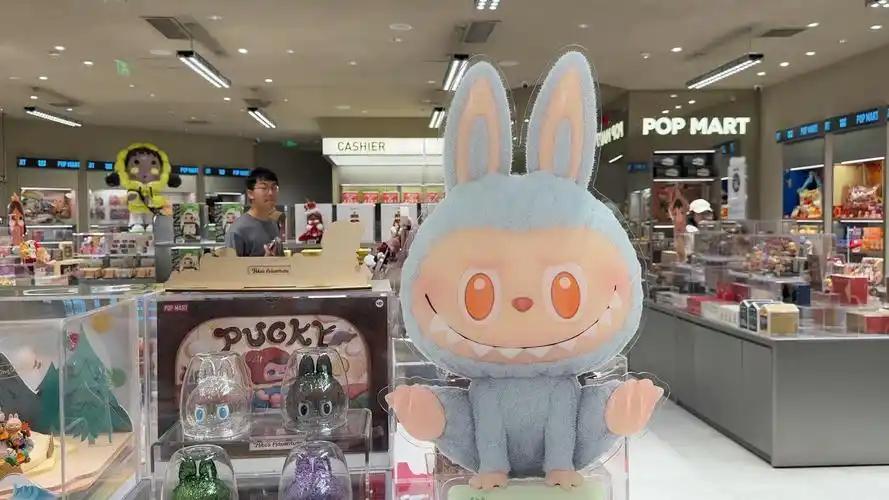
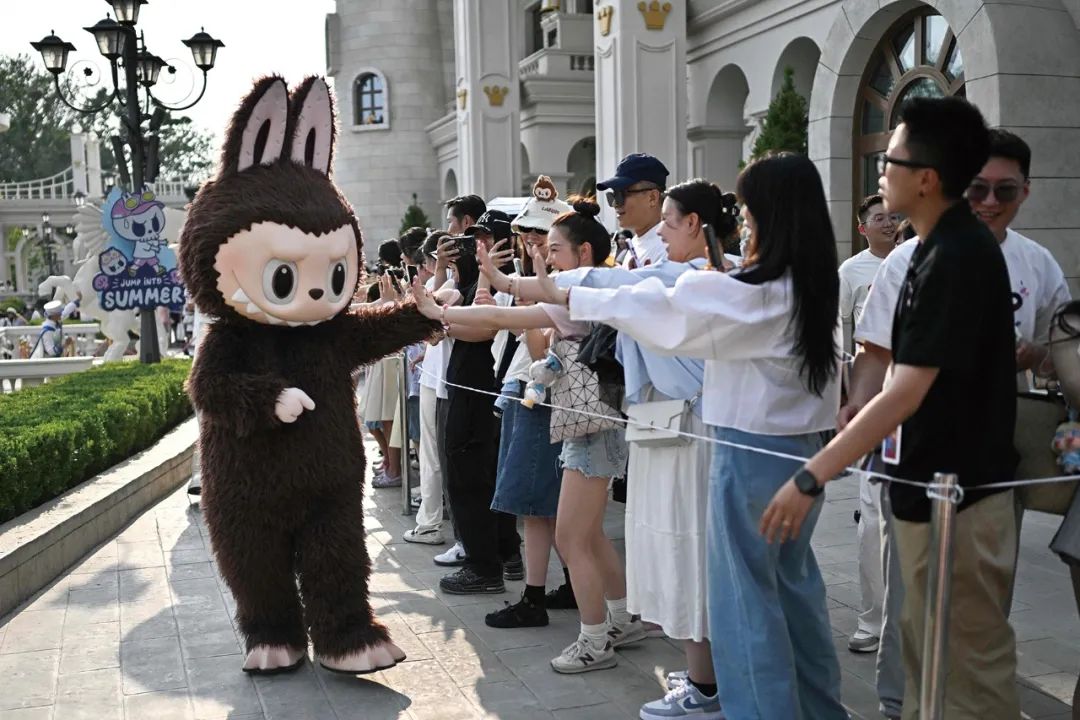
Core Viewpoint - The article discusses the rise of the "emotional economy," where consumers seek emotional satisfaction through purchases, reflecting a shift in societal values towards instant gratification and emotional fulfillment [1][2][20]. Group 1: Emotional Consumption Trends - Emotional consumption refers to the behavior where consumers achieve emotional satisfaction and psychological compensation through purchases, with Generation Z being the primary demographic [5]. - Since 2013, the emotional consumption-related industry has seen an average annual compound growth rate of 12%, with projections indicating that the market size in China will exceed 2 trillion yuan by 2025 [2][4]. - A survey revealed that 64.6% of respondents aged 18-65 prioritize spiritual consumption, and 48.9% seek dedicated time for relaxation each week [4]. Group 2: Psychological and Sociological Perspectives - From a psychological perspective, emotional consumption is a strategy for managing emotions, significantly correlated with anxiety levels and loneliness [7]. - Sociologically, emotional consumption products serve as digital social capital, helping individuals construct idealized identities [7]. - The experience economy model categorizes emotional consumption as an "escape experience," providing temporary relief from real-life pressures [7]. Group 3: Market Dynamics and Consumer Behavior - The emotional economy is characterized by a demand for low-cost, quick-acting emotional remedies, leading to the proliferation of products that offer novelty, stimulation, and ritualistic experiences [1][2]. - The popularity of products like LABUBU reflects a desire for relatable emotional expressions, allowing consumers to project their feelings onto these items [13][15]. - The trend of "identity performance" suggests that consumers purchase emotional products not just for personal satisfaction but to signal their social identity [15][17]. Group 4: Challenges and Critiques - The article raises concerns about the potential for emotional consumption to create new problems, such as emotional dependency and superficial relationships [1][2]. - Critics argue that the focus on emotional value in relationships may lead to transactional interactions, where emotional fulfillment becomes a calculated exchange [21][23]. - The increasing reliance on emotional consumption may simplify complex human emotions, risking a loss of deeper emotional connections and perceptions [23].

2025年第29周:跨境出海周度市场观察
艾瑞咨询· 2025-07-30 00:02
Industry Environment - Chinese companies are accelerating their overseas expansion towards emerging markets and "Belt and Road" countries, despite facing increased scrutiny and trade barriers from Western nations [1][4] - The micro-drama industry has seen rapid international growth, reaching a user base of 576 million across over 200 countries, with successful cultural exports [1][3] - The photovoltaic and energy storage sectors are experiencing divergent paths due to recent U.S. policy changes, with energy storage benefiting from extended tax credits [4] Cross-Border E-commerce Trends - By 2025, cross-border e-commerce is expected to enter a "refinement" phase, with total import and export volume reaching 2.71 trillion yuan, and independent sites becoming a core vehicle for brand expansion [5] - Chinese beauty brands are leveraging cross-border e-commerce to meet rising global demand for DIY beauty products, focusing on localization and compliance [10][11] Chinese Brands Going Global - The next decade is seen as a golden period for Chinese brands to expand internationally, driven by global acceptance and manufacturing upgrades [9] - Chinese toy brands are innovating product forms and utilizing social media for market expansion, despite facing challenges in Southeast Asia and Japan [6][7] Automotive Industry Expansion - Chinese automotive companies are adopting a "deep cultivation" strategy in overseas markets, focusing on local production and smart driving technologies [8] - BYD plans to launch customized electric light vehicles in Japan by 2026, aiming to increase brand recognition in a competitive market [20] Food and Beverage Sector - Yuanqi Forest is successfully entering global markets with its health-oriented products, adapting to local tastes and compliance requirements [21][22] - Tea brand Chayan Yuesheng is entering the U.S. market through e-commerce, focusing on snacks and tea-related products rather than traditional tea [19]

年轻人的广场舞,正在席卷各大商场
Hu Xiu· 2025-07-28 07:03
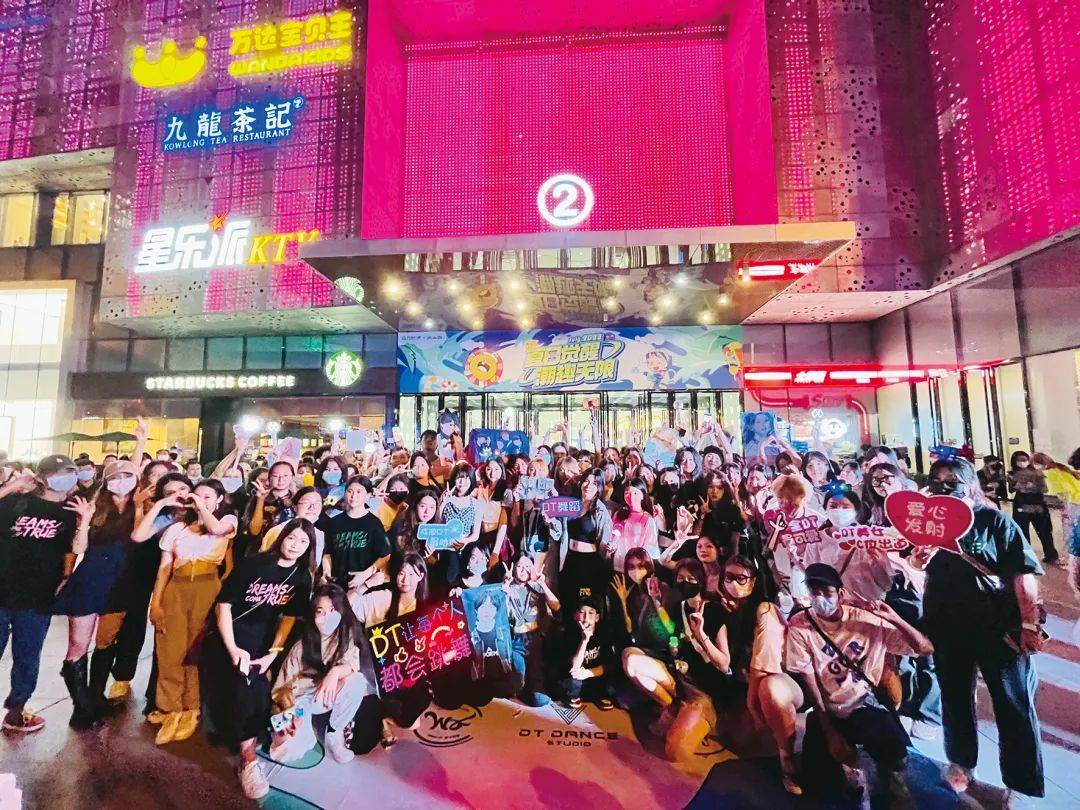
Group 1 - The core concept of the article revolves around the rising trend of Random Play Dance as a popular youth activity, transforming traditional shopping malls into vibrant cultural spaces [1][10][20] - Random Play Dance is characterized by its spontaneous nature, where participants dance to randomly selected songs in public spaces, creating a lively atmosphere [4][5][10] - The phenomenon is closely linked to K-Pop culture, originating from a popular South Korean variety show, which has contributed to its global appeal and acceptance among fans [6][7][9] Group 2 - The article highlights the commercial potential of Random Play Dance, with dance studios and event organizers capitalizing on its popularity by hosting numerous events, thus creating a cycle of engagement and consumption [11][12][13] - The events often include additional commercial elements, such as merchandise sales and sponsorships, indicating a shift towards a more business-oriented approach [14][15][17] - The article discusses the evolving nature of these events, where the focus has shifted from pure enjoyment to a blend of entertainment and marketing, reflecting broader trends in youth culture and consumer behavior [10][14][20] Group 3 - Random Play Dance serves as a social connector among youth, breaking down barriers and fostering a sense of community through shared experiences [21][22][23] - The accessibility of Random Play Dance allows individuals of varying skill levels to participate, promoting inclusivity and emotional engagement [22][24][25] - The concept of "emotional economy" is explored, suggesting that the value derived from participation in such activities may extend beyond mere entertainment to encompass deeper social and emotional connections [27]
她花几十万“购买”爱情:重氪、梦稿,乙游背后的情绪产业链
Nan Fang Du Shi Bao· 2025-07-28 03:08
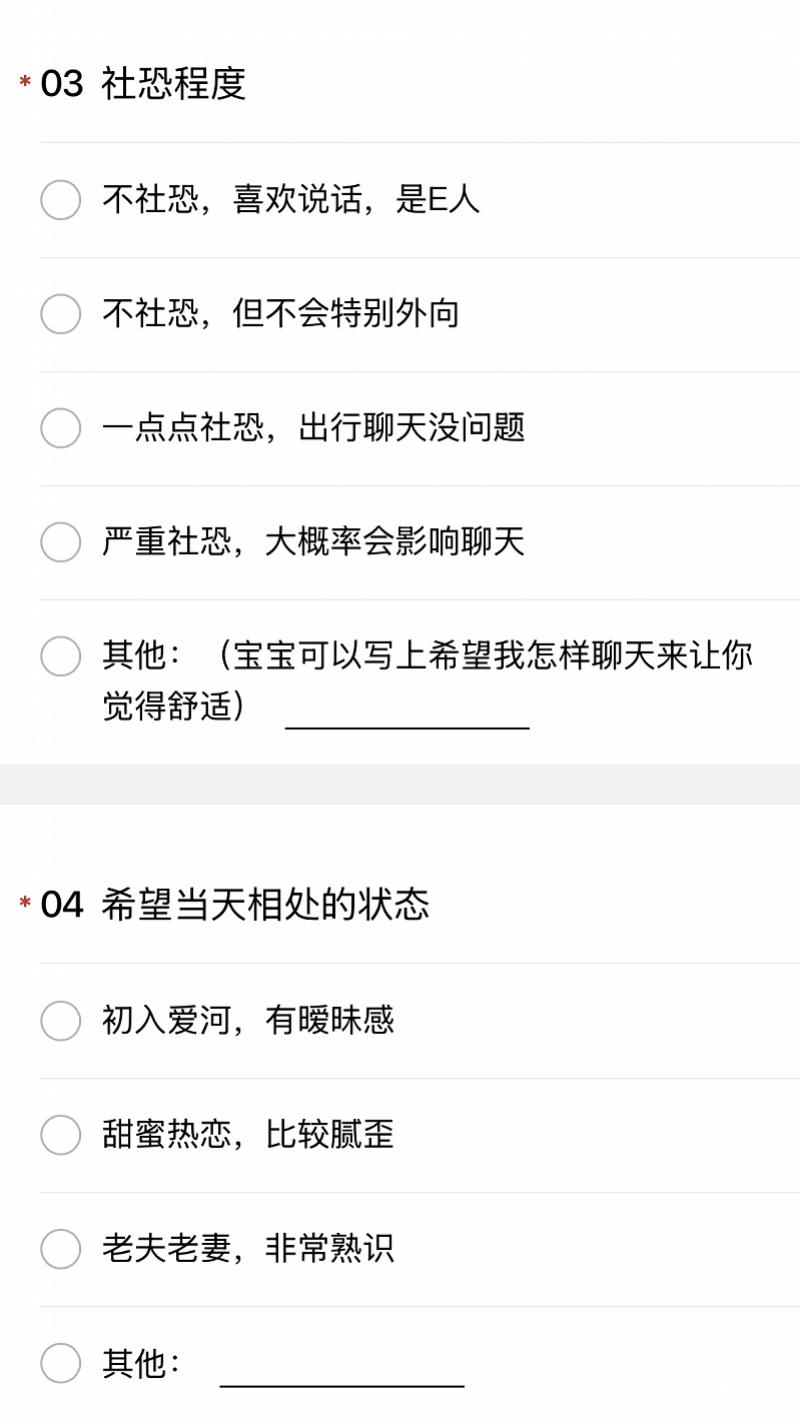
Core Insights - The rise of "Otome" games, designed for female players, reflects a significant shift in the gaming industry, driven by emotional consumption and a growing market for female-oriented content [2][19][20] - Players are increasingly investing substantial amounts of money in these games, with some individuals spending over 160,000 RMB, indicating a trend towards high emotional investment and consumer behavior [1][3][6] - The market for Otome games is expanding rapidly, with the female gaming market in China reaching 8 billion RMB in 2024, a 124.1% increase year-on-year, highlighting the growing influence of female gamers [6][19] Group 1: Emotional Consumption - Players are willing to spend large sums on in-game purchases and related merchandise, driven by emotional connections to characters and narratives [1][3][19] - The concept of "emotional consumption" is emerging, where players seek fulfillment and identity through their virtual relationships, reflecting deeper societal trends among women [20][23] - The Otome game market is evolving from a niche to a mainstream segment, with major companies like Tencent and NetEase entering the space, indicating its commercial viability [4][19] Group 2: Market Dynamics - The total revenue for popular Otome games like "Love and Deep Space" reached approximately 5.87 billion RMB in 2024, outperforming other well-known titles [5][6] - The number of female gamers in China has surpassed 300 million, accounting for nearly half of the total gaming population, with a significant portion engaged in Otome and related genres [6][19] - The rise of "Guzai" (merchandise) consumption, where players purchase character-related products, is contributing to a robust secondary market, further enhancing the emotional connection to the games [8][9] Group 3: Emerging Services - New service industries, such as "Cosplay commissions" and "Dream manuscript" artists, are developing around the emotional needs of players, providing personalized experiences that deepen engagement [10][13] - The "Dream Girl" service industry is gaining traction, where players can hire individuals to embody their favorite characters, reflecting a unique intersection of gaming and real-world interaction [10][12] - Traditional retail spaces are adapting to this trend by creating immersive experiences centered around Otome game IPs, enhancing customer engagement and driving foot traffic [15][18] Group 4: Cultural Impact - The phenomenon of Otome games is reshaping cultural narratives around female identity and emotional expression, as these games provide a safe space for exploring relationships and self-worth [19][20][23] - The emotional investment in these games is not merely a financial transaction but a reflection of broader societal issues, including relationship anxieties and the search for identity among young women [20][23] - The industry is urged to balance commercial interests with social responsibility, ensuring that the emotional needs of players are met without fostering dependency on virtual relationships [23]
“一日店长”爆火,情绪经济能否破解线下复苏困局?
Sou Hu Cai Jing· 2025-07-25 05:37
Core Insights - The "One-Day Store Manager" model has evolved from a niche marketing tactic to a widespread phenomenon, reflecting a significant shift in consumer behavior among Generation Z, where emotional engagement is prioritized over mere transactions [5][6][29] - This model enhances brand identity by transforming brands from mere sellers to emotional connectors, fostering deeper relationships with consumers [6][29] - The rise of this model is driven by the explosive growth of emotional consumption, with brands leveraging celebrity and influencer partnerships to attract foot traffic and enhance brand perception [6][30] Group 1 - The "One-Day Store Manager" concept originated in Japan and gained traction in 2016, but has seen exponential growth in recent years due to rising emotional consumption demands [6][29] - Brands are increasingly using this model across various sectors, including beauty, fashion, and food, to create immersive experiences that resonate with consumers [6][30] - The model has proven effective in driving immediate sales and fostering long-term brand loyalty through emotional connections [30][33] Group 2 - For instance, the fast-fashion brand W.Management successfully implemented this model during its store opening in Beijing, engaging fans and creating a buzz through social media interactions [7][24] - The model not only boosts short-term sales but also helps in building a lasting relationship with consumers, as evidenced by the significant online engagement metrics [30][33] - The "One-Day Store Manager" events have generated substantial user-generated content, enhancing brand visibility and consumer loyalty [30][33] Group 3 - However, the model faces challenges such as high costs and potential low returns, as brands may struggle to align with top influencers effectively [56][57] - There is a risk of the model becoming a mere fan meet-and-greet, which could dilute its effectiveness and lead to consumer skepticism [57][58] - Brands must focus on genuine interactions and meaningful experiences to avoid the pitfalls of superficial engagement and ensure sustainable growth [63]
烟火气里的“情绪刚需”:解码广东“夜经济”创新活力
Nan Fang Du Shi Bao· 2025-07-24 10:49
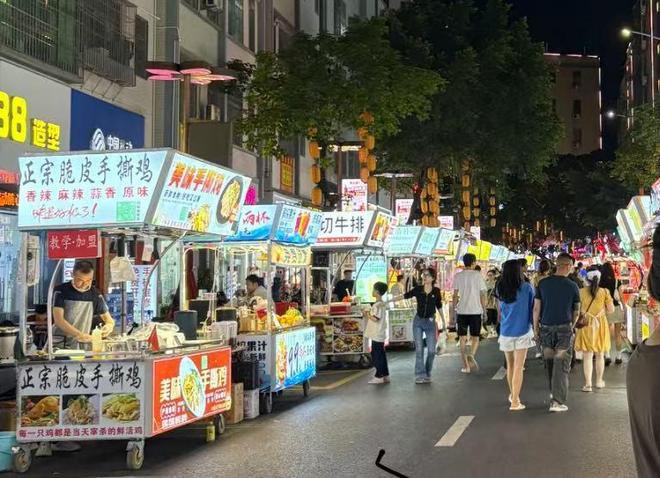
Core Insights - The "night economy" in Guangdong is gaining momentum, driven by consumer demand for comfort and emotional value, with night-time consumption becoming a significant contributor to urban recovery [1][2][6] Group 1: Night Economy Trends - Guangdong's night economy is characterized by a surge in night-time consumption, with over 65% of daily food delivery orders occurring at night, and emotional consumption categories like desserts and snacks seeing over 30% year-on-year growth [1][6] - In Shenzhen's Longhua night market, barbecue restaurants maintain an occupancy rate of over 80% after 9 PM, indicating a strong preference for late-night dining experiences [2][4] Group 2: Emotional Value in Consumption - Emotional consumption is emerging as a new driving force, with 64% of Chinese consumers prioritizing mental satisfaction, particularly among younger demographics [5][6] - Over 70% of Guangdong consumers identify "relaxation" as a core motivation for night-time spending, with younger consumers willing to pay a premium for services that provide emotional fulfillment [5][6] Group 3: Government and Business Initiatives - The government is enhancing the night economy by extending public transport hours and creating safe, vibrant night-time environments, facilitating smoother night-time consumption [6][7] - Businesses are shifting focus from selling products to providing experiences, such as quiet dining options and interactive entertainment, to meet emotional needs [6][7] Group 4: Digital and Social Media Influence - Live streaming and short video platforms are being utilized to attract consumers to night markets, showcasing local artisans and enhancing engagement [7] - The overall night-time consumption in Guangdong continues to lead the nation, reflecting a clear consumer preference for emotional value in their spending [7]
欢乐节期间海口将举办一系列活动和赛事
Hai Nan Ri Bao· 2025-07-24 02:04
Core Points - The 2025 Hainan International Tourism Island Carnival will feature a series of events in Haikou, showcasing the unique charm of the tropical coastal city [1][2] - The main venue, FUNBAY Zizai Bay, will host 25 interactive and engaging activities during the festival, starting from August 1 to August 31 [1] - The festival aims to attract young audiences through various themed events, including a marine music concert, summer food carnival, and themed parades [1][2] Event Highlights - The opening ceremony on August 2 will set the stage for the festival with a "Happy Ocean" theme, utilizing the scenic coastal sunset [1] - The first Straits Culinary Arts Industry Conference will take place in August, featuring culinary competitions and cultural exchanges between Taiwan and Hainan [2] - The 2025 World Surfing Championship will attract international surfing professionals for water sports competitions [2] Additional Activities - The festival will include the second fishing season event to showcase fishing culture, a youth art conference, and a national piano competition [2] - A children's drama carnival will enhance the experience for young attendees through theatrical parades [2] - A special fireworks display for the Qixi Festival will be held on August 29, providing a visual feast for visitors [2]
情绪消费:为心情买单
Jin Rong Shi Bao· 2025-07-24 00:58
Group 1 - The core consumer group of Generation Z, defined as those born after 1995, represents about 20% of China's total population but accounts for 40% of the country's total consumption power, highlighting their significant influence on the market [1] - The rise of emotional consumption among Generation Z indicates a shift from practical needs to emotional and social values in purchasing decisions, with a willingness to pay a premium for products that enhance personal expression and social recognition [1][2] - The emotional consumption market in China is projected to exceed 2 trillion yuan by 2025, with related industries such as trendy toys, cultural tourism, and pet care experiencing an annual compound growth rate of 12% [2] Group 2 - The financial sector faces both opportunities and challenges due to the emotional consumption trend, with financial institutions beginning to innovate products tailored to meet the funding needs of Generation Z's emotional purchases [3] - There is a risk of accumulating debt among Generation Z due to unstable income levels and the tendency to over-leverage for emotional consumption, which poses a challenge for financial institutions in accurately assessing risks associated with such spending behaviors [3][4] - Regulatory bodies are tasked with ensuring that financial institutions operate responsibly in the emotional consumption space, preventing excessive marketing that could lead to irrational borrowing among young consumers [4]

量子之歌的转型征途
Jing Ji Guan Cha Wang· 2025-07-22 01:48
Core Insights - Quantum Song (NASDAQ: QSG) is transitioning into the trendy toy sector, launching a new original IP called SIINONO, which significantly boosted sales at its Shanghai store by 31.3% on the launch day [1] - The company completed a 61% acquisition of Shenzhen Yiqi Culture Co., Ltd. (Letsvan), marking a substantial step in its transformation towards the new consumption field [1][5] - The domestic trendy toy market is still in its early stages, with expectations of continued growth, projected to reach a total value of 110.1 billion yuan by 2026, with an annual growth rate exceeding 20% [2] Company Strategy - Quantum Song's strategy involves focusing on professional expertise, with Letsvan concentrating on designing emotionally resonant trendy toy IPs, while Quantum Song optimizes structure and resource efficiency [2][8] - The company aims to leverage celebrity endorsements and innovative marketing strategies to enhance the emotional connection between trendy toy IPs and consumers [7][8] Market Dynamics - The trendy toy market is evolving, with a shift from blind box competition to a more diverse range of products, including plush toys and articulated figures, driven by increased capital involvement [6] - The supply chain for trendy toys has improved, reducing the new product sampling cycle from six months to 72 hours, which enhances the ability to respond to market trends [6] Competitive Landscape - Companies entering the trendy toy market face challenges due to the short lifecycle of trendy toy products, which typically have a sales peak of no more than three months [9] - To achieve sustainable growth, trendy toy companies need to build four core competencies: supply chain resilience, lifecycle management, extensive distribution channels, and precision in craftsmanship [10]

2025年上半年六大营销关键词
3 6 Ke· 2025-07-21 08:54
Group 1 - The article discusses the evolution of marketing trends, emphasizing the shift from traditional attention-grabbing tactics to a deeper understanding of consumer emotions and values [2][3][4] - It highlights the emergence of the "emotional economy," where brands are encouraged to facilitate consumer expression rather than merely reflecting emotions in marketing [5][7][8] - The concept of "story monetization" is introduced, where storytelling becomes a fundamental infrastructure for brands, allowing consumers to identify with the brand's narrative [9][10][11] Group 2 - The article identifies "silent loyalty" as a growing trend, focusing on consumers who consistently purchase without engaging in active brand interactions [13][15][16] - It suggests that brands should prioritize stable experiences and clear communication to build trust with these silent consumers [17][18][19] - The piece also discusses the fragmentation of consumer circles, where algorithm-driven content distribution creates distinct communities with unique values and communication styles [18][19][20] Group 3 - The article outlines the AI marketing revolution, describing how AI tools are evolving from mere execution devices to collaborative partners in the marketing process [21][22][23] - It emphasizes the need for marketers to adapt to this new paradigm, where AI assists in decision-making and strategy formulation [24][27] - The concept of "multi-modal ecological integration" is introduced, highlighting the importance of creating immersive brand experiences in physical spaces rather than just digital interactions [28][30][31] Group 4 - The conclusion reiterates the importance of brands maintaining a stable presence and building trust amidst uncertainty, suggesting that genuine connections with consumers are essential for long-term loyalty [33][34][35]