
流动性管理

Search documents
7000亿元!明日操作
中国基金报· 2025-08-07 11:38
Core Viewpoint - The People's Bank of China (PBOC) will conduct a 700 billion yuan buyout reverse repurchase operation on August 8, 2025, to maintain ample liquidity in the banking system, with a term of 3 months (91 days) [2][4]. Group 1: Reverse Repo Operations - The PBOC's operation will involve a fixed amount and interest rate bidding, with multiple price levels for the reverse repo [2][4]. - In August, there are 4 billion yuan of 3-month and 5 billion yuan of 6-month reverse repos maturing, indicating a potential for further operations [3][4]. - Analysts expect that the total operation amount for both maturities in August will exceed 900 billion yuan [4]. Group 2: Monetary Policy Outlook - The PBOC is likely to continue injecting medium-term liquidity through MLF and reverse repos, especially during a peak period of government bond issuance [4][5]. - There is an indication that the market liquidity will not continue to tighten as seen in late July, and the sustainability of rising market rates is under observation [5]. - The PBOC aims to implement a moderately loose monetary policy, utilizing various tools to ensure liquidity remains ample and to guide financial institutions in maintaining reasonable credit growth [5][6]. Group 3: Buyout Reverse Repo Tool - The buyout reverse repo tool was introduced in October 2024, enhancing the PBOC's monetary policy toolkit [5][6]. - As of the end of July, the cumulative issuance of buyout reverse repos reached 11.3 trillion yuan, with 6.5 trillion yuan maturing and a remaining balance of 4.8 trillion yuan [6]. - Compared to traditional pledged repos, buyout reverse repos effectively alleviate liquidity pressure on financial institutions and enhance overall market liquidity [6].

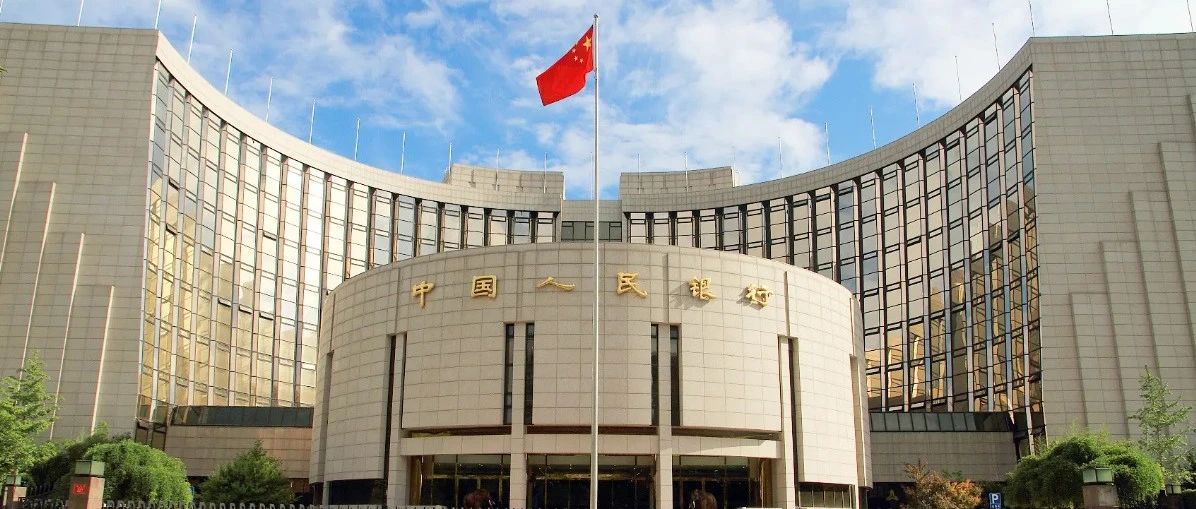
7000亿买断式逆回购来了 市场关注本月会否延续净投放
Di Yi Cai Jing· 2025-08-07 11:20
8月分别有4000亿元3个月期和5000亿元6个月期买断式逆回购到期。市场分析认为,虽然截至8日买断式 逆回购形成2000亿元的净回笼,但这并不意味着8月买断式逆回购就将缩量。 中信证券首席经济学家明明分析,考虑到长债发行压力下8月流动性缺口有所抬升,叠加存单到期压力 边际抬升,在维持流动性充裕的诉求下,央行可能会延续6月以来买断式逆回购净投放的操作模式,不 排除后续续作6个月期品种买断式逆回购的可能性。另一方面,本月MLF(中期借贷便利)到期规模为 3000亿元,预计MLF可能也会配合延续此前小幅净投放的操作方式。 8月7日,中国人民银行发布公开市场买断式逆回购招标公告称,为保持银行体系流动性充裕,8月8日, 将以固定数量、利率招标、多重价位中标方式开展7000亿元买断式逆回购操作,期限为3个月(91 天)。 东方金诚首席宏观分析师王青也表示,这很可能意味着月内央行还将开展一次6个月期买断式逆回购操 作,预计本月两个期限品种的合计操作金额会在9000亿元到期量之上。另外,8月还有3000亿元MLF到 期,预计央行也会加量续作。 上述专家之所以作出这样的分析,背后的主要原因在于:7月30日中央政治局会议要求加 ...
人民银行将开展7000亿元买断式逆回购操作
Bei Jing Shang Bao· 2025-08-07 10:18
北京商报讯(记者 刘四红)8月7日,中国人民银行发布消息称,为保持银行体系流动性充裕,2025年8 月8日,中国人民银行将以固定数量、利率招标、多重价位中标方式开展7000亿元买断式逆回购操作, 期限为3个月(91天)。 ...
央行:将于8月8日开展7000亿元买断式逆回购操作 期限为3个月
Zheng Quan Shi Bao Wang· 2025-08-07 09:07
人民财讯8月7日电,据央行消息,为保持银行体系流动性充裕,2025年8月8日,中国人民银行将以固定 数量、利率招标、多重价位中标方式开展7000亿元买断式逆回购操作,期限为3个月(91天)。 ...
7月下旬资金面扰动因素增多 央行“组合拳”呵护流动性
Zhong Guo Chan Ye Jing Ji Xin Xi Wang· 2025-07-31 22:13
Group 1 - The People's Bank of China (PBOC) shifted from net withdrawal to net injection of liquidity in late July, increasing short-term liquidity provision [1] - From July 21 to July 24, the PBOC conducted net withdrawals of 55.5 billion, 127.7 billion, 369.6 billion, and 119.5 billion yuan, followed by a net injection of 601.8 billion yuan on July 25 after conducting 789.3 billion yuan reverse repos [1] - The MLF (Medium-term Lending Facility) operations in July included a total injection of 100 billion yuan, marking the fifth consecutive month of increased MLF operations [1] Group 2 - In July, the PBOC conducted a total of 1.4 trillion yuan in reverse repos, achieving a net injection of 200 billion yuan, which effectively met medium-term liquidity needs [2] - The overall net financing scale for government bonds is expected to reach 1.5 to 1.6 trillion yuan monthly from August to September, increasing the demand for stable funding from banks [3] - The PBOC is likely to continue using OMO, MLF, and reverse repos to manage liquidity, with potential for government bond purchases and reserve requirement ratio cuts to inject liquidity [3]
上半年流动性管理更趋精细化
Jin Rong Shi Bao· 2025-07-30 02:30
Monetary Policy and Economic Support - The central bank has implemented a moderately loose monetary policy, enhancing counter-cyclical adjustments and introducing a package of financial support measures, which have shown significant effects in supporting the real economy [1][2] - The People's Bank of China (PBOC) will continue to implement a moderately loose monetary policy, closely monitoring the transmission and actual effects of previously implemented policies to better support domestic demand and stabilize social expectations [1][2] Liquidity Management - In the first half of the year, the central bank's liquidity management became more refined, with a net injection of 36,863 billion yuan through various tools, including reverse repos and medium-term lending facilities (MLF) [2][3] - The weighted average of overnight repo rates and pledged repo rates increased slightly, indicating a rise in the central tendency of funding rates [3] Bond Market Performance - The bond market saw a total issuance of 27.1 trillion yuan in bonds, a year-on-year increase of 24.1%, with net financing reaching 10.5 trillion yuan, reflecting strong policy support [4] - The issuance of special bonds has increased, particularly in infrastructure investment, which is crucial for economic growth [4] Yield Curve and Interest Rates - The yield curve for government bonds flattened, with varying changes in yields across different maturities, indicating a complex market response [5][6] - The average issuance rate for corporate credit bonds decreased by 32 basis points year-on-year, contributing to lower financing costs for the real economy [4] Interest Rate Swaps - The interest rate swap curve shifted upward, with significant increases in swap prices for various maturities, reflecting market adjustments [7] - The trading volume of interest rate swaps increased, with a notable rise in daily average transactions, indicating heightened market activity [7]
写在国债买卖一周年之际
Tianfeng Securities· 2025-07-29 13:13
Group 1: Report Industry Investment Rating - Not provided in the content Group 2: Report's Core View - The report focuses on the history, current situation, and future prospects of China's central bank's treasury bond trading. It analyzes the operations and impacts of treasury bond trading in 2024 and 2025, draws lessons from overseas central banks' bond - buying practices, and discusses the future evolution of China's treasury bond trading tool [9] Group 3: Summary by Related Catalogs 1. Treasury Bond Trading History Review - **Before 2024**: The central bank mainly participated in treasury bond trading through repurchase agreements to inject short - term liquidity. It rarely directly bought treasury bonds, and the few purchases were mainly to support special treasury bond issuance [10] - **In 2024**: The central bank started to include treasury bond trading in open - market operations. It conducted "buy - short and sell - long" operations, with a net purchase of 100 billion yuan in August. The operations aimed at liquidity management and curve regulation [19][20] - **In the first half of 2025**: The central bank suspended open - market treasury bond purchases in January. The reasons included controllable government bond supply pressure, the availability of alternative tools, and the need to avoid strong market expectations. In June, market discussions about restarting the operation emerged, but it did not happen [28][32] 2. Overseas Insights on Central Bank Bond - Buying - **Fed's "Scarce Reserves" Framework**: Before 2008, the Fed used this framework. Treasury bond trading was a liquidity management tool, and small - scale trading could affect the federal funds rate and other interest rates [39] - **Fed's Bond - Buying with QE and Twist Operations**: From 2008 - 2014, the Fed used large - scale asset - purchase programs and twist operations to influence the yield curve and long - term interest rates [52][53] - **BOJ's YCC Practice**: Since 1999, Japan has implemented QE. In 2016, it introduced YCC to control the yield curve more precisely, aiming to achieve inflation targets and address negative impacts of previous policies [55][57] 3. Outlook on Central Bank Bond - Buying - **Current Situation**: China's central bank holds a relatively low proportion of treasury bonds compared to the Fed and the BOJ. Commercial banks are the main holders of Chinese treasury bonds [63] - **Reasons for the Difference**: The short implementation time of treasury bond trading in China, different tool positioning, and limited treasury bond liquidity are the main reasons [76] - **Future Deduction**: In operation, there may be more expectation management. The tool will focus on liquidity management and curve regulation. The restart window may be around August - September. There will also be optimization of supporting measures [81][83][84]
月末资金面扰动因素增多央行“组合拳”呵护流动性
Zheng Quan Ri Bao· 2025-07-27 15:44
Group 1 - The People's Bank of China (PBOC) shifted from net withdrawal to net injection of liquidity in late July, increasing short-term liquidity provision [1] - From July 21 to July 24, the PBOC conducted net withdrawals of 55.5 billion, 127.7 billion, 369.6 billion, and 119.5 billion yuan, followed by a net injection of 601.8 billion yuan on July 25 after conducting a reverse repo of 789.3 billion yuan [1] - The MLF (Medium-term Lending Facility) saw a net injection of 100 billion yuan in July, marking the fifth consecutive month of increased MLF operations [1] Group 2 - In July, the PBOC conducted a total of 1.4 trillion yuan in reverse repos, achieving a net injection of 200 billion yuan, which effectively met medium-term liquidity needs [2] - The overall net financing scale for government bonds is expected to reach 1.5 to 1.6 trillion yuan per month from August to September, increasing the demand for stable funding from banks [3] - The PBOC is likely to continue using liquidity management tools such as OMO, MLF, and reverse repos to stabilize the market, with potential for government bond purchases and reserve requirement ratio cuts [3]
《大国博弈》系列第八十八篇:稳定币:从数字美元到霸权上链
EBSCN· 2025-07-25 10:24
Group 1: Nature and Market of Stablecoins - Stablecoins are essentially "on-chain" dollars, designed to mitigate cryptocurrency market volatility and enhance payment efficiency[1] - As of July 24, 2025, the total market capitalization of stablecoins exceeded $270 billion, with USDT and USDC accounting for approximately 62% and 24% of the market, respectively[12] - USDT and USDC dominate the market, representing about 90% of stablecoin trading volume and 80% of market value[2] Group 2: Issuer Profit Models - Stablecoin issuers profit from the interest rate spread, as they do not pay interest on the stablecoins held by users[2] - Tether's reserve assets consist of approximately 80% in U.S. Treasury bonds and cash, while Circle's reserves are primarily in U.S. Treasury bonds and cash, leading to lower but safer returns[2] - Tether reported a net profit of approximately $13 billion in 2024, with $7 billion from U.S. Treasury investments and $5 billion from Bitcoin and gold holdings[50] Group 3: Regulatory Framework - The U.S. "GENIUS Act" mandates that stablecoins must be backed 100% by cash or short-term U.S. Treasury securities, with a diverse regulatory body overseeing compliance[3] - The EU's "MiCA Act" aims for unified regulation across member states, focusing on risk prevention and maintaining financial sovereignty[34] - Hong Kong's "Stablecoin Ordinance" emphasizes strict approval processes and a 100% reserve requirement, allowing for a more inclusive approach to stablecoin issuance[40] Group 4: Macro Implications - Dollar-backed stablecoins expand the functionality of the dollar, reinforcing its dominance in the international monetary system[4] - The growth of stablecoins poses new challenges for central banks in managing liquidity, as they can significantly increase the velocity of money circulation[4] - The expansion of stablecoins could exacerbate the U.S. government's long-term debt issues, as they are primarily tied to short-term bonds[4]
利率债周报:上周债市偏暖震荡,收益率曲线陡峭化下移-20250721
Dong Fang Jin Cheng· 2025-07-21 11:49
Group 1: Investment Rating - No investment rating for the industry is provided in the report. Group 2: Core Views - Last week, the bond market oscillated with a favorable bias, and the yield curve shifted downward in a steepening manner. Although the trade, financial, and macroeconomic data for June were generally positive, the weak indicators on the demand - side such as real estate, investment, and consumption limited the negative impact on the bond market. The central bank increased its support during the tax - payment period, leading the money market to turn from tight to loose. The short - end bond yields declined and transmitted to the long - end, resulting in a slight decline in long - end yields [1]. - This week (the week of July 21), the bond market is expected to continue its favorable oscillation. As it enters an economic data vacuum period and the market becomes less sensitive to fundamentals and the stock market, it may focus on the money market and monetary policy signals. With the central bank's clear intention to support the money market, the money market is expected to remain loose after the tax - payment period, driving short - end yields down further and transmitting to the long - end [1]. Group 3: Market Review Secondary Market - Last week, the bond market oscillated within a narrow range, and long - bond yields declined slightly. The 10 - year Treasury bond futures main contract fell 0.02% cumulatively. The 10 - year Treasury bond yield decreased by 0.01bp, and the 1 - year Treasury bond yield dropped by 2.12bp compared to the previous Friday, with the term spread widening significantly [3]. - On July 14, the bond market was weak in the morning due to the tightening money market and rising stock market, but recovered slightly in the afternoon. The yields of major inter - bank interest - rate bonds generally increased, with the 10 - year Treasury bond yield rising 0.73bp, and the 10 - year Treasury bond futures main contract falling 0.08% [3]. - On July 15, the bond market strengthened as the weak demand - side indicators in June's economic data, the central bank's over - renewal of outright reverse repurchases, and the falling stock market. The yields of major inter - bank interest - rate bonds generally decreased, with the 10 - year Treasury bond yield dropping 1.69bp, and the 10 - year Treasury bond futures main contract rising 0.18% [3]. - On July 16, the bond market oscillated within a narrow range. Short - end yields declined due to eased money - market pressure, while medium - and long - end yields rose due to continuous government bond supply. Most yields of major inter - bank interest - rate bonds increased, with the 10 - year Treasury bond yield rising 0.60bp, and the 10 - year Treasury bond futures main contract falling 0.05% [3]. - On July 17, the bond market oscillated strongly. The yields of major inter - bank interest - rate bonds fluctuated slightly, with the 10 - year Treasury bond yield rising 0.13bp, and most 10 - year Treasury bond futures main contracts rising 0.02% [3]. - On July 18, the bond market continued to oscillate. The short - end performed strongly and the long - end weakly due to the central bank's solicitation of opinions on canceling the freeze of collateral for bond repurchases. The 10 - year Treasury bond yield rose 0.22bp, and most 10 - year Treasury bond futures main contracts fell 0.08% [3]. Primary Market - Last week, 85 interest - rate bonds were issued, 15 more than the previous week. The issuance volume was 656.5 billion yuan, 33.5 billion less than the previous week, and the net financing was 143.3 billion yuan, 319.1 billion less than the previous week. The issuance and net financing of Treasury bonds and policy - bank bonds increased, while those of local government bonds decreased [11]. - The subscription demand for interest - rate bonds was generally acceptable. Five Treasury bonds were issued with an average subscription multiple of 3.24 times; 20 policy - bank bonds with an average of 4.00 times; and 60 local government bonds with an average of 26.47 times [12]. Group 4: Important Events - In June, the export growth rate rebounded unexpectedly. The export value in June increased by 5.8% year - on - year, 1 percentage point higher than in May. The decline in exports to the US narrowed by 18.4 percentage points. The import value increased by 1.1% year - on - year, 4.5 percentage points faster than in May. The decline in imports from the US narrowed by 2.6 percentage points [13]. - The financial data in June was strong. New RMB loans in June reached 2.24 trillion yuan, an increase of 110 billion year - on - year. The new social financing scale was 4.1993 trillion yuan, an increase of 900.8 billion year - on - year. At the end of June, M2 increased by 8.3% year - on - year, 0.4 percentage points higher than at the end of the previous month, and M1 increased by 4.6% year - on - year, 2.3 percentage points higher than at the end of the previous month [13]. - The macroeconomic growth momentum in the first half of the year was relatively strong. The GDP in the second quarter increased by 5.2% year - on - year, and the GDP in the first half increased by 5.3% year - on - year, 0.3 percentage points faster than the whole of 2024. In June, the industrial added value of large - scale industries increased by 6.8% year - on - year, and the cumulative increase in the first half was 6.4%. The growth rate of total retail sales of consumer goods in June was 4.8%, and the cumulative increase in the first half was 5.0%. The fixed - asset investment from January to June increased by 2.8% year - on - year [14]. Group 5: Real Economy Observation - Most high - frequency data on the production side increased last week, including blast furnace operating rate, petroleum asphalt unit operating rate, semi - steel tire operating rate, and daily pig iron output. On the demand side, the BDI index continued to rise, while the CCFI index continued to decline. The sales area of commercial housing in 30 large and medium - sized cities continued to fall [15]. - In terms of prices, pork prices fluctuated slightly upward, while most commodity prices fell, including crude oil and copper prices, and the rebar price decreased slightly [15]. Group 6: Liquidity Observation - The central bank conducted a net injection of 1.2011 trillion yuan into the open market last week [25]. - Last week, R007 declined slightly, and DR007 increased. The issuance rate of inter - bank certificates of deposit of joint - stock banks fluctuated upward [26].