消费降级

Search documents
纽曼思(02530)发盈警 预计中期纯利减少至200万至500万元
智通财经网· 2025-08-18 13:33
董事会认为,上述纯利预期减少主要由于(其中包括):由于中国经济整体消费降级导致收入显著下降;国 产DHA产品竞争加剧及其他收入减少主要源于政府补助减少。 纽曼思(02530)发布公告,集团预期截至2025年6月30日止六个月取得纯利为人民币200万元至500万元, 而截至2024年6月30日止六个月则取得纯利约人民币4530万元。 ...
纽曼思发盈警 预计中期纯利减少至200万至500万元
Zhi Tong Cai Jing· 2025-08-18 13:32
纽曼思(02530)发布公告,集团预期截至2025年6月30日止六个月取得纯利为人民币200万元至500万元, 而截至2024年6月30日止六个月则取得纯利约人民币4530万元。 董事会认为,上述纯利预期减少主要由于(其中包括):由于中国经济整体消费降级导致收入显著下降;国 产DHA产品竞争加剧及其他收入减少主要源于政府补助减少。 ...
3253元的婴儿床、1444元的婴儿车,瞄准中产的BeBeBus二度递表
Guan Cha Zhe Wang· 2025-08-18 12:20
Core Viewpoint - BeBeBus, a prominent brand in the Chinese parenting products market, is facing significant sales pressure on its high-priced products due to changing consumer preferences and increased competition, leading to a strategic shift towards lower-priced, high-frequency purchase items like diapers and wipes [2][5][7]. Financial Performance - The company reported revenues of 5.07 billion RMB, 8.52 billion RMB, and 12.49 billion RMB from 2022 to 2024, with year-on-year growth rates of 68% and 46.56% in the latter two years [1]. - Net profit for the same period was -0.21 billion RMB, 0.27 billion RMB, and 0.59 billion RMB, showing significant growth of 228.24% and 114.94% in the last two years [1]. - In the first half of 2025, revenues reached 7.26 billion RMB, a year-on-year increase of 24.74%, while net profit was 0.49 billion RMB, up 72.14% [1]. Product Sales and Market Strategy - Sales figures for key products in 2024 included approximately 115,000 child safety seats, 180,000 baby strollers, 29,000 baby beds, and 16,000 high chairs [1]. - The average selling prices for various products as of June 30, 2025, were 1,444 RMB for strollers, 2,183 RMB for child safety seats, and 3,253 RMB for baby beds [2]. - The company initially targeted high-end markets with complex, high-ticket items but is now shifting focus to lower-priced, high-frequency items due to declining sales in its core product categories [5][7]. Marketing and Financial Strategy - Marketing expenses have been substantial, reaching 3.91 billion RMB in 2024, consistently accounting for over 30% of total revenue [12]. - The company has relied heavily on marketing to drive growth, with marketing expenses increasing at a slower rate than revenue growth, indicating a declining efficiency in marketing spend [14]. - The shift towards lower-priced products is seen as a response to the competitive landscape and changing consumer behavior, with a focus on enhancing user engagement and repeat purchases [7][14].


百果园,站在钟薛高的悬崖边
3 6 Ke· 2025-08-17 01:11
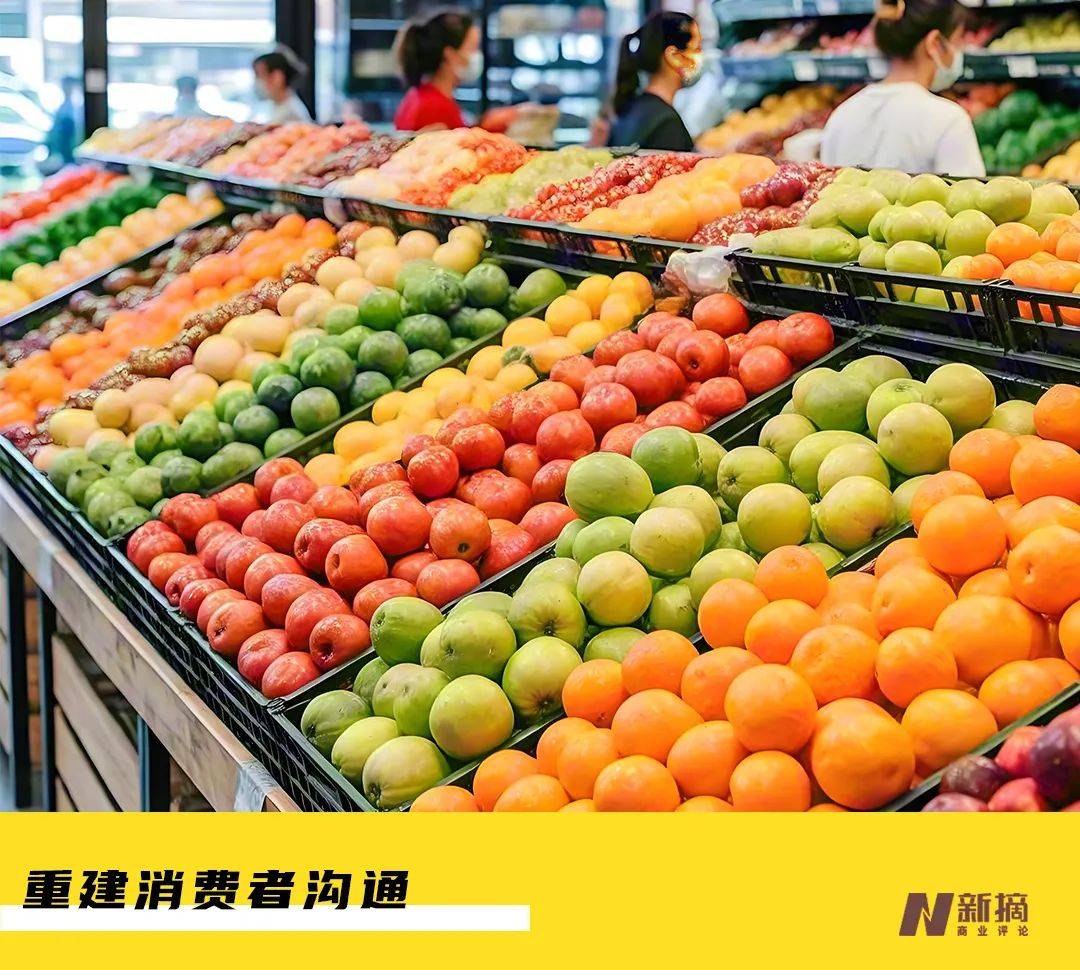
Core Viewpoint - The recent comments by the chairman of Baiguoyuan, Yu Huiyong, regarding "educating consumers" have sparked significant public backlash, highlighting a crisis of consumer trust that is more severe than mere financial losses [2][4][5]. Company Overview - Baiguoyuan, once labeled as a "fruit assassin," is now facing its toughest survival challenge since its listing, with a notable decline in consumer trust and market share due to rising competition from community group buying and fresh e-commerce platforms [2][9]. - Despite a trend of "consumption downgrade," Baiguoyuan maintains its high pricing strategy, which has led to increasing consumer dissatisfaction and negative discussions about its fruit quality and pricing [2][4]. Financial Performance - Baiguoyuan's financial results reveal a significant downturn, with 2024 revenue at 10.273 billion yuan, a decrease of 9.8% year-on-year, and a net loss of 386 million yuan, marking a 206.7% decline compared to a profit of 362 million yuan in 2023 [10][12]. - The company's gross margin has dropped to single digits, from 11.5% in 2023 to 7.4% in 2024, indicating a severe compression of profit margins [10]. Market Dynamics - The competitive landscape is increasingly challenging, with traditional retail being pressured by low-cost fruit vendors and online platforms offering faster delivery services, leading to a decline in Baiguoyuan's customer traffic and average transaction value [9][10]. - The number of Baiguoyuan stores has decreased significantly, with a net reduction of 966 stores from the end of 2023 to the end of 2024, averaging 2.6 store closures per day [10]. Consumer Sentiment - The backlash against Baiguoyuan's "educational" stance has alienated consumers, who feel patronized and are increasingly vocal about their dissatisfaction with the brand's perceived arrogance and quality issues [4][5][14]. - The company's attempts to position itself as a high-end fruit provider are undermined by repeated quality control failures and negative consumer experiences, leading to a loss of trust [7][14]. Strategic Challenges - Baiguoyuan's ambition to achieve 100 billion yuan in revenue and expand its store count to over 10,000 is now in jeopardy due to the current crisis [11]. - The company's reliance on a franchise model complicates quality control, and its high pricing strategy is increasingly at odds with consumer expectations for value [12][14].
百果园 站在钟薛高的悬崖边
Sou Hu Cai Jing· 2025-08-16 18:45
Core Viewpoint - The market does not reward "educators," but respects "service providers," highlighting the challenges faced by Baiguoyuan in maintaining consumer trust amidst rising competition and internal issues [2][21]. Group 1: Consumer Trust Crisis - Baiguoyuan is experiencing a severe trust crisis among consumers, which is more challenging than mere performance losses [2][8]. - The company's high prices remain despite a trend of "consumption downgrade," leading to dissatisfaction among consumers who feel the quality does not match the price [2][11]. - Negative discussions about Baiguoyuan's inconsistent fruit quality and high prices are prevalent on social media, damaging its brand image [2][6]. Group 2: Leadership Statements and Market Response - Chairman Yu Huiyong's comments on "educating consumers" have sparked backlash, positioning the company in opposition to its customer base [3][5]. - The company's stock price fell by 6.86% following the controversial statements, resulting in a market capitalization drop to 26.17 billion HKD, over 70% lower than its peak [7][11]. - Baiguoyuan's attempts to justify high prices through quality claims are undermined by systemic quality control issues [7][19]. Group 3: Financial Performance and Store Closures - Baiguoyuan reported a revenue of 10.273 billion CNY in 2024, a 9.8% decrease year-on-year, with a net loss of 386 million CNY compared to a profit of 362 million CNY in 2023 [11][12]. - The company's gross margin has dropped to single digits, from 11.5% in 2023 to 7.4% in 2024 [11][15]. - The number of Baiguoyuan stores decreased by 966 from the end of 2023 to the end of 2024, averaging 2.6 closures per day [12][13]. Group 4: Competitive Landscape and Market Trends - The retail environment is becoming increasingly competitive, with community group buying and fresh e-commerce platforms eroding Baiguoyuan's market share [10][11]. - The overall retail sales growth rate slowed to 3.1% in 2024, impacting discretionary spending on products like fresh fruits [10][11]. - Baiguoyuan's high pricing strategy is being challenged by the availability of cheaper alternatives, leading to reduced customer traffic and sales [11][12]. Group 5: Future Outlook and Strategic Considerations - Baiguoyuan's ambition to reach 100 billion CNY in revenue and expand its store count to over 10,000 is now under threat due to recent setbacks [13][21]. - The company must shift from a condescending "education" narrative to a more consumer-friendly approach to rebuild trust and address quality concerns [20][21]. - The ongoing challenges highlight the need for Baiguoyuan to balance its high-end positioning with consumer expectations and market realities [21].
黄益平:如何打破低价内卷?|宏观经济
清华金融评论· 2025-08-16 09:31
Core Viewpoint - The article emphasizes the importance of brand development in the digital economy, highlighting two main paths: enhancing product quality and providing emotional experiences to consumers [1]. Group 1: Consumer Spending and Economic Growth - A significant challenge for the Chinese economy is to expand consumption, increase its share in GDP, and enhance its contribution to economic growth. Currently, only about 56 yuan out of every 100 yuan of GDP is used for consumption, which is approximately 20 yuan less than the international average [3]. - The low consumption ratio not only affects the quality of life but may also lead to oversupply and excess capacity issues. Additionally, there is a phenomenon of consumption downgrade, where the quality of consumer goods is declining [3]. Group 2: Quality Indicators and Market Dynamics - There is currently no effective indicator to reflect the quality of consumer goods. The CPI index has remained around -0.1%, which may indicate quality issues, but price does not always correlate with quality due to market supply and demand complexities [4][9]. - The "lemon market" concept by Nobel laureate George Akerlof illustrates the consequences of information asymmetry, where buyers focus on price rather than quality due to the difficulty in obtaining quality information [5]. Group 3: Solutions to Information Asymmetry - To address the lemon market problem, it is crucial to provide consumers with more information about product quality. This approach is applicable not only to the second-hand car market but also to other consumer goods, especially in e-commerce [6]. - A recent study developed two indices and a ranking system to inform consumers about brand quality and purchasing power, aiming to enhance the understanding of product quality alongside price [6][10]. Group 4: Brand Index Findings - The online consumer brand index in China has been slowly rising, indicating that consumption downgrade is not a universal phenomenon. Different industries show significant disparities in brand index values, with sectors like 3C, furniture, and beauty products having higher brand recognition compared to women's clothing [10][12]. - The average brand index is higher in new first-tier and second-tier cities compared to first-tier cities like Beijing and Shanghai, suggesting regional differences in brand perception and consumer behavior [10][13]. Group 5: Consumer Behavior and Economic Implications - The study found that cities with a higher proportion of migrant workers tend to have a higher brand purchasing power index but a lower average brand index, indicating a complex relationship between labor demographics and consumer preferences [14][15]. - The research also highlights that cities with stable populations tend to have higher average brand indices, while those experiencing significant population outflows may struggle with brand recognition and consumer spending [15]. Group 6: Emerging Brands and Consumer Trends - The study identified several emerging brands that resonate with younger consumers, such as Pop Mart and products catering to pet care, indicating a shift in consumer preferences towards quality and experience rather than just price [16]. - The overall conclusion stresses the need to focus on product quality information rather than solely on price signals, as brand importance is particularly pronounced in the digital economy [16].
原料之争引爆酒圈!88元“牛市”啤酒被“泼冷水”
Guo Ji Jin Rong Bao· 2025-08-15 11:44
Group 1 - The new beer "Bull Market" launched by Zhenjiu Lidou has sparked significant industry discussion, with concerns about its reliance on imported ingredients and lack of local sourcing [1][2][4] - The product is priced at 88 yuan per bottle (375ml) and targets high-consumption groups, positioning itself against regular beers [2][5] - Initial sales figures show over 100 monthly sales on Taobao and over 2000 on JD.com, indicating potential for good early performance despite a trend of consumer downgrade in the market [5] Group 2 - Five Grain Liquid is also entering the craft beer market with a new brand "Fire Wheel," priced at 19.5 yuan per bottle (390ml), aimed at the mid-to-high-end segment [7] - The craft beer market in China is projected to exceed 130 billion yuan this year, accounting for 17% of the total beer market, with a compound annual growth rate leading the industry over the next five years [9] - The market is experiencing diversified competition, with traditional liquor companies and retailers like Hema and Yonghui launching their own craft beer brands at competitive prices [9]


重庆啤酒(600132):主流消费下沉,高档增长乏力
Zhongyuan Securities· 2025-08-15 10:24
Investment Rating - The report maintains a "Cautious Accumulate" rating for the company, predicting a relative increase of 0% to 5% compared to the CSI 300 index over the next six months [12]. Core Views - The company reported a slight decline in revenue for the first half of 2025, with total revenue of 8.839 billion yuan, a year-on-year decrease of 0.24%. The net profit attributable to the parent company was 855 million yuan, down 3.72% year-on-year [4][6]. - Beer sales revenue decreased primarily due to a drop in mainstream product sales, with high-end beer growth stagnating and mainstream consumption shifting towards economy beer. The sales revenue for high-end beer was 5.265 billion yuan, a slight increase of 0.04%, while mainstream beer revenue was 3.145 billion yuan, down 0.92% [6]. - Despite the decrease in revenue and a shift in product structure, the gross margin increased to 49.83%, up 0.61 percentage points year-on-year, mainly due to a significant reduction in costs [6]. - The report forecasts earnings per share (EPS) for 2025, 2026, and 2027 to be 2.62 yuan, 2.71 yuan, and 2.83 yuan respectively, with corresponding price-to-earnings ratios of 21.19, 20.50, and 19.65 [7]. Summary by Sections Financial Performance - The company achieved a beer sales revenue of 8.606 billion yuan in the first half of 2025, reflecting a year-on-year decrease of 0.2%. The total beer sales volume was 1.801 million kiloliters, an increase of 0.95% year-on-year [6]. - Revenue for the first and second quarters of 2025 was 4.355 billion yuan and 4.484 billion yuan, showing a year-on-year increase of 1.46% and a decrease of 1.84% respectively [6]. Cost and Margin Analysis - The gross margin for the period was 49.83%, with the beer gross margin at 51.32%, both showing improvements due to a decrease in operating costs, which fell by 1.87% year-on-year [6]. Expense Management - The report notes a decrease in sales and R&D expense ratios, while management and financial expense ratios increased, leading to a net profit margin decline of 0.76 percentage points to 19.55% [6][7].

茅台推出四瓶装,消费降级“实锤”?
Sou Hu Cai Jing· 2025-08-15 05:47
Core Viewpoint - The introduction of the new 1×4 packaging for Moutai liquor represents a significant adjustment in response to changing consumer preferences and aims to create new consumption scenarios in the market [3][6]. Group 1: Product Specifications - Moutai has launched a new 1×4 packaging for its 500ml Flying Moutai, which is smaller and more portable compared to the traditional 6-bottle packaging [4]. - The dimensions of the new 4-bottle packaging are 207×187×261mm, with a reduction in length by 68mm and width by 23mm, while the height remains similar [4]. - The design elements of the packaging, including the bottle design and anti-counterfeiting features, have been optimized while maintaining brand consistency [5]. Group 2: Market Trends - The shift in consumer behavior from large gatherings to smaller, more intimate drinking occasions has increased the demand for convenient, ready-to-drink options [6]. - The new 4-bottle packaging caters to practical needs during a time of consumption downgrade, appealing to medium-sized family gatherings and private dining scenarios [6]. Group 3: Investment and Collectibility - The new packaging lowers the financial barrier for entry-level collectors, making it more accessible and potentially increasing market activity [9]. - Original box Moutai has a higher premium compared to loose bottles, and the new 4-bottle format enhances collectibility without disrupting the existing 6-bottle market [9]. Group 4: Gift Market and Pricing - The social attributes of boxed Moutai remain irreplaceable in the gift market, with the 6-bottle format still being the mainstream choice, while the 4-bottle format offers a more substantial gift option compared to typical 2-bottle sets [9]. - The introduction of the 4-bottle packaging fills a gap in the small-sized product offerings, enhancing the overall experience across drinking, collecting, socializing, and investment scenarios, which is expected to stabilize Moutai's pricing structure [9].

高端餐饮熄火,海底捞为何逆流开出臻选店?
3 6 Ke· 2025-08-14 03:16
Core Insights - The high-end dining industry is experiencing a significant downturn, with a dramatic drop in reservations and customer satisfaction [1][5][8] - The number of restaurants with a per capita spending of over 1,000 yuan is expected to halve by 2025 compared to 2022, indicating a severe contraction in the market [8][19] - Consumer behavior is shifting towards value for money, with a notable decline in demand for high-end dining experiences [8][19] Industry Overview - High-end restaurants that once required three months of advance booking are now struggling with occupancy rates below 50% on weekdays [1][5] - The average spending at high-end restaurants has decreased significantly, with promotions like "buy one get one free" becoming common [1][5] - The overall number of high-end restaurants in major cities like Shanghai and Beijing has decreased by over 40% since 2022 [5][8] Financial Performance - Major players in the industry, such as Haidilao, are facing declining average spending, with figures dropping from 99.1 yuan in 2023 to 97.5 yuan in 2024 [10][12] - Haidilao's new high-end "Zhenxuan" store has a per capita spending of 683 yuan, significantly higher than its traditional outlets, but faces skepticism from consumers [12][15] - The financial reports of other companies like Banu Hotpot and Xiaobuxiang indicate a downward trend in revenue and profitability, with Banu's average spending dropping from 147 yuan in 2022 to 142 yuan in 2024 [10][12] Market Dynamics - The high-end dining sector is under pressure due to rising costs, with rent, labor, and ingredients accounting for 70%-75% of total expenses [5][6] - The average lifespan of high-end restaurants has decreased sharply, with new establishments now averaging only 11 months of operation [19] - Competition is intensifying as established brands explore high-end offerings, while innovative dining experiences are attracting consumers away from traditional high-end restaurants [17][19] Consumer Behavior - There is a marked shift in consumer preferences, with business dinners and celebrations moving from extravagant meals to simpler, more affordable options [8][19] - The perception of high-end dining is changing, with many consumers questioning the value of expensive meals that do not meet expectations [15][19] - The trend towards practical consumption is evident, as consumers increasingly prioritize quality and affordability over luxury dining experiences [19]