
物理AI

Search documents
国际观察|2026美国消费电子展上的人工智能新趋势
Xin Hua She· 2026-01-10 03:41
Core Insights - The 2026 CES highlighted a shift in focus from AI model capabilities to practical product applications, emphasizing the integration of AI into existing systems and scalable deployment [1][2] - AI is becoming a foundational capability in products rather than a standalone highlight, with significant applications in personal devices, automotive systems, and industrial platforms [2][4] AI as a System-Level Capability - Discussions at CES have transitioned from technical specifications to practical applications of AI, focusing on what AI can do and how it can be embedded in current systems [1][2] - AI systems showcased include autonomous decision-making agents and physical AI systems that interact with real environments, indicating a move towards industrial applications [1][2] Robotics and Physical AI Breakthroughs - Robotics was a major focus at CES, with products designed for specific applications in manufacturing, logistics, retail, and elder care, emphasizing stability and long-term operation [3] - Robots demonstrated capabilities in various environments, performing tasks such as sorting, transporting, and providing services, showcasing advancements in automation and reliability [3] Edge and Cloud Collaboration - There is a notable trend towards running AI models locally on devices to enhance real-time performance, energy efficiency, and privacy, while cloud services continue to support training and updates [4] - The collaboration between edge and cloud computing is seen as essential for the future of AI, with both needing to evolve together to meet industry demands [4] Industry Logic Changes Reflected at CES - The event illustrates that AI is reshaping product forms and industry divisions, with increased importance placed on chips, manufacturing, and system integration beyond just internet companies [5] - The focus on deep hardware-software collaboration indicates that achieving a complete system capability and scalable delivery is becoming a new competitive threshold in the AI industry [5]
自动驾驶巨头,63亿购买具身入场券
具身智能之心· 2026-01-10 03:22
Core Viewpoint - Mobileye, a leading global supplier of autonomous driving solutions, is entering the field of embodied intelligence by acquiring a humanoid robotics company, Mentee Robotics, for $6.3 billion [4]. Group 1: Industry Developments - The acquisition by Mobileye signifies a significant investment in humanoid robotics, highlighting the growing intersection between autonomous driving and embodied intelligence [4]. - NVIDIA has been advancing the development of embodied intelligence-related models and infrastructure, including the GR00T series models and embodied simulation frameworks [7]. - Tesla has been focusing on the development of its Optimus humanoid robot, indicating that a substantial portion of its future profits will come from this robotics business [8]. Group 2: Market Trends - Companies like Waymo are actively developing embodied intelligence technologies, and there are reports of Xiaopeng Robotics planning to achieve mass production this year [9]. - Major automotive manufacturers in China, such as Geely, BYD, SAIC, and GAC, are increasingly establishing or investing in various humanoid robotics companies [9]. - The technological similarities in perception, localization, and planning between autonomous driving and embodied intelligence suggest that cross-industry integration will become more frequent [10].


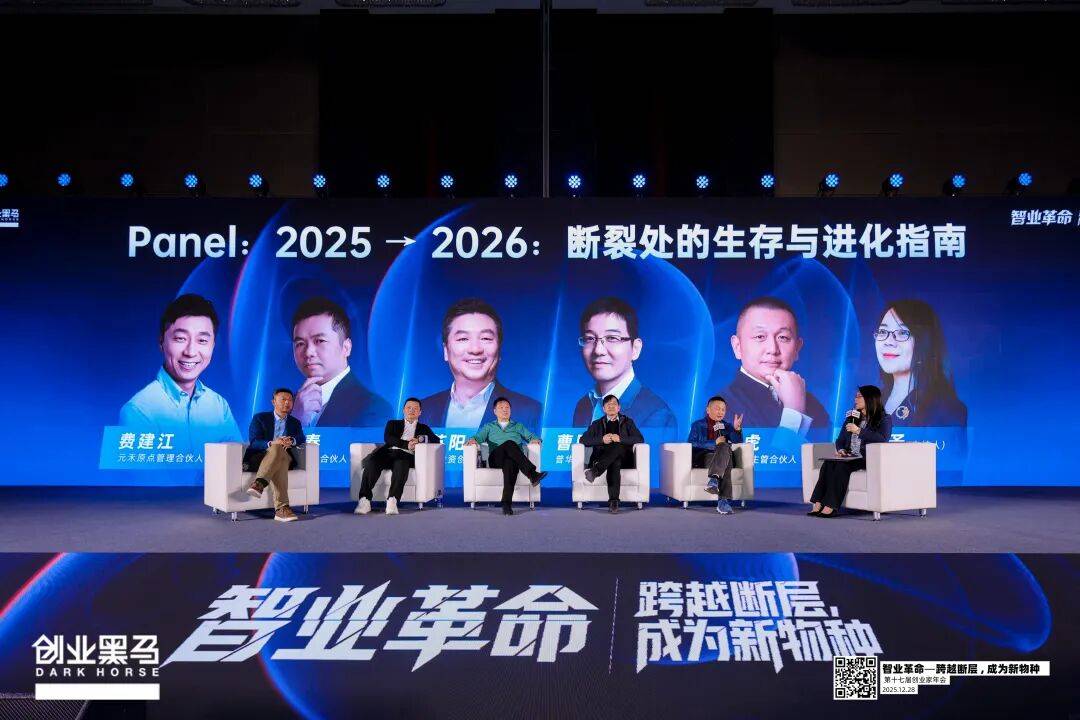
5位投资家喊话2026创业者:最优赛道和死亡谷
Sou Hu Cai Jing· 2026-01-10 02:14
Core Insights - The 17th Entrepreneur Annual Conference emphasized the theme "Intelligent Revolution - Crossing the Fault, Becoming a New Species" and featured discussions on the future of entrepreneurship and investment opportunities in 2026 [2] Group 1: Key Themes and Predictions for 2026 - The most practical AI application in 2026 will be providing emotional value and companionship to customers, with opportunities in niche markets for entrepreneurs [2][9] - Commercial aerospace is expected to create significant excitement in the coming year, with a focus on real orders and financial health over media hype [3][15] - The survival rule for entrepreneurs in 2026 is to possess the ability to identify and solve real problems in appropriate scenarios [3][16] Group 2: Investment Opportunities and Focus Areas - Key investment areas identified include Physical AI, Industrial Intelligence, Commercial Aerospace, AI in Healthcare, and AI for Emotional Companionship [10][22] - Industrial intelligence is highlighted as a critical area due to its potential to address complex issues in the industrial sector [9] - AI in healthcare is gaining traction, with successful product launches and significant revenue generation reported [9][10] Group 3: Entrepreneurial Strategies and Advice - Entrepreneurs are advised to focus on efficiency in fundraising, prioritizing product development and real customer needs over high valuations [14][15] - It is recommended to engage in "red ocean" entrepreneurship, where government policies support the business, rather than pursuing "blue ocean" strategies [3][15] - Avoiding grand narratives at the outset is crucial; instead, entrepreneurs should concentrate on tangible outcomes and user experiences [14][22]

智驾行业杀入“曼哈顿时刻”
Xin Lang Cai Jing· 2026-01-10 01:29
Core Insights - The autonomous driving industry is approaching a state of transparency, with multiple automakers and tech companies targeting the sub-100,000 yuan market for advanced driving features [1][4][9] - The competition has intensified, with companies like BYD, Chery, and Geely launching models equipped with high-level autonomous driving capabilities at lower price points [5][6][7] - The industry is witnessing a convergence of algorithmic approaches, with discussions around VLA and world model architectures, as companies aim to enhance the usability of autonomous driving features [3][20][21] Group 1 - The introduction of advanced driving features in vehicles priced below 100,000 yuan has become a key focus for both automakers and autonomous driving technology providers [1][2][4] - Companies like Horizon Robotics and Huawei are planning to expand their advanced driving capabilities into lower price segments, aiming to break the perceived barriers of high costs associated with such technologies [8][11] - The competition is not only about vehicle pricing but also about the technological advancements in algorithms and hardware, with a significant push towards reducing costs in chips and sensors [10][11][13] Group 2 - The industry is transitioning from a phase of diverse approaches to a more consolidated focus on effective algorithmic solutions, with VLA and world model architectures being at the forefront of discussions [3][20][21] - The recent approval of L3-level conditional autonomous driving vehicles by the Ministry of Industry and Information Technology marks a significant milestone, indicating a potential "breakthrough year" for L3 technology [4][28] - Companies are also exploring the integration of autonomous driving technologies into broader applications, such as logistics and robotics, indicating a shift towards a more comprehensive ecosystem [30][33] Group 3 - The competitive landscape is evolving into a "red ocean" as more players enter the sub-100,000 yuan market, necessitating a focus on efficiency and differentiation [9][13] - The advancements in chip technology and the reduction in costs for essential components like lidar are enabling more companies to offer competitive autonomous driving solutions [10][11] - The push towards L3 and L4 capabilities is becoming a race among automakers and tech firms, with significant investments and developments expected in the coming years [29][30]


CES2026揭示的AI三场变革:从眼镜到机器人、从家庭到工业
3 6 Ke· 2026-01-10 01:07
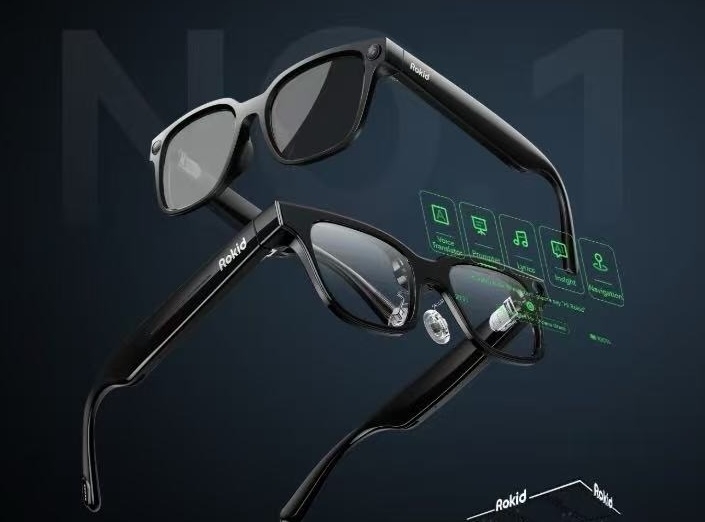
Core Insights - The CES 2026 event highlighted that AI is evolving from a mere tool to becoming the "underlying operating system" of human life, with significant advancements in its integration into physical environments [1][4] - NVIDIA's CEO Jensen Huang emphasized the imminent arrival of the "ChatGPT moment" for physical AI, indicating a shift from virtual to tangible applications [1][2] - The event showcased a clear trend of AI embedding itself into everyday life, impacting various sectors including information interaction, home living, transportation, and industrial systems [2][4] AI Integration in Daily Life - AI is set to transform home living, with innovations such as Elon Musk's brain-machine interface and products like LumiMind's LumiSleep, a real-time brainwave sleep regulator [3][23] - Companies like Rokid and INMO are leading the charge in the smart glasses market, with Rokid's AI glasses being touted as the lightest full-featured AI glasses available [9][11] - The smart cleaning industry is evolving, with companies like Ecovacs and Yunji introducing advanced cleaning robots capable of recognizing various objects and adapting to different cleaning scenarios [15][21] Smart Glasses Market - The smart glasses market is expected to experience explosive growth, with over 50 companies showcasing their products at CES 2026 [6][7] - Xreal and other Chinese brands are making significant strides in the AR/AI glasses sector, with partnerships and new product launches aimed at enhancing user experience [8][9] - INMO's products, such as the INMO GO3, are setting new standards in design and functionality, including real-time translation capabilities [12][14] AI in Industrial and Transportation Sectors - AI is reshaping the transportation and industrial sectors, with companies like Black Sesame Technology showcasing advancements in autonomous driving and intelligent systems [34][36] - The introduction of AI-driven solutions for automated charging and inspection robots indicates a shift towards more integrated and efficient industrial operations [38][39] - The CES 2026 event underscored the importance of AI in enhancing operational efficiency and addressing energy demands in the context of increasing AI computational needs [43][44] Future Outlook - The integration of AI into various aspects of life is expected to lead to a systemic shift in lifestyle and work processes, moving from capability demonstration to embedded productivity [44][45] - The participation of Chinese tech companies at CES 2026 reflects a significant presence in shaping the future technological landscape, indicating a collaborative global narrative [44][45]

“物理AI”成CES热议新词
Jing Ji Ri Bao· 2026-01-09 21:57
Core Insights - The 2026 CES in Las Vegas highlighted "Physical AI" as a key term, indicating a shift in AI technology focus from algorithms to real-world applications [1][4] - NVIDIA's CEO emphasized "Physical AI" in his keynote, suggesting its importance in enabling autonomous systems to perceive, understand, and act in the physical world [1][4] Group 1: Definition and Applications of Physical AI - "Physical AI" refers to the capability of systems like cameras, robots, and autonomous vehicles to operate in the physical world, moving beyond mere information provision to actively changing environments [1][4] - Various companies showcased applications of "Physical AI," including home robots that assist with chores and public life solutions like urban infrastructure models that integrate AI for energy management and facility inspections [2][3] Group 2: Industry Perspectives on Physical AI - Qualcomm's China Chairman noted that "Physical AI" and "Personal AI" are evolving simultaneously, with the former focusing on real-world applications in vehicles and robotics [3] - Lenovo's CEO described "Physical AI" as "machines with brains," highlighting the transition of robots from simple mechanical tasks to complex decision-making capabilities [3] Group 3: Industry Consensus and Future Directions - The rise of "Physical AI" reflects a broader industry consensus that AI is becoming integral to real-world production, life, and public scenarios, serving as a bridge between digital and physical realms [4]
“物理AI”如何落地?自动驾驶是关键应用场景之一
Xin Lang Cai Jing· 2026-01-09 15:38
Core Insights - The 2026 CES in Las Vegas highlighted the next phase of AI development, focusing on breakthroughs in computing power, the transition of "physical AI" into real-world applications, and personalized services driven by intelligent agents [1] Group 1: Computing Power Breakthroughs - The CEO of AMD, Lisa Su, stated that the number of active AI users globally has surpassed 1 billion and is expected to exceed 5 billion in the future. Current computing power is insufficient to support the vision of ubiquitous AI, necessitating a 100-fold increase in global computing power over the next few years [2] - The industry is evolving from traditional methods of enhancing chip performance to a full-stack collaborative design approach, integrating chips, networks, and storage into a unified AI computing platform [2] - NVIDIA's CEO, Jensen Huang, introduced the "Vera Rubin" platform, a system-level computing platform comprising six chips designed to significantly reduce model training time and inference costs, emphasizing the creation of an entire stack from chips to infrastructure [2] Group 2: Physical AI Implementation - Huang emphasized the evolution of AI towards "physical AI," which will understand the physical world, predicting a "ChatGPT moment" for this technology [3] - AI is transitioning from passive systems that understand text and images to interactive systems that assist in real-world interactions, with applications in autonomous driving, robotics, and industrial automation [3] - Siemens' CEO highlighted that industries are shifting towards AI-driven products and systems, indicating that industrial AI is becoming a transformative force rather than just a functional tool [3] Group 3: Development of Intelligent Agents - The co-founder of Liquid AI, Ramin Hasani, declared this year as the year of "proactive agents," moving beyond reactive AI assistants to systems that can autonomously understand complex goals and execute multi-step plans [4] - Lenovo introduced its first personal super intelligent agent, Lenovo Qira, which operates across platforms and devices, enhancing user experience through context awareness and preference prediction [4] Group 4: Hybrid AI and Human-Centric Development - Lenovo's CEO, Yang Yuanqing, emphasized that hybrid AI, which integrates personal, enterprise, and public intelligence, is crucial for promoting personalized and diverse AI development [5] - The CEO of Havas Group stressed that AI should serve as a collaborative partner in human creativity rather than a replacement, reinforcing the importance of keeping humans at the center of technological advancements [5]

四车齐发!何小鹏:今年小鹏汽车仍然会高速增长
Nan Fang Du Shi Bao· 2026-01-09 15:15
Core Insights - The launch of the new P7+ and G7 Super Extended Range models marks a significant advancement in Xpeng's technology, featuring the latest Kunpeng Super Extended Range technology that achieves a global record in range while maintaining price parity with pure electric models, allowing users to enjoy both long range and flexible refueling without additional costs [1][4][5] Product Launch and Features - On January 8, Xpeng officially unveiled four new models for 2026, including the P7+, G7 Super Extended Range, G6, and G9, emphasizing breakthroughs in dual energy and smart upgrades [2] - The G7 Super Extended Range features a leading 55.8 kWh battery and a 60L fuel tank, achieving a CLTC comprehensive range of 1704 km and a pure electric range of 430 km. The P7+ Super Extended Range boasts a pure electric range of 430 km and a comprehensive range of 1550 km, with energy consumption rates of 10.9 kWh/100 km in pure electric mode and 12.5 kWh/100 km in extended range mode, both leading in its class [4][5] Technological Advancements - The new models support a "pay to upgrade" option for enhanced AI capabilities, allowing users to experience the second-generation VLA technology, which includes options for different AI chip configurations to meet varying user needs [8] - The second-generation VLA model represents a breakthrough in physical AI, eliminating the "language translation" step and enabling direct generation of action commands from visual signals, positioning Xpeng as a leader in the industry with L4 capabilities [7][8] Global Strategy and Market Performance - Xpeng's global delivery volume reached 45,000 units in 2025, a 96% year-on-year increase, with plans to expand into more countries and regions, enhancing local R&D and manufacturing capabilities [8][9] - The company aims to launch four new global SUV models in 2026, further solidifying its presence in both left-hand and right-hand drive markets [9] Strategic Vision for 2026 - The year 2026 is identified as a pivotal year for Xpeng, focusing on the transition from "steady progress" to "strategic breakthroughs," with an emphasis on strengthening market foundations and advancing from software to AI paradigms [10][11] - The CEO expressed confidence in achieving significant growth in 2026, despite current market pressures, viewing the situation as an opportunity to focus on technological advancements and global expansion [11][12]
“小鹏AI科技智造之旅” 打造大湾区AI科技文旅新地标
2 1 Shi Ji Jing Ji Bao Dao· 2026-01-09 14:04
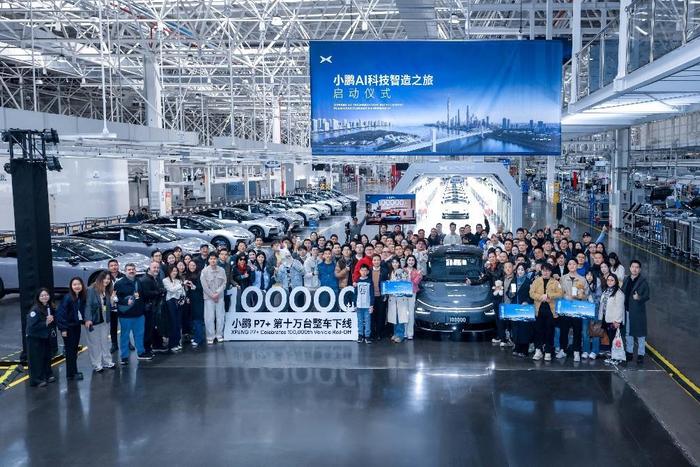
Core Insights - The event at Xpeng's Guangzhou manufacturing base marked the launch of the "Xpeng AI Technology Manufacturing Tour," aimed at creating a new landmark for AI technology and cultural tourism in the Greater Bay Area [1][3] - The first batch of the 2026 Xpeng P7+ was delivered during the event, celebrating the production of the 100,000th vehicle, showcasing the company's commitment to efficient delivery and customer experience [1][10] Group 1: Project Overview - The "Xpeng AI Technology Manufacturing Tour" allows the public to explore Xpeng's global headquarters and manufacturing bases, experiencing cutting-edge technologies such as AI visual inspection and smart logistics [1][5] - The project aims to inspire curiosity about future technologies, emphasizing the importance of firsthand experience in understanding manufacturing and innovation [3][5] Group 2: Technological Advancements - Xpeng integrates AI deeply into its manufacturing processes, showcasing a complete system from research and development to production and service [5][13] - The Guangzhou manufacturing base features the world's largest 16,000-ton integrated die-casting machine, capable of producing 167 parts in one go, and an AI visual system for precise quality control [8] Group 3: Market Performance - The Xpeng P7+ has achieved significant sales milestones, being the best-selling mid-to-large electric sedan in its category for the past 13 months, with the new model offering enhanced features and a dual-energy option [10][11] - The 2026 Xpeng P7+ will be launched in 36 countries, reflecting the company's global expansion strategy [11] Group 4: Visitor Engagement - Since its trial operation began in November 2025, the two exploration centers have welcomed over 21,000 visitors, with ticket revenues supporting sustainable operations [10] - The project includes educational content aimed at families, fostering interest in technology and innovation through interactive experiences [8]
热点问答丨美消费电子展上演讲嘉宾如何谈AI
Xin Hua She· 2026-01-09 14:03
Group 1: AI Development Trends - The 2026 CES highlighted the evolution of AI from cloud-based virtual systems to physical applications in real-world scenarios [1] - AI's next phase includes breakthroughs in computing power, with a need to increase global computing capacity by 100 times in the coming years to support widespread AI adoption [2] - The concept of "Physical AI" is emerging, focusing on AI systems that not only understand but also interact with the physical world, with applications in autonomous driving and industrial automation [3] Group 2: Computing Power and Infrastructure - The current global AI user base exceeds 1 billion and is expected to surpass 5 billion, necessitating significant advancements in computing capabilities [2] - Companies like NVIDIA are developing integrated AI computing platforms, such as the "Vera Rubin" system, which includes six chips designed to enhance model training efficiency and reduce inference costs [2] - The industry is shifting towards a full-stack collaborative design approach, integrating chips, networks, and storage to create comprehensive AI solutions [2] Group 3: Intelligent Agents and Personalization - The year is anticipated to be significant for "proactive intelligent agents," which can autonomously perform tasks and understand complex goals, moving beyond traditional reactive AI [4] - Lenovo introduced its first personal super intelligent agent, Lenovo Qira, which connects various devices and supports context awareness and user preference prediction [5] - The integration of personal, enterprise, and public intelligence through hybrid AI is seen as a key pathway for personalized and diverse AI development [5]