
自主可控

Search documents
电子行业周报:AI需求旺盛+上游原材料成本上升,覆铜板涨价有望持续-20251228
SINOLINK SECURITIES· 2025-12-28 11:19
Investment Rating - The industry is rated positively, with a focus on AI-PCB, core computing hardware, and the Apple supply chain, indicating a bullish outlook for the upcoming quarters [4][27]. Core Insights - The demand for AI is robust, leading to price increases in copper-clad laminates (CCL), with a projected continuous rise due to escalating copper prices and material shortages [1][4]. - The semiconductor industry, particularly DRAM and NAND Flash, is expected to see significant price increases and revenue growth, with DRAM average selling prices projected to rise by approximately 58% year-on-year by 2026 [1][27]. - Companies like Google, Amazon, Meta, OpenAI, and Microsoft are anticipated to experience explosive growth in ASIC demand from 2026 to 2027, driven by strong AI requirements [1][4]. Summary by Sections 1. AI Demand and CCL Pricing - The report highlights a strong demand for AI, which is driving up the technical requirements for CCL, with price increases already implemented by major manufacturers like 建滔积层板 [1]. - The report anticipates that the price increases will lead to performance improvements starting in Q4, with a sustained upward trend expected [4]. 2. Semiconductor Market Outlook - The semiconductor market is projected to grow significantly, with DRAM revenues expected to exceed $300 billion by 2026, and NAND Flash revenues reaching $110.5 billion [1]. - The report notes that the average price of NAND Flash is expected to increase by 32% year-on-year [1]. 3. AI Hardware and ASIC Growth - The report emphasizes the strong demand for AI hardware, particularly in the context of ASIC production, with major tech companies ramping up orders [1][4]. - The anticipated growth in ASIC demand is expected to benefit the entire AI hardware supply chain, with companies currently operating at full capacity [4]. 4. Industry Segmentation and Performance - The report categorizes various segments within the electronics industry, indicating a stable upward trend in consumer electronics, PCB, and semiconductor chips [4]. - Specific segments such as passive components and advanced packaging are also noted for their robust performance, driven by AI and other technological advancements [4][20]. 5. Company Performance and Projections - Companies like 思泉新材 and 三环集团 are highlighted for their strong revenue growth and profitability, driven by AI-related demand and product innovations [29][31]. - The report suggests that companies involved in the AI-PCB and semiconductor equipment sectors are well-positioned to benefit from the ongoing trends in AI and semiconductor demand [27][32].
白秋晨:一场主要由新经济支撑的结构性牛市有望延续
Xin Lang Cai Jing· 2025-12-28 09:19
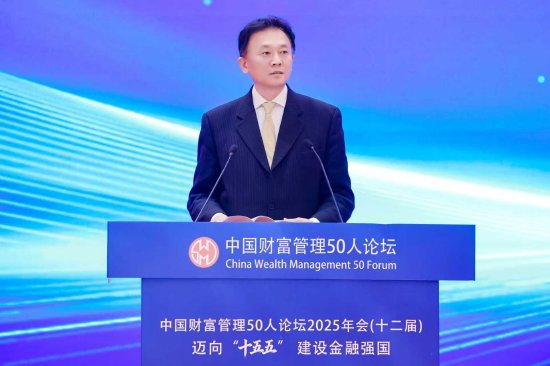
Core Viewpoint - The China Wealth Management 50 Forum 2025 Annual Meeting emphasizes the theme of building a financial power during the "14th Five-Year Plan" period, with discussions on low interest rate challenges and market value reconstruction [1][6]. Economic Outlook - The economy is expected to maintain stable growth in 2026, with growth rates likely to remain consistent with 2025. Consumer demand is weak but may see some growth due to policy support. Manufacturing investment is returning to balance, while infrastructure and real estate investments may continue to drag on the economy. Exports are projected to show resilience, with a growth rate of 5.4% from January to November 2025, significantly exceeding market expectations. The inflation environment may remain deflationary in 2026 [3][8]. Investment Market Insights - A structural bull market supported by new economy sectors is anticipated to continue. Key reasons include: - The macroeconomic resilience and policy support for domestic demand provide a solid foundation for the stock market, with the Shanghai Composite Index oscillating between 2500 and 4000 points for a decade, indicating potential upward momentum [9]. - Short-term policies focusing on domestic demand and aligning with the "14th Five-Year Plan" mid-term goals will support high-quality economic development and corporate profitability [9]. - The optimization of economic structure is irreversible, with a coexistence of old and new economies, injecting quality micro-foundations into the stock market. The Chinese technology innovation sector is transitioning from a follower to a leader, with high-quality tech companies becoming core market players, although caution is advised regarding potential short-term adjustments due to discussions around the US AI bubble [9]. - Continuous improvement in capital market systems aims to enhance the coordination of investment and financing functions, solidifying the quality of listed companies and promoting long-term market health [9]. - Structural opportunities are concentrated in two main areas: growth themes catalyzed by macro policies and cyclical sectors, including domestic demand-driven price increases and strategic emerging industries mentioned in the "14th Five-Year Plan" [9]. Bond Market Outlook - Interest rates are expected to remain within a bottom range of fluctuation. Despite a shift in macro policy focus towards domestic demand, the economic fundamentals remain weak, with growth rates likely to match those of the current year. This macroeconomic landscape suggests that long-term interest rates will continue to experience wide fluctuations at the bottom [10]. - The bond market is anticipated to provide relatively stable coupon returns, with certain structural opportunities within various types and maturities. The interest rate trend may exhibit a "low first, high later" pattern, with potential policy measures likely to be implemented in the first half of the year to lower the interest rate center temporarily [10].

董明珠:坚持信念,随时准备“战斗”|我们的四分之一世纪
经济观察报· 2025-12-28 08:45
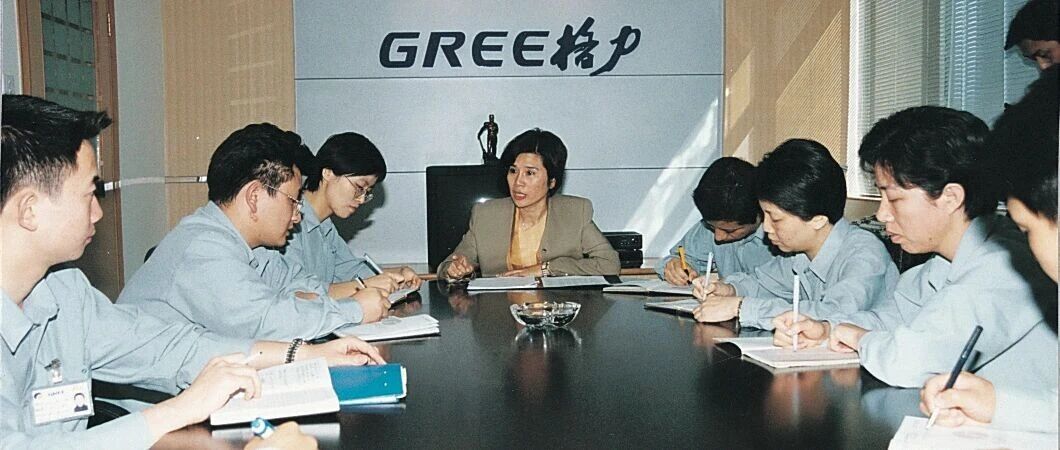
Core Viewpoint - The article emphasizes the unwavering belief of Dong Mingzhu, the chairwoman of Gree Electric Appliances, in the concept of "industry serving the nation" as a guiding principle throughout her career [2][4]. Group 1: Company Evolution - Gree Electric Appliances transformed from a small air conditioning assembly factory with an annual output value of less than 20 million yuan to a publicly listed company over the past 25 years [3][4]. - Dong Mingzhu joined Gree in 1990 as a salesperson and has since become a legendary figure in the business world, leading the company through significant growth and challenges [3][16]. - By 2005, Gree had established itself as a leader in the air conditioning market, achieving a production and sales volume of over 10 million units, making it the world's largest air conditioning manufacturer [19]. Group 2: Technological Advancement - Dong Mingzhu identified 2005 as a pivotal year for Gree, marking the company's shift towards technological exploration, focusing on the research and development of compressors and motors [19]. - The company has made significant strides in developing its own CNC machine tools, which are crucial for enhancing manufacturing capabilities and reducing reliance on imports [20][22]. - Gree's commitment to technological independence is evident in its recent achievements, including winning a gold medal for its self-developed CNC machine at the Geneva International Exhibition of Inventions [20][21]. Group 3: Talent Development - Dong Mingzhu has prioritized the cultivation of domestic talent, emphasizing the importance of nurturing Chinese graduates over relying on overseas returnees [24][25]. - Gree's workforce has grown from 200 to over 20,000 R&D personnel, showcasing the company's commitment to developing local expertise [24]. Group 4: Market Position and Strategy - Gree has chosen not to participate in price wars, which has led to a decline in revenue, with a reported revenue of approximately 137.2 billion yuan in the first three quarters of 2025, a decrease of 6.5% year-on-year [30][31]. - The company remains steadfast in its commitment to quality over price, believing that short-term gains from low pricing can lead to long-term costs for consumers [31]. - Dong Mingzhu's approach to competition is characterized by a readiness to face challenges and a belief that pressure can lead to growth and innovation [31][32].

创业板首家未盈利IPO在深交所过会
Sou Hu Cai Jing· 2025-12-27 04:25
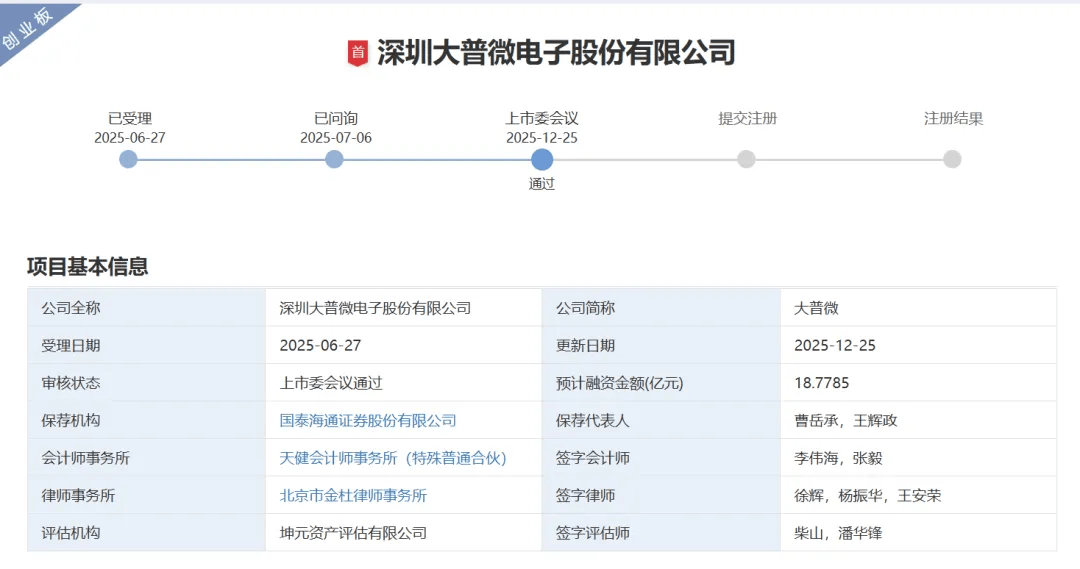
Company Overview - Shenzhen Dapu Microelectronics Co., Ltd. (Dapu Micro) is primarily engaged in the research and sales of enterprise-level SSD (solid-state drive) products, being one of the few domestic semiconductor storage providers with full-stack self-research capabilities in "main control chips + firmware algorithms + modules" and achieving mass production [1] - Dapu Micro plans to publicly issue no more than 43.62 million shares, raising approximately 1.878 billion yuan, mainly for the R&D and industrialization of next-generation main control chips and enterprise-level SSDs, as well as for the mass production testing base project and to supplement working capital [3] Industry Context - The demand for AI storage is accelerating the growth of the enterprise-level SSD market, with significant potential in the Chinese market, although domestic brand market share remains low [3] - The need for domestic manufacturers with self-controllable capabilities is increasingly urgent, especially in the context of national emphasis on data security and critical information infrastructure safety [3][4] - Dapu Micro has achieved international advanced levels in core indicators such as sequential read/write speed and latency, and is among the few manufacturers capable of mass-producing SCM SSDs and computational storage SSDs [3] Financial Performance - Dapu Micro has accumulated 156 invention patents and has invested 737 million yuan in R&D over the past three years, accounting for 36.15% of total revenue [4] - The company reported revenues of 557 million yuan, 519 million yuan, and 962 million yuan for the years 2022 to 2024, respectively, with an expected revenue of 2.158 billion yuan in 2025, representing a 124% year-on-year growth [4] Market Support and Trends - The approval of Dapu Micro's IPO reflects the support of the ChiNext board for high-quality innovative enterprises and the capital market's efforts to enhance inclusivity and adaptability to better serve technological innovation [2][5] - The ChiNext board has a high proportion of high-tech enterprises, with nearly 90% in high-tech and about 70% in strategic emerging industries, indicating a clear trend towards supporting innovation [5] - The introduction of a standard for unprofitable listings on the ChiNext board aims to provide long-term capital support for early-stage technology innovation companies, helping to alleviate funding bottlenecks in early R&D [5]

云南前首富身家缩水九成,500亿锂电巨头打响市值保卫战
21世纪经济报道· 2025-12-27 01:10
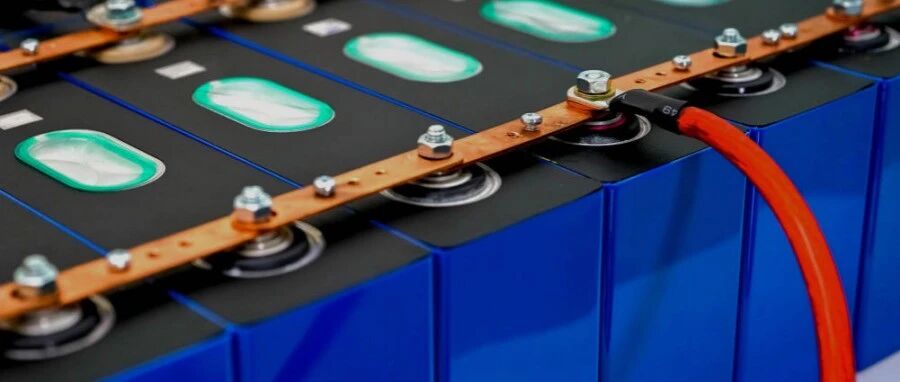
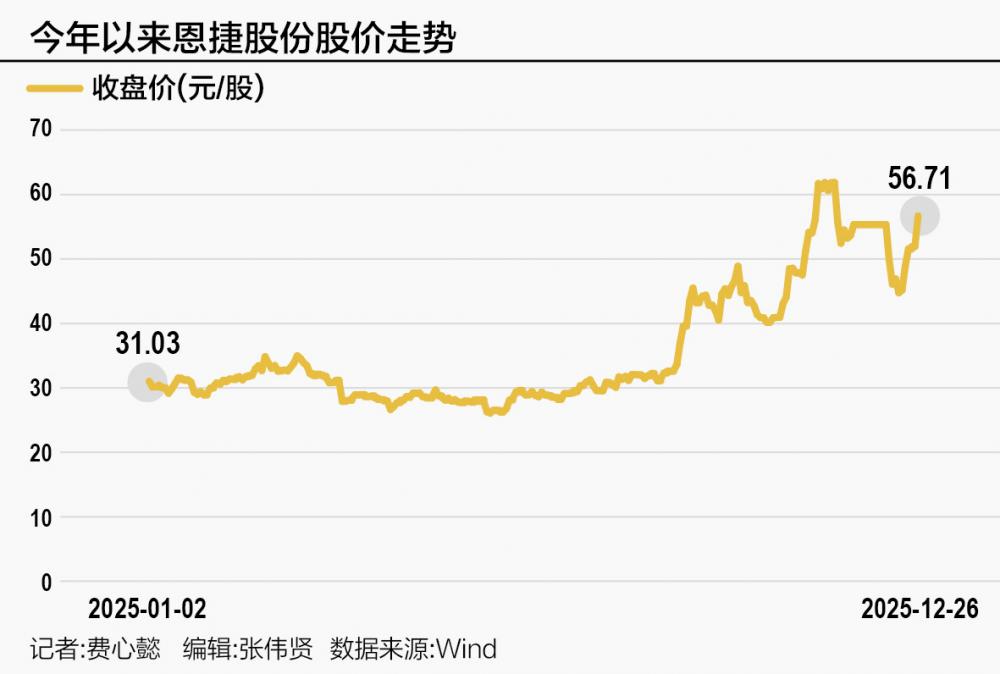
Core Viewpoint - The article discusses the rise and fall of Enjie Co., Ltd., focusing on the company's strategic decisions in the lithium battery separator market and the impact of market fluctuations on its financial performance [1][10]. Group 1: Company Overview - Enjie Co., Ltd. specializes in lithium battery separators, which are crucial for battery safety and energy density [1]. - The company was founded by Paul Xiaoming Lee and his brother Li Xiaohua, who returned to China after studying polymer materials in the U.S. [5]. - Enjie initially entered the BOPP film market for cigarette packaging before pivoting to lithium battery separators in 2010, recognizing the potential for domestic production [5][9]. Group 2: Market Performance - Enjie’s stock price surged over 70% in 2023, reaching a market capitalization of 557 billion yuan [1]. - However, the stock has lost 80% of its value from its peak, with a market cap decline of over 250 billion yuan [3]. - The company’s revenue skyrocketed from less than 1.2 billion yuan in 2016 to 8 billion yuan in 2021, with net profit increasing 16-fold during the same period [9]. Group 3: Strategic Decisions - Enjie adopted a strategy of significant prepayments to secure equipment supply from Japanese manufacturers, creating a competitive barrier [6][7]. - The company aimed for an ambitious production target of 15 billion square meters of separators by 2025, despite the global production being only 7.6 billion square meters at that time [10]. - Enjie’s gross margin peaked at over 50% in 2021, aided by its large-scale production capabilities [7]. Group 4: Financial Challenges - The lithium battery market faced a downturn in 2023, with lithium carbonate prices plummeting from 500,000 yuan per ton to 100,000 yuan, leading to reduced demand and price cuts for separators [10]. - Enjie reported a 119.46% year-on-year decline in net profit in the first half of 2025, marking its first loss since going public [10][11]. - The company’s accounts receivable reached 5.251 billion yuan, representing over 51% of its 2024 revenue, indicating cash flow pressures [11]. Group 5: Capital Operations - The Lee brothers engaged in significant share sell-offs between 2020 and 2022, totaling 3.517 billion yuan, which raised concerns about their commitment to the company [12]. - In 2025, they initiated a share buyback program, acquiring shares at a significantly lower price than during their sell-off, demonstrating a strategic financial maneuver [12][13]. - Enjie is expanding internationally, with plans for production bases in Hungary, the U.S., and Malaysia, alongside a focus on technological innovation [13][14].

微米千钧:恩捷股份李氏兄弟的锂电逆战之旅
2 1 Shi Ji Jing Ji Bao Dao· 2025-12-26 23:10
Core Viewpoint - The article discusses the rise and fall of Enjie Co., Ltd., a key player in the lithium battery separator market, highlighting its innovative strategies, rapid growth, and subsequent challenges in a changing industry landscape. Group 1: Company Overview - Enjie Co., Ltd. specializes in lithium battery separators, which are crucial for battery safety and energy density [1] - The company was founded by the "Li brothers," Paul Xiaoming Lee and Li Xiaohua, who returned to China after studying polymer materials in the U.S. [5] - Enjie initially focused on BOPP film for cigarette packaging before pivoting to lithium battery separators in 2010, recognizing the potential in a market dominated by foreign giants [6] Group 2: Growth and Achievements - Enjie's revenue surged from less than 1.2 billion yuan in 2016 to 8 billion yuan in 2021, with net profit increasing from 1.7 billion yuan to over 2.7 billion yuan during the same period [9] - The company's market capitalization reached 300 billion yuan in 2021, making the Li brothers among the wealthiest individuals in China [9] - Enjie achieved a gross margin exceeding 50% in 2021, a remarkable feat in the capital-intensive manufacturing sector [7] Group 3: Challenges and Decline - By 2023, the lithium battery industry's super cycle ended, leading to a significant drop in lithium carbonate prices and a slowdown in battery production growth [10] - Enjie faced a 119.46% year-on-year decline in net profit in the first half of 2025, marking its first cumulative loss since its listing [10] - The company's stock price plummeted from a peak of 319 yuan to below 24.40 yuan, resulting in a market value loss of over 250 billion yuan [2][13] Group 4: Strategic Responses - In response to the downturn, Enjie is expanding internationally, with plans for production bases in Hungary, the U.S., and Malaysia, totaling an investment of approximately 7.7 billion yuan [15] - The company is also pursuing technological innovation, including a planned acquisition of a separator equipment manufacturer to strengthen its competitive edge [15] - As of late 2025, the lithium separator market showed signs of recovery, with price increases reported by several companies [16]
晶圆、存储齐涨价!机构:半导体释放价格周期上行信号,设备需求核心受益
Jin Rong Jie· 2025-12-26 02:54
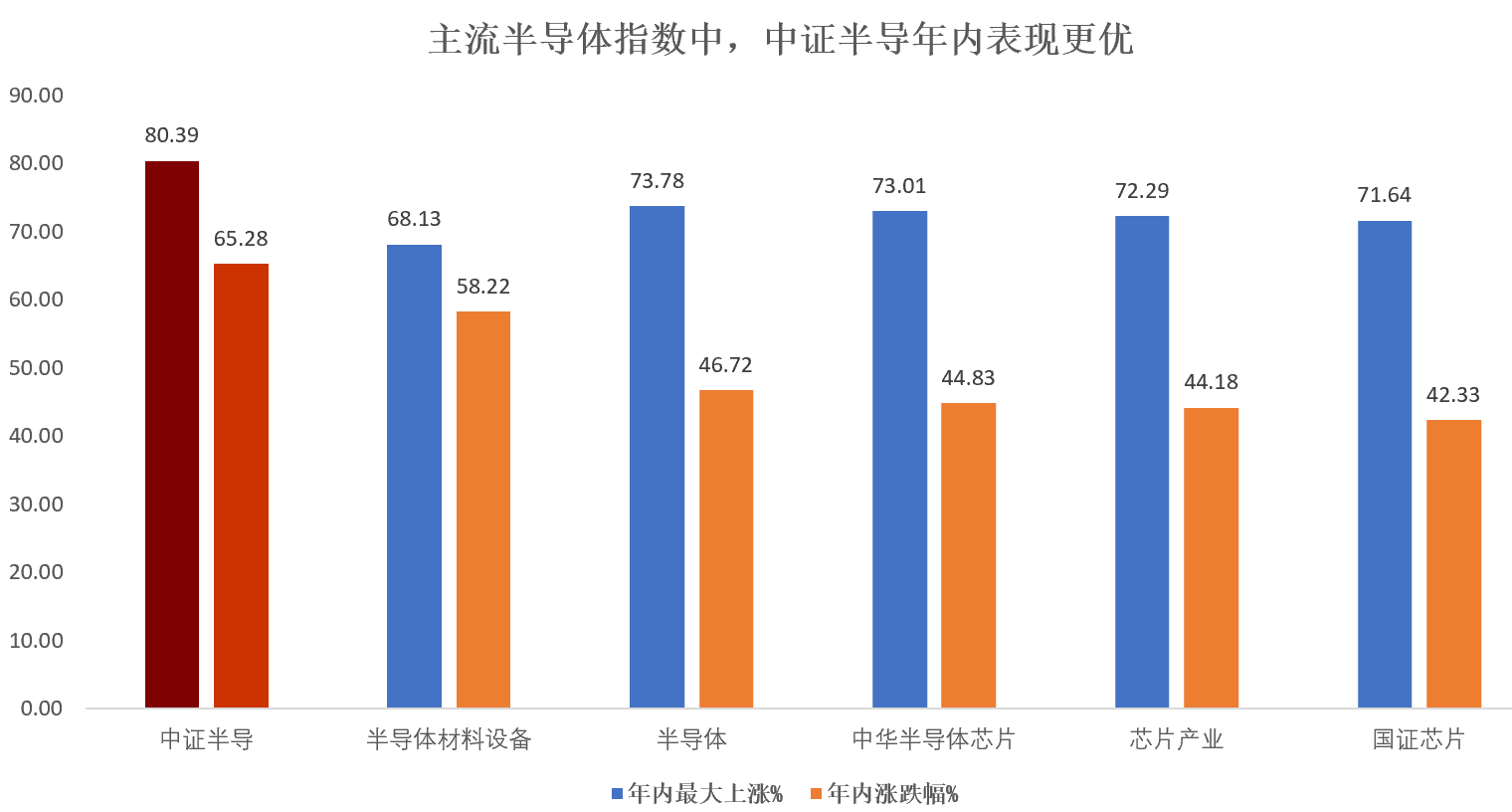
Group 1 - The semiconductor industry is experiencing a price increase driven by rising demand from AI and other sectors, benefiting upstream semiconductor equipment [1][2] - The price increase for 8-inch wafers is around 10%, primarily affecting the BCD process platform, as companies like SMIC and Hua Hong maintain high capacity utilization [3] - The storage chip sector is expected to see a significant upturn, with DRAM prices projected to increase by 18-23% and HBM ASP by 23-28% by Q4 2025 due to the expansion of data centers by global cloud service providers [4][5] Group 2 - Domestic companies are striving for self-sufficiency in high-end GPU production, with several firms preparing for IPOs, reflecting market confidence in domestic capabilities [6] - Semiconductor equipment is identified as a critical segment in the chip supply chain, with storage and logic chips being the largest downstream markets [7] - The semiconductor equipment ETF (561980) has shown a significant increase, with over 65% growth in 2025, indicating strong performance in the upcoming semiconductor upcycle [10]
董明珠:坚持信念,随时准备“战斗”
Jing Ji Guan Cha Wang· 2025-12-26 02:38
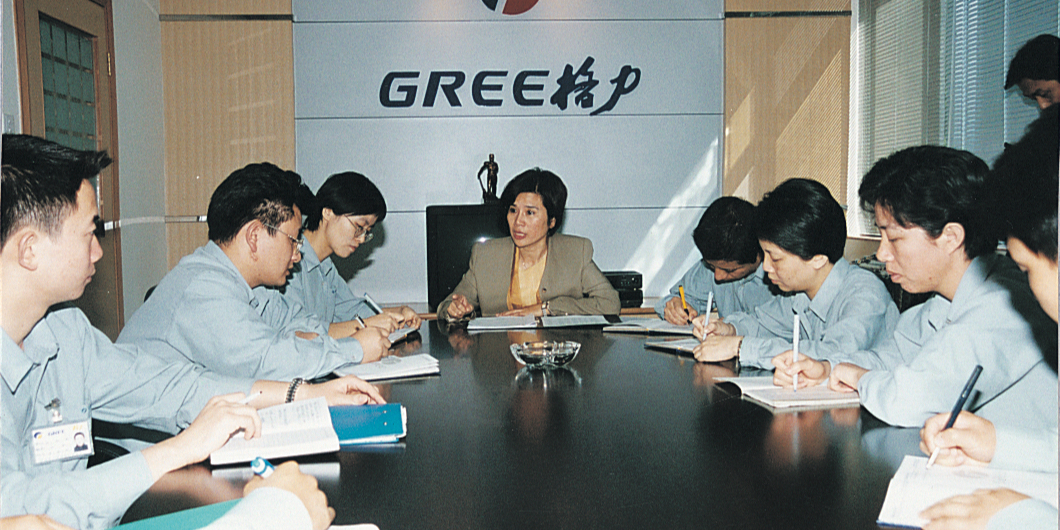
Core Viewpoint - The article highlights the journey and philosophy of Dong Mingzhu, the chairwoman of Gree Electric Appliances, emphasizing her commitment to national industry and technological independence as key drivers for the company's success and future direction [3][11]. Company Development - Gree Electric Appliances transformed from a small air conditioning assembly factory with an annual output value of less than 20 million yuan to a publicly listed company, achieving significant milestones under Dong Mingzhu's leadership [2][6]. - In 2005, Gree's annual revenue surpassed 10 billion yuan, marking a pivotal year for the company as it began to focus on technological innovation [8][9]. Technological Innovation - Dong Mingzhu defined 2005 as a turning point for Gree, initiating a focus on core technology development, particularly in compressors and motors [8]. - By 2012, Gree became the market leader in China's central air conditioning sector with a market share of 14.3%, showcasing the importance of independent technological capabilities [9]. Talent Development - Gree has significantly increased its R&D personnel from over 200 to more than 20,000, emphasizing the importance of nurturing local talent rather than relying on overseas returnees [12][13]. - Dong Mingzhu advocates for a "open platform" approach to talent development, providing opportunities for young Chinese graduates [12]. Industry Positioning - Gree has chosen not to participate in the ongoing "aluminum instead of copper" debate within the industry, prioritizing product quality and reliability over cost-cutting measures [16][17]. - The company has maintained its stance against price wars, resulting in a revenue decline of 6.5% year-on-year in the first three quarters of 2025, reflecting its commitment to quality over quantity [18]. Future Outlook - Gree is focusing on self-sufficiency in chip production, with annual chip procurement costs reaching several billion yuan, as part of its strategy to enhance competitiveness [11]. - The company aims to support the transition of more small and medium-sized enterprises towards intelligent manufacturing, leveraging its technological advancements [10].
董明珠:坚持信念,随时准备“战斗”|我们的四分之一世纪
Jing Ji Guan Cha Wang· 2025-12-26 02:34
Core Viewpoint - The article highlights the journey and philosophy of Dong Mingzhu, the chairwoman of Gree Electric Appliances, emphasizing her commitment to national industry and technological independence as key drivers for the company's success and future direction [3][4][28]. Group 1: Company Development - Gree Electric Appliances transformed from a small air conditioning assembly factory with annual sales of 20 million to a publicly listed company under Dong Mingzhu's leadership [3][7]. - The company was established in 1991, and by 2005, it became the world's largest air conditioning manufacturer, achieving significant milestones in production and sales [8][12]. - In 2012, Gree surpassed Daikin to become the market leader in China's central air conditioning sector, marking a significant achievement for domestic brands [12][14]. Group 2: Technological Independence - Dong Mingzhu emphasized the importance of core technology for the company's survival and growth, leading Gree to invest in research and development, particularly in compressors and motors [11][13]. - Gree's strategic shift towards technological independence included the development of its own CNC machine tools, which are critical for enhancing manufacturing capabilities [14][15]. - The company has also made strides in chip production, with plans to achieve self-sufficiency in chip supply, which is essential for maintaining product quality and competitiveness [17][18]. Group 3: Market Position and Strategy - Gree has chosen not to participate in the ongoing price wars within the home appliance industry, which has resulted in a revenue decline of 6.5% year-on-year in the first three quarters of 2025 [24][26]. - The company maintains a commitment to quality over price, believing that low initial costs can lead to higher long-term expenses for consumers [25][26]. - Dong Mingzhu's leadership style is characterized by a readiness to confront challenges and controversies, reinforcing the company's position as a leader in the industry [27][28].
北方华创20251225
2025-12-26 02:12
北方华创 20251225 摘要 北方华创市值约 3,000 亿人民币,受益于 2026 年半导体设备资本开支 的快速增长,特别是存储龙头和逻辑厂商的扩产,预计新签订单将高速 增长,带来投资机会。 中国大陆晶圆制造产能占比持续提升,从 2021 年的 16%增至 2024 年 的 22%,但仍低于全球半导体销售额占比 30%,自主可控需求强烈, 看好后续扩产持续性。 中芯国际 2025 年第三季度产能利用率达 95.8%,预计全年资本开支 74 亿元人民币,反映出中国大陆半导体产业的积极扩张态势。 预计 2026 年存储器市场将大规模扩产,扩产量至少增加 10-12 万片, 长鑫和长存在全球 DRAM 市场份额提升空间巨大,目前市占率仅为 5%。 预计 2025 年全球半导体设备 Capex 约 8,000 亿人民币,中国区占比 约 45%,达 3,600 亿人民币;2026 年中国区预计增至 4,000 亿人民 币。 Q&A 当前全球及中国大陆在半导体设备市场中的地位如何? 目前,中国大陆在全球晶圆制造产能中的占比仍然较低,但正在逐步提升。从 2021 年的 16%提高到 2024 年的 22%,但与中国大 ...
