贸易逆差

Search documents
特朗普终于签字,对华关税延长 90 天,还请求中国出手拉美国一把
Sou Hu Cai Jing· 2025-08-23 13:57
Core Viewpoint - The article discusses Trump's recent decision to extend the tariff suspension period with China for an additional 90 days, reflecting a strategic pause in the ongoing trade tensions between the two countries [2][4][23]. Group 1: Tariff Suspension - Trump's signing of the executive order to extend the tariff suspension was a last-minute decision before the expiration date, preventing a return to high tariffs of 145% on U.S. imports from China [2][4]. - The extension is seen as a tactical move to buy time for the U.S. to stabilize its trade strategy and negotiate with other countries before fully confronting China [4][6]. - The U.S. Treasury Secretary emphasized the need to prioritize domestic manufacturing before addressing trade negotiations with China, indicating a focus on internal economic recovery [4][6]. Group 2: Agricultural Trade - Trump urged China to increase its purchases of U.S. soybeans, suggesting a fourfold increase in orders, which reflects his concern over China's soybean shortage [8][10]. - Despite this request, China's imports of U.S. soybeans have been declining, with only 3 million tons sold by the U.S. as of July, the lowest in 20 years [10][12]. - Brazil has become the primary supplier of soybeans to China, accounting for nearly 70% of imports, due to competitive pricing and favorable trade conditions [10][12]. Group 3: Trade Deficit Concerns - Trump's focus on soybean orders is tied to his desire to reduce the trade deficit with China, which he perceives as unfavorable for the U.S. economy [12][14]. - The article argues that the trade deficit cannot be effectively reduced while the U.S. continues to impose tariffs on Chinese goods, which dampens demand for American exports [12][14]. - A more cooperative approach, including lifting restrictions on high-tech exports to China, is suggested as a means to address the trade imbalance [15]. Group 4: China's Response Strategy - China is adopting a cautious and strategic approach in response to Trump's fluctuating demands, emphasizing the importance of maintaining diverse trade partnerships [17][19]. - The article highlights China's efforts to deepen cooperation with other major economies, such as through the Regional Comprehensive Economic Partnership (RCEP) [19]. - China's procurement strategy for soybeans will depend on the competitiveness of U.S. offers compared to Brazilian products, indicating a focus on fair trade practices [19][21]. Group 5: Future Negotiations - The next 90 days are expected to involve ongoing negotiations between the U.S. and China, with both sides preparing for a protracted dialogue [21][23]. - The article suggests that for any meaningful progress to occur, the U.S. must approach negotiations with sincerity and a willingness to engage in equitable discussions [21][23]. - The overarching message is that cooperation, rather than confrontation, is essential for both nations to benefit and for global economic stability [23].

特朗普想抢巴西订单,不到48小时,卢拉打来电话,中方送上定心丸
Sou Hu Cai Jing· 2025-08-23 12:15
Core Viewpoint - The article discusses the recent developments in U.S.-China trade relations, particularly focusing on President Trump's request for China to increase soybean imports from the U.S. by four times, amidst ongoing tariff negotiations and trade tensions [1][3]. Group 1: U.S.-China Soybean Trade Dynamics - Trump requested China to increase soybean imports from the U.S. to address a supply gap and reduce the trade deficit, framing it as a win-win situation [1][3]. - In 2016, China imported 40% of its soybeans from the U.S., but this figure dropped to 21% by 2024 due to deteriorating U.S.-China relations and retaliatory tariffs [3][5]. - The U.S. imposed a 10% tariff on Chinese goods citing the "fentanyl" issue, leading China to retaliate with tariffs on U.S. agricultural products, further diminishing soybean trade [3][5]. Group 2: China's Import Preferences - If China were to increase U.S. soybean imports as Trump suggested, over 80% of its soybean imports would come from the U.S., contradicting its risk diversification strategy [5]. - The cost of Brazilian soybeans is approximately 15% lower than U.S. soybeans post-tariff, making Brazil a more attractive supplier for China [5]. - Brazil's President Lula reached out to China to reinforce cooperation and express concerns over the potential impact of U.S. soybean imports on Brazil's market position [5][7]. Group 3: China-Brazil Relations - China expressed support for Brazil in its trade disputes with the U.S., emphasizing the need for countries to unite against unilateralism and protectionism [7]. - The collaboration between China and Brazil is positioned as a counterbalance to U.S. trade policies, with both countries advocating for mutual interests in the agricultural sector [7].
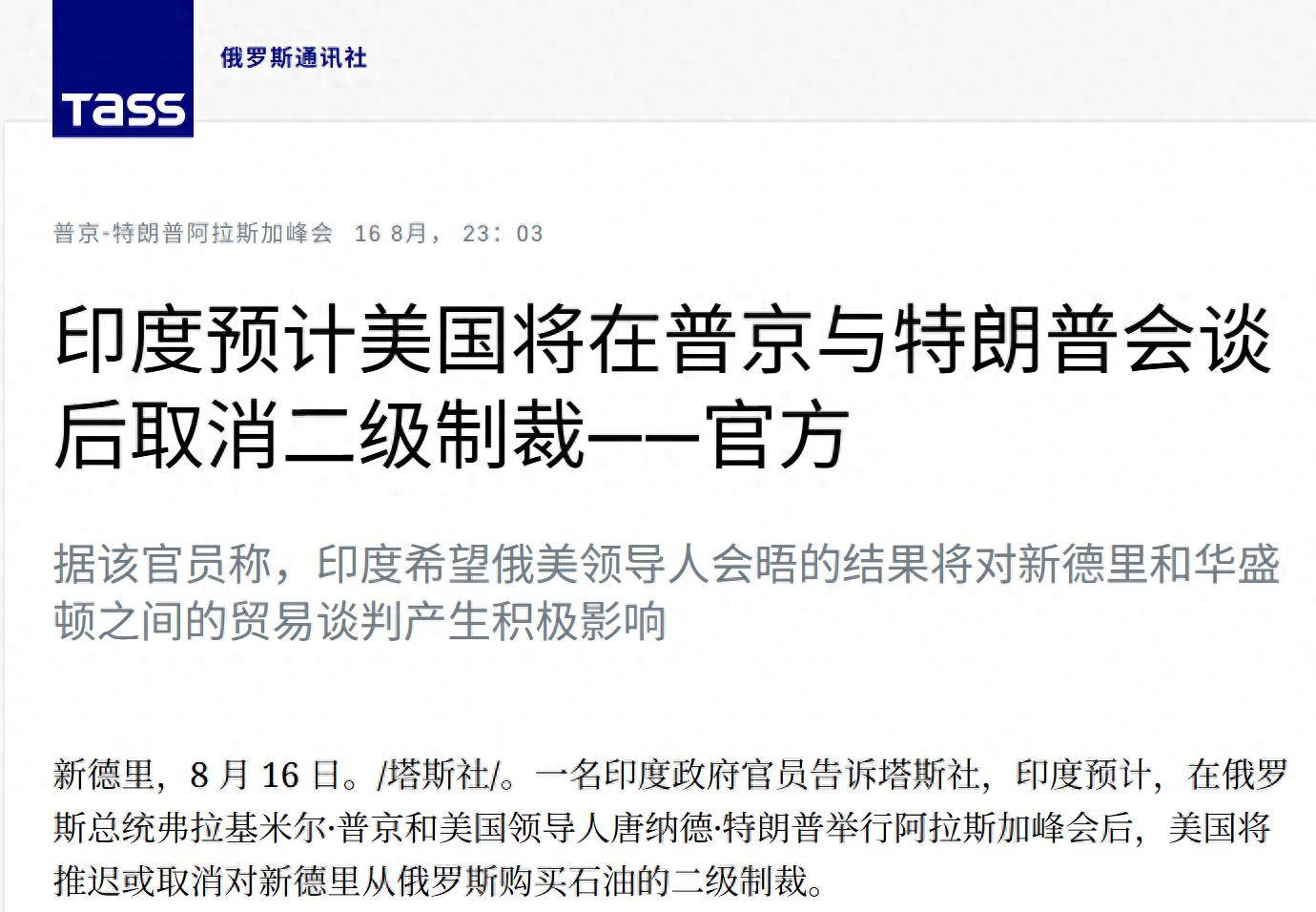
特普会结束后,印度收到的不是美国取消加税,而是被美“放鸽子”
Sou Hu Cai Jing· 2025-08-23 08:20
Core Viewpoint - The article highlights the diplomatic setback for India as U.S. representatives canceled their visit to discuss tariffs, reflecting India's weaker bargaining position compared to China in U.S. trade negotiations [1][10]. Group 1: U.S.-India Trade Relations - U.S. representatives were scheduled to visit India to discuss tariff issues, indicating initial goodwill from the U.S. side [4]. - The cancellation of the visit occurred just before the U.S. was set to impose a 25% tariff on Indian imports, which is seen as a significant diplomatic snub to India [5][8]. - India's exports to the U.S. surged over 20% from April to July, generating over $33 billion, while imports from the U.S. were around $17 billion, resulting in a trade surplus of approximately $16 billion for India [8]. Group 2: Diplomatic Implications - The timing of the cancellation suggests a strategic move by the U.S. to assert dominance in negotiations, particularly as India has been perceived as not fully aligning with U.S. interests [10]. - The article draws a contrast between the U.S. approach to India and China, indicating that the U.S. is more accommodating to China while being dismissive towards India, highlighting the disparity in their respective global standings [12]. - Modi's upcoming participation in the Shanghai Cooperation Organization summit in China may have further strained U.S.-India relations, as it reflects India's independent foreign policy stance [10].
特朗普顶不住了,深夜发布“求助信息”,希望中国能出手帮帮美国
Sou Hu Cai Jing· 2025-08-21 03:59
Core Viewpoint - The article highlights the increasing urgency of the Trump administration to secure soybean orders from China, as Brazil is rapidly capturing the Chinese market share previously held by the U.S. [1][3] Group 1: U.S.-China Soybean Trade Dynamics - In 2016, the U.S. accounted for over 40% of China's soybean imports, but this share has significantly declined due to ongoing trade tensions [1]. - Trump has publicly requested China to triple its soybean orders from the U.S., indicating a desperate attempt to regain market share [1][3]. - The U.S. soybean market is facing a crisis, with exports dropping and domestic supply not being as robust as previously claimed [1][3]. Group 2: Brazil's Growing Influence - Brazil has increased its soybean exports to China, now capturing 70% of the market, while U.S. exports have dwindled to 20% [5]. - The Brazilian government, under President Lula, is actively seeking to strengthen agricultural ties with China, positioning itself as a reliable supplier [5]. - Brazil is also eyeing opportunities in the beef market, as U.S. beef exporters face challenges in renewing export qualifications to China [5]. Group 3: Trade Negotiation Implications - Trump's mention of reducing the trade deficit suggests a willingness to negotiate, potentially offering concessions in tariff discussions if China increases its orders [7]. - The article points out the double standards in U.S. trade policy, where the U.S. seeks to force China to buy its agricultural products while simultaneously trying to reduce dependency on Chinese goods [7]. - The call for the U.S. to remove unreasonable tariffs on China is presented as a solution to stabilize trade relations and restore mutual trust [7].
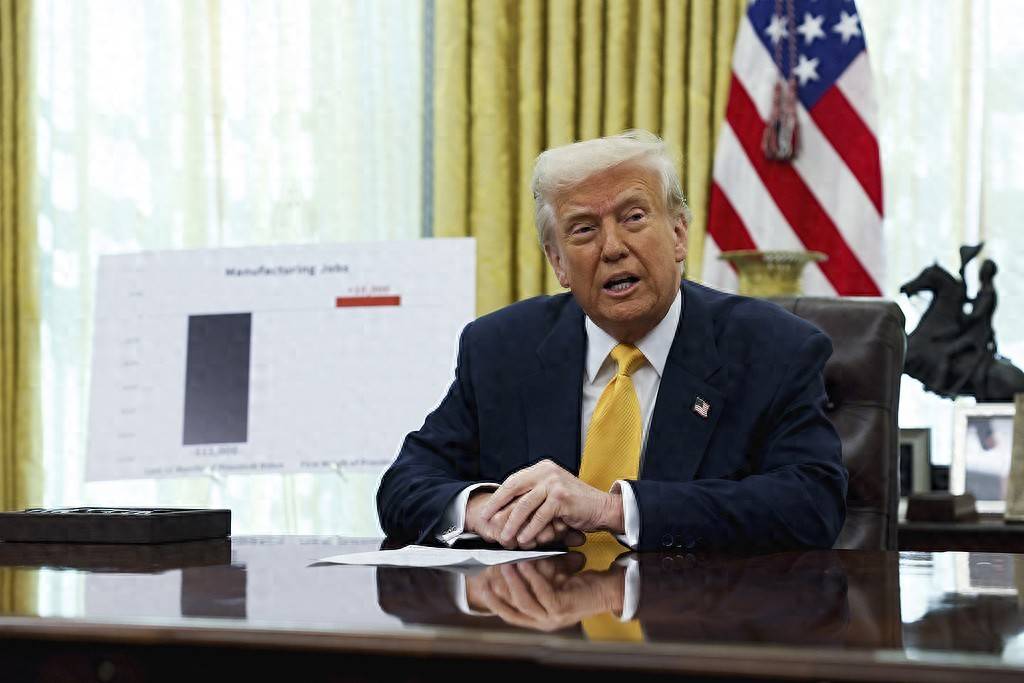
美国大豆牛肉卖得挺起劲,高科技却一毛不卖!中国驻美大使一句话,把虚伪贸易规则戳穿了
Sou Hu Cai Jing· 2025-08-20 18:10
Core Viewpoint - The essence of the U.S.-China trade issue is highlighted by the inability of China to purchase high-value technology products from the U.S., while being expected to fill the trade deficit with low-value agricultural products like soybeans and beef [2][3][6] Group 1: Trade Imbalance - China is unable to buy advanced technology products due to U.S. restrictions, which limits its purchasing options to low-value agricultural goods [2][3] - The majority of China's soybean imports come from Brazil (70%), with only 20% from the U.S., indicating a shift towards more stable and cheaper sources [2][5] - The U.S. accuses China of unfair trade practices while ignoring the significant imports of technology and equipment from China, which amount to over a hundred billion dollars annually [3][4] Group 2: Economic Dynamics - The U.S. technology companies benefit significantly from the trade relationship, with American firms making substantial profits from products sold in China, while Chinese manufacturers receive minimal margins [4][5] - The narrative of a one-sided trade relationship is challenged, emphasizing that trade should be based on mutual benefit rather than unilateral demands [6][7] - The current trade practices are seen as detrimental not only to U.S.-China relations but also to global trade, as they hinder cooperation and mutual growth [6][7] Group 3: Future Implications - The restrictions imposed by the U.S. are pushing China to accelerate its technological self-sufficiency, particularly in sectors like AI, electric vehicles, and industrial robotics [5][6] - The rapid growth of China's industrial robot installations in 2023 surpasses that of all other countries combined, indicating a significant shift in global manufacturing capabilities [5] - The call for the U.S. to offer advanced products in exchange for trade balance reflects a need for a more equitable trading relationship [6][7]

日本7月对美出口额减10.1%,4个月连降
日经中文网· 2025-08-20 08:44
Group 1 - Japan's automobile exports to the United States decreased by 28.4% year-on-year to 422 billion yen, with export volume down by 3.2% to 123,531 vehicles [4] - The average price of exported cars fell by 26.1% to 3.41 million yen, marking five consecutive months of year-on-year declines [4] - The decline in exports is attributed to the ongoing impact of the U.S. tariff policies under the Trump administration [2][4] Group 2 - Japan's overall trade balance showed a deficit of 117.5 billion yen, marking the first trade deficit in two months, with total exports decreasing by 2.6% year-on-year [4] - The Japanese finance ministry noted a shift in export trends, with a decrease in large vehicle exports and an increase in small vehicle exports [4]

日本出口创四年来最大降幅 贸易逆差超预期显经济承压
Xin Hua Cai Jing· 2025-08-20 05:28
Core Insights - Japan's exports fell by 2.6% year-on-year in July, marking the third consecutive month of negative growth, exceeding economists' forecast of a 2.1% decline [1] - Imports decreased by 7.5% year-on-year, but the decline was less than the expected 10.4%, resulting in a trade deficit of 117.5 billion yen (approximately 79.55 million USD) for the month, contrary to the anticipated surplus of 196.2 billion yen [1] - The persistent weakness in exports reflects the ongoing pressure from U.S. tariffs on global trade, impacting Japan's export-oriented economy, particularly in key sectors like automotive and electronics [1] Trade Dynamics - The dual pressures of tightening credit from ongoing interest rate hikes by central banks in the U.S. and Europe, along with the rise of manufacturing in emerging markets in Southeast Asia, are leading to a diversion of orders away from Japan [1] - The resilience in import data highlights structural contradictions within the Japanese economy, where the depreciation of the yen has increased cross-border procurement costs for companies, despite a decline in energy prices alleviating some cost pressures [1] Economic Implications - The imbalance in trade, characterized by "more imports than exports," exacerbates the risk of depleting foreign exchange reserves [1] - Analysts suggest that if the trade deficit persists, the Bank of Japan may be compelled to extend its ultra-loose monetary policy, further delaying the normalization of the yen, which could increase living cost pressures for households already struggling with inflation [2]
大跌!日本突发 日股跳水!贸易数据大幅下跌 关税影响逐渐显现
Zheng Quan Shi Bao· 2025-08-20 03:56
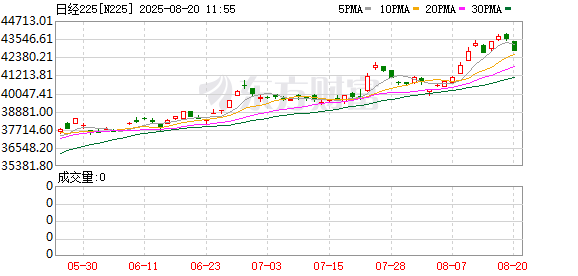
Core Viewpoint - The impact of U.S. tariff policies on Japanese exports is becoming increasingly evident, with significant declines in both exports and imports reported for July 2023 [2][4][6]. Trade Data Summary - Japan's exports in July fell by 2.6% year-on-year, marking the largest decline in over four years and exceeding economists' expectations of a 2.1% drop [4]. - Imports decreased by 7.5%, which was less than the anticipated 10.4% decline [4]. - Japan recorded a trade deficit of 117.5 billion yen (approximately 795.5 million USD), contrasting with the expected surplus of 196.2 billion yen [4]. - Key export declines included automobiles (down 11.4%), steel (down 21%), and auto parts (down 12.1%) [4]. - Notably, exports to the U.S. decreased by 10.1%, with automotive exports dropping significantly by 28.4% and auto parts by 17.4% [4][6]. Stock Market Reaction - Following the trade data release, the Japanese stock market experienced a decline, with the Nikkei 225 index dropping over 1.5% [5]. - Analysts predict that the Nikkei 225 index, which has risen over 9% year-to-date, may retreat to around 42,000 points by the end of the year [5]. Economic Impact - The U.S. tariff policy has led to a continuous decline in Japanese exports to the U.S. for three consecutive months, with the decline in automotive exports particularly pronounced [6]. - The automotive industry, a core sector of the Japanese economy, is expected to face broader negative impacts due to reduced exports, affecting related industries and regional economies [6]. - Preliminary statistics indicate that Japan's GDP grew by 0.3% quarter-on-quarter and 1.0% year-on-year in Q2 2023, but concerns remain regarding the potential negative effects of U.S. tariffs [6]. Economic Forecast - A survey of economists suggests that Japan's economy may enter negative growth in Q3 2023, with an expected GDP decline of 0.1% quarter-on-quarter, translating to an annualized drop of 0.6% [7]. - Despite the negative outlook, a recent trade agreement between the U.S. and Japan, which includes a 15% tariff rate and a commitment for Japan to invest 550 billion USD in the U.S., was announced by President Trump [7].
大跌!日本突发,日股跳水!
证券时报· 2025-08-20 02:48
Core Viewpoint - The impact of US tariff policies on Japanese exports is becoming evident, with significant declines in trade figures and potential negative effects on the Japanese economy [1][7]. Trade Data Summary - In July, Japan's exports fell by 2.6%, exceeding expectations and marking the largest drop in over four years. Exports to the US decreased by 10.1%, with substantial declines in automotive and parts exports [2][5]. - Japan recorded a trade deficit of 117.5 billion yen (approximately 795.5 million USD) in July, contrasting with a forecasted surplus of 196.2 billion yen. This was driven by a 11.4% drop in automotive exports and a 21% decrease in steel exports [5][6]. - Imports also saw a decline, with a 7.5% drop in July, which was less than the anticipated 10.4% decrease. Key import reductions included crude oil (down 18%) and coal (down 28.5%) [5]. Stock Market Reaction - Following the release of trade data, the Japanese stock market experienced a decline, with the Nikkei 225 index dropping over 1.5%. Analysts predict a potential retreat of the index from recent highs, largely dependent on the fragile US-Japan trade agreement [6][2]. Economic Impact - The automotive sector, a crucial part of Japan's economy, is facing significant challenges due to reduced exports, which could negatively impact overall economic growth. The Japanese Cabinet Office reported a 0.3% quarter-on-quarter GDP growth for Q2, with a year-on-year increase of 1.0% [9]. - Economic forecasts suggest that Japan's economy may enter negative growth in Q3, with a projected GDP decline of 0.1% quarter-on-quarter, influenced by the ongoing effects of US tariff policies [9]. Tariff Policy Effects - The US tariff policy has led to a continuous decline in Japanese exports to the US, particularly in the automotive sector, where exports fell by 26.7% in June. The tariff rate on Japanese cars was raised from 2.5% to 27.5% [8][9]. - The Kyushu region experienced the most significant declines in automotive exports, with a staggering 67.8% drop in volume and a 76.3% decrease in value [8].

特朗普下令加税,最大输家已出现,中国专机飞抵美洲,美国赢了?
Sou Hu Cai Jing· 2025-08-19 08:32
Group 1 - Trump's tariff policy began shortly after taking office, with a focus on combating fentanyl smuggling and illegal immigration, targeting countries like China, Canada, and Mexico [1][3] - Initial tariffs included a 10% increase on Chinese imports, raising the total tariff rate to over 20%, followed by a 25% tariff on Canadian and Mexican goods [1][3] - By April, a "reciprocal tariff plan" was introduced, imposing a baseline 10% tariff on 185 economies, with higher rates for countries with significant trade deficits, affecting various sectors including steel, aluminum, and automotive [3][4] Group 2 - Canada and Brazil responded to the tariffs with negotiations, but Canada expressed disappointment over the impact on key industries like lumber and steel [4][5] - In July, Trump announced a 35% tariff on Canadian goods and a 50% tariff on all Brazilian imports, citing various political and economic reasons [5][7] - Brazil's government opposed the tariffs, highlighting potential damage to U.S. interests, particularly in coffee and rare earth supplies, and sought to appeal to the WTO [7] Group 3 - China also reacted by engaging diplomatically with Canada and implementing retaliatory tariffs on U.S. products, aiming to stabilize its economy and explore new market opportunities [8] - The tariff war has led to the U.S. becoming the biggest loser, with GDP growth forecasts downgraded from 2.2% to 1.6% for 2025, and trade deficits reaching historical highs [10] - Consumer prices surged, particularly for coffee, steel, and automobiles, increasing the cost of living for Americans and raising concerns about rising unemployment [10][11] Group 4 - The complexity of global supply chains and diverse international responses to tariffs have led to increased domestic divisions in the U.S., with strong opposition from governors and business associations [11] - Despite Trump's insistence on his tariff strategy, it appears to be isolating the U.S. further in the global trade landscape [11]