供需适配

Search documents
积极促消费,京东政企业务搭建优商优品供需匹配 “快车道”
Cai Fu Zai Xian· 2025-12-12 08:56
Core Insights - The total variety of consumer goods in China has reached 230 million, with over 100 categories such as home appliances and clothing leading global production, indicating a new development stage of high-quality supply and pricing [1] - The State Council has issued a plan to enhance the adaptability of consumer goods supply and demand, aiming to establish three trillion-level consumption sectors and ten hundred-billion-level consumption hotspots by 2027 [1] - JD's government and enterprise business has built a "super supply chain" over the past decade, integrating diverse supply, digital platform technology, and nationwide logistics to support rapid growth for brand partners and stimulate domestic demand [1] Company Collaborations - Shandong Luhua Group, a leader in high-end edible oil, has seen a 160% growth in performance on JD's platform since 2021, with its 5L peanut oil achieving a 69% year-on-year increase in 2025 [2] - Midea, a leading home appliance company, has established an efficient collaboration mechanism with JD, resulting in a threefold increase in sales for products like electric steamers and ice makers since 2025 [2] - Bosideng, a global down clothing brand, has become JD's largest single brand in the apparel category, with a 2.5 times growth in the consumer goods sector [3] - Deli, a leader in office supplies, has expanded its product line to over 12,000 items and launched a printer with a domestic chip, achieving a 136% growth in printer sales [3] Strategic Initiatives - JD's government and enterprise business has launched a "billion market partner plan" to help over 300 brand partners achieve annual sales exceeding 100 million yuan within three years [4] - The establishment of the "Ten Billion Brand Alliance Club" includes notable companies like Huawei and Midea, aiming to enhance market reach and consumer engagement [4] - JD's focus on building a high-quality development framework through effective supply-demand interaction is set to contribute significantly to economic growth and consumption upgrades [4]


提质扩容,发力新领域新赛道
Sou Hu Cai Jing· 2025-12-12 00:07
Core Viewpoint - The article discusses the recent implementation of a plan by the Ministry of Industry and Information Technology and five other departments to enhance the adaptability of supply and demand in consumer goods, aiming to stimulate consumption and economic growth. Group 1: Consumption Trends - The article highlights the emergence of new cultural and tourism products, such as ice and snow sports experiences, which are contributing to a "hot economy" from previously underutilized "cold resources" [2] - The release of the Beijing Winter Olympics mascot "Bing Dwen Dwen" has seen a significant consumer demand, indicating a robust market for cultural products [2] - The film "Zootopia 2" has outperformed expectations in the Chinese market, showcasing the potential of the domestic box office [2] Group 2: Supply and Demand Adaptation - The article emphasizes the shift in consumer demand from mere availability to quality, as outlined in the "14th Five-Year Plan," which calls for an expansion of high-quality consumer goods and services [2] - It discusses the structural mismatch in supply and demand, particularly in the elderly care market, where the market size is expected to grow from 2.6 trillion yuan to 5.4 trillion yuan from 2014 to 2024, yet there are challenges in meeting consumer needs [3] Group 3: Innovation and New Consumption Models - The article stresses the importance of innovation in driving consumption, highlighting the need for new products, services, and experiences to meet evolving consumer preferences [4] - It notes the role of technology and digitalization in enhancing production capabilities and developing high-quality consumer goods [4] - The article mentions the increasing international presence of Chinese brands, such as the expansion of "Mixue Ice City" with over 5,000 overseas stores, reflecting a growing global consumer market [4] Group 4: Market Opportunities - The article identifies potential in traditional consumption sectors, such as the success of a clothing company in producing yoga apparel, and the food industry’s shift towards low glycemic index products [5] - It highlights the emergence of new consumption hotspots, particularly in urban areas, where international brands are being integrated into local markets [5] - The article points out the opportunities in new technology sectors, such as wearable devices and elder care robots, which are benefiting from the "AI+" trend [6] Group 5: Economic Growth and Consumer Potential - The article concludes that consumption is a crucial driver of economic growth and that enhancing supply-demand adaptability will unleash consumer potential, contributing to the overall stability and growth of the Chinese economy [6]
提质扩容,发力新领域新赛道(评论员观察)
Ren Min Ri Bao· 2025-12-11 22:11
Core Viewpoint - The article discusses the recent implementation plan by the Ministry of Industry and Information Technology and five other departments to enhance the adaptability of supply and demand in consumer goods, aiming to stimulate consumption and economic growth. Group 1: Consumption Trends - The article highlights the emergence of new cultural and tourism products related to winter sports and heritage experiences, which are contributing to the "hot economy" from "cold resources" [2] - The release of the Beijing Winter Olympics mascot "Bing Dwen Dwen" has seen a significant consumer demand, indicating a robust market for cultural products [2] - The film "Zootopia 2" has outperformed expectations in the Chinese market, showcasing the potential of the large domestic market [2] Group 2: Supply and Demand Adaptation - The article emphasizes the shift in consumer demand from mere availability to quality, as outlined in the "14th Five-Year Plan," which calls for expanding the supply of quality consumer goods and services [2] - It points out the structural mismatch in supply and demand, particularly in the elderly products market, where the market size is expected to grow from 2.6 trillion yuan to 5.4 trillion yuan from 2014 to 2024 [3] - The need for businesses to align their production with consumer preferences is highlighted, suggesting that policies should focus on fostering high-end brands and innovative products [3] Group 3: Innovation and Quality - The article stresses the importance of innovation in driving consumption, with new products and services being essential for meeting consumer demands [4] - It mentions the role of technology and digitalization in enhancing production capabilities and developing high-quality consumer goods [4] - The expansion of international markets for Chinese brands, such as the significant growth of overseas stores for brands like Mixue Ice City, is noted as a way to elevate consumption levels [4] Group 4: Market Opportunities - The article identifies potential in traditional consumption sectors, suggesting that there are still opportunities for growth through innovative approaches [5] - New consumption hotspots are emerging, with cities like Shanghai integrating international brands and outdoor economies to boost local consumption [6] - The rise of health-focused brands and technology in sectors like wearable devices and elder care is highlighted as a response to changing consumer needs [6] Group 5: Economic Impact - The article concludes that consumption is a crucial engine for economic growth, and the current period of rapid consumption structure upgrade is vital for unleashing market potential [6] - It emphasizes that enhancing supply-demand adaptability will stimulate domestic demand and support sustainable economic development [6]
提质扩容,发力新领域新赛道(评论员观察) ——供需更适配 消费活力足①
Ren Min Ri Bao· 2025-12-11 21:57
Core Insights - The article discusses the recent implementation of a plan by six departments, including the Ministry of Industry and Information Technology, aimed at enhancing the adaptability of supply and demand in consumer goods, with a focus on five key tasks to stimulate consumption [1] Group 1: Consumption Trends - The article highlights the emergence of new cultural and tourism products, such as ice and snow sports experiences, which are contributing to a "hot economy" from previously underutilized "cold resources" [2] - The success of the Beijing Winter Olympics mascot "Bing Dwen Dwen" and the strong box office performance of "Zootopia 2" in China indicate a robust consumer market that exceeds expectations [2] - The shift in consumer demand from mere availability to quality reflects a growing emphasis on high-quality products and services, as outlined in the "14th Five-Year Plan" [2][3] Group 2: Supply and Demand Adaptation - The article emphasizes the importance of addressing structural mismatches in supply and demand, particularly in the elderly care market, where the market size is projected to grow from 2.6 trillion yuan to 5.4 trillion yuan from 2014 to 2024 [3] - It suggests that businesses should focus on producing what consumers want, such as high-end brands in jewelry and cosmetics, to better meet diverse consumer needs [3] Group 3: Innovation and New Consumption - The article stresses the significance of innovation in driving consumption, highlighting the need for new products, services, and experiences to meet evolving consumer demands [4] - It notes that the integration of technology and digitalization is crucial for enhancing existing production capacities and developing high-quality products [4] - The expansion of international brands and the success of Chinese brands in global markets, such as the rapid growth of overseas stores for brands like Mixue Ice City, demonstrate the potential for increased consumption levels [4] Group 4: Market Opportunities - The article identifies opportunities in traditional consumption sectors, suggesting that there is still potential for growth through innovative approaches, such as the production of yoga apparel and low glycemic index food products [5] - It highlights the emergence of new consumption hotspots, particularly in urban areas, where brands are adapting to health trends and cultural heritage [6] - The article concludes that the acceleration of consumption structure upgrades is critical for stimulating domestic demand and supporting economic stability [6]
给农村提供更多好产品好服务
Jing Ji Ri Bao· 2025-12-11 21:36
Core Viewpoint - The recent implementation plan by six departments, including the Ministry of Industry and Information Technology, aims to enhance the quality and upgrade of consumer goods in rural areas, which is crucial for driving domestic demand and facilitating economic circulation between urban and rural areas [1][2]. Group 1: Rural Consumption Market - Rural areas are a significant part of China's consumer market, with over 400 million people living in these regions [3]. - The retail sales growth of consumer goods in rural areas has consistently outpaced that of urban areas, indicating substantial consumption potential [3]. Group 2: Consumer Demand and Product Supply - There is a shift in rural residents' consumption demand from production-oriented and survival-oriented to development-oriented and quality-oriented [1]. - The demand for durable consumer goods such as automobiles, air conditioners, and furniture is growing rapidly among rural residents [2]. - There is a need for product innovation and promotion targeted at rural areas, particularly in sectors with concentrated demand [2]. Group 3: Infrastructure and Service Gaps - The existing commercial infrastructure in rural areas is insufficient, limiting the availability of quality consumer goods and related services [2]. - There is a need to improve logistics and distribution systems, including cold chain, warehousing, and delivery services, to better meet the consumption needs of rural residents [2]. - The plan encourages the development of new business formats and the expansion of chain stores and specialty shops into rural areas to enhance consumer choice [2].
供需协同发力 释放超大规模市场潜能
Zhong Guo Jing Ji Wang· 2025-12-11 05:31
Core Viewpoint - The article discusses the implementation of a plan by six departments, including the Ministry of Industry and Information Technology, aimed at enhancing the adaptability of supply and demand in consumer goods, promoting a two-way interaction between supply and demand, and facilitating economic circulation [1]. Group 1: Supply and Demand Interaction - The plan outlines 19 key tasks to expand new demand, tap into existing demand, segment markets, empower scenarios, and optimize the environment, emphasizing the need for a systemic reconstruction of production modes, value connotations, and market environments [1]. - The current structural contradictions on the supply side are identified as major obstacles to unleashing consumption potential, necessitating a transformation from traditional supply models to more responsive and flexible production systems [1]. Group 2: Innovation and Upgrading - The plan encourages the upgrading of existing products and precise segmentation of niche markets, focusing on green, healthy, and intelligent product iterations to align with the evolving consumer preferences from survival to development and enjoyment [2]. - It emphasizes the importance of catering to diverse age groups by enhancing the supply of products for infants, students, fashion items, and senior citizens, reflecting a comprehensive approach to consumer needs throughout the lifecycle [2]. Group 3: Consumer Experience and Environment - The article highlights the significance of innovative consumption scenarios and environments as essential for transforming demand into consumption, with examples of recent innovations that cater to diverse consumer needs and stimulate economic recovery [2]. - The plan stresses the need for financial support and improved quality assurance measures to enhance consumer confidence and safety, thereby fostering a conducive environment for consumption [2]. Group 4: Market Dynamics - The article concludes that aligning supply with consumer preferences and activating domestic demand will effectively stimulate the internal dynamics of China's large-scale market, transitioning consumption from quantity expansion to quality enhancement, thus contributing to high-quality economic development [3].
鼓励特色活动培育消费名品
Jing Ji Ri Bao· 2025-12-06 21:57
Core Viewpoint - The article emphasizes the need to stimulate market vitality and enhance the adaptability of supply and demand by expanding high-quality supply, as outlined in the implementation plan jointly issued by the Ministry of Industry and Information Technology and five other departments [1][2]. Group 1: Implementation Plan - The implementation plan proposes hosting special activities to cultivate a group of renowned Chinese consumer brands and create the "Buy in China" brand [1]. - It aims to create a favorable environment for the development of the consumer market, facilitating a high-level dynamic balance between supply and demand [1]. Group 2: Market Dynamics - The article highlights a shift from a "make what sells" mentality to a focus on quality, as increased competition has led to lower product profits and a consumer preference for lower prices over quality [1]. - To break this cycle, it is essential to improve information flow and restore trust, showcasing product quality to consumers [1]. Group 3: Role of Quality Consumer Goods - High-quality consumer goods, represented by renowned brands, are seen as a powerful tool to expand consumption [1]. - Special activities can transcend simple promotions, serving as a concentrated display of supply-side offerings, thereby building consumer trust and activating demand [1]. Group 4: Media and Brand Promotion - The plan emphasizes the importance of high-frequency promotion by mainstream media, new media, and offline business circles to leverage the multiplier effect of special activities [2]. - It aims to select and promote over a thousand well-known enterprise brands and regional brands, along with more than ten thousand quality consumer goods [2]. Group 5: Long-term Value and Policy Effectiveness - Long-term value is highlighted as a key measure of the effectiveness of policy implementation, with a focus on creating sustainable consumer engagement rather than short-term promotional events [2]. - The goal is to activate industrial growth by ensuring a smooth supply-demand cycle, benefiting consumers, enhancing brand reputation, and upgrading industries through collaborative efforts [2].
机遇与挑战:陈华博鳌纵论历史经典产业发展的产业逻辑、商业逻辑、内在逻辑与发展逻辑
Sou Hu Cai Jing· 2025-12-04 16:42
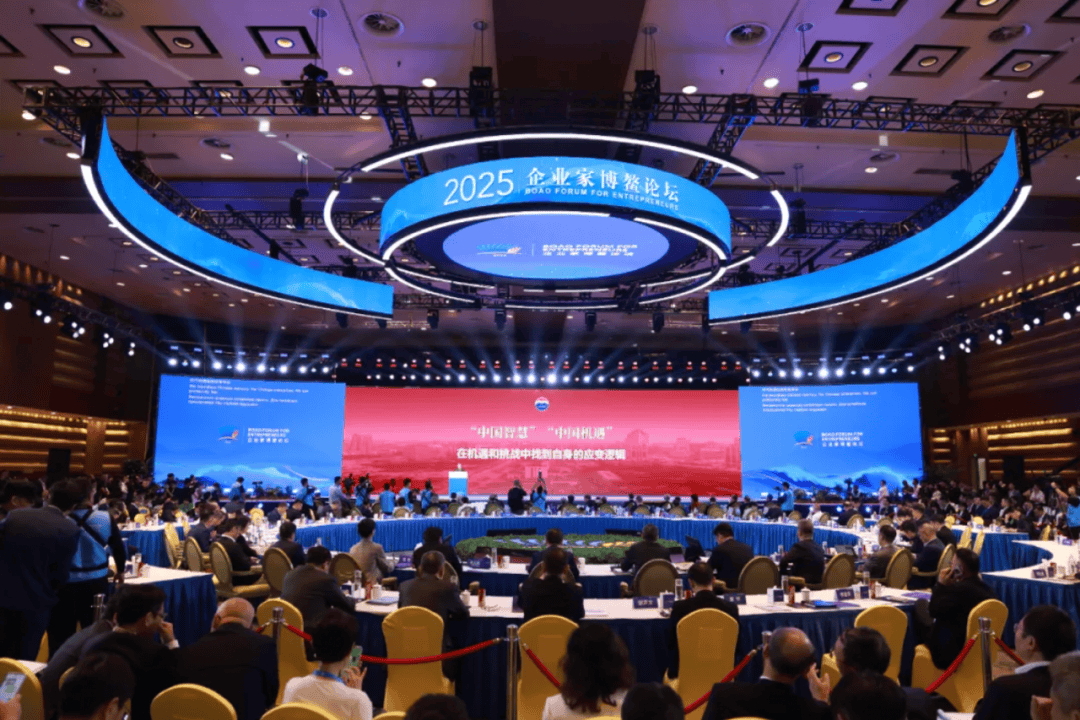
Core Viewpoint - The speech by Chen Hua at the 2025 China Entrepreneur Boao Forum emphasizes the need for historical classic industries, such as Maotai, to adapt to opportunities and challenges through a logical framework that includes industry logic, business logic, internal logic, and development logic [1][6]. Industry Logic - The industry must adhere to the principle of "guarding tradition while innovating" to modernize. This involves maintaining traditional charm while enhancing modern vitality, particularly for historical classic industries like liquor production, which embody unique craftsmanship and culture [6][7]. Business Logic - The industry should follow the "supply-demand adaptation" principle to promote marketization. This includes better meeting new consumer demands and leading the creation of new supply, especially as the domestic market potential continues to grow [7][8]. Internal Logic - The "cultural leadership" principle is crucial for accelerating internationalization. Historical classic industries play an irreplaceable role in cultural exchange and cooperation, necessitating efforts to promote cultural exports and integrate into international markets [8][9]. Development Logic - The "coexistence and sharing" principle ensures sustainable development. Historical classic industries must take on greater responsibilities, creating social value while harmonizing with nature and sharing development with society and stakeholders [9][10]. Event Highlights - The 2025 China Entrepreneur Boao Forum, held from December 2 to 5, gathered representatives from various sectors to discuss transforming consensus into cross-border cooperation and industrial upgrades, contributing to the establishment of a modern industrial system [2][4]. - The forum featured a Maotai cultural and product display area, showcasing the unique charm of Maotai culture and product quality [12]. - The "China Maotai·National Pillar" public welfare brand was recognized for its contributions to education and social responsibility, having donated over 1.4 billion yuan to the China Youth Development Foundation since 2012 [16].


【图解】促消费新政“瞄准”不同年龄人群精准发力
Zhong Guo Jing Ji Wang· 2025-12-04 09:34
Core Viewpoint - The recent implementation plan by six departments, including the Ministry of Industry and Information Technology, aims to enhance the adaptability of consumer goods supply and demand, focusing on the differentiated needs of various age groups [3]. Group 1: Infant and Student Demographics - The focus is on "healthy growth" and "learning efficiency" for infants and students, addressing the need for products that support these key areas [4]. - There are existing issues in the market such as single-function products, inconsistent quality, and safety hazards, prompting support for the development of new eco-friendly materials and the establishment of strict quality standards [5]. - The plan encourages the integration of traditional toys and stationery with smart technology, promoting a safer and more transparent industry [5]. Group 2: Elderly Demographics - The initiative emphasizes the combination of "practical convenience" and "quality of life" for the elderly, addressing challenges such as mobility issues and increased home care needs [6][7]. - There will be a focus on developing products like elderly care robots, suitable clothing, and easy-to-swallow foods, alongside the promotion of internet applications and smart terminal adaptations for the elderly [7][8]. - The plan aims to create a standard system for elderly products and advance the "Silver Age" certification to ensure that elderly consumers can shop with confidence and comfort [9]. Group 3: Young Demographics - The strategy highlights "individual expression" and "fashion leadership" for the young demographic, recognizing their role as the core consumer group in the rising trend of national culture [10][12]. - There will be support for the development of products that combine cultural significance with fashion, fostering original design capabilities [13]. - The initiative encourages the growth of personalized services to meet the diverse and individualized consumption needs of young consumers [15].

供需互促 赋能产业升级民生改善
Yang Shi Wang· 2025-12-02 12:29
Group 1 - The core idea of the news emphasizes the importance of guiding enterprises to produce products that meet consumer needs, promoting a positive interaction between supply and demand, and stimulating market vitality and industrial upgrades [1] - The "14th Five-Year Plan" suggests leveraging new demand to drive new supply, which in turn creates new demand, thereby enhancing consumption and investment [1] - Various regions are accelerating efforts to encourage enterprises to develop customized and diversified services that resonate with consumer preferences [1] Group 2 - The launch of the first ice and snow tourism train in Harbin features meals tailored for the elderly, highlighting the trend of catering to specific demographic needs [3] - Enterprises are increasingly focusing on the preferences of different consumer groups, including the youth, who are driving the "Guochao" (national trend) consumption with culturally infused products [3] - There is a push to develop energy-efficient appliances and promote green products in rural markets, alongside initiatives for electric vehicles and green building materials [3] Group 3 - The retail sales of AI glasses and smartwatches have increased by 23.1% in the first ten months of the year, indicating a growing consumer interest in smart wearable technology [5] - In October, sales of first-level energy-efficient appliances rose by over 10% year-on-year, while organic food sales saw an increase of over 8%, reflecting a shift towards high-quality and green consumption [5] - The government has released a policy document aimed at enhancing the adaptability of consumer goods supply and demand, marking a significant step in promoting consumption following the "14th Five-Year Plan" [5]