
医药创新

Search documents
以创新驱动医药高质量发展 振东制药树立妇科创新药赛道新标杆
Sou Hu Wang· 2026-01-05 01:39
Core Insights - The pharmaceutical industry is accelerating its transformation towards innovation-driven development, with R&D capabilities becoming a key competitive metric for companies [1] - Zhendong Pharmaceutical is focusing on innovation, with its subsidiary Guangdong Longchuang's new drug application for "Vaginal Lactobacillus Dual Live Bacteria Capsules" being accepted by the National Medical Products Administration (NMPA), marking a significant milestone in the company's innovation strategy [1][2] - The product addresses bacterial vaginosis through a novel treatment concept, utilizing a combination of Lactobacillus gasseri and Lactobacillus rhamnosus to restore vaginal microecological balance, thus overcoming issues related to antibiotic resistance and dysbiosis [1][2] R&D Progress - The project has undergone years of technical development, completing comprehensive preclinical studies and Phase III clinical trials, demonstrating a significantly higher cure rate compared to the control group and excellent safety profiles [2] - The acceptance of the NDA marks a critical step towards market approval, bringing the product closer to serving patients and filling a gap in the domestic market for natural and safe gynecological treatment options [2] Market Outlook - The demand in the female health sector is continuously increasing, particularly for vaginal microecological products, with the private care market in China projected to grow from 52 billion yuan in 2019 to 83 billion yuan by 2025, reflecting a compound annual growth rate of 10.2% [2] - Zhendong Pharmaceutical's innovative formulation is expected to capture market opportunities in this billion-dollar sector, contributing to the company's new growth trajectory [2] Strategic Support - The company emphasizes R&D innovation as a core strategy, planning to establish a new drug creation center in Shanghai by 2024, focusing on oncology, dermatology, digestion, and urology, while building a diversified product matrix of innovative drugs, generics, and traditional Chinese medicine [3] - Zhendong Pharmaceutical is advancing steadily in the high-quality development wave of the pharmaceutical industry, with multiple projects in the innovative drug sector progressing well, creating a synergistic development pattern across various tracks [3] - As innovative products like the Vaginal Lactobacillus Dual Live Bacteria Capsules are launched and R&D pipelines continue to expand, the company aims to strengthen its core competitiveness and provide high-quality treatment options for patients, thereby creating greater value for investors and society [3]

复盘25年医药行情,期待26年创新表现
Huafu Securities· 2026-01-04 11:37
Investment Rating - The report maintains an "Outperform" rating for the industry [7] Core Insights - The pharmaceutical sector experienced a significant rebound in 2025, driven by innovation, and is expected to reach new highs in 2026 [4][17] - The A-share market saw a 12.9% increase year-to-date, while the H-share market surged by 57% [18] - The report emphasizes the importance of tracking macroeconomic conditions and the potential for valuation recovery in the consumer healthcare sector [4][24] Market Review - The CITIC Pharmaceutical Index fell by 2.0% in the week of December 29, 2025, to January 2, 2026, underperforming the CSI 300 Index by 1.4 percentage points [3][32] - Year-to-date, the CITIC Pharmaceutical Index has risen by 12.9%, lagging behind the CSI 300 Index by 4.8 percentage points [32] - The top-performing stocks for the week included Duorui Pharmaceutical (+15.9%) and Mailland (+10.3%) [47] Sector Performance - The report highlights significant sector differentiation, with the medical services sector (including CXO and innovative supply chains) showing the highest growth, exceeding 50% [24] - The quarterly performance showed a strong start in Q1, followed by fluctuations in Q2 and Q4 due to various market catalysts [27] Investment Strategy - The report suggests focusing on innovative drugs, particularly those with revenue and performance exceeding expectations, as well as companies benefiting from technological advancements [5][4] - Specific stocks recommended for January include Kangfang Biotech, WuXi AppTec, and Aidi Pharmaceutical [5][4]


中国最高人民法院就司美格鲁肽化合物专利作出有利判决
智通财经网· 2026-01-04 05:44
Core Viewpoint - The Supreme People's Court of China made a favorable ruling regarding the patent of semaglutide, which is a significant development for Novo Nordisk, reflecting the Chinese government's strong support for pharmaceutical innovation [1] Group 1: Company Impact - Novo Nordisk expressed joy over the court's decision, which reinforces the validity of the semaglutide patent and enhances the confidence of foreign enterprises in sustainable development in China [1] - The CEO of Novo Nordisk highlighted that this ruling will further promote the research and introduction of innovative drugs, benefiting patients [1] Group 2: Product Information - Semaglutide is a novel long-acting GLP-1 analog developed by Novo Nordisk, serving as the main component in weight management drug Wegovy and type 2 diabetes treatment drugs Ozempic and Rybelsus [1] - Since its launch, semaglutide has gained widespread clinical recognition, accumulating approximately 38 million patient-years of usage experience [1] Group 3: Market Expectations - Novo Nordisk previously indicated that the expiration of the semaglutide patent in certain international markets is expected to have a low single-digit negative impact on the company's global sales growth in 2026, and this ruling does not alter that expectation [1]

浙商证券浙商早知道-20251230
ZHESHANG SECURITIES· 2025-12-29 23:30
Market Overview - On December 29, the Shanghai Composite Index rose by 0.04%, while the CSI 300 fell by 0.38%. The STAR 50 increased by 0.04%, the CSI 1000 decreased by 0.15%, the ChiNext Index dropped by 0.66%, and the Hang Seng Index declined by 0.71% [4][5]. - The best-performing industries on December 29 were Oil & Petrochemicals (+1.48%), Defense & Military (+1.43%), Banking (+1.03%), Agriculture, Forestry, Animal Husbandry & Fishery (+0.71%), and Automotive (+0.41%). The worst-performing industries included Nonferrous Metals (-1.95%), Utilities (-1.24%), Electric Equipment (-1.13%), Building Materials (-1.11%), and Food & Beverage (-1.06%) [4][5]. - The total trading volume for the entire A-share market on December 29 was 21,577 billion yuan, with net outflow of southbound funds amounting to 3.414 billion HKD [4][5]. Key Recommendations - The report focuses on the company Xingsen Technology (002436), highlighting its comprehensive PCB product system and meticulous process capabilities [6]. - The driving factors for the company include the upgrade of PCB processes driven by AI, leading to an expanding market space. Projected revenues for 2025-2027 are 7,150.01 million yuan, 8,920.01 million yuan, and 11,250.01 million yuan, with growth rates of 22.91%, 24.76%, and 26.12% respectively. Net profits are expected to be 154.57 million yuan, 435.16 million yuan, and 830.26 million yuan, with growth rates of -181.52%, 90.79%, and 90.79% respectively [6][8]. - The catalysts for growth include the AI-driven upgrade of PCB processes [6]. Industry Insights - The pharmaceutical industry is expected to see innovation breakthroughs and favorable policy changes leading to a turning point in the sector's fundamentals. The report notes that the market lacks further catalysts for the pharmaceutical sector [7][9]. - The report emphasizes the potential for continued innovation in drugs and medical devices, driven by improved payment and access policies for innovative drugs and traditional Chinese medicine [9]. - The beauty and personal care industry is characterized by intense competition and increasing differentiation. The report suggests that structural opportunities should be seized, particularly for emerging brands and products [10].

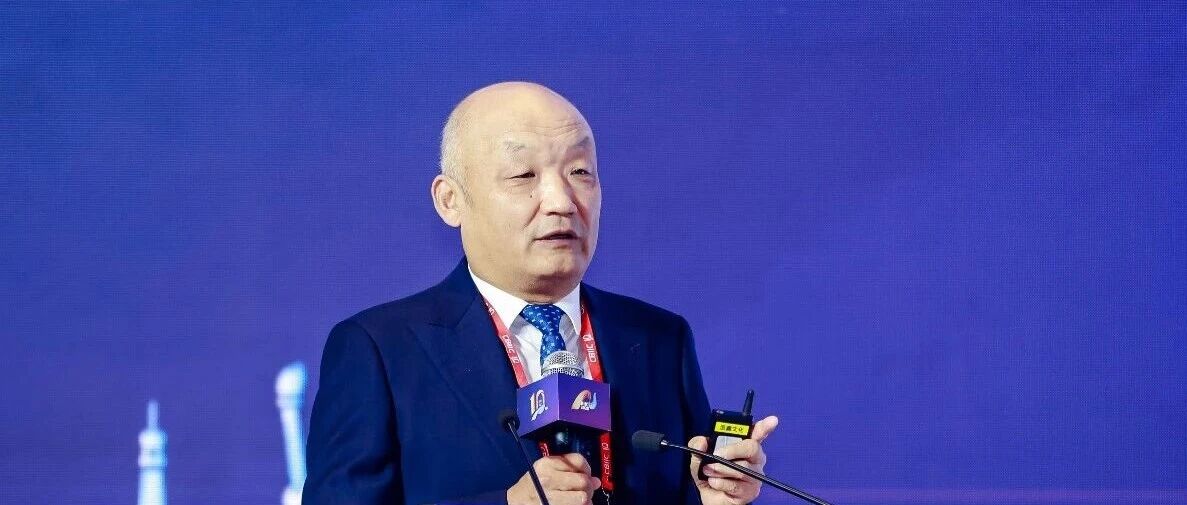
“破壁者”宋瑞霖:乐意为医药创新鼓与呼|我们的四分之一世纪
经济观察报· 2025-12-29 07:46
Core Viewpoint - The article highlights the significant contributions of Song Ruilin to the Chinese pharmaceutical industry over the past 25 years, emphasizing his role as a reformer and advocate for innovation in the sector [3][4][5]. Group 1: Background and Achievements - Song Ruilin, born in 1962, transitioned from a legal background in the State Council to lead the China Pharmaceutical Innovation Promotion Association (CPIA) for 16 years, becoming a key figure in China's pharmaceutical reforms [4][5]. - He played a crucial role in drafting policies that addressed systemic issues in drug approval and patent protection, significantly impacting the pharmaceutical landscape in China [6][19]. - His leadership helped transform the CPIA from a marginal organization into a prominent voice for pharmaceutical innovation, advocating for industry interests and engaging in policy discussions [9][28]. Group 2: Key Events and Contributions - Between 2016 and 2018, Song Ruilin was involved in pivotal reforms, including the issuance of the "Opinions on Deepening the Reform of the Drug Review and Approval System" which aimed to eliminate barriers to pharmaceutical innovation [17][18]. - He identified flaws in the clinical trial system, arguing that the requirement for generic drugs to undergo unnecessary trials delayed innovation by 4 to 5 years compared to international standards [18][20]. - His advocacy for a robust patent protection system was recognized at a high-level meeting, leading to the formal adoption of reforms that aligned with international practices [20][19]. Group 3: International Engagement - The CPIA's membership in the International Federation of Pharmaceutical Manufacturers & Associations (IFPMA) marked a significant step in aligning China's drug regulatory standards with international norms [21][22]. - Song Ruilin's efforts facilitated China's entry into the International Council for Harmonisation (ICH), enhancing the credibility of Chinese pharmaceuticals on the global stage [23][22]. Group 4: Industry Representation and Challenges - As a non-pharmaceutical professional, Song Ruilin's leadership style and willingness to engage in controversial discussions set him apart, often leading to debates over drug pricing and industry regulations [27][26]. - His approach to advocacy emphasizes the importance of understanding industry needs and challenges, positioning the CPIA as a genuine representative of the pharmaceutical sector rather than a mere regulatory body [27][30]. Group 5: Legal and Ethical Standards - Song Ruilin's legal background informs his commitment to evidence-based advocacy, insisting on regulatory compliance and ethical standards in industry practices [34][33]. - His tenure at the CPIA reflects a dedication to transparency and accountability, ensuring that the association operates within legal frameworks while advocating for industry interests [35][37].

医药行业周报(2025/12/22-2025/12/26):本周申万医药生物指数下跌0.2%,关注对外授权及新品上市-20251229
Shenwan Hongyuan Securities· 2025-12-29 06:15
Investment Rating - The report maintains a "positive" outlook on the pharmaceutical industry, despite a recent decline in the index [2]. Core Insights - The pharmaceutical sector saw a slight decline of 0.2% in the recent week, while the Shanghai Composite Index increased by 1.88% [3][5]. - The pharmaceutical index ranked 25th among 31 sub-industries, with a current valuation of 29.2 times earnings, placing it 10th among all primary industries [2][5]. - Key collaborations include: - JAB-23E73, a Pan-KRAS inhibitor developed by 加科思, has secured a partnership with AstraZeneca for exclusive rights outside China, with potential payments reaching up to $20.15 billion [11]. - 阳光诺和 signed a deal for the domestic rights of STC008, receiving an upfront payment of 50 million yuan and a total of 500 million yuan in milestone payments [12]. - 绿叶制药 granted exclusive commercialization rights for three long-acting antipsychotic products to 恩华药业, receiving a non-refundable fee of $20 million [12]. - The sixth batch of medical consumables procurement has been officially launched, indicating a trend of negative growth in the number of pharmacies across the country [13][15]. Summary by Sections Market Performance - The pharmaceutical index decreased by 0.2%, while the broader market indices showed positive growth [3][5]. - Among the sub-sectors, raw materials increased by 2.0%, while other segments like chemical preparations and medical circulation saw declines [5]. Recent Key Events - The report highlights significant business development (BD) activities, including major licensing agreements and product approvals [11][12]. - The sixth batch of centralized procurement for medical consumables has been announced, with a focus on drug-coated balloon and urological intervention products [13]. - The number of pharmacies in China has been declining for four consecutive quarters, with a total of 68.6 million stores reported as of Q3 2025 [15]. Company Dynamics - Notable company activities include 一品红's transfer of shares in Arthrosi to support innovation [18]. - 诺和诺德's oral semaglutide has received FDA approval, marking a significant milestone in obesity treatment [18]. - Recent product approvals include 默克's drug for treating symptomatic giant cell tumors and core medical's heart assist devices [19]. IPO Dynamics - 瑞博生物's IPO application has passed the hearing stage, with a post-investment valuation of 5.02 billion yuan [21]. - 信诺维 has submitted its IPO application, focusing on unmet clinical needs and innovative drug development [24]. - Frontera's IPO application has been accepted, with a post-investment valuation of $528 million [27].
“破壁者”宋瑞霖:乐意为医药创新鼓与呼 | 我们的四分之一世纪
Jing Ji Guan Cha Wang· 2025-12-29 05:49
Core Insights - The article highlights the significant contributions of Song Ruilin to the Chinese pharmaceutical industry over the past 25 years, portraying him as a transformative figure who has bridged gaps between policy and industry needs [4][19]. Group 1: Song Ruilin's Background and Role - Song Ruilin, born in 1962, transitioned from a government role to lead the China Pharmaceutical Innovation Promotion Association (CPIA) for 16 years, becoming a key advocate for pharmaceutical innovation in China [4][19]. - He is recognized for his unique position as a non-pharmaceutical professional leading an industry association, emphasizing the importance of understanding industry challenges [17][19]. Group 2: Key Contributions to Policy and Reform - Song played a crucial role in the drafting of the 2017 policy aimed at reforming drug approval processes, which significantly impacted the pharmaceutical industry by addressing systemic bottlenecks [8][9]. - He highlighted the inefficiencies in clinical trial approvals, advocating for a more streamlined process that could save Chinese pharmaceutical companies 4 to 5 years compared to international standards [9][10]. - His involvement in the introduction of the 18A listing rule on the Hong Kong Stock Exchange in 2018 marked a pivotal moment for Chinese biotech companies, facilitating their access to capital [15][16]. Group 3: Advocacy and Industry Representation - Song's leadership in the CPIA transformed it into a credible voice for the pharmaceutical industry, challenging government policies that were seen as detrimental to market fairness [20][21]. - He emphasized the need for a robust patent protection system to support innovation, arguing that the lack of such a system hindered the growth of the domestic pharmaceutical sector [11][12]. Group 4: International Engagement and Standards - Under Song's leadership, the CPIA joined the International Federation of Pharmaceutical Manufacturers & Associations (IFPMA), aligning China's drug regulatory standards with international norms [12][14]. - His international visits and insights into global pharmaceutical practices have helped bridge the gap between Chinese pharmaceutical companies and international markets [13][14]. Group 5: Personal Philosophy and Future Outlook - Song believes in the importance of open dialogue and constructive criticism, viewing them as essential for the evolution of the pharmaceutical industry [26]. - He remains committed to contributing to policy discussions and reforms, reflecting a sense of responsibility towards the industry's future [23][24].
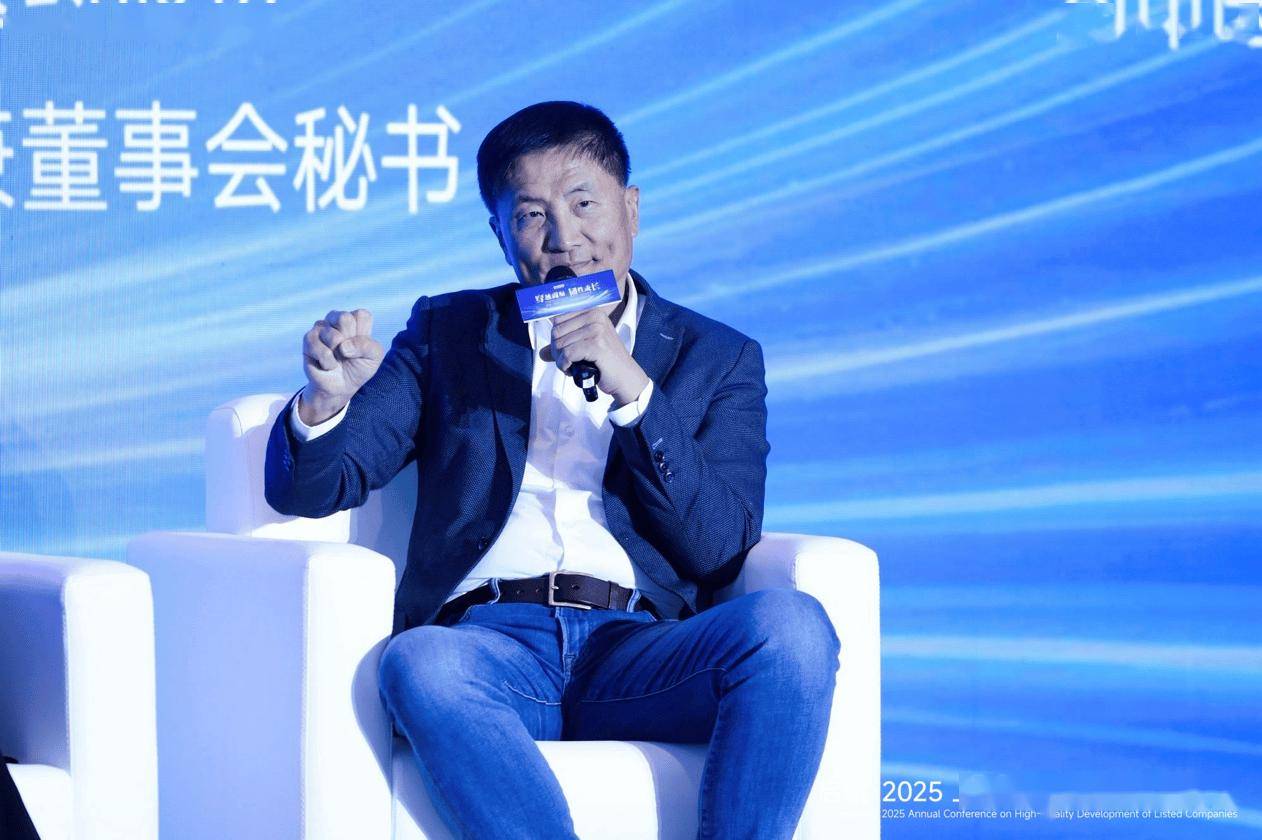
约印医疗基金顾问委员会主席姒亭佑:医疗投资需要保持耐心
Sou Hu Cai Jing· 2025-12-27 02:50
Group 1 - The "2025 Financial Annual Conference" held in Beijing focused on high-quality development of listed companies, emphasizing resilience and growth through cycles, with participation from over 200 listed companies and various industry leaders [1] - The "Golden Intelligence Award" recognized over 140 companies, including Haier Smart Home and Dongpeng Beverage, from more than 8,000 A-share, Hong Kong stock, and Chinese concept stock companies, highlighting their exemplary high-quality development [1] - A roundtable discussion on "New Era of Medicine" addressed key industry trends, including the localization of high-end medical equipment and global development paths, featuring insights from industry leaders and investment representatives [1] Group 2 - The development of the medical industry is an evolving process, with no definitive "best opportunity," and investments should be made with a forward-looking approach rather than chasing trends [3] - The historical context of the domestic pharmaceutical market shows a shift from generics to a focus on innovation, with policy changes impacting company strategies and emphasizing the need to address unmet market demands [3] - Future development directions in the pharmaceutical industry include research on drug resistance, enhancing drug efficacy, improving medication safety, and increasing patient adherence [4] Group 3 - The Chinese pharmaceutical industry is transitioning towards independent innovation, moving away from imitation and rapid following, which has increased market competition risks [5] - Global pharmaceutical companies have established comprehensive innovation ecosystems, and Chinese companies are beginning to adopt similar models, enhancing their innovation capabilities and global market influence [5] - The collaboration models between domestic and international pharmaceutical companies are evolving, reflecting the continuous improvement of China's biopharmaceutical innovation capacity [5] Group 4 - The pace of development in the medical industry remains constant, with changes occurring in market participants and innovation models across different stages [6]
广西造“良药好械美妆”不断走向市场
Guang Xi Ri Bao· 2025-12-26 03:16
药品安全监管方面,广西推动监管机制更好适应医药创新发展需求。政策加持下,2025年广西获国 家药监局批准上市药品10个,其中1个为全球首个仿制药,仿制药品种从"十三五"末的1个增长至42个; 109个第二类医疗器械填补广西空白;3个化妆品新原料通过国家药监局备案,实现零的突破。广西 造"良药好械美妆"正在不断走向市场。 通过综合运用监督检查、抽检监测等强化监管,"十四五"期间,全区实现药品安全事件"零发生", 药品评价性抽检合格率稳定在99%以上。 医药产业促进有力——自治区医疗器械检测中心检测能力覆盖区内生产90%的第二、三类医疗器 械;十米法电磁兼容实验室填补全区大型高端医疗器械检测能力的空白。《广西海洋中药材标准》完成 编制。药物临床试验机构数量从12家增长至54家。2025年,38家区外医药企业入驻重点园区,全区新增 第二类医疗器械注册证472张、普通化妆品备案2266个,分别同比增长11.06%和19.8%。 2025年前三季度,广西还为88个药品、136个医疗器械产品出具出口销售证明,销售额分别同比增 长27.23%和16.25%,更多广西产品首次走出"国门"。(刘冬莲) 12月25日,自治区政府 ...
“十四五”创新药上市交出惠民答卷
Xin Lang Cai Jing· 2025-12-25 01:02
Core Insights - Since the beginning of the 14th Five-Year Plan, China has approved 220 innovative drugs, which is 6.2 times the number approved during the 13th Five-Year Plan, indicating a significant increase in the vitality of the pharmaceutical industry's innovation [1] - The approval of these products has greatly met clinical treatment needs, filling gaps in various therapeutic areas and providing new hope for patients [1] - The rapid approval of numerous innovative drugs marks China's entry into a "fast lane" for innovative drug development, with an increasing number of domestic drugs successfully entering international markets [1] Innovative Drug Approval Trends - The approved innovative drugs during the 14th Five-Year Plan have shown a clear clustering effect, particularly in three main therapeutic areas: anti-tumor drugs and immune modulators, systemic anti-infectives, and gastrointestinal and metabolic drugs [2] - Over 80 anti-tumor innovative drugs have been approved, covering various solid tumors and hematological malignancies, with significant advancements in treatment options for small cell lung cancer and non-small cell lung cancer [3][4] Breakthroughs in Specific Therapeutic Areas - In breast cancer treatment, new drugs have expanded options for hormone receptor-positive and HER2-negative breast cancer, while also introducing targeted therapies for PIK3CA-mutated breast cancer and triple-negative breast cancer [4] - The rapid development of CAR-T therapies has provided more treatment options for hematological malignancies, with several CAR-T cell therapies approved in the past five years [4] - In the field of immune modulators, innovative drugs have significantly advanced treatment options for systemic lupus erythematosus, graft-versus-host disease, and alopecia areata, while also making previously expensive therapies more accessible [5] Systemic Anti-Infectives - More than 40 systemic anti-infective drugs have been approved, including vaccines, allergens, antibiotics, antifungals, and antiviral drugs [6] - The approval of new antibiotics addresses the challenge of highly resistant bacteria, while multiple new drugs for HIV, hepatitis B, and influenza have also been introduced [7] Gastrointestinal and Metabolic Drugs - The newly approved gastrointestinal and metabolic drugs primarily include antidiabetic medications, with a focus on DPP-4 inhibitors, SGLT-2 inhibitors, and GLP-1 receptor agonists [8] - The approval of innovative drugs with new mechanisms, such as glucose kinase activators, marks a significant advancement in diabetes treatment [8] Progress in Traditional Chinese Medicine - During the 14th Five-Year Plan, 28 innovative traditional Chinese medicine products were approved, demonstrating significant progress in the modernization of traditional medicine [9] - These products have undergone large-scale clinical trials, confirming their safety and efficacy across various therapeutic areas [9] Systemic Changes in Pharmaceutical Innovation - The pharmaceutical innovation ecosystem in China has undergone systemic changes, transitioning from a focus on generics to innovation-driven development, supported by reforms in review and approval systems, dynamic negotiations for medical insurance, and centralized procurement policies [10] - China's share of global innovative drug R&D has increased from 4% in 2014 to 30% in 2024, positioning it as the second-largest new drug development country after the United States [10][11] - The industry is expected to continue evolving, with a focus on original innovation and advancements in cutting-edge fields such as cell and gene therapy, bispecific antibodies, and AI drug development [10][11]