Workflow
地缘博弈
icon
Search documents
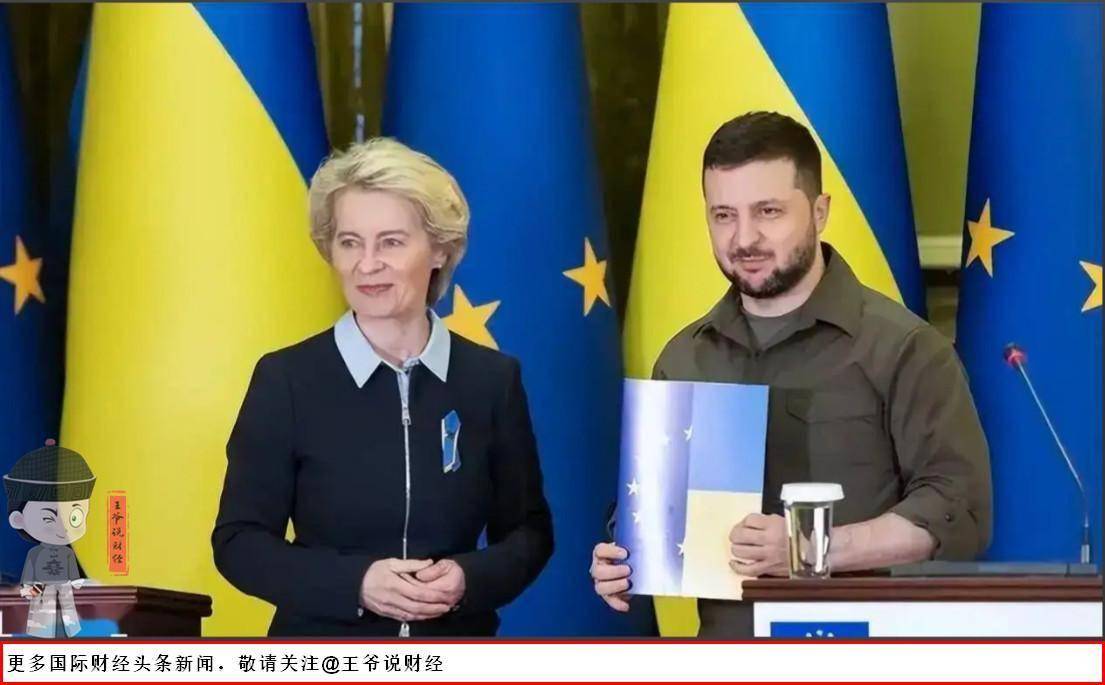
欧盟1850亿砸向乌克兰!欧尔班忍不下去,乌克兰根本赢不了!
Sou Hu Cai Jing· 2025-11-19 10:43
Group 1 - Hungarian Prime Minister Orban stated that Ukraine has no chance of winning against Russia in the ongoing conflict, highlighting a significant shift in the narrative surrounding the war [1] - Orban criticized the European Union for investing €185 billion in Ukraine without altering the war's dynamics, suggesting that this financial support has burdened the EU economically [3] - He emphasized the need to end the war promptly, arguing that the current situation favors Russia [5] Group 2 - Hungary has consistently opposed EU sanctions against Russia and has sought exemptions from U.S. oil sanctions, indicating a divergence in policy within the EU [5][7] - Following a meeting with Trump, Hungary claimed to have received an indefinite exemption from Russian oil and gas import sanctions, although the U.S. government disputes this, stating the exemption is only valid for one year [7] - The upcoming national elections in Hungary may influence Orban's statements, suggesting political motivations behind his comments [9] Group 3 - Orban proposed that Russia and the U.S. should negotiate not only on war issues but also on trade and energy, advocating for independent European communication channels with Russia [10][12] - He suggested a peace agreement that stabilizes borders and establishes demilitarized zones, acknowledging that Russia is likely to maintain control over eastern Ukraine [13][15] - Orban dismissed concerns about Russia attacking other European or NATO countries, arguing that such fears are unfounded due to Russia's lack of capability [16] Group 4 - Orban expressed a focus on the future of European citizens, including Hungarians, and the need for a new security framework, indicating that the geopolitical landscape is complex and multifaceted [18] - The implications of border delineation, energy security, and economic development are closely tied to the daily lives of individuals, emphasizing the importance of prioritizing peace and livelihood in negotiations [20]
北溪破坏行动背后真凶曝光,欧洲 170 亿援助打水漂,民众彻底怒了
Sou Hu Cai Jing· 2025-11-16 12:45
Core Insights - The investigation into the Nord Stream pipeline explosion has identified a Ukrainian diver as a suspect, which could challenge Europe's existing stance on the Russia-Ukraine conflict [1] - The findings contrast sharply with earlier narratives that suggested Western involvement, prompting a reevaluation of the incident's truth across European nations [1] Group 1: Political Pressure in Germany - The German government, as a direct victim of the Nord Stream incident, is facing significant domestic political pressure, with opposition parties criticizing the ruling coalition's ongoing support for Ukraine amid rising energy prices [3] - There is a growing call within Germany to reassess the scale of aid to Ukraine, reflecting similar sentiments in other European countries where discussions about "stopping funding the war in Ukraine" are gaining traction [3] Group 2: Dilemma in European Support for Ukraine - Europe is caught in a dilemma regarding support for Ukraine; halting aid could lead to a short-term Russian military victory, while continued support imposes high economic costs on Europe [5] - Ukraine's military spending has exceeded 50% of its GDP, and its fiscal situation is unsustainable, complicating Europe's ability to provide further assistance amidst its own economic challenges [5] - Some European politicians have proposed using Russian assets in Europe or issuing joint bonds to fund aid, but legal and political obstacles hinder these proposals, as seen with Belgium's opposition [5] Group 3: Geopolitical Implications - The aid to Ukraine has evolved into a critical factor affecting European internal unity and strategic autonomy, especially as the U.S. shifts its approach to funding Ukraine through NATO arms sales [7] - Germany's political climate is pivotal; a reduction in aid from Germany could destabilize the entire European support framework for Ukraine [7] Group 4: Historical Context and Future Outlook - Historically, Europe played a leading role in mediating the Russia-Ukraine issue through agreements like the Minsk Accords, but U.S. involvement has diminished Europe's negotiating power [9] - For Europe to regain control, it must balance support for Ukraine with its own interests, a challenging task given internal divisions over energy and fiscal policies [9] - In the short term, Europe may have to choose between anti-war sentiments and strategic security, while the long-term outcome of the conflict may be dictated by U.S. and Russian actions if Europe fails to unify [11] - The investigation's results are seen as a potential catalyst for significant changes in European aid policies towards Ukraine [11] Group 5: Energy Prices and Decision-Making - As winter approaches, rising energy prices and anti-war sentiments may intensify, directly influencing government decisions across Europe regarding the Ukraine crisis [12] - The ability of Europe to navigate security and autonomy amidst great power competition remains uncertain [12]
大宗商品:图说大宗:地缘博弈风险上升
2025-11-11 01:01
Summary of Key Points from the Conference Call Industry Overview - **Industry Focus**: The report primarily discusses the commodities market, with a specific focus on oil and soybean markets, amidst rising geopolitical risks [5][16]. Core Insights and Arguments Macroeconomic Context - **China's 14th Five-Year Plan**: The recent discussions highlighted advancements in technological innovation, adjustments in the real estate sector, and significant geopolitical changes. The new plan emphasizes the importance of technology, expanding domestic demand, and enhancing openness [3]. - **U.S. Economic Indicators**: The U.S. WEI index shows signs of recovery, suggesting a potential GDP growth rate of over 3% in Q3. However, employment levels remain low due to structural changes in hiring needs [4]. Oil Market Dynamics - **Sanctions on Russian Oil**: The U.S. and EU have intensified sanctions against Russian oil companies, significantly impacting oil supply dynamics. The U.S. has sanctioned 75% of Russian oil supplies, with a notable impact on Asian markets, particularly India [5]. - **Price Movements**: Following the sanctions, Brent crude oil prices surged approximately 7% to around $65 per barrel. The market is still cautious about fully pricing in the risks associated with Russian oil supply disruptions [9]. - **Supply Outlook**: The report anticipates a global oil supply surplus of about 1.7 million barrels per day in Q4 2025, with Brent prices expected to remain in the range of $65-$70 per barrel unless significant supply shocks occur [10]. Soybean Market Insights - **Price Volatility**: The soybean market is experiencing increased price fluctuations due to uncertainties in U.S.-China trade policies. Recent data indicates strong domestic demand for U.S. soybeans, alleviating concerns over export demand [6][16]. - **Trade Negotiations**: The upcoming U.S.-China trade negotiations are expected to influence soybean pricing significantly, with current expectations of tight supply in the first quarter of 2026 [16]. Commodity Price Movements - **Recent Price Changes**: Over the past two weeks, various commodities have shown significant price changes, with domestic thermal coal increasing by 9.3% and iron ore decreasing by 1.5% [7][20]. - **Black Metal Sector**: The black metal sector is facing mixed signals, with steel inventory levels shifting from accumulation to depletion, indicating potential demand recovery [11][12]. Geopolitical Risks - **Geopolitical Tensions**: The report emphasizes the rising geopolitical risks affecting commodity markets, particularly in energy and agricultural sectors, which could lead to increased volatility and price adjustments [5][9]. Other Important Insights - **Market Sentiment**: The overall market sentiment remains cautious, with traders awaiting clearer signals from geopolitical developments and trade negotiations [9][18]. - **Long-term Trends**: The report suggests that while immediate price movements are influenced by geopolitical events, long-term trends will depend on structural changes in supply and demand dynamics across various commodities [12][15]. This summary encapsulates the key points discussed in the conference call, providing a comprehensive overview of the current state and outlook of the commodities market, particularly focusing on oil and soybeans amidst geopolitical uncertainties.
综合晨报-20251029
Guo Tou Qi Huo· 2025-10-29 02:24
Group 1: Energy - International oil prices fell overnight, with Brent's December contract down 1.96%. Considering geopolitical games, the easing of Sino - US trade frictions, and OPEC+ production increases, the upside for oil price rebounds is limited. A strategy combining short positions in crude oil and out - of - the - money call options is recommended [2] - Precious metals continued to decline overnight. With the easing of trade tensions and the upcoming meeting on a cease - fire plan, short - term safe - haven sentiment has cooled. Wait patiently for stabilization before participation, and focus on the Fed's interest - rate meeting [3] Group 2: Base Metals - Copper prices showed resilience overnight. Supply disruptions and a high gold - to - copper ratio support copper prices. There is still potential in the volume and price of Shanghai copper. Pay attention to the callback range and buy on dips [4] - Shanghai aluminum rebounded slightly overnight. Short - term macro - positive sentiment dominates, but the fundamental resonance is limited. Be cautious about the upside [5] - For cast aluminum alloy, scrap aluminum sources are tight, and tax policy adjustment expectations increase costs. However, with high industry inventories and exchange warehouse receipts, it follows aluminum prices and has no independent market [6] - Alumina has a high operating capacity and rising inventory. The supply - surplus pattern remains unchanged. It is mainly in a weak operation [7] - Zinc smelters in China are actively operating, and as winter storage approaches, TC for both domestic and foreign mines has decreased. The opening of the spot export window and low LME inventories support its strong performance, pulling up the Shanghai zinc market. It is expected to fluctuate between 21,500 - 22,500 yuan/ton [8] - The demand for lead has weakened as downstream battery enterprises are less accepting of high prices. The fundamentals of lead are turning weak. Long - position holders should exit on rallies [9] - Nickel prices are in a weak operation. The nickel industry chain is constrained by over - supply, and downstream demand is cautious. The price center is likely to move down [10] - Tin prices oscillated higher overnight. In the medium - to - long - term, supply - disturbing factors have eased. Tin prices follow copper prices, and a small short position can be tentatively established [11] Group 3: Industrial Metals and Alloys - The price of lithium carbonate pulled back after rising. The futures price is strengthening, and it is expected to fluctuate strongly in the short term. Attention should be paid to the sustainability of actual inventory and policy increments [12] - After the release of positive factors for polysilicon listed companies, the upward momentum on the disk is under pressure. There is a risk of a callback in the short term without new policy support [13] - Industrial silicon futures fell slightly. There is a risk of inventory accumulation, but there are expectations of supply improvement in November. The disk is expected to oscillate in the short term [14] Group 4: Steel and Iron Ore - Steel prices rebounded overnight. The demand for rebar is improving, and the demand for hot - rolled coils is rising. However, the downstream's ability to absorb is insufficient, and the negative feedback pressure in the industry chain remains. The price rebound is restricted by weak demand expectations [15] - Iron ore prices rebounded overnight. The supply is increasing, and the demand is under pressure due to factors such as the decline in hot - metal production. It is expected to oscillate at a high level [16] Group 5: Coal - Related Products - Coke prices rose during the day. The second round of price increases has been fully implemented, but coking profits are average. The price may be more likely to rise than fall [17] - Coking coal prices rose during the day. Although there is a short - term impact on hot - metal production, the overall supply of carbon elements is abundant. The price may be more likely to rise than fall [18] - Manganese silicon prices oscillated. The demand is affected by the possible decline in hot - metal production. The price follows the trend of steel [19] - Silicon iron prices oscillated. The overall demand is acceptable, and the price follows the trend of steel [20] Group 6: Shipping - The spot market quotes for the container shipping index (European line) have been lowered, suppressing market sentiment. The disk may oscillate in the near term, and it is recommended to build positions on dips [21] Group 7: Fuels and Asphalt - Fuel oil prices fell overnight. High - sulfur fuel oil is supported in the short term but faces a supply - surplus situation in the medium term. Low - sulfur fuel oil has weak fundamentals but may get some support from geopolitical factors and winter power - generation demand [22] - The planned production of asphalt in November is significantly lower. The "peak - season" demand is weaker than expected, and the upward space for prices is limited [23] Group 8: Liquefied Petroleum Gas and Chemicals - The price of liquefied petroleum gas has been boosted by the improvement in fundamentals, such as reduced supply and increased demand [24] - Urea prices pulled back. The supply - surplus situation persists, but there may be a phased rebound after the price drops to a low level [25] - Methanol futures prices continued to fall. The port inventory is under pressure, and the market is likely to oscillate at a low level [26] - Pure benzene prices continued to fall overnight. The mid - term pressure comes from high imports. A reverse - spread strategy on the monthly spread is recommended [27] - Styrene prices are under long - term pressure due to high inventory in the industry chain [28] - The supply pressure of polypropylene, polyethylene, and propylene is difficult to ease. The impact on prices is limited [29] - PVC prices fluctuate narrowly. The fundamentals are weak, and it may operate in a bottom - range. Caustic soda prices continue to weaken, and the supply pressure is high [30] - PX and PTA prices fell slightly. The supply pressure is large, and a reverse - spread strategy is recommended in the medium term [31] - Ethylene glycol production is increasing. There is a mid - term inventory - accumulation expectation. Short positions can be established on price increases [32] - Short - fiber and bottle - chip prices are mainly driven by cost. Short - fiber may accumulate inventory again, and bottle - chip processing margins are under pressure [33] Group 9: Building Materials - Glass prices rose slightly. The spot market in Shahe shows marginal improvement. The price decline is expected to be limited at present [34] - For natural rubber and its derivatives, demand is gradually recovering, but supply pressure is large. Market sentiment is weak. A wait - and - see strategy is recommended, and attention can be paid to cross - variety arbitrage opportunities [35] - Soda ash costs are rising, and supply is increasing slightly. A high - short strategy is recommended after a price rebound [36] Group 10: Agricultural Products - US soybeans and domestic soybean meal prices rose due to the easing of Sino - US trade tensions. Wait and see for now and look for long - position opportunities after the Sino - US trade issue is resolved [37] - Soybean oil and palm oil prices are affected by trade expectations and supply - demand factors. In the long term, it is recommended to go long on vegetable oils on dips [38] - Rapeseed and rapeseed oil prices are affected by factors such as Sino - Australian relations and Russian exports. Rapeseed meal prices may rebound in the short term, while rapeseed oil prices are under pressure [39] - Soybean No. 1 prices rose rapidly from a low level. Pay attention to the performance of imported soybeans and domestic policies [40] - Corn prices are under pressure due to the continuous supply of new grain. Dalian corn may continue to operate weakly at the bottom [41] - Live - hog futures prices weakened significantly, while spot prices rose. After the price rebound, a short - selling strategy on rallies is recommended [42] - Egg prices failed to continue rising. It is recommended to try short positions at high prices [43] - Cotton prices are supported by the increase in new - cotton costs. The short - term price increase is a rebound with limited space. Wait and see for now [44] - Sugar prices are under pressure due to sufficient international supply. In China, the focus is on the new - season production estimate [45] - Apple prices are relatively strong. High - quality apples have stable prices, but low - quality apples may face inventory pressure [46] - Wood prices are weak. Low inventory provides strong support. Wait and see for now [47] - Pulp prices may oscillate in a bottom - range. The supply is relatively loose, and the demand is average [48] Group 11: Financial Products - A - share stocks oscillated and sorted. The macro - level uncertainty is reduced, but funds are still cautious. Focus on technology - growth sectors for asset allocation [49] - Treasury futures rose across the board. The Fed's policy direction is uncertain, and the domestic bond market is in a repair stage [50]
国投期货能源日报-20251028
Guo Tou Qi Huo· 2025-10-28 14:47
Report Industry Investment Ratings - Crude oil: ☆☆☆ (judged as a more distinct short - term bearish trend with appropriate investment opportunities) [1][6] - Fuel oil: ☆☆☆ (judged as a more distinct short - term bearish trend with appropriate investment opportunities) [1][6] - Low - sulfur fuel oil: Not explicitly rated - Asphalt: ☆☆☆ (judged as a more distinct short - term bearish trend with appropriate investment opportunities) [1][6] - Liquefied petroleum gas: Not explicitly rated Core Viewpoints - The rebound space of oil prices is limited, and a strategy combination of shorting crude oil and buying out - of - the - money call options should be considered [2] - High - sulfur fuel oil is relatively strong in the short - term but may face a more abundant supply in the medium - term; low - sulfur fuel oil is expected to continue weak oscillations but its crack spread may get some support [3] - The "peak season" demand of asphalt is weaker than expected, and the medium - and long - term expectation of slower inventory reduction restricts its upside [3] - The fundamentals of liquefied petroleum gas have marginally improved, providing short - term support [4] Summaries by Directory Crude Oil - Since the fourth quarter, global petroleum inventories have increased by 1.8%, with crude oil inventories up 3.5% and refined oil inventories down 1.1% [2] - The joint escalation of sanctions on Russia by Europe and the US and the optimistic signals from the China - US - Malaysia talks supported the rebound of crude oil, but the easing of China - US trade game restricts the intensity of sanctions on sensitive oil and the upper limit of supply reduction. Considering the continuous inventory build - up pressure under OPEC+ continuous production increase, the rebound space of oil prices is limited [2] Fuel Oil & Low - Sulfur Fuel Oil - After two days of geopolitically - driven increases, the market sentiment has been digested, and fuel oil prices declined with the cost side today [3] - In the short - term, high - sulfur fuel oil is supported by the expected reduction in Russian exports and domestic feedstock demand under crude oil quota constraints, but the actual implementation of Russian export reduction needs attention. In the medium - term, supply tends to be abundant [3] - The fundamentals of low - sulfur fuel oil are weak, with abundant overseas supply and high Asian arrivals. However, geopolitical factors may support it through the diesel market, and the crack spread may get some support in the fourth quarter [3] Asphalt - The BU2601 contract faced pressure near 3300 yuan/ton, and other contracts also entered a volatile trend [3] - In November, the planned production of refineries nationwide decreased significantly year - on - year and month - on - month. Terminal demand was blocked in the north due to cooling, improved in the south due to better weather, and was average in Shandong. The high year - on - year growth rate of shipments since October is hard to sustain [3] - The overall commercial inventory decreased month - on - month, and the "peak season" demand was weaker than expected, restricting the upside of asphalt [3] Liquefied Petroleum Gas - LPG futures continued to oscillate today. The external price stabilized and rebounded, the commodity volume and import arrivals decreased, and demand increased due to improved chemical profits and cold weather. Port storage capacity utilization decreased by 3.3%, and refinery storage capacity utilization decreased slightly by 0.4% [4] - The marginal improvement in fundamentals provides short - term support for LPG [4]
中国制霸全球的造船业,造船的背后比你远想的要大!
Sou Hu Cai Jing· 2025-10-28 14:37
Core Insights - The shipbuilding industry is crucial for global trade, with China emerging as a dominant player in just over two decades, leveraging low costs and rapid production capabilities [2][4][11] Industry Development - In 2000, China's shipbuilding output was less than 5% of the global total, primarily relying on foreign leftovers, while Japan and South Korea were the leaders [4] - After joining the WTO in 2001, China's export trade surged, leading the government to designate shipbuilding as a strategic pillar industry, investing heavily in state-owned shipyards and technology upgrades [4][11] - From 2010 to 2018, China invested $132 billion in subsidies, resulting in a production output that surpassed South Korea by 2020, accounting for 50% of global shipbuilding [4][5] Market Position - By 2024, China's shipbuilding output is projected to reach 53.3% of the global total, with new orders at 57% and a backlog of orders at 59% [4] - The cost advantage is significant, with a 23,000 TEU container ship priced at $60 million in China compared to $330 million in the U.S., highlighting a labor cost that is one-fourth of that in the U.S. [7] Supply Chain and Ecosystem - The shipbuilding sector supports over 50 industries and 200 suppliers, indicating its role as a key component of the industrial ecosystem [5] - Chinese shipyards not only produce vessels but also provide comprehensive services, including port construction and maintenance, creating a robust maritime ecosystem [7] Geopolitical Implications - Control over shipbuilding translates to influence over global trade rules, with China actively pursuing international green shipping standards [9] - The Belt and Road Initiative has strengthened China's maritime network, positioning it as a rule-maker rather than just a participant in global trade [9][13] Competitive Landscape - The U.S. shipbuilding industry has significantly declined, producing only 0.1% of global commercial vessels, while China continues to dominate with over 3,000 vessels annually [11] - European companies are increasingly reliant on Chinese shipyards, fearing monopolization while being unable to disengage [11] Future Outlook - China's shipbuilding industry is transitioning from mass production to strategic industries, embedding high-end equipment and aiming to shape global maritime industrial standards [13]
波兰封边境卡千亿中欧班列:300 列货车滞留,欧洲供应链要崩?
Sou Hu Cai Jing· 2025-10-15 02:38
Core Insights - The closure of the Poland-Belarus border has severely disrupted the Central European freight transport, with over 300 freight trains currently stalled, impacting trade significantly [2] - The situation has forced companies, particularly in the automotive sector, to resort to air freight for essential components, leading to an eightfold increase in costs, which will ultimately be passed on to consumers [3] - Poland's actions appear contradictory, as it seeks to export agricultural products to China while simultaneously blocking freight trains, indicating a geopolitical maneuvering [3] Group 1: Impact on Trade and Logistics - The Malashevich hub, a critical point for Central European freight, is paralyzed due to the border closure, with a backlog of goods expected to take three to four weeks to clear [2] - Companies relying on timely deliveries are facing significant challenges, with some forced to switch to sea freight, extending delivery times from 30 to 45 days [3] - The European Chamber of Commerce has warned that supply chain disruptions have already increased costs by 15%, with further delays likely to exacerbate the situation [3] Group 2: Company Responses and Strategic Adjustments - Companies that previously relied heavily on a single transport route are now scrambling to adapt, highlighting the risks of over-reliance on one supply chain [3] - BYD has established a factory in Hungary, allowing it to supply 80% of its European market locally, thus avoiding the current disruptions [3] - The ongoing situation serves as a wake-up call for many businesses to diversify their logistics strategies to mitigate future risks [3]
中国买阿根廷大豆后,美国着急了,全球范围找买家,印度要遭殃
Sou Hu Cai Jing· 2025-10-08 04:44
Group 1 - The core point of the article highlights a significant geopolitical shift in the agricultural market, particularly regarding China's large-scale soybean purchases from Argentina, which has caught the U.S. off guard [1][3][20] - Argentina's government announced the cancellation of soybean export tariffs on September 22, leading to a decrease in export costs and making it more attractive for buyers like China [3][5] - This shift allows Argentina to capture market share that was previously dominated by the U.S., indicating a change in the dynamics of international agricultural trade [5][7] Group 2 - The U.S. has historically been a major supplier in the global soybean market, relying on a stable trade relationship with China, which is now under threat due to political factors [3][9] - Following the tariff cancellation, U.S. soybean farmers are experiencing pressure from inventory buildup, price drops, and reduced export orders, prompting the government to seek alternative buyers globally [9][11] - The U.S. government is attempting to mitigate the situation through financial subsidies for farmers, but this is only a temporary solution and does not address the underlying issues [11][18] Group 3 - India has emerged as a potential market for U.S. soybeans, but its unique agricultural landscape and strong domestic production create challenges for large-scale imports [14][16] - The Indian government is cautious about importing U.S. soybeans due to potential negative impacts on local farmers and the economy, as well as previous experiences with agricultural market reforms that faced significant backlash [16][18] - The article emphasizes that political interventions in trade can lead to unintended consequences, as seen in the current soybean market dynamics, where the U.S. attempts to pressure China have backfired [20][26][28]
莫迪开出条件,不买俄油可以,但要“二换一”,这回美国没话说了
Sou Hu Cai Jing· 2025-09-29 04:33
Core Viewpoint - The article discusses the strategic energy exchange proposal by India in response to the U.S. imposing tariffs and demanding a halt to Russian oil imports, highlighting the complexities of international trade and diplomacy in the context of energy security and geopolitical power dynamics [2][4]. Group 1: Energy Dependency and Economic Impact - India, as the world's third-largest crude oil importer, relies on foreign supplies for 83% of its oil needs, with Russian oil becoming crucial during the Russia-Ukraine conflict, providing a discount of 30% below market prices [4]. - The share of Russian oil in India's total imports surged from 2% before the conflict to 35% in the 2023-2024 fiscal year, helping to stabilize inflation at a reasonable rate of 5.7% [4]. Group 2: Diplomatic Strategy - India's Foreign Minister's statement emphasizes the country's long-standing philosophy of strategic autonomy, rejecting third-party approval for its international relationships [6]. - India cleverly turned the tables on the U.S. by suggesting that it would comply with U.S. demands only if sanctions on Iran and Venezuela were lifted, exposing the contradictions in U.S. sanctions policies [6][8]. Group 3: Global Trade Dynamics - The article highlights the contradiction in Western policies, noting that in 2024, bilateral trade between the U.S. and Europe with Russia still reached €60 billion, while U.S. companies continued to import Russian nuclear fuel and rare metals [8]. - The ongoing geopolitical struggle reflects a significant shift in global power dynamics, with emerging economies like India and China reshaping energy pricing and trade practices [11]. Group 4: Ripple Effects and Emerging Trends - India's actions are prompting other countries to explore alternative trade practices, such as Brazil using local currencies for oil trade and Indonesia establishing an energy payment system that bypasses SWIFT [13][15][17]. - The article concludes that economic interdependence has become a powerful tool in 21st-century geopolitical contests, signaling the end of the unipolar era and the emergence of a more democratic global governance system [18].
稀土2582吨背后:欧盟制裁令下中企的生死局
Sou Hu Cai Jing· 2025-09-28 08:13
Group 1 - The European Union (EU) is heavily reliant on Chinese rare earth materials, with a dependency rate of 98% for its renewable energy industry, which includes critical components for electric vehicles and wind turbines [3][5] - In August 2023, China exported 2,582 tons of rare earth magnets to Europe, marking a 21% month-on-month increase, highlighting the growing importance of these materials in the global supply chain [3][5] - The EU has invested €12 billion to create a "European Rare Earth Alliance" aiming to reduce its external dependency to 65% by 2030, but faces significant challenges due to high production costs and lack of refining technology [3][5] Group 2 - The EU's recent sanctions against 12 Chinese companies, accused of aiding Russia in evading oil sanctions, could disrupt trade worth over €8 billion annually, threatening jobs in the European automotive and renewable energy sectors [5][7] - If rare earth supplies from China are interrupted, the EU could face a shortage lasting 18-24 months, with costs potentially rising by 25%-40% [5][7] - The political maneuvering by the EU, while simultaneously relying on Chinese rare earths, creates a paradox that could lead to a trust crisis in the global supply chain [7][9] Group 3 - China has previously responded to geopolitical tensions by restricting rare earth exports, as seen with Lithuania, which experienced a 40% drop in imports and a 15% increase in domestic costs [7] - The ongoing geopolitical tensions and sanctions could lead to a re-evaluation of the relationship between the EU and China, particularly in sectors like renewable energy, 5G, and AI, where both parties have mutual interests [7][9] - The current situation reflects deeper contradictions in global supply chain dynamics, where political calculations may undermine long-term market stability and cooperation [9]