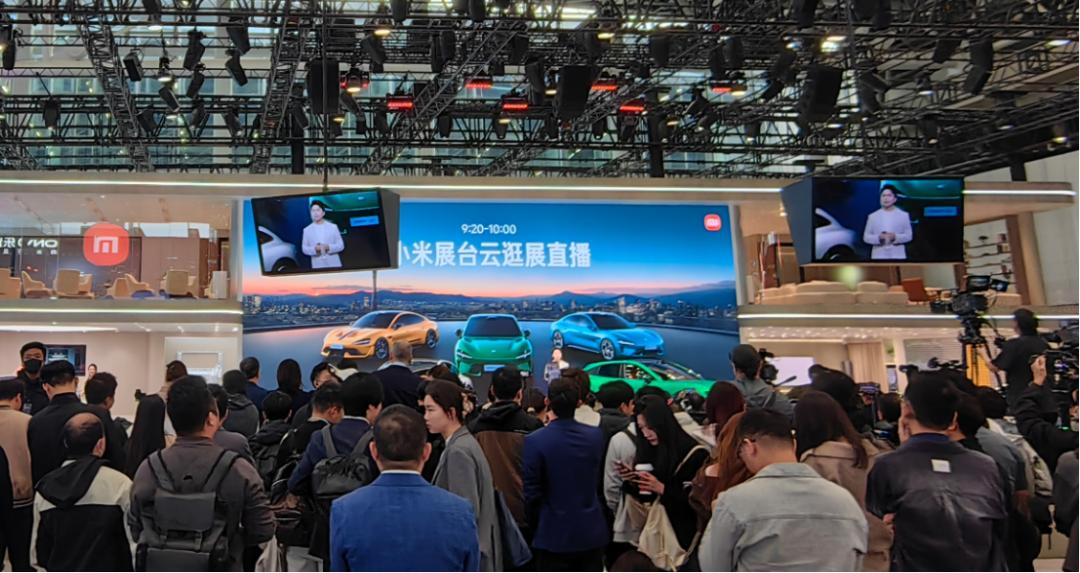
增程技术

Search documents
小鹏X9超级增程搭载华为「心脏」,小鹏副总裁表态:未来合作无上限
雷峰网· 2025-12-04 00:41
Core Viewpoint - The collaboration between Xiaopeng and Huawei focuses on enhancing range extender technology to align with the user experience of pure electric vehicles, aiming to eliminate range anxiety and improve charging efficiency [5][9]. Group 1: Collaboration Details - Xiaopeng and Huawei's partnership has led to the launch of the Xiaopeng X9 Super Range Extender, which features Huawei's DriveONE high-integrated high-voltage oil-cooled generator [2][4]. - This is the second formal technical collaboration in 2023, following the release of the AR-HUD system in June [4]. - The collaboration aims to address four major issues in traditional range extender systems: layout space, endurance, efficiency, and seamless operation [6]. Group 2: Technical Innovations - The new range extender system integrates the generator and electronic control components to optimize space in the vehicle's front compartment, achieving an 82-in-1 component design [6]. - Huawei's innovative "stacked waterfall oil cooling" architecture improves generator efficiency by 1%, which translates to an additional 16 kilometers of range when the fuel tank is nearly empty [7][9]. - By 2027, the goal is to achieve charging speeds of less than 10 minutes, potentially even under 5 minutes, to match the refueling speed of traditional fuel vehicles [9]. Group 3: Future Projections - Wang Chao from Huawei predicts that by 2027, range extender products could achieve a range of 2000 kilometers [10]. - The collaboration is characterized by a high level of trust and commitment to pushing technological boundaries, with both teams striving to meet challenging performance standards [10][18]. Group 4: Market Positioning - Xiaopeng emphasizes its commitment to self-research while recognizing the importance of strategic partnerships, particularly with Huawei, to enhance product capabilities [13]. - The collaboration is expected to evolve further, with potential expansions into powertrains and performance domains, contingent on improving user experience [13].


今日新闻丨小鹏联手华为推出下一代增程发电机!线控转向新国标发布!新款蓝电E5 Plus上市,限时权益价11.98万元!
电动车公社· 2025-12-03 16:05
Group 1 - The new model Blue Electric E5 Plus has been launched with a limited-time price of 119,800 yuan, with two variants priced at 139,800 yuan [1][2] - The vehicle dimensions are 4760mm in length, 1865mm in width, 1710mm in height, and a wheelbase of 2785mm, positioning it as a mid-size SUV [4] - The interior features a three-spoke steering wheel, a floating central control screen, and various tech-oriented configurations, including wireless charging and optional accessories like a bed and electric stove [6] Group 2 - Xiaopeng Motors has partnered with Huawei to launch the next-generation range extender generator, which boasts an efficiency of over 92% and improved heat dissipation [11][13] - The new national standard for steer-by-wire (SBW) and electric power steering (EPS) has been released, removing mandatory mechanical connections, thus providing a regulatory framework for future developments in this technology [14][16]

借华为技术背书 小鹏补增程短板
Jing Ji Guan Cha Wang· 2025-12-03 08:35
Core Insights - Xiaopeng Motors and Huawei jointly announced the global launch of the Xiaopeng X9 Super Extended Range vehicle, featuring Huawei's DriveONE all-in-one high-pressure oil-cooled generator [2][3] - The decision to enter the extended range vehicle market comes after internal discussions at Xiaopeng Motors, driven by disappointing sales of their pure electric models [3][4] Group 1: Product Launch and Technology - The Xiaopeng X9 is the company's first extended range model, despite previous statements from CEO He Xiaopeng indicating a focus on pure electric and smart technology [2][3] - The X9's extended range system aims to address common issues in extended range vehicles, such as weak high-speed power and high noise levels, but its core product strength is perceived as a "large battery + large fuel tank" configuration [3][4] Group 2: Market Position and Challenges - Xiaopeng's pure electric version of the X9 has seen monthly sales of only around a thousand units, leading to a decline in average selling prices and damage to the brand's high-end image [2][3] - The company faces skepticism regarding its ability to develop leading extended range technology in a short timeframe, especially compared to competitors like Denza and Lantu, which have been in the market longer [3][4] Group 3: Technical Specifications - The DriveONE generator boasts an industry-leading continuous power density of 1.88 kW/kg and a power generation efficiency of ≥92%, allowing the X9 to achieve a low energy consumption of 16.5 kWh per 100 km under CLTC conditions [4] - The collaboration has resulted in the first mass-produced "GCU control precise active cylinder deactivation" technology, which minimizes noise levels, enhancing the driving experience to be closer to that of pure electric vehicles [4]
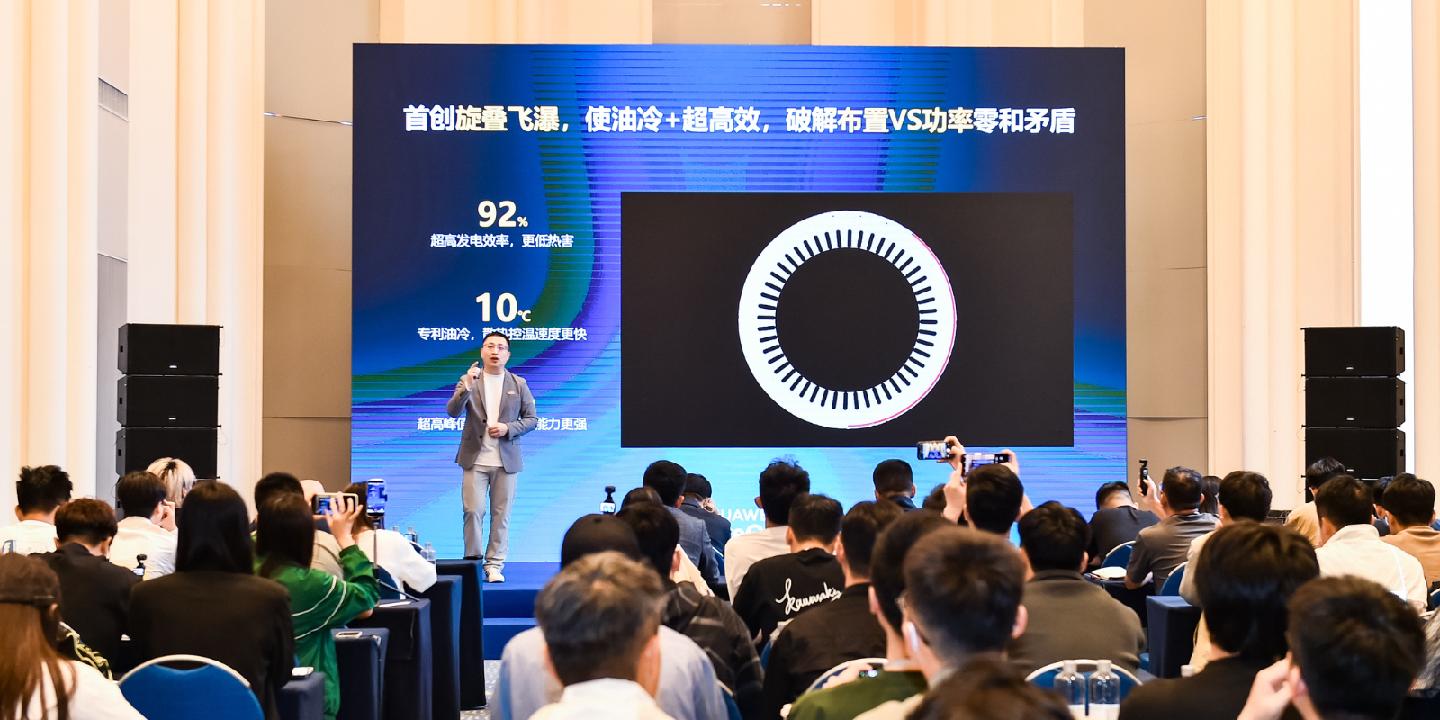
小鹏X9超级增程首搭华为DriveONE下一代增程发电机 工况发电效率超92%
Feng Huang Wang· 2025-12-03 07:56
Core Viewpoint - Xiaopeng Motors and Huawei jointly launched the Xiaopeng X9 Super Extended Range model, featuring Huawei's DriveONE high-integration high-voltage oil-cooled generator, marking a significant advancement in extended range technology [1] Technology Highlights - The generator has a continuous power density of 1.88 kW/kg and an operational efficiency of no less than 92%, specifically customized for Xiaopeng's high-voltage platform [1] - The generator utilizes multi-slice oil cooling technology for miniaturization, with a Y-axis dimension compressed to under 230 mm, combined with front cabin integrated die-casting technology to save space [1] - It is equipped with a 1.5T range extender, providing a maximum power output of 85 kW and a continuous power output of 75 kW, capable of supporting the vehicle at a cruising speed of 150 km/h without running out of power [1] Noise and Vibration Control - The collaboration addresses noise and vibration issues through active cylinder deactivation technology and joint tuning, reducing start-stop vibration by 60% and controlling range extender noise to within 0.5 decibels [1] Performance Metrics - The Xiaopeng X9 Super Extended Range model boasts a CLTC comprehensive range of 1602 kilometers and a fuel consumption of 2.53 liters per 100 kilometers [1] - The partnership aims to resolve industry pain points related to energy replenishment efficiency, power generation, and quietness in traditional range extender systems, promoting a "seamless" experience in extended range technology [1]
昨夜,全线上涨!芯片股,再爆发!
Zheng Quan Shi Bao· 2025-12-03 00:13
Market Overview - The US stock market saw a slight increase on December 2, with the Dow Jones Industrial Average rising by 0.39% to 47,474.46 points, the S&P 500 up by 0.25% to 6,829.37 points, and the Nasdaq gaining 0.59% to 23,413.67 points [2] Semiconductor Sector - The semiconductor sector experienced a notable rise, with the Philadelphia Semiconductor Index increasing by 1.83%. Intel's stock surged over 8%, reaching a new high for the year [7][8] - Other semiconductor stocks also performed well, with NXP Semiconductors rising nearly 8%, Microchip Technology up over 6%, and Texas Instruments and Applied Materials both increasing by over 4% [8] Airline Industry - The airline sector saw collective gains, with United Airlines rising over 3%, American Airlines up more than 2%, Southwest Airlines increasing nearly 2%, and Delta Airlines gaining over 1% [4] Chinese Stocks - Chinese stocks listed in the US mostly declined, with the Nasdaq Golden Dragon China Index falling by 0.65%. Notable declines included a drop of over 17% for Linklogis and nearly 8% for XPeng Motors [5][6] - Conversely, some Chinese stocks saw gains, such as Wanwu Xingsheng rising over 6% and Atour increasing by more than 5% [6] Energy Sector - The energy sector faced a downturn, with major companies like ExxonMobil, Chevron, and ConocoPhillips all experiencing declines of over 1% [4]


昨夜,全线上涨!芯片股,再爆发!
证券时报· 2025-12-03 00:07
Market Overview - The US stock market saw a slight increase on December 2, with the Dow Jones Industrial Average rising by 0.39% to 47,474.46 points, the S&P 500 up by 0.25% to 6,829.37 points, and the Nasdaq gaining 0.59% to 23,413.67 points [4][3]. Sector Performance - Semiconductor stocks generally rose, with the Philadelphia Semiconductor Index increasing by 1.83%. Intel's stock surged over 8%, reaching a new high for the year [2][13]. - Boeing's stock experienced a significant increase, closing up more than 10% [6]. - Major technology stocks saw moderate gains, with Apple rising over 1%, and Meta, Nvidia, Microsoft, Google, and Amazon all experiencing slight increases. Tesla's stock, however, saw a minor decline [7]. - Energy stocks declined across the board, with ExxonMobil, Chevron, and ConocoPhillips all dropping over 1% [8]. Airline Sector - Airline stocks collectively rose, with United Airlines increasing over 3%, American Airlines up more than 2%, Southwest Airlines nearly 2%, and Delta Airlines over 1% [9]. Chinese Stocks - Chinese stocks listed in the US mostly fell, with the Nasdaq Golden Dragon China Index down 0.65%. Notably, Li Auto plummeted over 17%, and XPeng Motors dropped nearly 8% [10]. - Other declining Chinese stocks included Canadian Solar down over 6%, Douyu and Xinyi Technology both down nearly 5%, and NIO down nearly 3%. Conversely, stocks like Wanwu Xingsheng rose over 6%, and Atour gained over 5% [11]. Semiconductor Stocks - In the semiconductor sector, NXP Semiconductors rose nearly 8%, Microchip Technology increased over 6%, and Texas Instruments and Applied Materials both saw gains of over 4%. However, Advanced Micro Devices fell over 2%, and Broadcom dropped more than 1% [14][12]. Global Economic Outlook - The United Nations Conference on Trade and Development (UNCTAD) released a report predicting a slowdown in global economic growth to 2.6% in 2025, down from 2.9% in 2024. The report emphasizes the significant impact of financial market volatility on global trade [15][16].

蔚来决战Q4:李斌立下“盈利”军令状,没有Plan B
Xin Lang Cai Jing· 2025-11-27 04:39
Core Insights - NIO is transitioning from an idealistic approach to a more pragmatic and financially focused strategy, as evidenced by its recent Q3 financial report, which shows significant revenue growth and improved cash flow metrics [1][5][14] - The company aims to achieve profitability in Q4 2025, marking a strategic shift towards high-quality organic growth rather than mere volume expansion [2][5][6] Financial Performance - Q3 revenue reached a record high of 21.79 billion yuan, with a gross margin of 13.9%, the highest in nearly three years [1][5] - Vehicle deliveries totaled 87,000 units, representing a year-on-year increase of 40.8% [5] - Despite a net loss of 2.74 billion yuan, the loss has narrowed, and the company holds 36.7 billion yuan in cash reserves, with both operating cash flow and free cash flow turning positive [1][5] Strategic Shift - NIO is moving away from a "burning cash for market share" model to a focus on maintaining margins and cash flow stability, especially in light of the upcoming subsidy reductions in the industry [6][7] - The company is prioritizing high-margin products, such as the new ES8, to bolster profitability [6][8] Market Positioning - NIO's founder, Li Bin, asserts that the era of range-extended vehicles is waning, while the market for pure electric large SUVs is on the rise, supported by data showing a 26% year-on-year increase in pure electric vehicle sales [8][9] - The company is strategically targeting high-end market segments, with 62.4% of its new users coming from traditional luxury brands [12] Brand Strategy - NIO is developing a multi-brand strategy with three distinct brands: NIO for high-end vehicles, ONVO for family-oriented cars, and Firefly for personalized and global offerings [11][12] - Each brand has a clear role, with NIO focusing on high margins and ONVO aiming for volume sales [12] Operational Efficiency - The company is implementing a granular management approach through the CBU (Core Business Unit) model, which breaks down the organization into smaller units responsible for their own profitability [14][15] - This shift aims to enhance operational efficiency and accountability across departments [14][15] Future Outlook - Li Bin emphasizes that there is no "Plan B" for achieving profitability, indicating a strong commitment to the current strategy [16] - The upcoming quarters are critical for NIO, as it navigates challenges such as subsidy reductions and competitive pressures while striving for sustained profitability [18][19]

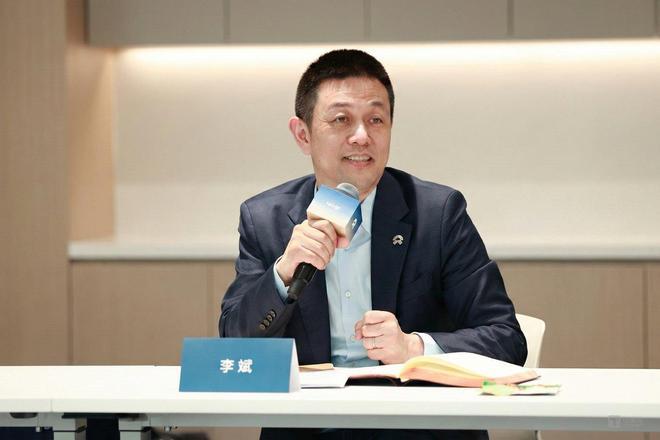
访谈|邓承浩:深蓝智能驾驶布局坚持合作和自研“两条腿”走路
Bei Ke Cai Jing· 2025-11-25 12:08
Core Viewpoint - Deep Blue Automotive is focusing on a dual approach to intelligent driving, utilizing both Huawei's solutions and self-developed systems, while recognizing the continued market presence of fuel vehicles for the foreseeable future [1][4][9] Group 1: Intelligent Driving Strategy - Deep Blue Automotive adopts a "two-legged" approach in intelligent driving, considering user demographics and software architecture when choosing between Huawei's and self-developed driving assistance systems [4][5] - The choice of intelligent driving solutions is aimed at ensuring long-term over-the-air (OTA) updates and improvements [4] Group 2: Product Definition and Target Market - The product definition is based on consumer needs and scenarios, targeting young users with a focus on technology and sports [5] - Future products will emphasize smart technology and driving enjoyment, integrating advanced design and performance features [5] Group 3: Range Extender Technology - The company asserts that range extender technology is not merely a transitional phase but has significant applications and advantages [6] - Deep Blue is developing hydrogen fuel technology to demonstrate the viability of range extenders, which will include both oil and electricity, and eventually hydrogen and electricity [6] Group 4: Market Trends and Consumer Behavior - Chinese consumers are becoming more aware of their vehicle usage scenarios, indicating a maturation of the electric vehicle market [7] - There is a sustained demand for fuel vehicles due to specific consumer needs, with predictions that both range extenders and plug-in hybrids will remain relevant for a long time [7][9] Group 5: Sales Outlook - The company anticipates that the end-of-year tax incentives may not significantly impact sales this year, but there could be more opportunities in the following year [8] - The overall market dynamics are seen as part of a normal ecosystem development process, with expected fluctuations [8]

邓承浩:深蓝智能驾驶布局坚持合作和自研“两条腿”走路
Xin Jing Bao· 2025-11-25 12:07
Core Viewpoint - Deep Blue Automotive is adopting a dual approach in its intelligent driving strategy, utilizing both Huawei's solutions and self-developed systems to cater to different user demographics and software architecture needs [1][2]. Group 1: Intelligent Driving Strategy - Deep Blue Automotive's chairman emphasizes the importance of choosing between Huawei's intelligent driving system and self-developed solutions based on user demographics and software architecture considerations [2]. - The company aims for long-term over-the-air (OTA) updates to enhance the chosen intelligent driving assistance system [2]. Group 2: Product Definition - The definition of products at Deep Blue Automotive is driven by consumer needs and usage scenarios, focusing on technology and sports attributes to appeal to young users [3]. - Future products will emphasize smart technology and driving enjoyment as core elements [3]. Group 3: Range Extender Technology - The chairman asserts that range extender technology is not a transitional or outdated technology, highlighting its practical applications and the company's commitment to hydrogen fuel as a future extension of this technology [4]. - There is a growing understanding among Chinese consumers regarding their electric vehicle usage scenarios, indicating a maturation of the electric vehicle market [4]. - The company anticipates a continued market for fuel vehicles alongside range extenders and plug-in hybrids in the coming years [4]. Group 4: Market Outlook - The chairman predicts that the end of the purchase tax exemption may not significantly impact sales this year, but could present more opportunities next year [5]. - The competitive landscape for fuel vehicles remains strong, as many users still require fuel vehicles based on their specific usage scenarios [6].

雷军缺席,两大新主角联袂登场,“处处都有华为的身影”
3 6 Ke· 2025-11-23 23:18
Core Insights - The absence of key figures like Lei Jun at the 2025 Guangzhou Auto Show marks a shift in focus towards new players like Huawei's Qian Kun, highlighting a "new entrants and old exits" theme in the automotive industry [3][4] - The proportion of new energy vehicles (NEVs) at the show increased significantly to 57.97% from 43.72% in the previous year, indicating a growing trend towards electrification in the automotive market [3][11] Group 1: Industry Trends - The 2025 Guangzhou Auto Show showcased 1,085 vehicles, with 629 being new energy vehicles, reflecting a strong consumer interest in NEVs [11] - The event highlighted three major trends: the rise of large-scale and personalized models, the increasing focus on individualization as a growth strategy, and the ongoing debate between range-extended and pure electric technologies [13][14] Group 2: Company Collaborations - Huawei's Qian Kun brand is gaining traction as it collaborates with multiple automakers, including Avita and GAC Group, to enhance their smart vehicle offerings [8][9] - Avita and Huawei announced a strategic partnership to upgrade their collaboration model, expanding their cooperation into various areas such as user insights and product development [8] Group 3: Technological Innovations - AI technology is becoming a central theme at the auto show, with companies like Seres showcasing advancements in smart electric vehicle platforms [17] - Xiaopeng Motors introduced several AI-driven applications, including a new generation of autonomous driving technology, indicating a shift towards integrating AI in automotive solutions [19][20]