
外汇干预

Search documents
日元升至152,市场同时警惕美元走弱
日经中文网· 2026-01-28 02:53
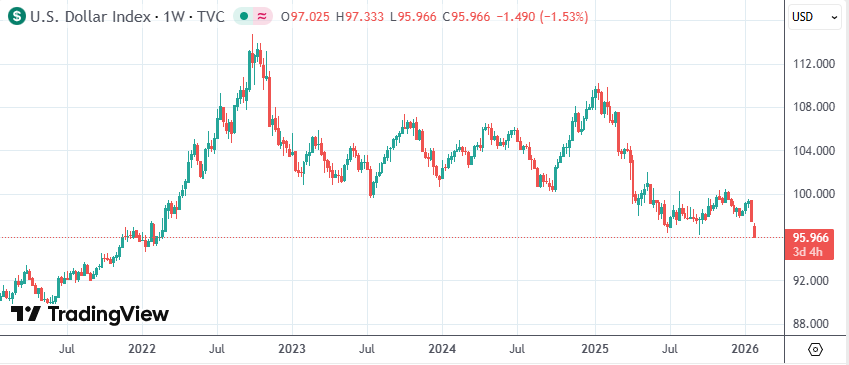
Core Viewpoint - The article discusses the recent appreciation of the Japanese yen against the US dollar, driven by various factors including US political statements and market reactions to currency fluctuations [2][4][6]. Group 1: Currency Movements - On January 27, the yen appreciated to the range of 152.0 to 152.5 yen per dollar, marking a significant rise as the US dollar index fell to its lowest level in about four years [2][4]. - Following comments from US President Trump expressing no concern over the dollar's depreciation, the yen further strengthened, reaching approximately 152.10 yen per dollar in the New York market [6][8]. - The dollar also weakened against other currencies, with the euro rising to about 1.1972 dollars, the lowest since June 2021, and the Swiss franc reaching 0.76 francs per dollar, the highest since 2015 [6][7]. Group 2: Investor Sentiment and Strategies - Global investors are increasingly hedging against the risk of dollar depreciation, with a survey by Bank of America indicating a preference for long positions in gold and large tech stocks, alongside short positions in the dollar [10]. - Australian pension funds are also increasing their foreign exchange hedging against dollar assets, anticipating a weaker dollar due to expected interest rate cuts in the US [10]. Group 3: Market Concerns - Analysts express concerns regarding the potential reversal of "yen carry trades," where investors borrow in low-yielding yen to invest in higher-yielding dollar assets, which could lead to increased market volatility [11][12]. - There is a belief among some market participants that the US government may intentionally induce dollar depreciation, which could have broader implications for the financial markets [11][12].

风暴眼中的40年期国债标售:日本债市会否迎来二次崩盘?
智通财经网· 2026-01-28 01:47
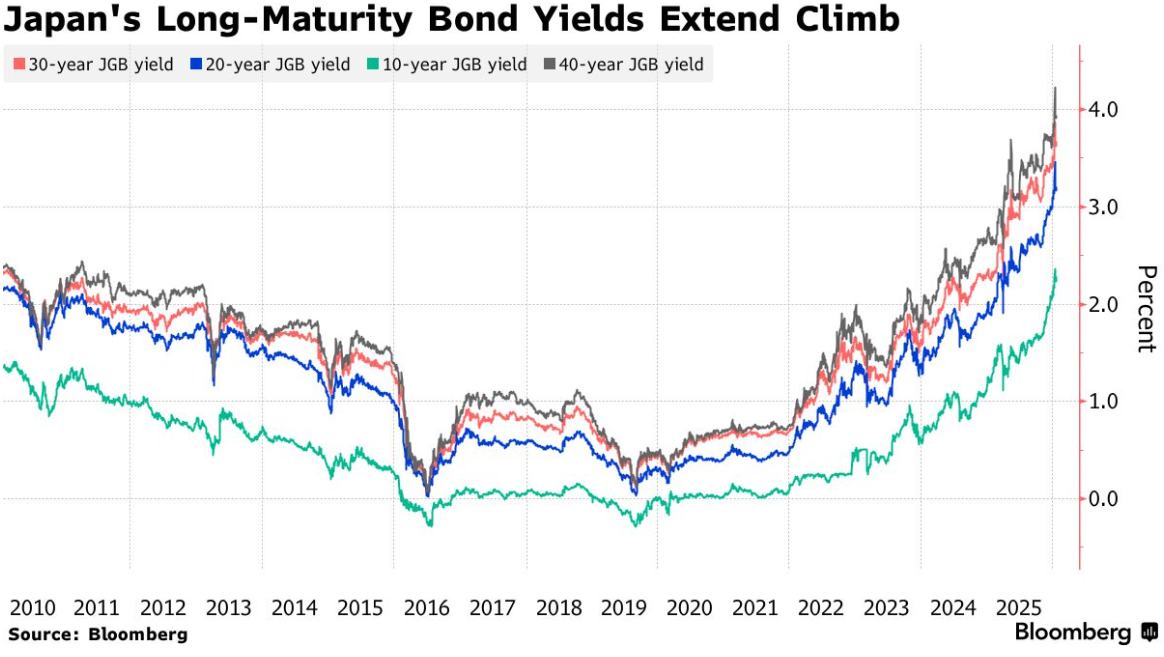
智通财经APP注意到,投资者正密切关注周三日本政府发行 40 年期国债可能引发的债市崩盘风险,该期限品种已被证明极易受到剧烈波动的影响。 招标表现疲软可能会引发长债的新一轮抛售,进而对日元造成压力。这可能会增加市场对比管当局干预外汇市场以支撑日元的推测。 与此同时,在日本官员的言论推升了政府可能干预市场以阻止汇率再次下滑的预期后,日元目前处于 10 月以来的最强水平附近。高市早苗周日再次发出警 告称,在日元疲软和国债收益率飙升的情况下,政府已准备好采取行动。 尽管自上周的溃败以来债市有所反弹,但在日本 2 月 8 日提前大选之前,投资者正准备应对更多的波动。日本最大的反对党"中间改革联盟"已承诺永久削减 食品税,这引发了市场担忧:无论大选结果如何,财政纪律都将趋于弱化。 冈三证券首席债券策略师 Naoya Hasegawa 表示:"目前的招标环境并不理想。由于选举结果和食品税减免的方向仍不明朗,这种不确定性可能会促使投资者 采取更加谨慎的立场。" 此次招标的一周前,受高市早苗首相提议免除两年食品销售税的计划影响,日本国债收益率曾飙升至历史高点。上周二,40 年期国债利率激增超过 25 个基 点,创下该品种问世 ...
中金 • 全球研究 | 日本外汇干预: 日美联合汇率检查,日元能持续升值吗?
中金点睛· 2026-01-27 23:50
中金研究 2026年1月23-26日期间,美日汇率由159附近下行至154附近,日元大幅升值约3%,投资者关心日本与美国是否联合干预了汇率,日元今后能否持续升 值,我们在本篇报告中详细分析。2022年以来我们开启了"日本外汇干预"系列报告,目前已发布《 日本外汇干预:以时间换空间,但效果或有限 》、 《 日本外汇干预#2:"隐形"外汇干预 》、《 日本外汇干预#3:外汇干预的"预习" 》、《 日本外汇干预#4: 24年4月的干预? 》,《 日本外汇干预#5: 160或无外汇干预 》,本篇为第六篇报告。 点击小程序查看报告原文 结论:我们认为日元短期升值或来自于日本与美国的"汇率检查"的影响,而非"外汇干预"。今后若日元继续贬值,我们认为日本当局实施外汇干预的可能 性较大。关于未来日元汇率的方向,我们认为仅凭日本与美国当局的"汇率检查"或难以带来日元趋势性升值。 什么是汇率检查?是外汇干预的前奏 "汇率检查"(Rate Check)是指中央银行等在进行外汇干预的准备阶段,向银行等市场参与者询问交易价格水平的行为。具体而言,中央银行会向市场参 与者发出与外汇干预操作类似的订单请求,在对方报出卖出价或买入价之后,往 ...

美元指数跌至近四年新低,特朗普政策不确定性引爆市场焦虑
Feng Huang Wang· 2026-01-27 22:54
Group 1 - The US dollar index fell to 95.51, the lowest level since February 2022, with a cumulative decline of over 2.2% this month [1] - The euro and pound reached four-year highs, with the euro rising to 1.2081 and the pound to 1.3869, marking the highest levels since the second half of 2021 [3] - Analysts attribute the dollar's weakness to concerns over US policy under President Trump, which has undermined global investor confidence in US assets [3] Group 2 - Factors contributing to the dollar's decline include potential US government shutdown, rumors regarding the Federal Reserve chair, and tensions with NATO allies, particularly over Greenland [5] - The Greenland issue has reignited risk premiums for the dollar, with analysts suggesting that the post-World War II international order is being disrupted, which is a long-term negative for the dollar [5] - Speculation about foreign exchange intervention is amplifying the dollar's decline, signaling that the US government may tolerate a weaker dollar to enhance export competitiveness [5] Group 3 - Recent economic data from Germany indicates a 0.2% real GDP growth in 2025, ending two years of contraction, with the economic sentiment index reaching a new high since 2021 [6] - Positive economic data and sentiment in the UK are supporting the pound, with traders pushing back expectations for the next Bank of England rate cut from June to July [6] - The potential for fiscal spending to stimulate economic growth in Europe could benefit the euro, as the region has seen minimal growth over the past 15 years [6]

日元对美元汇率创两月新高
Shang Hai Zheng Quan Bao· 2026-01-27 14:01
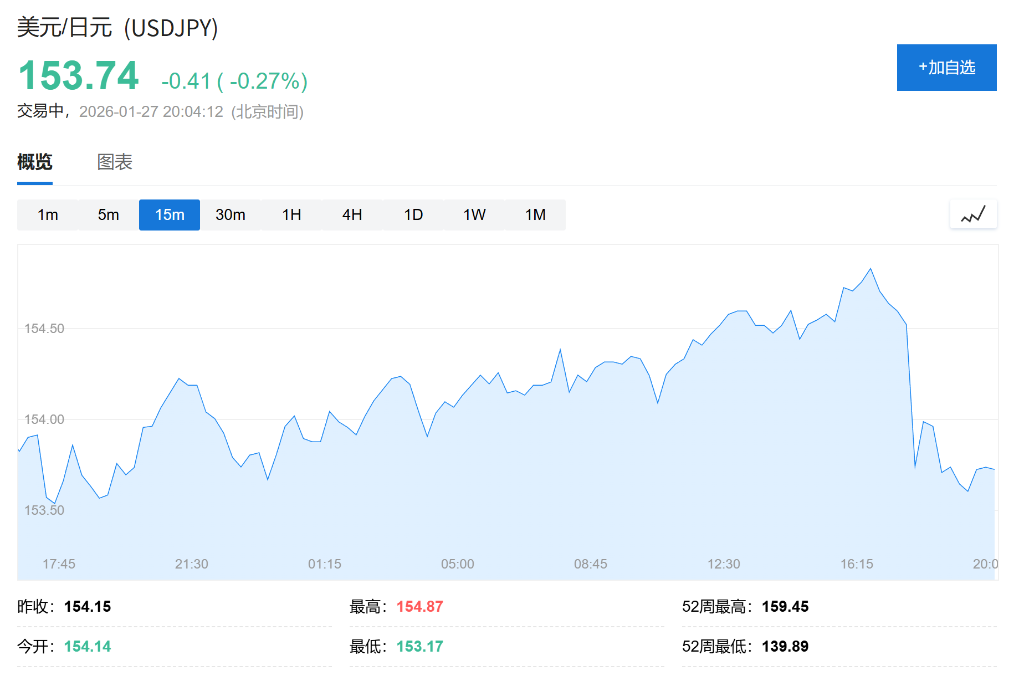
虽然日本财务省事务次官三村淳26日针对"日美两国政府于23日联合实施利率检查"的观点表示"无可奉 告",但市场分析人士认为,美日联合干预日元汇率的可能性非常大。 赵庆明表示,从国际外汇市场运行看,在美洲(纽约)交易时段与纽约联储进行联合干预,效果通常更 好。美洲时段是全球外汇市场交易量最大、流动性最高的时段,能够承接大规模干预订单。 若外汇干预落地,短期可能推动日元升值。"当前日元汇率处于严重低估状态。若发生联合干预,有可 能引发一波显著的反弹行情。"赵庆明说。 一段时间以来,日元汇率持续承压。而近几个交易日,日元对美元汇率迎来逆转,大幅上涨。当前,全 球汇市正紧盯美国是否在准备下场协助日本打响日元"保卫战"。 上周五(1月23日),日元在日本央行发布会后快速升值,日元对美元汇率单日涨超1.7%,连续升超4 个关口;1月26日,日元对美元汇率一度升超154关口,最高触及153.3。这是2025年11月中旬以后约两 个半月来首次触及153区间。 截至1月27日16时50分,日元对美元报154.76,三个交易日内累计升超2.3%。 这一逆转源于美国和日本释放出"利率检查"信号,市场猜测美日未来或联合干预日元汇率。 ...
法兴银行:日元交易员陷入两难博弈
Xin Lang Cai Jing· 2026-01-27 12:40
Core Viewpoint - The Japanese yen briefly rose to an 11-week high against the US dollar, reflecting traders' caution due to concerns over potential intervention by Japanese authorities in the foreign exchange market [1] Group 1: Market Reactions - Traders are particularly alert to "rate inquiries" that may occur around the opening of the US stock market, which are often initiated by regulatory bodies to gauge current market quotes [1] - Such inquiries are typically seen as a precursor to direct foreign exchange intervention [1] Group 2: Investor Sentiment - Current market trends indicate that investors are caught in a dilemma: on one hand, there is concern that if Japanese authorities intervene, the yen will strengthen rapidly; on the other hand, there is worry that without any policy signals, the yen may decline again [1]

干预信号来了?纽约联储“利率检查”点燃日元,147-149成新关注区间
Hua Er Jie Jian Wen· 2026-01-27 12:37
全球外汇市场迎来重磅信号。一场由美国央行参与、针对日元的"口头干预"行动,正迫使交易员重新评估美元/日元的前景,并为潜在的协同货币 干预做好准备。这标志着美国对外汇市场的态度可能发生重大转变。 行动的核心是上周五纽约联储代表美国财政部进行的"利率检查"。此举被市场广泛解读为美日官方可能协同入市支持日元的最强烈"口头"警告。 日本财务大臣片山皋月随后表态,政府正根据美日联合声明的精神应对汇率波动,进一步强化了两国协调行动的猜测。 此次事件迅速在外汇市场掀起波澜。美元/日元汇率从周五高点159.23急速下跌,周一早间一度跌破154关口,创下年内最大单日跌幅之一。期权 市场亦剧烈反应,短期波动率预期飙升,显示交易员正紧急为潜在的干预风险定价。 | 概览 | 图表 | | | | | | | | | | | | | --- | --- | --- | --- | --- | --- | --- | --- | --- | --- | --- | --- | --- | | 1m | 5m | 15m | 30m | 1H | 4H | 1D | 1W | 1M | | | | N | | 154.50 | | | | ...
40年期日本国债拍卖周三来袭,分析师警惕“崩盘”重演
Zhi Tong Cai Jing· 2026-01-27 09:01
Core Viewpoint - The Japanese bond market is facing significant volatility risks ahead of the upcoming 40-year government bond auction, with analysts warning of potential "collapse" similar to previous events due to rising yields and political uncertainties [1][2]. Group 1: Auction Risks - Traders are cautious about the upcoming auction of 40-year Japanese government bonds, which follows a recent spike in yields to historical highs [1]. - Barclays Securities strategists highlighted that risks related to fiscal policy could exacerbate yield pressures, potentially leading to disappointing auction results [1]. - Weak auction outcomes could trigger a sell-off in long-term bonds, putting additional pressure on the yen and increasing speculation about government intervention in the foreign exchange market [1]. Group 2: Political Uncertainty - The current market environment is unfavorable for bond auctions due to uncertainties surrounding election outcomes and food tax reductions, prompting a more cautious investor stance [2]. - The Japanese government is reportedly prepared to take action to prevent further depreciation of the yen and rising bond yields, as indicated by recent comments from Prime Minister Fumio Kishida [2]. - Polls show a slight decline in Kishida's approval ratings, indicating potential risks associated with the decision to hold early elections [2]. Group 3: Future Bond Auctions - Upcoming auctions for 10-year and 30-year Japanese government bonds will serve as critical tests for investor demand for long-term bonds [3]. - Concerns over food tax reductions are heightening cautious sentiment regarding all government bond auctions during the election period [3].
金荣中国:白银早盘回落后低位震荡,市场谨慎交易或观望为主
Sou Hu Cai Jing· 2026-01-27 04:43
基本面: 周二(01月27日)白银早盘回落后低位震荡,市场谨慎交易或观望为主,最新报109美元/盎司,避险情绪高涨:政治风云变幻:白银与铂金的同步狂欢:白 银价格达到创纪录的每克138里拉(约3.20美元),年内涨幅接近39%。与此同时,美联储及全球多国央行本周召开会议,交易者预计美国利率维持不变美 联储联邦公开市场委员会(FOMC)以及多达17家其他国家央行将于本周召开会议。尽管特朗普总统向美联储施压要求降息,但在全球经济不确定性的背景 下,市场普遍预期这些央行大多将维持利率不变。彭博社一份报告指出:"非洲各国央行可能会推出一波宽松政策,而巴西、加拿大、瑞典等其他地区的央 行则可能维持当前政策立场。未来一周将有多项关键经济数据发布,包括澳大利亚、日本和巴西的通胀报告,以及欧元区和其他国家的国内生产总值 (GDP)数据。"大多数FOMC委员都能引用相关数据支持在会议上维持利率稳定。这种一致性将被视为对鲍威尔的支持——他近期遭到了白宫的猛烈抨 击。最值得关注的是委员克里斯托弗·沃勒和米歇尔·鲍曼的投票立场:如果他们与多数派一起支持维持利率不变,就意味着向特朗普传递出支持鲍威尔(包 括维护美联储独立性)的信号。我 ...

进退两难的日元再度迎来“干预窗口”
HTSC· 2026-01-27 04:30
Group 1: Yen Exchange Rate Dynamics - The yen appreciated by 2.6% to 154.2 yen/USD over two trading days following the Bank of Japan's (BOJ) meeting, driven by signals of potential "rate checks" from both the US and Japan[1] - Historical interventions by Japanese authorities typically follow "rate checks," suggesting a possible coordinated intervention could lead to further yen appreciation[2] - Since 2021, the average appreciation of the yen after interventions has been 1.4% within a week, indicating potential short-term gains from intervention[3] Group 2: Long-term Outlook and Risks - Historical data shows that interventions do not alter the long-term trend of the yen, which remains vulnerable to depreciation if the BOJ does not accelerate interest rate hikes[4] - The BOJ's delayed monetary policy has resulted in persistently low real interest rates, contributing to the yen's weakness[5] - Upcoming fiscal expansion measures, equivalent to 0.8% of Japan's GDP, may increase inflationary pressures, complicating the BOJ's policy decisions[5] - Risks include unexpected outcomes from the Japanese House of Representatives elections and inflation levels exceeding expectations, which could further impact the yen's stability[6]
