微笑曲线

Search documents
贝壳再次选择了 “难”
晚点LatePost· 2025-09-30 00:30
Core Viewpoint - The article emphasizes Beike's proactive approach to building a trust infrastructure during a challenging period in the real estate market, focusing on the launch of the "True Guarantee" service system to enhance transaction security and consumer confidence [2][4]. Summary by Sections Market Context - The Chinese real estate market has entered an adjustment phase over the past four years, with transaction volumes shrinking by nearly 10 trillion yuan, while the number of industry professionals remains stable at around 1.8 million [3]. - Current practitioners face increased anxiety and competition, as the market has not previously experienced a true cycle, leading to a lack of respect for market dynamics [3]. True Guarantee System - Beike has upgraded its service from "True Source" to "True Guarantee," addressing transaction uncertainties and providing comprehensive service guarantees throughout the real estate transaction process [4][5]. - The "True Guarantee" system includes a set of standards, technical capabilities, and a 100 million yuan risk fund to ensure transaction safety [5][7]. Service Commitments - The system encompasses 35 service commitments, with key promises including "True Source, false claims compensated by 100 yuan," "No reason for commission refund if the transaction fails," and "Advance payment for property arrears" [8]. - These commitments aim to cover major risk points in second-hand property transactions, significantly reducing uncertainty costs for buyers [8]. Risk Management and Technology - Beike has invested substantial resources to enhance its transaction systems, involving over 300 engineers to redesign processes covering 12 transaction steps and 80 potential risk points [9]. - The platform has successfully blocked 16,000 risky transactions from July 2024 to July 2025, with actual loss incidents being only 96, maintaining a loss probability of 0.006% [11]. Market Performance - In the first half of the year, Beike's platform saw a 26% year-on-year increase in second-hand property transactions, outperforming the market [12]. - The company's commitment to consumer protection and transaction security has positioned it favorably against smaller competitors struggling during the market downturn [12][13]. Strategic Philosophy - Beike's founder, Zuo Hui, believes in making difficult yet correct decisions, which has historically led to long-term benefits despite short-term challenges [4][15]. - The company aims to build a trust-based ecosystem that not only benefits consumers but also protects agents and brands on its platform [14][21]. Historical Context - Beike's evolution from Lianjia reflects a consistent strategy of prioritizing transparency and consumer trust, even at the cost of short-term revenue [17][18]. - The establishment of Beike as a platform for multiple brands has created a robust network effect, enhancing its market position [18]. Trust Infrastructure - The "True Guarantee" initiative is likened to the Kula Ring, emphasizing the importance of long-term trust relationships in uncertain environments [19][20]. - By investing in trust infrastructure, Beike aims to strengthen its competitive edge and facilitate the transition from a transaction platform to a comprehensive living service provider [20][21].


宁德时代市值超越贵州茅台!
Jing Ji Wang· 2025-09-25 06:33
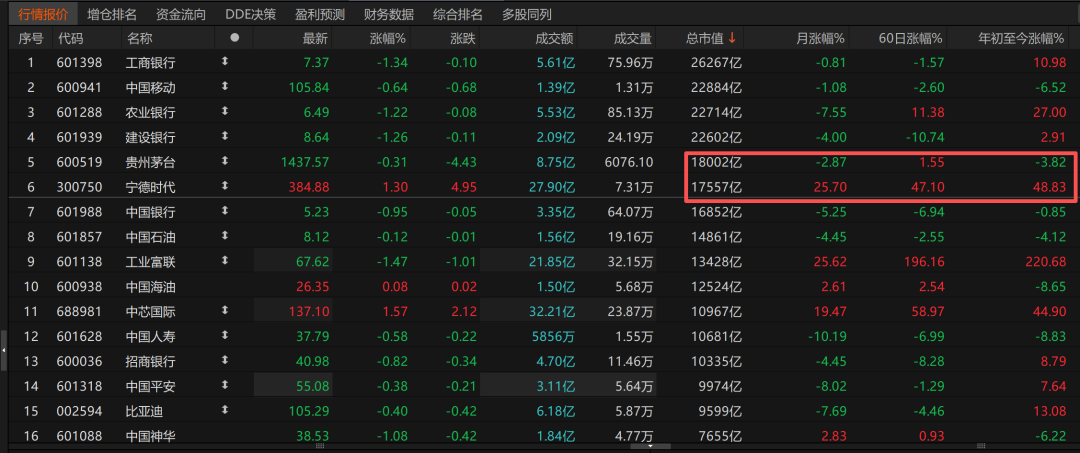
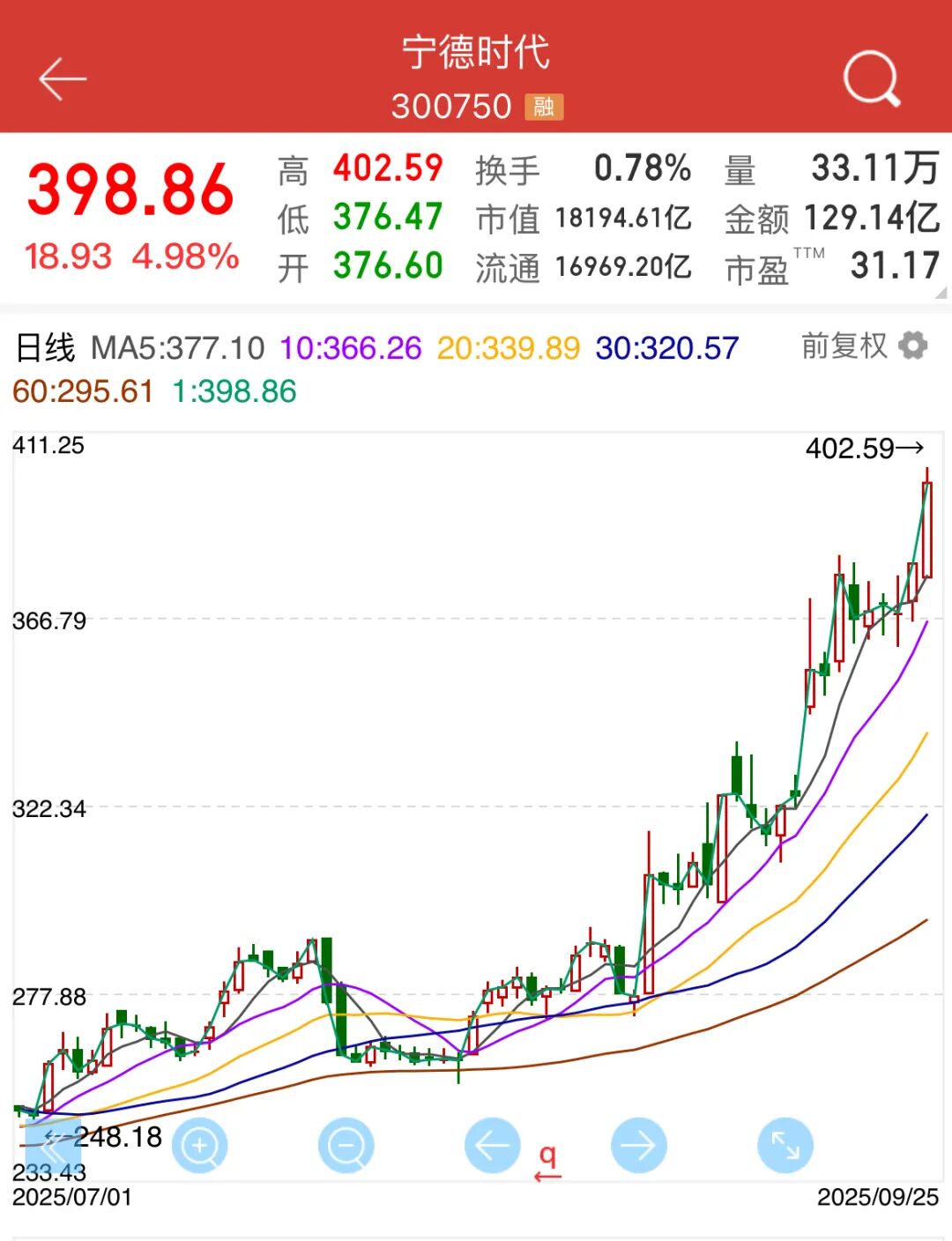
Group 1 - The core point of the articles highlights the significant market performance difference between Ningde Times and Kweichow Moutai, with Ningde Times' market value surpassing Kweichow Moutai for the first time, reaching 1.80 trillion yuan [1][3] - Year-to-date, Ningde Times has seen a price increase of 48.83%, while Kweichow Moutai has experienced a decline of 3.82% [1][2] - Over the past 60 days, Ningde Times' stock has risen by 47.10%, contrasting with Kweichow Moutai's modest increase of 1.55% [1][2] Group 2 - The rise in Ningde Times' market value reflects its successful extension of China's manufacturing influence along the "smile curve," enhancing its pricing power and industry chain integration capabilities [3] - Kweichow Moutai remains a significant representative of Chinese consumer brands, maintaining its own growth potential despite the competitive landscape [3]


历史时刻!它超越贵州茅台!重要信号出现→
Mei Ri Shang Bao· 2025-09-25 05:41
Group 1 - On September 25, Ningde Times' stock price surged, reaching a historic market capitalization of 1.819 trillion yuan, surpassing Kweichow Moutai's market cap of 1.805 trillion yuan [2][3] - The stock price of Ningde Times increased from 1.75 trillion yuan, with significant gains throughout the trading session, ultimately closing at 1.819461 trillion yuan [2] - Year-to-date, Ningde Times has seen a price increase of 48.83%, while Kweichow Moutai has experienced a decline of 3.82% [7] Group 2 - Foreign investment banks, such as JPMorgan, have recognized Ningde Times, upgrading its rating from neutral to overweight, citing a significant increase in demand for energy storage batteries [7] - The price-to-earnings (P/E) ratio for Ningde Times in the Hong Kong market reached 36.20, compared to 30.03 in the A-share market, indicating a premium for the stock [7] - The market dynamics reflect a shift in investor sentiment, with Ningde Times' market value approaching that of consumer giants, signaling a broader recognition of its influence in the manufacturing sector [7][8]
创维集团创始人黄宏生:光伏突围、千亿目标和造车蓝图
2 1 Shi Ji Jing Ji Bao Dao· 2025-09-01 23:17
Core Insights - The company aims to achieve a revenue target of 100 billion yuan within two years, driven by strong growth in its smart home appliances and renewable energy sectors [1][14] - The renewable energy segment, particularly solar power, has become a significant growth driver, contributing 138.01 billion yuan in revenue in the first half of 2025, a 54% year-on-year increase [1][2] - The company plans to spin off 5 to 8 subsidiaries for public listing within the next five years to enhance operational efficiency and market presence [1][15] Company Strategy - The company has identified solar energy as a key area for growth, leveraging its existing distribution channels and brand recognition to penetrate the market [4][8] - The company has developed an integrated ecosystem for solar energy, including residential solar installations and energy storage solutions, aiming to create a "solar-storage-charging" model [4][6] - The company has launched the Xihuan platform, which consolidates various solar energy products and services, enhancing value through integration and collaboration [4][10] Market Position - The company has positioned itself as a significant player in the solar energy market, achieving the second-largest market share in distributed solar within two years [9][10] - The solar revenue now accounts for nearly 40% of the company's total revenue, indicating its importance in the overall business strategy [2][5] - The company is expanding its international footprint, targeting a 30% contribution from overseas solar business in the next five years [11][13] Industry Challenges - The solar industry faces challenges such as cyclical market dynamics, capital intensity, and increased competition from other home appliance manufacturers [5][10] - Regulatory changes, such as the 136 document on market-oriented pricing for renewable energy, have introduced new cost and revenue pressures for market participants [5][10] - The company acknowledges the competitive landscape and aims to differentiate itself through technological innovation and value creation rather than price competition [10][12]
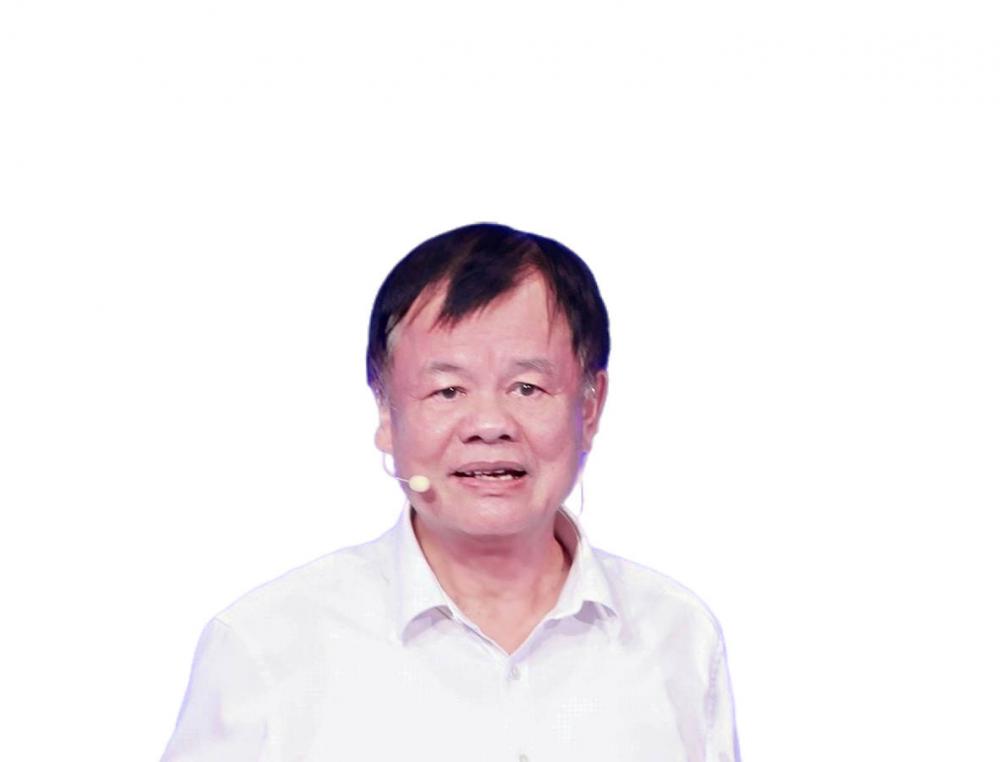
创维集团创始人黄宏生:光伏突围、反内卷和千亿目标
2 1 Shi Ji Jing Ji Bao Dao· 2025-08-29 11:50
Core Viewpoint - The company aims to achieve a revenue target of 100 billion yuan within two years, driven by strong growth in its solar energy business and overall market potential [1][9]. Company Overview - The company reported a total revenue of 65.013 billion yuan for 2024, with a significant contribution from its solar energy segment, which generated 13.801 billion yuan, marking a year-on-year growth of nearly 54% [1][2]. - The solar energy business now accounts for 38% of the company's total revenue, highlighting its importance as a growth driver [1]. Strategic Initiatives - The company plans to spin off 5 to 8 subsidiaries for public listing within the next five years, aiming to enhance operational focus and capitalize on market opportunities [1][11]. - The company has developed an integrated ecosystem for solar energy, expanding from residential solar solutions to commercial applications and energy storage [2]. Market Position and Competition - The company has positioned itself as a key player in the distributed solar market, achieving the second-largest market share in China within two years of entry [7]. - The competitive landscape in the solar industry is intensifying, with many home appliance giants entering the market, necessitating differentiation through existing channels and brand strength [2][3]. Future Outlook - The company anticipates significant market growth in the solar sector, projecting that the market capacity will increase three to four times in the next five years [3]. - The company aims to increase its overseas solar business to account for over 30% of total exports within five years, leveraging its established presence in various international markets [8]. Technological Development - The company is focusing on technological innovation to enhance its core competencies, including entering the production and R&D of key components like inverters [7]. - The company recognizes the importance of transitioning from price competition to competition based on technological advancement and value creation [7].
安克硬刚小米,钱不够用了
3 6 Ke· 2025-08-20 08:46
Core Viewpoint - Anker is planning a secondary listing in Hong Kong as early as early 2026, aiming to raise approximately $500 million amidst a crisis in the power bank industry triggered by safety issues and recalls [2][36]. Industry Overview - The power bank industry has faced significant turmoil following a ban by the Civil Aviation Administration of China, which prohibited travelers from carrying non-compliant power banks, leading to a massive recall of products [3][4]. - The crisis began with Romoss, a leading brand in the industry, which experienced a rapid collapse due to safety concerns, prompting a domino effect that affected other companies, including Anker [20][21]. Company Performance - Anker has maintained a strong financial performance, with a gross profit margin increasing from 35.72% in 2021 to 43.54% in 2023, and projected revenues of 24.71 billion yuan and net profits of 2.114 billion yuan for 2024 [11]. - Despite the crisis, Anker's employee compensation remains high, with an average salary of approximately 476,100 yuan in 2023, significantly above the local average [25]. Crisis Management - Anker initiated a recall of over 1.86 million units globally, including 713,000 units in China and 1,158,000 units in the U.S., following reports of fires and explosions linked to its products [25][26]. - The company has publicly attributed the issues to a specific supplier, Amperes, and has terminated its partnership with them while seeking to establish new relationships with leading battery suppliers [36][37]. Market Dynamics - Following the turmoil, competitors like Xiaomi have seen a surge in demand, with Xiaomi's power bank searches increasing by 300% during the crisis [30]. - Anker's strategic moves, including the planned secondary listing and new supplier partnerships, are seen as efforts to regain market position and financial stability [36][37].
新浪财经CEO邓庆旭:鸿蒙系统一定能走出一条“微笑曲线”
Xin Lang Cai Jing· 2025-08-16 14:38
Core Insights - Huawei's HarmonyOS has surpassed 10 million devices, marking a significant milestone and indicating its survival in the competitive operating system market [1] - The development of HarmonyOS is seen as a major risk, but its advanced kernel is designed for the era of interconnected and intelligent devices [1] - Support from enterprises and developers is crucial for the growth of HarmonyOS, with over 8 million developers and more than 30,000 applications currently in development [1] Group 1 - The efficiency of file transfer between devices is a key advantage of HarmonyOS, allowing for quick transfers with just a touch [2] - HarmonyOS enables developers to create applications that are compatible across multiple devices with a single development effort, enhancing development efficiency [2] - The growth of user engagement for the Sina Finance app has increased sevenfold in eight months due to the support of the HarmonyOS ecosystem [2] Group 2 - The significance of developing HarmonyOS lies in reducing dependency on foreign technology and positioning China for a potential leapfrog in technology [3] - The journey of developing an operating system is challenging, often following a "smile curve" pattern where initial indifference turns into struggle and eventually success [2][3] - The commitment to overcoming difficulties and maintaining a clear vision is emphasized as essential for the future success of HarmonyOS [3]

过去几年坚持定投,现在会怎么样了?
天天基金网· 2025-08-01 12:01
Core Viewpoint - The article discusses the performance of systematic investment plans (SIPs) in the A-share market, highlighting the benefits and challenges of maintaining such investment strategies over different time frames [2][3]. Investment Scenarios Scenario 1: One-Year Investment - Investors who started a SIP of 1,000 yuan per month from July last year have seen a total investment of 12,000 yuan, with a current asset value of 16,165.2 yuan, resulting in a return of 4,165.2 yuan or 34.71% [4][5][8]. - The article notes that SIP returns were lower than a lump-sum investment due to the market's upward trend since September last year, which favored one-time investments [5]. Scenario 2: Three-Year Investment - For a SIP starting three years ago, the total investment of 36,000 yuan has grown to 40,782.01 yuan, yielding a return of 4,782.01 yuan or 13.28% [9][10]. - In contrast, a lump-sum investment of the same amount resulted in a loss of 2,548.8 yuan or -7.08%, demonstrating the effectiveness of SIPs during market volatility [10]. Scenario 3: High Point Investment - Starting a SIP at the market's peak in early 2021 led to a return of -26.21% by September 2024, while a lump-sum investment faced a more significant loss of -38.68% [11][15]. - However, by July this year, the SIP had begun to recover, outperforming the lump-sum investment [15][16]. Scenario 4: Five-Year Investment - A five-year SIP resulted in a total investment of 60,000 yuan, with current assets valued at 62,570.33 yuan, yielding a return of 2,570.33 yuan or 4.28% [19][20]. - The lump-sum investment of the same amount only returned 59298 yuan, resulting in a loss of 702 yuan or -1.17% [20]. Investment Principles - The article emphasizes that SIPs can effectively average out investment costs and mitigate short-term market fluctuations, but they require discipline to maintain during downturns [24][25]. - It highlights the importance of continuing SIPs even during losses, as they can lead to acquiring more shares at lower prices, which benefits investors when the market rebounds [25][28]. Market Context - The article references the A-share market's performance since the COVID-19 pandemic, noting that starting a SIP during market lows can yield significant returns as the market recovers [32][35]. - It also discusses the psychological challenges investors face during prolonged downturns, which can lead to premature cessation of SIPs, potentially missing out on future gains [38][40]. Conclusion - The article concludes that SIPs should be viewed as a long-term investment strategy, akin to planting a seed that requires patience and consistency to yield returns over time [44].
活力中国调研行丨从“世界工厂”到“潮玩之都” 东莞“智造力”让创意变爆款
Xin Lang Cai Jing· 2025-07-05 02:21
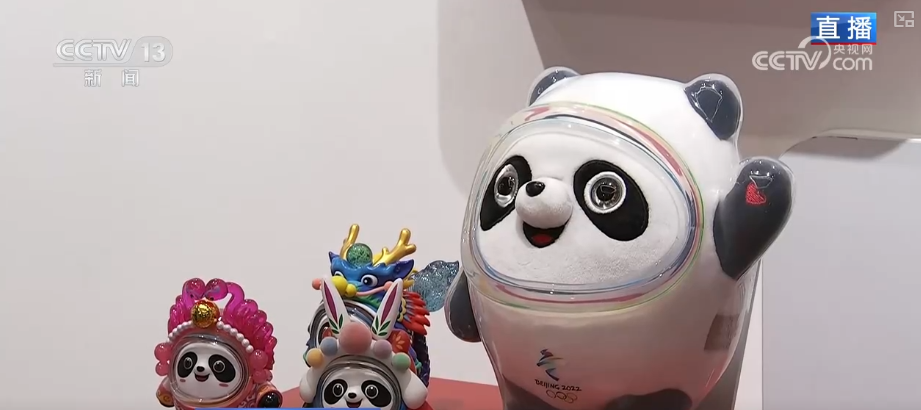
Core Insights - Dongguan, known as the "World Factory," is emerging as a hub for the trendy toy industry, being referred to as "China's Trendy Toy Capital" [1] - Approximately 85% of trendy toy products in China are produced in Dongguan, with over half originating from Shipai Town [1] Group 1: Manufacturing and Innovation - Dongguan's manufacturing capabilities are highlighted by the rapid production of a 27-meter giant emblem for the 2022 Qatar World Cup, completed in just 33 days [7] - The local supply chain can respond quickly, with automated production lines and AI assistance reducing the time from design to finished product to mere hours [9] - Dongguan is transitioning from merely producing for others to creating its own products and promoting its culture globally [11] Group 2: Cultural Integration and Market Expansion - The emergence of original local IPs, such as the "Ben Chao Gang Mu" themed trendy toys, showcases the blend of traditional culture with modern gaming [3] - The "Wa San Sui" toy has gained immense popularity in Southeast Asia, demonstrating the global appeal of Dongguan's innovative products [5] - The synergy of creativity, efficient supply chains, and cultural elements is driving the global success of Chinese trendy toys [13]
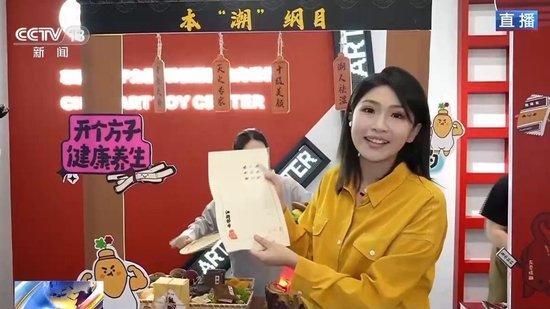
创意“牵手”供应链、文化“撞上”大市场,活力无穷!中国潮玩书写活力故事
Yang Shi Wang· 2025-07-03 09:00
Core Viewpoint - Dongguan, known as the "World Factory," is transforming into a vibrant hub for trendy toys, earning the title of "China's Trendy Toy Capital" with over 85% of the country's trendy toy products originating from the city [1][4]. Group 1: Manufacturing and Innovation - Dongguan's manufacturing capabilities are highlighted by its rapid production times, exemplified by a project where a scaled model of a giant sculpture was completed in just 33 days [10]. - The city has shifted from low-margin assembly work to creating its own products and cultural narratives, moving up the value chain [13][21]. - The local supply chain's responsiveness allows for the transformation of creative ideas into finished products within hours, showcasing the efficiency of automated production lines and AI assistance [13]. Group 2: Cultural Impact and Market Reach - The emergence of original intellectual properties (IPs) in Dongguan is gaining global popularity, indicating a shift from mere manufacturing to cultural creation [21]. - The combination of creativity and an efficient supply chain has led to a dynamic market presence, with Chinese trendy toys making their mark worldwide [20]. - Dongguan's evolution reflects a broader trend of infusing Chinese cultural vitality into the global market, enhancing the perception of "Made in China" products [21].