
心价比

Search documents
【数字营销】每个品牌都在强调的“情绪价值”,到底是什么?
Sou Hu Cai Jing· 2025-07-15 04:30
Core Insights - The article discusses the evolving consumer behavior of Generation Z, emphasizing the importance of "emotional value" in their purchasing decisions, which can lead to profitable business opportunities. Group 1: Emotional Value in Consumption - The concept of "emotional value" is becoming increasingly significant across various product categories, including collectibles and everyday items, as consumers seek deeper connections with their purchases [4]. - Consumers exhibit a duality in their spending habits, balancing rational choices with a willingness to pay premiums for items that resonate with their personal preferences, reflecting a regained sense of control over their consumption [5][8]. - The rise of "spiritual consumption" is noted, where young consumers use specific purchases to connect with like-minded individuals rather than to showcase success through expensive items [9]. Group 2: Consumer Behavior Trends - The report highlights that nearly 30% of young consumers engage in spending for emotional healing, indicating a preference for experiences and products that enhance their well-being [23]. - Nostalgia is identified as a powerful emotional driver, with trends showing a resurgence of interest in classic media and products, providing comfort during uncertain times [24]. - The article also points out the significance of "rituals" in consumer behavior, as young people seek small acts that provide a sense of security amidst societal pressures [19].


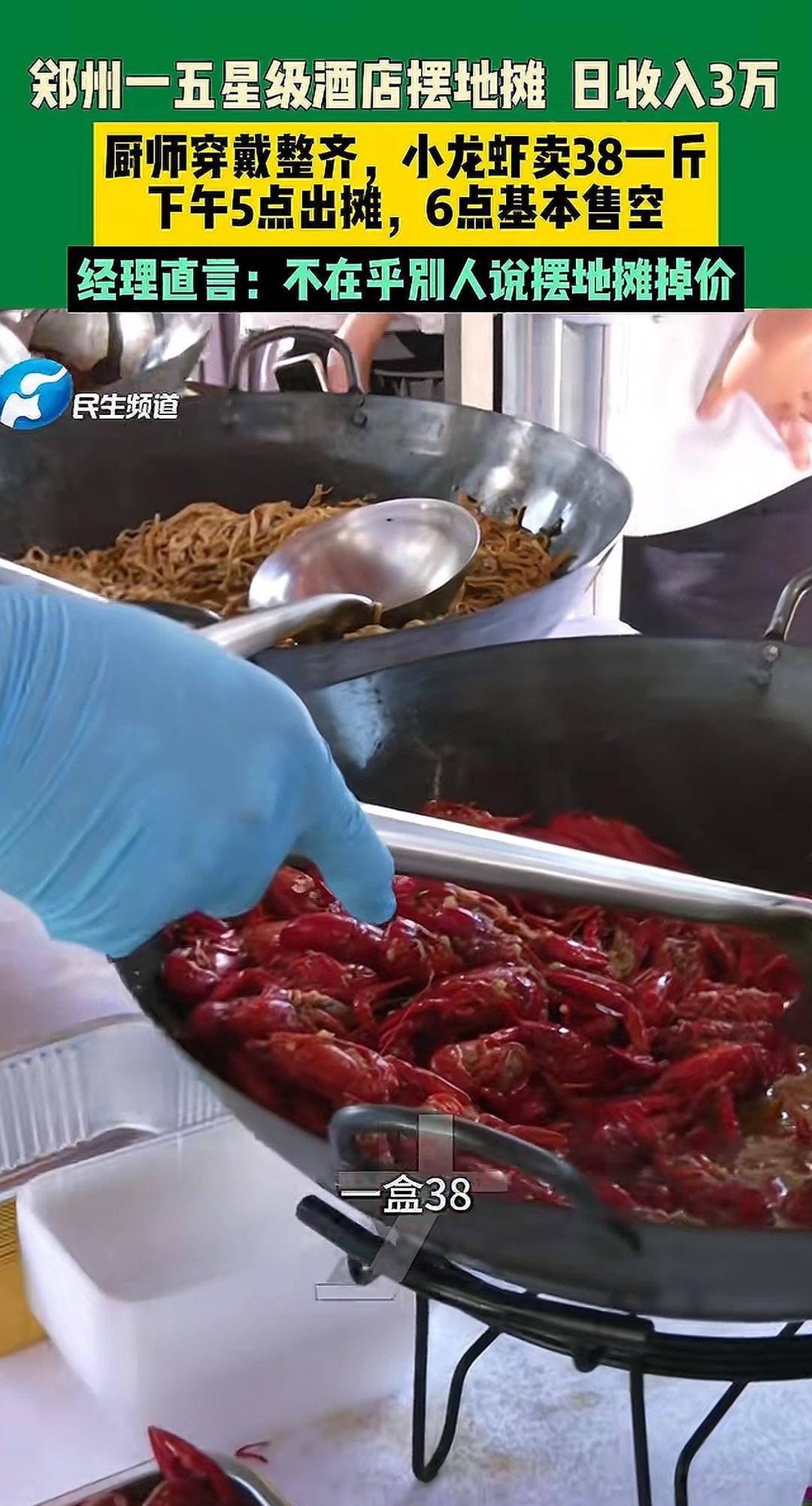
快评丨五星级酒店摆地摊日入3万,“性价比”与“心价比”消费者都要
Sou Hu Cai Jing· 2025-07-06 08:38
Core Viewpoint - The current market is undergoing a reconstruction of diverse values, with "cost-performance" and "emotional value" becoming the dual engines driving consumer choices [1][5]. Group 1: Market Trends - Consumers are increasingly weighing the value of products, such as whether a serving of crayfish is worth the price, while also willing to pay a premium for the emotional satisfaction provided by high-end dining experiences [1][5]. - The online food delivery market in China is projected to reach a scale of 1.6357 trillion yuan in 2024, indicating a significant shift from offline to online consumption [5]. Group 2: Industry Practices - The phenomenon of luxury hotels setting up street stalls is not entirely new, as high-end establishments have previously experimented with affordable offerings, such as 75 yuan hamburger sets and various low-cost meal options [4][6]. - The emergence of luxury hotels engaging in street food sales reflects a deeper market differentiation and self-regulation, as these establishments adapt to changing consumer demands and explore new revenue streams [4][6]. Group 3: Consumer Behavior - The consumer logic surrounding street food has been restructured, with patrons queuing for 38 yuan crayfish from a five-star hotel, valuing the visible craftsmanship and quality over mere status [5][6]. - The market transformation is not a linear process but rather seeks new life through differentiation, suggesting that when dining establishments align quality with public demand, they can find sustainable paths even amid change [6].
近六成年轻人买完就后悔?这届消费者的钱都花哪了?
Sou Hu Cai Jing· 2025-07-04 04:23
Group 1 - The core viewpoint of the article highlights the dual nature of youth consumption, balancing rationality and emotional value, with a shift from material ownership to experiential consumption [2][3][5] - Young consumers prioritize both "cost-performance" and "emotional value" in their purchasing decisions, indicating a blend of rational and emotional factors [3][4] - The investment decision logic among young consumers is evolving, favoring "experiential economy" over "brand upgrades" and "IP economy" [2][11][13] Group 2 - The article identifies distinct consumption pain points across different age groups, with young people being impulsive, middle-aged individuals facing issues of excess, and older adults struggling with information overload and quality concerns [8][9][10] - Young consumers are willing to spend on experiences that bring joy, with a significant preference for interests such as trendy items and cultural experiences [6][12] - There is a notable difference in behavior between consumption and investment, where young consumers are more cautious when investing compared to their spending habits [11][12] Group 3 - Both investors and general consumers show a consensus on the potential of immersive cultural tourism projects, new domestic brands, and trendy collectibles [13][14] - The article emphasizes the importance of distinguishing between popular concepts and actual financial performance when investing in new consumption sectors [18][19] - The growth of new consumption is driven by generational shifts and technological advancements, with a strong focus on experiential and service-oriented consumption [19][20]

2025年上半年兴趣消费报告
Sou Hu Cai Jing· 2025-06-22 07:16
Core Insights - The report highlights the transformation of interest-based consumption in 2025, emphasizing a shift from material satisfaction to emotional resonance among consumers [1] - Three main characteristics of interest consumption are identified: scenario-based experiences reshaping consumption logic, dual drivers of technology and emotion fueling market growth, and niche hobbies breaking into mainstream popularity [1] Group 1: Fragmented Time and High-Intensity Experiences - 56% of consumers aged 20-40 are willing to pay for high-intensity experiences during fragmented time, leading to the rise of "micro-experience" consumption models like community dining and craft classes [2] - The popularity of "slow travel" and camping experiences has surged, with near-distance camping consumption increasing by 128% year-on-year, indicating a shift towards creating meaningful life rituals in nature [2] Group 2: Technology and Emotional Drivers - AI-related product categories saw a GMV increase of 48.2% from January to May, with creative devices like AI mice and cloud cameras gaining popularity [2] - Consumers are increasingly viewing smart devices as tools for creating presence and identity, with immersive experiences becoming a key aspect of interest consumption [2] Group 3: Pet Consumption Trends - Pet consumption is characterized by emotional compensation and technological empowerment, with sales of smart pet feeders increasing by 218.4% in May [3] - The rise of "exotic pet economy" is notable, with a 92% increase in searches for care supplies for niche pets, reflecting a desire for creating controlled micro-ecosystems in urban settings [3] Group 4: Breaking Down Niche Hobbies - The boundaries of interest consumption are blurring, with niche hobbies like DIY crafts and baking becoming mainstream through social media [4] - The search volume for beginner baking kits increased by 75%, while sales of professional-grade ovens rose by 34%, indicating simultaneous growth in entry-level and advanced products [4] Group 5: Consumer Segmentation - In outdoor products, both affordable portable gear under 500 yuan and professional-grade items over 3000 yuan are experiencing strong sales, catering to different consumer needs [4] - Younger consumers prioritize social attributes in their purchases, while older consumers focus on functional value, reflecting a generational divide in understanding "interest value" [4] Group 6: Brand Marketing Transformation - Brands are shifting from product-centric marketing to scenario-based storytelling, with significant GMV growth observed during experiential marketing events [5] - User-generated content (UGC) is becoming a crucial link between brands and consumers, with UGC content showing three times higher conversion rates than traditional advertising [5] Group 7: Emotional Value in Consumption - The report indicates a dual focus on "joy and self-improvement" as primary consumer motivations, with 84% of respondents valuing emotional satisfaction alongside practical benefits [25] - A significant portion of consumers (69%) are willing to allocate budget flexibility for experiences that bring joy, indicating a shift in perception of emotional value from luxury to necessity [25] Group 8: Interest Consumption Trends - The report identifies four key trends in interest consumption: "spiritual wilderness," "self-enjoyment," "intelligent fun," and "pet love," reflecting a diverse range of consumer interests [22] - Consumers are increasingly willing to invest in technology, knowledge, and health-related experiences, with 47% expressing a willingness to spend on innovative tech products [26]
韩媒:“心价比”带火韩国年轻人“跑步文化”
Huan Qiu Shi Bao· 2025-05-05 22:59
Group 1 - The article highlights a significant increase in young participants (aged 20-30) in the Seoul Half Marathon, rising from 59% in 2023 to 71% in 2024, indicating a growing trend of running as a leisure activity among this demographic [1] - The term "heart-price ratio" has emerged in South Korea, reflecting the comparison between psychological satisfaction and actual costs, particularly among younger generations who prioritize cost-effective yet fulfilling activities [1][2] - The pandemic led to a surge in golf participation among young people, but post-pandemic, interest has shifted towards lower-cost activities like running and hiking, as travel options have reopened [1] Group 2 - The concept of "heart-price ratio" is particularly relevant during economic downturns, as younger individuals seek to maximize satisfaction while minimizing expenses, leading to a shift in consumption patterns [2] - Young consumers are willing to spend on experiences that provide psychological comfort, such as dining at upscale restaurants or purchasing premium pet food, despite financial constraints [2] - The evolving consumer behavior is characterized by unpredictability, with a focus on personal preferences rather than traditional consumption patterns based on age or gender, necessitating adaptive strategies from businesses [3]
“性价比+心价比”拉满旅游消费磁吸力
Hai Nan Ri Bao· 2025-05-05 00:01
Group 1 - The tourism market in Hainan is thriving during the "May Day" holiday, driven by both "cost-performance" and "emotional value" [1][2] - Hainan's government and businesses have launched various promotional activities, including a 10 million yuan "flight + hotel" voucher program, to attract tourists by reducing travel costs [1] - The focus on "cost-performance" aligns with tourists' rational consumption behavior, making it a key factor in destination selection [1] Group 2 - "Emotional value" has become increasingly important, especially among younger travelers, who seek immersive experiences rather than just sightseeing [2] - Hainan has enhanced visitor experiences by integrating local cultural events, such as concerts and food festivals, to create a multi-sensory experience [2] - These creative activities foster emotional connections and cultural immersion, encouraging tourists to return to Hainan [2] Group 3 - The tourism industry is transitioning from basic visits to a focus on quality and experience, with strategies that attract and retain customers effectively [3] - The combination of "cost-performance" to attract visitors and "emotional value" to retain them is seen as a successful approach to stimulate tourism consumption [3] - Hainan is expected to continue refining its market strategies to enhance the appeal and stickiness of its tourism offerings [3]
潮声丨从“网红”到“长红”,在流量和销量里寻求正解
Sou Hu Cai Jing· 2025-05-04 01:50
Group 1 - The article discusses the transformation of "internet celebrity stores" into popular destinations for Generation Z, emphasizing the importance of unique experiences and emotional value in consumer choices [2][10][20] - "A-Ma Handmade" and "Village Coffee" are highlighted as successful examples of brands that have become "internet celebrities," with long wait times and high sales figures indicating their popularity [2][4][13] - The concept of "internet celebrity stores" is defined as establishments that gain significant online attention and foot traffic, often characterized by high visual appeal and targeting younger consumers [4][6][10] Group 2 - The article notes that social media plays a crucial role in shaping consumer behavior, with platforms like Xiaohongshu and Douyin driving the "planting grass" culture among young consumers [10][11][12] - Marketing strategies for these stores often include creating visually appealing environments and leveraging online platforms for promotion, which can lead to a temporary surge in popularity [11][12][13] - The report indicates a shift in consumer preferences towards products that offer genuine emotional value rather than just brand prestige, with 47% of young consumers prioritizing personal satisfaction in their purchasing decisions [10][12] Group 3 - The article highlights the challenges faced by "internet celebrity stores" in maintaining long-term success, with many brands struggling to sustain their popularity after initial hype [13][15] - It emphasizes the need for businesses to focus on quality, service, and innovation to retain customers, rather than relying solely on viral marketing [13][15][20] - The emergence of new consumer trends suggests a growing emphasis on the intrinsic value of products and experiences, indicating a potential shift in the retail landscape [20]

如何愉悦自己?拉开“抽屉”,享受JOY时刻!
凤凰网财经· 2025-04-07 14:58
当"性价比"已经不足以提供情绪与体验,难以打动我们时,你会为"心价比"动心买单吗? 留心观察,我们身边总会有这样一群人——他们愿意为了一款游戏、一部电影开始一场说走就走的旅行,也会为邀请三五好友的聚会而改造自己的家,更 多时候,他们不介意为一时的开心与快乐而"豪横"一把......曾经,为情绪买单更像是一种"不太理性"的消费方式,但更多人正在发现,追求"心价比"的产 品,早早就摘掉了"智商税"的标签,成了当代人自我疗愈的"精神刚需"。而在这种趋势当中,家电悄然成为承载情绪价值的核心载体。 想象一下,当厨房从功能空间升级为融合美学、社交与悦己属性的"第三空间",品牌应如何创新回应需求?卡萨帝洗碗机与宝洁JOY的答案是:用技术重 新定义厨房的"温度"。 当你希望洗碗不再是完成"为了洗碗"的任务时,一些品牌与产品,已经开始围绕空间、美学、体验等一系列价值,赋予厨电情感温度,并满足用户的"情 绪价值"需求——让厨房生活感受更愉悦。卡萨帝与宝洁JOY洗悦深谙此道,这对清洁"好搭子"以"愉悦"为共同语言,重构至美厨房与社交体验,皆在诠 释:愉悦自己是消费者的权利。 从 "物奢"到"心奢",让厨房生活更愉悦 "奢",已不再 ...

十年来销售额首次下滑,欧莱雅中国的“挑战与三板斧”
Jing Ji Guan Cha Wang· 2025-04-04 05:14
Core Insights - L'Oréal is facing unprecedented challenges in the Chinese market, with a decline in sales for the first time in a decade, while global sales grew by 5.1% in 2024 [2][6] - The company is launching initiatives focused on beauty technology and AI innovation, including the first Beauty Tech Hackathon in China [1][5] - L'Oréal has established two new investment funds aimed at supporting emerging beauty brands and related industries in China [3][4] Investment Strategies - The "Kaihui Chuangmei Future Fund" will invest in growing beauty brands and related enterprises, while the "Meili Linghang Fund" will focus on early-stage beauty projects with technological innovation and sustainability [3] - L'Oréal's investment strategy has shifted towards growth-oriented beauty projects, with the establishment of "Meici Fang" to invest in beauty startups and breakthrough technologies [4][5] Market Dynamics - The Chinese beauty market is experiencing a slowdown, with a 1.1% decline in retail sales and a 9.4% drop in imported cosmetics in 2024 [2][6] - Domestic beauty brands have gained market share, reaching 50.4% in 2023, surpassing foreign brands [7] - L'Oréal is adapting to changing consumer preferences, focusing on the "Z generation," mature consumers, and male demographics as key growth segments [6][12] Consumer Engagement - The company emphasizes the importance of understanding consumer behavior, noting a shift towards value, quality, and cultural resonance in brand connections [6][7] - L'Oréal aims to expand its consumer base from 100 million to 150 million by 2030 [6] Retail Strategy - L'Oréal is transforming offline stores from sales points to experience centers, enhancing customer engagement through service and product experience [9][10] - The company plans to deepen its presence in lower-tier cities, with a focus on expanding its retail footprint in these markets [11][12]
