生态建设

Search documents
100%首店及定制店覆盖 北京友谊商店正式开园
Bei Jing Shang Bao· 2025-09-23 11:28
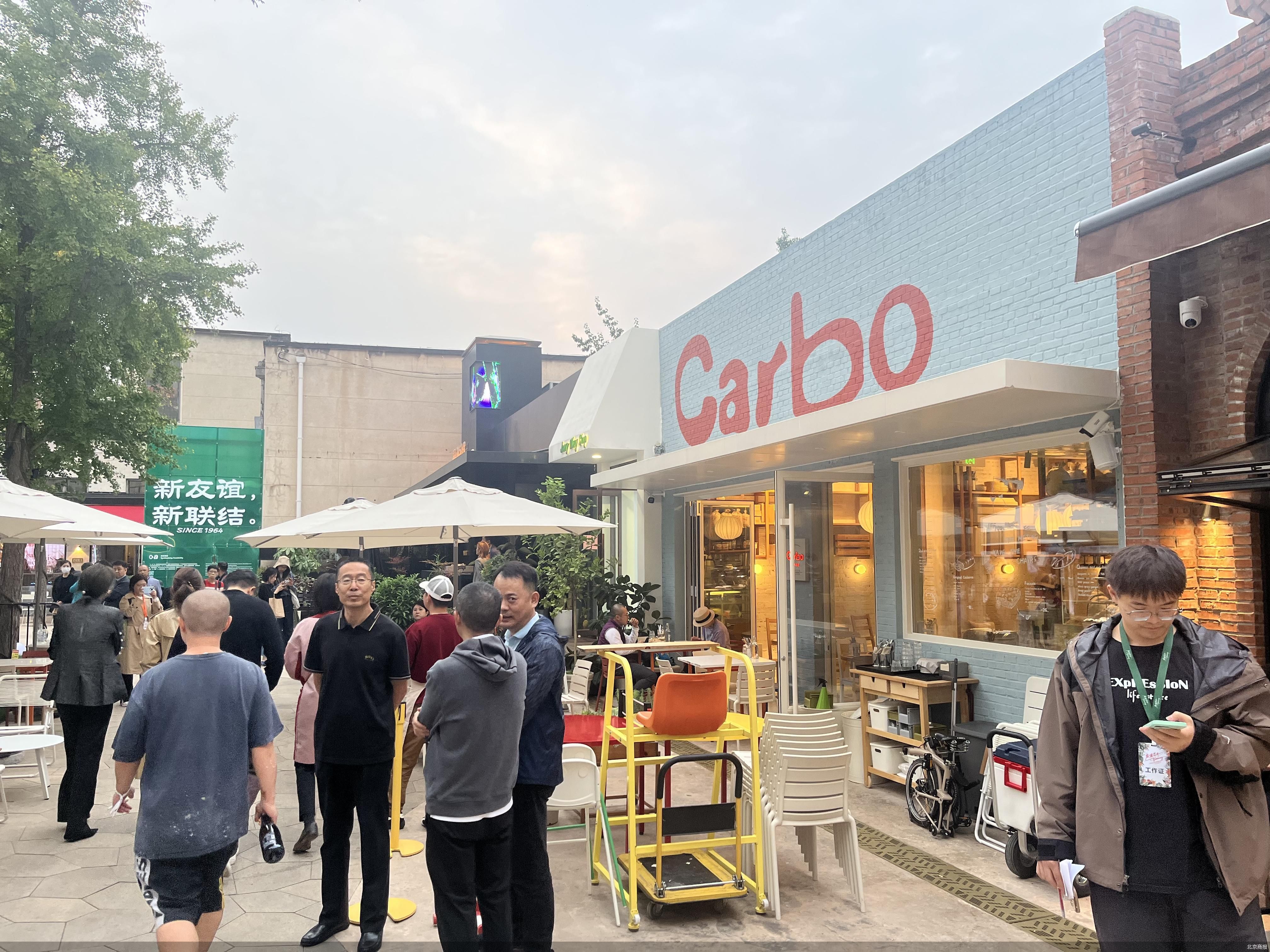
Core Insights - Beijing Friendship Store has officially reopened after four months of trial operation, marking a significant transformation in its business model and offerings [1][4] - The revamped store features a garden courtyard design and integrates multiple business formats, including dining, leisure, culture, and health, aiming to create a "city lifestyle circle" [1][4][8] Business Model Transformation - The new Friendship Store operates on a full-time model, moving away from traditional department store formats to cater to modern urban lifestyles, offering experiences from morning coffee to evening social gatherings [4][5] - The project emphasizes ecological construction and diverse consumer experiences, reflecting a shift in commercial renovation thinking [8] Historical Significance - Established in 1964, the Friendship Store has been a key venue for promoting traditional culture and international friendship, previously hosting 5.39 million foreign visitors annually [9] - The store has received the highest honor in the capital's tourism service industry, the "Forbidden City Cup," for eleven consecutive years since 1988 [9]


攀枝花米易县:以城市更新激活生态红利 绘就宜居宜业民生画卷
Zhong Guo Jing Ji Wang· 2025-09-16 14:34
Core Viewpoint - The article highlights the significant urban renewal and ecological development in Miyii County, transforming it into a more livable and vibrant community, enhancing residents' quality of life and attracting more visitors [1][3]. Group 1: Urban Renewal Initiatives - The construction of the 60-acre Fuyuan Park has become a focal point for urban renewal, providing recreational facilities and improving the local environment [2]. - The "One Park and Six Streets" renovation project has been initiated, creating three distinctive streets and planning additional themed streets to enhance community engagement and aesthetics [2]. - Improvements in infrastructure, such as the renovation of old building facades and the installation of drainage systems, have addressed issues like water accumulation during rainy seasons [2][3]. Group 2: Ecological Development - Miyii County has achieved a green coverage rate of 43.04%, with an average of 16.92 square meters of park green space per person, contributing to a pleasant urban atmosphere [3]. - The establishment of 11 parks along the Anning River has significantly enhanced the ecological landscape, making the county more attractive to both residents and tourists [3]. - The combination of urban renewal and ecological initiatives has led to increased vitality in the city, with local businesses experiencing growth as a result of improved living conditions [3].
“活力中国调研行”主题采访活动走进四川
Si Chuan Ri Bao· 2025-09-02 00:04
Core Insights - The "Vibrant China Research Tour" themed interview activity organized by the Publicity Department of the Communist Party of China is taking place in Sichuan, focusing on various cities and points of interest to showcase economic and social development achievements during the 14th Five-Year Plan period [1][2] Group 1: Economic and Social Development - The interview will cover nearly 30 locations across 9 cities in Sichuan, highlighting urban innovation consumption spaces and rural特色消费场景 [1] - The focus areas include consumption stimulation, technological innovation, expansion of openness, improvement of people's livelihoods, and ecological construction [1] - The event aims to explore the internal driving forces of China's development and decode the vitality of high-quality development [1] Group 2: Cultural and Tourism Highlights - Journalists express interest in exploring cultural and tourism projects, such as the Tianfu Changdao Digital Cultural and Creative Park and Emei Mountain, to understand the latest developments in cultural tourism integration [2] - Various government departments, including the Provincial Development and Reform Commission and the Department of Culture and Tourism, provided insights into their respective fields during the introductory meeting [2]
华为郭平:我们处在剧变的洪流中,不能靠情怀来占领市场
Guan Cha Zhe Wang· 2025-09-01 03:39
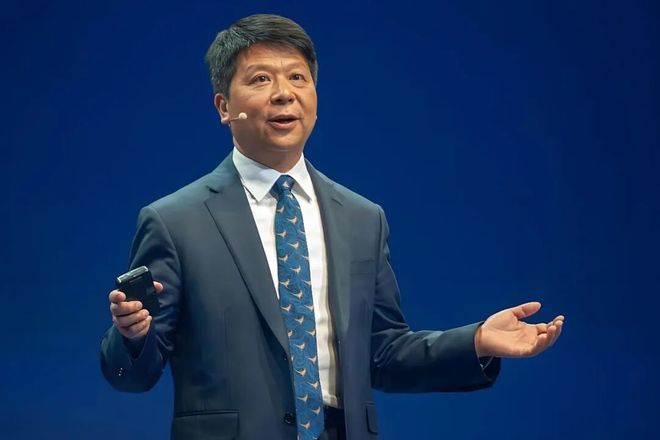
Core Viewpoint - Huawei views the development of the Harmony operating system as a necessary "war" that must be won to provide global customers with an alternative choice, emphasizing the importance of innovation and ecosystem building in a constrained environment [1][5][12]. Group 1: Strategic Direction - Huawei aims to deepen its presence in the largest single national market while also aspiring to expand globally, positioning itself as a major choice in the tech landscape [1][12]. - The company is committed to investing heavily in research and development, with R&D expenses reaching 97 billion yuan in the first half of the year, a 9.1% increase year-on-year, and accounting for 22.7% of revenue [1][6]. Group 2: Challenges and Responses - Huawei faces significant challenges due to restrictions on accessing advanced semiconductor technologies, necessitating a focus on vertical integration of software and hardware to maintain competitiveness [3][4]. - The company acknowledges the difficulty of building an ecosystem independently and aims to mobilize partners to develop applications based on Harmony, despite the inherent challenges [4][5]. Group 3: Innovation and Research - Huawei divides its research activities into two categories: research for knowledge and development for profit, with a focus on increasing investment in research as the company grows [6][10]. - The company is exploring AI applications across various sectors, aiming to leverage its strengths in data and algorithms to create competitive products and services [9][13]. Group 4: Talent and Organizational Structure - Huawei emphasizes the importance of attracting and nurturing top talent, with a focus on creating an environment that allows innovative individuals to thrive [7][10]. - The company is implementing a more collaborative organizational structure to enhance responsiveness and resource allocation across different business groups [10][11]. Group 5: Market Position and Future Outlook - Huawei recognizes its disadvantages due to external constraints but also sees its strong domestic market as a foundation for future growth [12][14]. - The company is committed to becoming a key player in AI and smart terminal markets, with plans to enhance its product offerings and operational efficiency through AI integration [13][14].
省长现场致敬退休副省长:非常了不起!
Zhong Guo Ji Jin Bao· 2025-08-31 15:16
Core Viewpoint - The interview with Luo Dongchuan, Vice Secretary of the Qinghai Provincial Committee and Governor, highlights the successful implementation of the "Two Mountains" concept in Qinghai, particularly in the ecological transformation of Xining, which has evolved from a resource-scarce area to a green city over 35 years [1][2]. Group 1: Ecological Development - Xining is now referred to as the "Green Valley" of the plateau, with significant improvements in greenery, including a forest coverage increase from 7.2% to 79% over 35 years [1]. - The city has achieved dual honors as the first "National Garden City" and "National Forest City" in Northwest China [1]. Group 2: Key Figures in Green Initiatives - Luo Dongchuan paid tribute to Qabulong, a former Vice Governor, who dedicated his post-retirement life to the greening of the South and North Mountains, serving as the chief commander for 18 years [2]. - Qabulong led the planting of 37,500 acres (approximately 15,188 hectares) and nearly 30 million trees during his tenure [3]. Group 3: Recognition and Legacy - Qabulong received the first "Mother River" award in 2001 and was named one of the "Top Ten People Who Moved Qinghai" in 2005 for his contributions to ecological construction [3]. - He was posthumously honored as a "Model of the Times" by the Publicity Department in 2016 for his unwavering commitment to public welfare and ecological development [4].
湾财周报 人物 宗馥莉回应风波;实控人前妻手撕新董秘
Nan Fang Du Shi Bao· 2025-08-31 14:06
Group 1 - The core viewpoint of the article revolves around the ongoing controversies surrounding Wahaha and its chairperson, Zong Fuli, who stated that she will not change direction due to the current turmoil [4][5][6] - Zong Fuli addressed issues related to family inheritance disputes and the optimization of distributors during a recent interview, emphasizing her business philosophy and understanding of commerce [4][6] - The internal conflict at Reliable Co. has intensified, with the founder's ex-wife publicly criticizing the new secretary and the company's management decisions [6][7] Group 2 - Huawei's rotating chairman, Xu Zhijun, announced significant progress in the HarmonyOS ecosystem, highlighting advancements in application adaptation, technological innovation, and industry applications [8] - Lantu Automotive is set to go public in Hong Kong, reflecting market confidence, with over 200,000 users gained in the past period [8] - The restaurant industry is experiencing a normalization phase with declining same-store sales, but the chairman of Xiaocaiyuan expressed confidence in the business model, noting a quick return on investment for new locations [8]



补贴数月,外卖行业更好了吗?
华尔街见闻· 2025-08-28 09:39
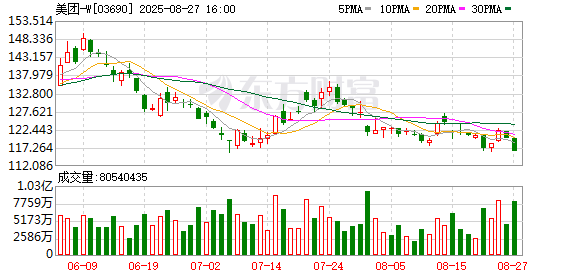
Core Viewpoint - The article discusses the competitive landscape of the food delivery industry, highlighting Meituan's financial performance amidst intense competition and its strategic focus on long-term sustainability rather than short-term gains [1][2][3]. Financial Performance - In Q2 2025, Meituan reported revenue of 91.8 billion yuan, a year-on-year increase of 11.7%, but adjusted net profit fell significantly to 1.493 billion yuan, indicating a substantial decline [1][3]. - The core local business segment generated revenue of 65.3 billion yuan, growing by 7.7% year-on-year, showcasing stability despite overall profit decline [3]. Competitive Strategy - Meituan's CEO Wang Xing emphasized the company's opposition to "involution" in the industry, focusing on ecological construction and long-term health of the business rather than engaging in destructive competition [2][13]. - The company aims to build a healthier ecosystem by improving rider protections, reducing merchant burdens, and enhancing food safety standards [16]. Service Quality and User Engagement - Despite profit challenges, Meituan maintained high service quality, achieving record user engagement with over 500 million monthly active users and peak daily orders exceeding 150 million [3][4]. - The introduction of a membership system integrating various services has further enhanced user loyalty and transaction frequency [7]. New Business Developments - Meituan's new business segment contributed significantly to revenue growth, reaching 26.5 billion yuan in Q2, with a year-on-year increase of 22.8% [8]. - The company is expanding its international presence, particularly in markets like Hong Kong and the Middle East, which provides new growth opportunities [8]. Supply Chain Innovations - Meituan has established over 50,000 "flash warehouses" to enhance supply chain efficiency and support local businesses in digital transformation [7]. - The synergy between different business segments, such as food delivery and in-store services, strengthens Meituan's competitive advantage [7]. Industry Dynamics - The competitive landscape has evolved from a simple rivalry between Meituan and Ele.me to a three-way battle involving Meituan, JD, and Alibaba, with significant financial backing fueling ongoing subsidy wars [11][12]. - The article suggests that the end of subsidies may lead to a more rational market where companies must focus on genuine consumer needs rather than temporary price wars [12][16].

活力中国调研行丨从一棵梭梭,看生态改善与农牧增收互促共赢
Xin Hua Wang· 2025-08-28 01:09
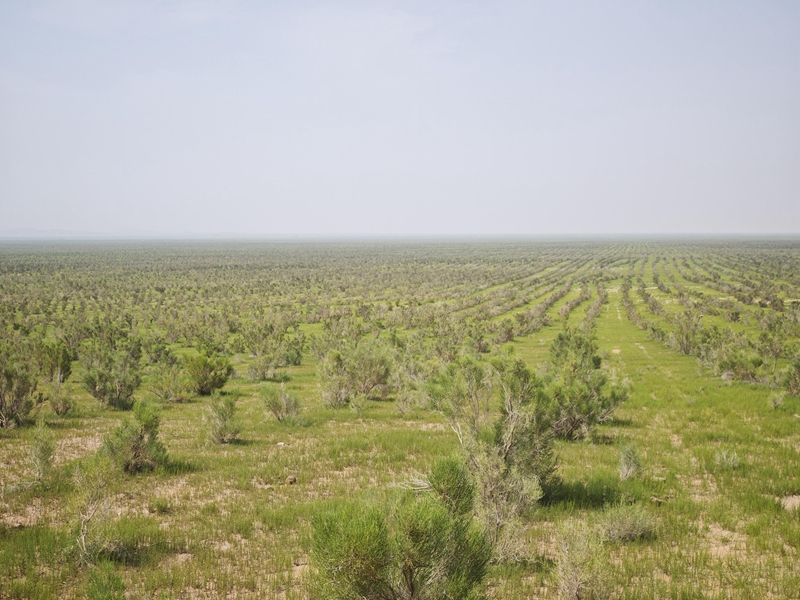
Core Viewpoint - The "Vibrant China Research Tour" highlights the successful transformation of a barren area in Inner Mongolia into a thriving ecological and economic zone through the planting of the drought-resistant shrub, Salsola, and the cultivation of the medicinal herb, Cistanche deserticola [2][7]. Group 1: Ecological Transformation - The demonstration base has successfully planted 430,000 acres of Salsola, creating a green protective barrier measuring 37 kilometers long and 23 kilometers wide [7]. - The area has seen a significant reduction in sandstorms and improved biodiversity, with various grass species now thriving where there was once barren land [7]. - The project has effectively stabilized sand and preserved water and soil, contributing to the ecological restoration of the region [7]. Group 2: Economic Impact - The cultivation of Cistanche deserticola on 58,000 acres yields approximately 300 tons annually, generating nearly 6 million yuan in revenue [7]. - The collective economy of the local community has increased by 300,000 yuan since 2021, benefiting both the community and individual farmers [7]. - The shift from "I have to plant trees" to "I want to plant trees" among local farmers indicates a growing commitment to ecological construction and sustainable income generation [5]. Group 3: Challenges and Innovations - Initial attempts to plant Salsola faced a survival rate of only 28%, significantly below the national standard of 70%, prompting a reevaluation of planting techniques [4]. - The introduction of autumn and winter planting methods improved survival rates by 5% to 10% and reduced water usage by 450 kilograms per acre [4]. - The project has evolved from traditional tree planting to a focus on local shrub species, adapting to the harsh climatic conditions of the region [3].
美团二季度营收918亿元 王兴:坚决反对内卷
Xin Jing Bao· 2025-08-27 15:59
Core Viewpoint - Meituan reported a revenue of 91.8 billion RMB for Q2 2025, reflecting an 11.7% year-on-year growth, but adjusted net profit fell by 89.0% to 1.493 billion RMB, indicating significant operational pressure from the ongoing food delivery subsidy war [1] Group 1: Financial Performance - The core local commerce segment generated revenue of 65.3 billion RMB, a 7.7% increase year-on-year [2] - The new business segment achieved revenue of 26.5 billion RMB, growing by 22.8%, with losses narrowing to 1.9 billion RMB [5] Group 2: Market Strategy and Operations - Meituan's CEO emphasized the company's commitment to maintaining its market position amidst intensified competition, focusing on ecosystem development to benefit consumers, merchants, and delivery personnel [1] - The company plans to open over 10,000 brand satellite stores by the end of the year, having already partnered with over 800 major restaurant brands [2] Group 3: Rider Support and Welfare - Meituan will eliminate overtime penalties for riders by the end of 2025 and has implemented full coverage of work injury insurance for riders in 17 provinces [4] - The company has established a 1.6 billion RMB summer rider support fund and expanded the coverage of its illness reimbursement program [4] Group 4: Technological Investment - Meituan invested 6.3 billion RMB in R&D, marking a 17.2% increase year-on-year, and has launched 64 drone delivery routes across several major cities [6]

美团二季度营销开支大增77亿 三季度将加大投入应对竞争
Nan Fang Du Shi Bao· 2025-08-27 15:46
Core Insights - Meituan reported a revenue of 91.84 billion RMB for Q2 2025, representing a year-on-year growth of 11.7%, while adjusted net profit plummeted by 89% to 1.49 billion RMB [2][3] - For the first half of 2025, Meituan's revenue reached 178.3 billion RMB, a 14.7% increase year-on-year, but adjusted net profit decreased by 41% [2] Revenue Breakdown - The core local commerce segment generated 65.3 billion RMB in revenue, up 7.7% year-on-year, but operating profit dropped significantly by 75.6% to 3.7 billion RMB, with a profit margin of 5.7%, down 19.4 percentage points [4] - New business revenue grew by 22.8% to 26.5 billion RMB, contributing 28% to total revenue, primarily driven by grocery retail and overseas business expansion [5] Cost and Marketing Expenditure - Overall sales costs increased by 27% to 61.4 billion RMB, accounting for 66.9% of revenue, up 8.1 percentage points year-on-year [6] - Sales and marketing expenses surged by 51.8% to 22.5 billion RMB, representing 24.5% of revenue, an increase of 6.5 percentage points, largely due to intensified competition in food delivery and instant retail [6] Strategic Focus and Future Outlook - CEO Wang Xing emphasized the company's commitment to maintaining market position amidst fierce competition, focusing on essential service quality and cost-effectiveness [2][4] - For Q3, Meituan anticipates significant losses in core local commerce due to high subsidy levels from competitors, planning to increase investments to ensure competitive pricing and stable service delivery [7]