
生物医药创新

Search documents
从授权合作迈向生态共建:阿斯利康持续加码,赋能中国生物医药创新
21世纪经济报道· 2025-10-27 11:16
Core Insights - AstraZeneca has officially launched its sixth global strategic R&D center in Beijing, establishing a new bridge for Sino-British pharmaceutical innovation [1] - The collaboration between AstraZeneca and Cambridge University aims to enhance connectivity, communication, and collaboration in the pharmaceutical sector, marking a new phase in Sino-British cooperation [3] - China's pharmaceutical industry is undergoing rapid transformation, driven by innovation and increasing integration into the global clinical trial landscape [4] Group 1: AstraZeneca's R&D Center and Collaborations - The new R&D center in Beijing is part of a broader strategy to strengthen the entire innovation ecosystem, enhancing capabilities from research to platform and ecosystem development [1] - The "3C" concept (Connect, Communicate, Collaborate) is central to the partnership, focusing on building trust and facilitating deeper discussions on specific research areas [3] - AstraZeneca's collaboration with Harbour BioMed in oncology and autoimmune diseases is expected to inject new momentum into drug development through a diversified cooperation model [10] Group 2: China's Pharmaceutical Innovation Landscape - The "Healthy China 2030" strategy emphasizes high-quality healthcare services and the unique advantages of pharmaceuticals, driving the rapid growth of innovative drugs [4] - By 2024, Chinese companies are expected to account for 30% of global clinical trial initiations, reflecting China's growing influence in the global clinical trial arena [4] - The increasing number of innovative drugs included in the medical insurance directory is driving the rapid growth of the original innovative drug market in China [4] Group 3: Future of Sino-British Cooperation - The partnership between AstraZeneca and local entities in Beijing represents a new model of innovation cooperation, leveraging the strengths of both sides [5] - The collaboration aims to create a comprehensive innovation ecosystem that connects early-stage research to clinical applications, enhancing the global competitiveness of Chinese pharmaceutical innovations [10][14] - The shift from simple product cooperation to a more advanced collaborative model signifies China's transition from being a "world pharmacy" to a global source of pharmaceutical innovation [14]



北京经开区强化从研发到平台到生态圈建设全链条能力
Xin Jing Bao· 2025-10-27 10:51
Core Insights - AstraZeneca officially launched its sixth global strategic R&D center in Beijing Economic-Technological Development Area, marking a significant step in establishing Beijing as a global biopharmaceutical innovation hub [1][2] - The new center aims to leverage Beijing's leading scientific ecosystem and AI advantages to accelerate the development of innovative drugs, enhancing collaboration with local clinical trial institutions, universities, and biotech companies [1][2] - AstraZeneca's investment of $2.5 billion in Beijing signifies a commitment to local innovation and collaboration, positioning the region as a key player in the global biopharmaceutical landscape [1][2] Summary by Sections AstraZeneca's New R&D Center - The new global strategic R&D center is AstraZeneca's second in China, following the establishment of the Shanghai center [1] - The center will collaborate with the Shanghai center to lead drug discovery and clinical development, facilitating the transformation of innovative results into life-changing medications [1] Collaboration with Local Entities - AstraZeneca signed a cooperation agreement with Beijing's Science and Technology Commission and other local authorities to enhance R&D innovation and local partnerships [1] - The collaboration aims to strengthen the entire chain from drug discovery to clinical development and new drug approval [1] Innovation Ecosystem Development - The partnership between AstraZeneca and Heptares Therapeutics focuses on accelerating the development of antibody drugs, particularly in oncology and autoimmune diseases [1] - The establishment of a new innovation laboratory will enhance collaborative efficiency and expedite the R&D process for next-generation antibody drugs [1] Economic Impact and Future Prospects - Beijing's BioPark is expected to create a more international business environment, attracting more global pharmaceutical companies to participate in regional development [2] - The biopharmaceutical industry in Beijing Yizhuang has over 5,000 companies, contributing nearly 90 billion yuan to the local economy, showcasing a robust development pattern [2]
“珠峰攀登者”特宝生物:向创新开放“隐形冠军”永不止步
Xin Lang Cai Jing· 2025-10-20 00:06
Core Insights - The article highlights the transformation of the Xiamen Biopharmaceutical Port and the success story of Teva Biopharma, which has evolved from a small team to a leading company in the biopharmaceutical industry in China [1][2]. Company Overview - Teva Biopharma, established in 1996, focuses on the research, production, and sales of recombinant proteins and long-acting modified drugs, primarily in the field of immunology [2]. - The company has developed several first-class new drugs, including Pegfilgrastim, Yipeng, and Peijin, based on its innovative platform technology centered around polyethylene glycol long-acting drugs [2]. Financial Performance - From 2018 to 2024, Teva Biopharma's operating revenue increased from 448 million to 2.817 billion, while net profit rose from 16 million to 827 million [2]. - In the first half of 2025, the company reported R&D expenditures of 202 million, reflecting a year-on-year growth of 48.77% [3]. Innovation and Development - Teva Biopharma emphasizes continuous innovation, with a focus on building a core technology platform that includes PEG modification, drug production, and optimization [4]. - The company has transitioned from a small team of 7 to over 2,000 employees and successfully listed on the STAR Market in January 2020, marking a significant milestone in its development [4]. Future Outlook - The company views innovation as its greatest opportunity and recognizes the risk of losing direction in the innovation process [5]. - Teva Biopharma aims to shift from single drug development to integrated innovation through multi-path technology, addressing complex diseases and enhancing clinical efficacy and value [5].

2025张江药谷产业生态全球推介会成功举行
Zheng Quan Ri Bao Zhi Sheng· 2025-10-14 12:09
Core Insights - The 2025 Zhangjiang Pharmaceutical Valley Global Promotion Conference and International Innovation Conference has commenced, focusing on the full-cycle development system from source innovation to global market application [1][2] - Zhangjiang Pharmaceutical Valley has approved 29 first-class domestic new drugs, with seven innovative drugs set to launch in 2025, showcasing strong source innovation capabilities [1][2] - The establishment of the Zhangjiang Pharmaceutical Valley Comprehensive Service Center aims to enhance industry service capabilities and support the entire lifecycle of enterprises [2] Group 1 - The conference gathered leaders from the National Medical Products Administration, local governments, academicians, top scientists, industry leaders, and capital representatives to discuss the development of the pharmaceutical industry [1] - Seven innovative drugs from companies such as Inpai Pharmaceutical and Fuxing Pharmaceutical are expected to launch in 2025, including the first human-derived long-acting GLP-1 receptor agonist and the first gene therapy drug [1][2] - A total of 38 innovative medical device products have been approved, with four products from Xuan Yu Medical and Shang Yang Medical successfully launched in 2025, marking advancements in cardiac electrophysiology [1][2] Group 2 - Zhangjiang Pharmaceutical Valley has become a global platform for pharmaceutical innovation, with 11 global innovative drugs launched in China to date [2] - The Comprehensive Service Center integrates industry resources and provides a "1+1+1" service system, including a scientist salon, a results display center, and a one-stop service center [2] - The future focus will be on strengthening the entire innovation ecosystem, from source innovation to clinical application, to establish an internationally influential biopharmaceutical industry innovation hub [2]
国际TOP20药企、医疗器械企业各有19家在上海设立总部或研发中心 产业规模逐年增长 上海生物医药越来越有显示度
Jie Fang Ri Bao· 2025-10-14 01:36
Core Insights - Shanghai is leading the nation in the innovation of pharmaceuticals and medical devices, with 30 approved domestic Class I innovative drugs from 2021 to September 2025, accounting for 17% of the national total [1] - The biopharmaceutical industry in Shanghai reached a scale of 500.57 billion yuan in the first half of this year, with expectations to surpass 1 trillion yuan for the full year [2] - Shanghai's License-out transactions for innovative drugs reached 38 in 2024, representing 35% of the national total, with a transaction value of 30.7 billion USD, accounting for 47% of the national total [3] Industry Growth - The biopharmaceutical industry in Shanghai has shown consistent growth, increasing from 761.71 billion yuan in 2021 to an estimated 984.70 billion yuan in 2024, with a compound annual growth rate of 8.94% [2] - By the end of 2024, Shanghai is expected to have 2,183 biopharmaceutical enterprises, covering manufacturing, services, and wholesale [2] - Shanghai has seen 46 companies go public from 2021 to 2024, with 4 new listings in 2023 alone [2] International Recognition - Since 2021, 9 drugs have been approved in international markets such as the US and Japan, indicating the global recognition of Shanghai's innovative capabilities [3] - Major international pharmaceutical and medical device companies have established headquarters or R&D centers in Shanghai, with 19 out of the top 20 in each category present [2] Policy Support - Shanghai has implemented various policies to support the biopharmaceutical industry, including regulations and action plans focused on synthetic biology, cell and gene therapy, and AI in medicine [4] - A biopharmaceutical industry mother fund with a total scale of 22.5 billion yuan has been established, along with a 10 billion yuan merger fund targeting strategic acquisitions in traditional Chinese medicine, vaccines, and high-end medical devices [4] - From 2021 to 2024, Shanghai's biopharmaceutical sector has secured 238.37 billion yuan in financing, ranking among the top in the country [4] Innovation Ecosystem - Shanghai has built a comprehensive innovation ecosystem that spans from research to clinical application, providing new momentum for high-quality development in the biopharmaceutical industry [5]


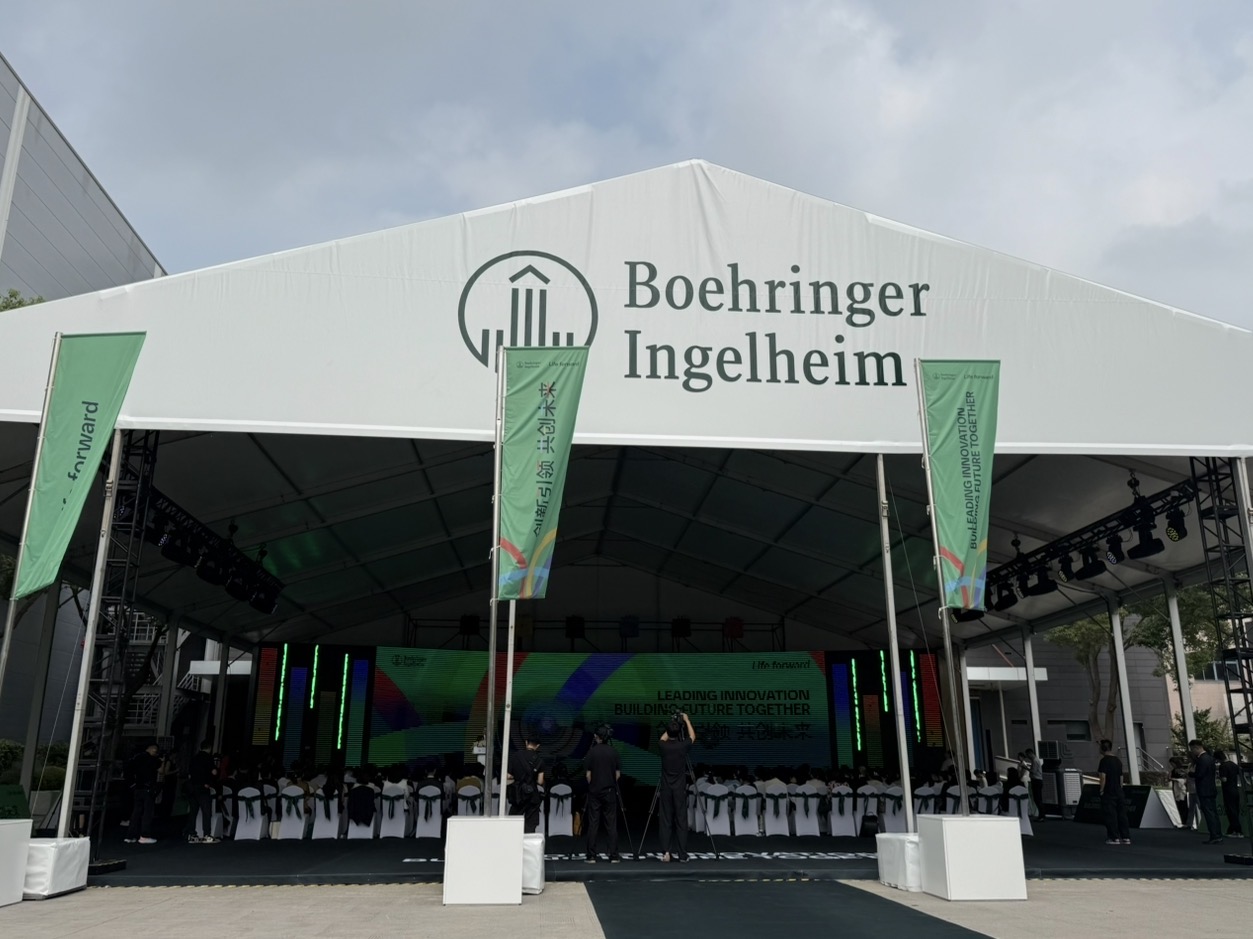
勃林格殷格翰首次启动人用药本地化生产,确保降糖药在华稳定供应
Di Yi Cai Jing· 2025-10-13 06:14
Core Insights - The localization production initiative by Boehringer Ingelheim marks a significant step in the company's strategic expansion in China, transitioning from commercial operations to deeper involvement in the industrial chain [1] - The launch of the local production plan for the diabetes drug Onglyza (linagliptin) is aimed at enhancing supply stability in the Chinese market and optimizing production capabilities at the Shanghai facility [1][3] - Boehringer Ingelheim plans to invest over 5 billion RMB in R&D in China over the next five years, focusing on metabolic diseases, inflammation, eye health, and oncology [3] Company Developments - Onglyza, a previously top-selling diabetes medication in China, was approved in 2013 and has seen significant sales, exceeding 1.3 billion RMB in 2023 [3] - The Shanghai biopharmaceutical base of Boehringer Ingelheim has received certifications from major global drug regulatory agencies, positioning it as a key player in the domestic biopharmaceutical contract manufacturing sector [4] - The company is part of a broader trend where multinational pharmaceutical firms are increasing investments in China's biopharmaceutical sector, driven by rising demand for innovative drugs [4] Industry Context - The 37th Shanghai International Business Leaders Advisory Council (IBLAC) highlighted the importance of innovation in Shanghai's strategic development, with calls for a supportive market environment to foster innovation [4] - The upcoming 2025 Shanghai International Biopharmaceutical Industry Week aims to gather experts and industry representatives to discuss overcoming barriers and enhancing collaboration in the biopharmaceutical field [5]
“开源创新·聚链共生” 第八届浦江产融峰会在沪举行
Zhong Zheng Wang· 2025-10-11 12:57
Core Insights - The 8th Pujiang Pharmaceutical Health Industry Innovation Development Summit was held in Shanghai, focusing on "Open Source Innovation and Collaborative Chain Symbiosis" [1] - The summit has become a leading platform for the development of China's pharmaceutical and health industry, gathering over 300 influential guests from various sectors [1][2] Policy and Authority - Key figures including the President of Shanghai Pharmaceuticals and representatives from the Shanghai Municipal Government and the National Health Commission emphasized the importance of technological innovation in reshaping health care [2] - The summit aligns with national strategies to foster a collaborative platform that integrates technology and health sectors, promoting a biopharmaceutical innovation ecosystem [2][3] Industry Trends and Discussions - The summit covered critical aspects of the pharmaceutical health industry, including policy, scientific advancements, and capital market trends [3] - Experts discussed the collaborative management of health technology innovation, the support system for innovative drugs, and the lifecycle value management of pharmaceuticals [3] - Representatives from international financial institutions shared insights on global biopharmaceutical investment trends and IPO developments [3] Cross-Disciplinary Collaboration - The summit featured a special segment called "Pujiang Exchange: Frontline Discussion," where leaders from various sectors engaged in dialogues about "Science Leading Unbounded Innovation" [4] - This platform facilitated networking and the exchange of innovative ideas, fostering high-quality collaborations for future projects [4] Strategic Development - The Pujiang Summit has evolved into a significant indicator of innovation in China's pharmaceutical health industry, showcasing Shanghai's strategic position as a global biopharmaceutical innovation hub [6] - Shanghai Pharmaceuticals aims to enhance its role as a "chain leader" in the innovation center, attracting multinational pharmaceutical companies and national institutions [6]
中环环保实控人拟变更为刘杨,后者系赛赋医药董事长及创始人
Bei Jing Shang Bao· 2025-10-09 11:13
Core Viewpoint - The announcement reveals a significant change in the controlling shareholder of Zhonghuan Environmental Protection, with Liu Yang becoming the actual controller through Beijing Dingyuan, indicating a strategic shift towards the biopharmaceutical sector [1][2][3] Group 1: Shareholder Changes - Zhonghuan Environmental Protection's controlling shareholder will change to Beijing Dingyuan Enterprise Management Consulting Partnership, with Liu Yang as the new actual controller [1] - Zhang Bozhong, the previous controlling shareholder, transferred a total of 70.54 million shares, representing 16.6171% of the company's total equity, to Beijing Dingyuan and Jiaxing Dingkang [2] - The share transfer price was approximately 8.48 yuan per share, totaling around 598 million yuan [2] Group 2: Biopharmaceutical Sector Insights - Saisufu Pharmaceutical, founded in 2016, provides comprehensive CRO evaluation services and aims to accelerate the development of innovative drugs [3] - Liu Yang has extensive experience in the rapidly expanding biopharmaceutical innovation sector, indicating strong growth potential for the company [3] - The new shareholders plan to leverage their resources in the biopharmaceutical field to optimize Zhonghuan Environmental Protection's asset quality and enhance overall company performance [3]

决胜“十四五” 打好收官战丨渤海明珠新“药”方——天津生物医药产业发展观察
Xin Hua Wang· 2025-09-28 07:59
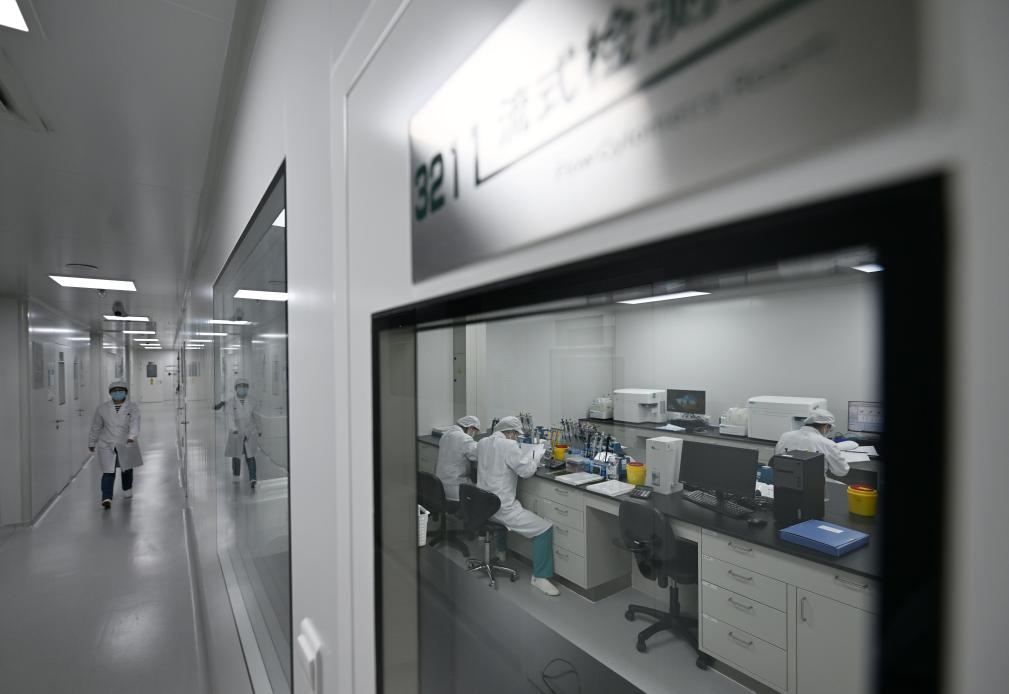
Core Viewpoint - The article highlights the rapid development of the biopharmaceutical industry in Tianjin, emphasizing its innovative capabilities and strategic importance as a key emerging industry supported by national policies [1][2]. Group 1: Technological Innovation - The Tianjin Industrial Biotechnology Research Institute has achieved significant breakthroughs, including a low-carbon microbial synthesis route for starch using acetic acid as a raw material [1][2]. - The city has established over 1,200 various research projects, showcasing its strong technological innovation capabilities [2]. Group 2: Industry Structure and Growth - Tianjin's biopharmaceutical sector includes 33 national-level innovation platforms, comprising 9 national key laboratories and 2 specialized universities [3]. - The biopharmaceutical industry is projected to exceed 90 billion yuan in output value by 2024, with five sub-chains emerging: pharmaceuticals, medical devices, biomanufacturing, traditional Chinese medicine production, and Chinese herbal medicine processing [5]. Group 3: Collaborative Efforts - The establishment of the Radiopharmaceutical Innovation Consortium led by Tianjin Hengrui Medicine integrates resources from universities and research institutions to tackle key technological challenges [5][7]. - The city has implemented comprehensive support measures for the biopharmaceutical industry, creating a full lifecycle support service system from innovation to market access [7]. Group 4: Talent Development - Tianjin is accelerating the construction of a talent ecosystem that supports the entire industry chain, providing a robust foundation for companies like HeYuan Biotechnology [7]. - The first CAR-T cell therapy product developed by HeYuan Biotechnology has been approved for market, reflecting the growing recognition of China's original therapies in international markets [7].
决胜“十四五” 打好收官战|渤海明珠新“药”方——天津生物医药产业发展观察
Xin Hua She· 2025-09-28 07:49
Core Insights - The article highlights the rapid development of the biopharmaceutical industry in Tianjin, emphasizing its strategic importance as a key emerging industry supported by national policies [1][2][3] Industry Development - The biopharmaceutical sector in Tianjin is a national strategic focus, with significant investments in research and development, including over 1,200 projects supported by various governmental bodies [1] - Tianjin is home to 33 national-level innovation platforms, including 9 national key laboratories, which bolster the region's biopharmaceutical capabilities [2] - The industry is projected to achieve an output value exceeding 90 billion yuan in 2024, with five sub-chains emerging: pharmaceuticals, medical devices, biomanufacturing, traditional Chinese medicine production, and herbal processing [2] Technological Advancements - The Tianjin Industrial Biotechnology Research Institute has made significant breakthroughs, including a low-carbon microbial synthesis route for starch using acetic acid [1] - The establishment of the Cell Ecology Haihe Laboratory's Frontline Technology Center aims to position Tianjin as a hub for cell and gene therapy innovation [2][3] Collaborative Efforts - The formation of an innovative joint venture led by Tianjin Hengrui Medicine integrates resources from universities and hospitals to address key technological challenges in radiopharmaceuticals [3] - The implementation of supportive policies, such as the "Research and Development Loan," provides financial backing for technology commercialization, enhancing the growth potential of local enterprises [3] Market Impact - The establishment of a new industrial chromatography materials production base by Suzhou Aijie Boya Technology Co., Ltd. in Tianjin is expected to generate an annual output value of 500 million yuan, catering to both local and external market demands [2] - The approval of the first CAR-T cell therapy product by HeYuan Biotechnology marks a significant milestone in providing new treatment options for leukemia patients in China, reflecting the growing recognition of domestic innovations [4]
