税制改革

Search documents
日本拟大幅降低超级富豪征税门槛 预计增收3000亿日元
Ge Long Hui· 2025-12-10 08:41
Core Viewpoint - The Japanese government is planning to adjust the tax system for the ultra-wealthy, specifically targeting those with high asset income from stocks and real estate, by lowering the income threshold for taxation from approximately 3 billion yen to about 600 million yen [1] Group 1: Tax Reform Details - The current tax system in Japan applies progressive income tax rates to wage income, while asset income such as capital gains is taxed at a flat rate, resulting in a lower overall tax burden for the ultra-wealthy [1] - An additional tax has already been implemented for ultra-wealthy individuals with asset income, starting from this year's income for those earning over 3 billion yen [1] - The new tax standard is expected to apply to income from the following year, expanding the taxable population from around 200-300 individuals to approximately 2,000 [1] Group 2: Expected Revenue Impact - The anticipated increase in tax revenue from this reform is projected to be around 300 billion yen [1]
日本财务大臣:明年预算将纳入支出审查成果 推进税制改革
Xin Hua Cai Jing· 2025-12-02 00:55
Core Viewpoint - The Japanese Finance Minister, Katsuyuki Kitamura, emphasized that there is no divergence between the government and the Bank of Japan regarding economic assessments, highlighting their collaboration towards achieving price targets and fiscal sustainability [1] Economic Outlook - Both the government and the Bank of Japan believe that the Japanese economy is "moderately recovering" [1] - The Bank of Japan is expected to implement "appropriate monetary policy" to sustainably and stably achieve its price targets, reaffirming the independence of the central bank [1] Fiscal Policy - The government plans to coordinate with the ruling party on the review of subsidy projects and investment funds [1] - There is an intention to seek public opinion on "wasteful spending" issues by the end of the year [1] - Tax reform and budget preparation for next year will reflect the outcomes of government spending reviews conducted by an expert group [1]
惠企政策需要换位思维
第一财经· 2025-11-27 00:38
Core Viewpoint - The article emphasizes the need for a cognitive transformation in the regulation of administrative actions related to enterprises, focusing on reducing costs and improving efficiency by establishing a standardized system for administrative behavior towards businesses and enhancing the overall service system for enterprises [2]. Summary by Sections Government Initiatives - The State Council's inter-ministerial joint meeting on enterprise burdens highlighted plans to focus on cost reduction and efficiency improvement by 2026, aiming to create a regular operational mechanism for policies benefiting enterprises [2]. - From January to August this year, major policies supporting the manufacturing sector have resulted in tax reductions and refunds totaling nearly 1.3 trillion yuan, with over 10 trillion yuan in cumulative tax reductions during the "14th Five-Year Plan" period, significantly alleviating the burden on enterprises [2]. Business Sentiment - A survey by the China Small and Medium Enterprises Development Promotion Center revealed that 57% of enterprises desire further reductions in value-added tax, 55% seek lower corporate income tax, and 37% wish for reduced costs related to energy and land use [2]. - Despite existing policies, many enterprises still feel a heavy burden due to issues such as hidden costs, lack of timely policy implementation, and the resurgence of arbitrary fees and inspections [3]. Policy Effectiveness - The article identifies that some policies are not meeting the needs of enterprises effectively, leading to dissatisfaction. The root cause is attributed to a disconnect between government perceptions of what enterprises need and the actual requirements of businesses [4]. - It is suggested that the decision-making and execution mechanisms for policies should adopt a perspective that prioritizes the needs of enterprises, ensuring that policies are designed based on actual business demands rather than assumptions [4]. Information and Feedback Mechanisms - Establishing a transparent mechanism for conveying enterprise demands and government policy resources is crucial for enhancing the sense of satisfaction among businesses [5]. - The feedback from enterprises and stakeholders is essential for refining policies and ensuring they are responsive to market realities, indicating that the effectiveness of policies should be continuously evaluated [5]. Taxation and Financial Reforms - The article advocates for tax reform, particularly in corporate income tax deductions, to alleviate the financial burden on enterprises. It emphasizes the need for a shift from a reliance on turnover taxes to a focus on direct taxes [5]. - The implementation of advanced tax systems, such as the "Golden Tax Phase IV," is expected to enhance the precision of tax assessments and reduce the administrative burden on businesses [5]. Systemic Challenges - Addressing the challenges of arbitrary fees and inspections requires systemic reforms, especially in the context of local financial pressures. The article calls for a focus on maintaining basic operational functions at the grassroots level [6]. - The best policies for enterprises are characterized by minimal disruption and a respectful approach from government departments, ensuring that policies are appropriately aligned with the needs of businesses [7].


一财社论:惠企政策需要换位思维
Di Yi Cai Jing· 2025-11-26 13:14
Core Viewpoint - The article emphasizes the need for a cognitive transformation in the regulation of administrative behaviors related to enterprises, focusing on reducing costs and improving efficiency through the establishment of standardized systems and comprehensive service frameworks for businesses [2][4]. Group 1: Policy Implementation and Impact - The State Council's inter-ministerial joint meeting on enterprise burdens highlighted a target to establish a normalized mechanism for pro-business policies by 2026, aiming to enhance the business environment and reduce operational costs for enterprises [2]. - From January to August this year, the main policies supporting the manufacturing sector have resulted in tax reductions and refunds totaling nearly 1.3 trillion yuan, with over 10 trillion yuan in cumulative tax reductions during the "14th Five-Year Plan" period, significantly alleviating the burden on enterprises [2]. - Despite these efforts, 57% of enterprises desire further reductions in value-added tax, and 55% seek lower corporate income tax, indicating a continued demand for enhanced support from the government [2]. Group 2: Challenges in Policy Perception - Some enterprises still perceive a heavy burden in certain areas, with issues such as hidden costs, delayed policy implementation, and a resurgence of arbitrary fees and penalties being reported [3]. - The dissatisfaction stems from policies that are not well-targeted or convenient, with a need for a shift in government perception towards understanding and addressing the actual needs of enterprises [4]. Group 3: Recommendations for Improvement - To enhance the effectiveness of pro-business policies, a shift in decision-making and execution mechanisms is necessary, focusing on understanding enterprise needs rather than imposing top-down solutions [4][5]. - Establishing a transparent mechanism for matching enterprise demands with government policy resources is crucial for improving satisfaction and reducing administrative costs [5]. - A systematic approach is required to address issues like arbitrary fees and penalties, ensuring that basic operations at the grassroots level are maintained within a framework of financial reform [6].
哥伦比亚政府调整税改方案
Shang Wu Bu Wang Zhan· 2025-11-17 16:12
Core Points - The Colombian Ministry of Finance and Congress have resumed discussions on tax reform, focusing on adjustments to consumption tax rates and the elimination of certain fuel taxes while increasing taxes on alcohol, tobacco, and digital services [1] Group 1: Tax Reform Proposals - The original plan to impose a fuel tax aimed at generating 26 billion pesos (approximately $69,500) has been removed from the proposal [1] - The tax rate on digital services provided by foreign platforms will increase from 3% to 4.5%, and small imported goods will gradually be subject to value-added tax (VAT) [1] - Consumption tax on tobacco products will be expanded to include e-cigarettes and heated tobacco products, with annual adjustments based on inflation [1] Group 2: Impact on Specific Sectors - The consumption tax for the restaurant industry will also be increased in phases [1] - To promote regional tourism, hotels in towns with populations under 200,000 will receive a four-year VAT exemption, allowing related businesses to benefit from refunds and compensations [1]
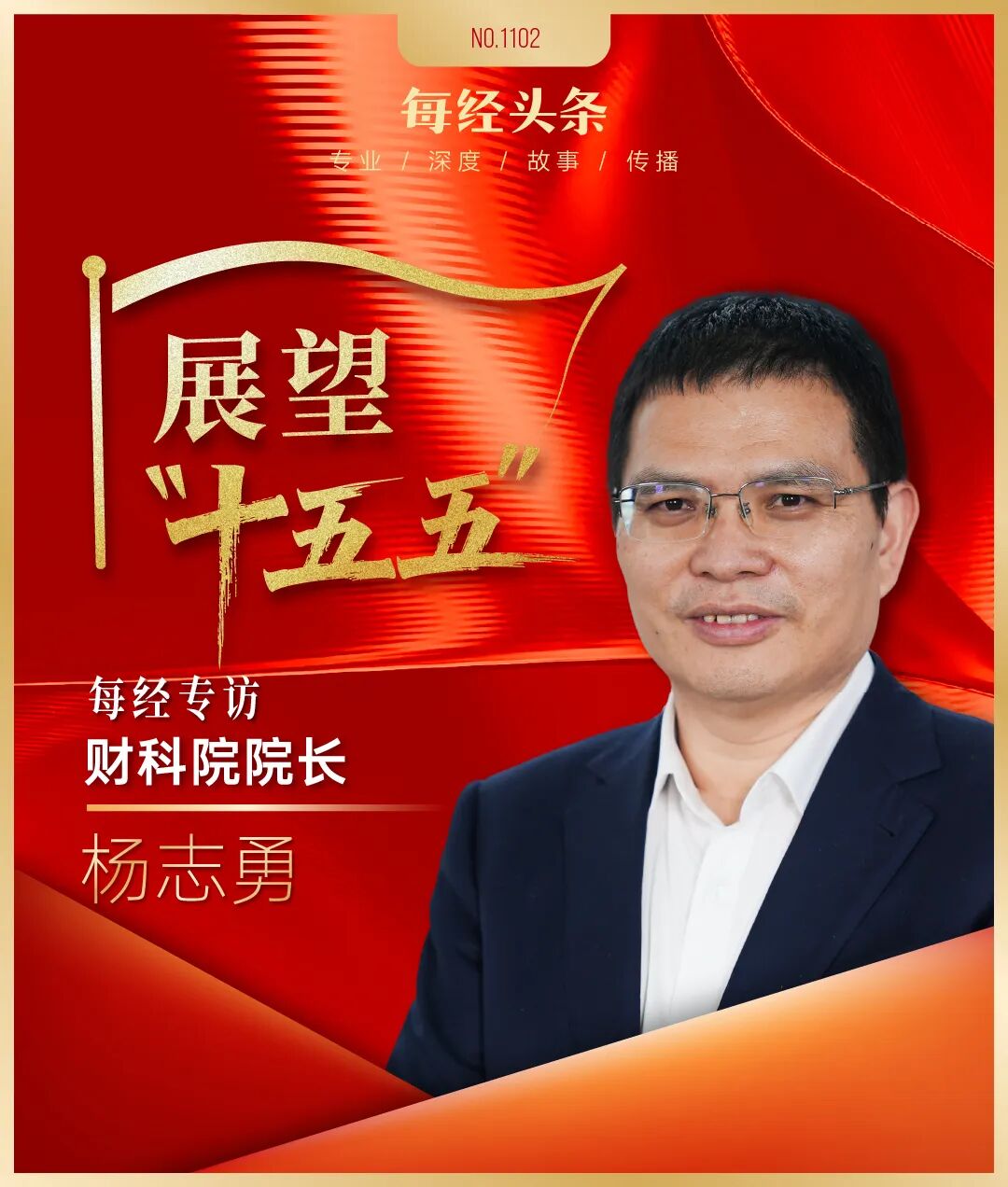
中国财政科学研究院院长杨志勇:遏制地方政府新增隐性债务 债务信息要透明,尽可能降低利息成本
Mei Ri Jing Ji Xin Wen· 2025-11-16 14:27
Core Viewpoint - The "15th Five-Year Plan" emphasizes the role of proactive fiscal policy and enhancing fiscal sustainability, marking a shift from the previous plan's focus on establishing a modern fiscal and tax system [1] Group 1: Central-Local Fiscal Relations - The plan suggests strengthening central authority and increasing the central government's fiscal expenditure ratio while enhancing local fiscal autonomy, especially as reliance on land finance decreases [2][3] - Central government transfer payments to local governments have exceeded 10 trillion yuan for three consecutive years, indicating a commitment to increasing local fiscal capacity [2] - The central fiscal expenditure ratio is currently below 15%, which is lower than that of major countries, highlighting the need for reform to better align responsibilities and resources between central and local governments [3] Group 2: Debt Management - The establishment of a long-term mechanism for government debt management is crucial, with a focus on addressing existing hidden debts and preventing new ones [4] - Transparency in local government debt information is essential, and debt management should consider sustainability and market conditions to minimize financing costs [4] - The government aims to optimize debt structure and scale, ensuring that debt management aligns with high-quality development goals [4] Group 3: Tax System Reform - The plan calls for deepening tax system reforms to ensure that tax obligations align with the capacity of microeconomic entities, addressing discrepancies in tax burdens [6][7] - The macro tax burden has been decreasing since 2017, with projections indicating that tax revenue will account for less than 13% of GDP by 2024, which may not be sustainable given the fiscal pressures [6] - Tax incentives should be rationalized to avoid market distortions and ensure fair competition, while direct tax systems need to be improved to promote social equity [7] Group 4: Zero-Based Budgeting Reform - The introduction of zero-based budgeting is seen as a critical reform to break the rigid expenditure patterns and improve the efficiency of fiscal resources [8][9] - Challenges in zero-based budgeting include reconciling legal spending requirements with the need for more efficient budget allocations [8][9] - Successful implementation of zero-based budgeting has been observed in various regions, enhancing fiscal management and resource allocation [9] Group 5: Proactive Fiscal Policy - The proactive fiscal policy aims to expand effective demand, support technological self-reliance, and promote rural modernization and high-quality employment [11] - The policy will also address demographic changes and focus on risk prevention in key areas to create a conducive environment for fiscal policy implementation [11] - The "15th Five-Year Plan" is positioned as a foundational period for achieving socialist modernization by 2035, necessitating strategic actions to overcome challenges and leverage opportunities [10][11]
展望“十五五”|专访财科院院长杨志勇:遏制地方政府新增隐性债务,债务信息要透明,尽可能降低利息成本
Mei Ri Jing Ji Xin Wen· 2025-11-14 09:43
Group 1 - The core viewpoint of the article emphasizes the need for proactive fiscal policies to enhance fiscal sustainability during the "15th Five-Year Plan" period, contrasting with the previous "14th Five-Year Plan" which focused on establishing a modern fiscal and tax system [2][19] - The "15th Five-Year Plan" suggests strengthening central authority and increasing the proportion of central fiscal expenditure while enhancing local financial autonomy, especially in the context of declining reliance on land finance [3][4] - The central government's transfer payment budget has exceeded 10 trillion yuan for three consecutive years, indicating a significant effort to increase local financial autonomy [4][6] Group 2 - The article discusses the need for a long-term mechanism for government debt management that aligns with high-quality development, highlighting the establishment of a debt management department by the Ministry of Finance [6][7] - Transparency in local government debt information is crucial for effective debt management, and there is a need to enhance the proactive management of local government debt [7] - The article points out that the macro tax burden should be reasonable and aligned with fiscal expenditure, as the tax revenue to GDP ratio has been declining since 2017, which is not conducive to high-quality development [8][13] Group 3 - The "15th Five-Year Plan" aims to deepen tax system reforms to ensure that tax obligations correspond with the tax capacity of micro entities, addressing discrepancies in tax burdens [8][13] - Zero-based budgeting reform is highlighted as a significant initiative to break the rigid expenditure patterns and improve the efficiency of fiscal resources [14][15] - The article notes that the "15th Five-Year Plan" period is critical for laying the foundation for achieving socialist modernization by 2035, requiring strategic actions to overcome challenges and enhance economic resilience [17][19]
日本将取消个人进口的税收优惠
日经中文网· 2025-11-03 03:01
Core Viewpoint - Japan is considering the cancellation of tax benefits for personal imports, which currently allow a 40% reduction in taxable value, leading to price discrepancies between imported goods sold by Chinese e-commerce platforms and local Japanese retailers [2][5]. Group 1: Tax Policy Changes - The Japanese Ministry of Finance is coordinating to eliminate the tax benefits for personal imports, which have been exploited by Chinese e-commerce sites to sell goods at lower prices [2][5]. - The current tax benefit allows imported goods valued at 30,000 yen (approximately 1,386 RMB) to be taxed at a reduced value of 18,000 yen, resulting in a consumption tax burden of 1,800 yen [4]. - This tax benefit applies to individuals purchasing from overseas through e-commerce platforms, contributing to competitive disadvantages for local retailers [5]. Group 2: Market Impact and Regulatory Concerns - The number of import declarations is expected to reach approximately 200 million in the 2024 fiscal year, quadrupling over five years, which raises concerns about customs oversight and the risk of counterfeit goods entering Japan [7]. - There have been instances of violations where products intended for resale in Japan are disguised as personal imports to evade taxes, such as large quantities of smartphones [7]. - The Ministry of Finance plans to include the cancellation of personal import tax benefits in the 2026 tax reform outline, reflecting a shift in policy since the introduction of these benefits in 1980 [7]. Group 3: International Trends and Comparisons - Other major countries are also revising their tax exemption policies for small imports, with the EU and the UK abolishing VAT exemptions in 2021, and the US planning to eliminate tariff exemptions by August 2025 [8]. - Japan's response to the influx of low-priced goods from countries like China is part of a broader trend among nations to reform tax systems related to e-commerce and imports [8].

蓝皮书在沪发布 致力展示国际税收发展变化全貌
Zhong Guo Xin Wen Wang· 2025-10-27 11:32
Core Insights - The "China International Tax Development Report (2025)" blue paper was released in Shanghai, focusing on China's tax reform and international tax cooperation practices [1][3] - The report evaluates the international competitiveness of China's corporate income tax and explores the deepening paths for tax administration cooperation under the Belt and Road Initiative [1] - It addresses challenges posed by the implementation of global minimum tax rules and offers feasible and forward-looking recommendations [1] Group 1: Tax Reform and Policy - The blue paper emphasizes a combination of "opening up" and "focusing inward," structured into four sections: general report, policy section, management section, and reference section [2] - It highlights the direction of tax reform in China towards increasing the proportion of direct taxes while reducing indirect taxes, which has effectively lowered the macro tax burden [2] - The report underscores the importance of high-quality development in modernizing tax systems, rooted in China's national conditions and aimed at achieving common prosperity [2] Group 2: Tax Governance and Compliance - Tax governance is shifting towards a "compliance-first" approach, driven by policy and administrative technology, fostering a cooperative relationship between tax authorities and enterprises [4] - The concept of tax compliance is defined by principles such as substance over form and reasonable business purpose, aiming to prevent tax loss and ensure consistency in content and form [4] - The report advocates for the establishment of a "precise collaborative" smart tax management system, emphasizing differentiated regulation and balancing tax equity with consumer rights [4]
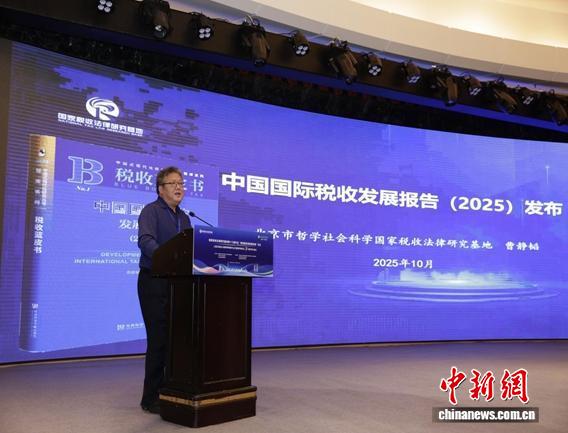
全国税收学术盛会在沪举办 国际税收领域首部蓝皮书发布
Sou Hu Cai Jing· 2025-10-27 06:23
Core Insights - The forum on "High-Quality Development of Tax Services" was held in Shanghai, attended by over 200 participants from universities, tax authorities, and tax service firms [1] - The release of the "China International Tax Development Report (2025)" marks the first blue book in the international tax field, aiming to showcase the changes in international tax development [3] Group 1: Tax Policy and Reform - The report emphasizes the direction of tax reform in China, focusing on increasing the proportion of direct taxes while reducing indirect taxes, as highlighted by the evolution of policies from the 18th to the 20th National Congress [3] - The optimization of the tax structure has effectively lowered the macro tax burden while improving the tax system [3] Group 2: Tax Compliance and Governance - The new "Tax Compliance Plan" replaces the previous "Tax Planning," aiming to enhance tax order reconstruction and support long-term stable development for enterprises [4] - The shift towards "compliance-first" tax governance is driven by policy and management technology, fostering a cooperative relationship between tax authorities and enterprises [4] - A collaborative governance model based on trust between tax authorities and enterprises is proposed to achieve risk prevention and mutual benefits [4] Group 3: Consumer Impact and Regulatory Recommendations - Strengthening platform tax regulation may negatively impact consumer welfare in the short term through price, category, and quality effects, although market competition can mitigate these negative impacts [4] - Recommendations include building a "precise collaborative" smart tax management system, implementing differentiated regulation, and enhancing anti-monopoly measures to balance tax fairness and consumer rights [4] Group 4: Discussions and Future Directions - Experts and practitioners engaged in discussions on topics such as the new quality of service in the tax profession, tax compliance, consumption tax reform, and the training models for financial and tax talents in the new era [4]