货币主义

Search documents
下一任美联储主席的头号候选人变了?沃什有何来头?
Sou Hu Cai Jing· 2025-12-16 12:56
Core Viewpoint - The next Federal Reserve Chair candidate is under intense competition, with Kevin Walsh emerging as the top contender according to President Trump's statements, while Kevin Hassett's chances have significantly decreased [1] Group 1: Candidate Profiles - Kevin Walsh is a prominent figure with a background in Wall Street and has served as the youngest Federal Reserve Governor in history [2] - Walsh has strong connections with notable investors like Peter Thiel and Marc Andreessen, which have influenced his investment strategies, including in cryptocurrencies [2] - His educational background includes a degree from Stanford University and a JD from Harvard Law School, and he has held significant roles in both the Bush administration and the Federal Reserve [2] Group 2: Criticism of Current Federal Reserve Policies - Walsh has been a vocal critic of current Federal Reserve Chair Jerome Powell, arguing that the Fed has failed in its dual mandate of managing interest rates and maintaining transparency [3] - He attributes the high inflation in the U.S. to policy missteps by the Federal Reserve rather than external factors like the pandemic or geopolitical tensions [3] - Walsh believes that the Fed's role has expanded unnecessarily, leading to a dilution of its core mission and independence [4] Group 3: Proposed Policy Changes - Walsh advocates for a "contraction" approach for the Federal Reserve, emphasizing the need to reduce its balance sheet and refocus on its primary function of price stability [5] - He argues that the Fed's extensive asset purchases since the 2008 financial crisis have distorted market dynamics and that it should revert to its original boundaries post-crisis [5] - Walsh suggests that the Fed should adopt an "institutional neutrality principle" to avoid taking stances on social and political issues unless they directly threaten its core mission [5][6]
下一任美联储主席是他?
Qi Lu Wan Bao· 2025-12-07 16:49
Core Viewpoint - The article discusses the potential nomination of Kevin Hassett as the next Chair of the Federal Reserve by President Trump, highlighting the speculation surrounding his candidacy and the implications for monetary policy [6][7][8]. Group 1: Candidates for Federal Reserve Chair - President Trump has indicated he is ready to announce his choice for the next Federal Reserve Chair, with Kevin Hassett being the leading candidate [6][7]. - Other candidates mentioned include former Fed Governor Kevin Walsh, current Fed Governor Christopher Waller, and Michelle Bowman, a Fed Governor [7][13][14]. - Market predictions show a significant increase in the likelihood of Hassett's nomination, rising from under 40% to 64% in a week [7]. Group 2: Kevin Hassett's Background and Views - Hassett, aged 63, has held various economic advisory roles, including serving as the Chair of the White House Council of Economic Advisers during Trump's first term [8][10]. - He advocates for tax cuts and loose monetary policy, criticizing the Fed's post-COVID policies for contributing to inflation [8][12]. - Hassett has expressed a willingness to accept the Fed Chair position and believes the market has reacted positively to the speculation about his nomination [8][12]. Group 3: Concerns and Market Reactions - Some market participants express concern that Hassett may prioritize political loyalty to Trump over independent monetary policy, fearing aggressive interest rate cuts [11]. - Recent comments from Hassett indicate a preference for significant rate cuts, aligning with Trump's views on lower interest rates [12]. - The article notes that other candidates, such as Waller and Reid, may be viewed as more independent compared to Hassett [11][15].

久加诺夫:固定资本投资同比下降3.1%,必须保证劳动者权益
Sou Hu Cai Jing· 2025-12-06 16:33
Core Viewpoint - The fixed capital investment in Russia is projected to decline by 3.1% in Q3 2025 compared to Q3 2024, with a modest growth of only 1.7% expected for the year 2025, indicating a significant slowdown in investment growth compared to previous years [1] Group 1: Investment Trends - Fixed capital investment growth rates were 9.8% in 2023, 7.4% in 2024, and are expected to be only 1.7% in 2025, highlighting a downward trend [1] - The decline in investment is attributed to tight monetary policies that hinder economic growth and technological advancement [1] Group 2: Implications of Investment Decline - The decrease in investment leads to a lack of new job creation [3] - Increased wear and tear on equipment is a consequence of reduced investment [3] - The technological gap is worsening due to insufficient investment in modernization [3] Group 3: Recommendations - It is suggested to halt high-interest rate policies that obstruct investment [4] - Measures should be taken to stop capital outflow and utilize raw material export revenues for national economic modernization and the development of emerging industries [4] - Restoring the right to decent work and confidence in the future for the populace is essential, particularly through labor law reforms [4]
“美联储需要彻底改革”
Sou Hu Cai Jing· 2025-10-09 15:56
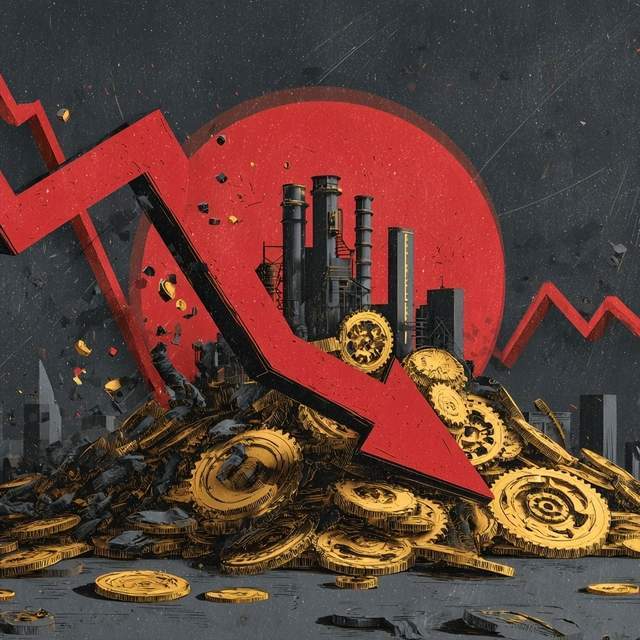
Core Viewpoint - Kevin Warsh, a potential candidate for the next Federal Reserve Chair, advocates for a complete overhaul of the Federal Reserve due to its poor performance under Jerome Powell's leadership [1][3]. Group 1: Criticism of Jerome Powell - Warsh criticizes Powell for failing to maintain appropriate interest rates and for not instilling confidence in the Federal Reserve's actions [2][3]. - He highlights that Powell's tenure has seen inflation rates remain above the Fed's target of 2%, with the latest report showing an inflation rate of 2.9% as of August [3]. - Warsh argues that the market's positive reaction to a recent interest rate cut indicates a loss of trust in Powell's commitment to controlling inflation [3]. Group 2: Call for Reform - Warsh suggests that the next Federal Reserve Chair must implement significant reforms, including delegating bank regulatory responsibilities to government agencies [4]. - He believes that the Treasury should oversee the Federal Reserve's asset holdings, especially after the large-scale asset purchases following the 2008 financial crisis [4]. - Warsh emphasizes that the Federal Reserve should cease holding substantial assets, as this has distorted market dynamics, particularly by lowering U.S. Treasury yields [4]. Group 3: Uncertainty in Chair Position - The current target range for the federal funds rate is between 4.00% and 4.25%, with President Trump expressing a desire for a reduction of up to three percentage points [5]. - Warsh acknowledges that he is not the only contender for the Federal Reserve Chair position, with other candidates including Kevin Hassett and current Fed Governor Waller [6][7]. - Trump's comments suggest that both candidates named Kevin are strong contenders, leaving the selection of the next Federal Reserve Chair uncertain [7].
美联储需要彻底改革
Guo Ji Jin Rong Bao· 2025-10-09 15:47
Group 1 - Kevin Warsh, a potential candidate for the next Federal Reserve Chair, calls for a complete overhaul of the Fed due to its poor performance under Jerome Powell [1][2] - Warsh criticizes Powell for failing to maintain appropriate interest rates and for not achieving the inflation target of 2%, with the current inflation rate reported at 2.9% as of August [2][4] - He argues that the Fed's economic models are flawed, believing inflation is driven by government spending and money supply rather than consumer spending and wage increases [2][3] Group 2 - Warsh advocates for significant reforms within the Fed, suggesting that it should relinquish some regulatory powers to government agencies and that the Treasury should oversee the Fed's asset holdings [4][5] - He emphasizes that the Fed's large asset holdings, which were justified during the 2008 financial crisis, should be reduced as the crisis has passed, to avoid distorting market yields on U.S. Treasury bonds [4] - The current target range for the federal funds rate is between 4.00% and 4.25%, with President Trump expressing a desire for a reduction of up to three percentage points [5][6] Group 3 - Warsh is not the only contender for the Fed Chair position; other candidates include Kevin Hassett and current Fed Governor Christopher Waller [6][7] - Waller's chances are considered low due to his lack of connection with Trump's inner circle and past criticism from Trump's camp for supporting a 50 basis point rate cut [7]
大财政系列14:德国150年财政四部曲之二:增长与改革
Changjiang Securities· 2025-09-26 00:41
Group 1: Economic Phases - The report divides West Germany's fiscal history from 1945 to 1990 into three phases: 1) 1945-1965 Post-war Reconstruction; 2) 1966-1980 Global Stagflation; 3) 1981-1990 Industrial Transformation[3] - The post-war reconstruction period (1945-1965) is characterized by debt reduction and economic miracles, driven by currency reform and the Marshall Plan, which injected approximately $1.6 billion into West Germany[7][31] - The global stagflation period (1966-1980) saw West Germany facing growth bottlenecks, transitioning from fiscal surplus to deficit, with government leverage increasing from 8% in 1970 to 15% in 1980[9][10] Group 2: Key Economic Policies - The currency reform in 1948 replaced 93.5% of the old currency, stabilizing the economy and eliminating hyperinflation risks[7][28] - The Marshall Plan provided crucial support for coal, steel, and infrastructure, helping West Germany's industrial production index rise from around 20 to nearly 90 by 1949[31][37] - The introduction of supply-side reforms in 1982 under Chancellor Helmut Kohl aimed to restructure the economy, reduce social welfare, and promote re-industrialization[11][12] Group 3: Economic Challenges - The steel crisis during the stagflation period highlighted structural weaknesses in West Germany's economy, leading to high unemployment and a decline in international competitiveness[10] - The government faced challenges in managing inflation and unemployment, with the unemployment rate fluctuating significantly during the 1970s[10][30] - The transition from demand-side management to supply-side reforms marked a significant shift in economic policy, reflecting the need for structural adjustments[11][12]
海外专家:警惕独立运营的中央银行
Sou Hu Cai Jing· 2025-09-23 12:53
Core Viewpoint - The independence of central banks is being questioned as they increasingly serve powerful financial interests, leading to slow and uneven economic growth [1][2]. Group 1: Central Bank Independence - Central banks were established to shape financial environments and achieve national economic goals, but they are often influenced by strong financial interests, particularly in smaller, open developing countries [2]. - The shift towards central bank independence has led to a focus on inflation targeting, equating financial stability with price stability, which can exacerbate economic contraction during inflationary periods [2][4]. Group 2: Economic Inequality - The policies of central banks, particularly through interest rate hikes to combat inflation, have disproportionately affected low-income families, leading to increased unemployment and reduced income levels [4][6]. - The negative impacts of rising interest rates have not been offset by any positive effects, as banks benefit from higher interest income while the broader population suffers [4][6]. Group 3: Quantitative Easing - Quantitative easing (QE) emerged as a response to the limitations of traditional monetary policy, aiming to stimulate the economy by purchasing financial assets [5][6]. - QE has led to increased asset prices, benefiting wealthier individuals and exacerbating wealth inequality, as the richest segments of society see their asset values rise significantly [7][8].

「经济发展」余永定:对过去20多年宏观调控政策的几点思考
Sou Hu Cai Jing· 2025-08-20 14:47
Economic Development - The core argument suggests that China's economic growth targets should not be based solely on estimates of "potential economic growth rates" due to considerable uncertainty in these estimates [4][5][6] - The estimation of China's potential economic growth rate varies widely among scholars, ranging from 5% to 8%, and there is a lack of official estimates from authoritative government bodies [5][6] - The article emphasizes the importance of using a trial-and-error approach in setting economic growth targets, advocating for expansionary fiscal policies when indicators such as inflation and employment are low [7] - Long-term factors influencing economic performance should not be used to explain short-term economic changes, as many intermediate factors affect current economic growth [8][9] - Macroeconomic regulation and structural reform are not mutually exclusive; both are necessary to address complex economic issues [10][11] - The article discusses the significance of the "Four Trillion Yuan Stimulus Plan" and its long-term effects on China's economic growth and financial stability [17][18] - It highlights the relationship between monetary policy and real estate regulation, noting that fluctuations in monetary policy often correlate with changes in housing prices [29][31] - The article critiques the belief that inflation is always a monetary phenomenon, presenting evidence of instances where inflation rates did not align with monetary supply growth [22][23][24] - It concludes that the lessons learned from over 20 years of macroeconomic regulation in China emphasize the importance of maintaining growth as a fundamental objective [33]
权威专家:供需矛盾是当前低物价主因 扩内需、治内卷有望促物价合理回升
Sou Hu Cai Jing· 2025-07-14 10:47
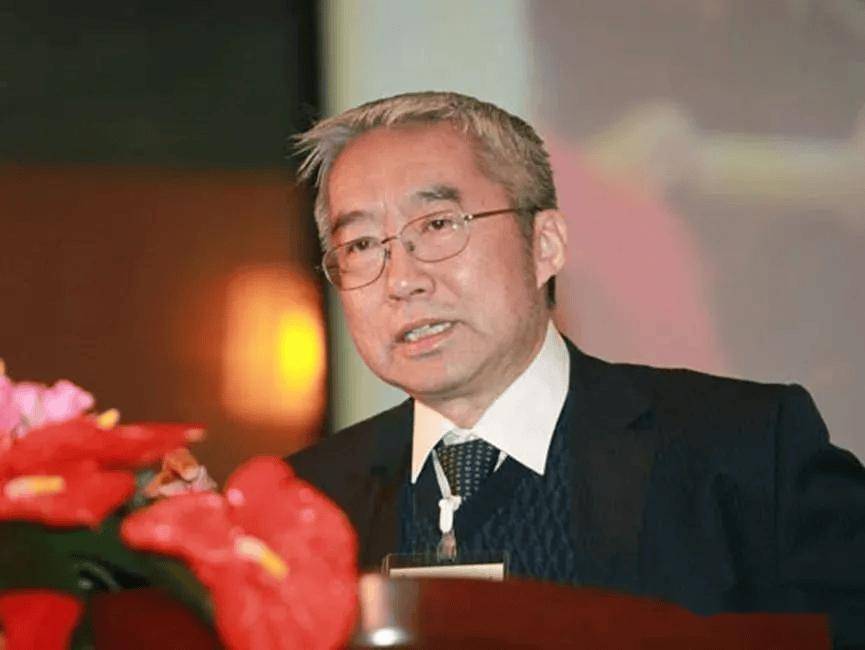
Group 1 - The overall price level in China remains low, primarily due to supply-demand imbalances in the domestic economy, with experts emphasizing that inflation is fundamentally driven by economic supply and demand factors rather than merely monetary phenomena [1] - The historical context of the view that "inflation is a monetary phenomenon" is based on conditions where the growth rate of money supply consistently exceeds that of output, which is not the case in China's current economic landscape [1] - China's macroeconomic policies have shifted from promoting investment to ensuring supply, leading to a situation of oversupply, with the main constraint on prices being insufficient demand [1] Group 2 - Expanding domestic demand and addressing internal competition are expected to facilitate economic circulation and promote a reasonable recovery in prices [2] - The People's Bank of China has implemented a series of financial policies to support service consumption, reflecting the central government's commitment to boosting consumption and expanding domestic demand [2] - Recent measures to optimize supply include the implementation of regulations to address low-price competition and the orderly exit of outdated production capacity, which are anticipated to create a more rational competitive environment and positively impact price recovery [2]
穆迪评级下调后,美国金融 “纸牌屋” 摇摇欲坠
凤凰网财经· 2025-05-26 14:16
Group 1 - The article discusses the recent cooling of the U.S. 20-year Treasury auction and the poor performance of Japanese bonds, signaling potential financial crisis risks [1][2] - It highlights the resurgence of stagflation and the failure of Keynesianism, drawing parallels to the 1970s economic turmoil [1][2] - The article critiques Modern Monetary Theory (MMT) and its implications for U.S. and Japanese debt levels, with Japan's debt-to-GDP ratio at 260% and U.S. federal debt surpassing $36 trillion [2][3] Group 2 - The concept of "privileged currency" under MMT is examined, suggesting that the ability to print money is being challenged by rising bond yields, with U.S. 30-year Treasury yields exceeding 5% [2][3] - The article argues that the illusion of "debt monetization" is being dismantled as inflation pressures shift to asset bubbles and currency volatility [3][4] - It emphasizes the historical context of Japan's economic policies and the potential consequences of reduced bond purchases by the Bank of Japan [5][6] Group 3 - The article notes the rise in gold prices as a reaction to the perceived failures of the modern monetary system, indicating a loss of confidence in sovereign currencies [4][5] - It discusses the implications of Moody's downgrade of the U.S. credit rating and the potential for a currency devaluation-type default, with estimates of a 30%-40% loss in purchasing power for investors [6][7] - The article warns of a potential financial crisis as foreign investment in U.S. debt declines, reminiscent of the 1971 "Nixon Shock" [6][7] Group 4 - The article concludes with a historical perspective on the cyclical nature of economic theories, emphasizing the importance of learning from past mistakes and the need for genuine economic recovery based on productivity and equity [7][8]