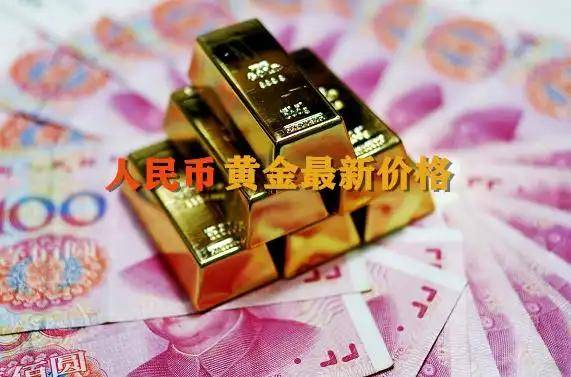
黄金价格

Search documents
金价涨跌怎么看?买来佩戴和买来投资思路大不同
Sou Hu Cai Jing· 2025-12-21 09:06
Core Viewpoint - Recent trends indicate a decline in gold prices, particularly in the raw material segment, which has led to a slight decrease in retail prices for gold jewelry and bars [1][2]. Group 1: Price Dynamics - The term "gold price" can refer to two categories: the standard gold bar price (raw material price) and the retail price of gold jewelry or bars (finished product price) [1][2]. - The raw material price has recently decreased, causing a ripple effect that has led to a minor reduction in the prices displayed in gold shops [1][2]. - There is a significant price difference between gold jewelry and investment gold bars, with the former including additional costs such as design, craftsmanship, and brand premiums [2][5]. Group 2: Purchasing Considerations - When purchasing gold, the purpose of the purchase is crucial; for jewelry, aesthetic and sentimental value may outweigh price fluctuations, while for investment, lower processing fees and premiums are advisable [7]. - Different purchasing locations can lead to price variations; buying from reputable brand stores may include brand assurance costs, while wholesale markets may offer more competitive pricing due to fewer intermediaries [5][7]. - It is essential for buyers to compare prices and understand the real costs involved, especially when considering investment gold bars, to make informed decisions [7].

金价波动,买金如何避坑?对比品牌金饰、大盘价与水贝市场,看清黄金的真实成本
Sou Hu Cai Jing· 2025-12-21 01:42
Core Viewpoint - The article discusses the varying prices of gold jewelry across different retailers and emphasizes the importance of understanding the underlying value of gold, which is influenced by brand, marketing, and craftsmanship rather than just the raw material cost. Group 1: Price Variations in Gold Jewelry - Different retailers offer varying prices for gold jewelry, with prices ranging from 1320 to 1356 yuan per gram, leading to significant total price differences for larger purchases [1] - The additional cost paid at branded stores often reflects brand prestige, marketing, and unique designs rather than just the intrinsic value of gold [1] Group 2: Understanding the Base Price of Gold - The fundamental value of gold is determined by the Shanghai Gold Exchange's price, which is approximately 976 yuan per gram, serving as a benchmark for the entire domestic gold pricing [3] - Awareness of the disparity between retail prices and this base price can help consumers understand the additional costs they incur [3] Group 3: Wholesale Market Insights - In Shenzhen's Shui Bei, gold prices can be as low as 1130 yuan per gram, significantly cheaper than branded stores due to lower operational costs and a focus on bulk sales [4] - The shopping experience in Shui Bei may be less luxurious, appealing to consumers who prioritize cost over brand prestige [4] Group 4: Different Purposes for Gold Purchases - Bank gold bars are priced between the base price and wholesale prices, typically around 990 yuan per gram, appealing to those looking for asset preservation rather than decorative purposes [5] - Consumers should clarify their primary purpose for purchasing gold—whether for personal use or investment—to make informed choices [5] Group 5: Craftsmanship and Additional Costs - Various gold products, such as ancient gold and 3D hard gold, have different price points due to the complexity of their craftsmanship, which adds to the overall cost [7] - Understanding the breakdown of gold price and craftsmanship fees is essential for consumers to make informed purchasing decisions [7]
今夜美国CPI或掀年末最大行情,美元和黄金的“生死对决”即将上演?
美股研究社· 2025-12-18 10:11
Core Viewpoint - The upcoming release of the November Consumer Price Index (CPI) report is highly anticipated by Wall Street, as it will provide the first inflation data since the end of the recent government shutdown, with expectations of a 12-month inflation rate of 3.1% and a core CPI of 3.0% [4][5]. Group 1: CPI Report Expectations - The CPI report is expected to show a year-on-year inflation rate of 3.1%, with the core CPI anticipated at 3.0% [4]. - Analysts predict that the overall and core inflation readings may be lower than expected, potentially at 2.9%, which could positively impact the stock market and set the stage for a "Santa Claus rally" [6]. - The report's release is complicated by the lack of monthly percentage change data due to the previous government shutdown, raising questions about the accuracy of the data [8]. Group 2: Market Reactions and Analyst Insights - Analysts express that even a slight change in the CPI may not lead to significant market reactions, as the data's limitations could keep the Federal Reserve in a cautious stance regarding interest rate decisions [8][12]. - Morgan Stanley anticipates that the CPI data will confirm persistent inflation pressures, driven by rising housing costs and resilient commodity prices, with core inflation expected to average a month-on-month increase of approximately 0.28% [11]. - The lack of detailed monthly data may reduce market response but still indicate ongoing inflationary pressures, suggesting that the Federal Reserve may maintain a restrictive policy stance into early 2026 [12]. Group 3: Broader Economic Context - Analysts highlight the uncertainty in the economic outlook, with conflicting indicators such as weak unemployment trends and strong profit growth expectations, indicating a complex economic environment [9]. - The potential for a "death cross" in the dollar's moving averages signals market volatility ahead of the CPI release, with traders preparing for possible fluctuations [14]. - Gold prices are experiencing slight declines but maintain a positive technical outlook, with potential for upward movement if certain price levels are surpassed [16].
狂飙1000点,继续涨!人民币,大消息!
Sou Hu Cai Jing· 2025-12-16 07:10
Group 1 - The core viewpoint of the news is that the Chinese yuan has strengthened significantly, reaching its highest level since September 30 of the previous year, with expectations of potentially breaking the 7.00 mark against the US dollar in the short term [1][3][5] - The onshore yuan exchange rate against the US dollar reached 7.0417, while the central parity rate was set at 7.0602, marking an increase of over 1000 basis points year-to-date [1][3] - Two direct reasons for the yuan's appreciation are identified: the decline of the US dollar index below 100 following the Federal Reserve's interest rate cut, and increased demand for currency settlement by businesses at year-end [3][5] Group 2 - Analysts expect the yuan to remain in a strong position in the short term, with a focus on the US dollar's performance and domestic economic policies [5] - The likelihood of the yuan breaking the 7.00 level is considered high due to the combined effects of year-end settlement demand and the impact of interest rate cuts [5] - In the medium to long term, the potential for further appreciation of the yuan is seen as limited, with expectations of a wide fluctuation range [5]
Gold price today, Monday, December 15: Gold opens above $4,300 as rate outlook remains unclear
Yahoo Finance· 2025-12-15 12:50
Gold (GC=F) futures opened at $4,330 per troy ounce Monday, nearly even with Friday’s closing price of $4,328.30. The price of gold moved above $4,370 in early trading. After the widely anticipated rate reduction by the Fed last week, gold traders are looking ahead to the Fed’s next rate action. One complication — for the Fed and those trying to predict the Fed’s next move — is the delay or cancellation of key economic reports on labor, inflation, and spending due to the government shutdown. Speeches ...
12月15日周生生黄金价格报1353元/克 较月初上涨17元
Xin Lang Cai Jing· 2025-12-15 04:15
12月15日,周生生黄金价格报1353元/克,与本月初(1336元/克)相比,上涨了17元,涨幅1.27%。较 本月最高价相差0元/克,较本月最低价相差29元/克,均价1333元/克。 周生生黄金价格月度统计(12月1日-12月15日,单位:元/克) | 当日价 | 1353 | | --- | --- | | 日涨幅 | 0.15% | | 最高价 | 1353 | | 最低价 | 1324 | | 顶位差 | 0 | | 底位差 | 29 | | 平均值 | 1333 | 12月15日,周生生黄金价格报1353元/克,与本月初(1336元/克)相比,上涨了17元,涨幅1.27%。较 本月最高价相差0元/克,较本月最低价相差29元/克,均价1333元/克。 周生生黄金价格月度统计(12月1日-12月15日,单位:元/克) | 当日价 | 1353 | | --- | --- | | 日涨幅 | 0.15% | | 最高价 | 1353 | | 最低价 | 1324 | | 顶位差 | 0 | | 底位差 | 29 | | 平均值 | 1333 | ...

对话2026 | 2026年宏观脑洞开在哪儿
Sou Hu Cai Jing· 2025-12-09 00:24
Group 1 - The core viewpoint of the article is to provide alternative macroeconomic scenarios for 2026 that deviate from consensus expectations, highlighting potential investment opportunities and risks [1] Group 2 - U.S. inflation pressures may exceed expectations, leading the Federal Reserve to restart interest rate hikes [1] - Debt risks in the Eurozone could amplify, prompting the European Central Bank to expand its balance sheet again [1] - Gold prices are expected to enter a phase of sustained adjustment [1] Group 3 - U.S. crude oil production may peak and then decline, while the oil-gold ratio is anticipated to rebound [1] - Consumer spending could potentially exceed expectations [1] - Exports are likely to continue outperforming expectations [1] Group 4 - The growth rate of export prices may turn positive, driving a stronger-than-expected recovery in the Producer Price Index (PPI) [1] - Accelerating declines in rental prices and expectations of a downturn in the secondary housing market may lead to new real estate policies [1]
Gold price today, Monday, December 1: Gold rises above $4,200 as Bitcoin, stock futures decline
Yahoo Finance· 2025-12-01 13:01
Core Insights - Gold futures opened at $4,218.50 per ounce, down 0.9% from the previous closing price of $4,254.90, with early trading seeing prices rise to nearly $4,300 [1][4] - The recent surge in gold prices is occurring alongside declines in cryptocurrencies and stock futures, indicating a potential de-risking by investors [2] - There is a high probability (87.6%) that the Federal Reserve will reduce interest rates by a quarter-point next week, which typically benefits gold prices [3] Gold Price Trends - The one-year gain for gold as of November 14 was 63.4% [4] - Over the past week, gold prices increased by 3.9%, and over the past month, they rose by 4.6% [9] - Year-over-year, gold prices have increased by 60% [9] Factors Influencing Gold Prices - Key factors affecting gold prices include geopolitical events, central bank buying trends, inflation, interest rates, and mining production [12]
2025年11月30日,黄金掉价,国内黄金最新金价,人民币黄金最新金价
Sou Hu Cai Jing· 2025-12-01 00:13
Core Points - The latest price of gold in RMB is reported at 954.00 yuan per gram [3][12] - The highest recorded price for gold during this period is also 954.00 yuan per gram, with a previous lower price of 943.00 yuan per gram [3][12] - Gold prices are subject to fluctuations influenced by real-time gold prices, the weight of gold bars, and the purity of gold [10][17] Price Summary - The latest RMB gold price is 954.00 yuan per gram [3][12] - Other reported prices include 9540, 95400, 190800, 286200, and 477000 yuan per gram, indicating a range of values that may reflect different qualities or market conditions [4][5][6][8][14][15][16] - The purity of gold is a significant factor, with 24K gold representing the highest purity at approximately 99.9% [9]