
品牌建设

Search documents
2025年度品牌无形资产增长(首批)30强发布
Sou Hu Wang· 2025-09-30 07:19
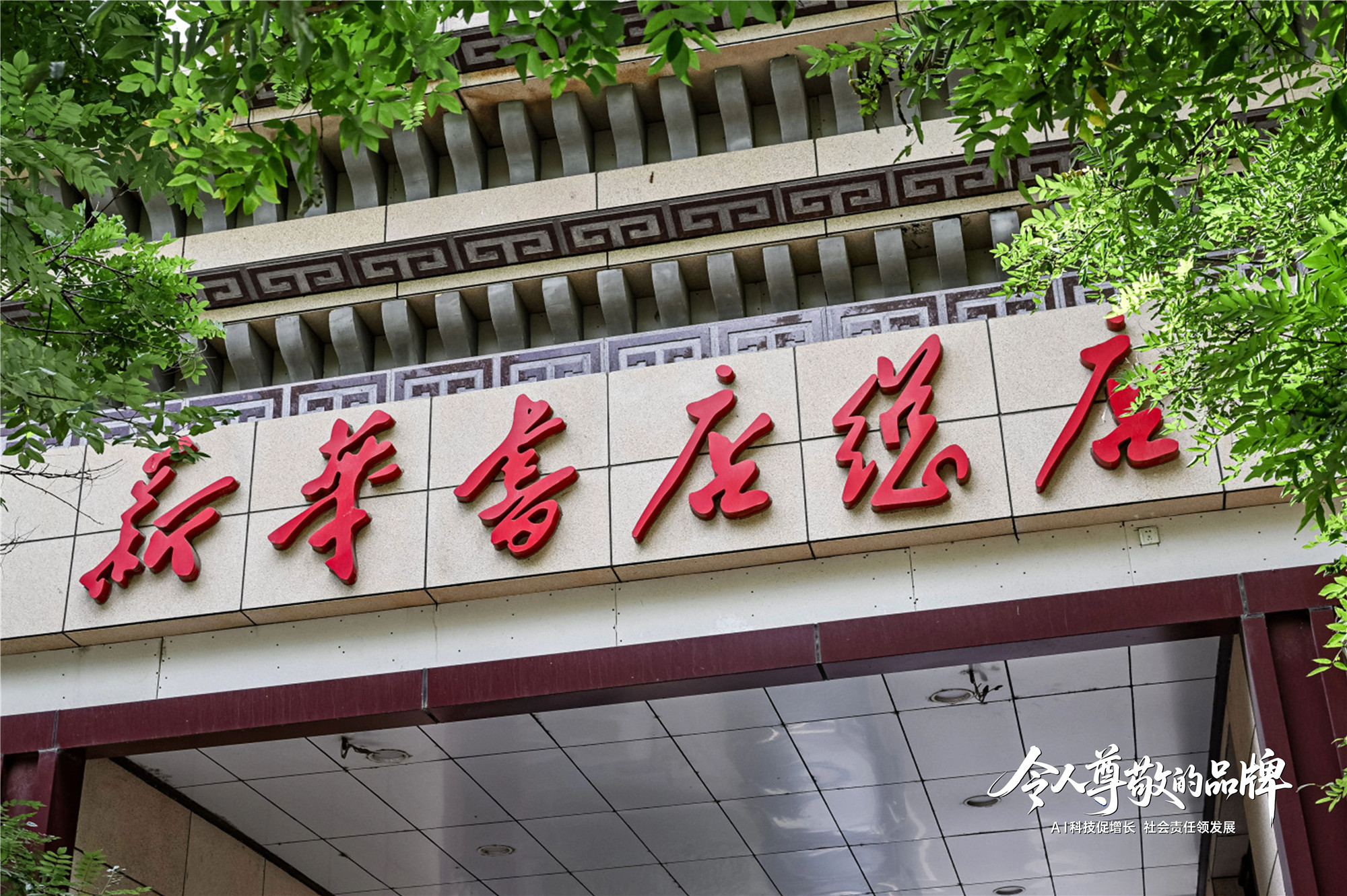
9月29日,由CCTV-1《大国品牌养成记》("简称《大国品牌》")联合全球知名增长战略咨询公司沙利文· 头豹研究院和中国人民大学新闻学院共同主办的"2025令人尊敬的品牌发布仪式",在北京新华书店总店 举行。 当前,全球政经格局发生深刻变革,中国经济亦进入以高质量发展为代表的新阶段。品牌建设已成为推 动中国制造向中国创造转变、中国速度向中国质量转变、中国产品向中国品牌转变的关键力量。 本次活动即围绕新时代中国企业品牌化发展,以"声誉力与长期价值共生"为主题,现场发布了"2025年 中国令人尊敬的品牌"无形资产及声誉活跃30强榜单。中国石化、中国中车、三一集团、宝武钢铁、保 利集团、南方电网、双良集团、海澜集团、娃哈哈、纳爱斯集团、华熙生物等知名品牌入选。 据主办方介绍,本次评选基于严谨的评估模型,从市场与财务表现、品牌影响与声誉资产、创新与全球 竞争力、社会责任与可持续四大维度,对参选品牌进行了系统性评估。首批入选的30家中国企业来自高 端制造、能源交通、人工智能、生物科技、日用消费等多个领域。它们不仅在经济指标上表现突出,更 在技术原创、绿色发展、雇主品牌、国际影响力等方面树立了行业标杆。其发展实践充分证 ...

华厦眼科(301267) - 2025年9月26日投资者关系活动记录表
2025-09-28 09:12
Group 1: Hospital Overview and Performance - Tianjin Huaxia Eye Hospital has been operational for about one year, showing steady growth in revenue from Q3 last year to H1 this year [2] - The hospital aims for an annual growth rate of 30%-50% in surgical volume, revenue, and outpatient visits over the next three years [2] Group 2: Key Business Areas - Refractive surgery is a key focus, accounting for approximately 60% of revenue, with all-laser femtosecond surgery making up 70%-80% of that segment [3] - Since the introduction of the all-laser femtosecond 4.0 in June, it has captured about 30% of the total femtosecond surgeries [3] Group 3: Support from Parent Group - Huaxia Eye Hospital Group provides extensive support in clinical management, research, talent development, and operational management, enhancing Tianjin Huaxia's capabilities [4] Group 4: Talent Acquisition Strategies - The hospital attracts top ophthalmology talent through its affiliation with Huaxia Eye Hospital Group, offering a sustainable development platform and career support [5] - As a city-approved tertiary specialty hospital, it provides resources for continuous professional growth for young doctors [5] Group 5: Market Competition and Positioning - The Tianjin eye care market is primarily dominated by public hospitals, with private institutions playing a supplementary role [6] - Tianjin Huaxia focuses on clinical discipline development and patient-centered services to enhance its brand reputation [6] Group 6: Response to Policy Changes - The hospital is monitoring Tianjin's medical insurance policy changes to gradually increase the proportion of non-insured services and reduce reliance on insured projects [7] - It aims to leverage day surgery policies to improve efficiency while addressing the aging population's eye health needs [7] Group 7: Brand Building and Community Engagement - Tianjin Huaxia engages in community outreach through partnerships and public welfare activities, promoting eye health awareness among youth and seniors [8] - The hospital collaborates with Tianjin Vocational University to establish a teaching practice base, enhancing its brand influence through educational partnerships [9]
2025下半程,广告主们在哪里加速落子?
3 6 Ke· 2025-09-28 08:06
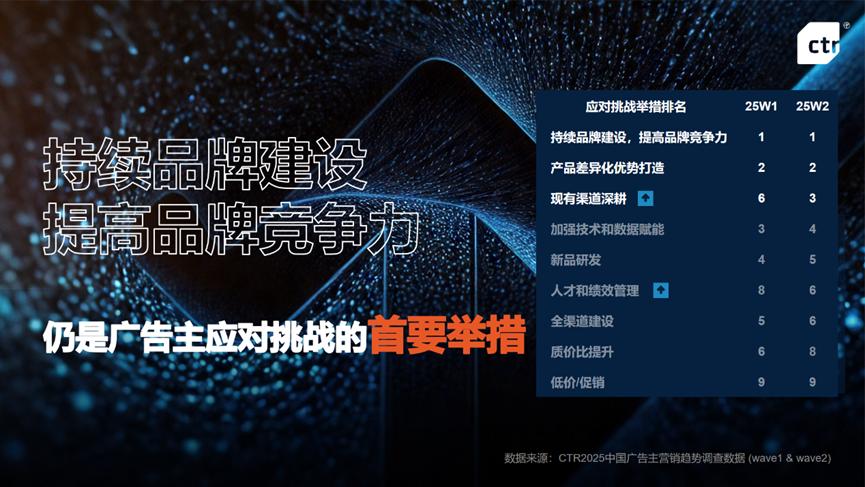
Group 1: Market Overview - In the second half of 2025, the consumer market shows positive signals, with over half of advertisers believing market activity will remain stable or improve [1] - Advertisers are adopting a steady strategy, with a 5 percentage point increase in those choosing to maintain stability compared to earlier expectations [1] - Nearly half of advertisers are keeping their marketing expenses as a percentage of sales unchanged, seeking a balance between market investment and cost control [1] Group 2: Brand Value and Marketing Trends - A significant decline in advertisers' satisfaction with the effectiveness of internet advertising is noted, with over 40% reporting lower than expected sales conversion rates [3] - 81% of advertisers recognize that brand and effectiveness are equally important, emphasizing the need for a balance between short-term results and long-term brand building [3] - The value of media with strong brand endorsement is highlighted, as advertisers are increasing their investment in brand building to mitigate market volatility [3] Group 3: International Expansion Strategies - Nearly half of advertisers show increased willingness to invest in overseas markets, with over 50% of companies adjusting market strategies to address external risks [5] - By the second half of 2025, nearly 60% of advertisers are investing in overseas markets, with 32% increasing their budget compared to the first half [5] - More than 260 domestic companies have established accounts overseas, leveraging high credibility groups to transition from "product export" to "brand export" [5] Group 4: AI Applications in Marketing - AI applications have reached over 500 million users in China, with 70% of advertisers expecting AI to play a more significant role in operational efficiency [8] - High application rates for AI in creative output efficiency are reported, with 77% for creative copy generation and 60% for visual content generation [8] - However, the application rate for AI in complex decision-making scenarios remains below 15%, indicating a gap between expectations and current usage [8] Group 5: Opportunities in Advertising Market - The ongoing improvement of the macro economy and the deepening integration of the Chinese market are releasing consumer potential [10] - Recent government policies are creating a more predictable business environment, significantly boosting market confidence [10] - Companies are focusing on value extraction through product innovation and channel diversification to seize structural opportunities in domestic consumption upgrades and overseas market expansion [10]
阳澄湖大闸蟹开捕 “品蟹游”激活金秋消费
Xin Hua Wang· 2025-09-26 09:34
Core Insights - The Yangcheng Lake hairy crab officially commenced its catch on September 26, 2025, with an expected total output of approximately 10,350 tons [1] - The brand development of Yangcheng Lake hairy crab has entered a new phase of standardization and scientific management, with the introduction of new packaging, store signage, and quality grading standards [1] - The brand's anti-counterfeiting measures have been enhanced with a dual mechanism, allowing consumers to verify authenticity and trace the origin of the crabs through QR codes [1] Industry Overview - The Yangcheng Lake hairy crab has become a significant industry driving local rural revitalization, with a brand value assessed at 28.265 billion yuan, ranking first among agricultural brands in the city [2] - The industry supports nearly 100,000 jobs and has an overall scale of approximately 35 billion yuan [2] Regulatory and Management Measures - The Suzhou Yangcheng Lake hairy crab Industry Association has 5,577 registered farmers and 1,022 sales enterprises, with all relevant information publicly accessible [1] - Management measures include "one enterprise, one certificate; one household, one card" and the introduction of a sales "circuit breaker" mechanism to maintain market order [1] - Joint enforcement with e-commerce platforms and regulatory bodies ensures data sharing and coordinated supervision of online sales [1]
东阿阿胶半年报:业绩增速放缓,高分红背后暗藏成长隐忧
Xin Lang Zheng Quan· 2025-09-26 09:00
Core Viewpoint - Dong'e Ejiao, a representative of Chinese time-honored brands, faces significant challenges in its recovery journey, including management turnover, strategic adjustments, and trust crises, despite reporting revenue and profit growth in the first half of 2025 [1] Group 1: Financial Performance - In the first half of 2025, Dong'e Ejiao achieved revenue of 3.051 billion yuan, a year-on-year increase of 11.02%, and a net profit attributable to shareholders of 818 million yuan, up 10.74% year-on-year [2] - However, the second quarter revenue dropped to 1.332 billion yuan, a decline of approximately 387 million yuan from the first quarter, with growth rate plummeting from 18.24% to 2.91%, indicating weakened growth momentum [2] - The company plans to distribute a cash dividend of 12.69 yuan per 10 shares, totaling 817 million yuan, which nearly exhausts the net profit for the first half of the year, raising concerns about its reinvestment capacity [2] Group 2: Product Structure and Growth Potential - Dong'e Ejiao heavily relies on its Ejiao product line, which generated 2.845 billion yuan in revenue, accounting for 93.24% of total revenue, while other products contributed only 142 million yuan, less than 5% [3] - Despite attempts to diversify with new products like "Peach Blossom Princess" and "Royal Weichang 1619," the company has not successfully established a significant second growth curve [3] - The over-reliance on a single product category weakens the company's risk resilience and limits its competitive edge in a challenging market [3] Group 3: Compliance and Brand Trust Issues - Since 2024, Dong'e Ejiao has faced multiple penalties for marketing violations, including misleading claims about product suitability for children, which lack scientific backing [4] - The company also encountered issues with price-related violations, further damaging its brand trust [4] - A significant incident in November 2024 involved the National Medical Insurance Administration reporting issues with the traceability codes of its products, which, although not directly attributed to the company, highlighted weaknesses in its supply chain and channel management [5] Group 4: Public Trust and Market Confidence - Dong'e Ejiao's high product pricing has made it a frequent target in "insurance fraud" incidents, raising concerns about its pricing transparency and integrity [5] - The company must address its marketing system and compliance management to restore public confidence in its brand, especially as consumers increasingly prioritize brand reputation and product authenticity [5] - The path to recovery for Dong'e Ejiao remains challenging, requiring strategic determination and reform efforts to cultivate new growth points and strengthen internal controls [6][7]

滨州:海产业成本降低利润空间增大,养殖规模持续扩大
Zhong Guo Fa Zhan Wang· 2025-09-26 08:26
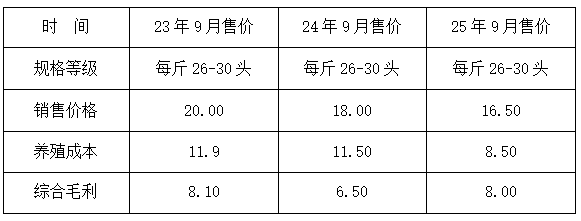
Core Insights - The coastal fishery resources in Binzhou, Shandong Province, have been declining, leading to a shift of fishing practitioners to the Jiaodong area, while aquaculture is concentrated in the Zhanhua District, focusing on marine product farming and processing [1] Group 1: Aquaculture Production and Growth - In the first eight months of 2025, Zhanhua District's fishery output reached 90,800 tons, a year-on-year increase of 4.67%, with a fishery output value of 1.817 billion yuan, up 4.9% [1] - The total fishery output value (including primary, secondary, and tertiary industries) was 6.507 billion yuan, reflecting a growth of 5.21% [1] - The saltwater shrimp farming area covers 275,000 mu, with a production of 14,700 tons in the first eight months of 2025, marking a 15.7% increase [1] Group 2: Expansion of Aquaculture Scale - Binzhou's aquaculture scale has been continuously expanding, particularly with the South American white shrimp (saltwater shrimp) becoming a significant breeding base [2] - The city has 1.36 million mu of aquaculture water surface, with 700,000 mu suitable for saltwater shrimp, yielding an annual output of 110,000 tons [2] - The area for shrimp farming in Wudi County is 300,000 mu, with an expected release of over 3 billion shrimp seedlings this quarter, aiming for an annual output of 55,000 tons [2] Group 3: Market Pricing Trends - The market prices for Binzhou's seafood have been declining, with the price of 20-count shrimp at 17.0 yuan per jin on September 17 and 30-count shrimp at 16.5 yuan per jin on September 19 [3] - The local shrimp prices are under pressure from southern and freshwater shrimp, although processed saltwater shrimp can see a price increase from 35 yuan to over 65 yuan per kilogram, enhancing the value by 60% [3] Group 4: Sales and Market Development - The market for Binzhou seafood is performing well, with increasing recognition and repurchase rates for "Binzhou Saltwater Shrimp" [5] - The local government is collaborating with e-commerce platforms to implement a dual-driven model of "online live broadcast base + offline experience center," achieving a daily sales volume of 20,000 kg of frozen shrimp through e-commerce channels [5] - Fengjia Town has established four major seafood trading markets, with an annual trading volume of 135,000 tons and a trading value of 4.5 billion yuan [5] Group 5: Industry Challenges and Recommendations - The marine economy is primarily based on traditional low-end aquaculture and initial processing, facing pressure for transformation and upgrading [6] - There is a need to balance environmental protection with resource utilization to prevent ecological degradation [6] - Recommendations include promoting industry upgrades through technological innovation, enhancing environmental protection policies, and strengthening brand building for Binzhou seafood products [7][8]
滨州粮食产业多项成绩亮眼,粮食食品产业营业收入达955亿元
Qi Lu Wan Bao Wang· 2025-09-26 08:15
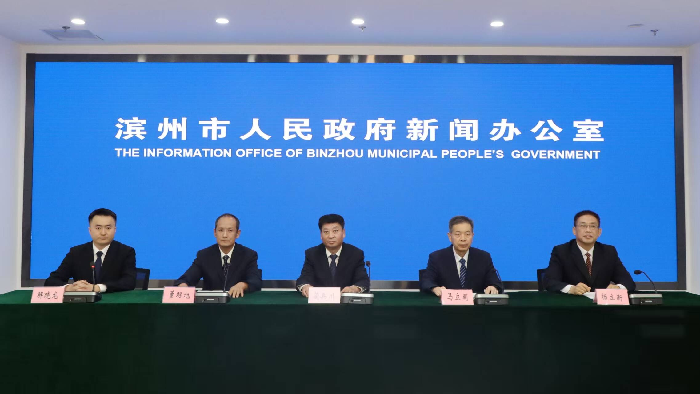
Core Insights - The city has set a target for the grain and food industry to achieve a main business income of over 210 billion yuan by 2025, with a reported income of 95.5 billion yuan in the first half of the year, exceeding the target by 16.5% [3] - The city has been recognized for its reforms, with two initiatives included in national-level reform pilot programs and receiving multiple awards [1][3] Industry Performance - The grain and food industry has seen significant brand development, with 73 "Qilu Grain and Oil" products recognized, accounting for 30% of the province's total [3] - The city has successfully conducted nine external investment promotions, engaging over 20 enterprises [3][5] Technological Innovation - Four national-level grain innovation centers have conducted 53 research projects, including 29 on deep processing and 17 patent applications [4] Project Development - The city has secured 341 million yuan in project funding, ranking first in the province, with significant support for equipment updates and storage enhancement projects [5] - Several key projects have been completed, including the production of various food products, enhancing the competitiveness of the industry [6] Food Security - The grain purchase and sales market has remained stable, with 117,000 tons of wheat purchased under the minimum purchase price policy, meeting expectations [7] - The city has implemented safety measures for grain production, with all identified issues rectified [7][8] Emergency Preparedness - The emergency response system has been strengthened, with 45 enterprises designated as emergency grain supply companies [9] - The city has built a robust disaster relief material reserve, totaling 318,100 items, ensuring readiness for emergencies [9]
深康佳A:公司持续推进品牌战略建设、体系建设、形象建设及文化建设工作
Zheng Quan Ri Bao Wang· 2025-09-25 11:12
证券日报网讯深康佳A9月25日在互动平台回答投资者提问时表示,公司持续推进品牌战略建设、体系 建设、形象建设及文化建设工作,着力提升企业科技化、国际化形象,强化品牌地位,具体提升措施请 关注公司披露的定期报告。 ...

汤臣倍健:旗下保健食品未聘请广告代言人进行推荐或证明
Zheng Quan Ri Bao Zhi Sheng· 2025-09-25 09:43
Core Viewpoint - The company emphasizes its adherence to advertising regulations for health products and its commitment to brand building without using celebrity endorsements [1] Group 1 - The company strictly follows the Advertising Law regarding health food regulations [1] - The company has not employed any celebrity endorsements for its health food products [1] - The company is focused on a strong brand strategy and long-term brand development [1] Group 2 - The company aims to create a brand perception that is "professional and vibrant" [1] - The company is committed to enabling quality growth in its business [1]

吉宏股份:前三季度净利同比预增55%~65%
Mei Ri Jing Ji Xin Wen· 2025-09-25 09:02
Core Viewpoint - Jihong Co., Ltd. (002803.SZ) expects a significant increase in net profit attributable to shareholders for the first three quarters of 2025, projecting a range of 208.74 million to 222.21 million yuan, representing a growth of 55.00% to 65.00% compared to the same period last year [1] Group 1: Business Performance - The cross-border social e-commerce business has deepened brand building and regional expansion, leading to substantial growth in revenue and profit [1] - The packaging business has enhanced operational efficiency through strategic cooperation with leading fast-moving consumer goods companies, resulting in a notable improvement in profitability [1]
