
资产证券化

Search documents
图说资产证券化产品:REITs新政聚焦扩募扩围与盘活民间投资,ABS产品发行小幅降温
Zhong Cheng Xin Guo Ji· 2025-09-29 12:26
The provided content does not contain any specific quantitative models or factors, nor does it include detailed construction processes, formulas, or backtesting results related to quantitative analysis. The documents primarily discuss the issuance, policy updates, and market performance of REITs and ABS products, along with their structural characteristics and market trends. Therefore, no quantitative models or factors can be summarized from the given content.
【财经分析】持有型不动产ABS“乘风而起” 存量资产盘活有望步入快车道
Xin Hua Cai Jing· 2025-09-29 06:37
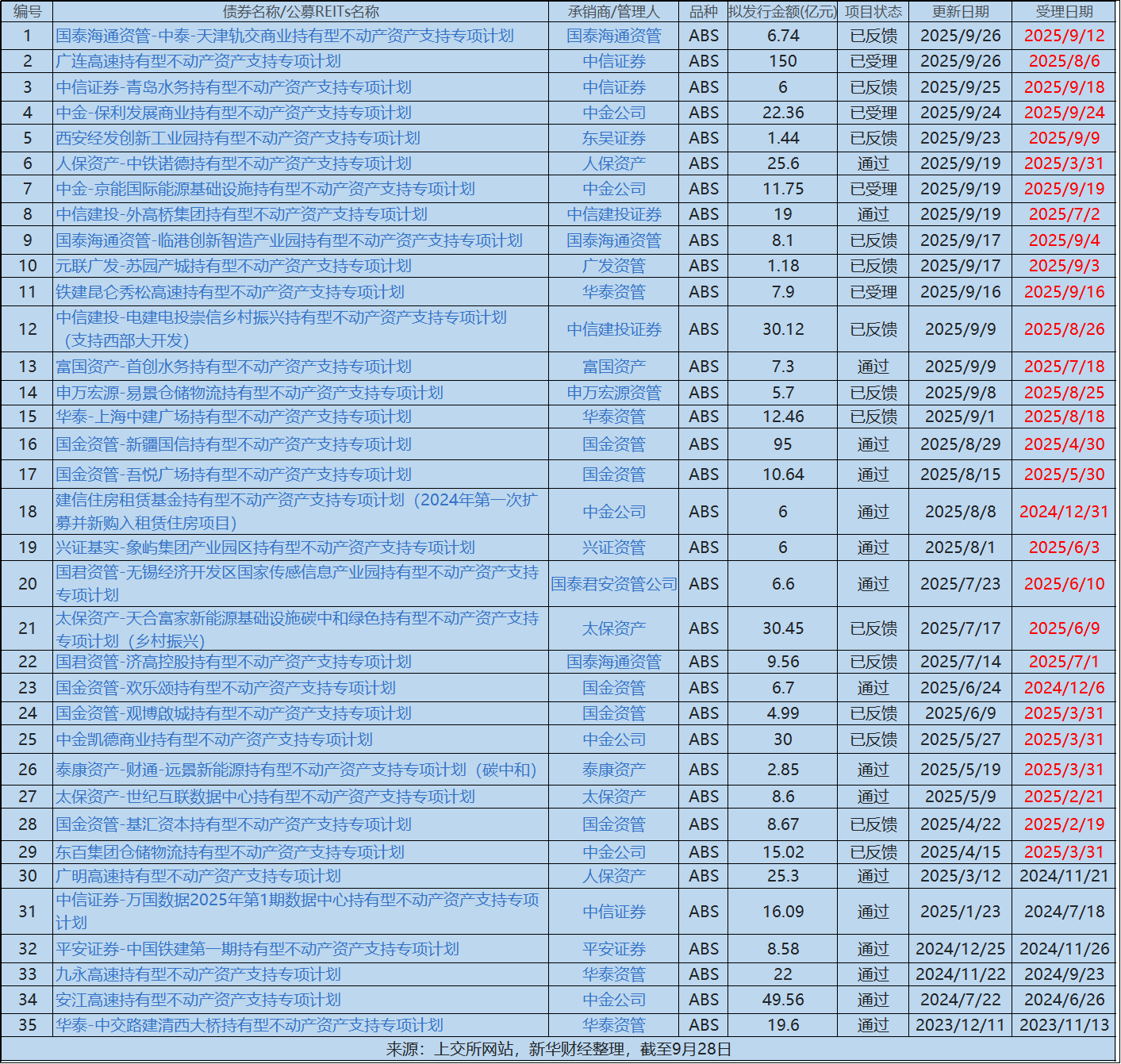
Core Viewpoint - The market for holding-type real estate ABS is rapidly growing, becoming an important financial tool for companies to optimize capital structure and reduce liabilities in the current asset management era [1][2]. Group 1: Market Growth and Statistics - As of September 28, 2025, the Shanghai Stock Exchange has listed a total of 35 holding-type real estate ABS products, amounting to 69.786 billion yuan, with 29 of these products accepted this year alone, compared to only 5 in 2024 and 1 in 2023 [2]. - The number of approved holding-type real estate ABS products has significantly increased, with 11 products passing the review this year, representing a proposed issuance scale of 23.568 billion yuan, approximately 4.75 times that of the same period last year [2]. Group 2: Product Diversity and Investor Composition - The product structure is becoming increasingly diversified, with a notable rise in new asset types such as industrial parks, warehousing logistics, and rental housing, alongside traditional commercial real estate and highways [2]. - The proportion of long-term institutional investors, such as insurance companies and bank wealth management subsidiaries, is gradually increasing, indicating a growing recognition of holding-type real estate ABS assets in the market [2]. Group 3: Policy Support and Market Environment - The rapid development of holding-type real estate ABS is supported by a continuously improving policy environment, including the initiation of public REITs trials and guidelines for asset-backed securities [5][6]. - Recent tax policies have alleviated issues related to double taxation, and local governments are actively promoting supportive policies for holding-type real estate ABS, enhancing market confidence and investment [6][5]. Group 4: Future Outlook and Challenges - The holding-type real estate ABS market is expected to exceed one trillion yuan in scale within the next five years, driven by the ongoing demand for asset securitization in the context of a stock asset era [8]. - Key challenges include optimizing tax policies, enhancing liquidity in the market, and broadening the range of underlying assets eligible for securitization [9][8].

增量扩围 基础设施REITs加速“上新”
Zhong Guo Zheng Quan Bao· 2025-09-28 01:06
Core Viewpoint - The infrastructure REITs market in China is expected to experience long-term stable development due to continuous supportive policies and strong performance in the secondary market [1][2]. Group 1: Supportive Policies - As of September 26, there are 87 infrastructure REITs in various stages of listing, with the majority being park, transportation, and consumer infrastructure types [2]. - Recent policies from the National Development and Reform Commission and other departments aim to expand project types and optimize mechanisms, enhancing the breadth and depth of the infrastructure REITs market [2]. - The policies encourage the regular listing of mature assets that can generate stable cash flows, facilitating a positive investment cycle by allowing funds to be reinvested into new projects [2][3]. Group 2: Market Performance - The infrastructure REITs market has shown a volatile adjustment trend recently, with the CSI REITs Total Return Index down 0.65% as of September 26, but it has increased by 9.97% year-to-date [4]. - Among the 74 listed REITs, 65 have achieved positive returns, with 39 showing gains exceeding 10% [4]. - Specific REITs, such as the Jiashi Wumei Consumer REIT, have seen significant year-to-date increases, with a rise of 45.19% [4]. Group 3: Market Characteristics - The infrastructure REITs market is characterized by high liquidity, relatively stable returns, and strong safety features, making it attractive for investors seeking stable investments and diversified asset allocation [4][5]. - The introduction of diverse asset types is expected to meet varying investor preferences and attract a broader range of capital into the market [3].
【锋行链盟】港交所上市公司资本运作方式及核心要点
Sou Hu Cai Jing· 2025-09-26 18:23
Capital Operations of Hong Kong Stock Exchange - The Hong Kong Stock Exchange (HKEX) is recognized as a major global financial center with a highly market-oriented and internationalized capital operation system [2] - HKEX offers a mature regulatory framework that supports various capital operation methods including equity financing, debt financing, mergers and acquisitions, asset securitization, equity incentives, spin-off listings, privatization, and other innovative tools [2][11] Equity Financing - Equity financing in the Hong Kong market is known for its flexibility and efficiency, supporting both IPOs and diverse refinancing channels [2] - Initial Public Offerings (IPOs) are a primary method for companies to raise equity, characterized by a registration system that emphasizes information disclosure and high review efficiency, typically taking 6-12 months [3] - Various refinancing methods include: - Placing: Selling new shares to specific investors without a general offer [3] - Rights Issue: Offering new shares to existing shareholders based on their holdings [3] - Open Offer: Similar to rights issues but open to the public [3] - Consideration Issue: Issuing shares as payment for acquisitions [3] - Share Option Scheme: Issuing options to core employees or management to purchase shares at a predetermined price [3] Debt Financing - Companies listed on HKEX can issue various types of bonds, with flexible terms and multiple currencies (HKD, USD, RMB) [3] - Corporate Bonds and Convertible Bonds (CB) are common, with CBs providing both debt and equity characteristics, allowing investors to convert bonds into shares [3] - The issuance of perpetual bonds is also noted, which allows issuers to defer interest payments and may be classified as equity for accounting purposes [4][8] Mergers and Acquisitions - The M&A framework in Hong Kong is governed by the "Code on Takeovers and Mergers," focusing on shareholder fairness [4] - Key methods include: - Takeover Offer: A direct offer to acquire shares from shareholders [4] - Scheme of Arrangement: A court-approved plan for acquiring shares [4] - Share-for-Share Swap: Acquiring a company by exchanging shares [4] - Reverse Takeover: A non-listed company acquiring a listed shell company to gain a public listing [4] Asset Securitization - The acceptance of Asset-Backed Securities (ABS) in the Hong Kong market is high, with underlying assets including receivables, lease rights, and infrastructure revenue rights [5] - The operation model involves transferring underlying assets to a Special Purpose Vehicle (SPV) that issues securities backed by future cash flows [5] Equity Incentives - Companies often use equity incentive tools to align the interests of management and shareholders [6] - Common methods include Share Option Schemes and Share Award Schemes, which provide rights to purchase shares or grant shares directly to employees [6][7] Spin-off Listings - Spin-offs allow parent companies to list subsidiaries independently, enhancing the subsidiary's financing capabilities and potentially increasing the valuation of both entities [9][10] Privatization and Delisting - Privatization occurs when major shareholders or consortiums buy out public shares to delist the company, often due to undervaluation or high compliance costs [10] - Methods include voluntary buyouts and share repurchase programs, which can signal undervaluation to the market [10] Other Innovative Tools - The introduction of SPACs (Special Purpose Acquisition Companies) in 2022 provides a new pathway for companies to go public through acquisition [10]

千亿化工新材料龙头,重组!
DT新材料· 2025-09-26 16:05
Core Viewpoint - The strategic restructuring of Henan Energy Group and China Pingmei Shenma Group is aimed at enhancing operational efficiency and expanding their market presence, with both companies being significant players in the energy sector of Henan Province [1][2]. Group 1: Company Overview - China Pingmei Shenma Group and Henan Energy Group are both controlled by the Henan Provincial State-owned Assets Supervision and Administration Commission, with projected revenues of 168.8 billion yuan and 121 billion yuan respectively by the end of 2024 [1]. - Henan Energy Group has a registered capital of 21 billion yuan and operates in coal, chemical new materials, electricity, and renewable energy, with coal reserves of 28.4 billion tons and a chemical production capacity of nearly 10 million tons [1][2]. - China Pingmei Shenma Group was formed from the merger of Pingmei Group and Shenma Group in 2008 and has several listed subsidiaries, including six on the New Third Board [1][2]. Group 2: Strategic Developments - The restructuring aims to promote asset securitization and establish overseas financing platforms to support international expansion, with plans to have 6 to 7 listed companies by 2028 [3]. - Pingmei Shenma Group is actively pursuing listings in Hong Kong, with specific plans for Henan Pingmei Shenma Superhard Materials Co., Ltd. to complete its listing process by September 2026 [3]. Group 3: Recent Transactions and Projects - On September 25, 2023, Shenma Co. announced a plan to acquire a 2.16% minority stake in its subsidiary, Henan Shenma Nylon Chemical Co., increasing its ownership from 72.06% to 74.22% [4]. - Shenma Co. has made significant investments in its nylon chemical subsidiary, including a previous acquisition of a 10.27% stake for 952 million yuan, raising its total stake to 72.06% [4]. Group 4: Innovations and Achievements - Shenma Co. has made advancements in high-temperature nylon materials, with the first batch of equipment for a 1,000-ton/year high-temperature nylon 6T resin project arriving, which is expected to fill a gap in high-performance nylon materials in China [5]. - The company has successfully developed an 11-dtex ultra-high-strength nylon 66 industrial yarn, marking a significant technological achievement in the aviation tire material sector [5].



青云租携手国资基金5亿入局,RWA通证化加速落地
Sou Hu Cai Jing· 2025-09-26 09:29
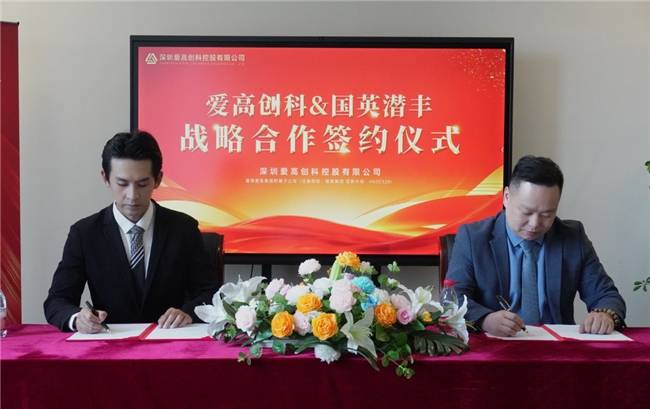
Core Viewpoint - The strategic cooperation between Shenzhen Aigo Chuangke Holdings and Shenzhen Guoying Qianfeng Investment Holdings marks a significant investment of 500 million RMB by a state-owned fund, accelerating the development of digital leasing in China, particularly in the 3C digital no-deposit leasing and RWA asset tokenization sectors [1][2]. Group 1: Investment and Financial Support - Guoying Qianfeng will invest 500 million RMB in the QY Rent platform over the next six months, specifically for the expansion of the 3C digital leasing business and the implementation of RWA tokenization projects [2]. - This capital injection will provide strong support for QY Rent's business expansion and facilitate breakthroughs in asset securitization, cross-border financing, and entry into the Hong Kong stock market [2][4]. Group 2: Technological and Operational Advancements - The core of the cooperation lies in integrating QY Rent's no-deposit leasing model with RWA technology, allowing assets like leasing orders and receivables to be tokenized [4]. - IoT devices will collect data in real-time, with algorithms on-chain generating immutable digital certificates, enhancing asset liquidity, transparency, and investor confidence [4]. - This represents a significant leap in the digital leasing model and a dual breakthrough in traditional asset securitization and blockchain innovation [4]. Group 3: Market Position and Competitive Advantage - QY Rent has successfully established a mature operational model for no-deposit leasing, creating a closed loop in customer acquisition, risk control, and fund recovery, giving it a first-mover advantage in the industry [7]. - With major players like JD Finance entering the 3C digital leasing market, the sector is poised for rapid growth, and QY Rent's backing from both state-owned funds and a Hong Kong-listed company further strengthens its competitive position [7][8]. Group 4: Strategic Synergy - The cooperation is not just about financial support; it represents a deep integration of capital, technology, and industry [8]. - The state-owned fund's investment enhances QY Rent's financing capabilities, while Aigo Group contributes blockchain and tokenization development expertise [8]. - As QY Rent integrates into the Hong Kong-listed company system and receives additional capital and technological support, it positions itself at the forefront of digital leasing and asset tokenization [8][10].
润泽科技(300442):中报点评:大规模数据中心集中交付,智算服务高速增长
Zhongyuan Securities· 2025-09-24 11:01
Investment Rating - The report maintains a "Buy" rating for the company, indicating an expected relative increase of over 15% compared to the CSI 300 index within the next six months [30]. Core Views - The company reported a revenue of 2.496 billion yuan for H1 2025, representing a year-on-year growth of 15.31%, while net profit decreased by 9.48% to 882 million yuan [4]. - The company is experiencing significant growth in its AIDC business, with a revenue increase of 36.95% year-on-year, contributing 35% to total revenue [5]. - The IDC business revenue grew by 6.15% year-on-year, with a gross margin of 46.92%, although it saw a decline compared to the previous year [5]. - The company has delivered a substantial amount of computing power, with 220MW delivered in H1 2025, and expects to deliver a total of 440MW by the end of the year [6]. - The company is actively seeking quality acquisition targets to strengthen its position in the industry and enhance its leadership in intelligent computing [10]. Financial Performance - For H1 2025, the company achieved a revenue of 2.496 billion yuan, with a net profit of 882 million yuan, reflecting a decline in profitability [4]. - The AIDC segment's gross margin decreased by 16.73% year-on-year, while the IDC segment's gross margin fell by 4.44 percentage points [5]. - The company anticipates a strong revenue growth trajectory, with projected revenues of 5.963 billion yuan in 2025, 7.996 billion yuan in 2026, and 10.335 billion yuan in 2027 [10]. Business Segments - The AIDC business is a key growth driver, with significant revenue contributions and high gross margins despite recent declines [5]. - The IDC business is recovering, with improvements in data center utilization and revenue growth expected as upgrades are completed [5][8]. - The company is focusing on expanding its computing power delivery capabilities, with ongoing construction and upgrades to data centers [9].

【财经分析】政策东风频吹 首单文旅REITs落地仍待探索
Xin Hua Cai Jing· 2025-09-24 08:41
Core Viewpoint - The recent policy initiatives from the National Development and Reform Commission (NDRC) are aimed at promoting the issuance of Real Estate Investment Trusts (REITs) in the cultural tourism sector, addressing the urgent financing needs of the industry and facilitating a shift from heavy asset investment to a model that combines light asset operation with financial exit strategies [1][2][3]. Group 1: Policy Developments - The NDRC issued the "Notice on Further Improving the Normalized Application and Recommendation Work for Infrastructure REITs" (referred to as "Document 782"), which encourages the exploration of new asset types for REIT issuance, particularly in cultural tourism and elderly care facilities [1][3]. - Document 1014, released in 2024, expands the scope of eligible projects to include natural cultural heritage and 4A-level tourist attractions, significantly increasing the number of potential projects from over 300 to more than 4,500 [2][3]. Group 2: Market Potential - The total assets of state-owned enterprises in the cultural tourism sector amount to 12.7 trillion yuan, with 83% classified as non-current assets. The average debt ratio exceeds 65%, and interest expenses account for 38% of operating profits [2][3]. - If a 10% asset securitization rate is applied, the potential market size for cultural tourism REITs could exceed 1 trillion yuan [3]. Group 3: Project Initiatives - Over 20 cultural tourism REITs are currently in preparation, with notable projects including Lijiang Tourism Investment's plan to issue over 2.5 billion yuan in REITs based on the Yulong Snow Mountain [4]. - In the second quarter of 2025, six cultural tourism sites initiated REIT project tenders, reflecting a 50% increase from the previous quarter, indicating a strong demand for asset securitization in the industry [4]. Group 4: Challenges and Solutions - The issuance of cultural tourism REITs faces challenges such as asset ownership issues, where many scenic areas have natural resources owned by the state, complicating the securitization process [5][6]. - The regulatory environment is complex, with multiple departments involved in the management of high-quality scenic areas, leading to increased uncertainty and time costs for REIT projects [5][6]. Group 5: Future Directions - The inclusion of supporting hotels within scenic areas as eligible underlying assets provides a pathway for creating diversified revenue streams, reducing reliance on ticket sales [8]. - Private investment projects are highlighted as a potential breakthrough, as they often have clearer ownership structures and operational autonomy, which may facilitate quicker progress in REIT issuance [9][10].
资产证券化系列报告二:从“证券化”到“通证化”,RWA重构资产投资逻辑
Bank of China Securities· 2025-09-24 08:27
Investment Rating - The report suggests a positive outlook on the RWA (Real World Assets) sector, indicating significant potential for growth and investment opportunities in the tokenization of real estate and other assets [5][12]. Core Insights - RWA represents an upgrade of asset securitization through blockchain technology, allowing for the tokenization of both tangible and intangible assets, thus enhancing liquidity and providing new financing channels [12][13]. - The global on-chain RWA market reached approximately $26.65 billion as of August 26, 2025, with private credit and U.S. Treasury bonds being the primary assets tokenized [5][10]. - The report emphasizes that the real estate sector is poised to become a key application area for RWA, driven by its inherent asset value retention and expected cash flow [5][12]. Summary by Sections 1. Definition and Advantages of RWA - RWA allows for the tokenization of real-world assets, breaking down investment barriers and enhancing liquidity [12][17]. - The advantages of RWA include increased asset liquidity, lower investment thresholds, and enhanced transaction transparency [17][19]. 2. Development History and Market Scale - RWA has evolved from concept to market realization since 2017, entering a rapid expansion phase since 2023 [5][10]. - The total scale of global on-chain RWA has surpassed $26.65 billion, with significant growth in issuance volumes [10][12]. 3. Issuance Process and Regulatory Environment - The RWA issuance process involves asset selection, on-chain integration, issuance and trading, and ongoing management [5][18]. - Regulatory frameworks vary globally, with strict regulations in Europe and the U.S., while regions like Hong Kong adopt more flexible approaches [5][18]. 4. Tokenization of Real Estate - The report highlights the potential of RWA in real estate, suggesting it could reshape investment logic and open new financing avenues [5][12]. - Case studies, such as the tokenization of a commercial property in Hong Kong, illustrate the practical applications and benefits of RWA in real estate [5][12]. 5. Investment Recommendations - The report recommends focusing on companies with substantial real estate holdings that can leverage RWA projects to enhance liquidity and asset valuation [5][12]. - Companies with regulatory advantages are also highlighted as potential leaders in the RWA space [5][12].



基础设施REITs扩围扩容 提升市场效率与韧性
Zhong Guo Zheng Quan Bao· 2025-09-23 20:16
Core Viewpoint - The recent policies aimed at supporting infrastructure REITs in China signify a shift towards high-quality development, enhancing market efficiency and resilience, with expectations for long-term stable growth in the sector [1][2]. Group 1: Policy Support and Market Expansion - The Chinese government is actively promoting the issuance of infrastructure REITs by expanding the types of eligible projects, focusing on community commercial complexes and consumer infrastructure [2][3]. - As of September 23, 2023, there are 87 infrastructure public REITs in various stages of listing, with the majority being in park, transportation, and consumer infrastructure categories [1][4]. - The recent notification from the National Development and Reform Commission aims to streamline the application process for infrastructure REITs, thereby broadening the market's scope and depth [1][2]. Group 2: Mechanism Optimization and Asset Types - The optimization of the fundraising mechanism for existing REITs is a key focus, encouraging them to raise funds through expansion to acquire quality assets [2][3]. - The introduction of diverse asset types, such as market-oriented rental housing and elderly care facilities, is expected to attract a wider range of investors and enhance market vitality [2][3]. Group 3: Market Performance and Trends - The infrastructure public REITs market has shown a positive performance this year, with the CSI REITs Total Return Index increasing by 10.34% as of September 23, 2023, and 65 out of 74 listed REITs yielding positive returns [4][5]. - Notable performers include the Jia Shi Wu Mei Consumer REIT, which has surged by 48.40%, and other consumer infrastructure REITs showing significant gains [4]. - The market is characterized by high liquidity, stable returns, and a low correlation with other investment types, catering to investors seeking stable and diversified asset allocations [4][5].