供应链

Search documents
352家美企联名施压后,美国财长终于松口:对华关税或有变化!
Sou Hu Cai Jing· 2025-05-18 08:04
Group 1 - The U.S. Treasury Secretary has indicated potential changes to tariffs on Chinese goods, responding to pressure from 352 American companies facing supply chain disruptions and rising costs [1][3][5] - The proposed adjustments are likely to focus on non-strategic consumer goods and intermediate products, aiming to alleviate inflation and reduce production costs for U.S. businesses [5][9][11] - Despite the Treasury's intentions, significant political hurdles remain, including opposition from hawkish lawmakers and the U.S. Trade Representative, who views tariffs as a critical leverage point [7][9][19] Group 2 - The ongoing inflation in the U.S., which has exceeded 5% for 18 consecutive months, and supply chain issues are driving the need for tariff adjustments [3][11][15] - The U.S. manufacturing sector has seen average cost increases of 12%, with household appliance prices rising by 23%, impacting low-income families significantly [11][13] - China's response includes a willingness to engage in dialogue, with high-level officials indicating that any negotiations must respect China's core interests [9][15][19] Group 3 - The potential tariff changes reflect a broader shift in U.S.-China relations, moving from confrontation to tentative engagement, driven by economic pressures on both sides [15][19] - The complexity of political dynamics in the U.S. suggests that any significant tariff relief will require extensive negotiations and may not occur swiftly [19] - The global economic landscape is also affected, with the WTO warning that continued trade tensions could lower global growth by 0.8% by 2025 [13][15]

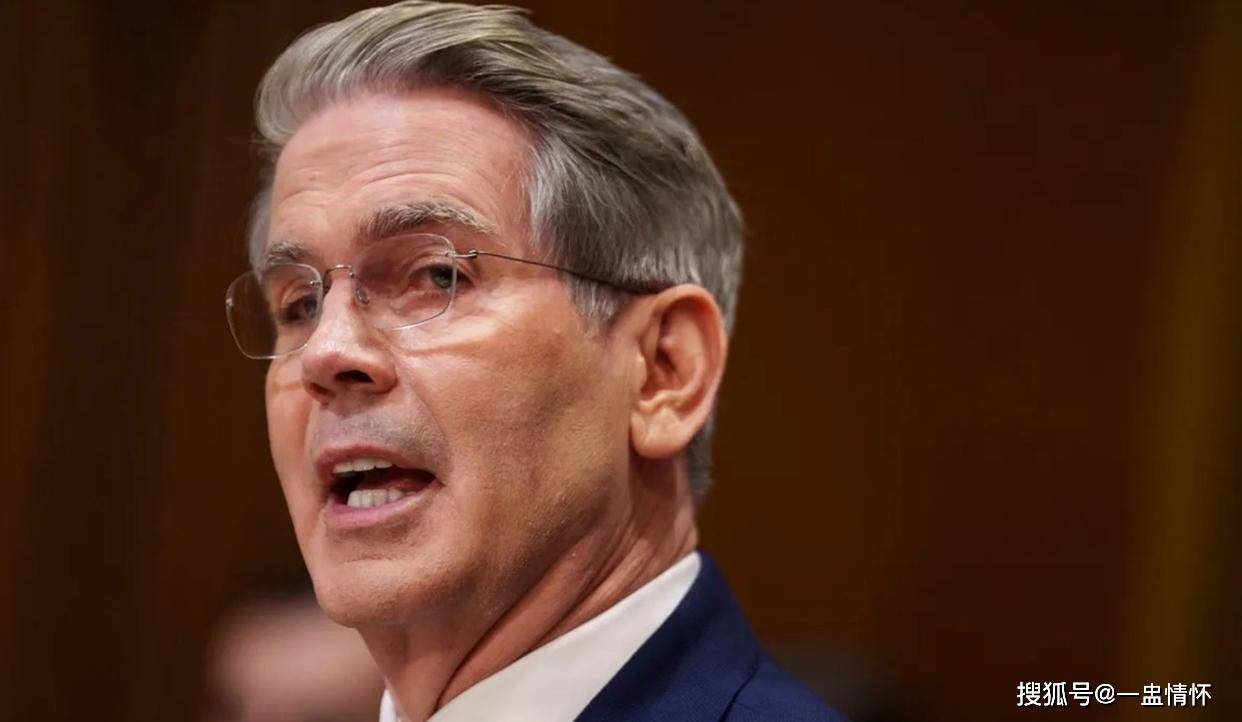
中美互降关税后:美商家加速“抢货” ;持续近2小时,俄乌直接谈判结束;穆迪下调美国主权信用评级;周跌3.7%,金价创半年来最差 | 一周国际财经
Mei Ri Jing Ji Xin Wen· 2025-05-17 07:26
每经记者|岳楚鹏 兰素英 宋欣悦 每经编辑|兰素英 肖勇 美商家加速 - 论员" 8家船运公司计划上调运价 每日经济新闻 NATIONAL BUSINESS DAIL' ◆ 5月12日,中美经贸会谈达成90天窗口期。美国商家开始加速"抢货",美国港口的清冷局面有望扭转,有美国港口负责人称,预计到仲夏时节,货运量将 激增。《每日经济新闻》记者梳理发现,洛杉矶当地港口下周的货物进口量环比预计将增长近22%。"抢运潮"正在涌现,有数据显示,本周中国至美国的海 运订单量较上周增长了275%。八家船运公司闻风而动,宣布了GRI(一般费率上调)计划,GRI增幅最高达3000美元/FEU(即40英尺集装箱)。 栏目 《一周国际财经》2025年全新改版 "国际头条" 深度挖掘国际财经事件 新锐"发现美股新势力,"一周数据 瞻"提前锁定下周看点。 对记 2020年2月栏目推出以来,深度对词 图灵奖得主、经济学 需求的爆炸式释放正迅速推高航运价格。八家船运公司已经针对亚洲到美国的航线宣布了GRI(General Rate Increase,一般费率上调)计划,GRI增幅最高 达3000美元/FEU(即40英尺集装箱)。 ◆ 俄乌 ...


市场情绪改善 机构关注结构性机会
Jin Rong Shi Bao· 2025-05-16 03:09
Core Viewpoint - The joint statement from the China-U.S. Geneva trade talks indicates a significant reduction in tariffs imposed by both sides, leading to improved market sentiment and expectations for constructive negotiations to continue [1] Market Sentiment Improvement - Following the joint statement, market institutions expressed heightened interest, with Huaxia Fund noting that the tariff reductions exceeded expectations, positively impacting market reactions and injecting confidence into global markets [2] - UBS analysts highlighted the attractiveness of Chinese assets, citing a median price-to-earnings ratio of 25 times for A-shares, which remains below the central level, indicating strong investment value [2] - Morgan Stanley's research showed that U.S. hedge funds increased bullish bets on Chinese stocks due to optimism regarding trade negotiations, with China being the most underweight region in emerging market portfolios [2] Export Data Expectations - Analysts predict a notable improvement in China's export data in the near term, as the significant tax cuts may stimulate a wave of suppressed exports that were delayed in April [3] - Goldman Sachs analysts indicated that both Chinese exporters and U.S. importers would likely rush to place orders during the tariff suspension period, emphasizing the urgency in the market [4] Sector Opportunities - Multiple institutions expressed optimism regarding investment prospects in the technology sector, with Huaxia Fund suggesting that the recovery in market risk appetite could favor technology growth [5] - UBS Wealth Management identified leading internet companies driving AI development as attractive investment opportunities, with the semiconductor supply chain also presenting appealing prospects [6] - Morgan Stanley noted China's advancements in AI, humanoid robots, and electric vehicles, enhancing global investor confidence in Chinese enterprises [6] Ongoing Trade Relations Monitoring - Institutions emphasized the need to continuously monitor international trade relations, with a balanced outlook on market sentiment, neither overly pessimistic nor optimistic [7] - UBS indicated that despite reduced tariff risks, the controversial policies of the Trump administration could lead to more frequent shifts in market risk appetite, maintaining gold's appeal as a traditional safe-haven asset [7] - UBS projected strong mid-term demand for gold, supported by central bank purchases, as market uncertainties persist [8]

为何选择中国?她的说法让美国人意外
Sou Hu Cai Jing· 2025-05-13 11:36
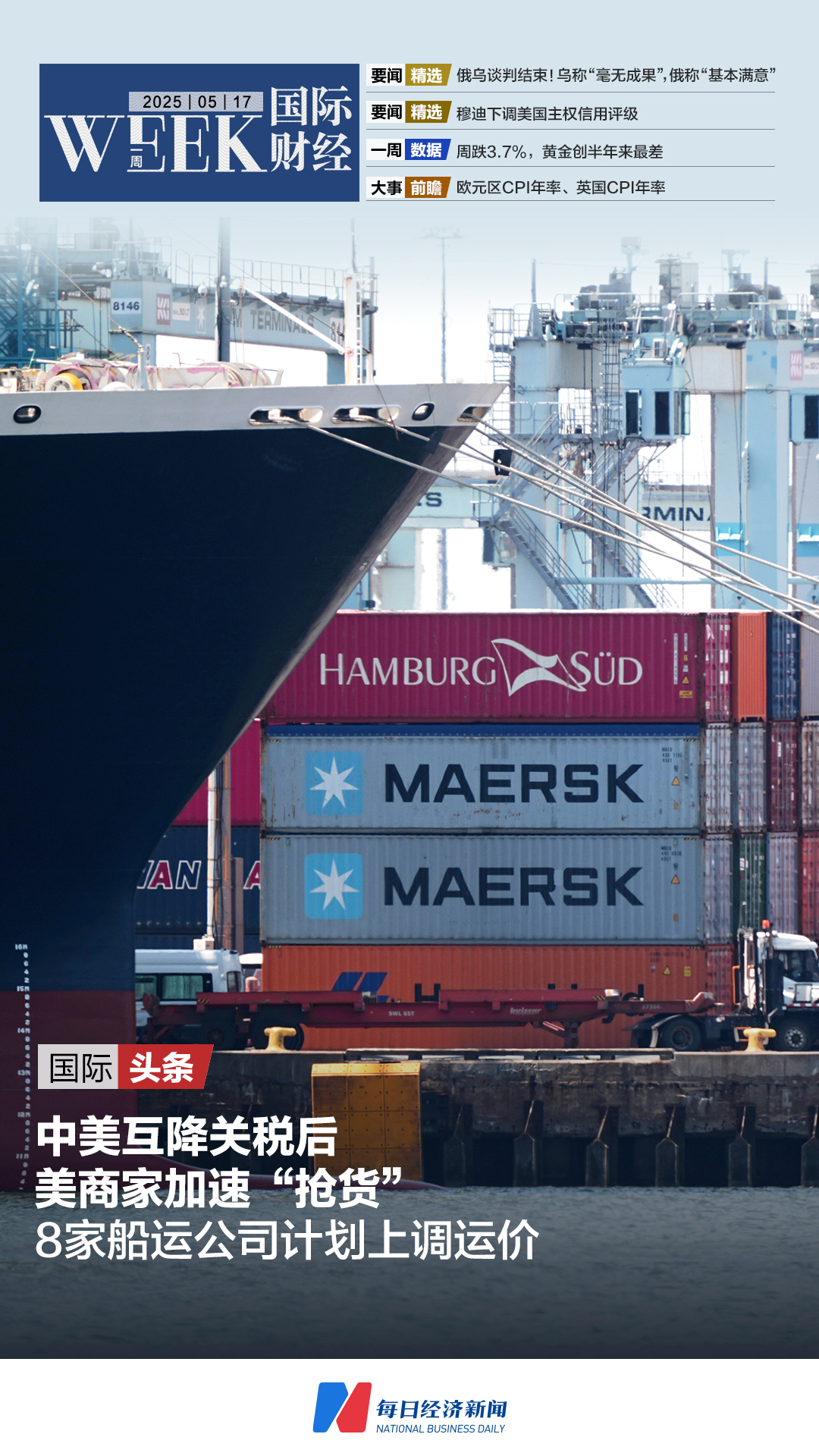
Core Insights - The CEO of MM LaFleur, Sarah, explains her choice of China as the primary production location for her clothing line, highlighting the exceptional quality of Chinese manufacturing, particularly in silk production [2][3] - Sarah emphasizes the challenges faced by the apparel industry, including high tariffs and competition, which have made profitability difficult [3][5] - She contrasts the working conditions in Chinese factories with those in the U.S., arguing that Chinese factories provide better accommodations and benefits for workers [5][3] Industry Challenges - The apparel industry is experiencing intense competition and thin profit margins, with sales being time-sensitive [3] - High tariffs, particularly those exceeding 10%, significantly impact profitability for companies in the industry [3] Production Quality and Supply Chain - Sarah asserts that China offers a complete and mature supply chain for silk production, which is unmatched by other countries [3] - She notes that even in Southeast Asia, many silk factories are operated by Chinese nationals, indicating China's dominance in this sector [3] Labor Conditions - Chinese factories are described as providing good living conditions for workers, including beautiful dormitories and free meals [5] - In contrast, U.S. manufacturing is portrayed as having poor labor conditions, with some factories lacking basic amenities like toilet paper [5] Collaborative Solutions - Sarah mentions that Chinese and American companies are working together to find solutions to the challenges posed by tariffs, including the possibility of opening stores in China to sell excess inventory [5] - This collaboration highlights a shared interest in mitigating the impact of tariffs on both sides [5]

纺织业回流美国,为什么这样难?
Huan Qiu Shi Bao· 2025-05-12 22:47
Core Viewpoint - The U.S. textile industry has been in decline for decades, with only about 100 cotton spinning mills remaining, and the government’s push for manufacturing jobs to return is met with skepticism regarding its feasibility and potential economic impact [1][2][4]. Industry Status - The U.S. textile industry has experienced significant offshoring, first to Japan and South Korea, then to Taiwan, mainland China, and Southeast Asia, driven by the pursuit of lower production costs [1]. - As of now, approximately 97% of clothing and footwear sold in the U.S. is imported, with China being the largest source [7]. Government Policy and Industry Response - U.S. Treasury Secretary's comments on prioritizing precision manufacturing over textiles have sparked protests from industry representatives, highlighting a divide in perspectives on the future of the textile sector [5][6]. - There is a lack of consensus within the U.S. regarding the revival of the textile industry, with some arguing it is already "dead" and questioning the desirability of bringing it back [4][5]. Labor and Production Challenges - The high labor costs in the U.S. make it difficult for the textile industry to return, as the average manufacturing wage is significantly higher than in Southeast Asia [8]. - The aging workforce in the textile sector poses a challenge, as younger generations are less inclined to take on labor-intensive jobs [6][8]. Supply Chain and Infrastructure Issues - The U.S. lacks the necessary labor, skills, materials, and infrastructure to support a large-scale return of the textile industry [7][8]. - Rebuilding the textile supply chain would require substantial investment in factories and equipment, as well as addressing the high wages and low-skill labor gap [8]. Global Trade Implications - A forced return of the textile industry to the U.S. could disrupt global trade systems, negatively impacting countries in Southeast Asia and Latin America that rely on textile exports [9][10]. - The potential for trade retaliation and increased costs for consumers in the U.S. could arise from protective policies aimed at reviving the textile sector [10].
中美关税战结束?关税大降91%?特朗普让步!美国没能得到稀土!
Sou Hu Cai Jing· 2025-05-12 10:46
期待已久的中美关税战彻底结束!从结果来看,中国取得了非常大的胜利! 中美关税战暂时结束!细节曝光 今天下午3点,中国和美国发布《中美日内瓦经贸会谈联合声明》,这是周六和周日谈判结果的一个胜利果实,也是中国在关税方面的胜利! 直接来看谈判的结果。美国表示:将修改4月2日关税制裁的禁令、保留10%的加征关税,并且取消4月2日之后制裁措施。 而中国方面表示,修改相应的关税税率,同时也保留对这些商品加征剩余10%的关税。暂停或取消4月2日之后对美国的制裁措施。 彭博社对于关税税率的解读 这意味着中美之间的关税税率回溯到之前非常低的水平。但依然保持20%的关税差距。考虑到美国实在是不能打,20%的关税差额在我们可接受范围之内。 双边关税降低细节文本。 很多人可能看不懂,这些条例到底说了什么,直接上结论: 1美国将对中国商品的关税从 145%降至 30%;中国将降低对美国商品的关税从 125%至 10%。 中国商务部新闻发言人也确认,本次中美经贸会展大幅度降低双边关税水平。美国取消91%加征关税,中国也相应取消91%关税。而中美两国也暂缓24%的 反制关税。这个关税后续中美之间会继续讨论。 商务部网站:《中美日内瓦经贸会 ...
财报会说话:真实的茶饮出海现状
FBIF食品饮料创新· 2025-05-11 16:14
Core Viewpoint - The article discusses the significant trend of Chinese tea brands expanding internationally, particularly in Southeast Asia, highlighting the strategies and challenges faced by various companies in this competitive landscape [5][4]. Group 1: Market Overview - The global ready-to-drink beverage market is projected to exceed $1.1 trillion by 2028, with a compound annual growth rate (CAGR) of 7.2% from 2023 to 2028 [4]. - Southeast Asia's tea beverage market is expected to grow from $20.1 billion in 2023 to $49.5 billion by 2028, achieving a CAGR of 19.8%, making it one of the fastest-growing regions globally [4]. Group 2: Company Strategies - Different Chinese tea brands are at various stages of international expansion: - Mixue Ice City focuses on scaling up [7]. - Nayuki targets high-end markets [7]. - Cha Bai Dao emphasizes differentiation [7]. - Gu Ming concentrates on regional deep cultivation [7]. - Mixue Ice City leverages its supply chain advantages to build a tea empire, with a significant increase in overseas store openings [10][11]. - Nayuki's strategy involves positioning itself as a luxury brand in Southeast Asia, with high average order values and premium pricing compared to local competitors [20][21]. - Cha Bai Dao adopts a localized approach, ensuring product quality and flavor by sourcing local ingredients and adapting to regional tastes [27][28]. - Gu Ming remains cautious about international expansion, focusing on deepening its presence in lower-tier cities within China [31][32]. Group 3: Financial Performance - Mixue Ice City's financial report indicates a substantial increase in overseas store count, with 4,895 stores outside mainland China as of December 31, 2024, up from 4,331 the previous year [10][11]. - Nayuki reported a revenue of 4.921 billion yuan in 2024, a decline of 4.7% year-on-year, and a shift from profit to a net loss of 919 million yuan [21][24]. - Cha Bai Dao has successfully opened multiple stores in Southeast Asia, with plans for continued expansion in 2025 [28][30]. Group 4: Challenges and Market Dynamics - The international expansion of Chinese tea brands faces challenges such as local competition, regulatory changes regarding environmental policies, and the need for effective supply chain management [34][36]. - The capital market's response to these brands is polarized, with some experiencing significant stock price declines while others, like Mixue and Gu Ming, have seen substantial increases in market value [37][39]. - The article emphasizes that the next phase of competition in the Southeast Asian tea market will hinge on innovation and the ability to adapt to local consumer preferences [38][40].

所有出海话题的根本点,就是中美博弈
吴晓波频道· 2025-05-10 17:04
点击图片▲立即试听 编者按:"我们应该是所有自媒体中,与制造业、供应链渊源最为密切的了。"在 5月7日,"出海,在路上"第二场直播中,吴老师这样感慨道,十年前他的文章 《去日本买只马桶盖》出圈全国,马桶盖初看是消费行为,深层次是中国制造与 供应链的命题。 这天的直播话题是"供应链生死局",对普通人而言,这又是一个极为艰深专业的 命题。但在吴老师看来,这一系列出海相关的直播,最大的意义在于"为大家提出 一个问题"。近年来,我们在企业出海方面积累颇深,从专家的理论和洞察,到自 身的一线调研,我们希望能为在当前扑朔迷离的不确定性中,提供一系列的助 力。 与吴老师探讨这一话题的,是 20多年专注研究全球产业创新与供应链,致力于用 全球视角看待中国产业的全局变化的林雪萍老师,以拥有超过20年全球供应链管 理、战略、流程与数字化转型经验,曾为联想主导供应链数字化升级的徐赫。 以下是本次对话的28个核心观点,分享给大家。 整理 / 巴九灵(微信公众号:吴晓波频道) 66 外贸出海和企业出海最大的区别在于,前者 是单要素出海,企业出海是全要素出海,从设备、 技术、人才、资本、商业模式都要出去。 吴晓波频道||周年庆 出海在线 ...