投资于人

Search documents
一财社论:以富民扩消费
第一财经· 2025-11-17 16:08
Core Viewpoint - The article emphasizes the importance of enhancing consumption as a fundamental driver of China's economic stability, highlighting the need for improved supply-demand matching to unlock consumption potential and facilitate economic circulation [2][3]. Group 1: Consumption and Economic Strategy - Recent government meetings have focused on consumption, aiming to enhance supply-demand adaptability as a means to release consumption potential and promote economic circulation [2]. - The article discusses the role of fiscal and monetary policies in creating a consumption-friendly environment, which has significantly reduced the costs and difficulties associated with supply-demand matching [2][3]. - The emphasis on consumption reflects a strategic recognition of long-standing supply-demand mismatches, indicating that "investing in people" is now a fundamental economic strategy rather than a temporary measure [3]. Group 2: Current Market Conditions - Data from the National Bureau of Statistics shows that in October, the total retail sales of consumer goods reached 46,291 billion yuan, growing by 2.9% year-on-year, a slight decrease from September's 3% [3]. - Specific sectors such as home appliances and automotive retail have seen declines of 14.6% and 6.6% respectively, while basic necessities like grain and oil have experienced faster growth [3]. Group 3: Consumer Preferences and Market Dynamics - The article argues that disposable income is a necessary condition for effective demand, and a new institutional framework that respects consumer preferences is essential for sustainable demand growth [4]. - It highlights the need for a consumer rights protection system that aligns with market price signals, facilitating better supply-demand matching and enhancing market transactions [4]. - The article posits that recognizing and fulfilling individual consumer preferences can drive economic activity and innovation, leading to a more vibrant market [4]. Group 4: Long-term Economic Implications - The strategy of enhancing supply-demand adaptability and focusing on "investing in people" is expected to not only unlock consumption potential but also invigorate overall economic vitality [4]. - This approach aims to activate existing assets and strengthen China's economic foundation, thereby improving its competitiveness and leadership in the international market [4].


一财社论:以富民扩消费
Di Yi Cai Jing· 2025-11-17 12:03
Core Insights - The article emphasizes the importance of enhancing supply-demand adaptability through proactive fiscal policies focused on "investing in people," which aims to unleash not only consumption potential but also the vitality of the economy and society [1][4] Group 1: Consumption and Economic Strategy - Recent government meetings have highlighted the need to enhance supply-demand adaptability as an effective measure to release consumption potential and facilitate economic circulation, aiming for a dynamic balance between supply and demand [1][2] - The focus on consumption is part of a broader strategy that includes fiscal and monetary policies designed to create a consumption-friendly environment, significantly reducing the costs and difficulties associated with supply-demand matching [1][2] Group 2: Long-term Consumption Capacity - The Minister of Finance has pointed out the dual focus on immediate consumption potential and long-term consumption capacity, advocating for the use of fiscal subsidies and other tools to expand consumption and create new growth points [2] - The emphasis on consumption reflects a recognition of existing supply-demand mismatches in the domestic market, with recent statistics showing a slight slowdown in retail sales growth, particularly in categories like home appliances and automobiles [2] Group 3: Effective Demand and Structural Issues - Insufficient effective demand is identified as a significant constraint on economic and social development, which is fundamentally a structural issue within the economy [3] - The article suggests that as fiscal policies focused on "investing in people" deepen, improvements in national income distribution among government, enterprises, and residents could lead to a quicker resolution of effective demand shortages [3] Group 4: Consumer Preferences and Market Dynamics - The article argues for the necessity of creating a new institutional framework that respects consumer preferences, which should be integral to market pricing signals and consumer rights protection [3] - It posits that recognizing and meeting individual consumer preferences will enhance market transactions and stimulate innovation across industries, leading to a more vibrant economic cycle [3]
英才汇南粤 湾区添活力 今年我省已吸纳超100万应届高校毕业生留粤来粤就业创业
Nan Fang Ri Bao Wang Luo Ban· 2025-11-17 07:49
Core Insights - The "Million Talents Gathering in South Guangdong - Cultural Industry Talent Fair" aims to connect cultural talents with industry resources, featuring over 18,000 quality job positions from more than 300 companies in the cultural sector [1][2][3] Group 1: Event Overview - The event includes three main components: a lecture hall, policy showcases, and a specialized recruitment fair for the cultural industry [2] - The recruitment fair attracted a record number of attendees, with over 8,000 positions available on-site and more than 10,000 online [2] - The job offerings target recent graduates, with monthly salaries ranging from 6,000 to 20,000 yuan, highlighting Guangdong's commitment to attracting talent [2] Group 2: Industry Focus - The cultural industry in Guangdong is experiencing significant growth, with a complete industrial chain in gaming, contributing to a billion-level industry ecosystem [5] - Guangdong's cultural industry has maintained its position as the largest in China for 22 consecutive years, with a projected revenue of 2.5 trillion yuan in 2024 [5] - The new cultural economy sectors, including digital creativity and online gaming, are showing strong competitive advantages, with a 10.5% revenue growth in new cultural formats [5] Group 3: Talent Attraction Policies - The "Million Talents Gathering in South Guangdong" initiative is part of a broader strategy to attract and retain talent, with various policies aimed at high-level professionals in the cultural sector [8][9] - Local governments are implementing supportive measures, such as housing subsidies and free accommodation for job seekers, to enhance the talent retention environment [9] - The initiative reflects a shift from a focus on population growth to prioritizing talent development, aligning with the government's investment in human resources [9][10]


【图解】权威解读|一图秒懂“十五五”规划建议核心热词
Zhong Guo Jing Ji Wang· 2025-11-14 03:26
Core Viewpoint - The article emphasizes the importance of achieving a moderate level of development for China by 2035, with a focus on enhancing GDP and fostering emerging industries to adapt to global economic changes [2][5][14]. Group 1: Economic Development Goals - The target is to exceed the threshold of $20,000 in per capita GDP by 2020 standards and to double the per capita GDP by 2035 compared to 2020 levels [2]. - Achieving a moderate level of development is seen as crucial for China's economic strategy moving forward [2]. Group 2: Emerging Industries - The "14th Five-Year Plan" aims to develop new pillar industries such as renewable energy, new materials, aerospace, and low-altitude economy [5]. - There is a call for a focus on key areas like quantum technology, biomanufacturing, hydrogen energy, and sixth-generation mobile communication to drive future industrial growth [6]. Group 3: Regional Innovation Systems - The establishment of regional innovation systems is essential, involving collaboration among government, enterprises, universities, and research institutions to enhance innovation capabilities [9]. - A tailored approach based on local resources and industrial foundations is recommended to prevent market bubbles and ensure sustainable development [6]. Group 4: Investment Strategies - Investment in physical assets (infrastructure, buildings, machinery) is crucial for solidifying the material and technical foundation for economic development [10]. - Investment in human capital (education, healthcare, skills training) is equally important for enhancing the capabilities and potential of the population [10]. Group 5: Digital Trade - Digital trade, characterized by data as a key production factor and digital services, is rapidly growing and is identified as a new trend in international trade and economic growth [12]. Group 6: Energy Strategy - Building an energy powerhouse is highlighted as a significant goal, with energy security being critical for national stability and development [13][14]. - The transition to green and low-carbon energy sources is emphasized as a timely and necessary step in the current global context [14].

公益讲座| 未来十年, 最好的投资是“成人成己”
未可知人工智能研究院· 2025-11-14 03:00
Core Insights - The article discusses an upcoming event featuring Dr. Du Yu, focusing on the theme of investing in people and the wisdom of traditional Chinese philosophy in modern society [3][10]. Event Details - The event is scheduled for November 16, from 14:00 to 16:00, at the West Lake National Studies Hall in Hangzhou [8]. - It aims to provide a high-level perspective for various audiences, including professionals seeking breakthroughs, parents planning for their children's future, young individuals desiring systematic growth, and entrepreneurs looking to understand trends [7]. Speaker Profile - Dr. Du Yu is a PhD in Technical Economics from the Chinese Academy of Social Sciences and the director of the Unforeseen Artificial Intelligence Research Institute. He has previously served as a vice president at Sequoia Capital and is a bestselling author on artificial intelligence [14]. Organizational Focus - The Unforeseen Artificial Intelligence Research Institute concentrates on AI frontier trends, commercial implementation, and talent development, aiming to become a cognitive infrastructure for the AI era [17].

以“投资于人”筑根基 赋能科技自立自强 明汯投资深化校企协同
Zheng Quan Ri Bao· 2025-11-13 23:00
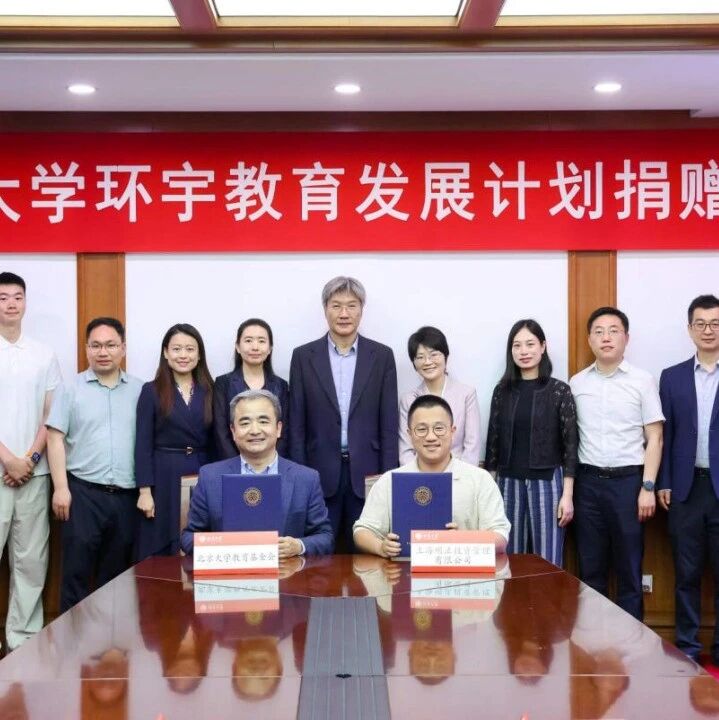
Core Viewpoint - The article emphasizes the importance of technological self-reliance and innovation in driving China's economic transformation, highlighting the role of quantitative investment firms in supporting talent development and scientific research in collaboration with top universities [1][2]. Group 1: Collaboration with Universities - Minghong Investment has initiated multiple educational programs with leading universities, including the "Huan Yu Education Development Plan" at Peking University and the "Tsinghua Friends-Minghong Education Development Plan," focusing on long-term investment in talent cultivation and scientific innovation [1][2]. - The firm has established scholarships and support programs across various institutions, including a scholarship at Shanghai Jiao Tong University that has benefited 246 students and 38 teachers, promoting excellence in scientific competitions [5][6]. Group 2: Multi-Dimensional Cooperation - Minghong Investment is committed to deepening cooperation with universities, focusing on faculty development, discipline advancement, and talent training, thereby creating a sustainable mechanism for collaborative education [3][4]. - The firm has set up specific awards and funding initiatives, such as the "Huan Yu Information Exploration Award" at Peking University, to encourage students in scientific research and innovation [3][4]. Group 3: Innovation Ecosystem - The company believes in fostering an environment that encourages curiosity and exploration among students, aiming to transform them from learners into creators through a collaborative ecosystem that integrates academic freedom with industry insights [7][8]. - Minghong's approach to talent development emphasizes discovering individual potential and supporting diverse growth paths, rather than focusing solely on specific academic tracks [8][9]. Group 4: Ongoing Engagement and Future Plans - Minghong continues to host various exchange activities, such as the "MINGHONG Talks," to provide students with insights into industry practices and career development [9]. - The firm plans to further deepen its collaboration with universities in areas such as talent training, discipline construction, and technological innovation, contributing to the development of a new quality of productivity in China [9].
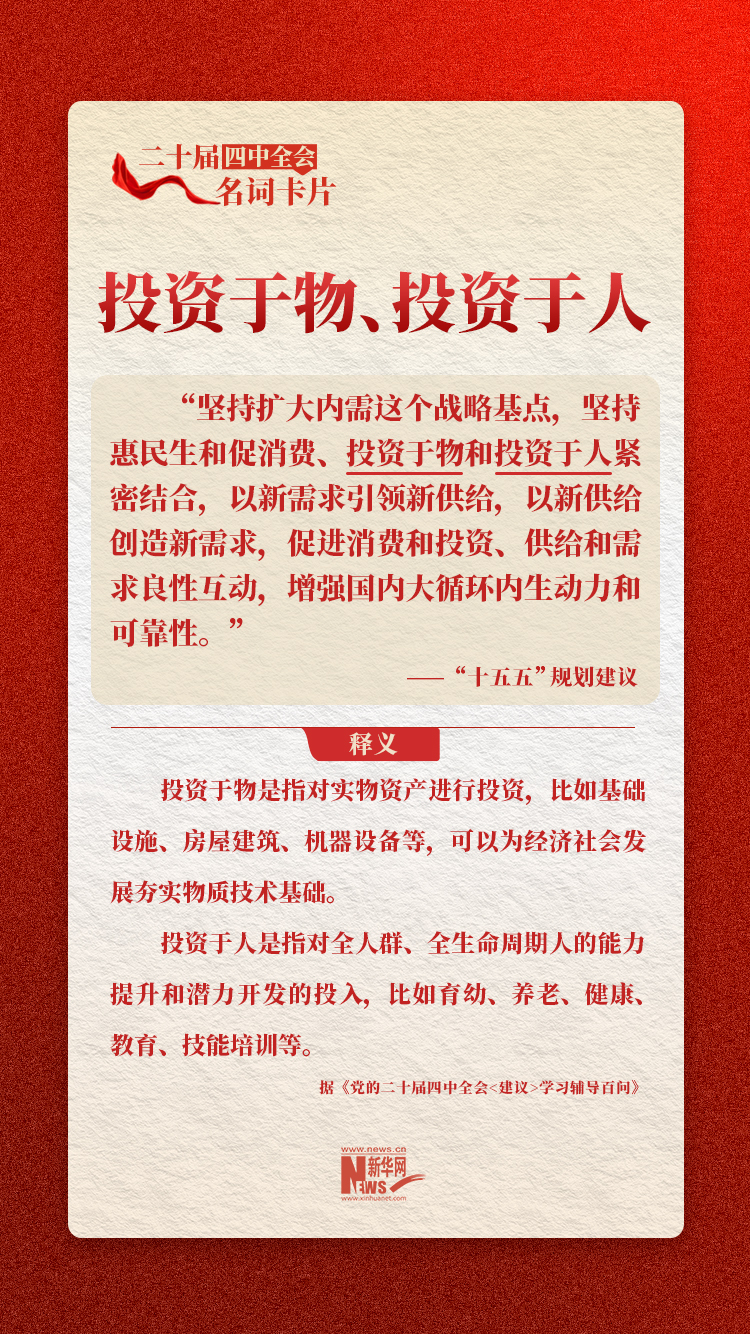
二十届四中全会名词卡片:投资于物、投资于人
Xin Hua Wang· 2025-11-13 13:19
Core Viewpoint - The article emphasizes the importance of balancing investments in physical assets and human capital to drive economic growth and improve living standards in China, highlighting the need for a strategic focus on both areas to enhance domestic demand and supply dynamics [2][8]. Group 1: Investment in Physical Assets - Investment in physical assets has played a crucial role in China's rapid economic development, leading to effective accumulation of physical capital, enhanced production capacity, and improved social productivity [6]. - Such investments are a significant component of total demand, driving economic growth, creating jobs, and increasing residents' wealth and consumption capacity [6]. - Recent investments in food reserves, energy bases, emergency supplies, and industrial backups have strengthened China's economic resilience and risk management capabilities [6]. Group 2: Potential for Further Investment in Physical Assets - There remains substantial potential for further investment in physical assets in China, as per capita capital stock is still relatively low compared to developed countries [7]. - The capital stock structure requires optimization, with some key industries facing insufficient investment and quality issues, necessitating upgrades to outdated machinery, infrastructure, and urban areas [7]. Group 3: Importance of Investment in Human Capital - The urgency of investing in human capital has become increasingly apparent, as the return on investment in physical assets has declined in recent years [8]. - To transition from a capital-intensive to a talent-intensive economy, it is essential to enhance investments in human capital, fostering human capital accumulation and creating a "human capital dividend" [8]. - Increased investment in education, healthcare, and elderly care is vital for improving living standards and achieving high-quality development for the population [8]. Group 4: Key Directions for Investment in Human Capital - Improving income distribution systems and ensuring fair compensation based on contributions is essential for promoting productivity [9]. - Advancing equal access to basic public services and reducing disparities between regions and demographics is a priority [9]. - Increasing government investment in areas such as childcare, education, healthcare, vocational training, and cultural sports is necessary to cover the entire population and lifecycle [9]. - Strengthening human resource development and investing in high-skilled talent, particularly in technology and innovation, is crucial for supporting high-quality development [9]. Group 5: Establishing Long-term Mechanisms for Human Capital Investment - Establishing a long-term mechanism for human capital investment involves optimizing fiscal responsibilities and resource allocation, enhancing local government assessment and incentive systems [10]. - It is important to stimulate the active participation of various stakeholders in investing in human capital and to include such investments in statistical accounting [10].
10月CPI和PPI点评:“投资于人”背景下预计核心CPI涨幅延续
Changjiang Securities· 2025-11-11 06:13
Report Industry Investment Rating No information provided in the document. Core View of the Report - In October 2025, CPI turned positive year-on-year for the first time this year, and PPI increased 0.1% month-on-month. Core CPI continued to rise, potentially driven by the "Investing in People" policy, supported by both service and industrial consumer prices. The drag from food and energy weakened. The prices of upstream extraction and processing and key manufacturing industries for capacity management in PPI stabilized and rebounded, with marginal improvement in the supply-demand relationship. The low-price environment continued to improve, but due to the holiday demand in October, the transmission from industrial products to consumer goods needed further observation. Prices were expected to continue a mild improvement, but the bond market had already priced in price expectations to a certain extent, so the impact of prices on the bond market within the year might be limited. The yield of the active 10-year Treasury bond (tax-free) was expected to decline to 1.65%-1.7%, and the yield of the taxable bond to 1.7%-1.75% [2]. Summary by Relevant Catalog Event Description - In October 2025, CPI rose 0.2% month-on-month and 0.2% year-on-year, higher than the consensus forecast of -0.05%. Core CPI rose 1.2% year-on-year, with the increase expanding for the sixth consecutive month. PPI increased 0.1% month-on-month, turning from flat in the previous month, and decreased 2.1% year-on-year, with the decline narrowing by 0.2 percentage points compared to the previous month, higher than the consensus forecast of -2.3% [6]. Event Review - **Core CPI Continued to Rise**: In October, core CPI rose 1.2% year-on-year, reaching a new high since March 2024. Service prices increased 0.8% year-on-year, with travel-related consumption strong and tourism prices rising 2.5% month-on-month above the seasonal level. Medical and household service prices rose 2.4% and 2.3% year-on-year respectively. Industrial consumer goods (excluding energy) prices continued to improve, rising 2.0% year-on-year. With the government emphasizing "Investing in People" policies, core CPI might maintain its resilience [10]. - **Food and Energy Drag Weakened, CPI Turned Positive Year-on-Year**: In October, CPI turned positive year-on-year to 0.2%, rising 0.2% month-on-month slightly above the seasonal level. Food prices decreased 2.9% year-on-year, but the decline narrowed by 1.5 percentage points compared to the previous month, with a 0.3% month-on-month increase stronger than the seasonal level. Energy prices decreased 2.4% year-on-year, and the drag on the overall CPI weakened compared to the previous month [10]. - **PPI Turned Positive Month-on-Month, Upstream and Key Manufacturing Prices Rebounded**: In October, PPI increased 0.1% month-on-month, the first positive growth this year, and the year-on-year decline narrowed to 2.1%, improving for the third consecutive month. Production material prices stabilized, with coal, non-ferrous metals and other upstream industries showing obvious price rebounds. Under the promotion of key industry capacity management, the year-on-year decline in prices of photovoltaic equipment, battery manufacturing, and automobile manufacturing narrowed [10]. - **High - end Manufacturing Showed Resilience, but Downstream Pressure Remained**: The prices of computer整机 manufacturing, lithium - ion battery manufacturing, and integrated circuit manufacturing all turned from decline to increase month-on-month. However, the prices of consumer durables and clothing remained weak, and traditional chemical and non-metallic product industries were still under pressure due to factors such as the decline in international oil prices and the adjustment of the real estate market [10]. - **Low - price Environment Improved, but Transmission Needed Observation**: The improvement in October data was partly driven by the temporary demand during the National Day and Mid - Autumn Festival holidays. Prices were expected to continue a mild improvement within the year. The bond market had already priced in price expectations to a certain extent, so the impact of prices on the bond market within the year might be limited [10].
“投资于人”!头部量化私募大动作
券商中国· 2025-11-10 23:43
Core Viewpoint - The article emphasizes the importance of accelerating the construction of a technology and financial powerhouse in China, highlighting the significant contributions of quantitative private equity firms in AI research and application, which not only drive the development of China's capital markets but also cultivate top-tier technology talent [1]. Group 1: Educational Initiatives - Minghong Investment has deepened its collaboration with universities, establishing various talent support programs, including scholarships at Shanghai Jiao Tong University and Fudan University, aimed at fostering technological innovation and supporting the cultivation of Chinese tech talent [2][4]. - The "Hui Ming Talent Support Program" at Fudan University has already funded over 20 senior experts and young scholars, covering various incentives such as named distinguished professor rewards and major achievement awards [8]. - Minghong's initiatives include the "Minghong Science and Technology Innovation Scholarship" at Shanghai Jiao Tong University, which directly incentivizes talent growth in fundamental disciplines [9]. Group 2: Collaborative Framework - Minghong Investment focuses on building a long-term collaborative mechanism with universities, emphasizing faculty development, discipline growth, and talent cultivation [4]. - The company has established the "Hui Ming Talent Support Program" at Fudan University and the "Hui Ming Education Development Plan" at Peking University, which aim to support various academic fields and promote interdisciplinary collaboration [4][8]. - Minghong's partnerships with universities are not limited to financial support but also include activities like campus visits and technical exchanges, fostering a dialogue between students and industry experts [7][11]. Group 3: Innovation Ecosystem - Minghong believes in creating an innovation ecosystem that encourages exploration, tolerates failure, and promotes breakthroughs, allowing academic freedom and industry insights to nourish each other [11][12]. - The company aims to provide a supportive environment for students to pursue their interests and develop their capabilities, emphasizing the importance of curiosity and self-exploration in education [11][12]. - Minghong's commitment to investing in people is seen as a long-term strategic choice, focusing on nurturing diverse talents who can contribute to societal progress [12][13]. Group 4: Future Directions - Minghong plans to continue its collaborative efforts with universities in talent cultivation, discipline development, and technological advancements, reinforcing its role in building a strong foundation for China's education, technology, and talent sectors [13]. - The company aims to create more opportunities for innovative talents, ensuring they can focus on exploration and creation without distractions [12][13].
民生为本,大国之策:中国式现代化的价值锚点
Jing Ji Guan Cha Wang· 2025-11-09 05:34
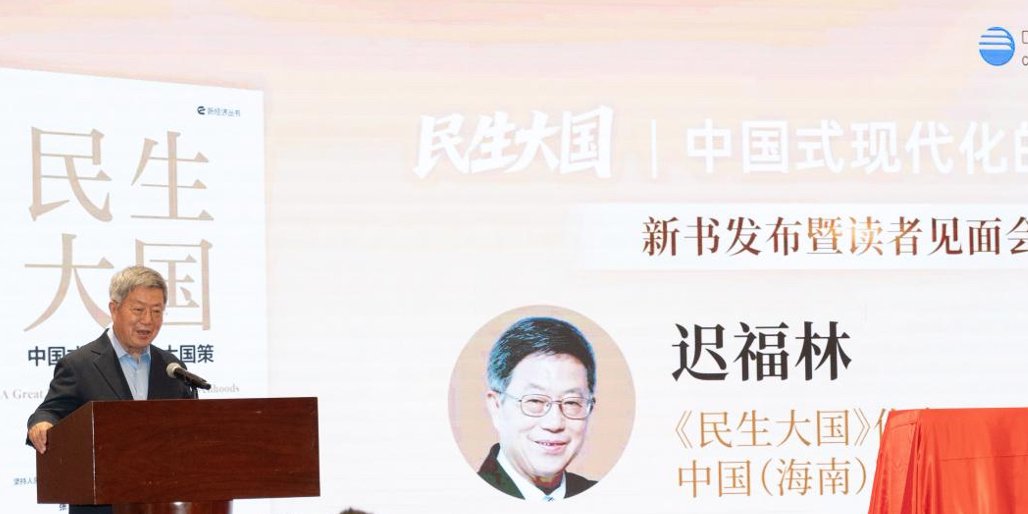
Core Viewpoint - The article discusses the release of a new book titled "A People-Centric Nation: The Great Strategy of Chinese-style Modernization," which emphasizes the importance of improving people's livelihoods as a foundation for national strength and outlines a path for modernization that benefits all citizens [2][3]. Group 1: Book Release and Significance - The book was officially launched by the China (Hainan) Reform and Development Research Institute and CITIC Publishing Group, with participation from various media and academic representatives [2]. - The author, Professor Chi Fulin, highlights that the book addresses new demands arising from changes in China's social contradictions and provides strategic insights for the 14th Five-Year Plan and the 2035 vision [3][4]. Group 2: Key Themes and Proposals - The book argues for prioritizing people's well-being in reforms, emphasizing that the ultimate goal of reform is to enhance the happiness of citizens [5]. - It proposes that building a "People-Centric Nation" requires equal access to basic public services, urbanization centered on human needs, and increased investment in human capital [8]. - The book also stresses the importance of responding to people's needs through reforms, which will enhance the synergy of comprehensive reforms and drive high-quality development over the next decade [5][8]. Group 3: Expert Opinions and Discussions - Experts participating in the discussion emphasized that viewing China as a "People-Centric Nation" will contribute to sustainable economic development and high-quality growth [6]. - The book is seen as a significant academic contribution that translates the concept of reform for the people into scholarly language, aligning with the spirit of the 20th National Congress of the Communist Party of China [6]. - The historical and practical significance of the book is recognized, with its insights deemed crucial for understanding national conditions and development directions [6].