中美博弈

Search documents
大国博弈下的医疗器械专题解读之临床质谱篇
2025-04-23 01:48
Summary of Key Points from the Conference Call Industry Overview - The global mass spectrometry market is dominated by major players such as Thermo Fisher and Danaher, holding over 98% market share, with a market size of $7.7 billion in 2021 and a projected CAGR of over 7% from 2018 to 2026 [1][5] - In China, the mass spectrometry market was approximately 14 billion RMB in 2020, with a CAGR of nearly 20% from 2015 to 2020, and a decreasing reliance on imports [1][5] Core Insights and Arguments - The import value of mass spectrometers in China reached $1.5 billion in 2020, with over 30% sourced from the U.S. The main types dominating the market are LC-MS/MS and MALDI-TOF, each accounting for over 30% of the market share [1][6] - Significant progress has been made in domestic alternatives for MALDI-TOF, with 33 domestic devices approved by July 2024. The U.S. export restrictions on high-end LC-MS/MS starting January 2025 will impact China's biopharmaceutical research and development [1][8][7] - The Chinese government has implemented various policies to support domestic mass spectrometry alternatives, including promoting equipment upgrades and integrating mass spectrometers into county-level hospital standards [1][9] Market Dynamics - Domestic companies have made advancements in core components for MALDI-TOF and ICP-MS, but high-end general components still rely on imports [1][10][11] - The penetration rate of clinical mass spectrometry in China is significantly lower than in the U.S., indicating substantial growth potential. The market demand is expected to grow at a CAGR of nearly 20% from 2021 to 2030, driven by domestic needs [1][12] Company-Specific Developments - Focus on the performance of Ginkgo Technology, which reported over 3.6 billion RMB in revenue for 2024, a year-on-year increase of over 13%, and a net profit turnaround exceeding 160% due to strategic adjustments and robust growth in core business areas [1][13] - Ginkgo Technology's subsidiary, Puyou Technology, achieved over 1.4 billion RMB in revenue, contributing significantly to the parent company's performance. The company is actively involved in the clinical mass spectrometry and semiconductor detection sectors [1][14] Additional Important Insights - The ongoing U.S.-China geopolitical tensions are creating opportunities for domestic companies in the clinical mass spectrometry sector, as tariffs on U.S. imports exceed 100% [1][8] - The overall industry is expected to benefit from the dual dividends of domestic substitution and government support, with Ginkgo Technology positioned to capitalize on these trends [1][14]

策略周报:中美博弈如何影响市场-20250421
Guohai Securities· 2025-04-21 07:32
Group 1: Impact of US-China Competition on Markets - The types of US-China competition can be categorized into four main areas: trade, technology, finance, and geopolitical issues, with tariffs being the most impactful [4] - The technology competition began with significant events such as the ZTE incident in 2018 and the Huawei entity list in 2019, causing short-term market shocks of around 5%, while themes of self-sufficiency and countermeasures performed well structurally [4] - Financial competition included the designation of China as a currency manipulator in 2019 and the Foreign Companies Accountability Act from 2020 to 2022, which had a notable impact on Hong Kong stocks, leading to market shocks of 5-10% [4] - Geopolitical events, such as the closure of consulates and the Xinjiang cotton incident, typically resulted in short-lived market impacts, with recovery occurring within a week, while sectors like defense and self-sufficiency themes performed well [4] Group 2: Trade Dynamics - The trade conflict initiated on March 23, 2018, with the US imposing tariffs on $60 billion worth of Chinese imports, leading to a significant market downturn followed by a three-month period of volatility [11] - Following the escalation of tariffs in June 2018, the market experienced a deeper adjustment, with sectors like defense and technology showing relative resilience [14] - The recent imposition of a 34% "reciprocal tariff" on April 2, 2025, led to a rapid decline in the Shanghai Composite Index, with export-oriented sectors suffering while domestic demand sectors like agriculture and food performed well [25] Group 3: Technology Sector Developments - The US's ban on ZTE in April 2018 marked the beginning of a technology confrontation, leading to a quick release of risk aversion in the A-share market [30] - The arrest of Huawei's CFO in December 2018 escalated concerns about the globalization of Chinese tech firms, causing significant market declines, particularly in the TMT sector [33] - The implementation of the US Chip and Science Act in August 2022 and subsequent export controls have pressured the technology sector, but the narrative of self-sufficiency has gained traction, leading to potential recovery opportunities [42][44] Group 4: Geopolitical Events - The closure of consulates in 2020 led to a brief change in risk appetite, but the market quickly recovered as tensions did not escalate further [50] - The "Xinjiang cotton" incident in 2021 had minimal impact on the overall market, instead boosting domestic brands like Anta and Li Ning [51] - The visit of Nancy Pelosi to Taiwan in August 2022 initially caused market declines, but subsequent recovery was driven by rising expectations for domestic semiconductor production [52] Group 5: Financial Sector Insights - The designation of China as a "currency manipulator" in August 2019 led to a market downturn, but a subsequent liquidity easing allowed for a rapid recovery [60] - The Foreign Companies Accountability Act from 2020 to 2022 primarily impacted US-listed Chinese companies and Hong Kong stocks, but the long-term effects were manageable as many companies opted for secondary listings in Hong Kong [61]
国泰君安期货研究周报-20250420
Guo Tai Jun An Qi Huo· 2025-04-20 09:46
2025年04月20日 请务必阅读正文之后的免责条款部分 1 期货研究 商 品 研 究 所 二 〇 二 四 年 度 国泰君安期货研究周报 观点与策略 | 铁矿石:预期反复,宽幅震荡 | 2 | | --- | --- | | 螺纹钢:预期悲观,弱势震荡 | 11 | | 热轧卷板:预期悲观,弱势震荡 | 11 | | 焦煤焦炭:仓单压制,价格承压 | 22 | | 动力煤:需求乏力,低位震荡 | 27 | | 镍:矿端矛盾下方支撑,相对经济性收敛上方空间 | 31 | | 不锈钢:负反馈施压估值,成本下行但仍有托底 | 31 | | 工业硅:悲观情绪发酵,盘面偏弱格局 | 40 | | 多晶硅:现货报价下跌,盘面持续回落 | 40 | | 碳酸锂:供需双弱,强基差下仓单需求提升 | 50 | | 全国碳市场:发电行业配额预分配在即,关注市场活跃度 | 59 | | 棕榈油:产地卖压显现,价格压力释放 | 63 | | 豆油:缺乏驱动,震荡整理 | 63 | | 豆粕:仍关注关税与天气,宽幅震荡 | 68 | | 豆一:关注储备拍卖,宽幅震荡 | 68 | | 玉米:震荡行情 | 74 | | 棉花:缺乏上涨驱 ...
重磅!长和港口买家突然换人,李嘉诚玩了一出明修栈道暗渡陈仓
Sou Hu Cai Jing· 2025-04-17 20:55
Group 1: Core Insights - The transaction involving Li Ka-shing's Cheung Kong Group reflects a strategic maneuver to navigate the complexities of U.S.-China relations, with a shift in the acquisition of 43 port assets from U.S. BlackRock to Italian Aponte family for $13.5 billion [1][2] - The underlying structure of the deal reveals a dual-layered approach, where the actual control of key Panama Canal ports remains with U.S. capital through offshore companies and financial instruments, despite the apparent change in ownership [2][4] - The transaction highlights the challenges faced by multinational corporations in balancing compliance with local regulations while maintaining ties with U.S. capital, showcasing a "puppet front and backend operation" model [2][7] Group 2: Geopolitical Context - The Panama Canal is a critical global trade route, with 6% of maritime trade passing through it, indicating the strategic importance of control over such chokepoints in the context of U.S. military and capital influence [4][5] - The transaction underscores the vulnerability of smaller nations like Panama in the face of great power politics, revealing how they can become pawns in larger geopolitical games [4][5] - China's heightened vigilance regarding such transactions stems from its reliance on maritime routes for 85% of oil imports and 90% of foreign trade, raising concerns over potential "chokehold effects" from changes in control of key shipping lanes [4][5] Group 3: Industry Dynamics - The restructuring of port assets reflects a broader trend of capital seeking to adapt to changing geopolitical landscapes, with a notable increase of 32% in port investments within the RCEP region and accelerated digital port construction along the Belt and Road Initiative [7][8] - The evolving regulatory environment in China, including the extension of review periods for foreign investments in sensitive sectors like transportation infrastructure, is forcing multinational corporations to reassess their strategies [7][8] - The shift from traditional financial arbitrage to a more integrated approach with regional development strategies is becoming essential for capital to thrive in the new geopolitical climate [7][8]


为应对中国稀土管制,特朗普盯上太平洋海底
Sou Hu Cai Jing· 2025-04-17 11:45
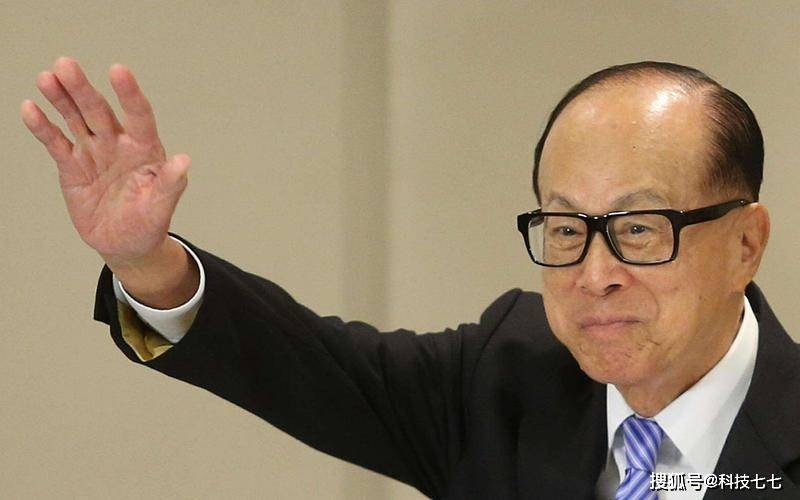
Core Viewpoint - The Trump administration is drafting an executive order to allow the U.S. to stockpile metal resources from the Pacific seabed in response to China's dominance in the battery metals and rare earth supply chain, but faces significant challenges [1][3]. Group 1: Challenges of Deep-Sea Mining - There is widespread domestic opposition in the U.S. to deep-sea mining due to environmental concerns, with experts warning that it could cause far greater damage than land mining [5]. - The U.S. lacks the necessary technology and capabilities for deep-sea mining, which involves high costs and complex operations, making it potentially more expensive than importing rare earth materials [5]. - The U.S. faces pressure from the United Nations, as the International Seabed Authority (ISA) has stated that all exploration and mining activities must be regulated by them, and unilateral actions could violate international law [7]. Group 2: Context of Rare Earth Supply Chain - The U.S. is currently highly dependent on China for both raw materials and development technology related to rare earth elements, which poses a risk if China decides to restrict exports [3]. - China has already begun implementing export controls on seven rare earth items in response to U.S. tariffs, highlighting the ongoing tensions in the trade relationship [3].

有钱真的可以为所欲为
表舅是养基大户· 2025-04-16 13:30
今天收盘后,昨晚咱们的标题,《 暂时不允许股市下跌》,是不是含金量更高了? 尾盘14点30之后,几个沪深300、上证50、中证500、中证1000ETF,再次集体放量,国家队靠一己之力, 再次把上证指数和沪深300,双双拉 红, 实现了上证指数的七连阳 。 空头:有钱大晒啊? 国家队:sorry,有钱真系大晒。 我们还是以日间活跃度不算大的,华夏沪深300ETF为例,下面的分时图的黄色框框显示, 14点30之后,买盘一通放量 ,瞬间指数就窜起来了。 第一,具体买了什么品种? 这个,几乎是明牌,主要是4个品种,上证50、沪深300、中证500、中证1000。 时至今日,去探讨国家队尾盘拉升的合理性和必要性,已经没有太大的意义了,我们不妨站在国家队的视角,去思考几个问题。 第二,这样拉尾盘,每天需要买多少?换句话说,国家队买不买的动? 昨天一天来看,上述4个品种,净买入靠前的几个产品,合计净买入在90亿左右。 上周四、周五那两天,基本可以确定国家队没买,当日,宽基ETF,分别流出-45亿、-50亿,这都是市场化想卖出止盈的资金。 也就是说,简单来看,要确保稳住大盘,国家队需要每日准备,至少2倍于市场卖盘体量的资金 ...
李嘉诚开始后悔了?国家正式叫停,长和集团态度大转变:不会签约
Sou Hu Cai Jing· 2025-03-31 00:28
Core Viewpoint - The sale of Panama ports by CK Hutchison Holdings is facing delays and scrutiny, with the company not expected to sign any agreements next week as previously planned, raising concerns about the implications of the deal [1][3]. Group 1: Transaction Details - CK Hutchison had reached a preliminary agreement with a consortium led by BlackRock to sell 43 port operations, including those in Panama, aiming to raise $19 billion [1][3]. - The Hong Kong government was reportedly unaware of the deal until early March, indicating a lack of transparency in the transaction process [3][4]. Group 2: Regulatory and Political Implications - The Chinese government has expressed disapproval of the transaction, with the State Administration for Market Regulation indicating that it will conduct a review to ensure fair market competition and protect public interests [4][6]. - The involvement of the anti-monopoly division suggests that the deal's implications extend beyond commercial interests, touching on supply chain security and geopolitical concerns [6][8]. Group 3: Historical Context and Reactions - Historically, CK Hutchison has been reluctant to sell strategic assets to Chinese state-owned enterprises, previously rejecting offers that were significantly higher than those from foreign investors [3][4]. - The transaction has sparked significant debate in Hong Kong, with media and government officials urging caution regarding the sale of such critical infrastructure [4][6].

最后倒计时!李嘉诚次子抵京,两大港口悬而未决,局势或迎转机
Sou Hu Cai Jing· 2025-03-30 07:38
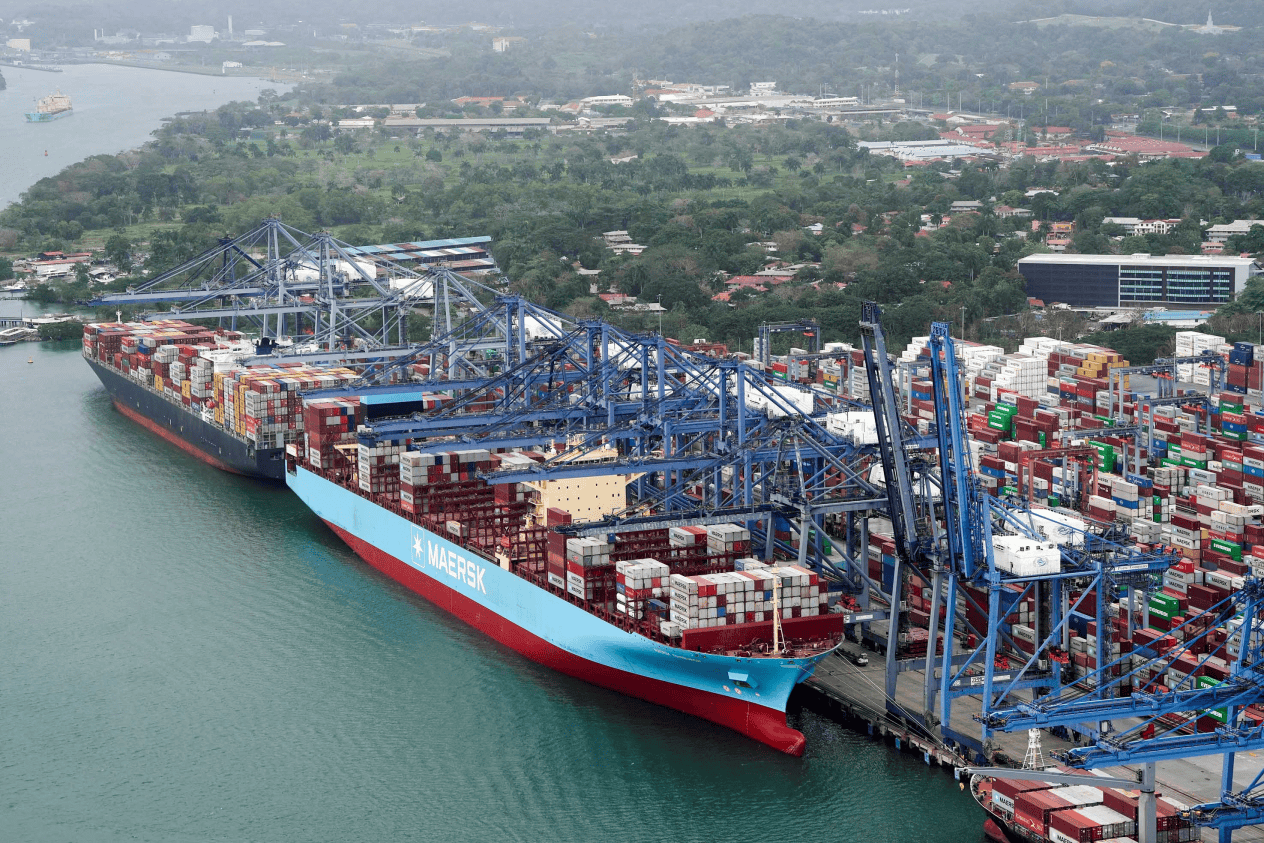
据红星新闻报道,3月4日深夜,李嘉诚旗下长江和记实业有限公司(00001.HK)在港交所公告,宣布与贝莱德(BlackRock)牵头的财团达成原则性协 议,出售其全球港口业务核心资产,其中涉及巴拿马港口公司90%股权。该财团成员包括美国资产管理公司贝莱德及其全球基础设施投资合伙企业 (GIP)、地中海航运旗下码头投资公司(TiL)。受上述消息影响,3月5日,长和股价大涨,截至收盘,涨幅为21.86%,总市值为1804亿港元。 目前距离李嘉诚旗下的香港长江和记集团与美国贝莱德集团牵头的财团签署的两座巴拿马港口股权交易截止日期已经仅剩一周的时间,但该公司和 香港特区政府之间的"博弈"在继续。目前长和集团和港府仍然在商讨"合理的解决办法"。据消息人士26日透露,港府在3月4日意外得知长和集团将 向美方出售其所有海外港口业务后,立即与该公司取得了联系。长和集团在公告中表示,将出售其在23个国家43个港口的199个泊位的权益,其中 包括在巴拿马运河两端的港口运营权益,价值高达230亿美元。 李嘉诚(资料图) 现在,巴拿马运河上的两座港口,李嘉诚还没卖,因为在完成最终的交割前,还要经过不少的程序。不过,也有媒体预测,下个 ...

猝不及防!97岁李嘉诚赌输了?中方反将一军,长和一夜蒸发323亿
Sou Hu Cai Jing· 2025-03-28 10:55
据直新闻报道,3月18日,有记者提问,有报道称,在长江和记集团同意出售在巴拿马业务后,中国政府正就该集团出售 海外港口对其开展调查。外交部能否证实并提供更多细节?外交部发言人表示,有关具体情况请向主管部门询问。作为 原则,我想强调,中方一贯坚决反对利用经济胁迫、霸道霸凌侵犯损害他国正当权益的行为。 李嘉诚(资料图) 巴拿马运河(资料图) 回顾过去一段时间,长和在最近11个交易日里,市值累计已蒸发323.6亿港元,即使对于李嘉诚这样的富豪来说,这也不 是一个小数字。尤其值得一提的是,本月20号,长和发布了去年的业绩报告,数据显示去年长和总营收同比增长了 3.3%,是个比较亮眼的数据,按照常理,长和的股价不该继续下跌才对。至于长和股价下跌刹不住的原因,其实也不难 猜到,主要是李嘉诚出售港口的交易,可能会触发法律方面的问题。 李嘉诚(资料图) 随着李嘉诚旗下长江和记将43个港口打包出售给贝莱德财团的事情愈演愈烈,李氏家族已经被推到了舆论的风口浪尖 上,不仅官方两度发文、五连质问,就连民间的声讨也是极为强烈。按照原定时间,4月2日将是长江和记和贝莱德财团 签署交易案的日期,按照美国对巴拿马运河的觊觎和重要的战略位置, ...

还剩七天交易,李嘉诚或许认怂,长和与港府谈判,国企证实或接手
Sou Hu Cai Jing· 2025-03-28 09:28
Core Viewpoint - The impending sale of ports by Cheung Kong Holdings to BlackRock, particularly the two Panama ports, is under scrutiny due to geopolitical tensions and potential impacts on China's shipping industry [1][3]. Group 1: Transaction Details - Cheung Kong Holdings announced the sale of port rights in 43 ports across 23 countries to BlackRock for $22.8 billion, including two key ports at either end of the Panama Canal [1]. - The transaction has generated significant public and media attention, particularly regarding its implications for China's maritime interests [3]. Group 2: Political and Regulatory Pressure - There is increasing pressure from public opinion and political entities, with discussions ongoing between the Hong Kong government and Cheung Kong Holdings to find a reasonable solution [3]. - The Chinese government has reportedly instructed state-owned enterprises to pause new collaborations with Li Ka-shing and his family businesses, while existing projects remain unaffected [4]. Group 3: Business Impact and Strategy - Despite the pressure, Cheung Kong Holdings derives only 12% of its revenue from Hong Kong and mainland China, with the majority of its operations in Europe, North America, and Australia [6]. - The port industry is not a core business for Cheung Kong Holdings, which may allow for strategic flexibility in the sale [6][11]. - Li Ka-shing's family is attempting to expand their market presence in mainland China, indicating a potential conflict with the current regulatory environment [8]. Group 4: Market Dynamics - The sale of the Panama ports can be viewed through the lens of capital seeking advantageous positions amid the ongoing US-China geopolitical rivalry, particularly in maritime sectors [9][11]. - The decision on whether to proceed with the sale may hinge on Li Ka-shing's assessment of the importance of Western markets versus Chinese markets [13].